
10 Blueberry Varieties That Do Well in Home Gardens
Growing blueberries at home can be a satisfying way to add something useful and beautiful to your garden. Some varieties are better suited to home spaces and can give you a steady harvest with the right care. From there, it becomes easier to choose plants that match your climate and growing setup.
This post may contain affiliate links, which helps keep this content free. Please read our disclosure for more info.
Bluecrop Blueberry
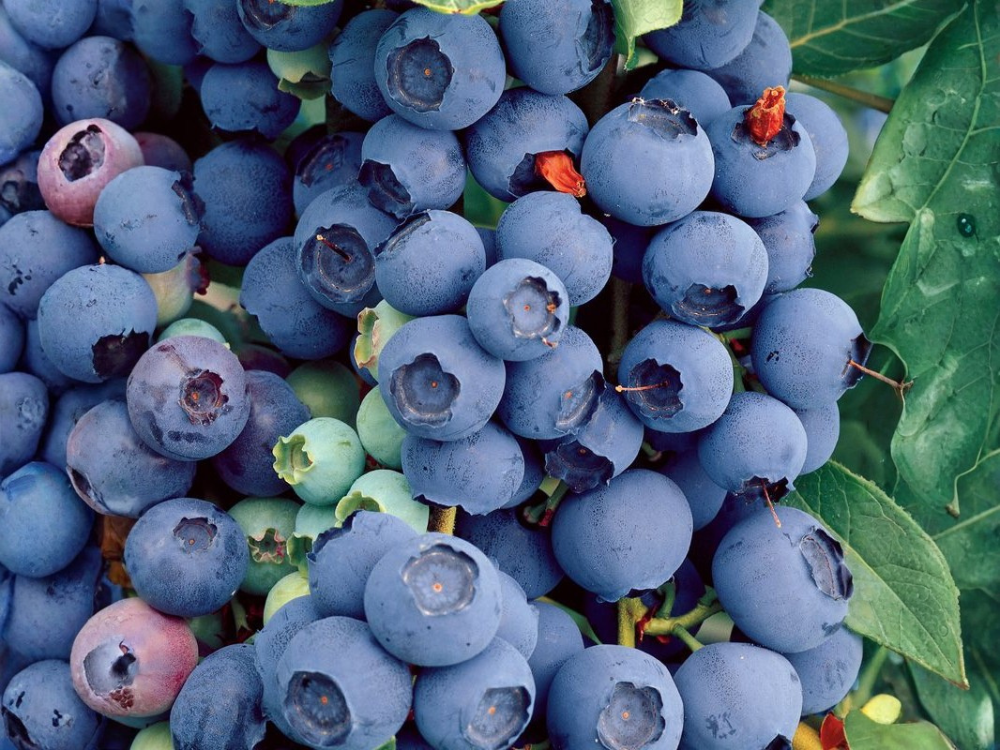
Bluecrop is a northern highbush blueberry that many home gardeners like because it is dependable, widely grown, and known for midseason fruit. The berries are large with a mild, sweet taste, and the bush often grows to about 5 feet tall and wide. It does best in full sun and acidic soil, which makes it a good fit for gardeners who can prepare the planting area well. This variety is a solid choice when you want a familiar blueberry that usually gives a steady crop in colder regions.
Start by planting it in a sunny spot with soil pH around 4.0 to 5.5 and mix in organic matter before planting. Water it well after planting, spread mulch around the base, and keep weeds away so the roots do not have to compete. During the first year, remove flower buds so the plant can put its energy into root and cane growth. After that, water during dry periods, prune out weak old canes in late winter, and plant another blueberry nearby for better pollination and berry size.
Patriot Blueberry
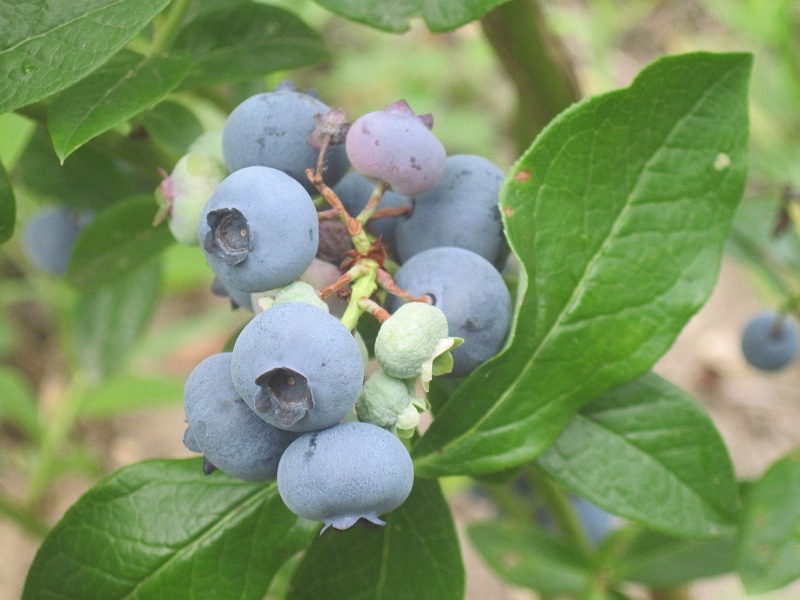
Patriot is an early ripening northern highbush blueberry that stands out for its very large berries and strong cold tolerance. The bush usually reaches about 4.5 feet tall and 4 feet wide, so it fits nicely into many home gardens. It is often chosen for colder areas where gardeners want fruit early in the season. The berries have a more tart edge than some other kinds, which many people enjoy for fresh eating and baking.
Plant Patriot in full sun and in soil prepared with sulfur and organic matter if the pH is too high. Water deeply after planting, add 2 to 4 inches of mulch, and keep the root area evenly moist through the growing season. Remove flowers for the first year or two, so the bush can settle in and grow stronger canes. In later years, prune in late winter, remove old wood and weak shoots, and keep another blueberry variety nearby for stronger fruit set.
Jersey Blueberry
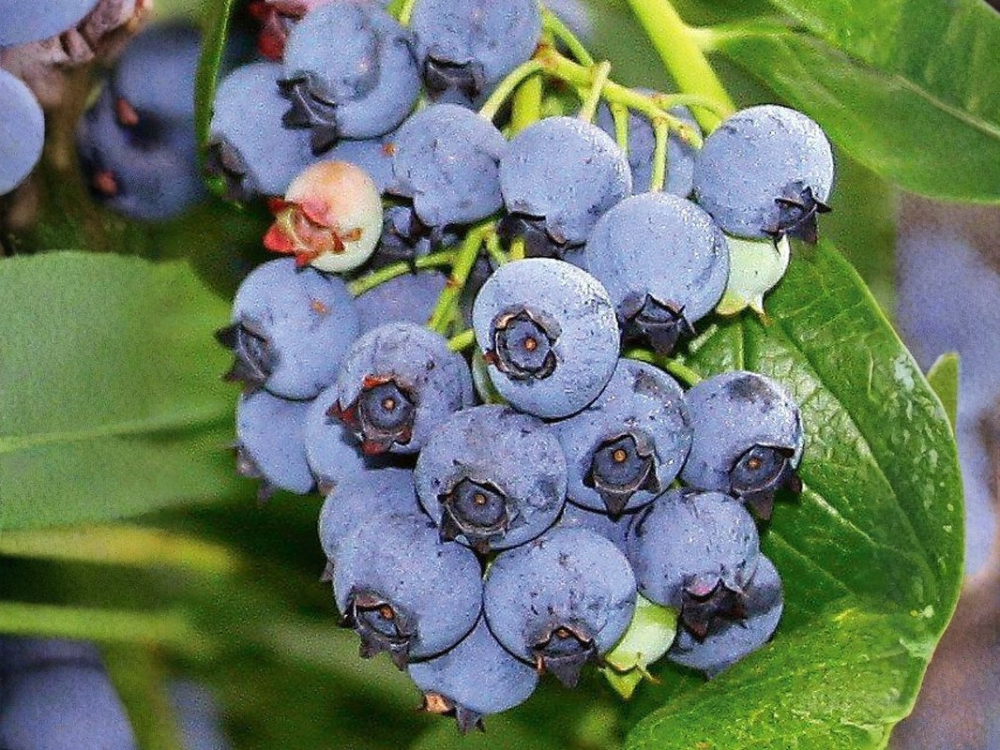
Jersey is a late-season northern highbush blueberry that has been a long-time favorite in home gardens. It is known for reliable crops and a more vigorous bush that can fill out nicely as it matures. Gardeners often like it because it helps stretch the harvest later into summer. It suits home plantings where people want a classic late blueberry with steady performance.
Choose a sunny site first, then prepare acidic soil with plenty of organic matter across the whole planting area rather than just the hole. Set the bush in place, water it well, and mulch the soil to hold moisture and keep roots cooler. Keep weeds down and do not let the bush carry fruit in its first years if you want stronger long-term growth. Once it matures, prune each winter by removing older canes and keeping younger, productive wood for the next crop.
Duke Blueberry
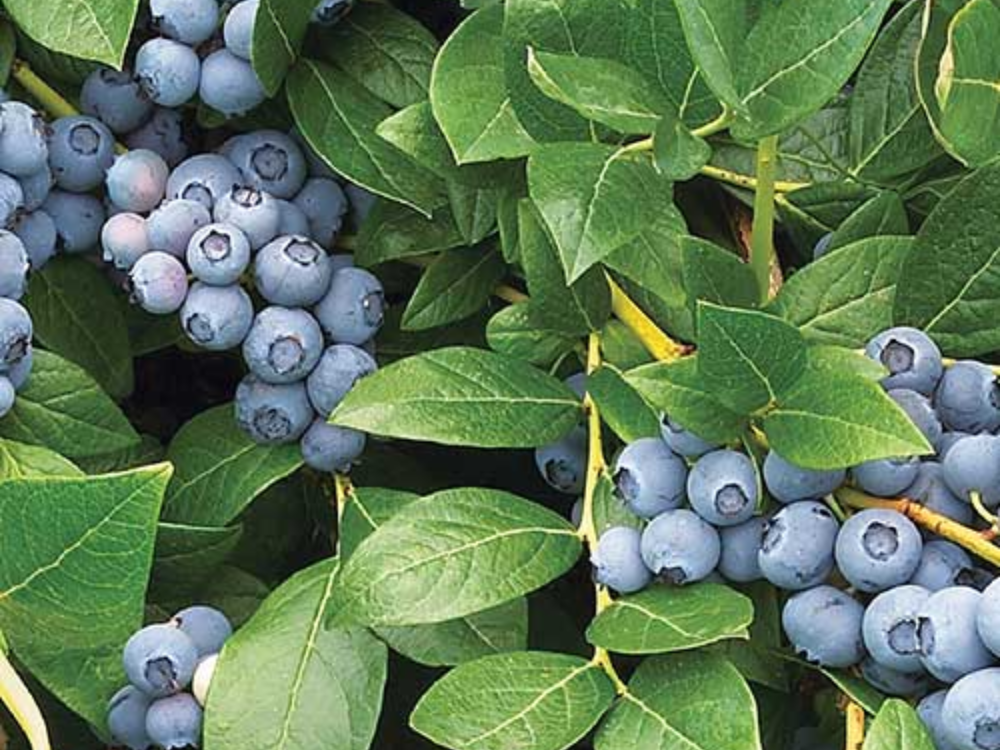
Duke is an early highbush blueberry that is often recommended for home gardens because it ripens early and adapts well in many cooler areas. The bush has an upright habit, which helps it fit well into neat rows or small backyard beds. Gardeners often pick it when they want the season to start early with a reliable harvest. It is a very useful blueberry when you want fresh fruit near the beginning of the season.
Start with full sun and loose acidic soil, then plant at the same depth the bush was growing before. Water it well, mulch around the base, and watch the soil moisture closely in warm weather because blueberries have shallow roots. Remove flower buds in the beginning so the plant can focus on getting established. After that, feed lightly with an acid-loving fertilizer if needed, prune in late winter, and keep another blueberry nearby to improve pollination.
Northblue Blueberry
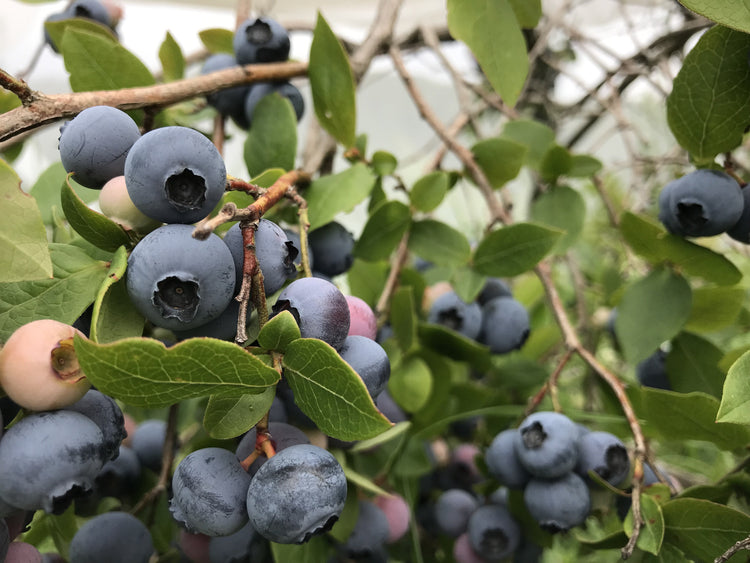
Northblue is a half-high blueberry bred for very cold climates, and it stays smaller than many full-size bushes. It usually grows around 3 feet tall and 4 feet wide, though it still produces large, dark blue berries with a firm texture. That smaller size makes it easy to fit into compact home gardens or mixed edible borders. It is a very practical pick for gardeners in colder regions who want something manageable.
Pick a sunny place, plant it in acidic soil, and water it right after planting so the root zone settles well. Add mulch around the plant, keep the bed weed-free, and check moisture often because shallow roots dry out faster than many shrubs. Remove blossoms early in the life of the bush so it can grow stronger. After the plant is established, prune lightly in late winter and keep another blueberry nearby for fuller crops and larger berries.
Elliott Blueberry
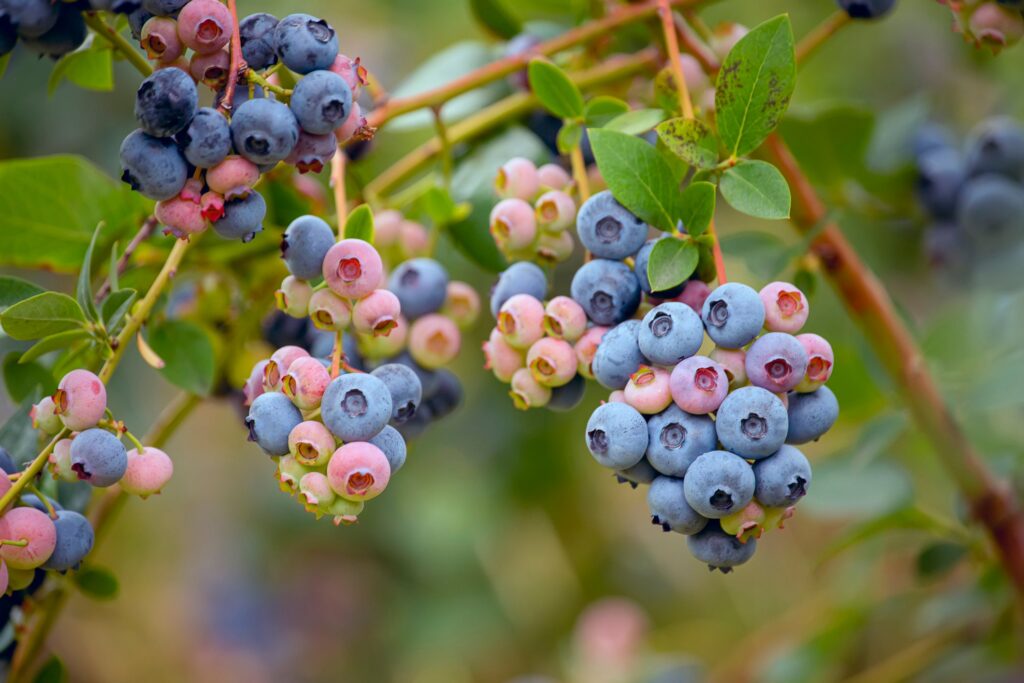
Elliott is a late ripening northern highbush blueberry that helps keep fresh berries coming after many other types are finished. It is often picked by home gardeners who want a longer harvest season instead of all their fruit ripening at once. The plant fits nicely into a mixed backyard planting with early and midseason bushes. This one is especially useful when you want to spread out picking over more weeks.
Plant Elliott in a bright sunny area with acidic, well-drained soil, and give it room for air movement around the bush. Water after planting, mulch the root zone, and keep grass and weeds out of the bed. In its early years, pinch off flowers so the bush can build a stronger frame. In later seasons, prune during dormancy, remove weak canes, and keep at least one more blueberry variety nearby so pollination stays strong.
Northcountry Blueberry
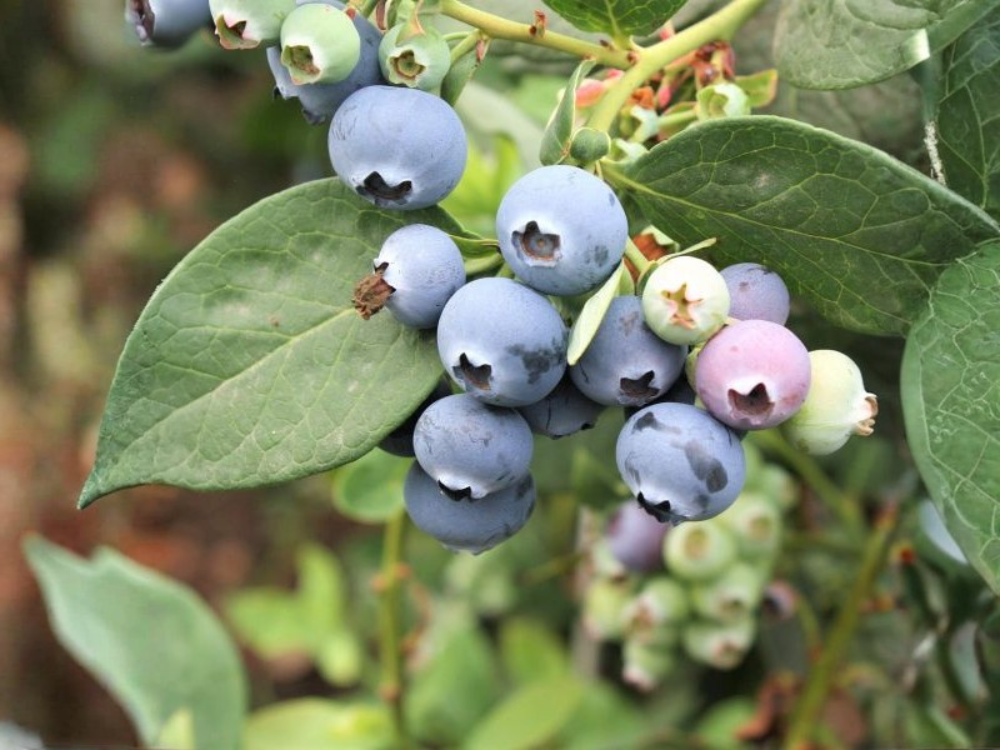
Northcountry is another half-high blueberry that stays quite compact and is often liked for its sweet, mild flavor. It usually reaches about 2.5 feet tall and 4 feet wide, so it works nicely in smaller spaces. The berries are smaller to medium in size, though the plant is still valued for home gardens because it handles cold weather well. It is a good fit when space is limited, and winter is harsh.
Begin with a sunny bed and acidic soil, then plant and water thoroughly to settle the roots. Spread mulch around the plant, pull weeds by hand, and keep the soil from drying out during hot spells. Do not let the bush fruit heavily right away, since early fruit removal helps the plant settle in better. Later on, prune out weak or old wood in late winter and plant a second blueberry variety nearby because cross-pollination can improve berry size and yield.
Polaris Blueberry
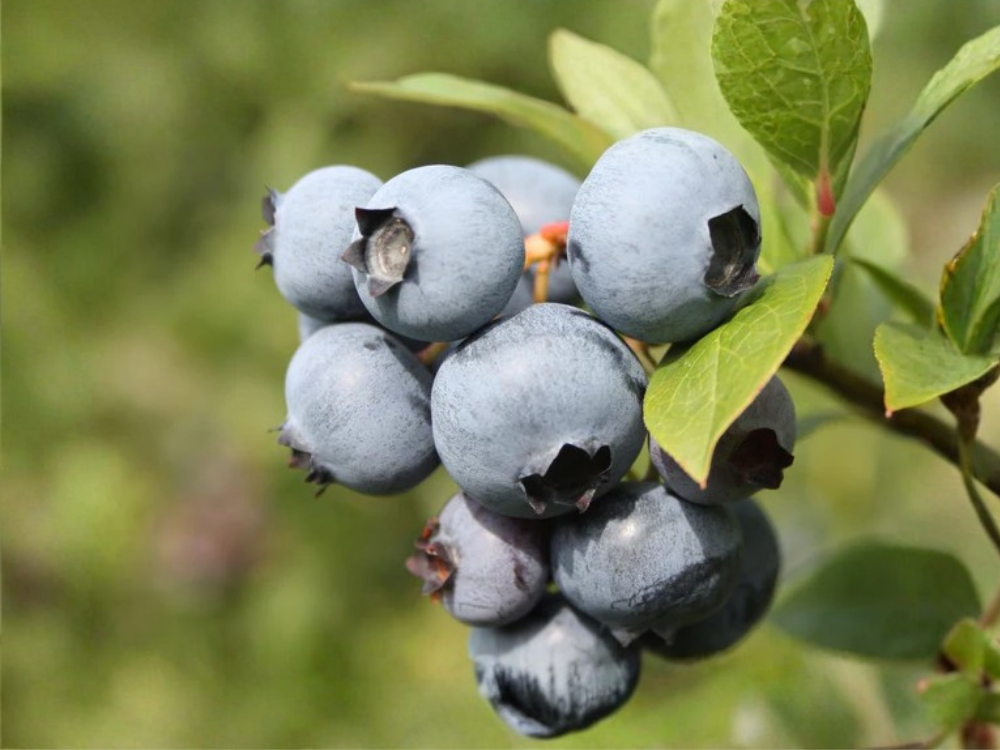
Polaris is a cold-hardy, half-high blueberry that home gardeners often choose for its crisp texture and early ripening fruit. It usually stays around 4 feet tall and 4 feet wide, which makes it easy to place in a home garden bed. The berries are medium in size and have a rich flavor that stands out. It is a strong option for colder yards where gardeners want early fruit from a modest-sized bush.
Plant Polaris in full sun and prepare the soil ahead of time so it is strongly acidic and rich in organic matter. Water after planting, mulch the bed, and keep the roots evenly moist during the growing season. Remove flowers during the first year or two so the plant grows stronger instead of carrying a crop too soon. Keep another blueberry variety nearby because this one requires a second variety for pollination, then prune lightly in late winter as the bush matures.
Chippewa Blueberry
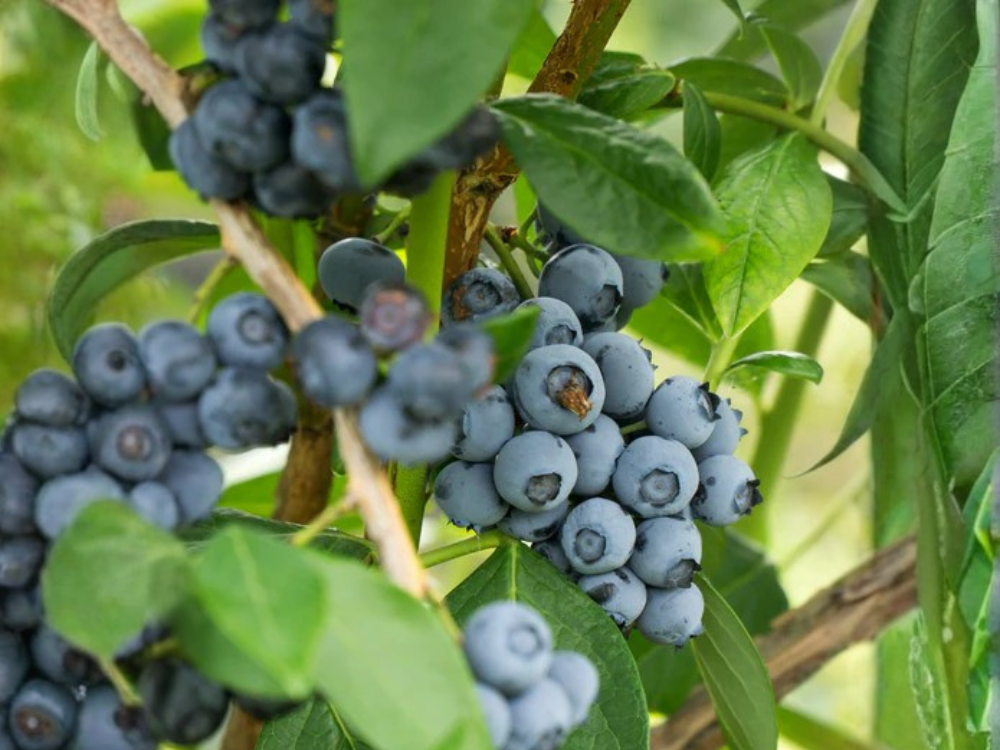
Chippewa is a half-high blueberry that many home gardeners like because it balances good cold hardiness with sweet, firm fruit. The bush usually grows about 4.5 feet tall and 5 feet wide, so it gives a fuller look than some of the smaller half-high types. Its berries are medium-large and ripen in midseason. This one is a nice middle ground for people who want a bush that is hardy and still fairly substantial in the yard.
Set it in a sunny area with acidic soil, then water deeply and mulch after planting. Keep weeds down and watch the moisture level during dry weather because blueberries do best with steady water. Remove flower buds while the plant is young, so root and cane growth stay the main focus. Once it is established, prune in late winter and keep more than one blueberry cultivar in the planting for stronger berry size and harvest.
Climax Blueberry
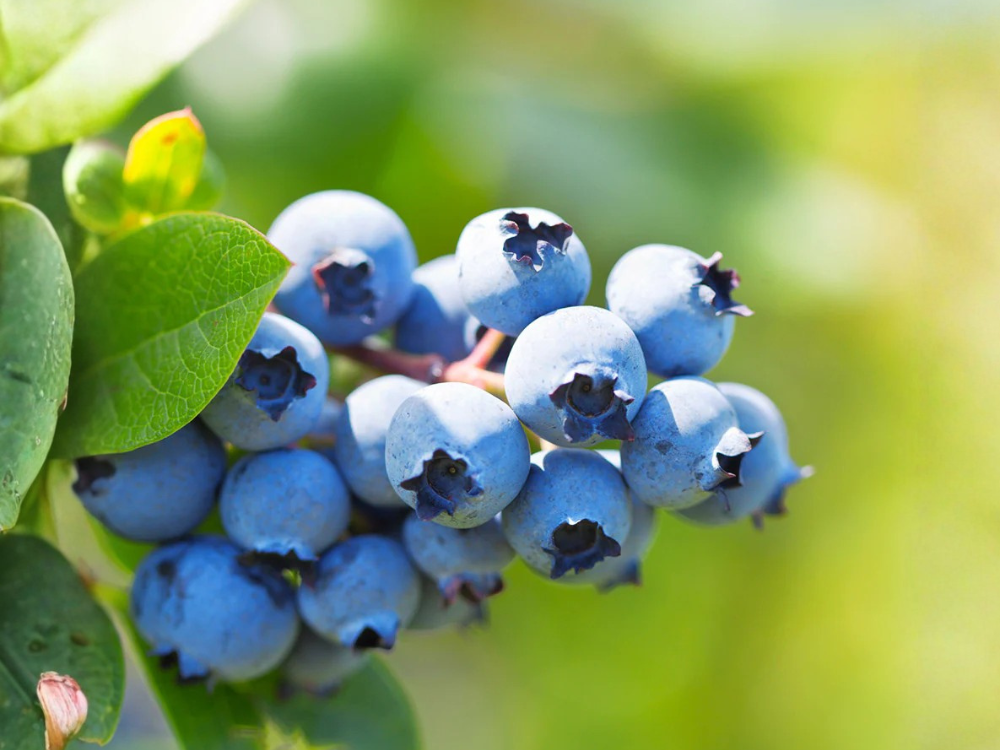
Climax is a rabbiteye blueberry that has long been recommended for southern home gardens. It is an early-season cultivar with small to medium fruit and a concentrated fruit set, which can make picking easier over a shorter window. Rabbiteye types are known for vigor, productivity, and wider soil adaptability in the South. This makes Climax a useful choice for gardeners in warmer regions who want a sturdy bush.
Start by planting it in full sun in acidic, loose soil with good drainage. Water it in well, mulch around the root zone, and keep the planting area clear so the roots stay cool and moist. Since rabbiteye blueberries need cross-pollination, plant Climax with another suitable rabbiteye blueberry for better fruiting. Prune in late winter after the bush gets established, remove weak or crowded canes, and keep an eye on moisture during berry development.
This article originally appeared on Avocadu.