
12 Fruit Trees to Plant in Spring in Small Yards
If you have been thinking about growing fruit at home, spring is a lovely season to get started. Small yards can still make space for trees that stay manageable and give plenty to enjoy. The key is to pick varieties that fit your space and growing conditions.
This post may contain affiliate links, which helps keep this content free. Please read our disclosure for more info.
Dwarf Apple

A dwarf apple tree gives you the look and harvest of a classic fruit tree in a much smaller size. It is a good choice for spring planting because mild weather helps young roots settle into the soil. In a small yard, it often reaches about 8 to 10 feet tall and wide. That makes it easier to fit into a backyard without crowding other plants.
Plant it where it gets plenty of direct sun and enough air around the branches. Prune it once a year to hold its shape and let light reach the center. Water deeply during dry weeks, and keep weeds or grass away from the base. Some dwarf trees grow better with support, so a sturdy stake may be useful early on.
Dwarf Pear
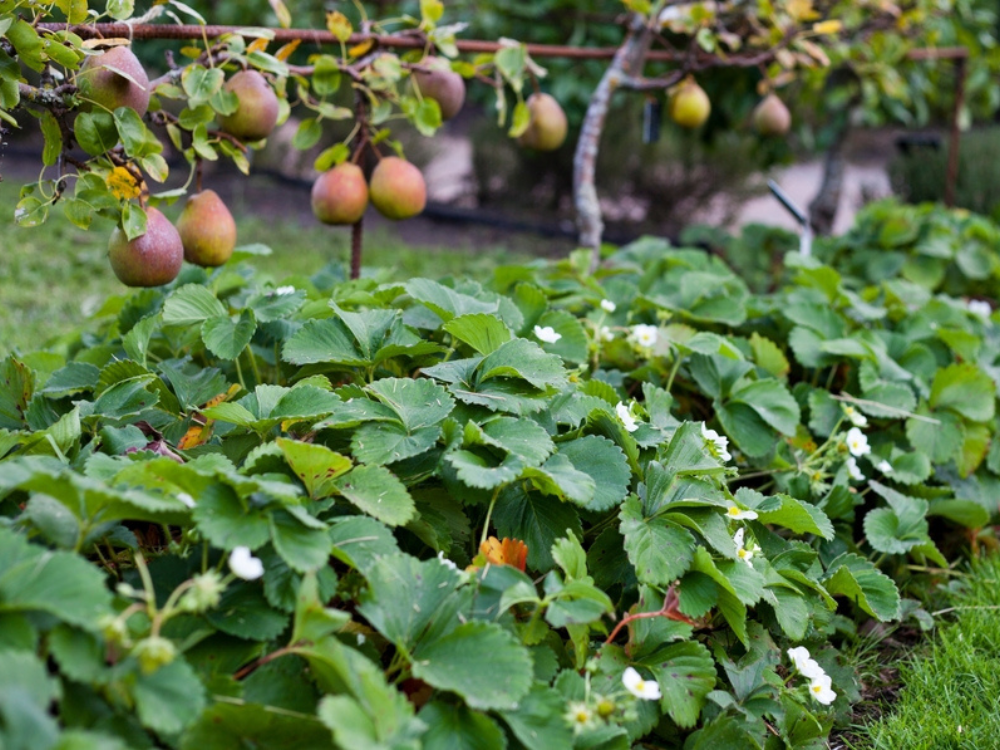
Dwarf pear trees are a lovely option when you want spring flowers and fruit from one compact tree. They settle in well when planted in spring, while the weather is still gentle and the soil is easy to work. In a small yard, many stay around 8 to 10 feet tall and wide. Their upright habit can make them feel less bulky than wider fruit trees.
Pick a sunny spot with well-drained soil and water it regularly during the first growing season. Light pruning each year helps keep the branches balanced and open. Many pear trees do better with another pear nearby for pollination. It also helps to remove fallen fruit so the area stays neat and clean.
Dwarf Peach

A dwarf peach tree can bring soft spring color and sweet summer fruit to a very small yard. Spring planting works well because the tree has time to settle before the hottest part of the year. Many compact kinds stay around 5 to 6 feet tall and wide. That size makes them a good fit near patios, garden edges, or sunny corners.
Peach trees need full sun and regular watering when rainfall is low. Prune each year to keep the center open and to support better fruit growth. Thinning the fruit can help the tree put more energy into fewer, better peaches. Good air flow around the branches can also help lower disease trouble.
Dwarf Plum
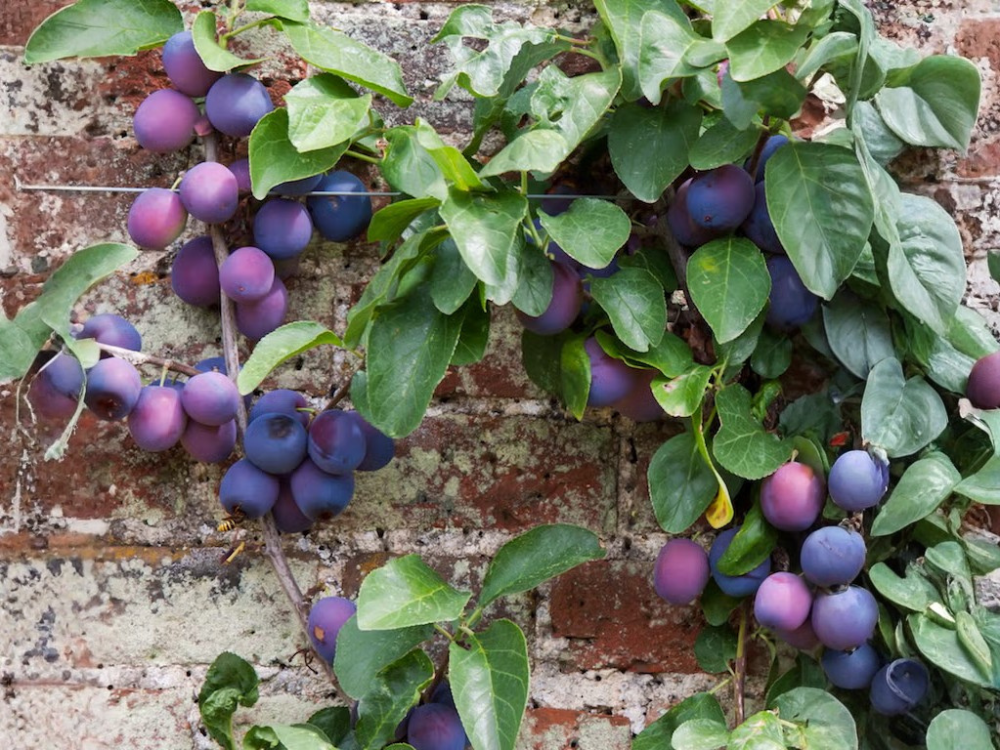
A dwarf plum adds spring bloom, summer fruit, and a rounded tree shape without taking over the yard. Planting in spring gives it a chance to root in before long hot days arrive. In a small yard, many dwarf plums reach around 8 to 10 feet tall and wide. That makes them a good middle choice between very tiny fruit trees and large orchard types.
Grow it in full sun and in soil with good drainage for the healthiest growth. Water it well through dry spells, especially in the first year after planting. Some plum trees need a second variety nearby for pollination, so that is worth checking first. A little yearly pruning and quick removal of damaged branches can keep the tree in good shape.
Kumquat
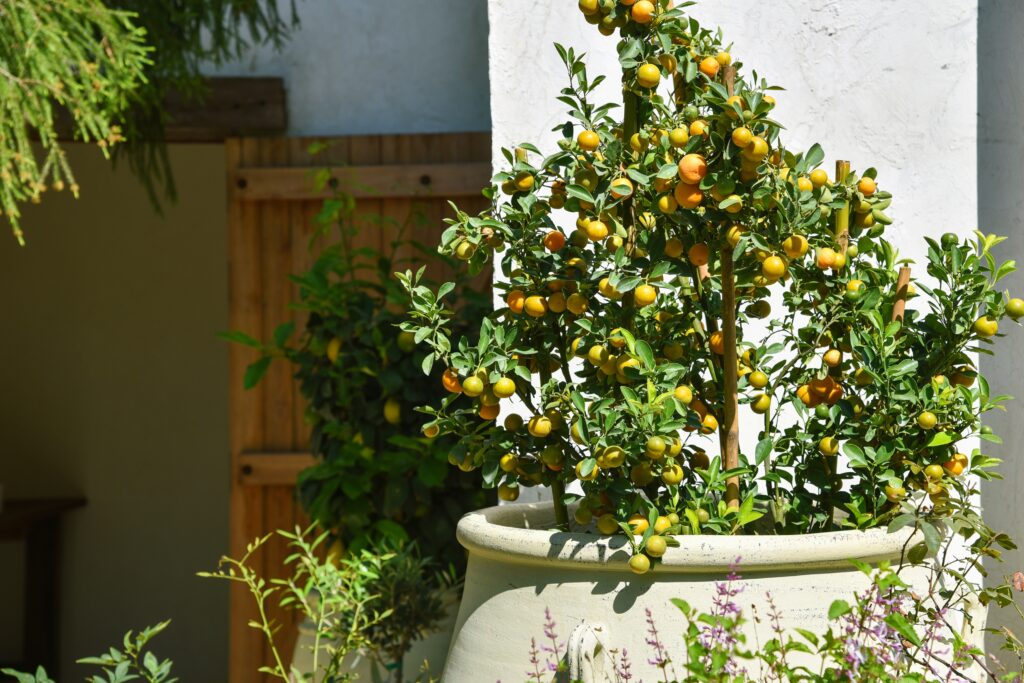
Kumquat is a compact citrus tree that works well in spring-planted yards and patio spaces. It stays much smaller than many citrus trees, which makes it easier to place in a limited area. In a small yard or large container, it often grows about 7 to 10 feet tall and 5 to 8 feet wide. The small orange fruit can hang on the branches for quite a while, which adds nice color.
Place it in full sun and use soil that does not hold too much water. Feed it during the growing season and keep the soil lightly moist without overwatering. If it spends winter indoors, move it outside slowly in spring so the leaves can get used to brighter light. A quick rinse of the leaves from time to time can help keep the plant looking fresh.
Dwarf Sour Cherry
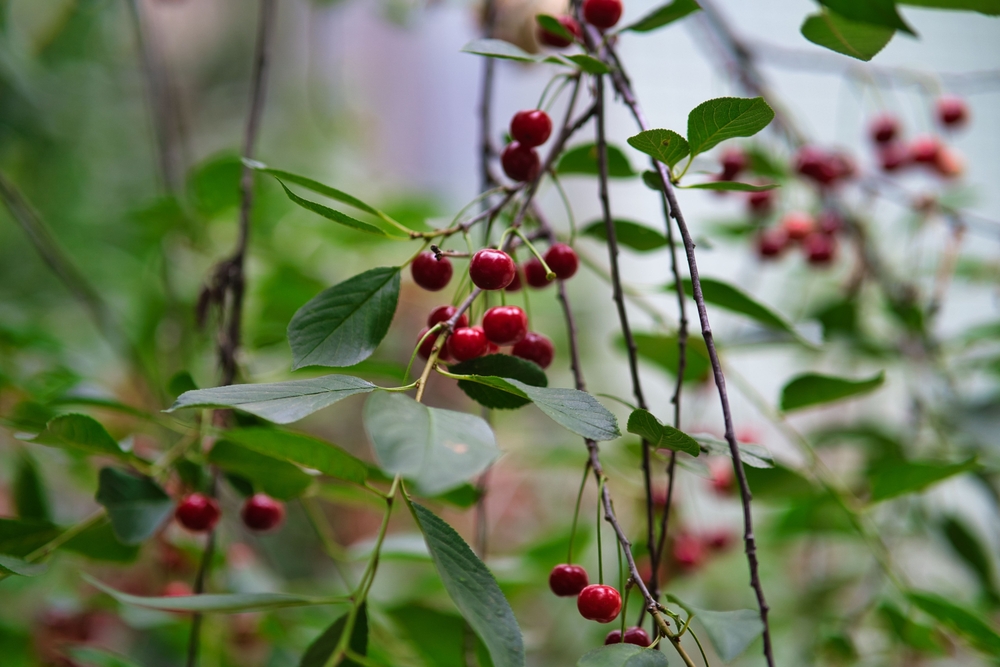
A dwarf sour cherry is a practical fruit tree for small yards because it stays manageable and is easier to harvest. Spring planting gives it a full growing season to settle in and start putting out fresh growth. Many compact kinds reach about 6 to 9 feet tall and wide. That smaller size also makes it easier to protect the fruit from birds.
Plant it in full sun and keep the soil evenly moist while the tree is young. Prune once a year so light and air can move through the branches. Rake up fallen fruit and leaves to help keep the growing area cleaner. Sour cherries are often self-fertile, which makes them easier for small yards with room for only one tree.
Miniature Apricot
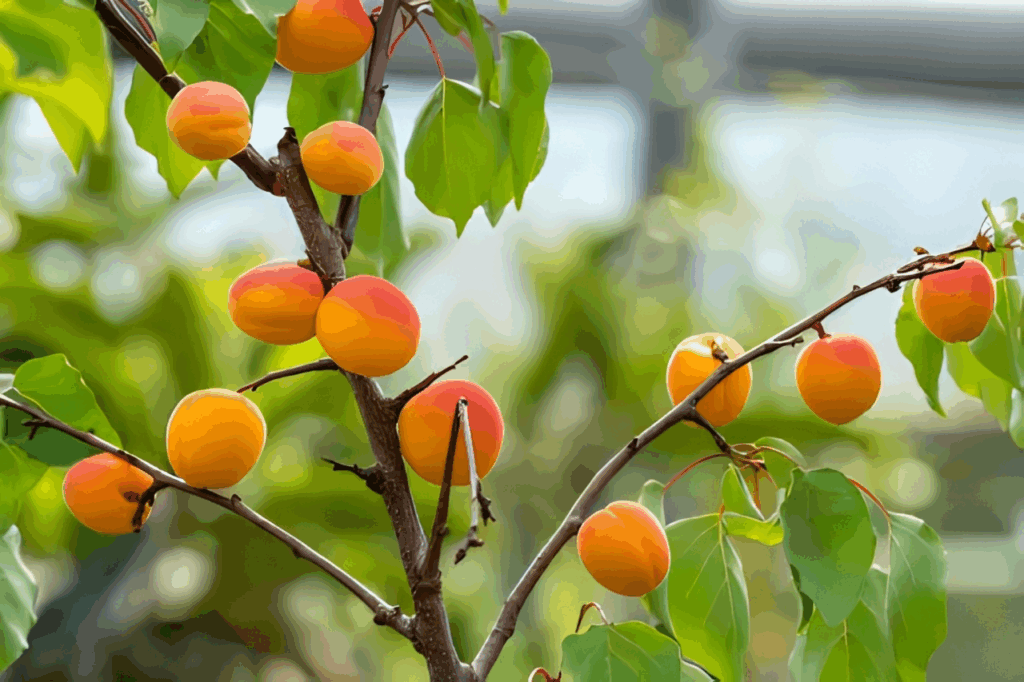
A miniature apricot is a very good pick when your yard has only a little open ground to spare. It responds well to spring planting and can settle in before summer heat puts extra stress on young roots. In many small spaces, it stays around 4 to 6 feet tall. That compact size makes it much easier to place near a fence, path, or patio bed.
Give it full sun and a spot where water drains away well after rain. Water it during dry stretches and keep a mulch ring around the base to hold moisture. Prune lightly to shape the tree and remove any weak or crowded growth. Since apricots bloom early, a cold late spring can sometimes reduce that season’s fruit.
Dwarf Nectarine
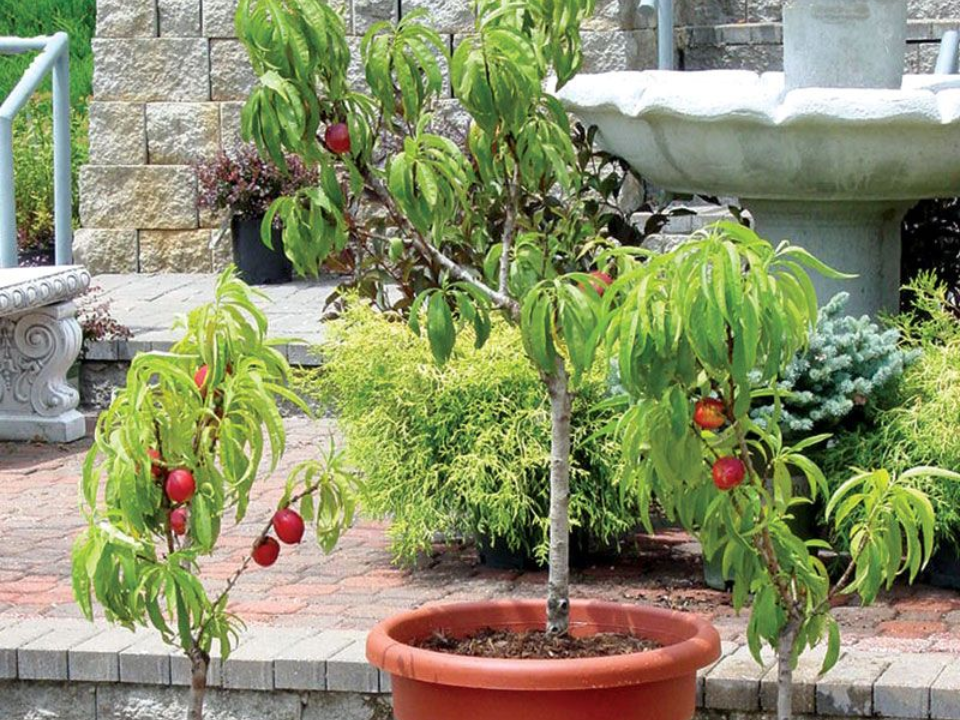
If you want a fruit tree with smooth-skinned fruit and a neat shape, a dwarf nectarine is worth planting in spring. It stays much smaller than a standard nectarine, so it suits tight spaces very well. In many small yards, it grows to about 5 to 6 feet tall with a similar spread. It can even work in a large pot if the site gets enough sun.
Give it a warm, sunny spot and soil that does not stay wet after rain. Water during dry weather, especially while the tree is still getting established. A yearly trim helps keep the branches open and easier to manage. Because it blooms early, a late cold night may reduce the fruit in some years.
Serviceberry
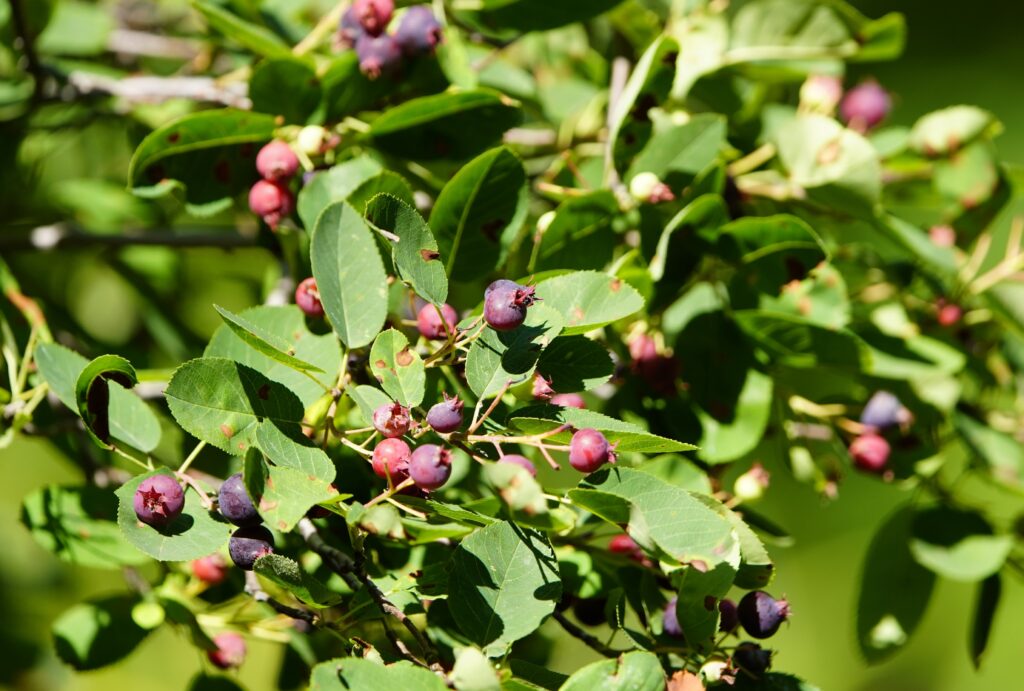
Serviceberry is a good fit for a small yard if you want something that feels part fruit tree and part ornamental planting. Spring planting suits it well because it can settle into cool soil before summer arrives. Some compact kinds stay around 4 to 6 feet tall and wide, which makes them easy to work into borders or small beds. The spring flowers and edible berries give it appeal through more than one season.
It grows best in a spot with sun or light shade, though fruiting is stronger with more sun. Keep the soil evenly moist while the plant is young and getting rooted in. Pruning is usually light and mostly done to remove suckers or crowded stems. Birds enjoy the berries too, so you may need to pick quickly once they ripen.
Dwarf Apricot
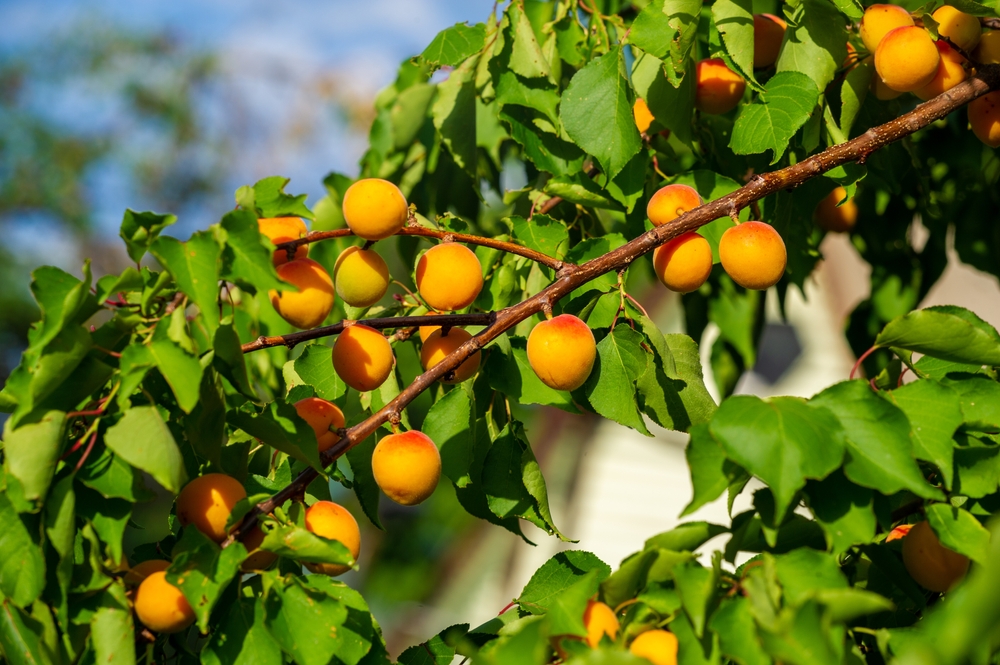
For gardeners who want a little more height without going too large, a dwarf apricot fits nicely into a small yard. Planting it in spring helps the roots settle while the weather is still mild and steady. Many dwarf types grow about 8 to 10 feet tall and can spread close to 10 feet as well. It gives you the look of a full fruit tree in a size that is still manageable.
Choose a sunny site with good air movement and soil that drains well. Water it regularly while it is getting established, then keep an eye on it during dry periods. Light pruning can help hold a balanced shape and remove weak wood. Mulch is helpful around the base, though it should be kept a short distance from the trunk.
Fig
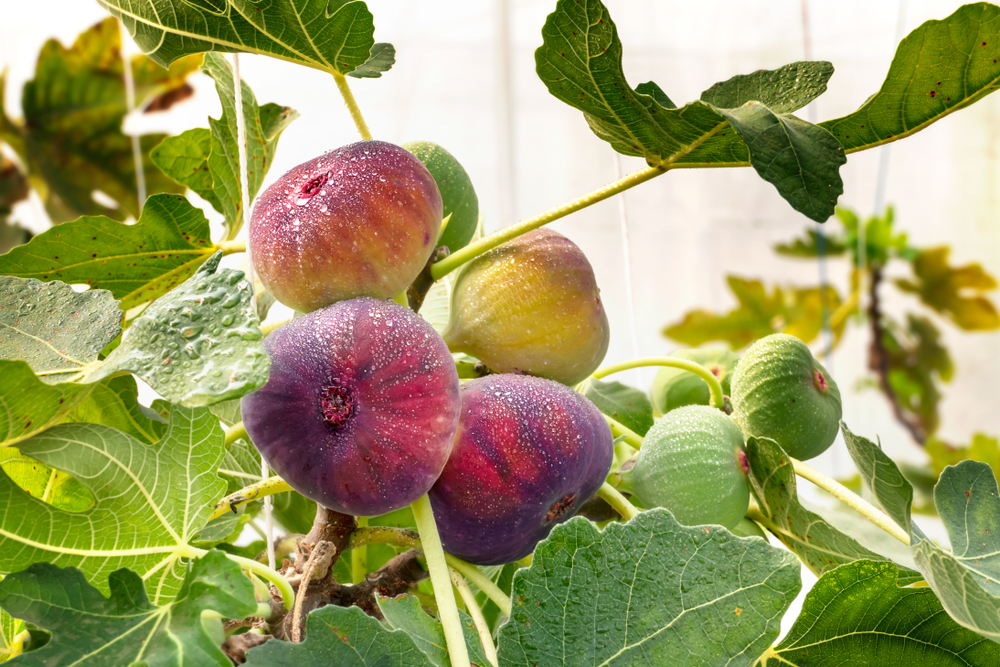
A fig tree can make a small yard feel lush and productive without needing the room of a standard orchard tree. Spring is a good time to plant it because the warm weather ahead gives it time to root in well. Many compact figs reach about 6 to 10 feet tall and wide, though container-grown ones can stay smaller. Their large leaves and soft fruit make them stand out in a sunny yard.
Figs like a warm, bright spot and regular watering during dry weather. If you want to keep the tree smaller, container growing or light root control can help. Prune it to shape after the main growing season and remove weak branches as needed. In cooler places, a protected spot near a wall can help the tree do better.
Dwarf Pomegranate
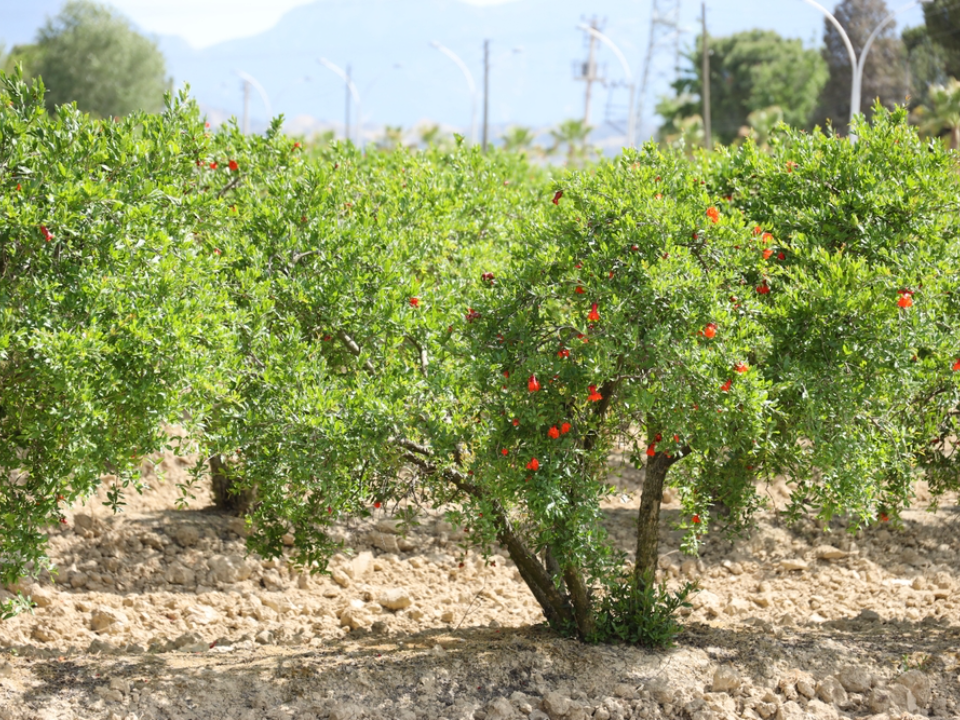
Dwarf pomegranate is one of the easiest fruiting choices for very small yards and sunny patios. Planting it in spring gives it a warm season to settle in and put on steady growth. In many settings, it stays around 2 to 4 feet tall and wide. That makes it useful for people who want fruit from a plant that takes up very little room.
Give it full sun and fast-draining soil for the best results. Water it regularly at first, then ease back once the plant is well rooted and growing on its own. A light trim helps keep the shape tidy and can encourage fresh branching. It also does very well in a container, which makes winter care easier in colder places.
This article originally appeared on Avocadu.