
15 Wolves, Otters, and Beavers That Helped Restore Whole Landscapes
Nature often begins to shift when the right animals return to the right places. From streams and wetlands to valleys and forests, their actions can set off changes that spread across an entire area. Even small daily habits, like hunting, digging, or building, can have a major effect over time. So keep reading for a closer look at animals that helped damaged environments recover.
This post may contain affiliate links, which helps keep this content free. Please read our disclosure for more info.
Yellowstone Gray Wolf in the United States
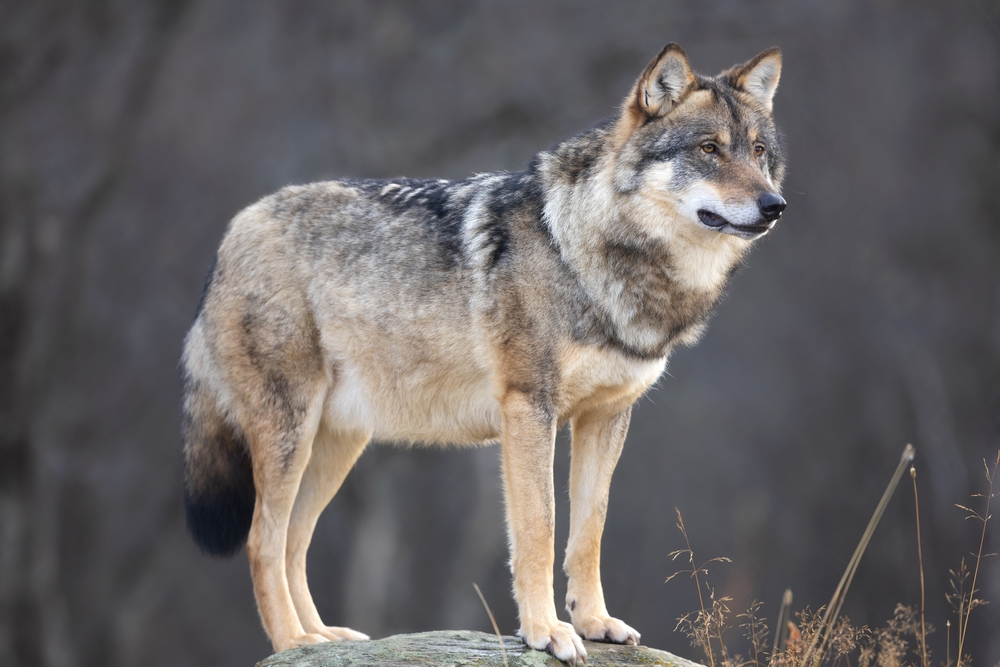
Gray wolves brought into Yellowstone in 1995 through 1997 came mainly from Canada, along with some animals from northwest Montana in the United States. Their return cut elk pressure in many parts of the park, which gave willows and other streamside plants more room to grow back. That shift also helped beavers return in higher numbers in some areas, which added ponds and wet ground to the park again. In this case, one predator changed far more than prey counts and ended up changing riverside plant cover and wet areas too.
What stands out here is how far the effects spread once wolves were back. Research on northern Yellowstone has linked the wolf return to reduced browsing by elk and major willow recovery over time. The park service also notes that wolf numbers, moose, and beaver have moved up and down together across years, showing how tightly these species are tied. It is one of the clearest modern cases of a carnivore helping damaged ground and stream corridors recover.
Southern Sea Otter on the Central California Coast
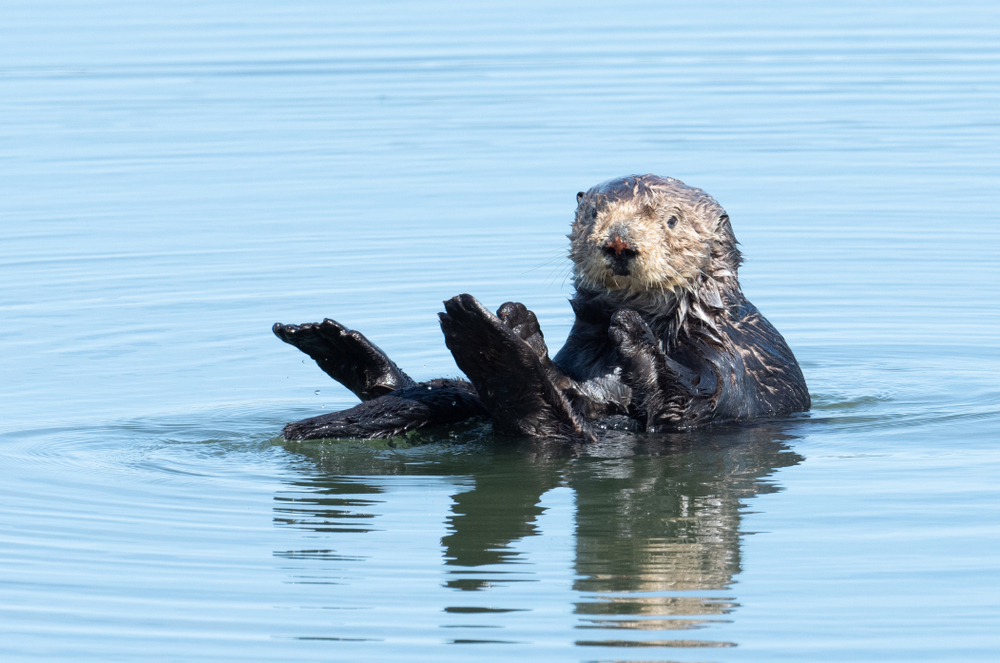
Along the central California coast, the southern sea otter survived near Big Sur after fur hunting nearly wiped it out. That makes its home country the United States, though sea otters as a group live around the North Pacific rim. As otter numbers held on and then rose in parts of California, they fed on sea urchins that would otherwise eat down kelp. The result was more living kelp in areas where otters remained, and that mattered for fish, invertebrates, and many other coastal species.
California gives one of the best examples of a mammal changing an entire place through feeding alone. The U.S. Fish and Wildlife Service calls the southern sea otter a keystone species because it keeps kelp forests and seagrass beds in check. Monterey Bay Aquarium also reported that otters helped prevent widespread kelp decline over the past century in central California. In simple terms, more otters often meant more kelp standing in the water.
Red Wolf in the United States
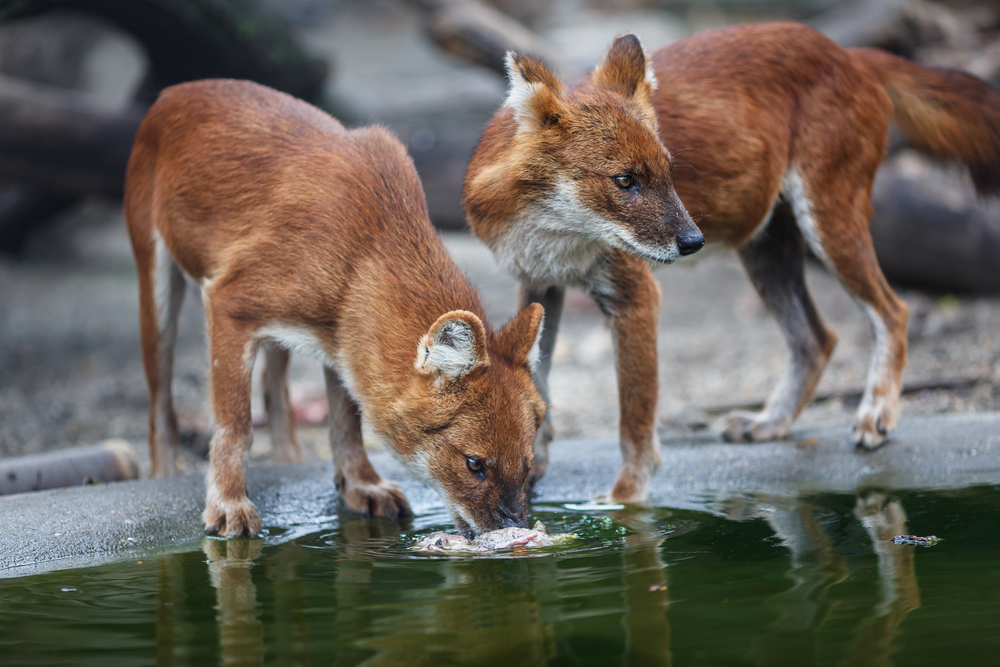
Red wolves are native to the eastern and south-central United States, which makes them an all-American wolf. Wild recovery work began in northeastern North Carolina in 1987, centered on Alligator River National Wildlife Refuge. This coastal plain setting includes marsh, pocosin, farm edges, and other wet lowland habitats where a missing predator had left the system poorer. Putting red wolves back into that mix was meant to rebuild a native hunter in a place of broad wet ground and rich wildlife.
Few wolf stories are as fragile as this one, though its place in recovery work is still important. The Fish and Wildlife Service says red wolves formed packs and bred in the wild after release, which marked a major step for a species once gone from nature. As a top hunter in coastal wet country, the red wolf helps round out the food web in one of the largest wild areas in the eastern United States. Its low numbers mean the work is hard, yet the goal stays tied to bringing a native predator back to a damaged region.
Southern Sea Otter at San Nicolas Island
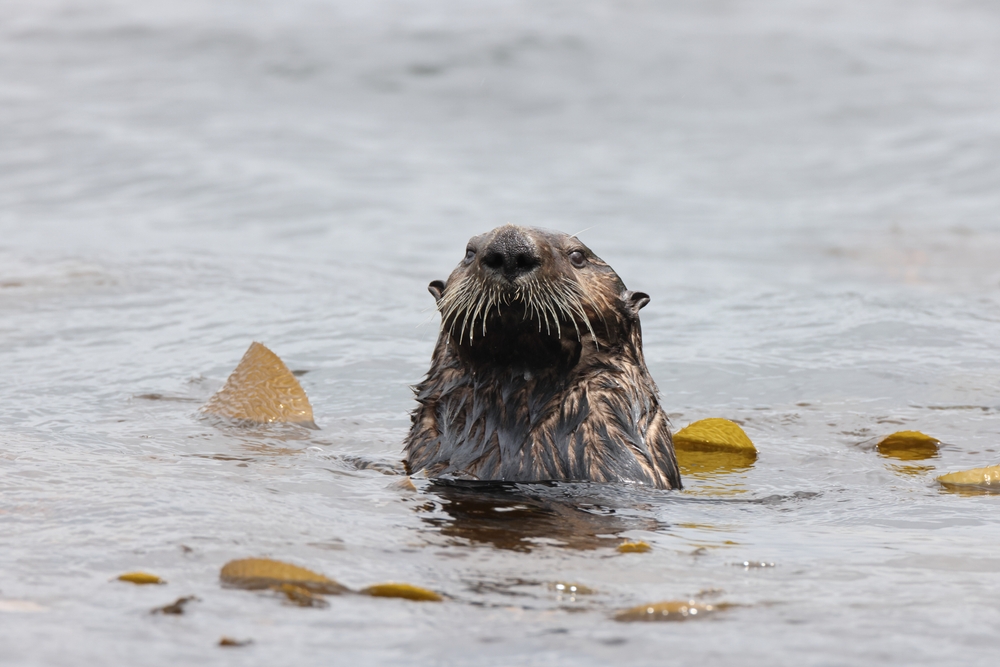
Far off southern California, sea otters were moved to San Nicolas Island as part of a recovery plan for a second population. Those otters came from the United States mainland population and were placed on an island within their old range. The point was to build a backup group in case oil or some other disaster hit the coastal population. Over time, the island group grew and gave the species more room and safety.
San Nicolas is less about one marsh or one kelp bed and more about giving the species a stronger footing over a wider area. The Fish and Wildlife Service said the goal was to build an established island population that could help repopulate other parts of the range if needed. USGS later reported steady growth at the island, including a manyfold rise from 2000 to 2023. That matters because a stronger otter population can keep doing its work in kelp and seagrass systems across more of the coast.
Northern Sea Otter in the Aleutian Islands
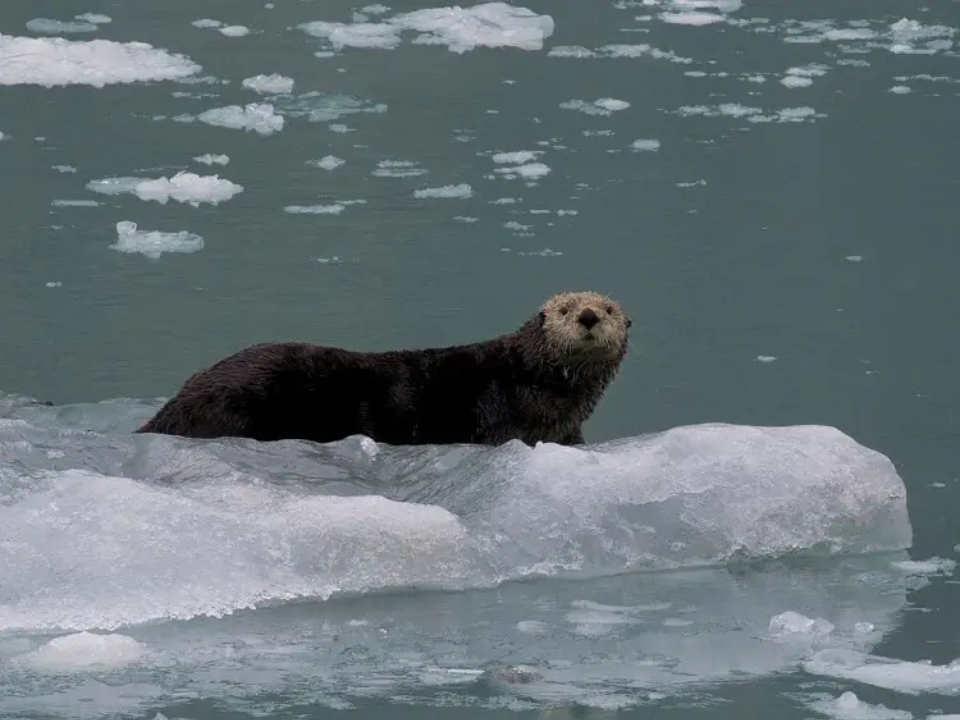
In the Aleutian Islands of Alaska, the species is the northern sea otter, native to the United States and other North Pacific countries. USGS work there showed that reefs usually shifted between two states, one with lots of kelp and one with little kelp, depending on otter numbers. When otters were present in strong numbers, they held down sea urchins, and kelp forests stayed standing. When otters fell, urchins spread, and the seafloor could turn into bare ground.
This Alaska case helped set the standard for how people talk about top hunters in the sea. USGS calls sea otters one of the best-known examples of top-down effects in nearshore marine systems. Their work in the Aleutians and Alaska tied otter density to the condition and function of rocky reef communities. That means the return of otters did not just add one species back; it changed the look and living structure of the coast below the waves.
Giant Otter in Ibera Park in Argentina
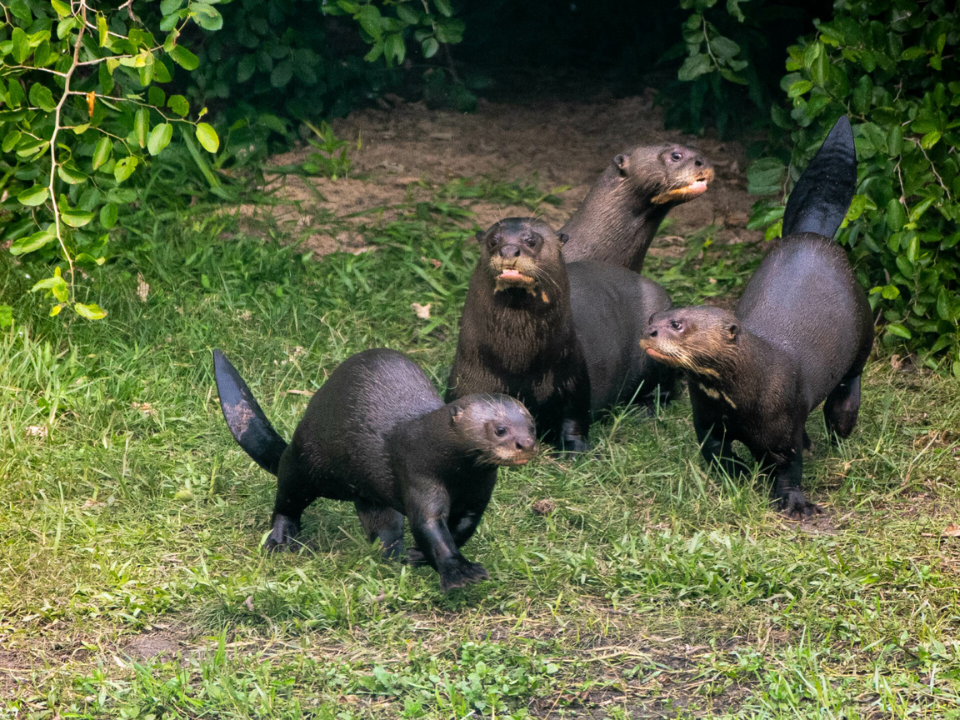
In northeastern Argentina, giant otters were returned to Ibera after vanishing from the country for decades. Their home country, in this case, is Argentina, though the species also lives in other South American nations. Giant otters live and hunt in family groups, so their return put a major fish-eating predator back into one of the largest wetland systems on the continent. That matters because top predators help spread feeding pressure through the food web and can change how wetland communities function.
Ibera is also important because the release was framed as a true return to a place where people had removed the species. The United Nations Decade on Restoration described it as the first attempt to return giant otters to a habitat where human action had caused their loss. Rewilding groups tied the comeback to broader wetland recovery in Corrientes province and to the return of missing top predators. It is still a young story, though it already stands out in South America.
Eurasian Beaver in Knapdale Forest in Scotland
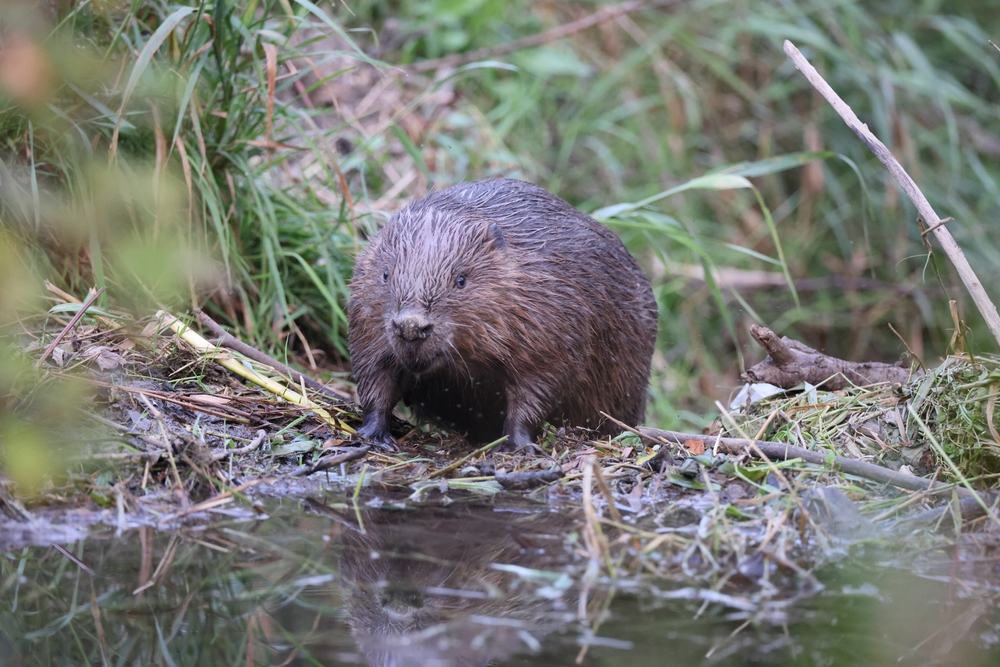
In Knapdale Forest, the beavers released were Eurasian beavers, a species native to Britain before people wiped it out centuries ago. Their home country for this modern trial was Scotland in the United Kingdom, where a monitored release began in 2008. Once back, the animals built dams, slowed the water, and made ponded wet ground used by many other species. The work of their teeth and dams changed stream edges, plant cover, and small wet habitats across the area.
Scotland has since become one of the best-known beaver case studies in Europe. NatureScot says the Knapdale release was a scientifically watched return, and later reporting showed that beaver activity created habitat useful for species such as water voles. By spreading water out and making more varied wet edges, the animals changed far more than one pond. Their work gave a lost native mammal its old job back in Scottish river country.
Isle Royale Gray Wolf in the United States
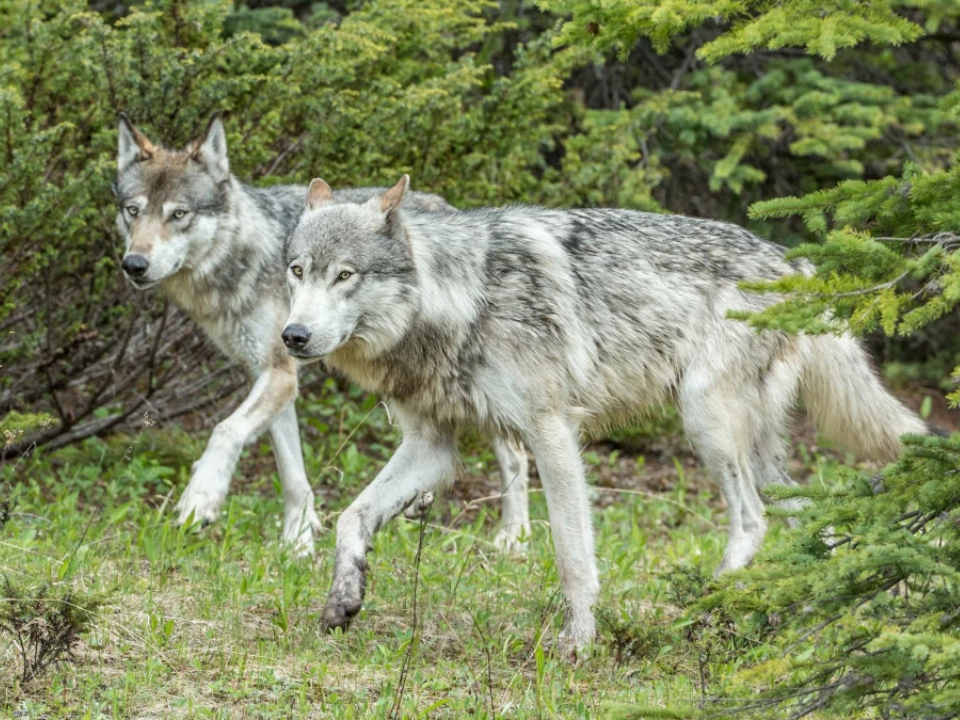
On Isle Royale, the wolf population was rebuilt with animals moved from Minnesota and Ontario in Canada after the island group fell to only a few wolves. This island wolf is native to North America, and the wolves that moved came from the Great Lakes region. The aim was to bring predator pressure back to a system where moose had been rising, and tree growth was under strain. By putting wolves back into the food web, managers hoped to slow heavy browsing and give the island forest a better chance to recover.
Seen over time, Isle Royale shows how wolves can steady a stressed island system. The National Park Service links wolf declines with moose increases, and those swings matter because too many moose can strip young trees before they mature. New wolves have already helped bring moose numbers down from earlier highs, which is part of the effort to protect forest growth on the island. This is a smaller setting than Yellowstone, though the lesson is much the same.
Eurasian Beaver in De Biesbosch in the Netherlands
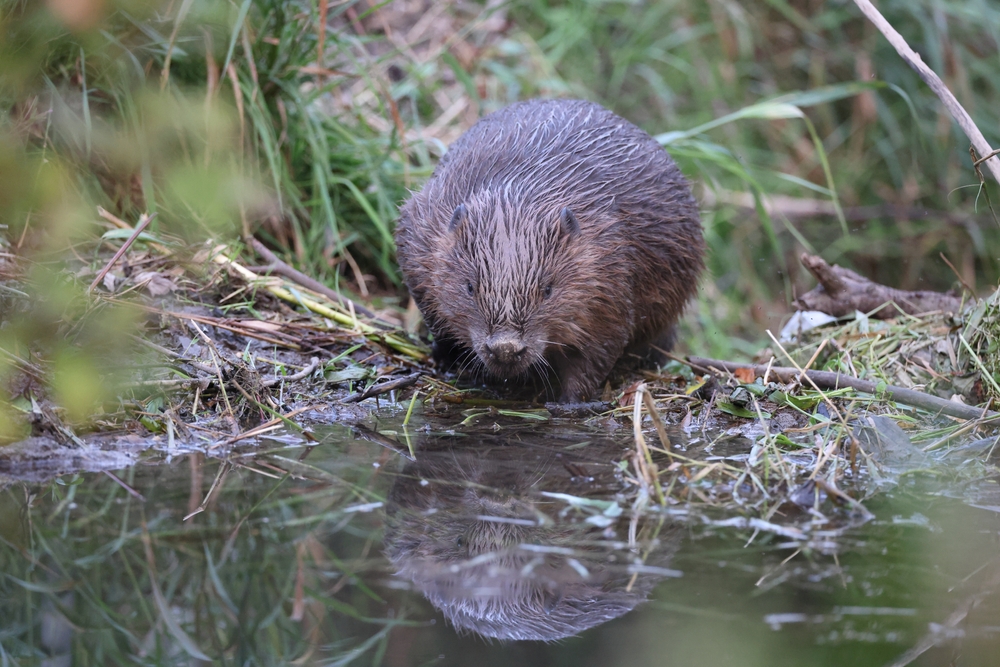
In the Netherlands, beavers were brought back to De Biesbosch after being gone for more than 150 years. That puts their home country here in the Netherlands, where reintroduction began in 1988. The Biesbosch is a maze of channels, wet woods, and reed beds, so it was a natural place for beavers to start rebuilding ponds and lodges. Their return helped add more wet habitat in a national park now known across the country for beaver life.
Dutch beaver work matters because it was one of the better documented returns in Europe. NatureScot noted that the Biesbosch population is among the best documented beaver reintroductions, and Dutch sources now describe the beaver as an icon of the park. As beaver numbers rose, they added wet patches and cover that fit a park already shaped by water. It is a good example of a missing native animal taking up its old role again in a low-country delta.
Eurasian Beaver in the Brdy Protected Landscape Area in the Czech Republic
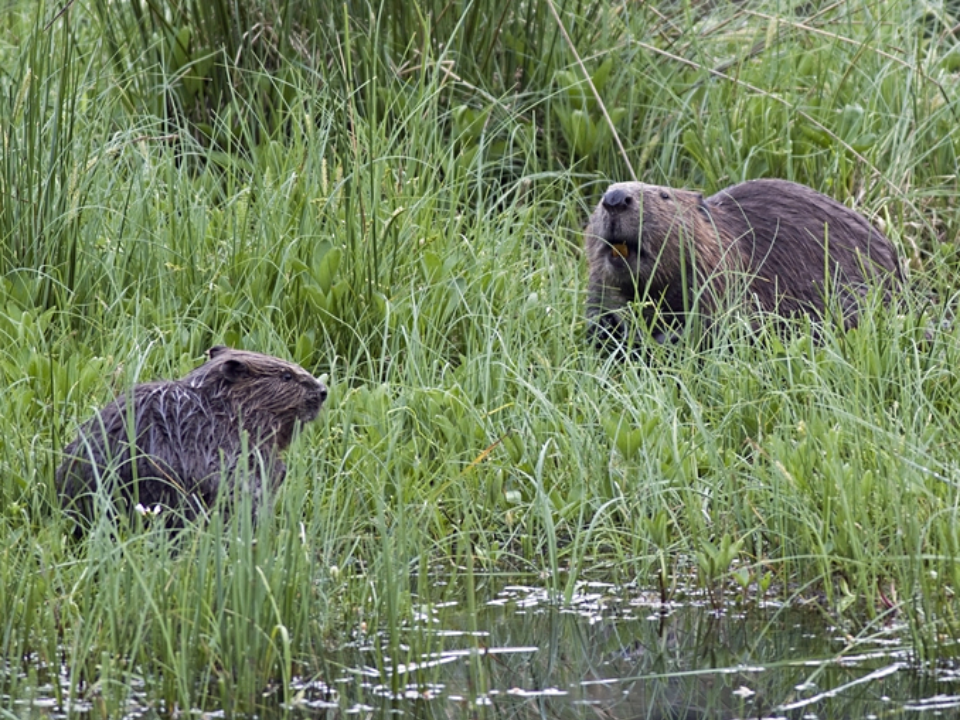
In the Brdy Protected Landscape Area, the species is the Eurasian beaver, and the home country is the Czech Republic. There, a beaver colony built dams in a protected area where people had long planned a wetland project. The dams created the wet ground that planners wanted, with ponds and slowed water forming in the right zone. It was a case where the animal did the river work first, and the papers came later.
News from the Czech nature authority said the beavers created a natural wetland exactly where it was needed and saved public money in the process. The main point for nature was not the money, though it was the speed and fit of the result. Wet ground, stored water, and more habitat appeared through ordinary beaver behavior. Few modern stories show the value of a native rodent this plainly.
Southern Sea Otter in Elkhorn Slough
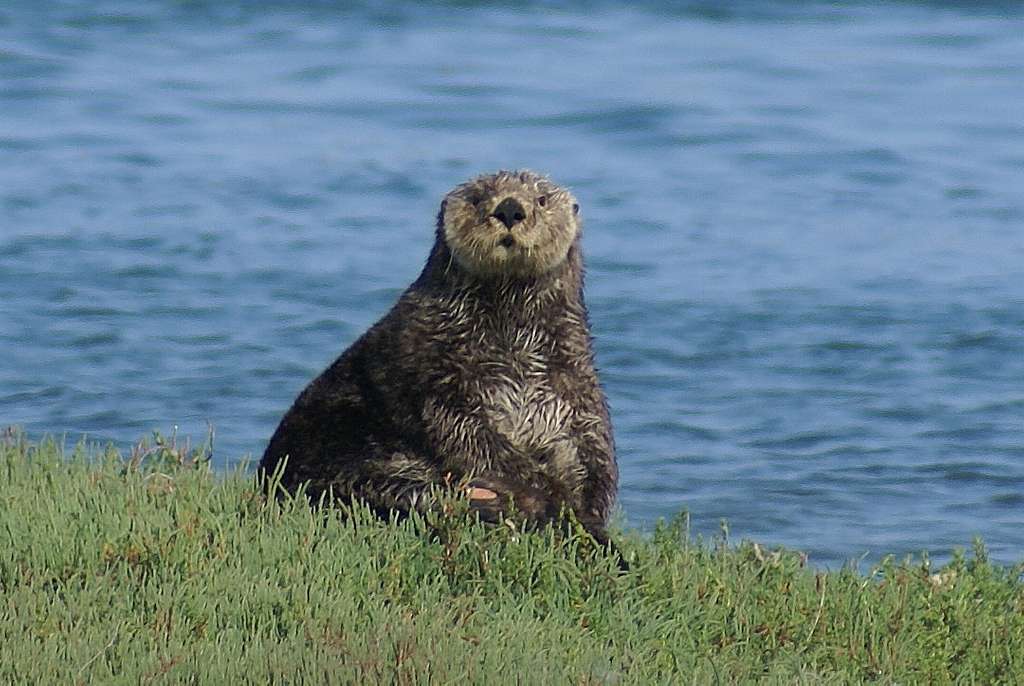
At Elkhorn Slough in California, the animal involved is the southern sea otter, a form native to the United States. This estuary had been losing marshland for years after changes in tidal flow increased erosion. When otters recolonized the slough, they fed on crabs and other prey that had been damaging marsh roots and creek banks. That feeding pressure slowed bank collapse and gave marsh plants a better chance to hold the mud in place.
What makes Elkhorn Slough so striking is that the gains were measured in the shape of the marsh itself. A recent study reported that erosion slowed sharply in areas with many otters, in some spots by as much as 90 percent. Earlier work at the same estuary also linked otters to seagrass recovery through their effects on the food web. Few animal stories show ground and water shifting back into place this clearly.
North American Beaver in California Watersheds in the United States
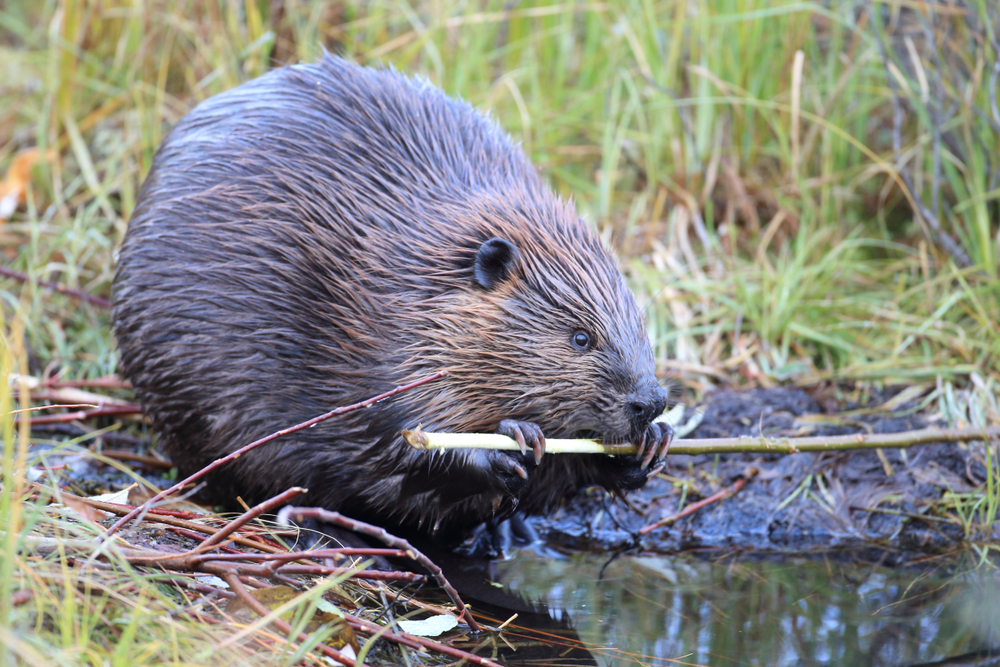
In California, the beaver involved is the North American beaver, native to the United States and much of North America. The state has started a Beaver Restoration Program to bring beavers back into more of their old range. The idea is simple, because when beavers build dams, streams spread out, floodplains get wetter, and water stays on the ground longer. That can cool streams, add habitat, and help dry mountain and meadow systems hold on through hard seasons.
California officials now openly describe beavers as a tool for watershed repair. The state program says it was created to support the re-establishment of beavers as native dam builders and to use them in restoring watersheds and ecological processes. In 2025, the department also released updates on pilot sites showing post release monitoring and signs of site progress. This work is still growing, though the goal is already clear across streams and meadows.
North American Beaver in Washington Watersheds in the United States
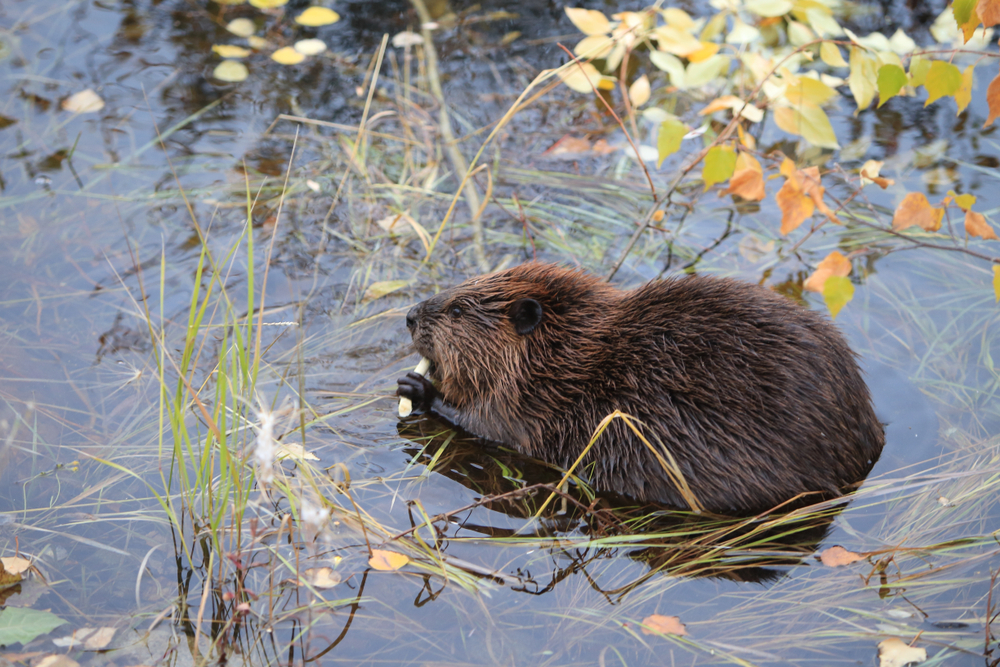
Across Washington, the beaver is again being used as a native helper in stream work. Its home country here is the United States, and state law already recognizes the part beavers play in the health of Pacific Northwest watersheds. When relocated into the right places, these animals can raise local water storage, spread flow across floodplains, and make wet habitat for fish and plants. That is why wildlife managers issue permits for relocation in some cases rather than just moving the problem elsewhere.
Results from one Washington watershed backed up that idea with measured data. USGS reported that relocated beavers increased water storage and raised groundwater in a study area, which are both good signs for stream recovery. State material also explains that beaver ponds trap sediment, help native plants, and improve water quality. In dry western streams, that kind of slow water work can change a valley floor for years.
Mexican Wolf in the United States and Mexico
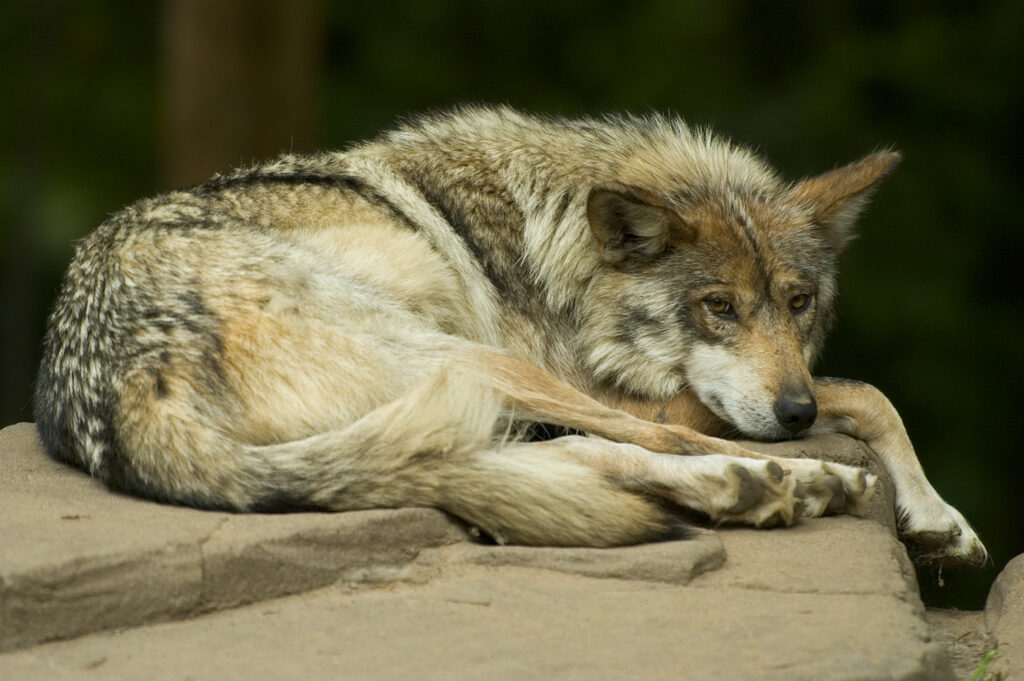
The Mexican wolf is native to the United States and Mexico, with its old range stretching across the Southwest and northern Mexico. Wild releases began in 1998 in the Blue Range Wolf Recovery Area in Arizona and New Mexico. This wolf once moved through mountain woods and river corridors where deer and elk shaped plant growth. Bringing it back was meant to rebuild a missing top hunter in dry country that had lost one of its old checks on browsing animals.
In the Southwest, the effect is watched over a broad area rather than in one famous valley. The U.S. Fish and Wildlife Service describes the Mexican wolf as the rarest gray wolf form in North America and ties recovery to its old habitat in the region. Scientists and wildlife groups point to likely gains for river corridors and uplands when large prey are watched and moved by a native predator again. The story is still being written, though the purpose of the program is clear and tied to repairing the old food web.
Eurasian Beaver in Portugal
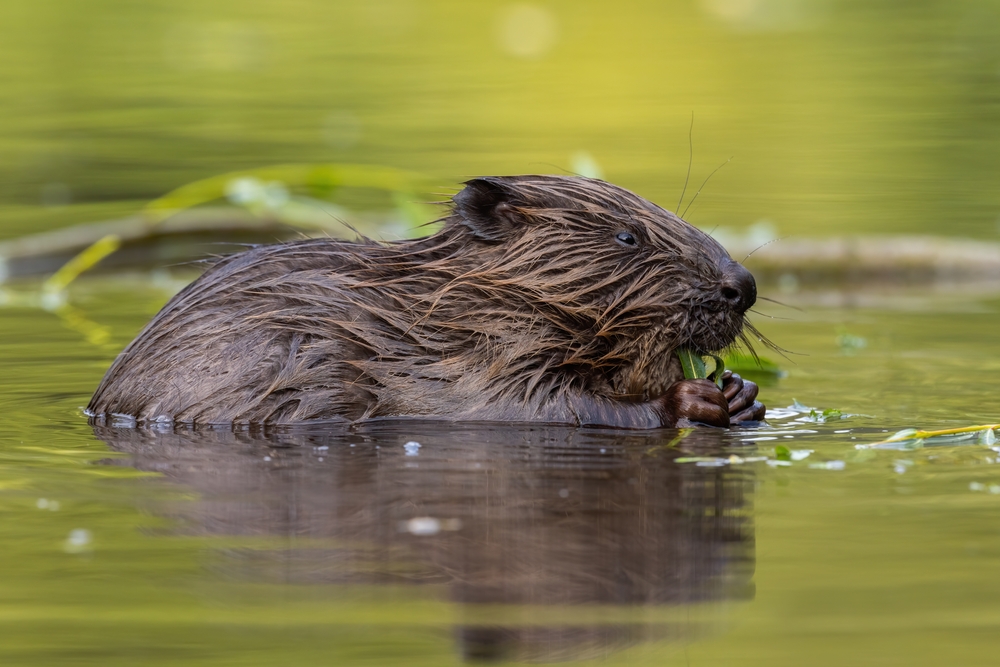
After roughly 500 years, beavers were confirmed again in Portugal in 2025. The animal is the Eurasian beaver, and the home country in this case is Portugal, though the wider setting is the Iberian Peninsula. Conservation groups there describe beavers as natural allies for river and wet ground recovery because they slow flows, trap sediment, and make habitat through dam building. In a region hit by water stress, that kind of work can matter a great deal.
Looking beyond one river, research on Iberia says beavers could do many of the same jobs people now pay for in river repair. The paper on the peninsula said their return could increase wildlife, hold more water, and aid climate resilience across major basins. Rewilding Portugal made the same point when it announced the species had come back. So while this return is new, the reasons people care about it are already well understood.
This article originally appeared on Avocadu.