
11 Winter Watering Tips for Outdoor Plants in Dry Climates
Taking care of outdoor plants during the winter can be tricky, especially in dry climates where moisture is limited. While it’s easy to think that plants don’t need much attention in colder months, they still require proper hydration to stay healthy. The dry air and occasional freeze can cause the soil to lose moisture quickly, leaving plants vulnerable to stress. That’s why adjusting your watering routine to fit the winter conditions is so important. By paying close attention to when and how you water, you can help your plants survive the dry season and stay strong until the warmer months return. These simple tips will ensure your outdoor garden remains hydrated without wasting water or overdoing it. With a little extra care, your plants will be ready for the spring bloom.
This post may contain affiliate links, which helps keep this content free. Please read our disclosure for more info.
Water Early in the Morning
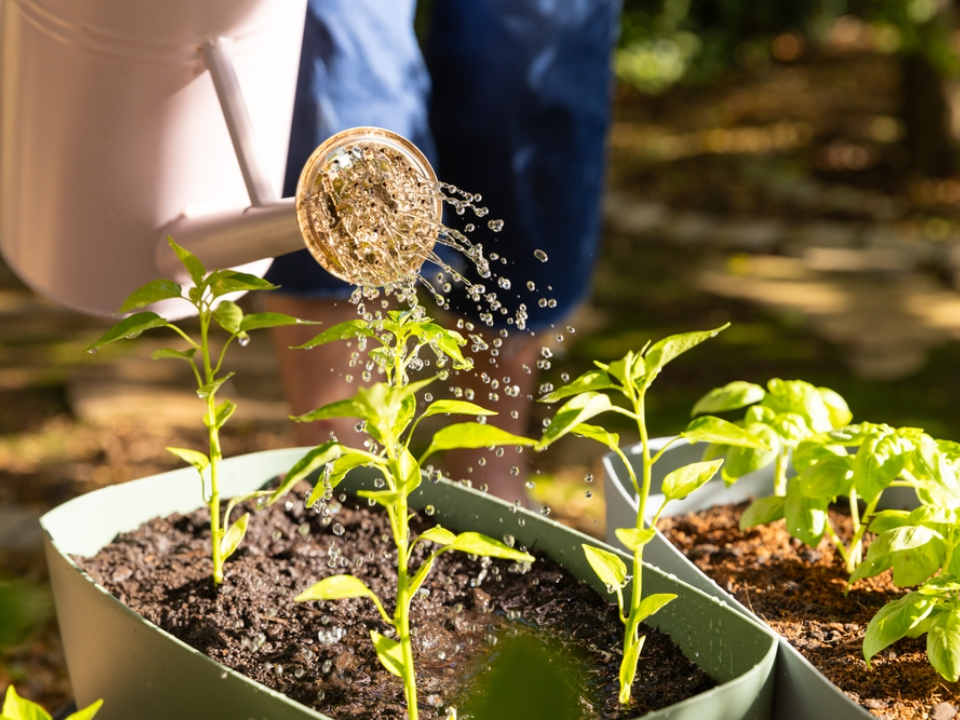
During the winter months, watering outdoor plants in dry climates requires some adjustments. One effective tip is to water early in the morning before temperatures rise. Watering at this time ensures that the water has time to soak into the soil before the heat of the day causes evaporation. This reduces water waste and allows plants to absorb moisture more efficiently.
Morning watering also prevents the soil from freezing overnight, which could damage roots. It is important to avoid watering in the late afternoon or evening, as the water could freeze and harm the plants. Early morning watering, combined with other winter care strategies, can significantly improve the health of outdoor plants during dry winters.
Check Soil Moisture Regularly
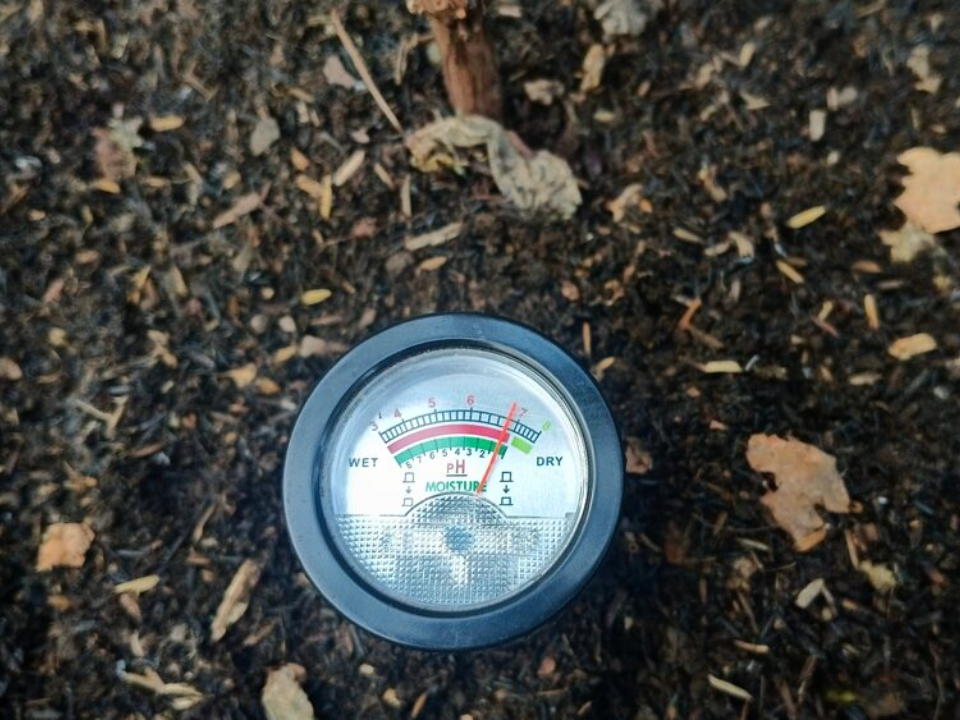
In dry climates, it is essential to monitor the soil moisture levels frequently during winter. Plants may not need as much water as they do in warmer seasons, but they still require some hydration. To check the soil, stick your finger about 2-3 inches into the ground. If the soil feels dry, it is time to water.
On the other hand, if it feels moist, delay watering for a few days. Regular monitoring helps prevent overwatering, which can lead to root rot in cold weather. Keep in mind that dry soil can lead to stress, especially for newly planted or young plants. By checking the soil, you can adjust your watering schedule and maintain a healthy balance.
Water Deeply

In dry climates, plants need deep watering to encourage root growth. Shallow watering, where water sits on the surface, does not promote deep root development. Deep watering ensures that the water reaches the root zone, where it is most beneficial. Use a slow-drip method or a soaker hose to allow the water to soak into the ground deeply.
This also helps prevent water runoff, which can happen when water is applied too quickly. Deep watering encourages plants to develop stronger, more resilient root systems that can better survive periods of dryness. This is especially important during the winter when water is often scarce.
Use Mulch to Retain Moisture
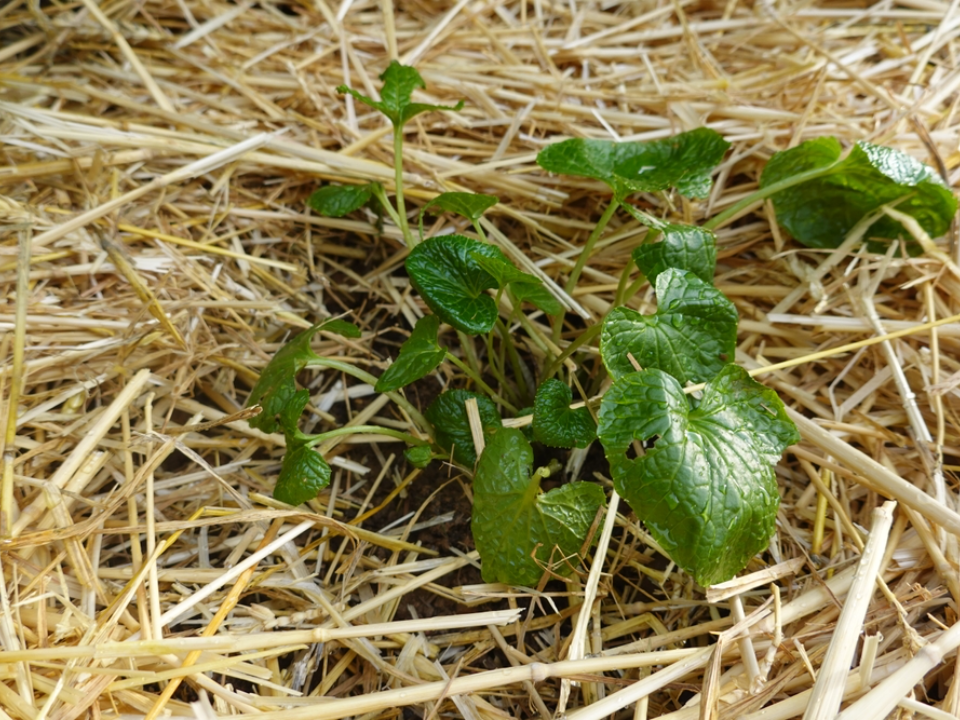
Mulching around your plants can make a significant difference in how well they retain moisture during the winter months. Organic mulch, such as straw, wood chips, or shredded leaves, helps to keep the soil cool and reduces evaporation. It also insulates the soil, which helps to maintain a stable temperature for the plant roots.
In dry climates, this is particularly beneficial as it minimizes the need for frequent watering. A 2-3 inch layer of mulch applied around the base of plants can significantly improve moisture retention and reduce the frequency of water applications. Mulch also helps to suppress weed growth, which could otherwise compete with plants for water.
Avoid Watering When Frost is Expected
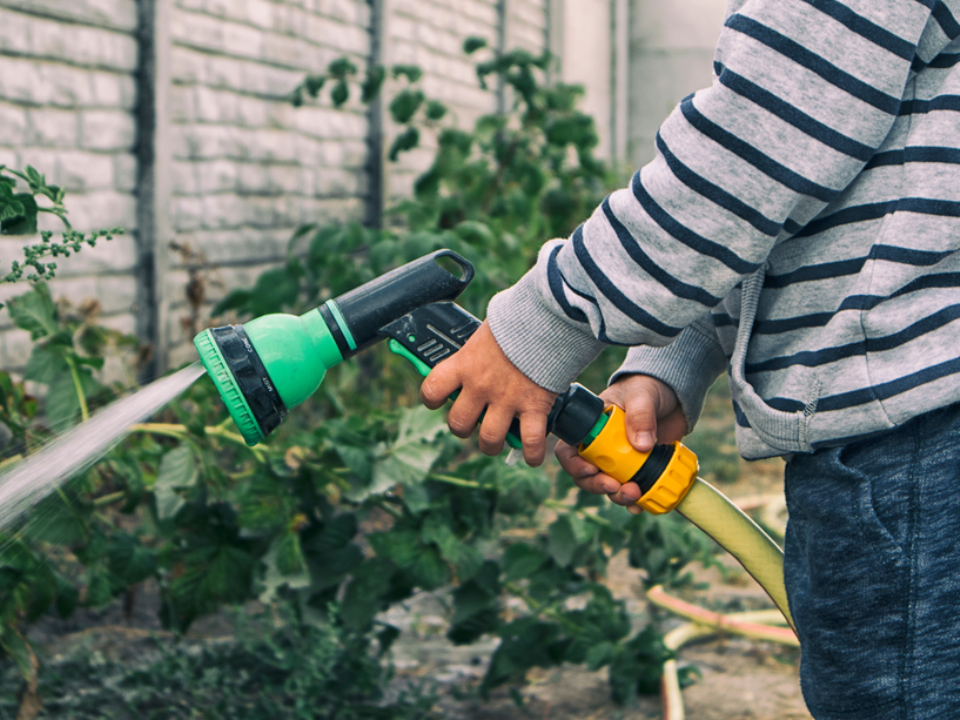
One critical winter watering tip is to avoid watering outdoor plants if frost is expected. Watering just before or during freezing temperatures can damage plants, as the moisture can freeze in the soil and on the plant’s roots. Frozen water can cause the roots to become brittle and weak, leading to potential plant death.
In addition, ice on the soil surface prevents the roots from getting the moisture they need. If the forecast predicts frost, it is best to delay watering until after the threat of freezing has passed. This simple adjustment helps to avoid frost damage and ensures that the plant’s roots stay healthy and functional.
Use a Drip Irrigation System

Drip irrigation is an efficient way to water outdoor plants in dry climates during winter. Unlike traditional sprinklers, which can waste water through evaporation or runoff, a drip irrigation system delivers water directly to the plant roots. This method is ideal for conserving water in areas where it is scarce. A drip system allows you to water deeply and efficiently without overwatering the soil.
It also minimizes water loss due to wind or heat. For winter watering, set your drip irrigation system to run early in the morning or on days when temperatures are warmer to avoid freezing. This ensures that your plants get consistent hydration while reducing the risk of overwatering or damage from freezing.
Water Potted Plants Separately
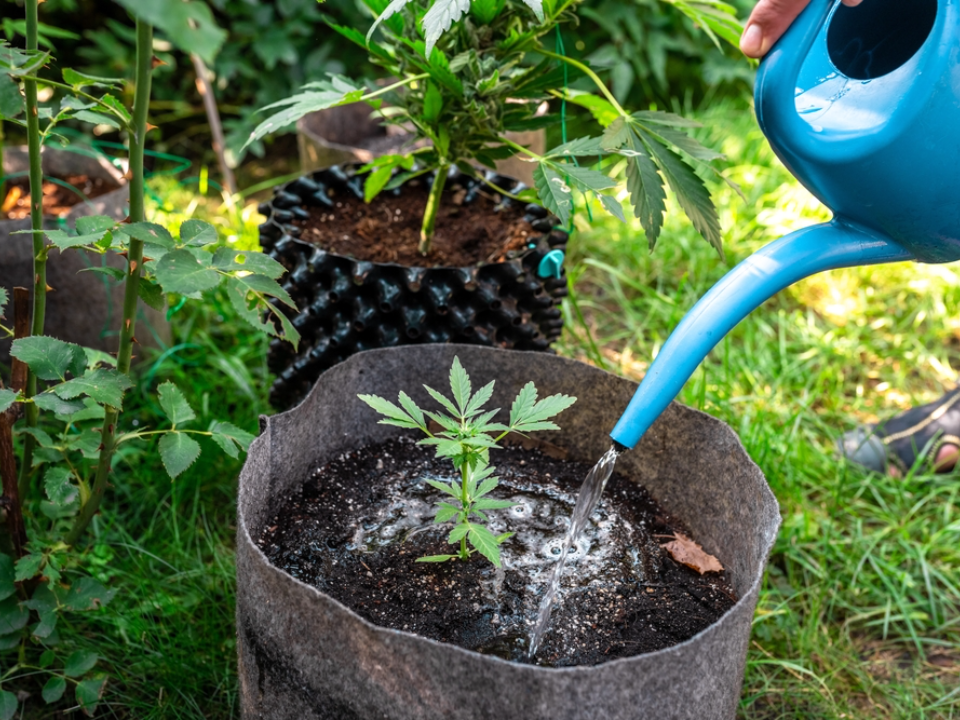
Potted plants are more vulnerable to winter dehydration than those in the ground, as their soil tends to dry out faster. During winter, it is essential to water these plants separately, as their needs differ from ground-based plants. Make sure the pots have proper drainage to prevent water from pooling and freezing.
Water potted plants when the top layer of soil feels dry to the touch, but avoid overwatering them. If your potted plants are outside and exposed to colder temperatures, it might be necessary to move them to a sheltered area during extremely cold nights. This protects the soil from freezing and helps maintain an adequate moisture balance throughout the winter season.
Avoid Over-Watering During Dormancy
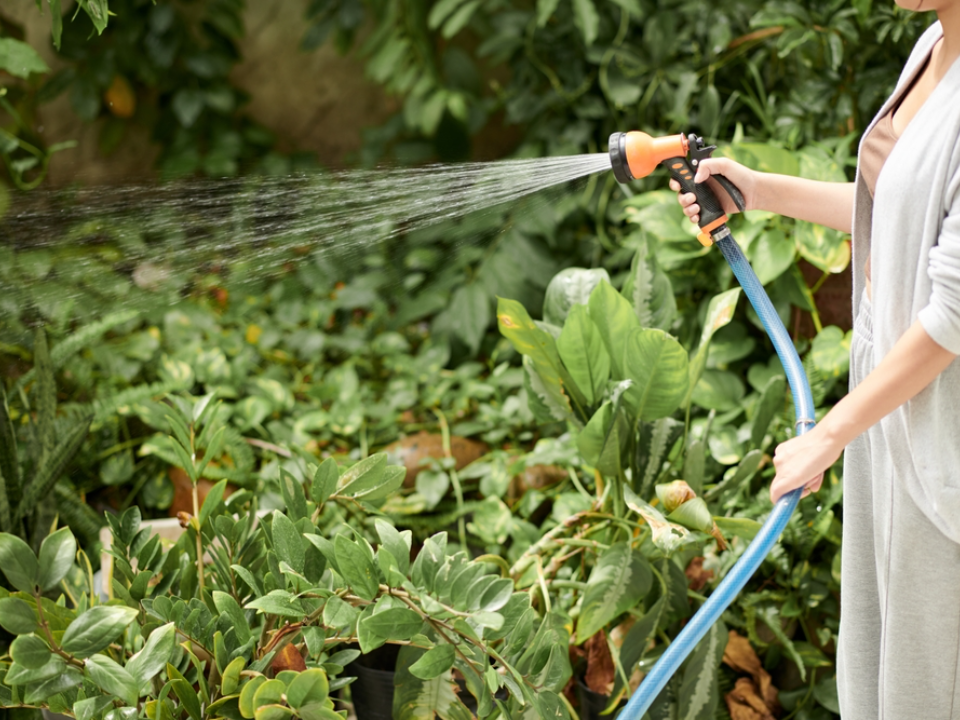
Many outdoor plants go into dormancy during the winter months, particularly in dry climates. While it may seem like your plants need water, over-watering during this time can be harmful. When plants are dormant, their water requirements decrease significantly. Over-watering can lead to waterlogged soil, which encourages root rot and fungal diseases.
It is essential to reduce watering frequency during this period, providing just enough moisture to keep the roots hydrated. Be sure to check the soil moisture before watering, as dormancy usually means that plants do not need much water. By following this tip, you will prevent damage to plants that are in their resting phase.
Use Rain Barrels for Water Collection
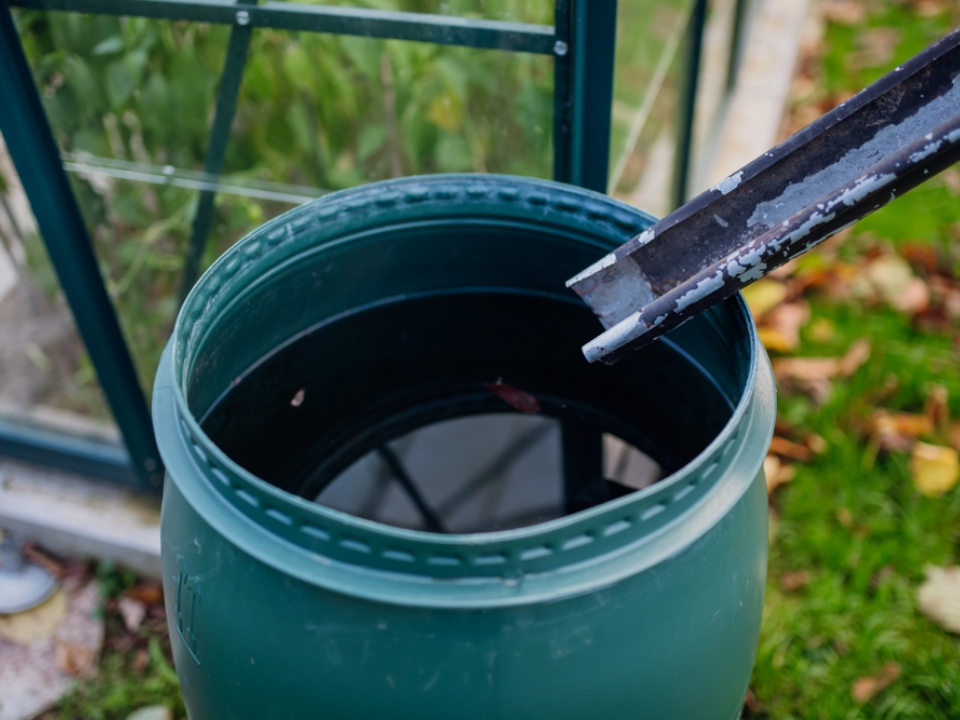
Rain barrels are a great way to collect water during the winter months. Even in dry climates, occasional rain can provide valuable water for your plants. Installing rain barrels around your property allows you to capture runoff from your roof, which can then be used to water your plants during drier periods.
Rainwater is typically better for plants than tap water, as it does not contain chlorine or other chemicals that may be found in municipal water systems. This method is eco-friendly and cost-effective, especially in areas where water is scarce. Be sure to clean your rain barrels regularly and cover them to prevent debris from entering.
Apply Anti-Desiccant Sprays

Anti-desiccant sprays are helpful for protecting your plants from drying out during harsh winter conditions. These sprays create a protective coating on the leaves and stems, reducing water loss due to wind and cold. In dry climates, where water evaporation can be a major issue, anti-desiccants can be particularly useful.
They work by sealing in moisture and preventing dehydration, especially for evergreen shrubs and trees that retain their leaves throughout the winter. These sprays are safe for most plants and can help them survive prolonged dry spells. It is important to apply these sprays early in the season, as they are most effective when plants are still actively growing or just before dormancy.
Water Evergreen Plants Throughout the Winter
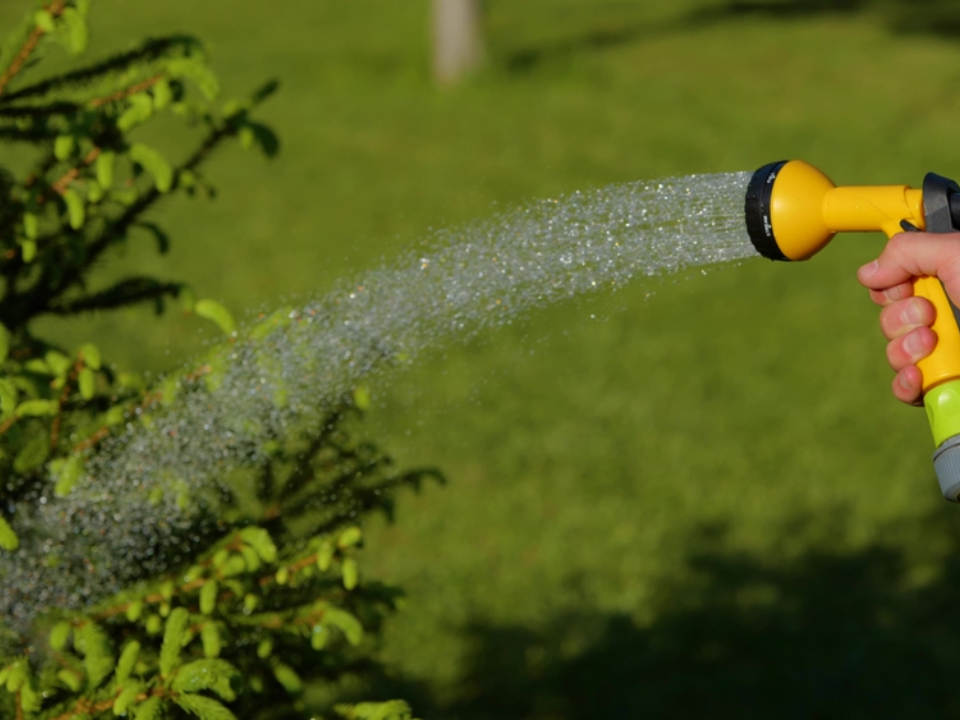
Evergreen plants, such as pine, spruce, and fir trees, retain their foliage during the winter months. These plants continue to lose moisture through their needles, even when temperatures are cold. This makes it essential to provide evergreen plants with regular watering throughout the winter. In dry climates, the lack of moisture can lead to desiccation, which causes the needles to turn brown and dry out.
Watering evergreen plants deeply and consistently helps prevent this. Be sure to water them early in the day and check the soil moisture frequently to keep the plants hydrated. This will help maintain the health and vitality of evergreens, which are valuable for year-round garden interest.
This article originally appeared on Avocadu.