
12 Winter Watering Tips Every Indoor Gardener Should Know
Winter can make indoor watering feel a little tricky because plants slow down and the air turns dry. A few small adjustments help keep them steady through the colder months. This guide shares simple habits that fit easily into your routine. Each tip gives you a clear way to support healthy roots without guessing.
This post may contain affiliate links, which helps keep this content free. Please read our disclosure for more info.
Check Soil Moisture Before Every Watering
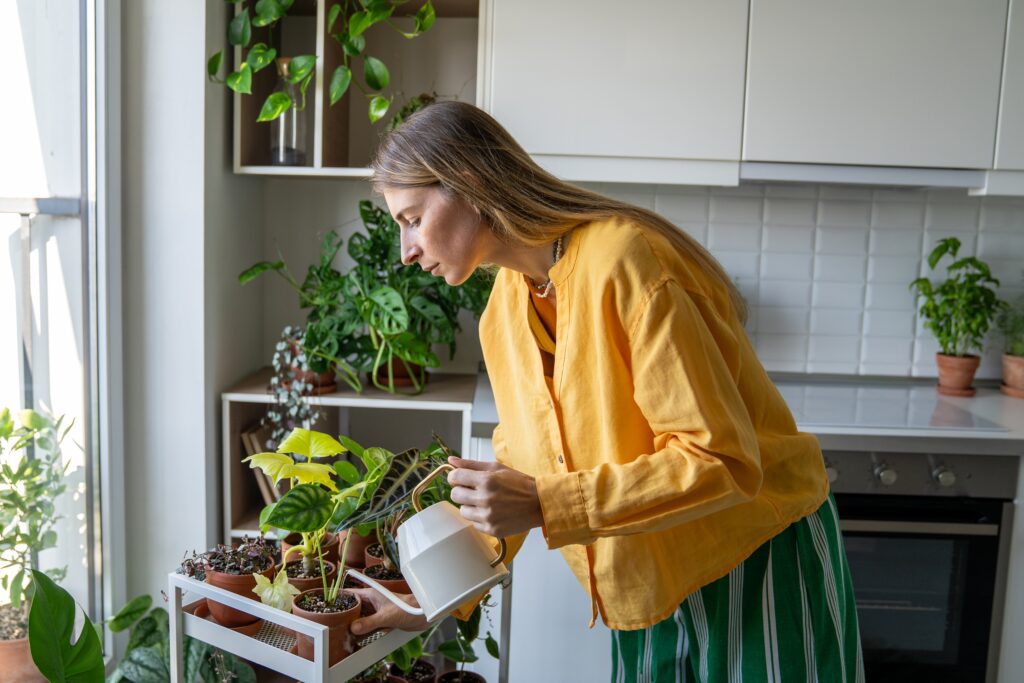
Touching the soil helps you understand what the plant really needs during cold months. The top layer often dries faster than the mix underneath, so a quick poke with your finger tells you more than a glance. Some people lift the pot to feel the weight, which gives another clue about dryness. This small habit prevents guesswork and keeps roots from sitting in wet soil.
A dry surface does not always mean the plant wants water. You might feel cool moisture just below the top inch, and that is usually a sign to wait. Many indoor plants prefer that pause between drinks when winter light is weak. Checking the soil each time keeps your watering rhythm steady.
Water Less Often Than You Do in Summer
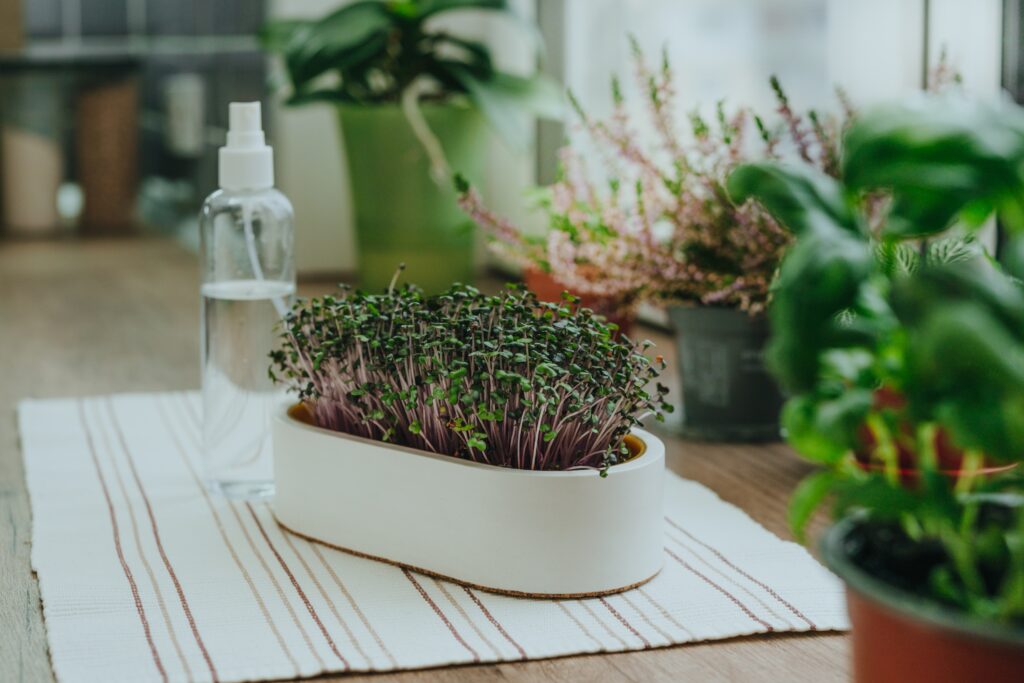
Indoor plants slow their growth in winter, so they drink far less water during this season. You may notice the pot stays damp longer after each watering. Waiting an extra few days helps protect the roots. This shift takes pressure off the plant while light levels stay low.
It helps to watch one or two plants closely to learn their new winter pattern. Some may only need water every couple of weeks. Others dry out a little faster, but still much slower than in warm months. Adjusting your timing helps keep the mix from staying soggy.
Use Room-Temperature Water
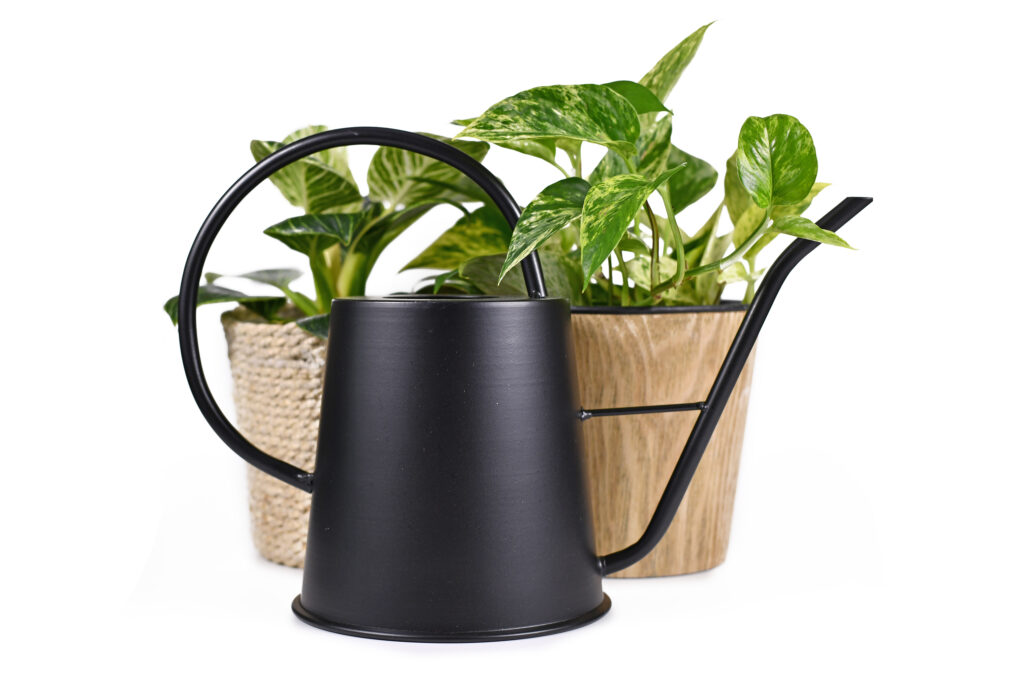
Cold water shocks tender roots after sitting in chilly pipes. Using water that feels neutral in your hand helps the plant settle more easily. This gentle temperature change keeps the soil environment steady. It gives the plant a calmer response each time you water.
You can simply leave a watering can inside so it stays at a natural indoor temperature. This keeps the plant from feeling sudden cold bursts. Many gardeners notice softer leaves and better soil absorption when the water is not icy. A small change like this can prevent winter stress.
Let Chlorinated Water Sit Before Using It
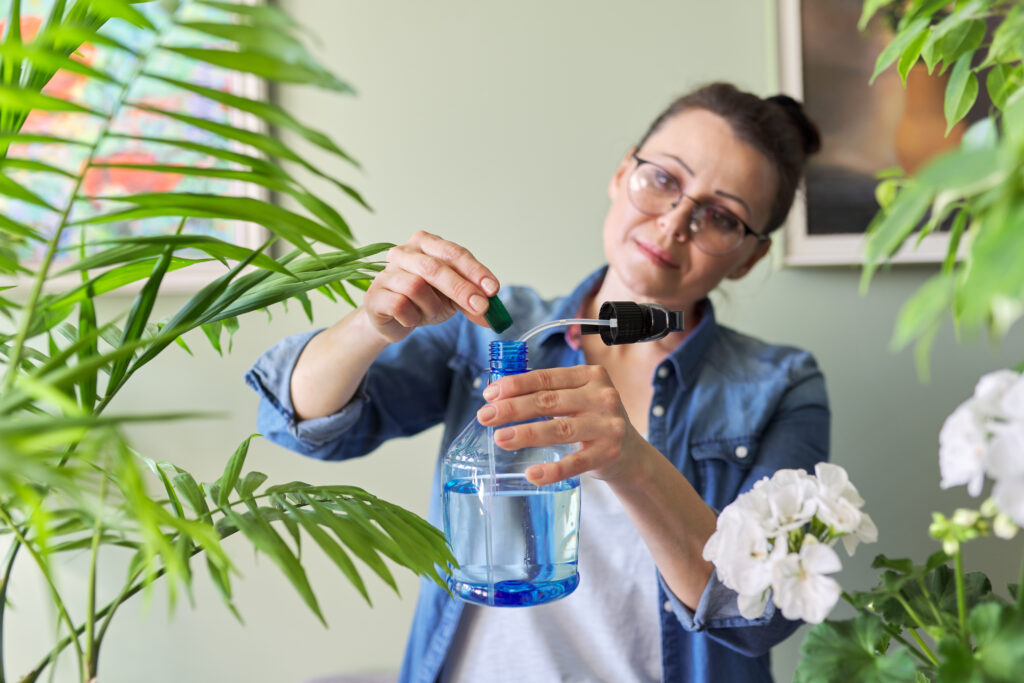
Many homes have tap water that smells slightly sharp from chlorine treatment. Leaving it out overnight allows some of that scent to fade. Plants respond better to water that has had time to settle. It creates a softer drink that feels easier on the roots.
Some people fill a pitcher at night to use the next day. Others keep a watering jug out all week and refill it whenever needed. This simple trick works well for plants with sensitive leaves or thin roots. The water feels gentler after the chlorine has aired out.
Avoid Getting Water on Cold Leaves
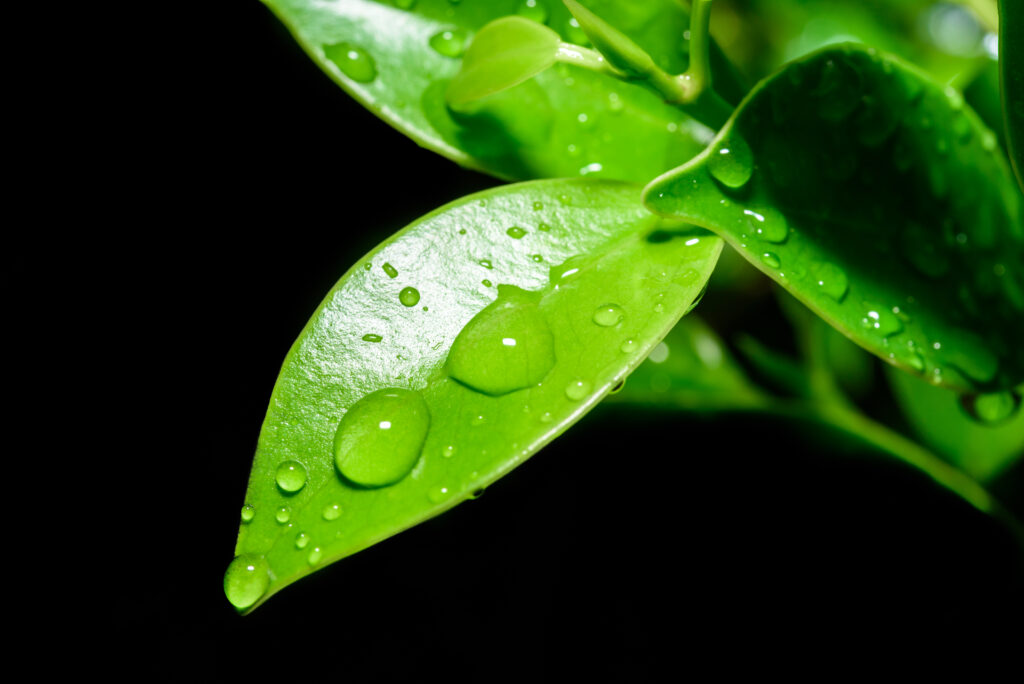
Cold leaves can show spots if water sits on them for too long. Droplets cling to the surface when indoor air feels chilly. A careful pour at the base keeps the plant safer. It also keeps the soil soak even.
If the leaves do get wet, a quick pat with a soft cloth helps. Some gardeners shake the plant lightly to let droplets slide off. These small steps stop extra moisture from lingering. Leaf tissues stay clearer through winter.
Water Early in the Day
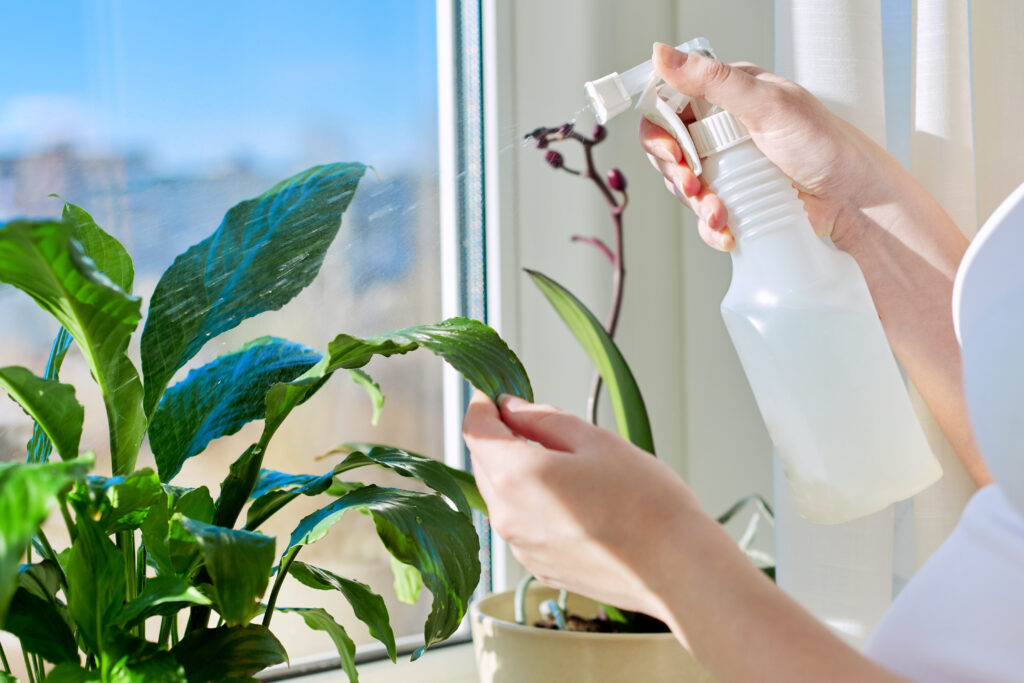
Morning watering gives the plant time to absorb moisture before night temperatures drop. The soil has all day to warm slightly in natural indoor light. This helps roots settle into a natural rhythm. It also lowers the chance of overnight dampness.
People who water early often notice smoother growth through winter. The plant takes in moisture at its own pace while the room feels brighter. When night comes, the soil has already adjusted. This timing creates a steady routine that plants enjoy.
Use a Moisture Meter for Tricky Plants
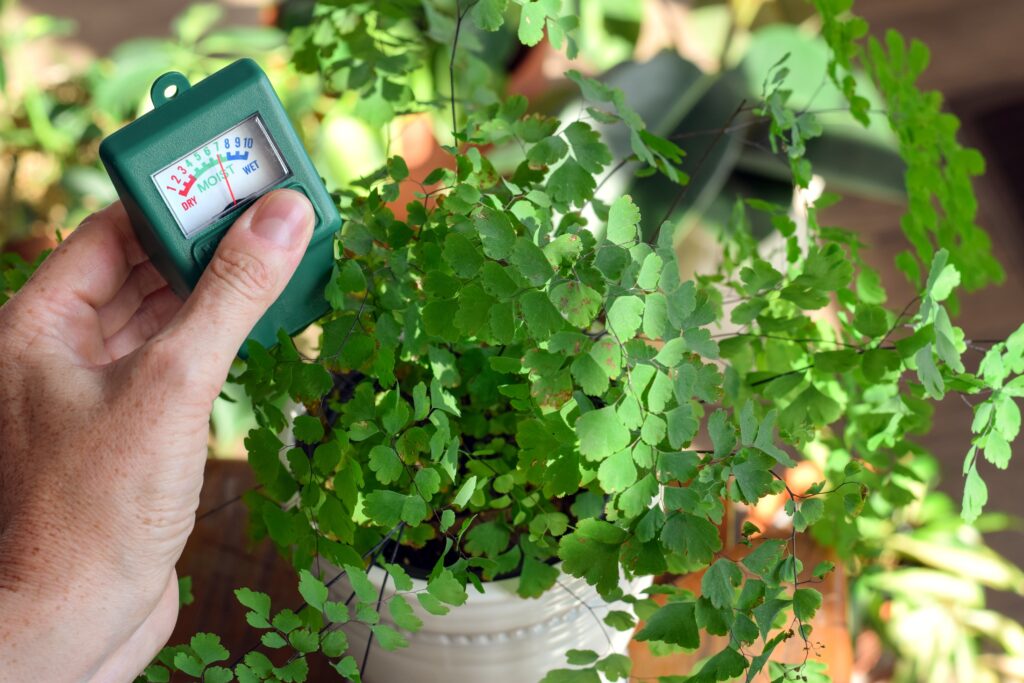
Some plants hide their dryness well under dense soil or thick foliage. A moisture meter helps you understand what is going on beneath the surface. It gives a quick reading that guides your timing. This tool becomes handy when the plant feels unpredictable.
Meters work well for bigger pots because your finger cannot reach the deeper soil. The reading shows if the bottom stays wet longer than the top. It helps prevent overwatering in large containers. This makes winter care simpler for difficult plants.
Switch to Bottom Watering for Sensitive Roots
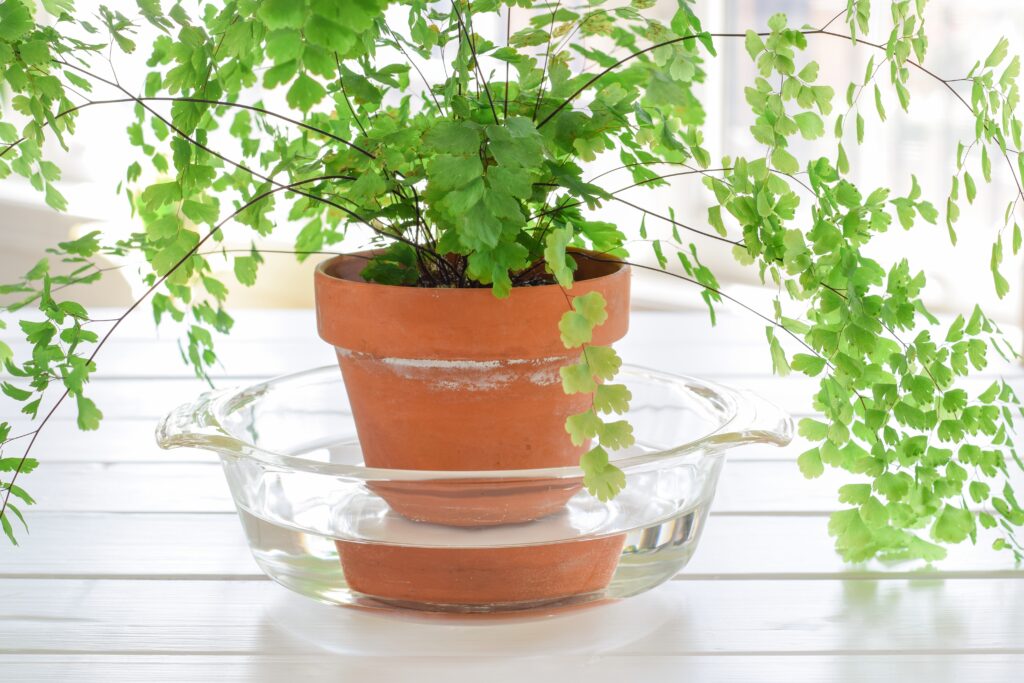
Bottom watering lets the plant pull moisture from the tray at its own pace. The soil absorbs what it needs without flooding the roots. This method works well for plants that dislike water near their stems. It keeps the top layer from getting too wet in cold rooms.
Many people place the pot in a shallow dish for ten to fifteen minutes. The plant draws moisture upward through the drainage holes. Afterward, you can remove any extra water. This helps the roots breathe while still receiving the drink they need.
Reduce Water for Dormant Plants
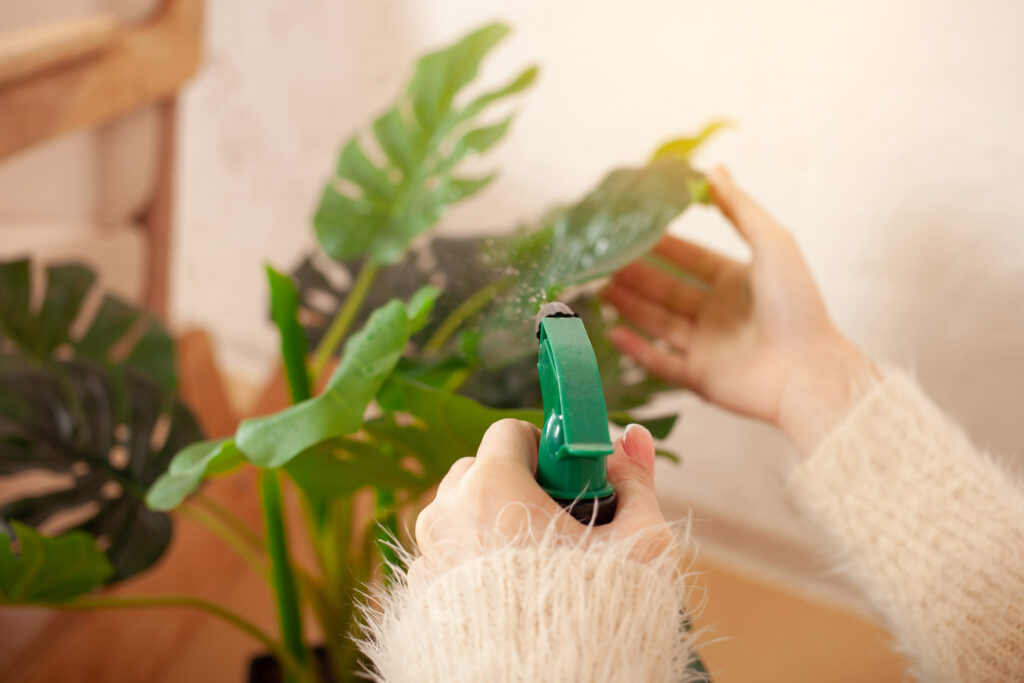
Certain indoor plants slow down dramatically in winter. Their leaves may look still, and new growth rarely appears. These signs show they are resting. Watering lightly helps match their quiet period.
You can check each plant’s winter habits so you know which ones need less attention. Some might hold water for weeks. Others dry slightly faster but still prefer long breaks between drinks. Matching their rhythm keeps them steady during this slow season.
Make Sure Drainage Holes Stay Clear
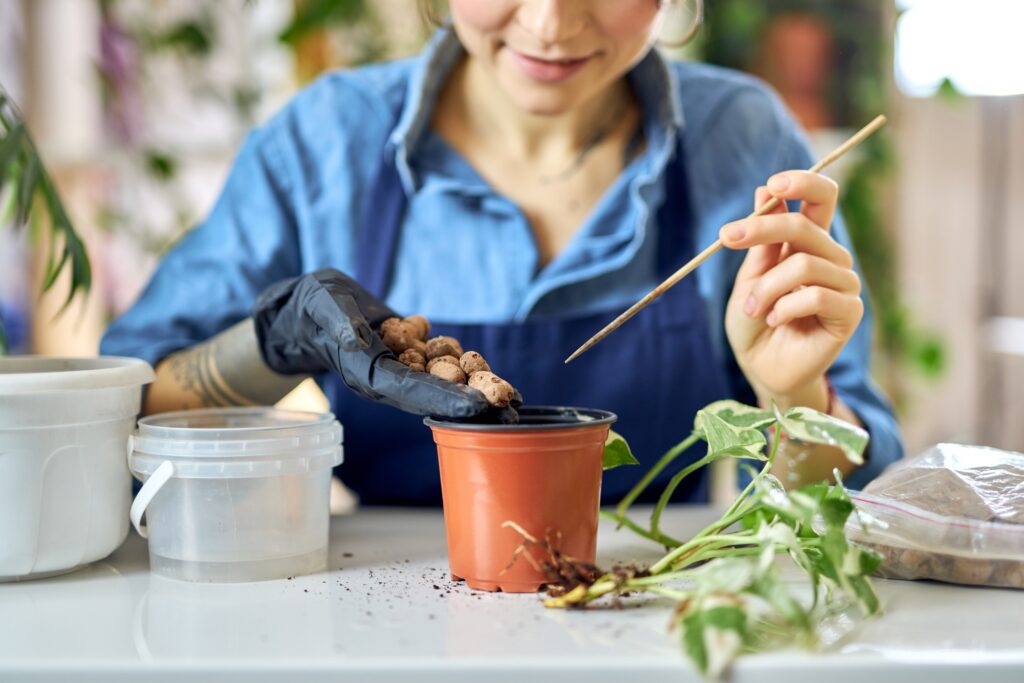
Water needs a clear path to leave the pot after each soak. Blocked holes trap moisture inside, which causes longer damp periods in winter. Checking the bottom of the pot for soil clumps or debris can prevent that issue. This simple step keeps roots healthier.
If you notice slow drainage, tap the pot lightly to loosen compacted mix. Sometimes a small stick helps clear the opening. Once the holes flow freely, the soil dries at a steady pace. Winter watering becomes easier when the pot drains well.
Track Watering Schedules in Winter
Shorter days make it harder to remember when each plant had its last drink. A simple notebook or phone note helps you track the timing. This list keeps you from watering too soon. It also shows which plants stretch their intervals in winter.
People often notice patterns after a few weeks of tracking. Certain plants will show longer waits, while a few may hold steady. These notes help shape your routine. Winter care becomes calmer when you can see each plant’s rhythm.
Adjust Watering When You Run a Heater
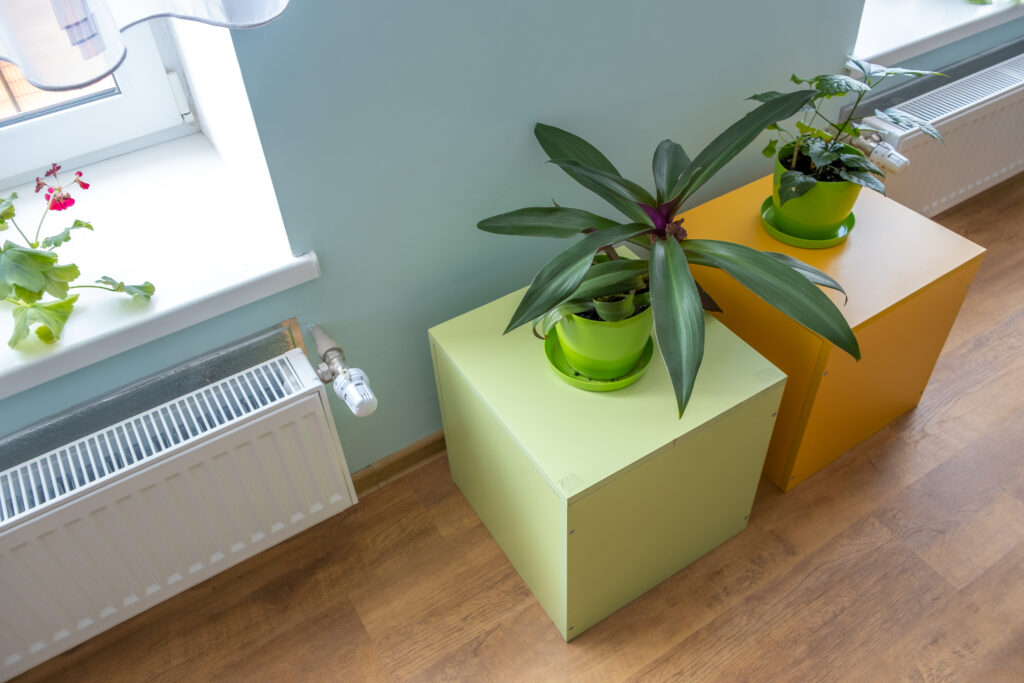
Indoor heaters pull moisture from the air, which affects how fast soil dries. Some plants sit close to warm vents without you realizing it. Their pots may dry quicker than plants in cooler corners. A small adjustment to your routine helps balance the changes.
You can move sensitive plants away from strong heat. Others might need slightly more water than they get in cooler rooms. Watching how each plant responds makes the difference. Winter comfort varies from spot to spot inside your home.
This article originally appeared on Avocadu.