
14 Winter Tales That Warm You From the Inside Out
Some stories seem made for cold evenings and quiet hours. Winter tales often lean into reflection and emotional depth. They warm you because they focus on hope, care, and shared experience. Even simple plots can leave a lasting impression during this season. Continue on and see which stories fit that feeling best.
This post may contain affiliate links, which helps keep this content free. Please read our disclosure for more info.
A Christmas Carol by Charles Dickens
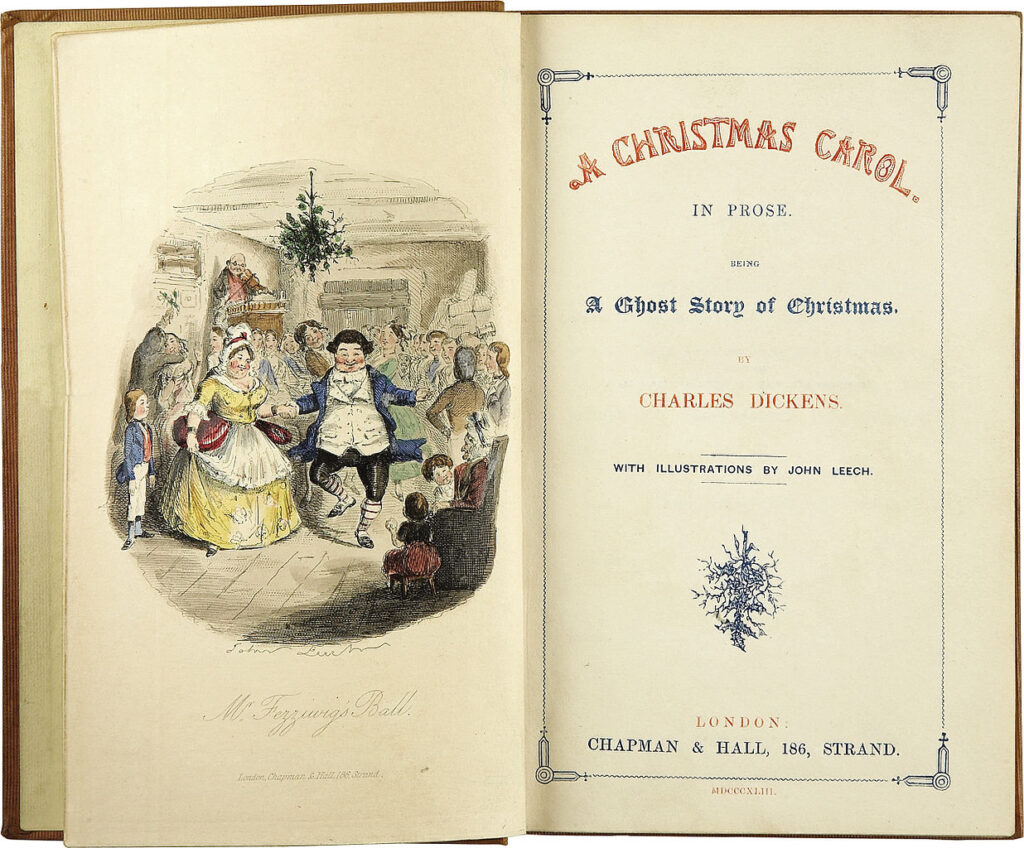
First published in 1843, this short novel by Charles Dickens quickly became one of the most read winter stories of all time. Dickens wrote it during a period of social concern, which shows in the story’s focus on kindness and change. The book has been continuously printed for more than a century and is easy to find in bookstores and libraries today. It is often sold as a slim standalone book or included in Dickens collections. The story feels warm because it centers on second chances and the comfort of human connection during cold winter nights.
Set in snowy Victorian London, the tale follows Ebenezer Scrooge through one transformative Christmas Eve. The winter setting heightens the contrast between cold streets and the warmth found inside homes and hearts. Readers often return to it during winter because the message feels comforting and familiar. Its short length makes it easy to reread in one evening by the fire. The ending leaves many readers feeling hopeful and emotionally full.
Little Women by Louisa May Alcott
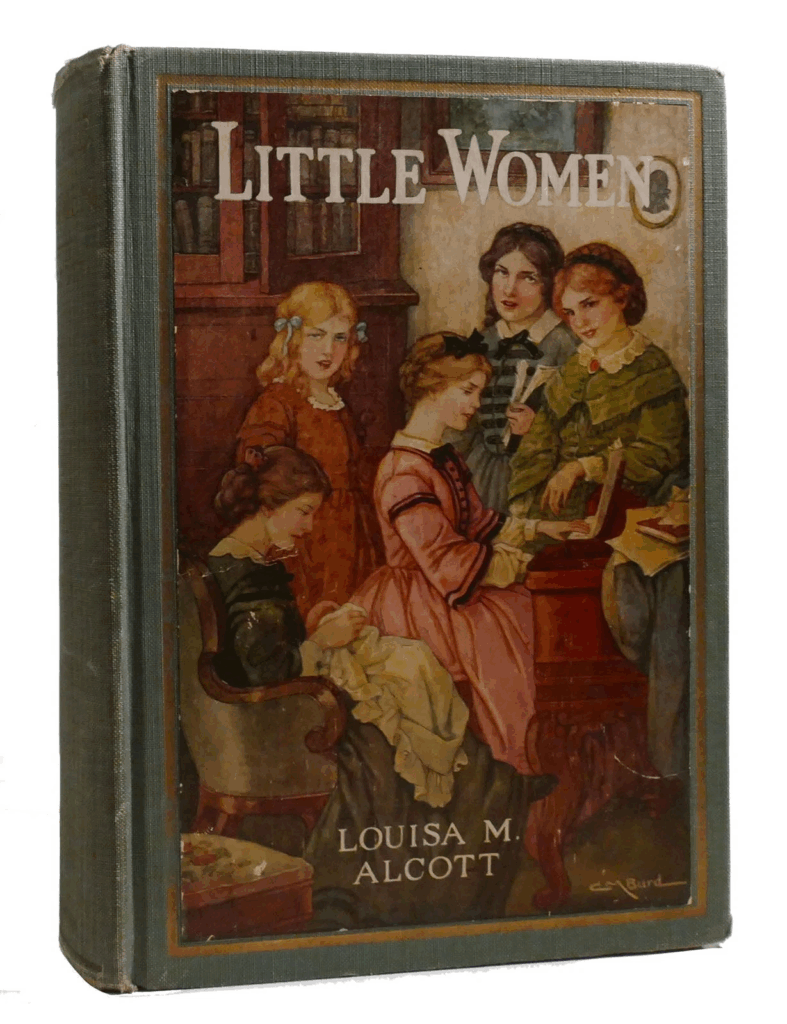
Louisa May Alcott wrote Little Women in 1868, drawing inspiration from her own family life. The novel was first published in two volumes and became popular almost immediately. It is widely available today in paperback, hardcover, and illustrated editions. Many readers first encounter it as a childhood book and return to it later in life. The winter scenes feel especially cozy because they focus on family closeness rather than material comfort.
Much of the story takes place during long New England winters filled with simple traditions. The March sisters share small joys that feel comforting during cold months. Alcott uses winter to show how love and patience can soften hard times. Readers often describe the book as emotionally warming without being overly dramatic. It remains a favorite winter reread for its gentle pace and familiar warmth.
The Snow Queen by Hans Christian Andersen
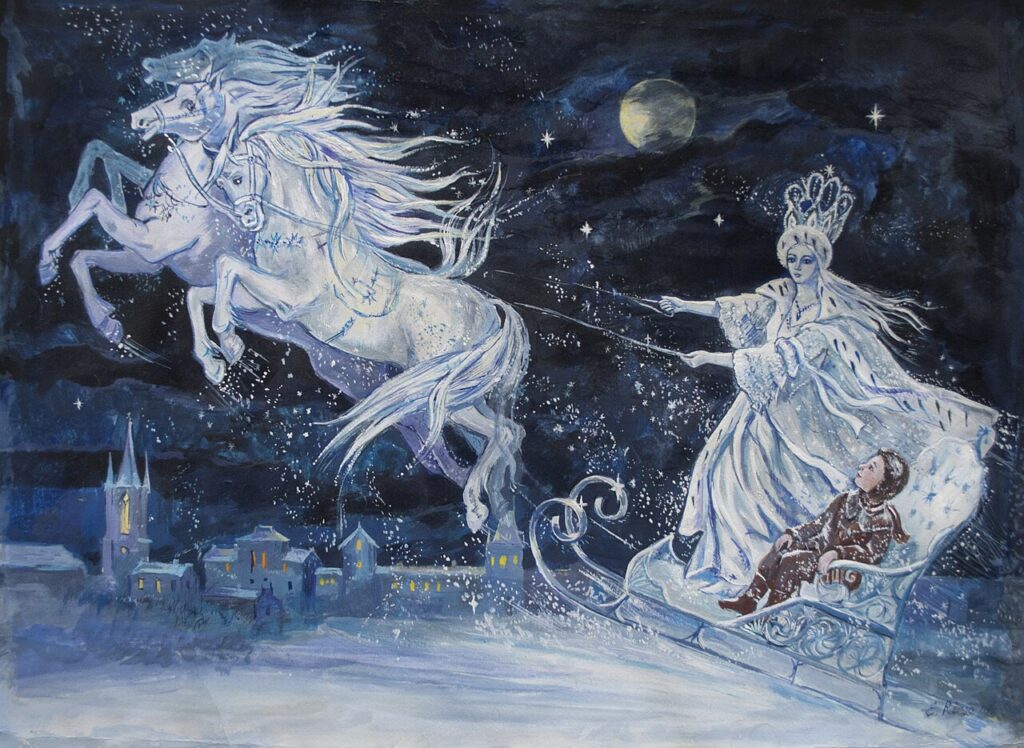
Written in 1844 by Hans Christian Andersen, this fairy tale stands out for its icy setting and emotional depth. Andersen originally published it as part of a collection of stories. The tale is still available today in illustrated children’s books and classic fairy tale editions. Many modern versions stay close to the original text. Despite its cold imagery, the story warms readers through loyalty and perseverance.
The plot follows a long journey through snow and frozen landscapes. Winter serves as both a challenge and a backdrop for emotional growth. The bond between the main characters brings comfort even in harsh conditions. Readers often find the ending deeply reassuring. The story reminds many people that warmth can exist even in the coldest places.
The Lion, the Witch and the Wardrobe by C S Lewis
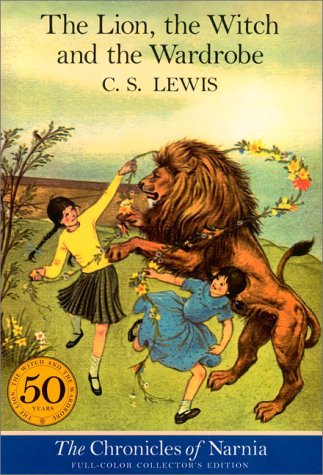
C S Lewis published this novel in 1950 as the first released book in The Chronicles of Narnia. It quickly became a staple of children’s literature. The book is available worldwide in single editions and box sets. Many readers discover it through school reading lists or family collections. Its winter setting feels magical rather than harsh.
Narnia is trapped in a long winter, which gives the story a strong seasonal mood. The arrival of hope feels stronger because of the cold surroundings. Lewis uses winter to show how patience and courage lead to warmth and renewal. The story balances adventure with emotional comfort. Readers often feel a sense of calm and wonder after finishing it.
The Long Winter by Laura Ingalls Wilder
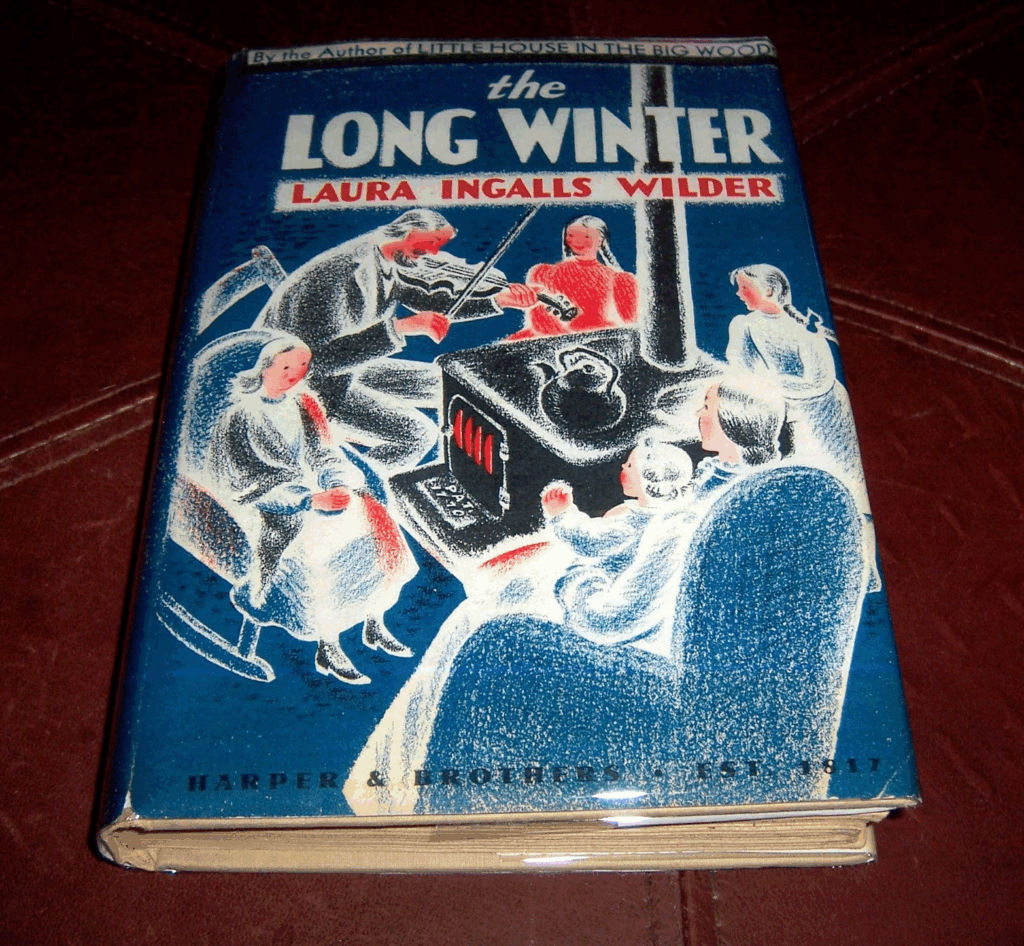
Published in 1940, this book is part of the Little House series by Laura Ingalls Wilder. It is based on real events from the author’s childhood. The book is still widely sold in paperback and hardcover editions. Many families collect the entire series together. The story feels warming because it highlights resilience and family unity.
The harsh winter conditions play a central role in the narrative. Snowstorms and isolation make small moments of comfort feel meaningful. Readers often feel drawn into the quiet strength of the family. The steady pace mirrors the long winter months themselves. It leaves readers with a deep appreciation for warmth and togetherness.
Winter Solstice by Rosamunde Pilcher
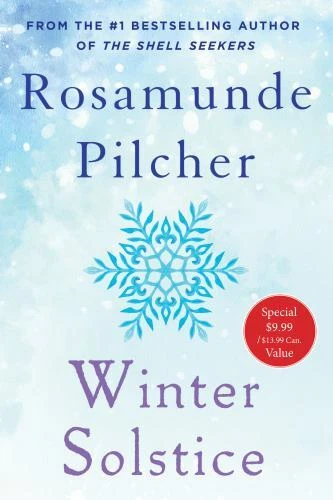
Rosamunde Pilcher published this novel in 2000, focusing on quiet emotional healing. It is available as a paperback, hardcover, and ebook. The story became especially popular for winter reading. Many readers associate it with slow evenings and reflective moods. The book warms through kindness rather than dramatic events.
The story brings together several characters during the winter season. Snowy landscapes create a calm and reflective setting. Pilcher focuses on small acts of care that feel comforting. The winter atmosphere encourages rest and connection. Readers often finish the book feeling settled and peaceful.
The Little Match Girl by Hans Christian Andersen
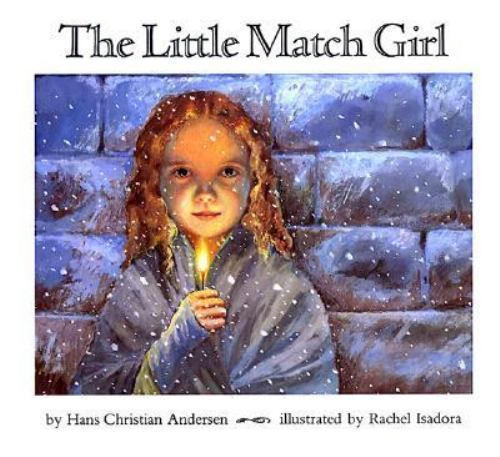
Hans Christian Andersen published this short story in 1845. It first appeared in a Danish newspaper before becoming widely known. The story is available today in illustrated storybooks and classic fairy tale collections. It is often read during winter despite its emotional weight. The warmth comes from compassion rather than a happy plot.
The winter cold is central to the story’s emotional impact. Each small flame represents comfort and hope. Readers often feel deeply moved by its simplicity. The story encourages empathy and reflection. Many consider it a quiet reminder to care for others during winter.
Smilla’s Sense of Snow by Peter Hoeg
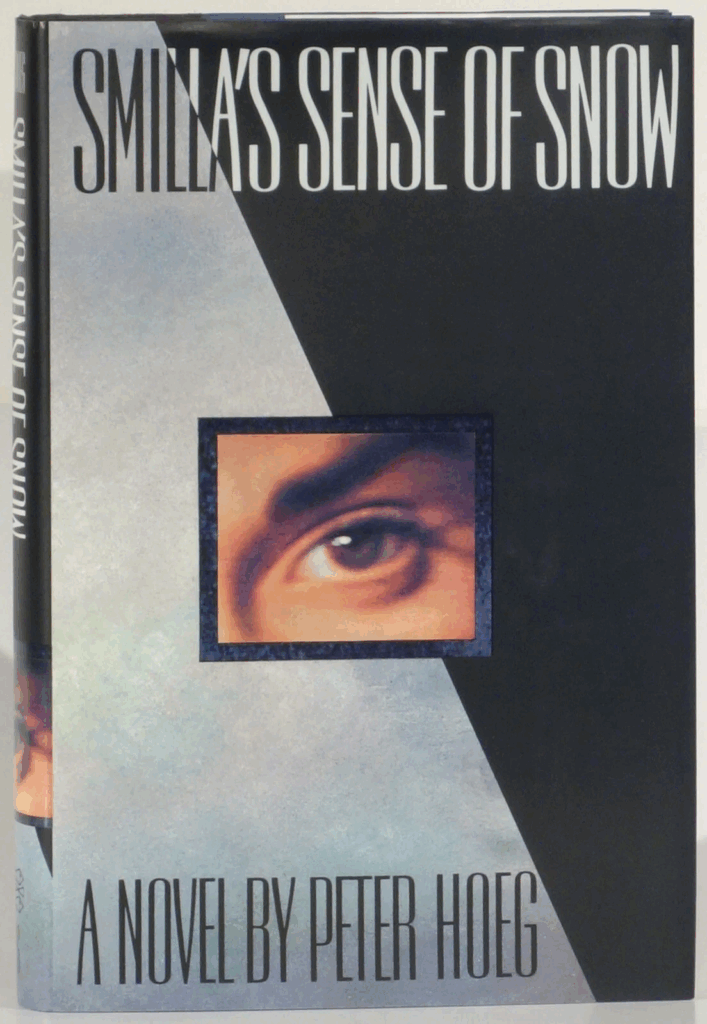
Peter Hoeg released this novel in 1992, blending mystery with a winter setting. It is available in paperback and hardcover editions. The book gained international attention after its release. Many readers are drawn to its icy atmosphere. The warmth comes from persistence and emotional depth.
Snow and ice shape both the setting and the story’s mood. The cold environment reflects the main character’s inner struggles. Moments of connection stand out strongly against the frozen backdrop. The winter setting makes the story feel immersive. Readers often remember it for its quiet intensity.
The Dark Is Rising by Susan Cooper
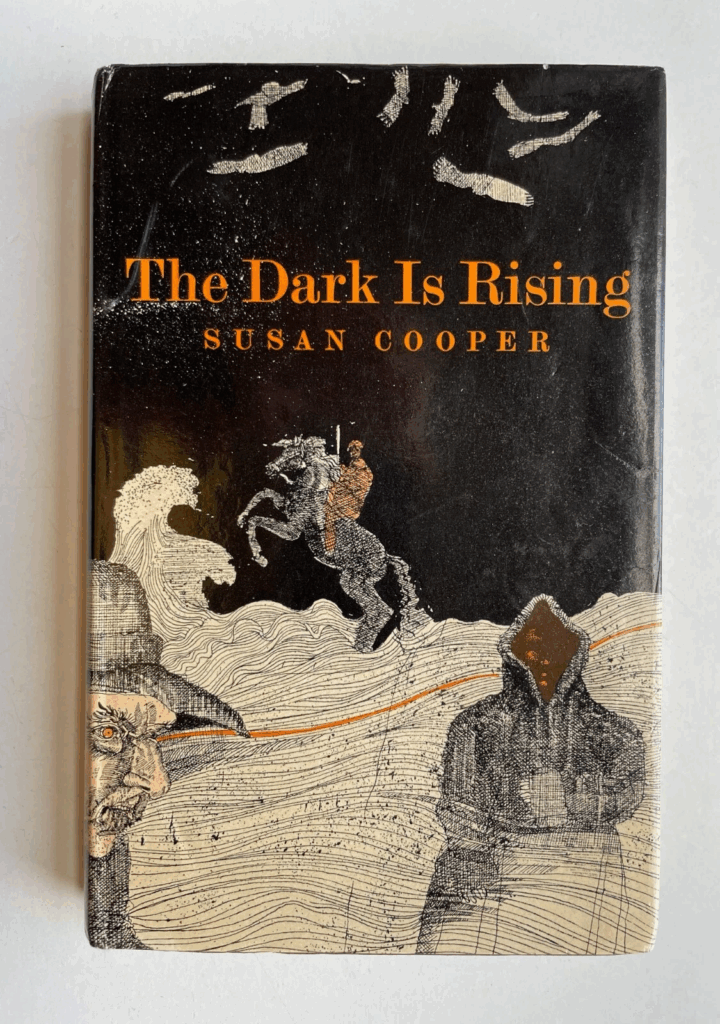
Susan Cooper published this novel in 1973 as part of a fantasy series. It is widely available in single editions and series collections. The book is often recommended for winter reading. Many readers discover it during school years. The story feels warming through courage and tradition.
Set during the winter holidays, the book uses cold weather to heighten tension. Ancient customs and snowy nights shape the atmosphere. The sense of belonging provides emotional comfort. Winter feels magical rather than threatening. Readers often associate the story with seasonal rituals.
Winter’s Tale by Mark Helprin
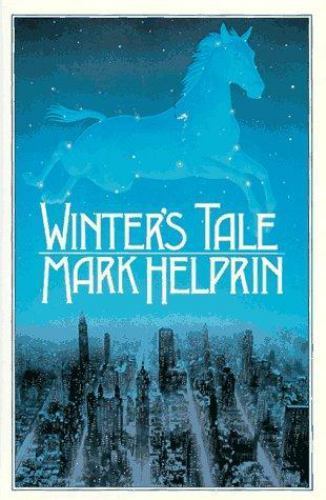
Mark Helprin published this novel in 1983, blending fantasy with realism. It is available in paperback and hardcover formats. The book gained attention for its lyrical style. Many readers choose it for winter reading. The warmth comes from love and hope across time.
Snowy New York City plays a major role in the story. Winter becomes a symbol of endurance rather than loss. Emotional moments stand out against the cold setting. The story encourages reflection and patience. Readers often describe it as emotionally rich and comforting.
The Hogfather by Terry Pratchett
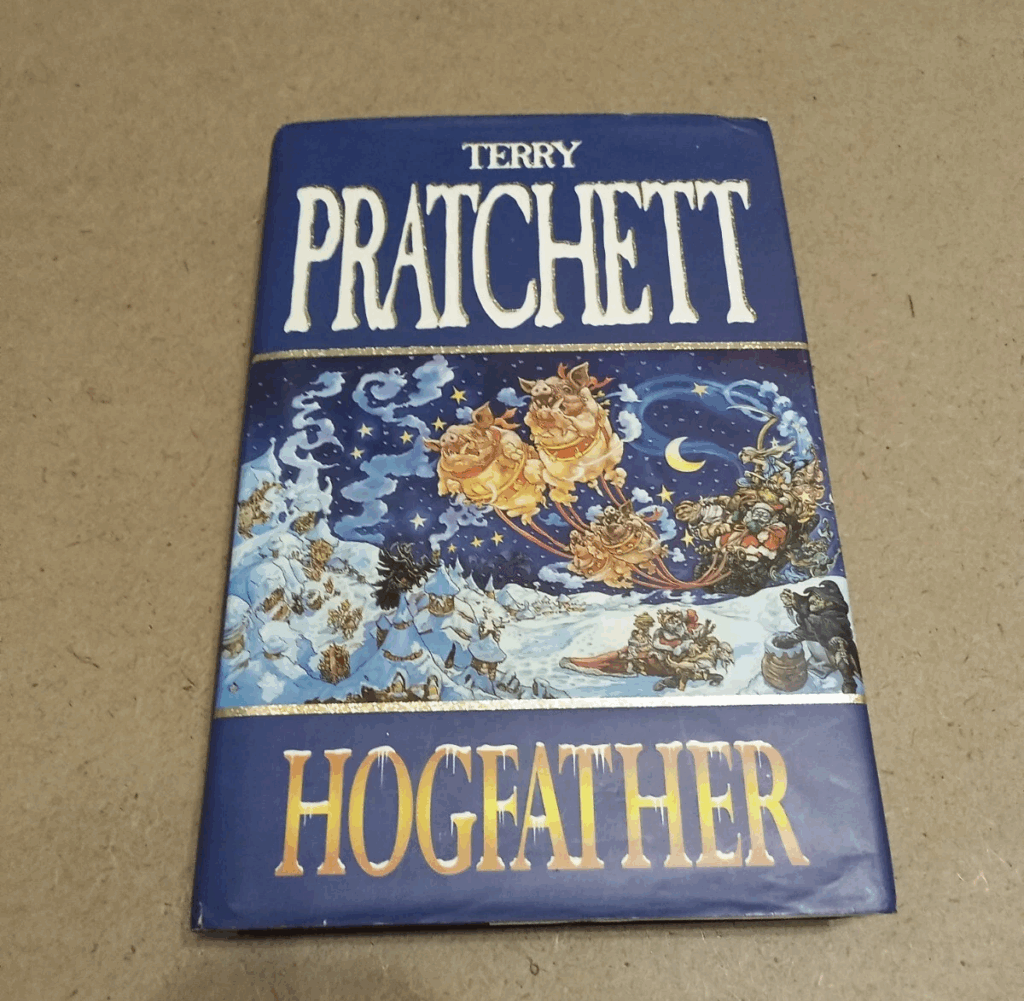
Terry Pratchett published this novel in 1996 as part of the Discworld series. It is widely available and often rereleased in special editions. The story is commonly read during winter. Humor balances its deeper themes. The warmth comes from belief and shared traditions.
Set around a winter holiday, the story mixes comedy with heart. Snow and seasonal customs play an important role. Pratchett uses winter to explore why traditions matter. The humor feels especially comforting on cold nights. Readers often finish the book smiling.
The Bear and the Nightingale by Katherine Arden
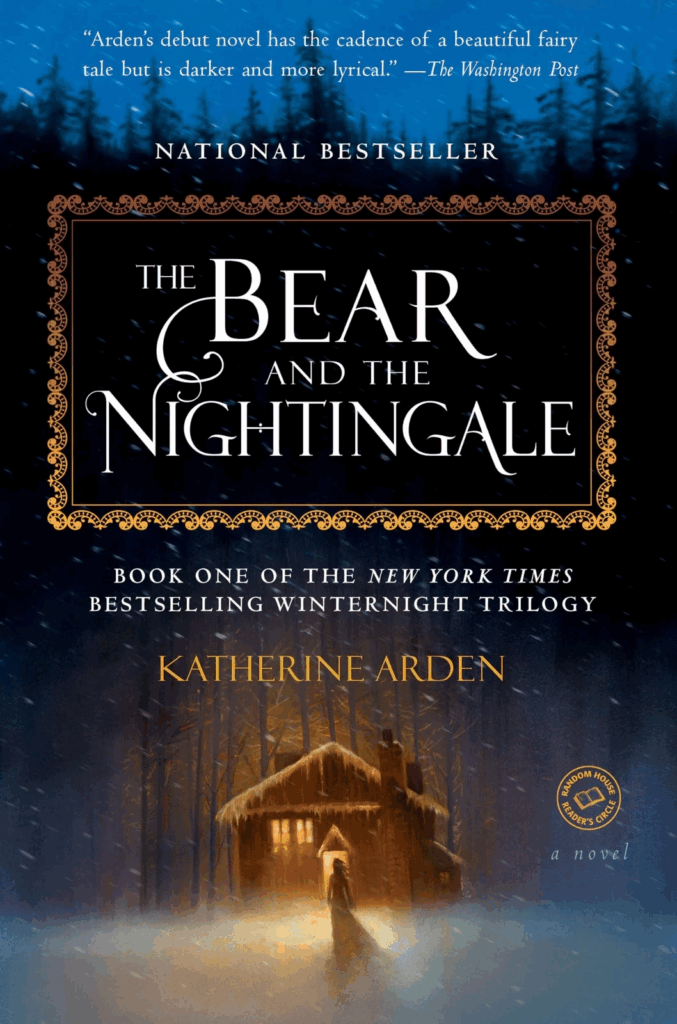
Katherine Arden released this novel in 2017, inspired by Russian folklore. It is available in paperback, hardcover, and ebook formats. The book became popular among winter fantasy readers. Snowy imagery is central to the story. The warmth comes from courage and family loyalty.
The setting features long winters and frozen landscapes. Folklore elements make the cold feel alive and meaningful. Moments of kindness feel stronger against the harsh climate. Readers often feel fully immersed in the season. The story leaves a lingering sense of quiet strength.
Snow Falling on Cedars by David Guterson
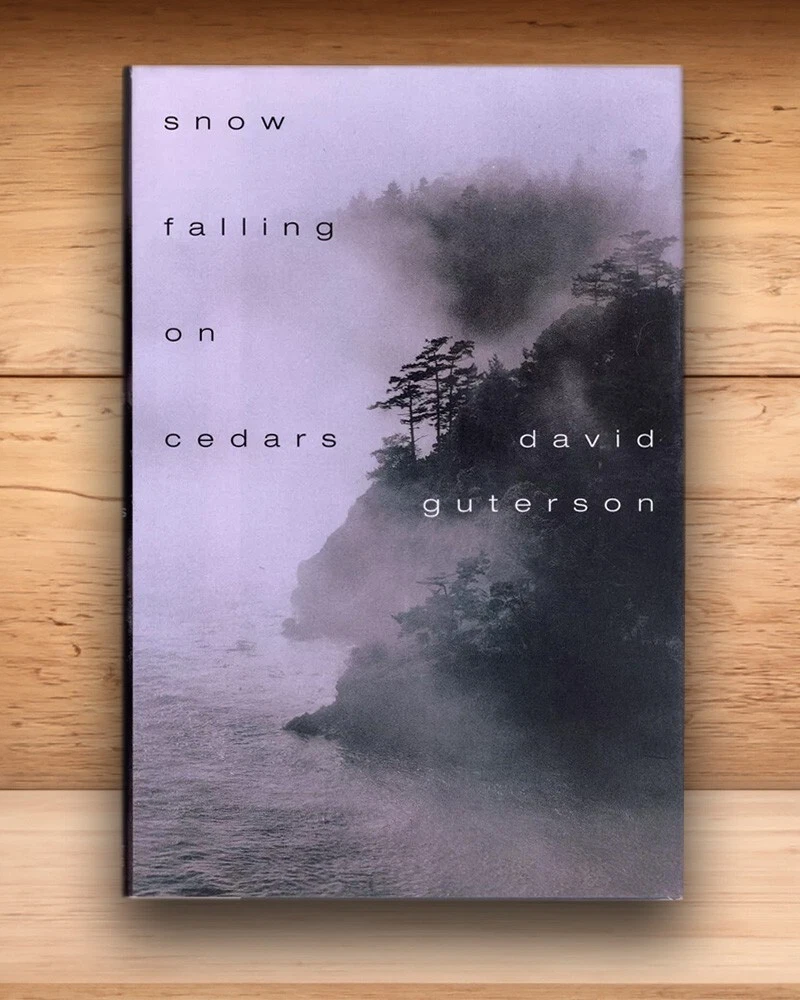
David Guterson published this novel in 1994. It is available in multiple formats and remains widely read. The story blends mystery with emotional reflection. Winter weather shapes the tone throughout. The warmth comes from understanding and forgiveness.
Heavy snow influences the pacing and mood of the story. The cold setting slows time and deepens emotion. Small human moments stand out clearly. Readers often feel drawn into its quiet rhythm. The winter atmosphere adds a reflective quality to the ending.
The Winter People by Jennifer McMahon
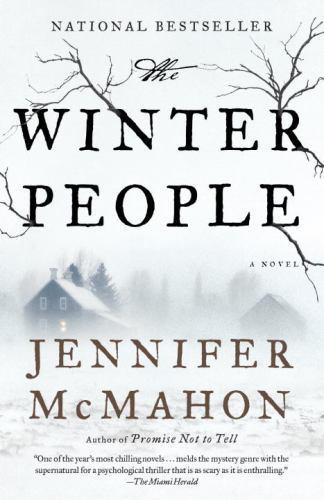
Jennifer McMahon published this novel in 2014. It is available in paperback, hardcover, and digital editions. The story blends suspense with a winter setting. Snow and isolation shape much of the tension. The warmth comes from emotional bonds beneath the mystery.
The Vermont winter setting creates a sense of stillness. Cold weather heightens both fear and closeness. Family connections play a key role throughout the story. Readers often feel wrapped in the setting itself. The ending leaves a lingering emotional warmth despite the chill.
This article originally appeared on Avocadu.