
17 Winter Skin Prep Steps That Help Makeup Sit Well
Winter makeup can be tricky when skin feels dry or tight. Seasonal changes often show up first on the face. A few thoughtful prep habits can make makeup feel more comfortable throughout the day. These steps focus on working with winter skin rather than fighting it. Stick around to see how simple prep can make a noticeable difference.
This post may contain affiliate links, which helps keep this content free. Please read our disclosure for more info.
Gentle Winter Cleanser for Dry Skin
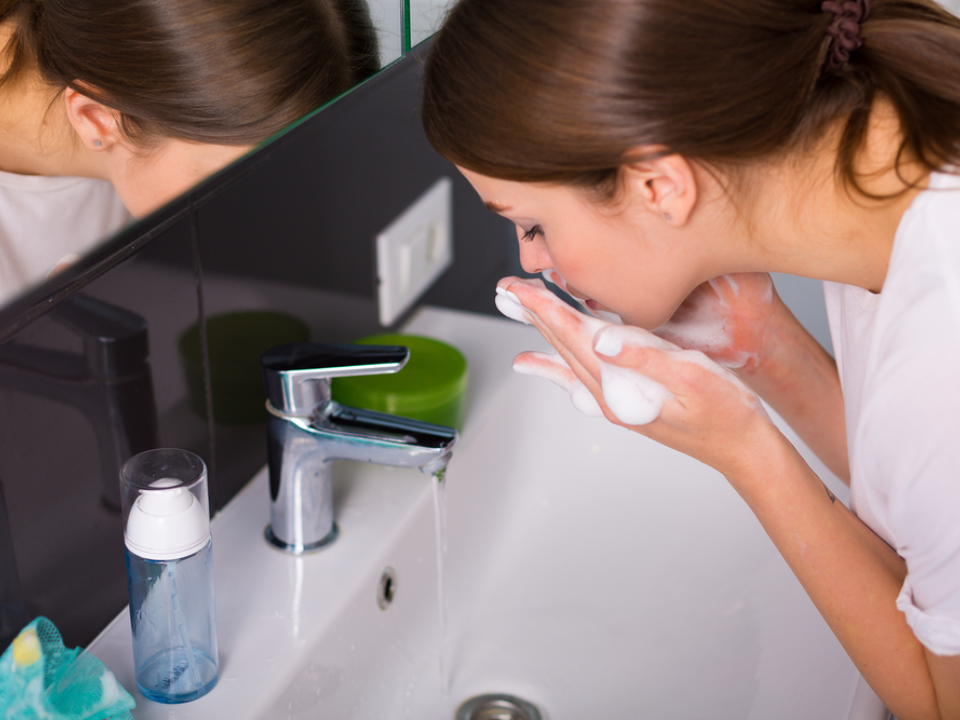
Starting with a mild cleanser helps remove buildup without stripping skin. Use lukewarm water and massage the cleanser lightly over the face for about thirty seconds. Rinse well and pat dry with a soft towel instead of rubbing. This step keeps skin feeling calm before makeup. Clean skin gives products a better base to rest on.
After cleansing, wait a minute before moving on to the next step. This short pause lets skin settle and reduces tightness. A gentle cleanser works best in winter since harsh formulas can cause dryness. Morning and evening use keeps skin balanced. Makeup often sits better when skin does not feel irritated.
Hydrating Toner to Rebalance Skin
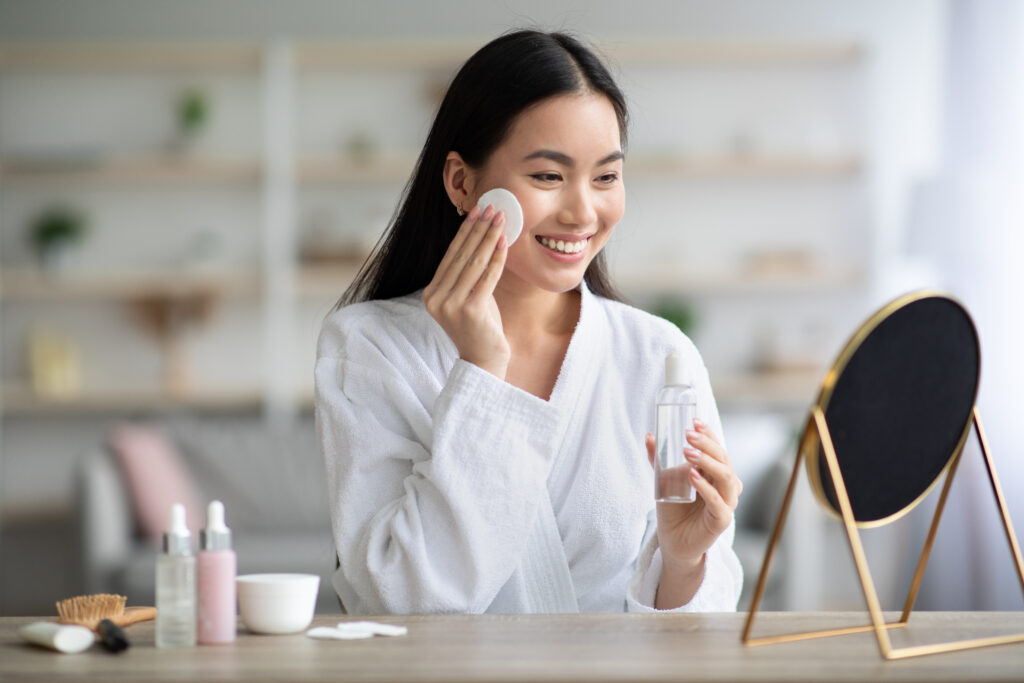
A hydrating toner helps bring moisture back after washing your face. Apply it with clean hands or a cotton pad using light tapping motions. Focus on areas that feel tight or dry. This step preps skin so later products spread more evenly. Toners made for dry skin work best during colder months.
Once applied, let the toner absorb fully before layering anything else. This helps prevent products from sliding around later. Many people skip toner, but winter skin often benefits from this extra layer. It adds comfort without feeling heavy. Makeup tends to apply more evenly afterward.
Lightweight Hydrating Serum Before Makeup

Serums help add moisture where skin needs it most. Use a small amount and press it gently into the skin. Pay attention to areas where makeup usually creases or clings. This step helps create a softer surface for foundation. Choose a serum made for daily use rather than overnight wear.
Allow the serum a minute to sink in before continuing. Rushing can cause products to pill later. Serums work well under makeup when used sparingly. They help skin feel more flexible in cold weather. This can reduce patchy makeup spots.
Rich Eye Cream for Smooth Concealer

The skin around the eyes often dries out faster in winter. Dab a small amount of eye cream using your ring finger. Pat gently without pulling the skin. This step helps concealer apply more evenly. Hydrated under eyes often look fresher.
Give the eye cream time to absorb fully. Waiting helps prevent creasing once makeup goes on. Use only a thin layer to avoid slipping. Winter eye cream can be used both morning and night. Makeup usually lasts longer when the under eye area feels comfortable.
Moisturizer That Suits Cold Weather Skin

A good moisturizer helps seal in moisture before makeup. Apply an even layer across the face and neck. Focus on dry areas like cheeks and jawline. This step creates a soft base for makeup products. Thicker formulas often work better in winter.
Let the moisturizer sit for a few minutes before applying makeup. This pause helps prevent slipping or uneven blending. Skin that feels nourished tends to hold makeup better. Adjust the amount based on how dry your skin feels. Comfort matters more during colder months.
Face Oil Used in Small Amounts
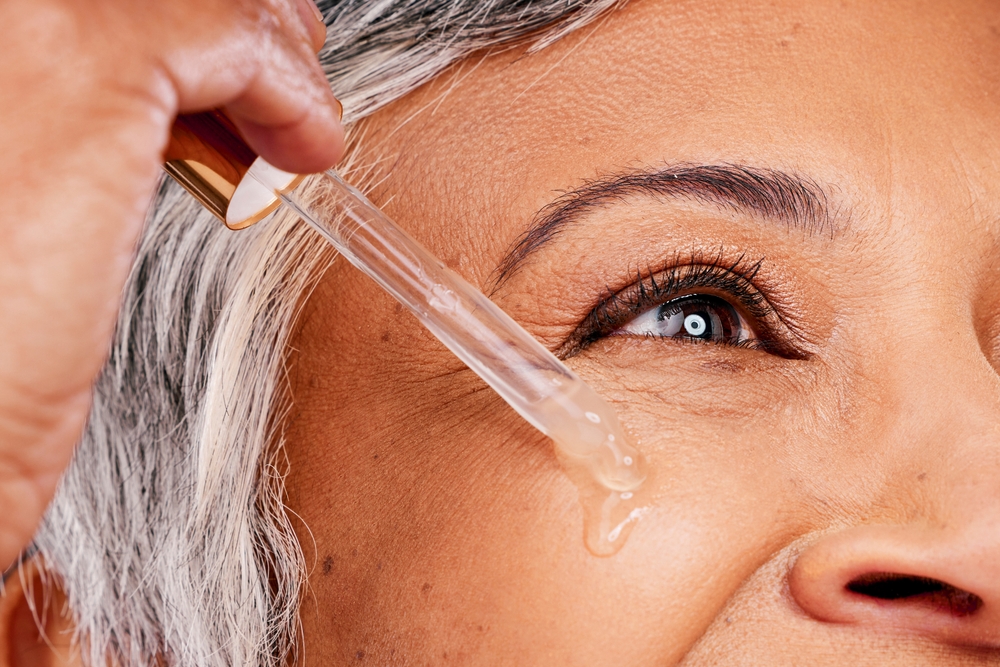
Face oil can help very dry skin when used carefully. Warm one or two drops between your hands and press onto the skin. Avoid rubbing to keep makeup-friendly texture. This step adds comfort without making skin greasy. Oils work best when used sparingly.
Allow time for the oil to settle before moving on. Too much oil can cause makeup to move. Used correctly, it can help foundation glide on more evenly. This step is helpful during harsh winter days. Makeup often looks less flaky with this added care.
Lip Balm Prep for Smooth Lip Color
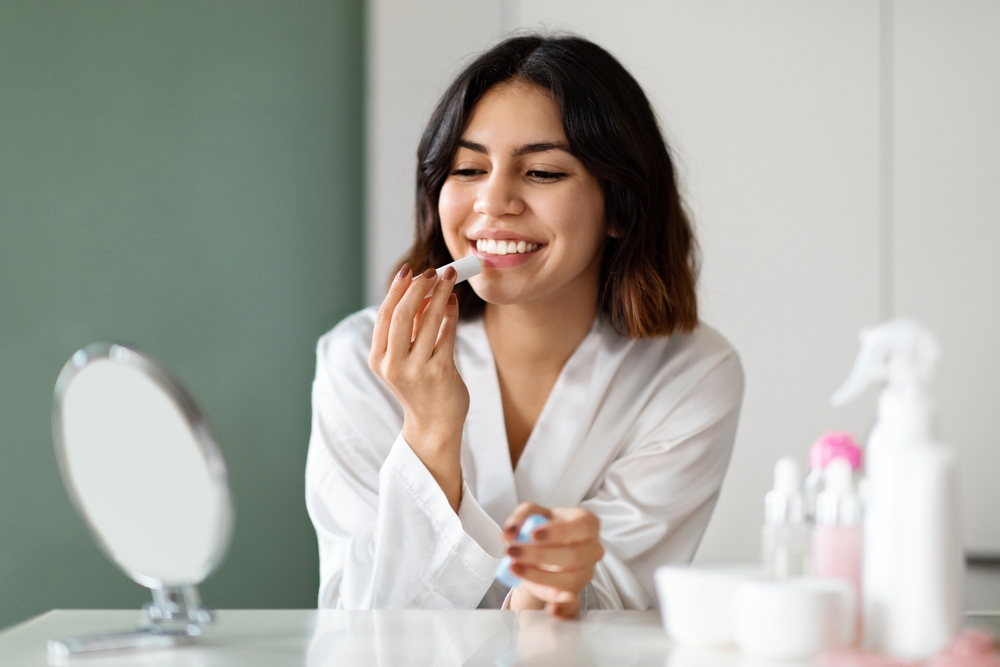
Dry lips can affect how lipstick looks and feels. Apply lip balm early in your prep routine. Let it soak in while you work on the rest of your face. This helps soften lips before color application. Hydrated lips help prevent cracking.
Before applying lipstick, blot off excess balm. This helps color stick better. Use lip balm daily during winter. Smooth lips help makeup look more polished. This small step makes a noticeable difference.
Gentle Exfoliation Once or Twice Weekly
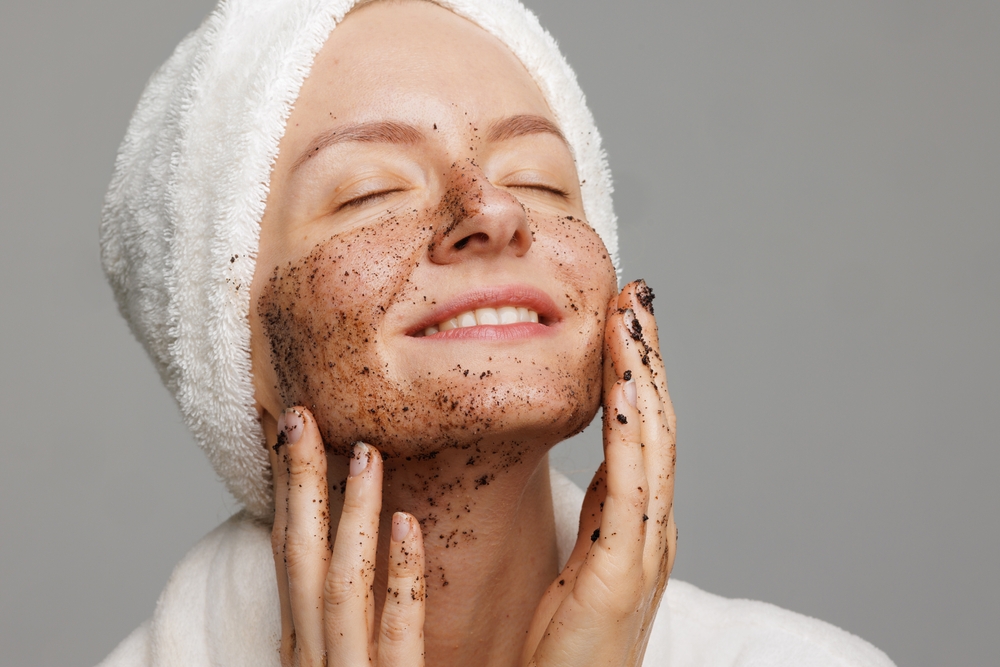
Exfoliation helps remove dry skin buildup. Use a mild exfoliant once or twice a week only. Massage lightly and rinse well. This step helps makeup sit more evenly. Overdoing it can cause irritation.
Always follow exfoliation with hydration. Skin may feel sensitive afterward. Avoid exfoliating right before a full makeup day. Planning this step ahead helps prevent redness. Makeup tends to apply better on smoother skin days later.
Sunscreen That Layers Well Under Makeup

Daily sunscreen is still needed during winter. Choose one that feels comfortable under makeup. Apply a thin, even layer after moisturizer. Let it set before adding makeup. Sunscreen helps protect skin year-round.
Wait a few minutes before moving on. This helps prevent pilling. Some sunscreens double as primers. Test how it works with your makeup. Protection and comfort can go together.
Hydrating Primer for Dry Skin Types
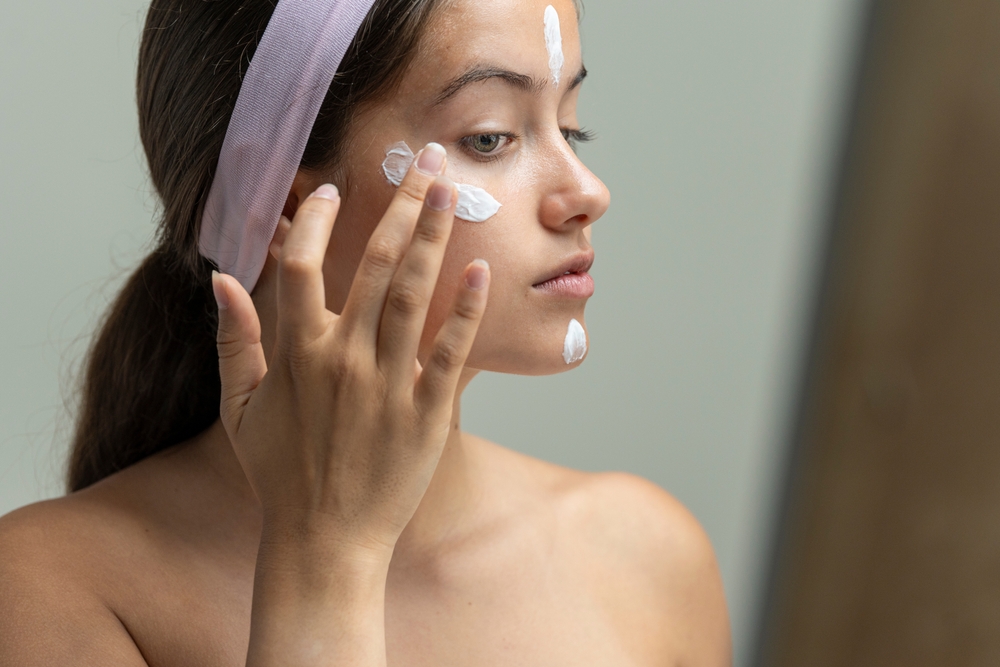
Primer helps create a base for makeup. Use one made for dry or winter skin. Apply a small amount to areas where makeup tends to break apart. This step helps foundation apply more evenly. Hydrating primers work best in cold months.
Let the primer settle before applying makeup. Rushing can affect the finish. Use less product than you think you need. A thin layer often works best. Makeup tends to last longer with this step.
Hydrating Face Mist Between Layers
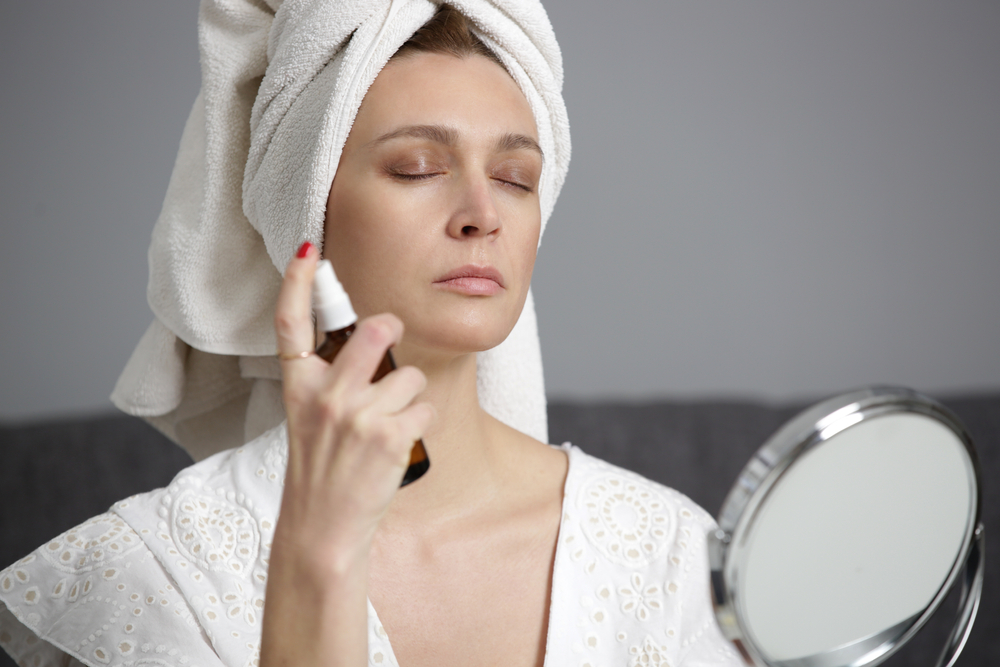
A light face mist can add comfort during prep. Spray lightly after moisturizer and before makeup. Keep the bottle at arm’s length. This step helps layers settle together. Choose a mist meant for hydration.
Allow the mist to dry naturally. Do not touch your face while it sets. This step works well when indoor heating dries skin out. Makeup may blend more easily afterward. It can also reduce tightness.
Warm Hands Before Applying Products

Warming products slightly helps them spread better. Rub hands together before touching your face. This helps creams apply more evenly. Cold hands can make products harder to blend. This step is simple but helpful.
Many makeup artists use this trick in winter. It helps skin accept products more easily. Warmth helps with even coverage. This works well with moisturizer and foundation. Small habits can improve results.
Patting Products Instead of Rubbing
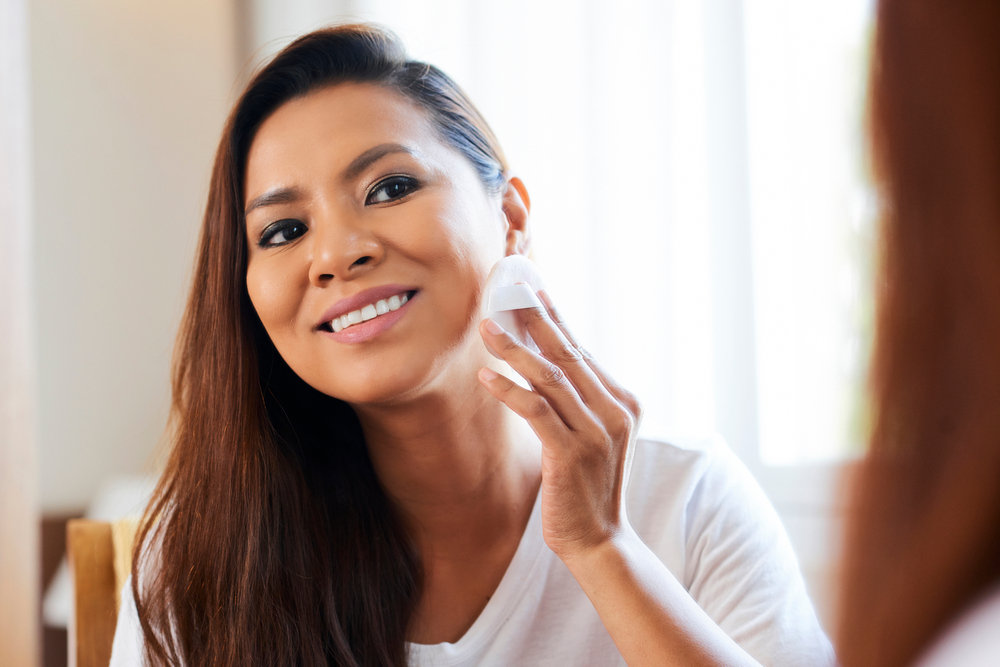
Patting helps products absorb better. Use gentle tapping motions when applying skincare. This reduces friction on dry skin. Makeup layers often stay in place longer. Patting works well with serums and creams.
Rubbing can cause irritation in winter. Light pressure helps protect the skin barrier. This method helps avoid redness. Makeup looks smoother when skin feels calm. It also feels more comfortable throughout the day.
Allowing Each Layer to Set Properly

Giving each product time to settle helps with makeup wear. Pause briefly between steps. This prevents products from mixing on the surface. Makeup applies more evenly afterward. Patience helps during winter prep.
Even short pauses can help. Use the time to prep tools or brushes. This habit reduces slipping and patchiness. It also helps skincare feel more comfortable. Makeup often looks better with this approach.
Targeted Spot Moisture for Dry Areas
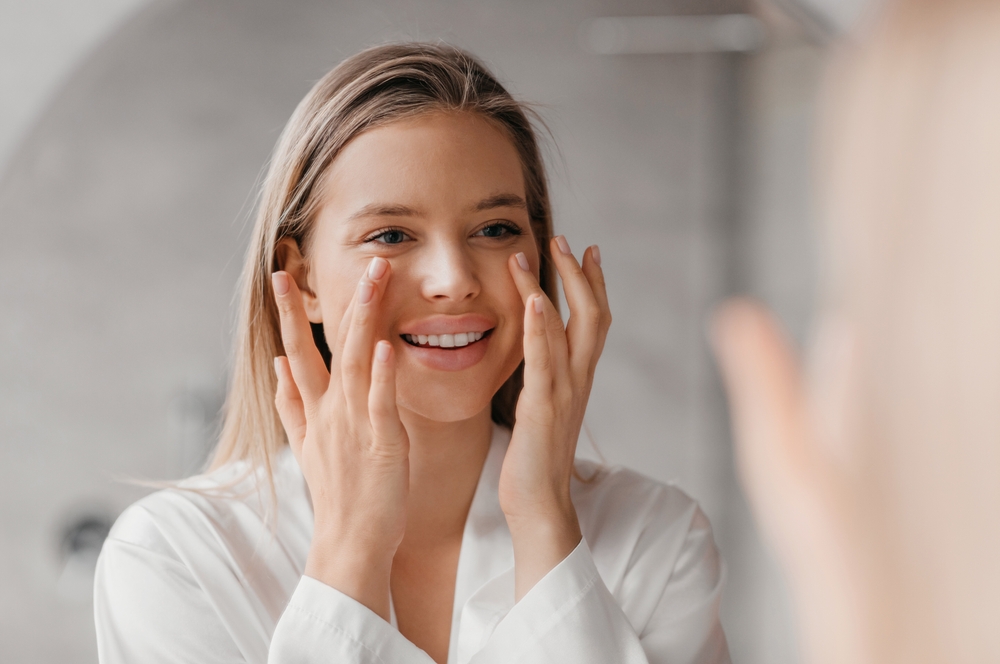
Some areas need extra care in winter. Apply a bit more moisturizer to dry spots only. Avoid layering too much on oily areas. This keeps balance across the face. Makeup applies more evenly when skin feels balanced.
Targeted care helps avoid cakey makeup. It also keeps shine under control. Pay attention to cheeks and around the nose. Adjust as needed based on weather. Small tweaks can help makeup sit better.
Clean Makeup Tools for Better Application
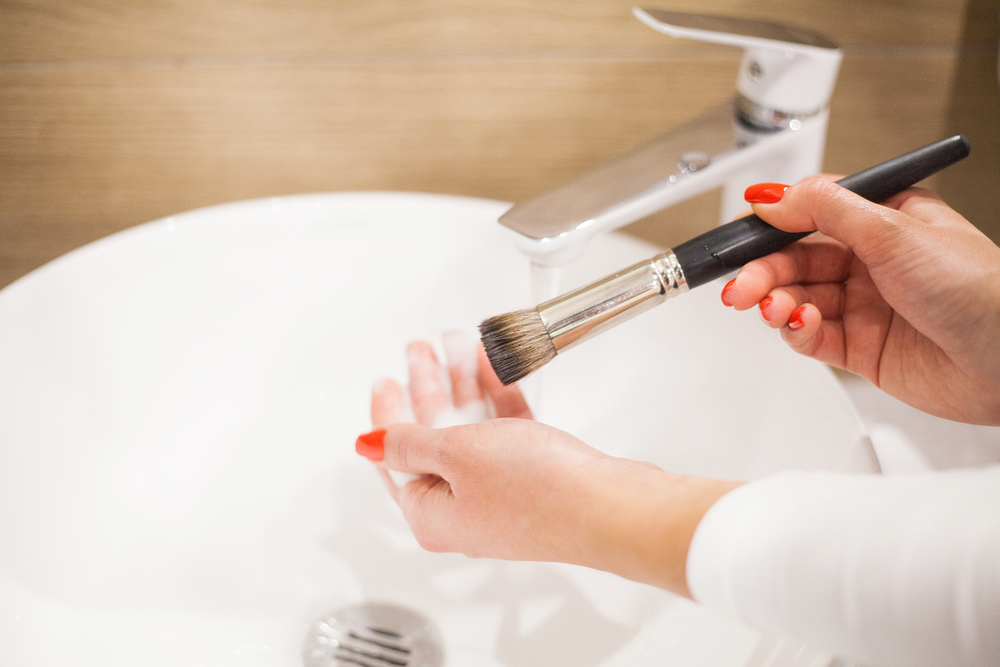
Clean brushes and sponges matter during winter. Wash tools regularly to avoid product buildup. Clean tools help makeup apply more evenly. They also reduce irritation. This step supports healthy skin.
Dry tools fully before use. Damp tools can affect makeup texture. Clean tools help with blending. They also help skincare stay in place. This habit supports better makeup days.
Hydrating Night Prep for Better Morning Makeup

Night care affects how makeup looks the next day. Use nourishing skincare before bed. Focus on hydration and comfort. Well-rested skin often applies makeup better. Winter nights are key for skin care.
Consistent night care helps reduce dryness. Skin feels more flexible by morning. Makeup often needs less correction. This step supports daytime prep. It helps skin feel ready before makeup even begins.
This article originally appeared on Avocadu.