
17 Winter Skin Habits You Can Start in December
Winter skin care doesn’t have to be complicated, but it does require a few changes to keep your skin feeling its best. The colder months can leave skin dry and tight, which is why it’s important to start making a few adjustments. By following simple habits, you can keep your skin nourished and healthy all season. These habits are easy to adopt and will make a big difference in how your skin feels.
This post may contain affiliate links, which helps keep this content free. Please read our disclosure for more info.
Switch to a Richer Moisturizer

As the weather cools down, switching to a richer moisturizer is essential to combat dryness. Lighter lotions may not provide the hydration your skin needs in the winter months. A thicker moisturizer can help lock in moisture and protect your skin from the cold. Look for products with nourishing ingredients like shea butter, ceramides, or hyaluronic acid. These will give your skin the hydration it craves and keep it soft throughout the day.
Applying moisturizer right after showering is an effective way to lock in moisture. Make sure to pay attention to areas that tend to get drier, such as your elbows and knees. Winter’s dry air can strip your skin of essential oils, so replenishing them is key. A rich moisturizer helps form a barrier to keep skin feeling comfortable. Don’t forget to reapply throughout the day as needed.
Use a Humidifier to Add Moisture to the Air

The dry indoor heat can leave your skin feeling tight and uncomfortable. Using a humidifier in your home can add moisture to the air, helping to maintain your skin’s hydration levels. This is especially beneficial if you live in a place where winters are particularly dry. A humidifier works by restoring some of the moisture that heating systems take out of the air. It can help prevent dry, cracked skin and make your skincare routine more effective.
Place a humidifier in rooms where you spend the most time, such as your bedroom or living room. It’s a simple solution to combat the harsh effects of dry air on your skin. Additionally, make sure to clean your humidifier regularly to prevent the growth of bacteria. Your skin will thank you for the extra moisture, especially in the colder months. Consistent use can make a noticeable difference in how your skin feels.
Exfoliate Gently to Remove Dry Skin

Exfoliating removes dead skin cells that can accumulate and make your skin appear dull or flaky. During the winter, it’s important to exfoliate gently to avoid irritation. Look for a mild scrub or exfoliating acid that won’t be too harsh on dry, sensitive skin. Exfoliation helps other skincare products penetrate more effectively, allowing for better hydration and smoother skin. Do this once or twice a week to maintain a fresh, glowing complexion.
Avoid over-exfoliating, as it can lead to irritation or dryness. If your skin is already dry, opt for a chemical exfoliant like lactic acid instead of harsh scrubs. Be sure to follow up with a hydrating moisturizer to soothe the skin after exfoliating. Exfoliating too often can strip your skin of its natural oils, so it’s important to keep it balanced. Finding the right exfoliant for your skin type is essential to maintaining healthy, smooth skin during the winter months.
Apply Sunscreen Every Day, Even When It’s Cloudy

It’s a common misconception that you only need sunscreen on sunny days. UV rays can still damage your skin on overcast days, so make sure to apply sunscreen every day, year-round. This is especially important in the winter, when you might spend more time indoors but still be exposed to harmful rays through windows. Choose a broad-spectrum sunscreen with an SPF of at least 30 for everyday protection. This simple habit helps prevent skin aging and reduces the risk of skin cancer.
When you apply sunscreen, be sure to cover all exposed areas of your skin, including your face, neck, and hands. It’s a quick and easy step to include in your morning routine. Sunscreen also provides an extra layer of moisture and protection against harsh winter elements. Consistency is key to maintaining youthful, healthy skin. Don’t skip this step, even if you’re staying inside for the day.
Hydrate from the Inside Out

Drinking enough water is crucial for maintaining skin hydration, especially during the winter when dry air can leave your skin feeling tight. Keep a water bottle by your side to remind yourself to hydrate throughout the day. Hydrated skin looks plumper and feels softer, and water helps flush out toxins from your body, promoting a clear complexion. Add herbal teas or infused water for a cozy, winter-friendly way to stay hydrated. Staying hydrated is an easy habit that makes a big difference in how your skin looks and feels.
In addition to drinking water, you can boost your hydration by eating water-rich foods like cucumbers, watermelon, and citrus fruits. Hydrating from the inside helps improve skin texture and prevents it from becoming dry or flaky. You’ll notice your skin feeling fresher and more comfortable when you make hydration a priority. If you’re not a fan of plain water, try warm teas or adding a splash of lemon for some extra flavor. Make hydration a daily habit for healthier skin.
Keep Your Skin Protected with a Scarf or Hat

The cold air can be harsh on your face, especially your cheeks and nose. Wrapping up in a scarf or wearing a hat can help protect your skin from the cold and wind. Choose fabrics like wool, fleece, or knit that provide warmth while still allowing your skin to breathe. Protecting your skin in this way helps prevent irritation, redness, or even windburn. Plus, it’s a stylish way to stay warm while keeping your skin safe.
When choosing a scarf or hat, consider layering for maximum protection. A hat with a wide brim can shield your face from wind, while a scarf can be wrapped tightly around your neck to protect against cold drafts. You can also apply a thick moisturizer underneath your scarf to help lock in extra moisture. Taking the time to protect your skin from the elements will pay off, leaving it soft and comfortable during the winter months.
Switch to a Gentle, Hydrating Cleanser

As temperatures drop, your usual cleanser may no longer be suitable for your skin’s needs. Opt for a gentle, hydrating cleanser that helps remove dirt and impurities without stripping the skin’s natural oils. Cleansing is a vital step in your skincare routine, but using the wrong product can lead to dryness or irritation in the winter. Look for cleansers with soothing ingredients like aloe or glycerin that hydrate as they cleanse. This simple switch will leave your skin feeling refreshed without any tightness.
Avoid harsh, foaming cleansers that can leave your skin feeling parched. Instead, choose a cream-based or oil-based cleanser for a gentler wash. When cleansing, be sure to use lukewarm water, as hot water can further dry out your skin. Gently massage the cleanser onto your face using your fingertips to avoid irritating sensitive winter skin. Switching to a hydrating cleanser can be a game-changer for keeping your skin smooth and moisturized.
Use a Night Cream to Lock in Moisture While You Sleep
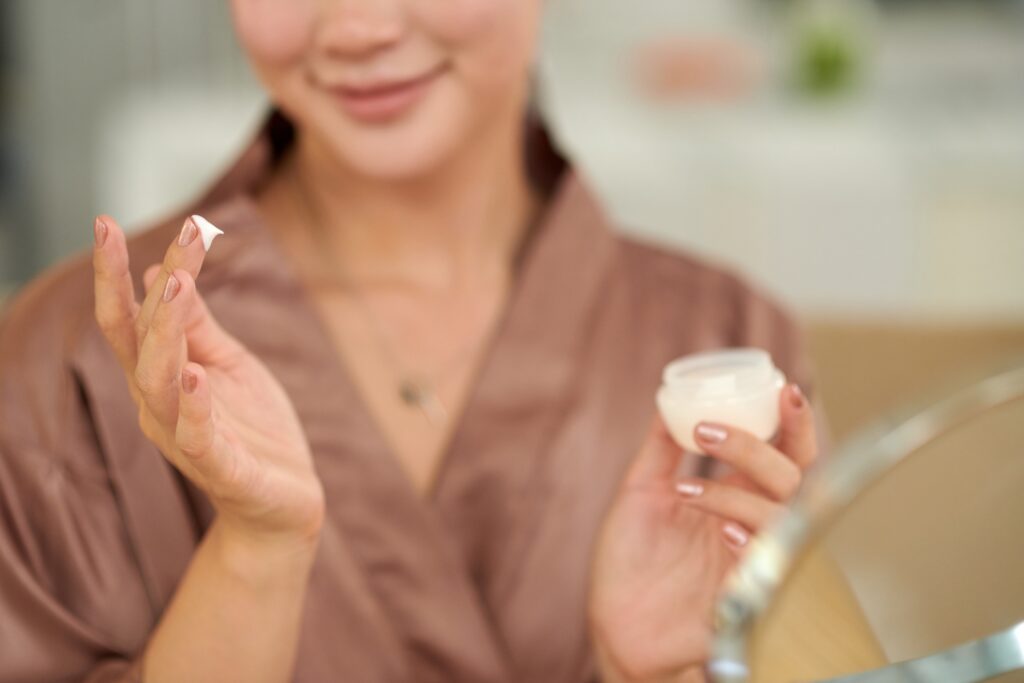
Night creams are thicker and more hydrating than daytime moisturizers, making them ideal for winter months. Applying a rich night cream before bed helps replenish your skin’s moisture levels and supports overnight skin renewal. Look for ingredients like retinol, peptides, or hyaluronic acid to help firm, hydrate, and restore your skin. Nighttime is the best time to apply a heavy cream since your skin is in repair mode, making it more receptive to nourishing ingredients. This habit will ensure that your skin stays hydrated and glowing, even as temperatures drop.
After cleansing and toning, apply a generous amount of night cream to your face and neck. If you have sensitive skin, choose a night cream with soothing ingredients like chamomile or calendula. This extra step will help prevent dryness and keep your skin soft, smooth, and protected. With consistent use, you’ll wake up to plump, moisturized skin every morning. Don’t skip this important step in your nightly skincare routine.
Use a Rich Lip Balm to Prevent Chapped Lips

Winter air can quickly lead to dry, cracked lips, but using a rich lip balm helps lock in moisture and keeps them soft. Choose a lip balm with nourishing ingredients like shea butter, beeswax, or coconut oil to protect and hydrate your lips throughout the day. Apply lip balm regularly, especially before heading outside, to prevent moisture loss from the cold air. For extra protection, use a lip balm with SPF during the day to guard against sun damage. This simple step can keep your lips feeling smooth and hydrated all winter long.
For an extra boost, you can exfoliate your lips once a week to remove dead skin. Gently rub a lip scrub or a damp towel over your lips to get rid of flakes. Follow up with a rich lip balm to lock in moisture. If your lips are severely chapped, opt for a balm with added healing ingredients like vitamin E or honey. Make lip care part of your daily routine, and your lips will thank you.
Add Face Oils for Extra Hydration

Face oils can provide much-needed moisture and nourishment during the colder months. They’re a great addition to your routine if your skin feels particularly dry or tight in the winter. Apply a few drops of face oil after your moisturizer to lock in hydration and give your skin a healthy, dewy glow. Look for oils like argan oil, rosehip oil, or squalane, which are known for their moisturizing and skin-repairing benefits. Face oils can help seal in moisture, ensuring your skin stays soft and smooth throughout the day.
Using oils at night can also enhance the effects of your nighttime skincare routine. For those with oily skin, don’t be afraid to use a lightweight oil that won’t clog pores. Gently massage the oil into your skin to promote circulation and absorption. Adding face oil to your skincare routine is a simple way to boost hydration and give your skin extra protection during the winter months. You’ll notice your skin feeling more balanced and less prone to dryness.
Take Lukewarm Showers Instead of Hot Ones

While hot showers feel soothing in the winter, they can actually dry out your skin. The heat strips away natural oils, leaving your skin vulnerable to dryness and irritation. Instead, opt for lukewarm showers to keep your skin’s moisture intact. After showering, gently pat your skin dry with a towel, leaving it slightly damp to lock in moisture. This small change can help protect your skin from becoming tight and flaky.
If you prefer baths, avoid using hot water and add moisturizing bath oils to help hydrate your skin while soaking. Always follow up with a hydrating lotion or body butter after your shower or bath. Hydrated skin will feel softer and more comfortable, even in cold weather. Taking lukewarm showers is a simple habit that helps prevent dry skin in the winter. Your skin will stay balanced and healthy by making this simple adjustment.
Wear Gloves to Protect Your Hands

Winter weather can be particularly harsh on your hands, causing dryness and cracking. Wearing gloves when you go outside can protect your hands from the cold air and wind. Opt for insulated gloves that help keep moisture in while shielding your skin from the elements. If you plan on doing chores like washing dishes, wear rubber gloves to prevent your skin from drying out due to exposure to water and harsh detergents. Keeping your hands covered helps prevent dryness and ensures they stay soft throughout the winter months.
When you take off your gloves, apply a rich hand cream to lock in moisture. Focus on areas that tend to get drier, like your knuckles and cuticles. Hand creams with ingredients like shea butter or jojoba oil provide deep hydration and help repair cracked skin. By wearing gloves and moisturizing regularly, your hands will stay soft and protected, even in the coldest weather. Make this simple habit part of your winter skincare routine.
Switch to a Fragrance-Free Body Lotion

Many body lotions contain fragrances that can irritate dry skin, especially in the winter. Switching to a fragrance-free body lotion can help protect your skin from unnecessary irritation and provide extra moisture. These lotions are formulated to be gentle on the skin, making them ideal for sensitive or dry skin types. Look for products with soothing ingredients like aloe vera or glycerin that hydrate and repair the skin without adding fragrance. This simple change can make a big difference in how your skin feels during the winter months.
Fragrance-free body lotions are also a good choice if you have allergies or skin conditions like eczema. They help maintain hydration while keeping your skin calm and balanced. Apply lotion right after a shower to lock in moisture when your skin is still damp. The result will be softer, more comfortable skin, without the irritation that comes with fragranced products. Make the switch to fragrance-free lotion for smoother skin this winter.
Use a Gentle Eye Cream to Combat Dryness Around the Eyes

The skin around your eyes is delicate and can become dry and irritated during the winter. Using a gentle, hydrating eye cream can help keep the area moisturized and reduce puffiness. Look for eye creams with ingredients like peptides, hyaluronic acid, or caffeine, which can hydrate and reduce the appearance of dark circles. Gently tap the eye cream into the skin using your ring finger to avoid tugging at the sensitive skin. Applying eye cream daily helps keep the skin around your eyes nourished and protected during the colder months.
If your under-eye area tends to get puffy, consider using a cooling eye cream or storing your eye cream in the fridge for an extra soothing effect. Regular use of eye cream helps prevent dryness and fine lines from forming around the eyes. It’s a simple but effective way to target the delicate skin around your eyes. During the winter, it’s especially important to keep this area hydrated to avoid further irritation. Make eye cream part of your skincare routine for refreshed eyes.
Opt for a Hydrating Sheet Mask

Sheet masks are a fun and effective way to boost hydration in your skin, especially during the winter. They are soaked in ingredients like hyaluronic acid or aloe vera, which help lock in moisture and provide instant relief to dry skin. You can use sheet masks once or twice a week to give your skin an extra dose of hydration. Simply apply the mask to your face and leave it on for 15–20 minutes while you relax. After removing the mask, gently massage any remaining serum into your skin for added benefits.
Sheet masks come in a variety of formulations, so you can choose one based on your skin’s needs. If you’re dealing with dry, dull skin, look for masks that provide deep hydration and radiance. They’re a quick way to pamper yourself while addressing your skin’s winter woes. Many masks also have soothing ingredients that help reduce redness or irritation. It’s a quick fix that gives your skin a healthy glow and softens the texture.
Apply a Rich Foot Cream Before Bed
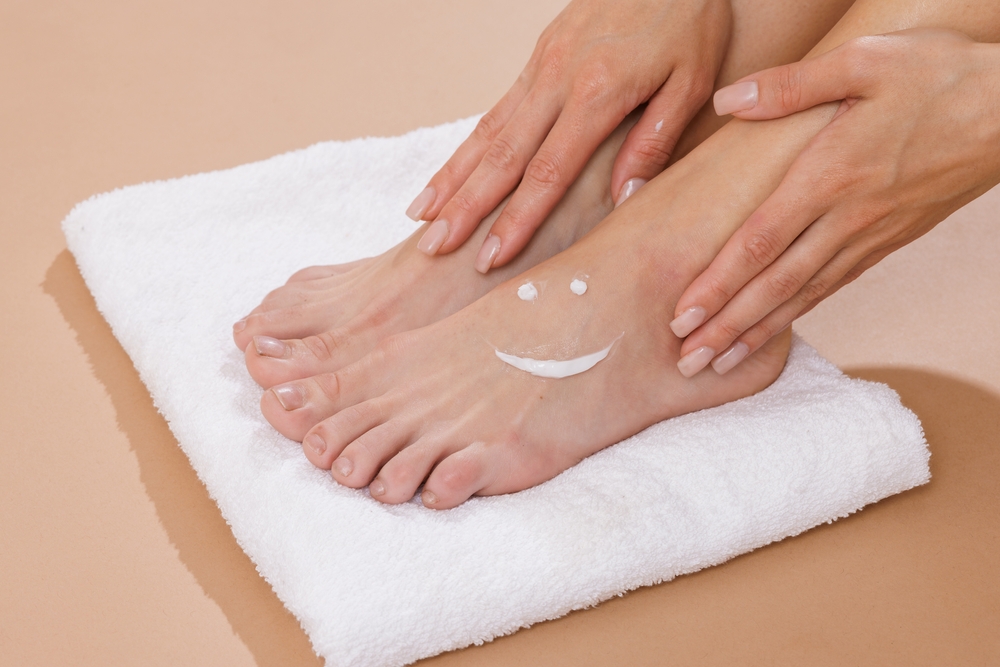
Your feet need extra attention during the winter months to keep them soft and smooth. Dry air can leave your feet feeling cracked and rough, but a rich foot cream can provide much-needed hydration. Look for foot creams that contain ingredients like shea butter, peppermint, or eucalyptus to soothe and moisturize the skin. Apply the cream generously before bed, and consider wearing socks to lock in the moisture overnight. This routine will help you wake up with softer, more hydrated feet.
Regularly moisturizing your feet helps prevent cracks and calluses that are common in winter. If you have particularly dry feet, you can also exfoliate them once a week using a foot scrub or pumice stone. By adding foot care to your routine, you’ll keep your feet looking and feeling great. Don’t neglect your feet during the colder months – they deserve some extra care. Applying foot cream at night is an easy habit to incorporate for soft, smooth feet.
Make Hydrating Mist Part of Your Routine

A hydrating facial mist can provide an instant boost of moisture when your skin starts feeling dry or tight. Keep a mist on hand throughout the day, especially if you’re spending time in a dry environment or under artificial heating. Mists with ingredients like rose water, aloe, or cucumber can refresh and soothe your skin. Simply spritz it over your face whenever your skin feels dry or in need of a quick pick-me-up. It’s a simple, portable way to keep your skin hydrated all day long.
Facial mists are especially useful when you’re on the go, and they fit easily into any bag. After applying makeup, a mist can help set your look and add a natural glow to your skin. It’s an easy habit to keep your skin feeling fresh and moisturized during the winter months. Choose a hydrating mist that’s gentle enough for your skin type and use it as needed throughout the day. It’s a quick and effective way to keep your skin looking dewy and hydrated.
This article originally appeared on Avocadu.