
15 Winter Skin And Body Care Habits That Support Healthy Living In February
February weather can leave skin feeling tight, itchy, and a little cranky. Indoor heat and cold air pull moisture fast, so your usual routine may need a small reset. The good news is that tiny daily habits can make a real difference for both face and body. If you have been feeling extra dry lately, you are not alone.
This post may contain affiliate links, which helps keep this content free. Please read our disclosure for more info.
Keep showers short and lukewarm

Hot water feels comforting in February, yet it can wash away the oils that help skin feel calm and flexible. A shower that lasts about 5 to 10 minutes with warm water usually cleans well without leaving your arms and legs feeling tight. If your skin stings after bathing, the water may be too hot, or the shower may be running too long. Friction matters too, since rough scrubbing can leave tiny irritated spots that itch later. Keeping the shower short is a simple change that can make the rest of your routine work better.
Try setting a timer so you do not lose track once the bathroom gets steamy. Use a mild body wash and focus on areas that truly need it, like underarms, feet, and groin, then letthe water rinse the rest. When you step out, pat your skin dry so you leave a little moisture behind instead of rubbing it away. If you like using a loofah, switch to a soft washcloth and use light pressure. Follow up right away with moisturizer so your skin does not dry out while you are getting dressed.
Moisturize right after bathing

Applying lotion when your skin is still slightly damp helps trap moisture before it evaporates. This timing can make even a basic lotion feel richer, since it spreads more easily and sinks in more evenly. If your legs look ashy by midday, it usually means moisture is leaving faster than you replace it. Look for ingredients like glycerin, ceramides, or shea butter since they pair well with winter dryness. A consistent routine matters more than rotating products.
Within a few minutes of towel drying, smooth lotion over arms, legs, and torso using slow strokes. Give extra attention to shins, elbows, and knees because those areas dry out first in cold months. If your skin gets irritated easily, fragrance-free options can be gentler during February. At night, you can layer a thicker cream over lotion on problem spots to reduce itching while you sleep. If you shower in the morning, keep lotion near your towel so you do not forget when you are rushing.
Switch to a gentle cleanser for face and body

A harsh cleanser can leave your skin feeling tight, which is a common complaint in winter. When the face feels squeaky after washing, it usually means too much oil was removed along with dirt. A creamy cleanser can clean sunscreen and sweat without leaving that stretched feeling. For the body, a mild wash can help keep arms and legs from flaking once indoor heat dries the air. This habit is small, yet it can make the whole routine feel more comfortable.
Choose a cleanser labeled for sensitive skin if you are not sure where to start. Washing your face once at night is often enough, then you can rinse with water in the morning if you wake up dry. On the body, soap does not need to go everywhere, so focus on areas that actually get sweaty. If you love scented washes, save them for days when your skin feels calm and use mild options on dry weeks. When you change cleansers, give your skin a week or two before judging results.
Use hand cream after every wash

Hands are exposed to cold air, frequent washing, and cleaning products, so they tend to dry out fast in February. Each time you wash, water and soap remove oils that protect the skin barrier. When that barrier feels weak, you may notice redness around knuckles or small cracks near fingertips. A simple hand cream used often can reduce that tight, papery feeling. Keeping a tube near the sink makes the habit easier to keep.
After washing, dry your hands well, then apply a small amount and rub it into knuckles, fingertips, and cuticles. If you are out and about, carry a travel-size tube so you can apply after sanitizer too. At night, use a thicker layer and work it in slowly, especially if you have cracks. Cotton gloves can help keep cream on the skin while you sleep, which is helpful when you wake up with sore hands. If your hands sting from creams, switch to fragrance-free products and avoid alcohol based lotions.
Protect lips with a simple balm routine

Lips dry out quickly because the skin is thin and does not have the same oil support as the rest of the face. Wind, indoor heat, and mouth breathing can make peeling start in a single day. A basic balm with petrolatum or lanolin can form a protective layer that stays on longer than lighter formulas. Reapplying before the lips feel painful is easier than trying to fix a split later. Keeping balm within reach can stop the habit of licking, which makes dryness worse.
Apply balm after brushing your teeth, after meals, and before you step outside. If you notice flaky skin, use a damp washcloth to gently wipe loose pieces away, then apply balm right away. Avoid minty or heavily scented balms if they make your lips tingle or burn. Before bed, apply a thicker layer so it can sit on the lips for hours. If your lips keep cracking at the corners, a small amount of plain petrolatum can reduce irritation overnight.
Run a humidifier at night

Indoor heat can dry the air out fast, and your skin can lose moisture while you sleep without you noticing. If you wake up itchy or with tight cheeks, your room may be too dry for comfort. A humidifier can help keep humidity around 30 to 50 percent, which many people find easier on skin and sinuses. It can also reduce static and help lips feel less chapped by morning. This is especially useful during long stretches of dry February weather.
Place the humidifier a few feet from your bed so mist does not land directly on your face or bedding. Clean the unit often, since stale water can lead to buildup and unpleasant smells. Distilled water can help if you notice white dust on furniture from minerals in tap water. If you do not have a humidifier, a bowl of water near a heat source can add some moisture, even if it is a smaller effect. Pair this habit with nighttime moisturizer for a noticeable difference by morning.
Choose soft layers that do not irritate skin

Winter clothing can rub the skin all day, and that friction can cause itching even if you are not usually sensitive. Wool and rough knits can scratch the neck, wrists, and waist where fabric moves the most. A soft base layer helps by creating a smooth barrier between skin and outer layers. This matters in February when the air is already dry, and skin can feel reactive. Comfort is important because scratching can turn mild dryness into redness that lasts.
Start with a breathable undershirt or long-sleeve top made from cotton or a smooth blend. If socks leave deep marks, try a looser cuff so circulation and skin comfort improve. Change out of damp clothes quickly after being outside, since cold moisture can irritate skin once you warm up indoors. Wash winter layers with a mild detergent and skip heavy fabric softeners if you notice itch after laundry day. If a scarf bothers your face, choose a softer fabric and keep it clean so oils and dirt do not build up.
Wear sunscreen on exposed skin

Winter sun can still affect skin, even when it feels cold outside. UV rays can reach you on bright days, and exposed areas like the face and hands take the hit. Wearing sunscreen helps protect against irritation and uneven tone that can show up later in the season. A broad-spectrum SPF 30 is a practical daily choice for most people who go outdoors. This habit pairs well with moisturizer, especially when the February air feels dry.
Apply sunscreen after moisturizer in the morning and let it settle before makeup if you wear any. Do not forget the ears, the back of the neck, and the tops of the hands because those spots are easy to miss. If you are outside for a long stretch, reapply about every two hours, especially if you sweat or wipe your face. A moisturizing sunscreen can feel more comfortable than a matte formula during winter. If sunscreen pills are under products, use a smaller amount and apply in thin layers.
Exfoliate gently and less often
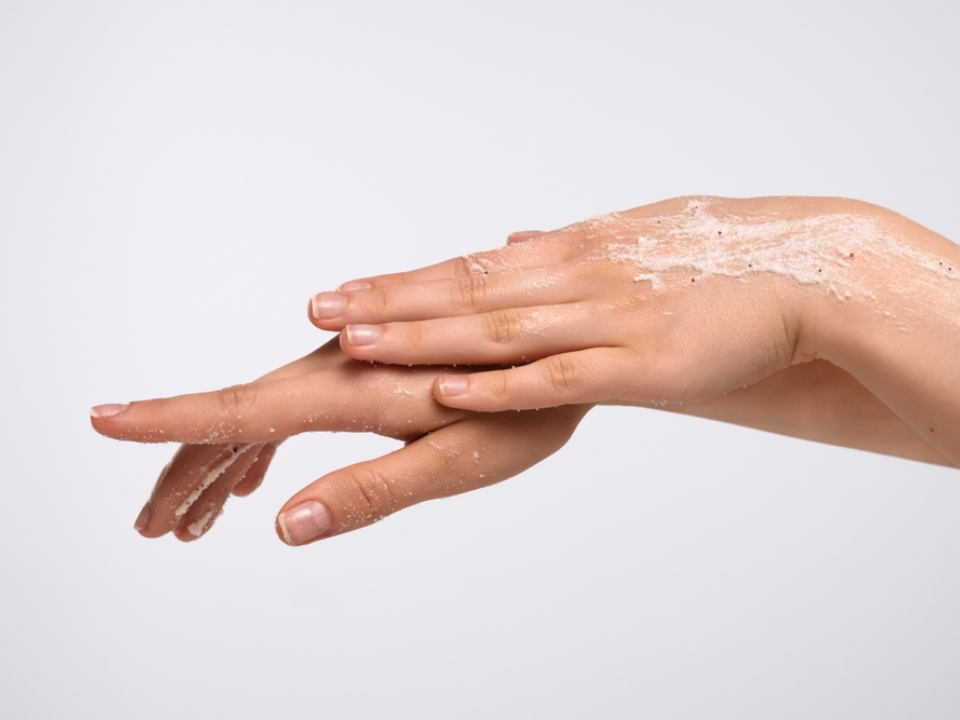
Dry skin can look dull in winter, yet harsh scrubs can make it worse by irritating the surface. If you exfoliate too much, you may notice burning when you apply lotion or redness that lasts longer than usual. A gentle approach once a week is often enough for the body during February. For the face, mild exfoliation used carefully can help with flaking without making skin feel raw. Think of this habit as light maintenance, not a deep scrub.
Use a soft washcloth with light pressure instead of a gritty scrub. If you use a chemical exfoliant, start with a low strength option and avoid applying it on irritated spots. After exfoliating, apply a richer moisturizer so your skin feels soothed rather than tight. If you notice stinging, scaling, or new sensitivity, pause exfoliation and focus on hydration for a while. When your skin feels calm again, reintroduce exfoliation slowly.
Spot treat extra dry patches with an ointment

Some areas need more than lotion when winter dryness digs in. Elbows, shins, and hands often benefit from an ointment or thick cream layered on top of regular moisturizer. Petrolatum-based products reduce water loss, which helps rough skin feel softer over time. This is helpful after chores like dishwashing, since water and soap can leave hands feeling worn out. Targeting problem areas keeps the routine simple while giving results where you need them most.
Apply a thin layer over the driest spots right before bed so it can sit on the skin for hours. For cracked knuckles, cover the area with a bandage after ointment to reduce friction during sleep. If you dislike a greasy feel, use ointment only on small zones instead of the whole body. Keep the product near your nightstand so you do not forget when you are tired. With steady use, those stubborn patches usually calm down within a week or two.
Give feet a nightly care step
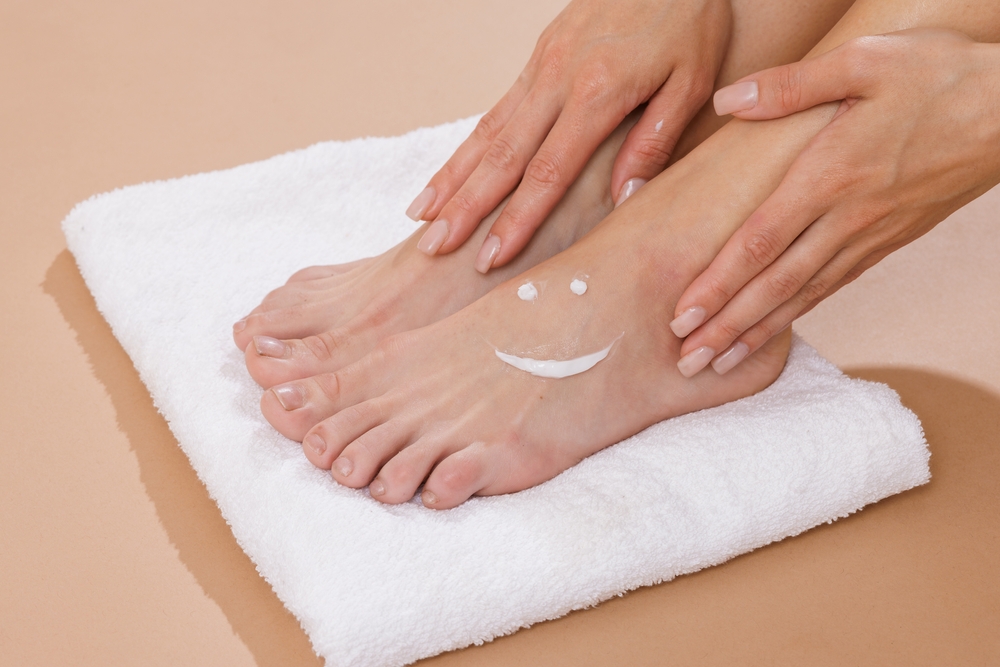
Feet stay covered in winter, yet they can dry out quickly from thick socks, warm shoes, and long days indoors. Sweat can soften the skin at first, then dry air pulls moisture away later, leaving heels rough. A foot cream with urea, glycerin, or shea butter can soften thick skin gradually. This habit matters in February because small cracks can turn painful if you ignore them. A nightly step keeps your feet comfortable without adding much time.
Before bed, wash and dry your feet well, then rub cream into the heels and the sides of the feet. Put on clean cotton socks to help hold moisture in and reduce rubbing against sheets. If you have calluses, use a pumice stone gently after a shower, then moisturize right away. Check your shoes for rough seams that can cause blisters when the skin is dry. If you spend a lot of time standing, this routine can make mornings feel easier.
Use a barrier step before going outside

Cold wind can irritate cheeks, hands, and the nose in a short time. A thicker layer of moisturizer can act like a protective coat when you have to be outside in harsh February air. This is helpful if you walk to work, commute, or run errands on windy days. Without a barrier, skin can feel stingy once you return indoors, especially around the nose and cheeks. A simple layer before you leave can reduce redness and discomfort later.
Apply your usual moisturizer first, then add a small amount of a thicker cream to exposed areas. Gloves and a scarf help too, especially when the wind is strong, and your hands get cold fast. If your skin reacts easily, choose fragrance-free products to reduce the chance of irritation. When you come back inside, cleanse gently if you wore sunscreen, then apply moisturizer again to calm the skin. This routine is especially useful on days when temperatures swing between cold outdoors and warm indoors.
Keep laundry and bath products simple

Fragrance and harsh detergents can cause itching that feels worse when the winter air is already drying the skin. Fabric softeners and strongly scented washes may leave residue that irritates arms, legs, and the back. Switching to a fragrance-free detergent can reduce the background itch that has no obvious cause. This habit helps because you have constant contact with clothes, towels, and sheets for hours at a time. When your skin feels sensitive in February, less fragrance often feels better.
Wash new clothes before wearing them since finishes can irritate sensitive skin. Use an extra rinse cycle if your machine allows it, especially for towels and underwear. In the shower, choose products with fewer added scents and dyes when your skin feels reactive. If you love fragrance, keep it to hair products or perfume instead of body wash and lotion. If irritation continues, check whether your detergent amount is too high, since extra soap can cling to fabric.
Drink fluids and eat skin-friendly foods

Hydration affects how your skin feels, especially when the air is dry, and you forget to drink water. Warm drinks like water, broth, or herbal tea can be easier to keep up with in February than iced drinks. Foods with healthy fats like salmon, sardines, walnuts, and avocado can support the skin barrier. Vitamin C from citrus, kiwi, and berries supports overall skin health and can pair well with winter meals. These steps do not replace moisturizer, yet they can support comfort from the inside.
Keep a water bottle nearby and take sips during work instead of trying to catch up at night. Add a fat source to meals, like olive oil on vegetables or nut butter with snacks. If caffeine makes you feel dry, pair coffee with water so your intake stays balanced. Include protein at meals since skin needs building blocks to stay strong, especially in cold months. Small daily choices can make your skin feel less dry by the end of the month.
Prioritize sleep and reduce skin picking

Sleep affects how your skin looks and feels, especially when it is already stressed by cold weather. Late nights can make skin look dull, and some people notice more sensitivity when they are tired. Picking at dry patches or peeling lips creates more irritation and can lead to redness that lingers. A calm evening routine can reduce the urge to scratch or pick when you are winding down. This habit supports both comfort and appearance through February.
Set a steady bedtime so your body has a predictable rest pattern, even during busy weeks. Keep nails trimmed and use a thicker cream on flaky spots so you are less tempted to scratch. If stress shows up on your skin, try a short wind-down routine like stretching, reading, or slow breathing before bed. Keep lip balm and hand cream on your nightstand, so care steps are easy when you are tired. When you pair better sleep with gentle skin care, the whole month tends to feel more manageable.
This article originally appeared on Avocadu.