
13 Winter Garden Plants That Look Good in Snow
Transform your winter garden into a vibrant, year-round landscape with plants that thrive in the cold and look stunning against a blanket of snow. From colorful bark and persistent berries to structural evergreens and early-blooming flowers, these plants offer beauty and interest throughout the chilly months. Whether you are looking to add contrast with bold hues or texture with unique forms, these options will enhance your garden’s winter appeal.
This post may contain affiliate links, which helps keep this content free. Please read our disclosure for more info.
Red Twig Dogwood
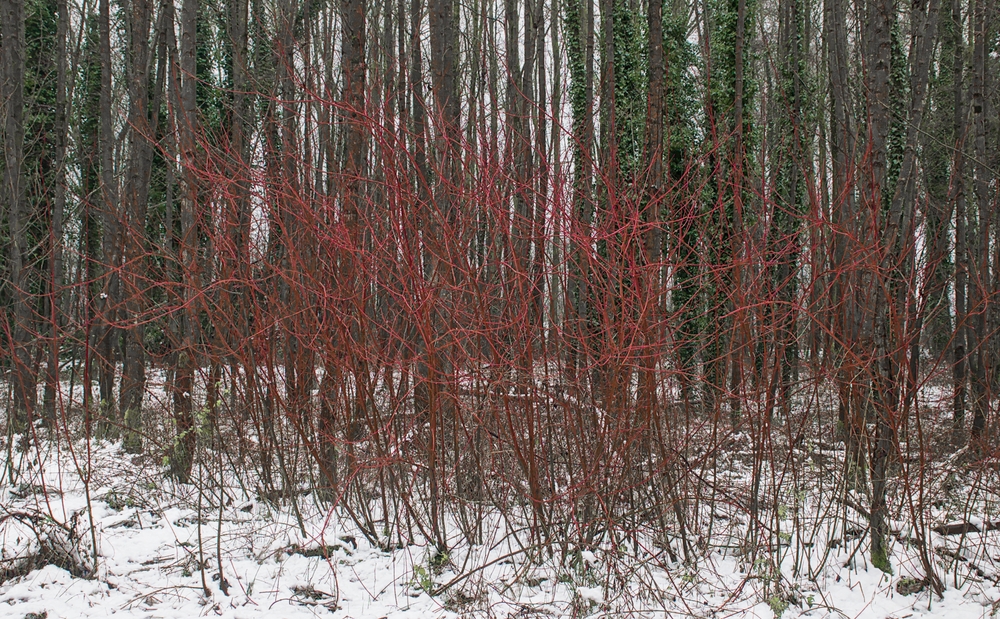
Red Twig Dogwood is a striking plant that really stands out against the white backdrop of snow. Its vibrant red stems provide a pop of color throughout the colder months, making it a perfect addition to any snow-covered garden. In winter, the branches take center stage, offering a beautiful contrast to the surrounding white snow. This deciduous shrub is not only visually appealing, but it is also relatively easy to care for and can thrive in various soil types. For best results, prune the branches in late winter to encourage new growth and ensure that the red stems remain vivid for the upcoming season.
In addition to its visual appeal, Red Twig Dogwood can also attract wildlife, such as birds, with its small berries. While these berries may not be as prominent as the plant’s stems, they still add interest to the garden. The plant’s ability to maintain color through the winter months makes it an excellent choice for anyone looking to add some color and life to their garden during the colder seasons. It provides year-round interest, with the bright red twigs being particularly eye-catching during snowy winters.
Paperbark Maple
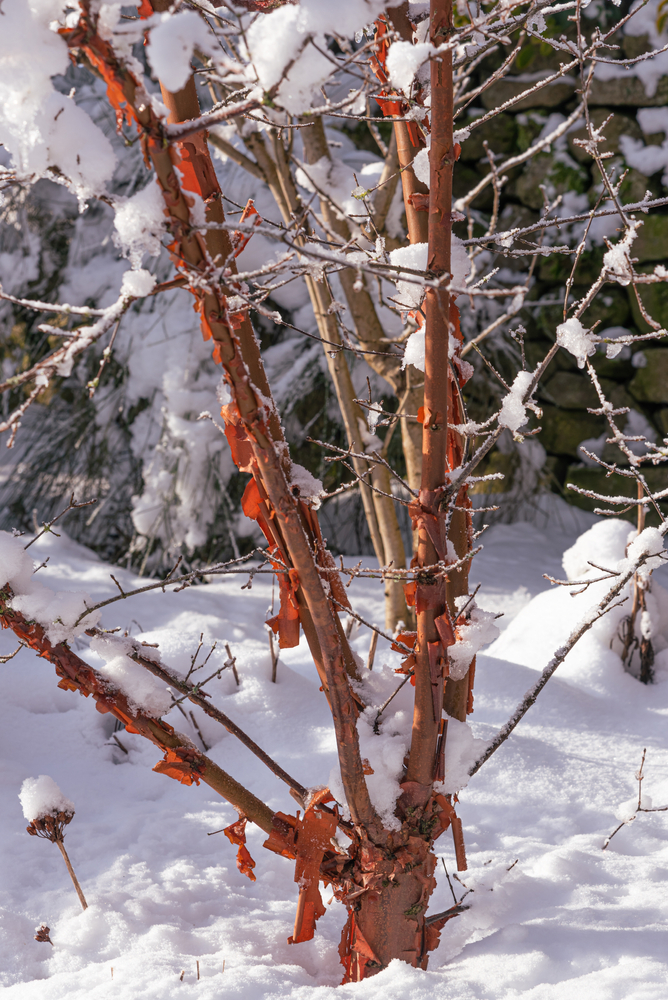
The Paperbark Maple is a unique tree that adds texture and color to a winter garden. Its cinnamon-colored bark peels off in thin layers, revealing a striking reddish-brown hue that contrasts beautifully against the white snow. The smooth texture of the bark gives it an almost sculptural appearance, making it an attractive focal point in any snowy landscape. In addition to its bark, the Paperbark Maple also features an elegant, open branching structure that adds architectural interest to your garden throughout the year.
This tree’s ability to shine during the winter months is due to its bark, which continues to peel and reveal more of its vibrant color, even as the rest of the garden rests under a blanket of snow. The Paperbark Maple is relatively easy to maintain, preferring well-drained, slightly acidic soil and a location that gets full sunlight to partial shade. Its unique appearance ensures that it remains an eye-catching feature even during the colder months, making it a great addition to any snow-covered garden.
Birch
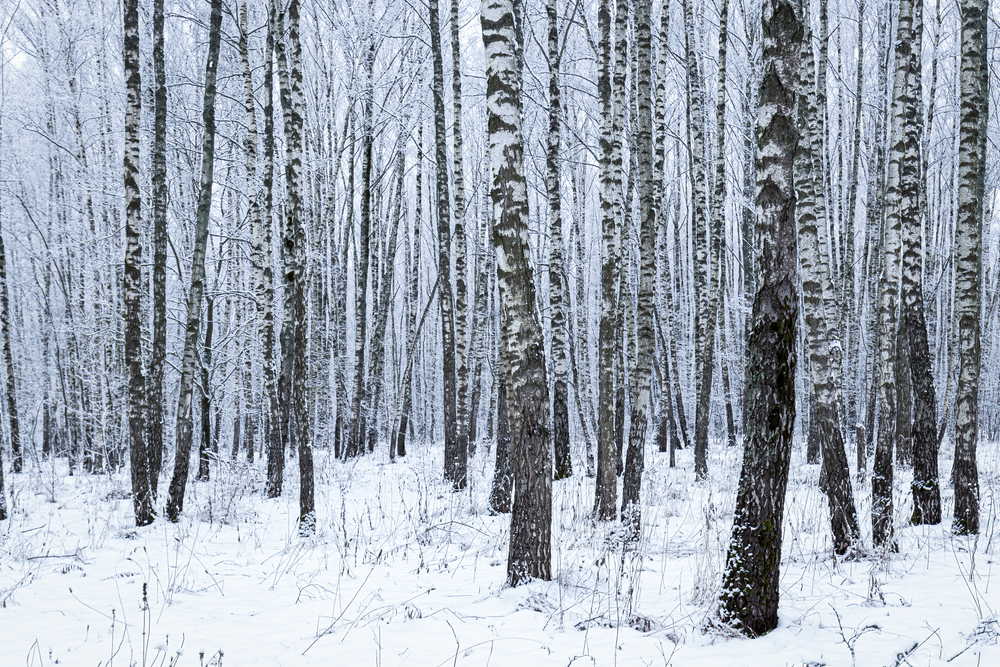
Birch trees are a favorite for snowy landscapes because of their stunning white bark, which creates a striking contrast with the snow. The smooth, light-colored bark of the Birch tree shines especially brightly during the winter, as the surrounding snow accentuates its whiteness. These trees are relatively low-maintenance and adaptable to different soil conditions, making them an excellent option for snowy gardens. Their tall, slender trunks and delicate, feathery leaves in summer give way to a minimalist, beautiful winter silhouette that can transform the look of your garden.
In addition to their bark, Birch trees can attract birds with their catkins and small seeds. The leaves of the tree drop in the fall, but the trunk remains a constant point of interest. Whether planted individually or in a small grove, Birches create a magical and serene atmosphere in a winter garden, with their white bark standing out magnificently against the white snow.
Winterberry Holly
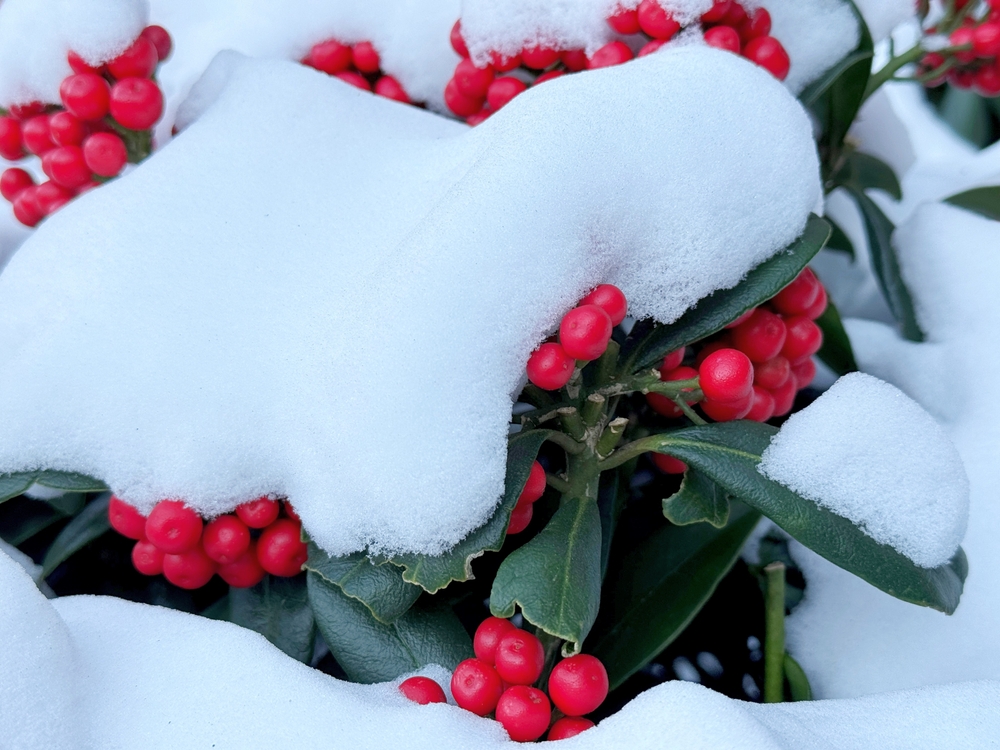
Winterberry Holly is known for its bright red berries, which persist through the winter, offering a splash of color against the snow. While many plants lose their foliage in the colder months, Winterberry Holly’s berries remain on the branches, adding vibrancy to the landscape. These berries are not only decorative but also provide food for birds during the winter. The evergreen foliage of the plant also contributes to its visual appeal, as it maintains its greenery even in the colder months.
This shrub can grow well in various soil types and is perfect for areas that experience snow, as it thrives in wet, acidic conditions. Winterberry Holly is a perfect plant for adding contrast to snow-covered gardens, as its red berries create a bright, festive feel throughout the winter. When paired with other plants like evergreens or colorful bark trees, it creates a balanced and dynamic winter garden scene.
Blue Holly
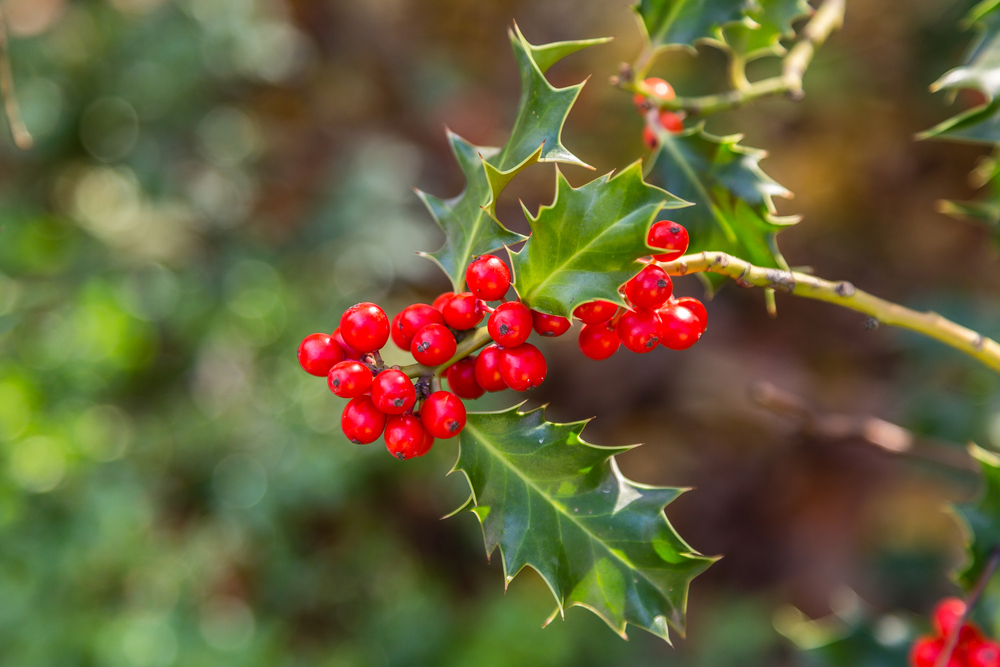
Blue Holly is a great choice for snow-covered gardens because of its deep green leaves and striking red berries. The glossy foliage of Blue Holly provides a sharp contrast to the white snow, creating a visually appealing display. The plant’s compact size makes it ideal for both small and large gardens. Additionally, its berries persist through the winter months, offering color and interest when many other plants are dormant. Blue Holly also has the added benefit of being an excellent option for hedges, providing a dense, attractive barrier.
This shrub prefers a slightly acidic soil and a spot that receives partial to full sunlight. With its shiny, dark leaves and bright red berries, Blue Holly brings a touch of classic beauty to winter gardens. It’s a perfect complement to other colorful bark plants or evergreens, creating an inviting and festive atmosphere.
Arborvitae

Arborvitae is a popular evergreen shrub that maintains its green color even under the snowy conditions of winter. Its dense, soft foliage provides a rich, textured look against the white backdrop of snow, adding structure and year-round interest to the garden. The vertical growth of Arborvitae makes it an excellent choice for creating privacy screens or hedges, but it also works well as an accent plant. As it is easy to maintain, it can be shaped and pruned to fit a variety of garden designs.
The natural, pyramid-like shape of Arborvitae adds elegance and depth to any winter landscape. Its deep green color contrasts beautifully with the white snow, and the plant provides structure and form, helping break up the monotony of the winter landscape. Arborvitae works well with other evergreens or colorful bark plants for a dynamic, visually interesting snowy garden.
Boxwood
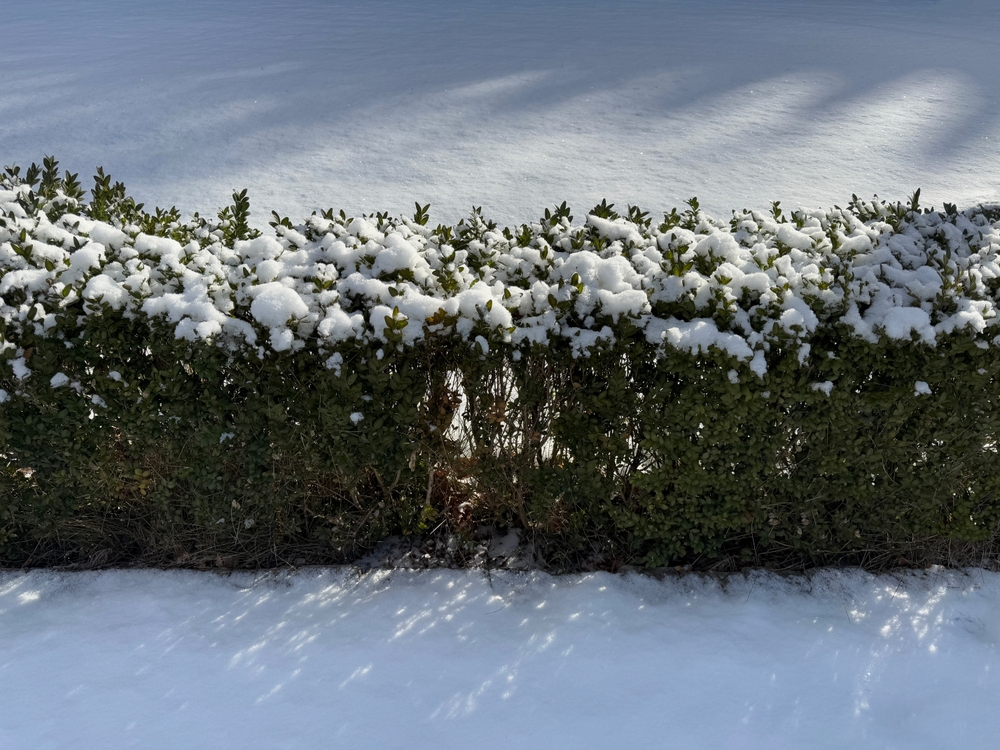
Boxwood is another classic evergreen that thrives in snowy landscapes. Its small, dense leaves remain vibrant and green throughout the winter months, creating a solid green backdrop against the white snow. Boxwood’s compact growth habit makes it a versatile choice for both small and large gardens, where it can be used for formal hedges, topiaries, or as an accent plant in garden beds. It is an excellent choice for gardeners looking to add structure to their winter garden without overwhelming the space.
This shrub is easy to shape, and its small leaves and dense form make it an excellent choice for adding definition to garden paths or borders. The natural green color of Boxwood provides a peaceful, calming effect in the winter garden, especially when contrasted with the sharp white of snow. It is a hardy plant that can tolerate cold temperatures, making it an ideal choice for regions with heavy snowfall.
Blue Spruce
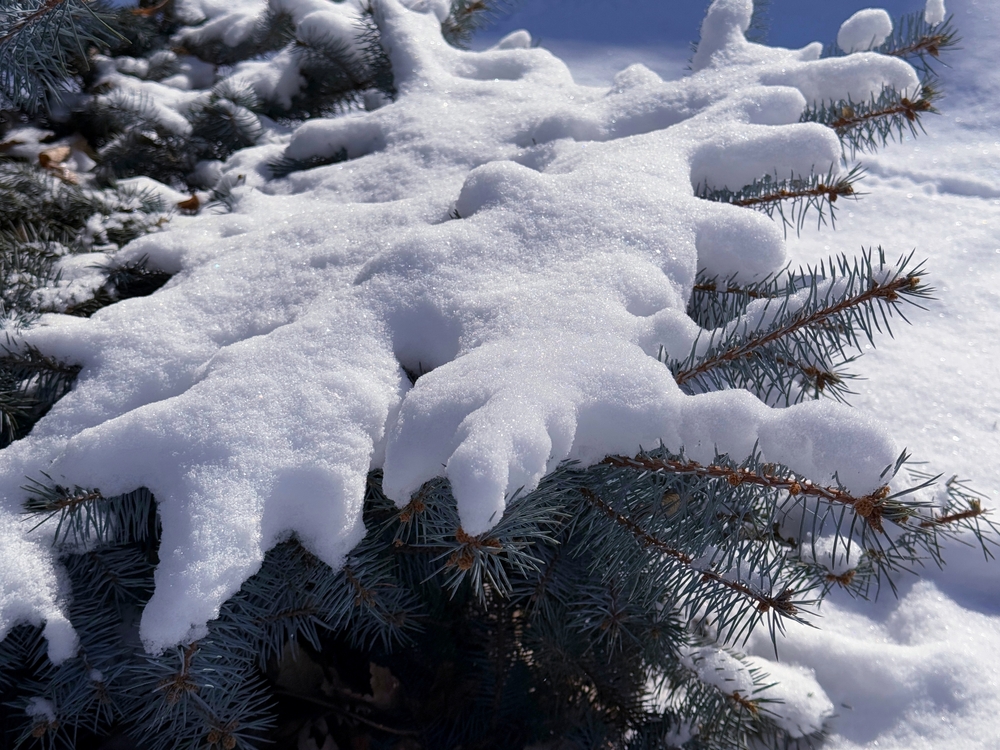
Blue Spruce is an iconic evergreen tree that provides year-round color and interest. Its blue-gray needles give it a distinct look, and it stands out beautifully against the stark white of snow. The tree’s symmetrical, conical shape makes it a striking feature in any snowy landscape, whether planted alone or as part of a winter garden with other evergreens. It grows best in well-drained, slightly acidic soil and requires full sunlight to thrive.
The Blue Spruce’s dense, spiky foliage creates a strong visual impact and provides excellent contrast in the garden during the winter months. Its blue-tinted needles and unique shape ensure that it remains a focal point even as the rest of the garden sleeps beneath the snow. A Blue Spruce makes a dramatic, beautiful addition to snow-covered gardens, providing both structure and color.
Harry Lauder’s Walking Stick
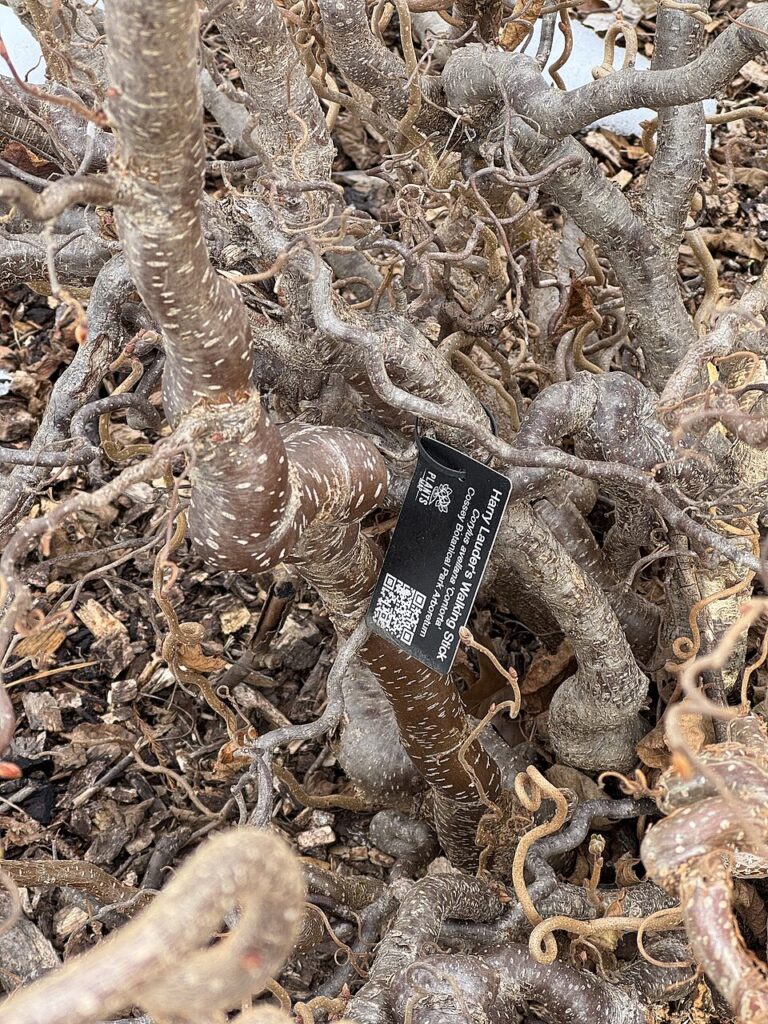
Harry Lauder’s Walking Stick, also known as the Contorted Hazelnut, is a unique shrub that offers visual interest in a winter garden. Its twisted, contorted branches create an intriguing sculptural form that stands out against the snow. While it may lose its leaves in the winter, the intricate branches remain, providing texture and visual appeal during the colder months. The unusual shape of the plant adds an element of surprise to a snow-covered garden.
In addition to its striking form, Harry Lauder’s Walking Stick can produce small, catkin-like flowers in the early spring, adding further interest to the landscape. It is a plant that thrives in well-drained soil and prefers a location that receives partial to full sunlight. Its unique branches are particularly beautiful in winter, making it a standout addition to any garden.
Feather Reed Grass
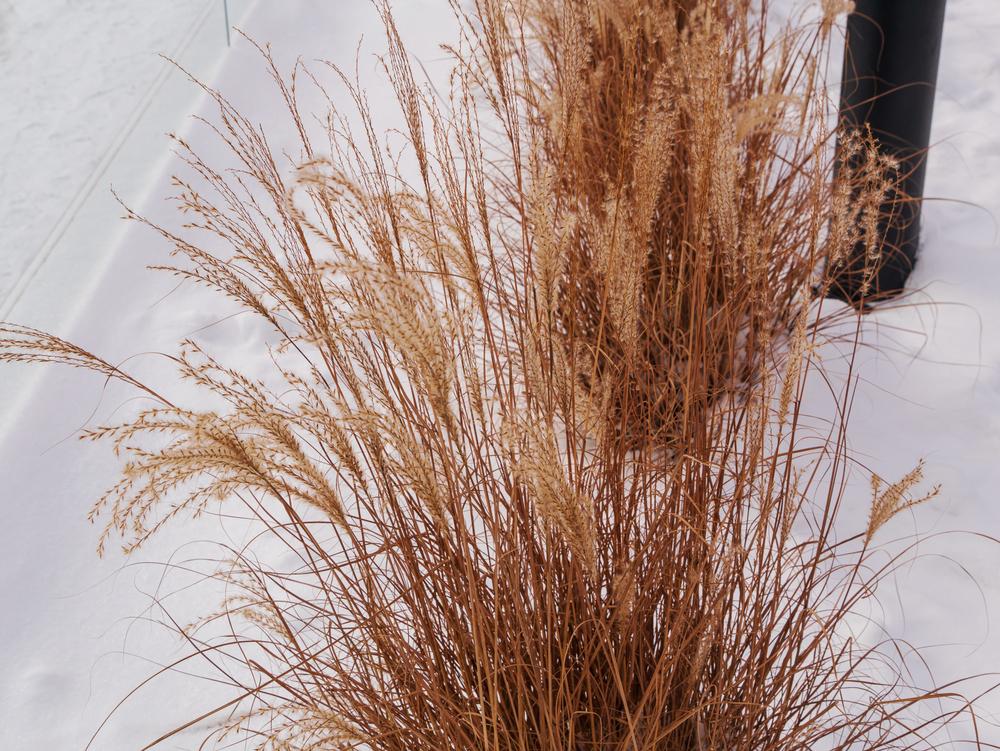
Feather Reed Grass adds a beautiful, soft texture to a winter garden. Its tall, narrow stems stand tall above the snow, with feathery seed heads that sway gently in the breeze. The golden-brown color of the seed heads creates a warm contrast with the cool white of the snow, bringing movement and a touch of elegance to the landscape. This ornamental grass works well in naturalized gardens, where it can add height and contrast against evergreen plants or colorful bark trees.
Feather Reed Grass is relatively low-maintenance and can tolerate a variety of soil types, making it an excellent addition to a snow-covered garden. The tall, feathery plumes remain throughout the winter, adding texture and interest even as the garden goes dormant. Its graceful form and ability to withstand the cold make it a perfect plant for anyone looking to add beauty and movement to their winter garden.
Hellebores
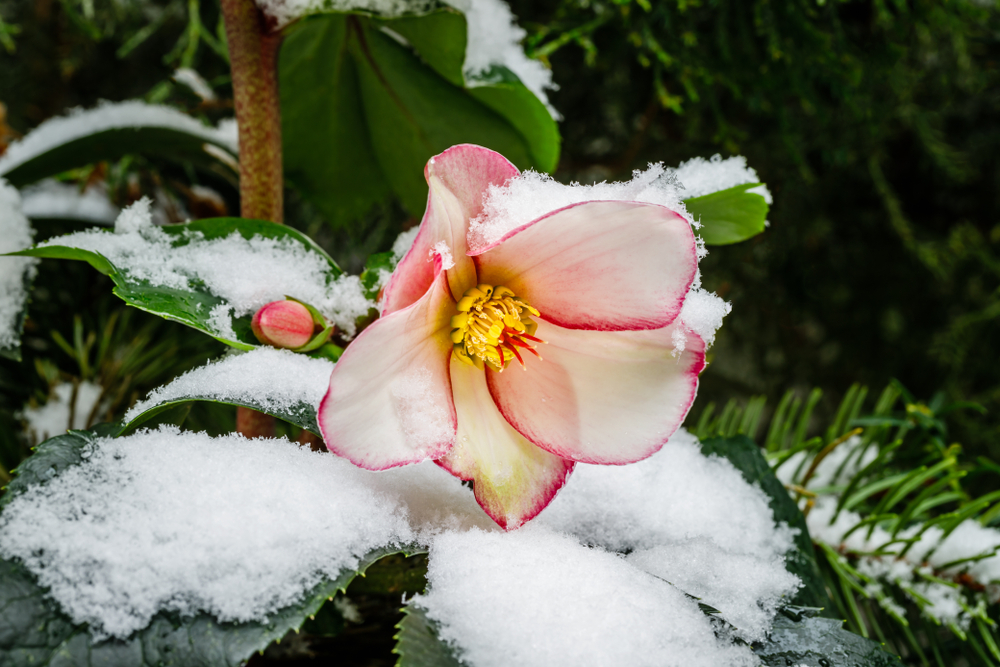
Hellebores, also known as Christmas Roses, are one of the earliest blooming flowers to appear in winter. Their delicate blooms in shades of white, pink, and purple can emerge even when the snow is still on the ground, providing a cheerful burst of color. These flowers thrive in partial to full shade, making them ideal for woodland gardens or shaded areas where snow is common. The deep green foliage of Hellebores contrasts beautifully with their colorful flowers and the surrounding snow.
In addition to their early blooms, Hellebores are low-maintenance and can survive the harsh conditions of winter with ease. Their ability to bloom so early in the season makes them a highly valued addition to any snow-covered garden. They bring warmth and life to the winter months, creating a bright spot in otherwise bleak landscapes.
Snowdrops
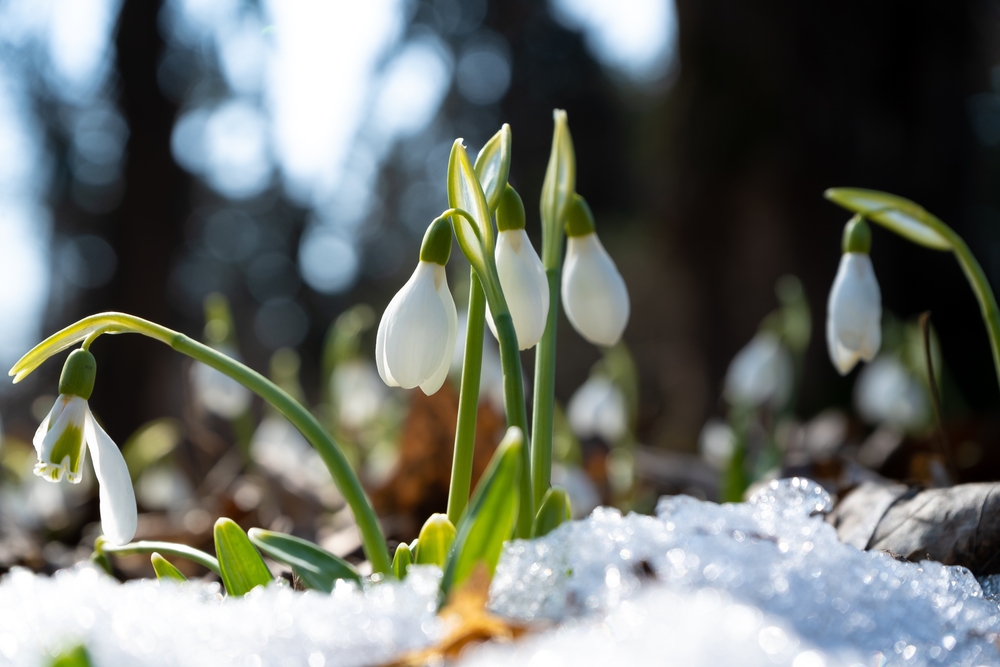
Snowdrops are one of the first flowers to bloom in late winter or early spring, making them a welcome sight in a snowy garden. Their delicate white flowers, which resemble teardrops, emerge from the ground before the snow fully melts, creating a serene and magical effect. Snowdrops thrive in well-drained, moist soil and do best in areas with partial to full shade.
These hardy little flowers bring life to a winter garden when few other plants are in bloom. Their pure white flowers stand out against the snow, signaling the first signs of spring’s arrival. Snowdrops are excellent for planting in garden beds, rockeries, or along pathways, where their gentle, graceful blooms can brighten up the snowy landscape.
Crocus
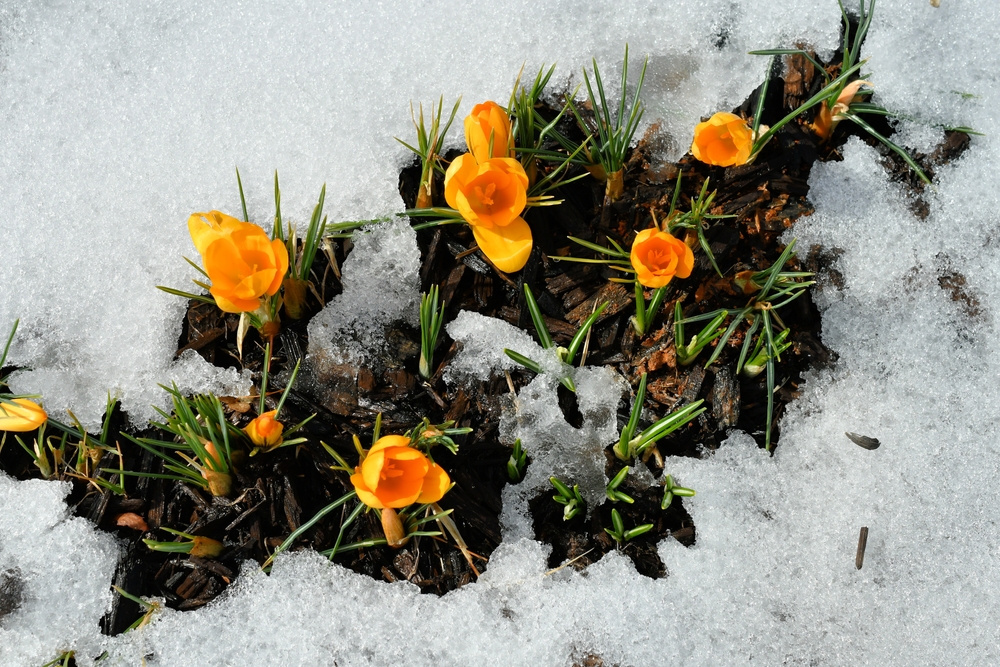
Crocus flowers are another early bloomer that adds a pop of color to the winter landscape. Their vibrant hues, including purple, yellow, and white, stand out beautifully against the snow. Crocus bulbs are easy to plant and can be scattered across the garden for a naturalized look. These flowers often emerge as the snow melts, offering a cheerful reminder that spring is on the way.
Crocus thrive in well-drained soil and need a spot that receives full sunlight. Their colorful blooms add a bright contrast to the surrounding white snow, creating a stunning visual impact. As one of the first flowers to bloom in spring, crocus plants bring a sense of renewal and optimism to a snow-covered garden.
This article originally appeared on Avocadu.