
14 Winter Blooming Houseplants That Brighten Up January
Winter months can feel long and dreary, but there are ways to bring a splash of color indoors. Houseplants that bloom during this season can add a cheerful touch to your home. These plants brighten up dark corners and offer a refreshing break from the cold. With just a little care, your space can feel lively and full of warmth.
This post may contain affiliate links, which helps keep this content free. Please read our disclosure for more info.
Christmas Cactus (Schlumbergera)
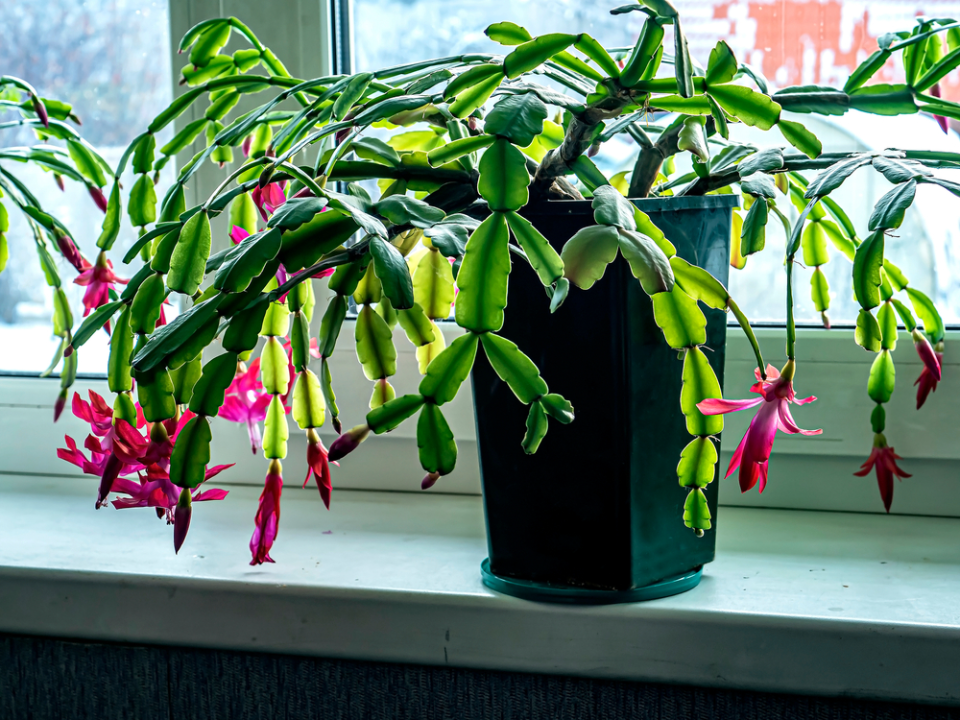
The Christmas Cactus is one of the most popular winter bloomers, known for its vibrant and festive flowers. It blooms in shades of red, pink, or white and can often be seen gracing homes during the holiday season. The plant is easy to care for, requiring only moderate light and regular watering. Its unique shape, with segments instead of leaves, makes it a standout addition to any room.
When caring for a Christmas Cactus, it is essential to provide it with a period of darkness to encourage blooming. Keeping it in a cool spot and slightly reducing water for a few weeks before it blooms can trigger the beautiful flowers. While the plant does not require much maintenance, occasional pruning can help promote new growth. Overall, it is a hardy plant that adds a burst of color to the winter months.
Paperwhite Narcissus (Narcissus tazetta)
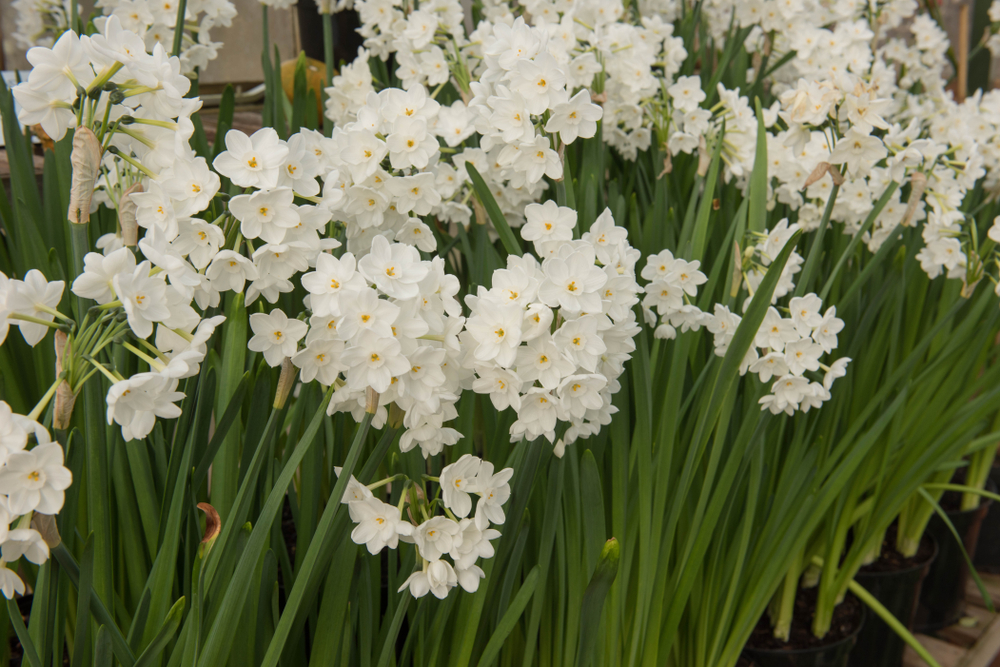
Paperwhite Narcissus is a fragrant winter bloomer that adds both color and a sweet scent to your home. Its white flowers appear in clusters and typically bloom from December through January. Known for being easy to force indoors, it thrives in containers with a bit of water and sunlight. The clean white blossoms contrast beautifully against the darker, colder backdrop of winter.
For best results, place the bulbs in shallow containers filled with pebbles or gravel, keeping the roots submerged in water. These bulbs can be forced into bloom without soil, making them perfect for a low-maintenance indoor garden. Once bloomed, Paperwhites continue to delight with their sweet, fresh fragrance. After the blooms fade, the bulbs can be discarded, as they are typically not reused, but they make a stunning display while they last.
Amaryllis (Hippeastrum)
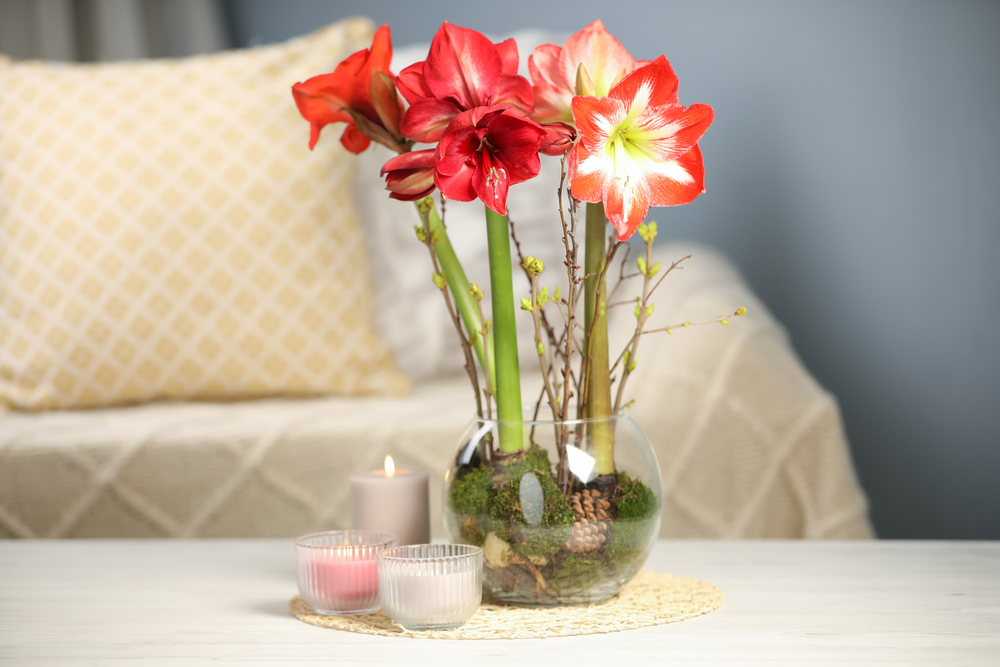
Amaryllis is a striking plant known for its large, trumpet-shaped flowers that bloom in a wide variety of colors, from reds to whites and even multi-colored varieties. These plants are grown from bulbs and can produce multiple blooms in a single season. Amaryllis thrives indoors, especially in a sunny spot, and its rapid growth can be very rewarding to watch. The flowers are long-lasting and can bloom for up to six weeks.
To care for an Amaryllis, plant the bulb in a container with good drainage and water it regularly, but ensure it is not waterlogged. After the flowers have faded, continue caring for the plant until it enters dormancy, after which it can be stored and forced to bloom again the following year. It is important to provide the plant with a period of dormancy for optimal blooming in the next cycle. Amaryllis is ideal for brightening up your winter months with its eye-catching, elegant flowers.
Cyclamen (Cyclamen persicum)
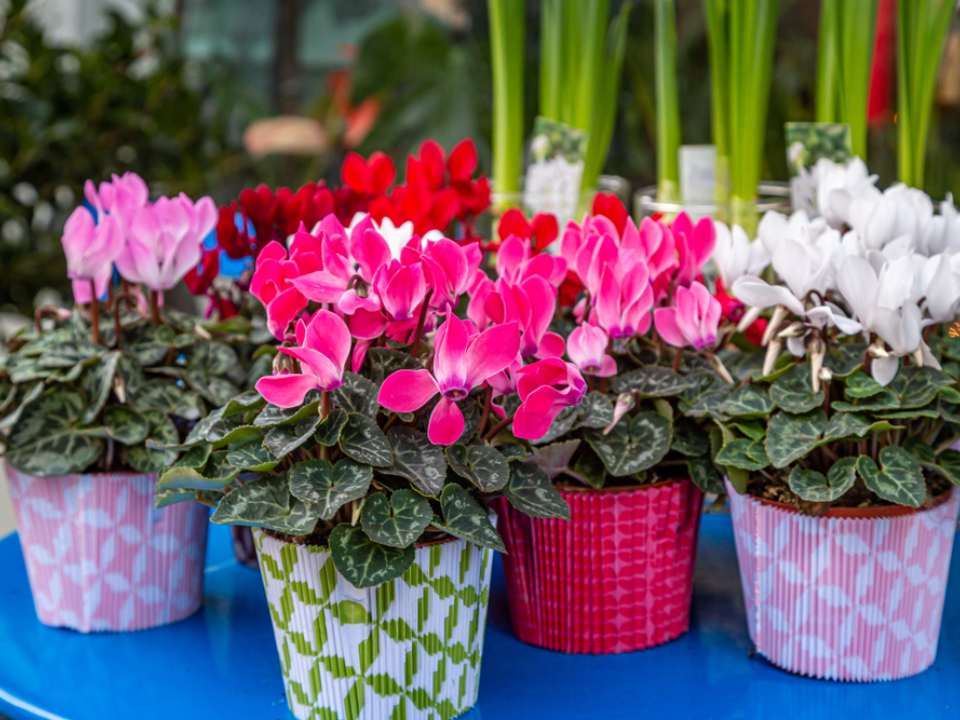
Cyclamen is a charming plant known for its delicate, butterfly-like flowers that bloom in shades of pink, red, and white. It thrives in cooler temperatures, making it perfect for brightening up your home during the chill of January. Its unique foliage, often heart-shaped with silvery patterns, adds interest even when the plant is not in bloom. Cyclamen requires a cool, well-lit space to thrive, and it can tolerate some shade.
To care for Cyclamen, keep the soil lightly moist, but avoid overwatering, as it is susceptible to root rot. It is best placed in a location with indirect light and temperatures that stay between 50 and 65°F (10 to 18°C). When blooming, Cyclamen needs extra humidity, so placing it on a pebble tray or misting occasionally can help. Once the flowers fade, let the plant rest before rewatering, which will allow it to regrow in the next season.
African Violet (Saintpaulia)
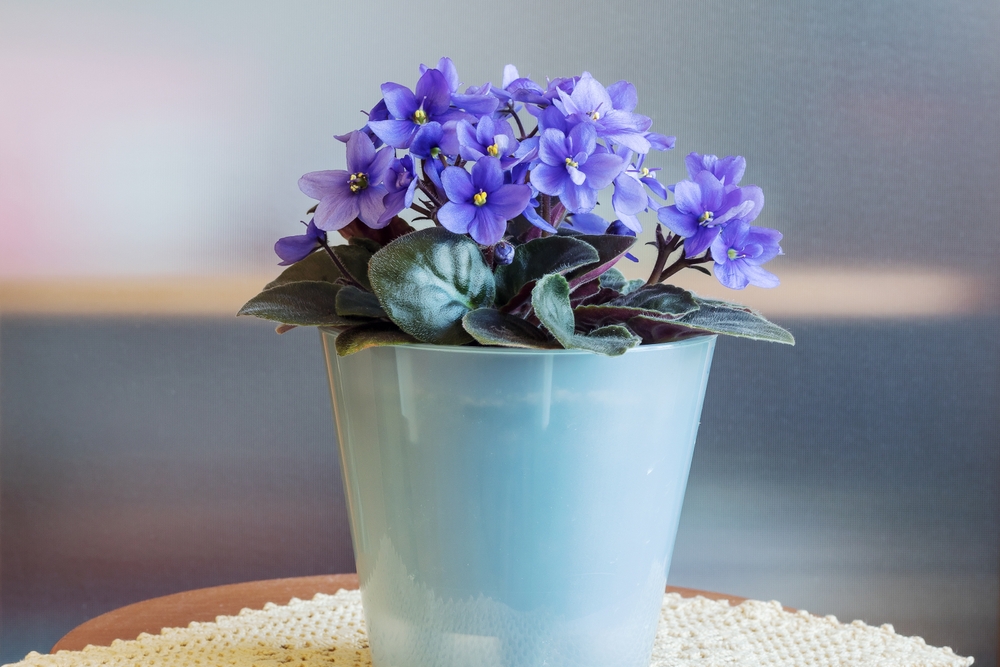
African Violets are one of the most popular houseplants, known for their compact size and colorful blooms. These plants thrive indoors, offering vibrant flowers in shades of purple, pink, blue, and white. They bloom regularly, often throughout the winter, making them perfect for brightening up your home during the darker months. African Violets also offer attractive, fuzzy green leaves that complement the colorful flowers.
To care for African Violets, place them in a location with bright, indirect light and keep the soil evenly moist. Avoid getting water on the leaves, as this can cause damage. A temperature range between 65 and 75°F (18 and 24°C) is ideal for them to thrive. Regular feeding with a balanced fertilizer will encourage continuous blooming, and with the right conditions, these plants will reward you with their beauty throughout the winter months.
Hellebore (Helleborus niger)
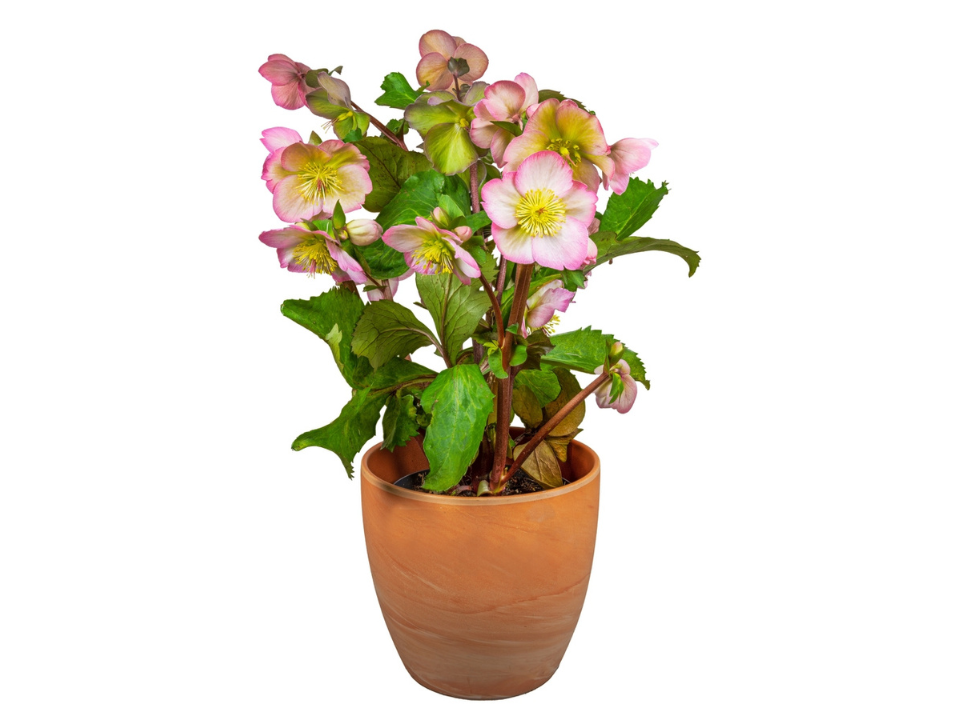
Hellebores, also known as Christmas Roses, are resilient plants that bloom during the winter months, making them perfect for adding some color to your home. These plants produce elegant, nodding flowers in shades of white, pink, and purple. Hellebores are excellent for growing in pots indoors or in shaded spots outside, where their blooms can stand out even in the coldest weather. They have glossy, dark green leaves that persist throughout the year.
Caring for Hellebores involves providing them with a cool location and moist, well-drained soil. They are not demanding when it comes to light, as they thrive in both partial and full shade. Regular watering is necessary, especially during dry spells, but it is important not to overwater. Once the blooms begin to fade, Hellebores will often continue to grow lush foliage, making them a year-round addition to your indoor garden.
Bells of Ireland (Moluccella laevis)
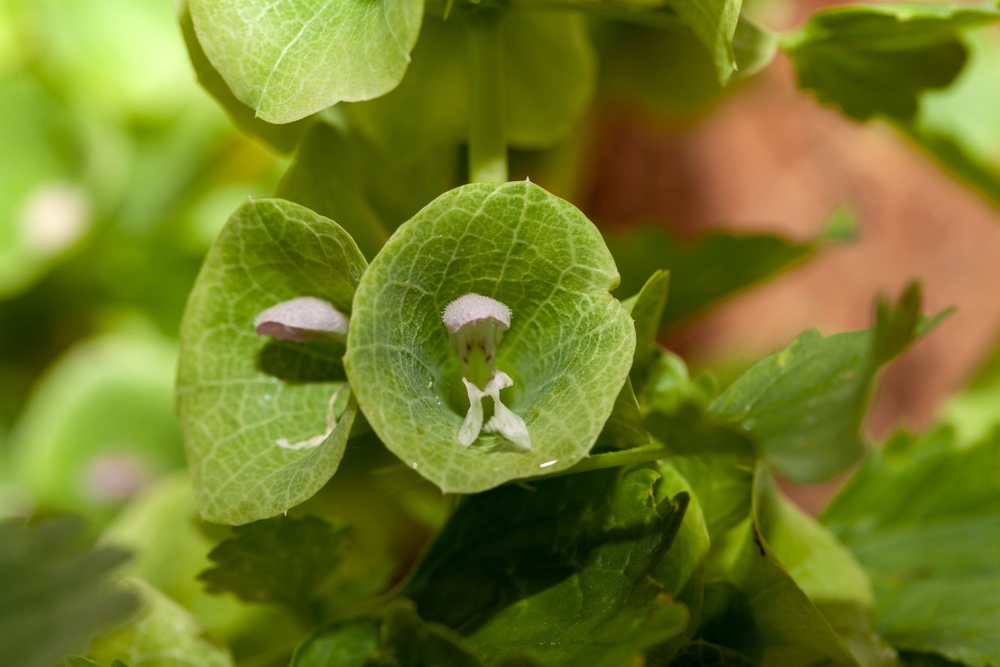
Bells of Ireland are unique plants known for their striking, bell-shaped green flowers that appear during the winter months. They add a touch of whimsy to any space and are great for creating a lively winter display. These plants are relatively easy to grow indoors and can tolerate a range of light conditions, though they do best in bright, indirect light. Their tall, spire-like growth habit makes them an ideal plant for adding height and structure to your indoor garden.
To care for Bells of Ireland, plant them in well-draining soil and ensure they have plenty of space to grow. These plants benefit from regular watering, but it is crucial to avoid overwatering, as they are prone to root rot. As the plant grows, occasional pinching will help encourage bushier growth and more flowers. When in bloom, Bells of Ireland make a stunning statement, thanks to their unique, green bell-shaped blooms.
Orchid (Phalaenopsis)
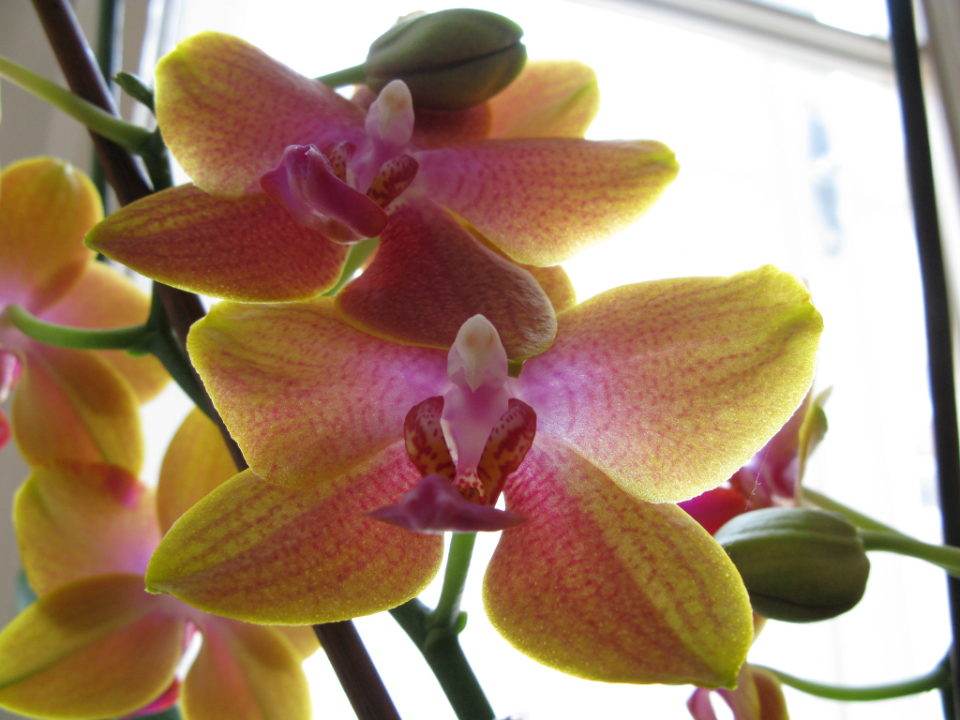
Orchids are known for their exotic and long-lasting flowers, and Phalaenopsis orchids, in particular, are perfect for winter blooms. They are available in a range of colors, including white, pink, yellow, and purple, adding elegance and beauty to any room. Orchids thrive in bright, indirect light and can be placed near a window where they will get adequate exposure without being scorched by direct sunlight. Their blooms can last for months, making them a great choice for indoor winter displays.
For optimal care, orchids require humidity, so placing them on a humidity tray or using a humidifier can be beneficial. Watering should be done once a week, allowing the soil to dry out in between to prevent overwatering. Orchids should be fertilized once a month with a balanced orchid fertilizer to promote healthy blooms. With proper care, orchids can bring color and sophistication to your home during the cold winter months.
Jasmine (Jasminum)
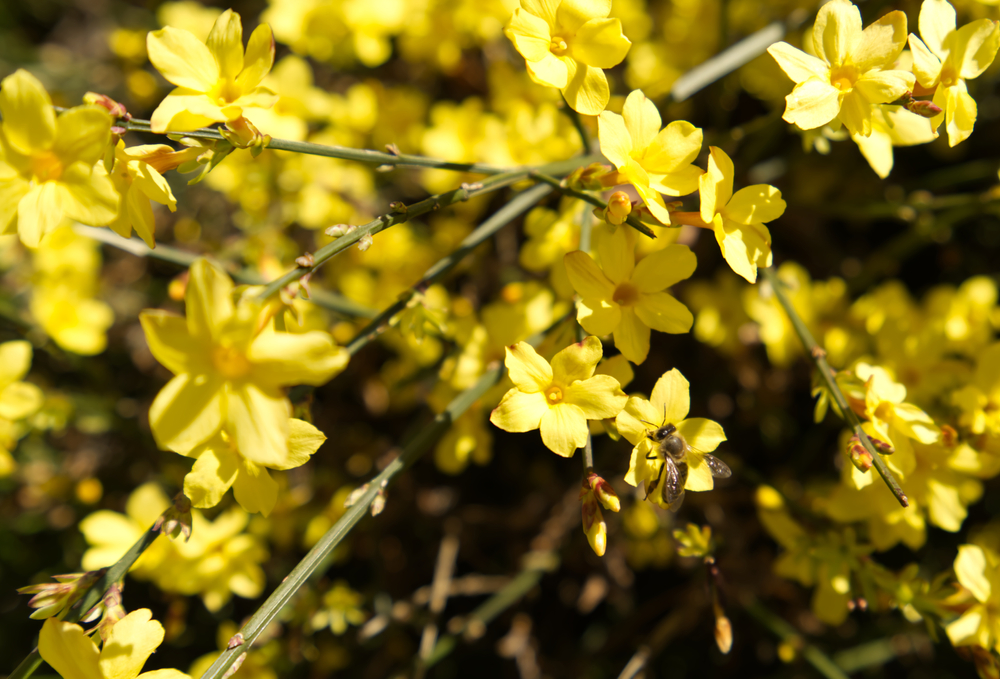
Jasmine is a fragrant winter bloomer known for its beautiful white or yellow flowers that release a sweet scent into the air. This plant thrives in sunny spots, so placing it on a windowsill or near a bright light source is ideal. Jasmine can be grown in pots indoors and is especially loved for its ability to brighten both your home and your mood. The flowers typically bloom in clusters, adding charm to any space during the winter season.
To care for Jasmine, ensure it gets plenty of sunlight and water it regularly, allowing the soil to dry slightly between waterings. A well-draining potting mix is essential to prevent root rot. Jasmine also benefits from regular pruning to keep it compact and encourage more blooms. Once blooming, it will reward you with not only beauty but a lovely fragrance that fills the air.
Clivia (Clivia miniata)
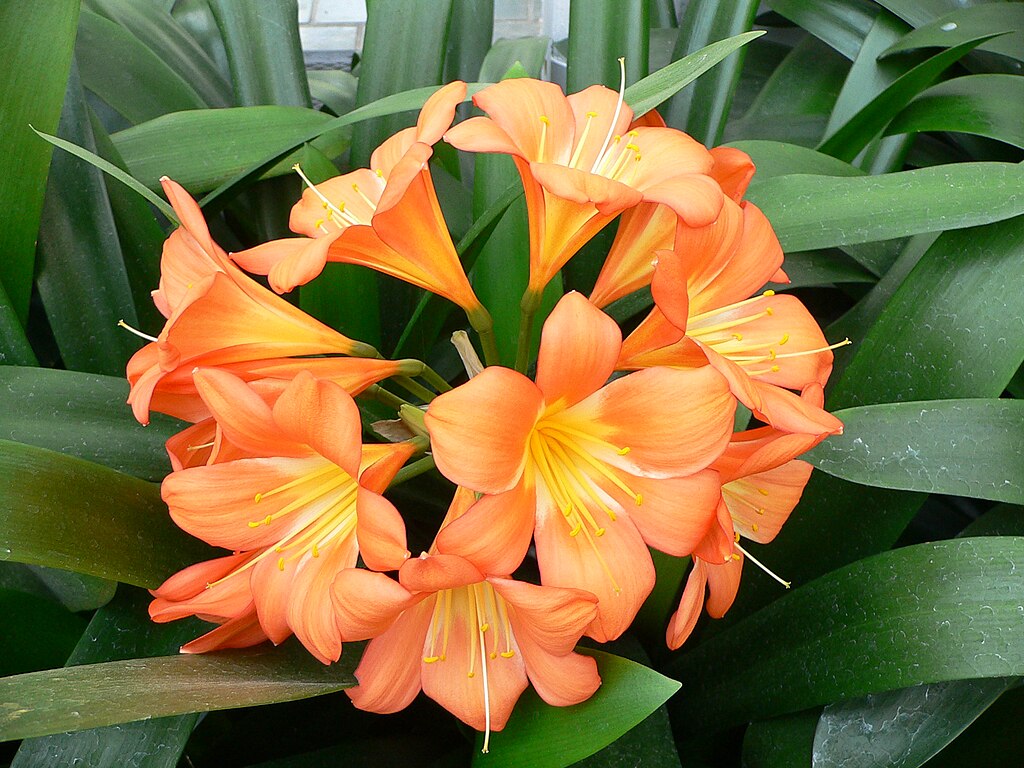
Clivia, with its trumpet-shaped flowers in vibrant shades of orange, red, or yellow, is an ideal plant for winter bloom. The plant blooms in late winter, typically from January to March, and is known for its resilience. Clivia thrives in low to moderate light and does well in slightly cooler conditions, making it a perfect indoor plant for the winter months. It produces clusters of bright flowers that stand out against its dark, glossy foliage.
For best results, Clivia should be kept in well-drained soil, and it benefits from regular watering during the blooming period. After flowering, reduce watering to encourage dormancy until the next bloom cycle. It is important not to disturb the plant’s roots, as Clivia grows best when left undisturbed. With its striking appearance and ease of care, Clivia is a great winter plant to brighten up your indoor space.
Kalanchoe (Kalanchoe blossfeldiana)
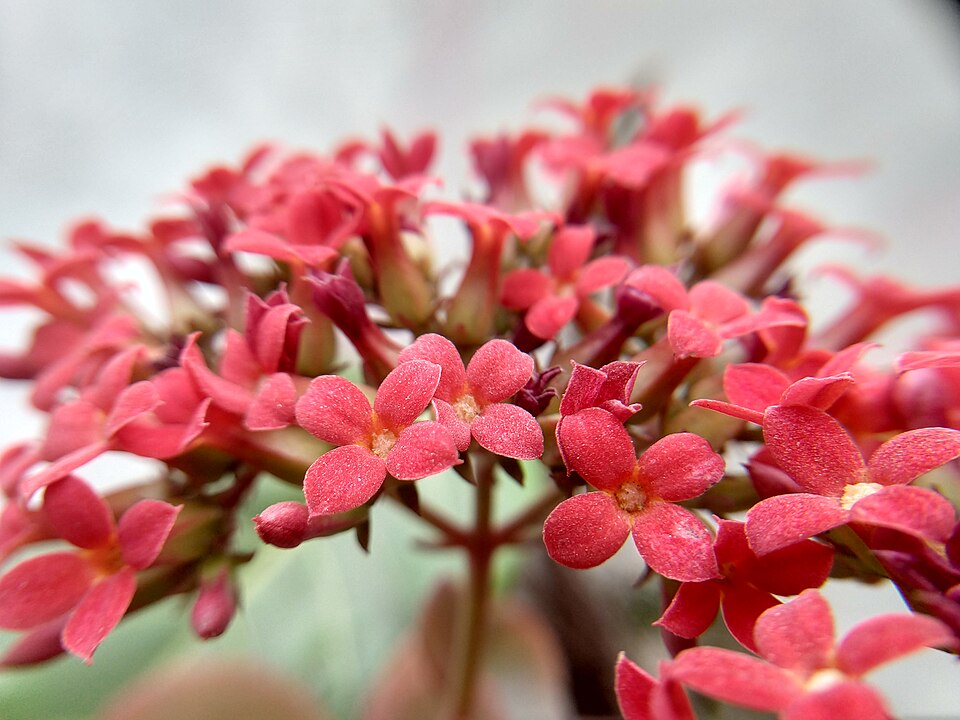
Kalanchoe is a succulent that produces clusters of small, brightly colored flowers, often in shades of red, pink, yellow, or orange. These flowers are typically in bloom during the winter months, adding a splash of color to your home. Kalanchoe is a low-maintenance plant that requires only occasional watering and bright, indirect light to thrive. Its waxy leaves make it drought-tolerant, so it can survive periods of neglect.
When growing Kalanchoe, make sure it is placed in a well-draining pot to avoid root rot. During the blooming period, a weekly watering schedule is sufficient, but avoid letting the plant sit in water. After the flowers have faded, you can trim the plant back to encourage new growth. Kalanchoe is a great choice for those looking to add color to their home without spending too much time on plant care.
Primrose (Primula vulgaris)
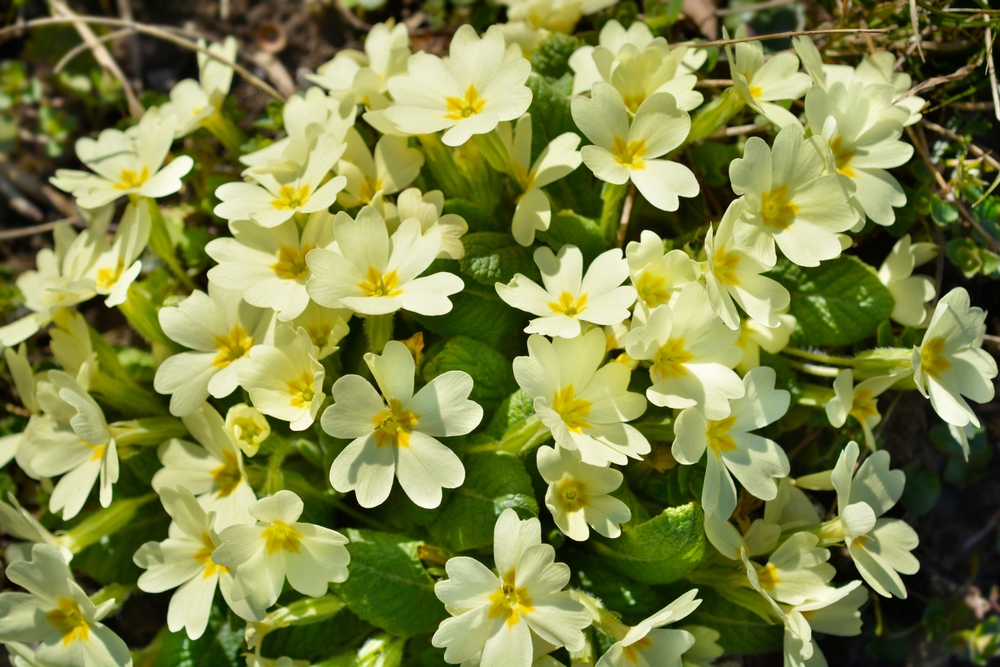
Primroses are charming winter bloomers that come in an array of colors, including yellow, pink, purple, and white. These plants thrive in cooler temperatures, making them perfect for indoor winter gardens. Primroses prefer moist, well-drained soil and do best when kept in bright, indirect light. They offer vibrant flowers that can last for weeks, bringing warmth and color to even the coldest months.
To care for Primroses, water them regularly but avoid letting the soil become soggy. They also benefit from regular fertilization to promote continuous blooming. Primroses are relatively easy to care for and are an excellent choice for brightening up any indoor space during the winter. Once the blooms have faded, continue caring for them to ensure they continue to thrive throughout the season.
Gloxinia (Sinningia speciosa)
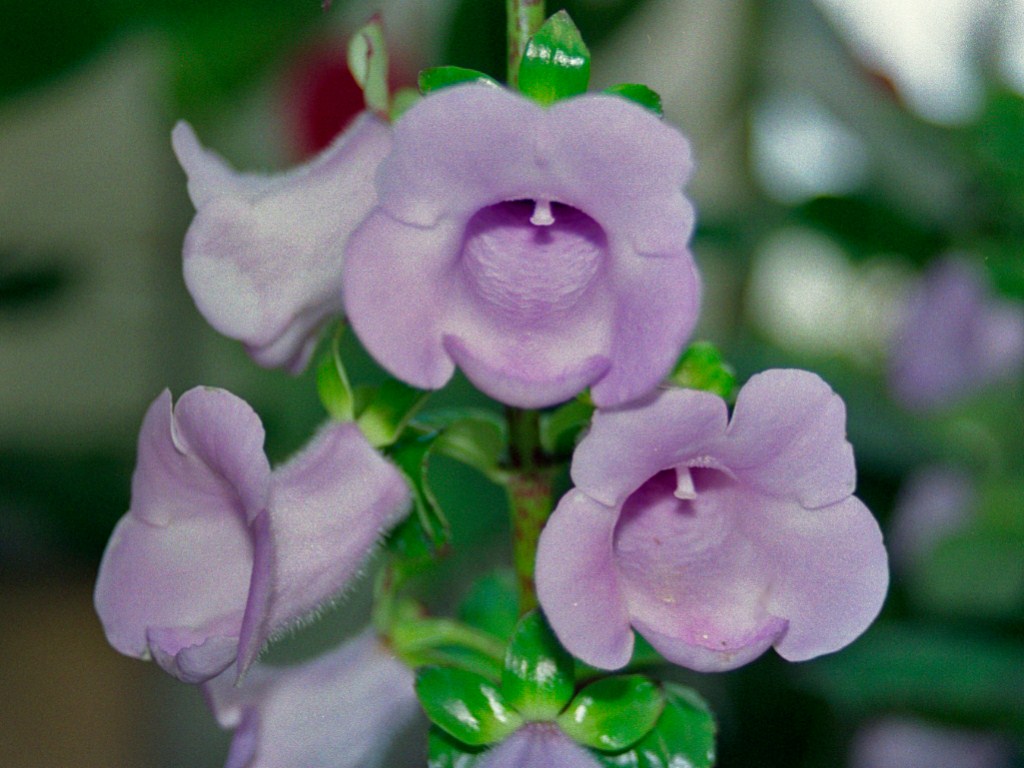
Gloxinia is a showy plant with large, velvety flowers that bloom in winter, often in shades of purple, pink, or red. This plant is perfect for bringing a touch of elegance to your home, thanks to its unique blooms and lush foliage. Gloxinia thrives in moderate light, making it suitable for spots that are not exposed to direct sunlight. Its soft, furry leaves provide an attractive contrast to the bright flowers.
To care for Gloxinia, keep it in a location with moderate light and water it regularly, allowing the soil to dry slightly between waterings. Gloxinia prefers humidity, so placing it on a humidity tray or misting it occasionally will help. It is important to avoid getting water on the leaves, as this can lead to leaf spots. With proper care, Gloxinia will reward you with its stunning, long-lasting flowers throughout the winter.
Chrysanthemum (Chrysanthemum morifolium)
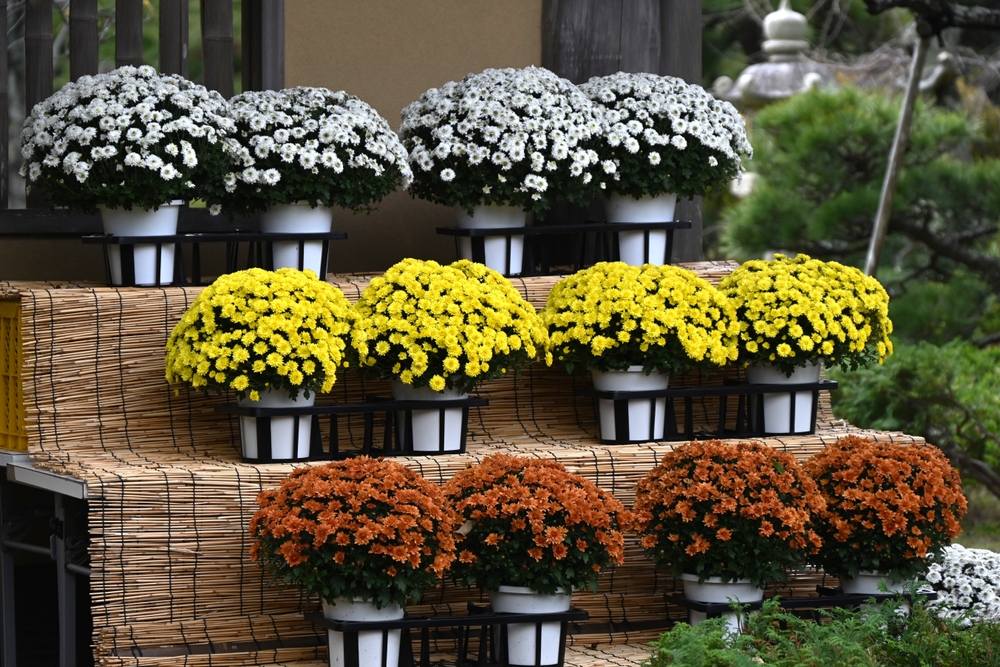
Chrysanthemums, often called mums, are popular winter bloomers known for their bold and colorful flowers. They come in a wide variety of colors, including yellow, pink, white, and red, and can add warmth to any space during the colder months. Chrysanthemums are relatively easy to care for, requiring only moderate light and regular watering. They can bloom for several weeks, offering long-lasting beauty in your indoor garden.
To care for Chrysanthemums, place them in a spot with bright, indirect light and keep the soil moist but not soggy. Regular deadheading will help prolong the blooming period. Chrysanthemums prefer cooler temperatures, making them a great choice for winter months. These plants are perfect for anyone looking to add a pop of color to their home during January.
This article originally appeared on Avocadu.