
16 Winter Bloomers With Scents You Actually Notice Outdoors
A cold winter walk offers its own kind of beauty, especially when a fragrant plant catches your attention. Some plants continue to release their pleasant aromas, even as the temperatures drop. These winter fragrances create an inviting atmosphere, making each walk feel a little more special.
This post may contain affiliate links, which helps keep this content free. Please read our disclosure for more info.
Sweet Box (Sarcococca confusa)
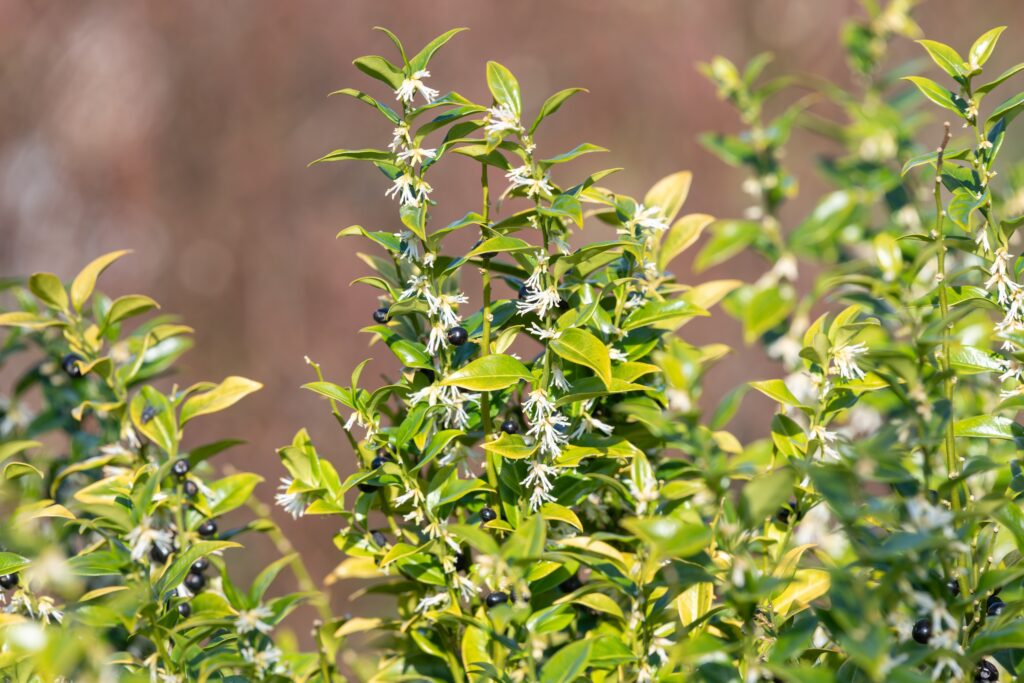
The Sweet Box is a small evergreen shrub with a wonderful fragrance, often noticed as you pass by it on winter walks. Its tiny white flowers bloom from late winter to early spring, releasing a sweet, heady scent. This plant thrives in shaded areas, making it perfect for woodland gardens. It also tolerates dry conditions once established.
In addition to its pleasant aroma, Sweet Box provides year-round greenery. The glossy leaves remain attractive even during the coldest months. This hardy shrub is a great addition to any garden looking for winter interest. It’s also deer-resistant, making it a practical choice for wildlife-prone areas.
Winter Jasmine (Jasminum nudiflorum)
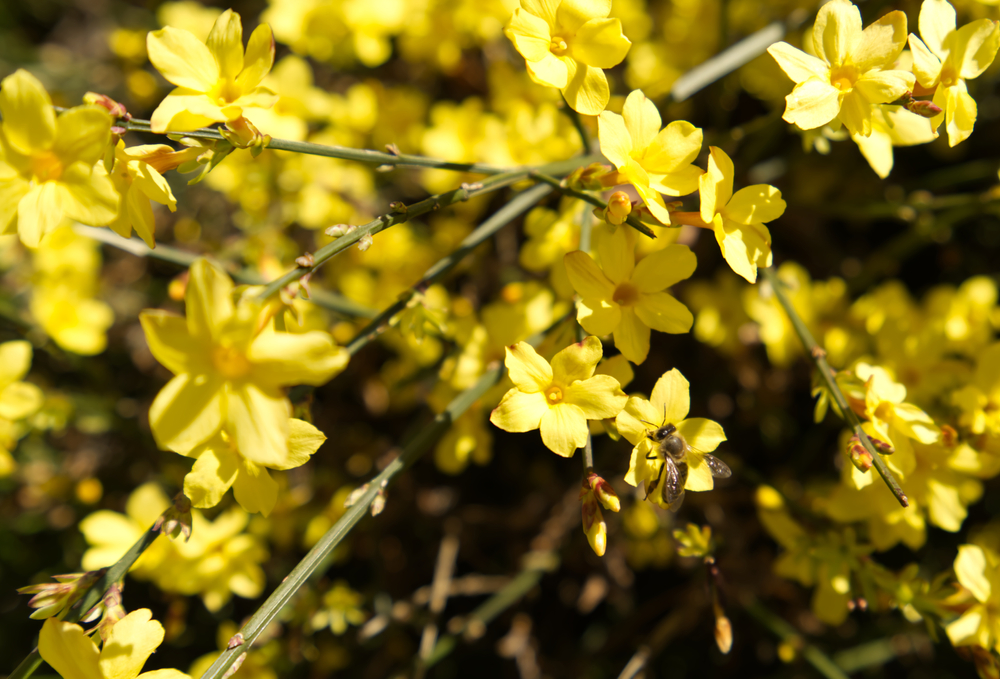
Winter Jasmine is one of the first plants to bloom in late winter, offering a delicate, sweet fragrance. The bright yellow flowers stand out against the otherwise dull landscape, making it an eye-catching sight. Its scent lingers in the air, providing a refreshing winter fragrance. This plant is low-maintenance and can grow in various soil types.
Known for its vigorous growth, Winter Jasmine is often used as ground cover or along trellises. It can even climb up fences or walls, adding texture to winter gardens. This plant is hardy in colder climates, thriving in USDA zones 6 to 9. It’s a great way to add color and fragrance to otherwise barren spaces.
Daphnes (Daphne odora)
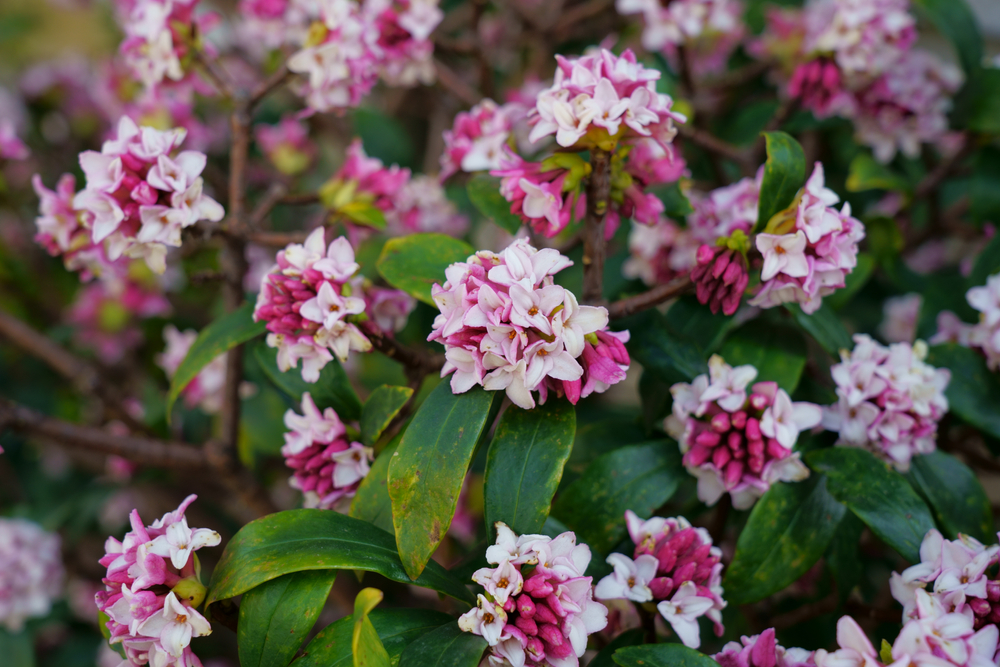
Daphne plants are well-loved for their fragrant, star-like flowers that bloom in late winter. As you walk past them, their sweet, citrus-like fragrance is impossible to miss. The blossoms are usually pink or white and appear just as the weather begins to warm. This shrub prefers well-drained, slightly acidic soil and can tolerate some shade.
Daphnes are typically compact shrubs, making them ideal for small gardens or containers. They are relatively slow-growing but are well worth the wait for their winter bloom. Their pleasant scent is a highlight during the cold months, attracting early bees. The leaves remain attractive throughout the year, adding to their appeal.
Sarcococca (Sarcococca ruscifolia)
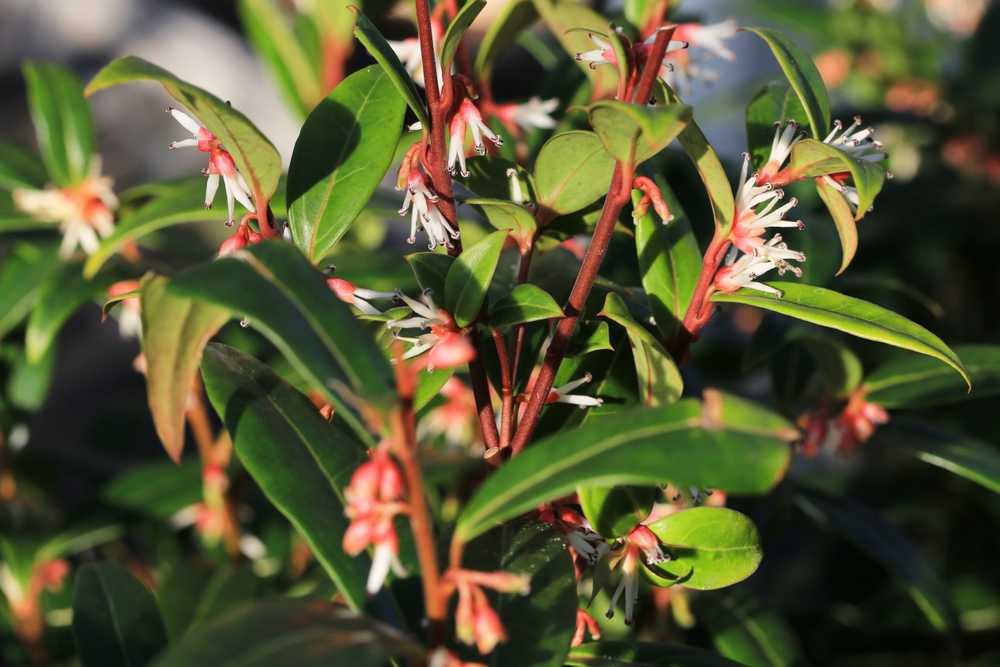
Another fragrant winter plant, Sarcococca, or Christmas Box, releases a sweet, almost vanilla-like fragrance. The tiny white flowers are quite inconspicuous but pack a fragrant punch. This shrub thrives in shady conditions, making it perfect for winter gardens that lack sunlight. It’s also tolerant of dry soils once established.
The glossy, evergreen leaves of Sarcococca provide a nice backdrop during the colder months. This plant is known to grow slowly, which means it will take time to establish itself. However, once it does, it will reward you with fragrant flowers each winter. It’s a perfect choice for adding subtle fragrance to shaded areas of your garden.
Snowdrop (Galanthus nivalis)
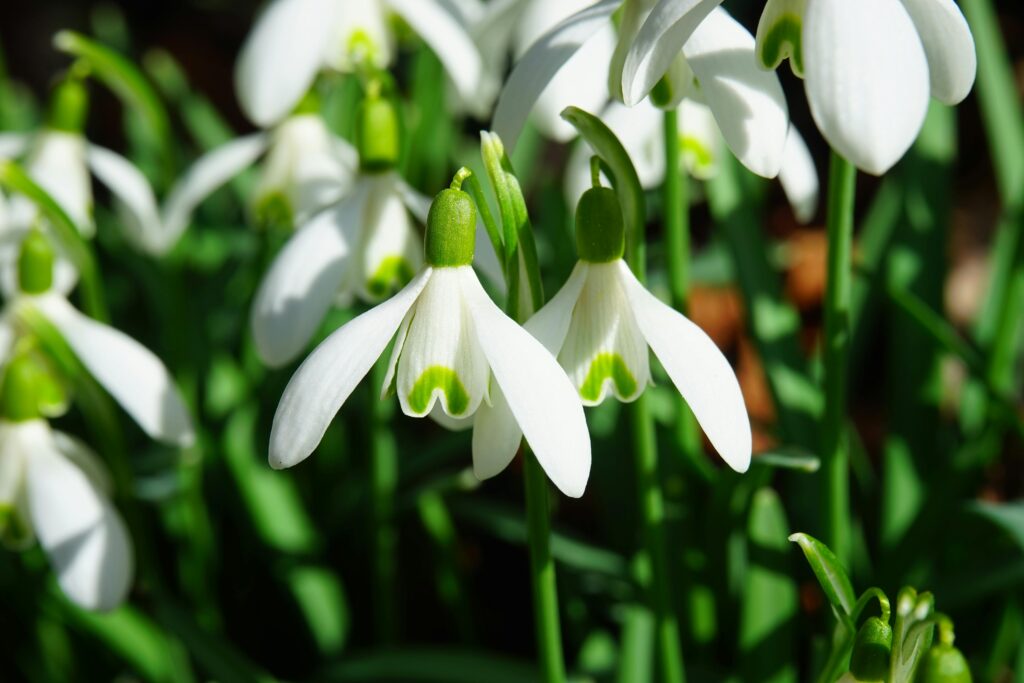
Snowdrops are one of the first flowers to bloom in winter, often emerging through the snow. Their small white flowers are not only visually striking but emit a mild, sweet fragrance. They are typically found in woodlands or meadows, where they naturalize over time. Snowdrops prefer well-drained, moist soil and do well in partial shade.
These early bloomers are a symbol of hope, as they often appear when the weather starts to warm. While their fragrance is subtle, it’s still noticeable on a brisk walk. Snowdrops are incredibly hardy, even in cold climates, and they spread quickly. They are a great option for creating a winter wonderland in your garden.
Camellia (Camellia japonica)
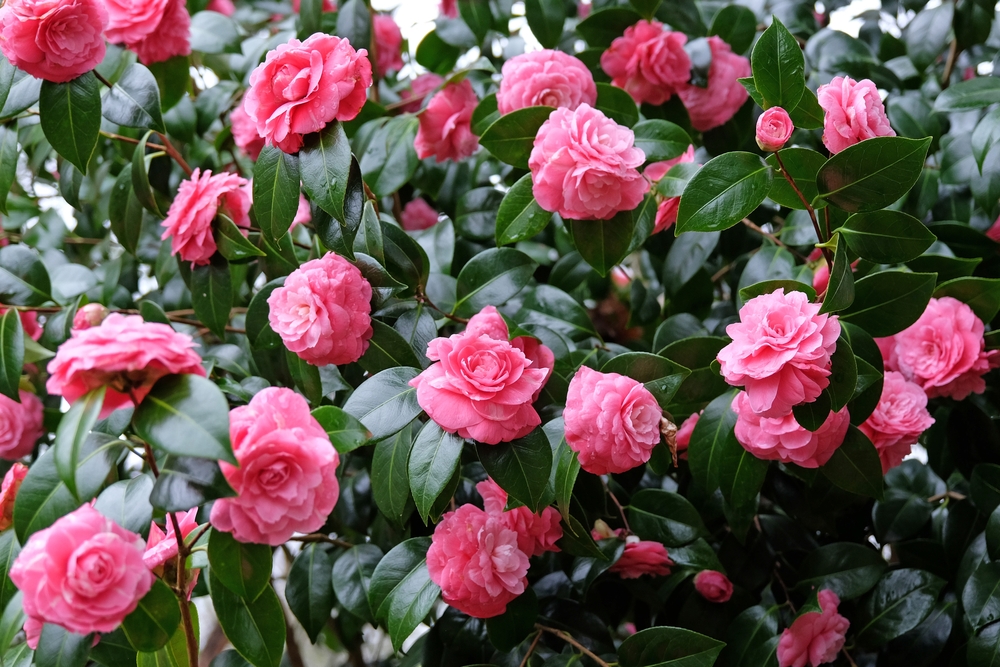
Camellias are beautiful evergreen shrubs that bloom during the colder months, often releasing a light, sweet fragrance. The flowers can be red, pink, or white, depending on the variety, and they offer color during winter. The scent of Camellia blossoms can be strong enough to scent the air as you pass by. These plants thrive in acidic, well-drained soil and need some protection from harsh winds.
Known for their glossy leaves, Camellias can add structure to a winter garden. They prefer shaded areas and are best planted away from direct sunlight. While they are slow-growing, their winter blooms make them worth the wait. This plant is perfect for adding both visual and fragrant interest during the cold months.
Witch Hazel (Hamamelis virginiana)
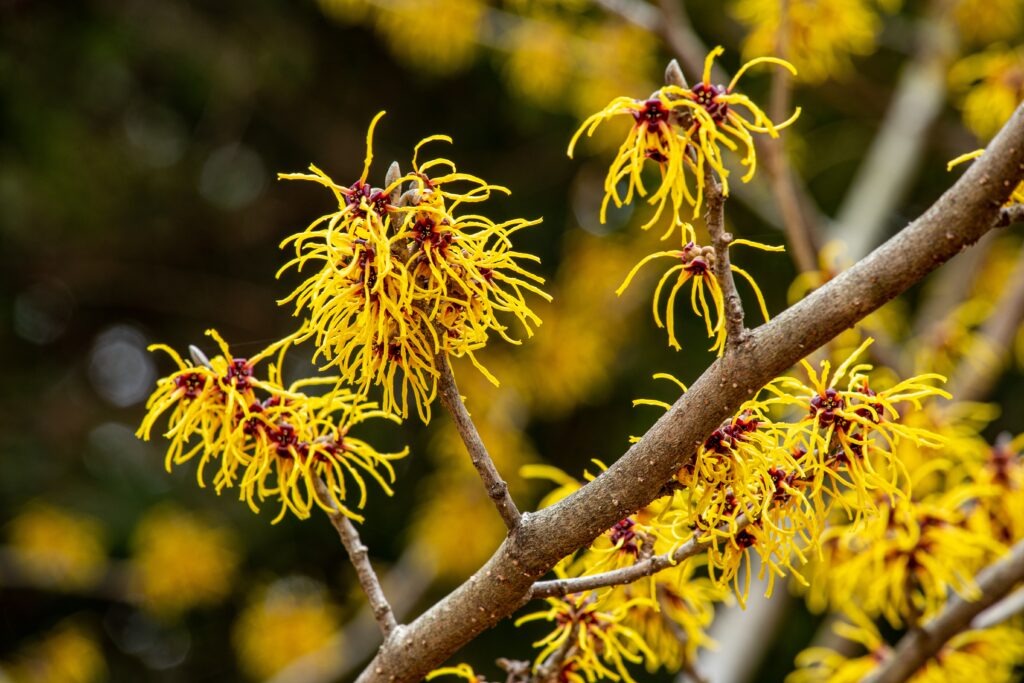
Witch Hazel is known for its sweet, spicy fragrance that fills the air during the winter months. The flowers bloom in late fall or winter, adding a pop of yellow to your cold walk. Its scent is especially noticeable in the evening when the air is cooler. Witch Hazel thrives in moist, well-drained soils and is often found in woodland areas.
The bark of this shrub is used for medicinal purposes, such as in lotions for soothing skin irritation. Witch Hazel is hardy and can be grown in most gardens, requiring minimal care once established. In addition to its fragrance, the plant attracts pollinators like bees during its winter bloom. It is a welcome sight and smell in the barren winter landscape.
Hellebores (Helleborus orientalis)
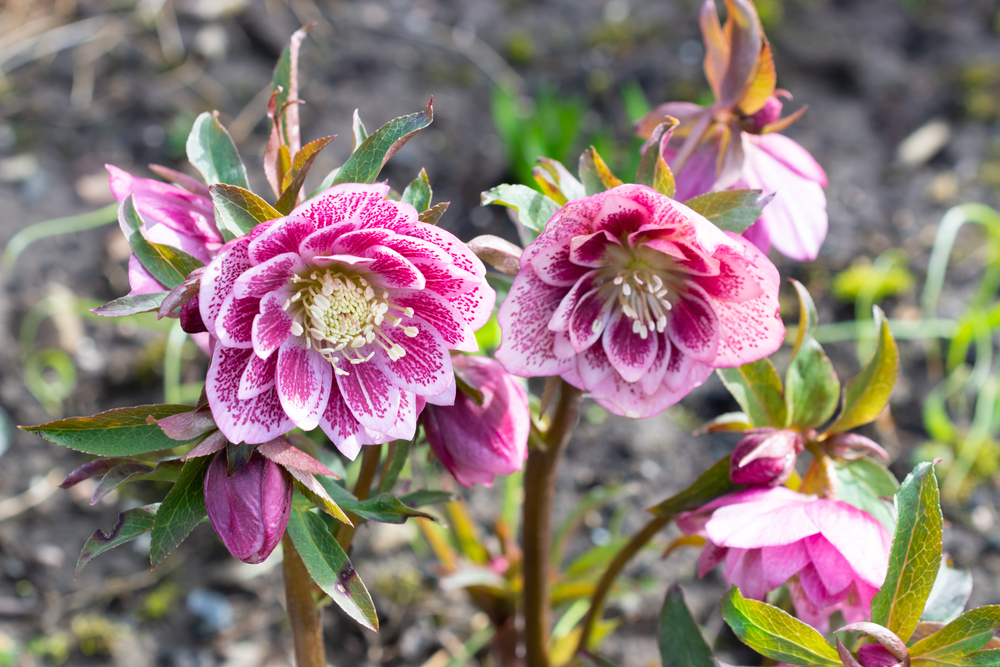
Often called the Christmas Rose, Hellebores bloom during the winter months, releasing a subtle fragrance that can be noticed during a cold walk. The flowers come in a range of colors, including white, pink, and purple, adding color to dreary winter gardens. Hellebores thrive in moist, well-drained soil and partial shade, making them ideal for woodland settings.
These hardy perennials are among the first flowers to bloom in the cold season. Their fragrance is not overpowering but still noticeable. Hellebores are known for their ability to thrive in difficult conditions, including heavy shade and dry soil. They are a low-maintenance choice for adding fragrance and color during winter.
Winter Honeysuckle (Lonicera fragrantissima)
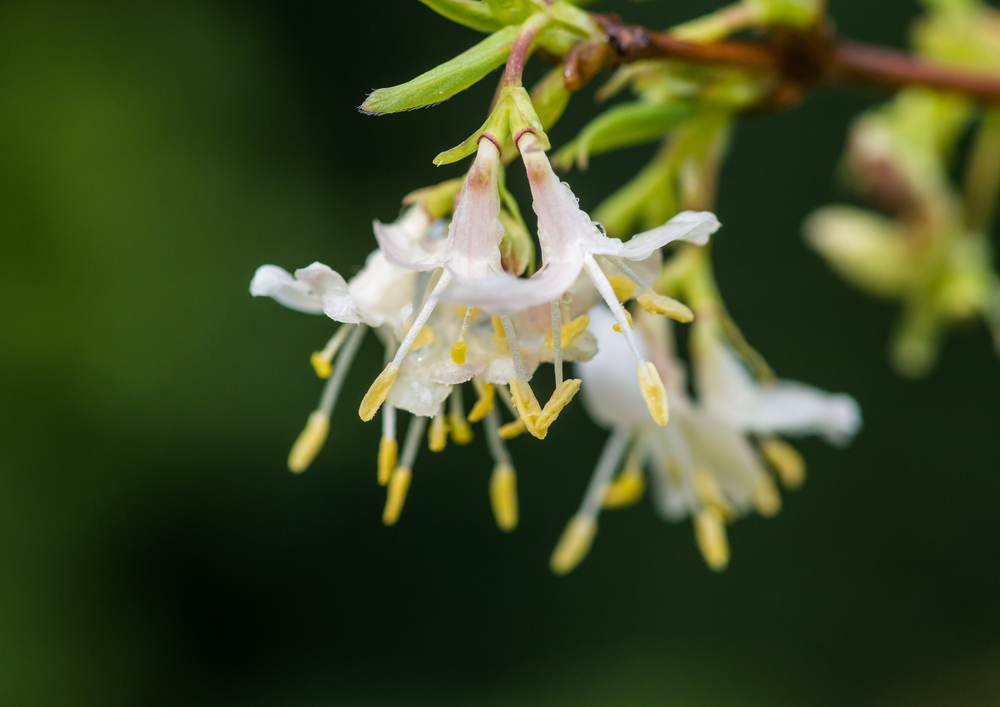
Winter Honeysuckle is a vigorous shrub that produces fragrant white or yellow flowers in the middle of winter. The sweet, honey-like scent of its blossoms can fill the air during a chilly walk. This plant is perfect for hedgerows or along garden borders, where it can spread quickly. It prefers moist, well-drained soil and tolerates some shade.
Winter Honeysuckle is a fast-growing shrub that requires little care once established. The plant is not just fragrant, it also attracts pollinators like bees during its winter bloom. Its ability to bloom in winter makes it an exceptional choice for cold-season interest. This plant can grow quite large, so it’s best for areas with space.
Paperbush (Edgeworthia chrysantha)
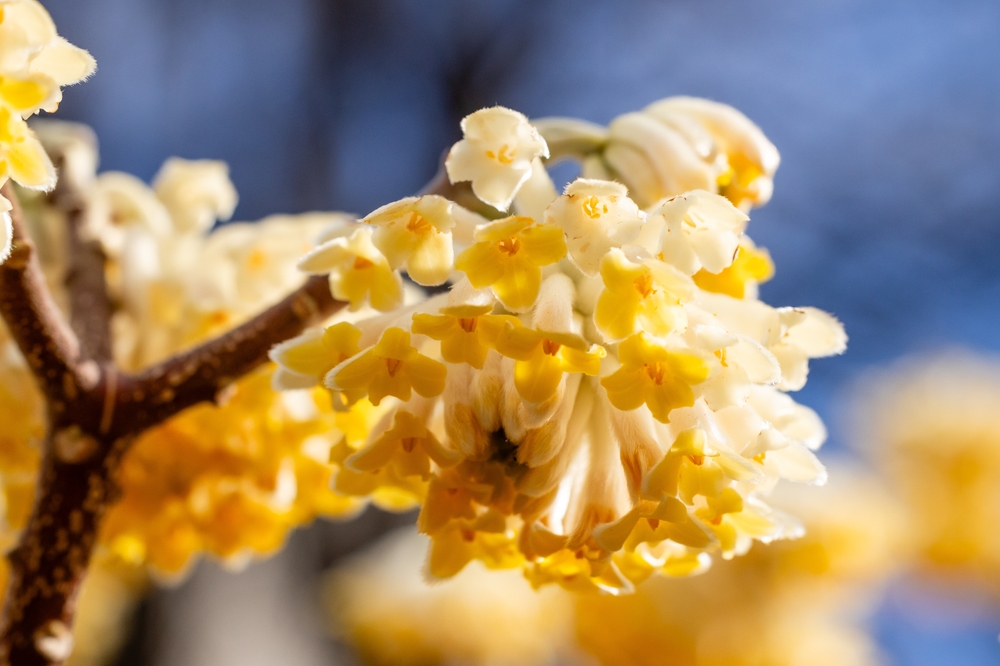
Paperbush is a lesser-known winter-blooming shrub with an intoxicating fragrance. Its yellow or white flowers bloom in clusters and offer a citrus-like scent that can be easily noticed on a cold day. Paperbush thrives in well-drained, slightly acidic soil and performs well in both sun and partial shade. It’s perfect for adding a touch of fragrance to a winter garden.
The stems of Paperbush are used for making paper in some cultures, giving it a unique place in history. This shrub is relatively hardy and can grow in a range of climates. Its fragrance and early bloom make it one of the first plants to offer scent in late winter. Paperbush adds a unique texture and fragrance to any garden.
Yew (Taxus baccata)
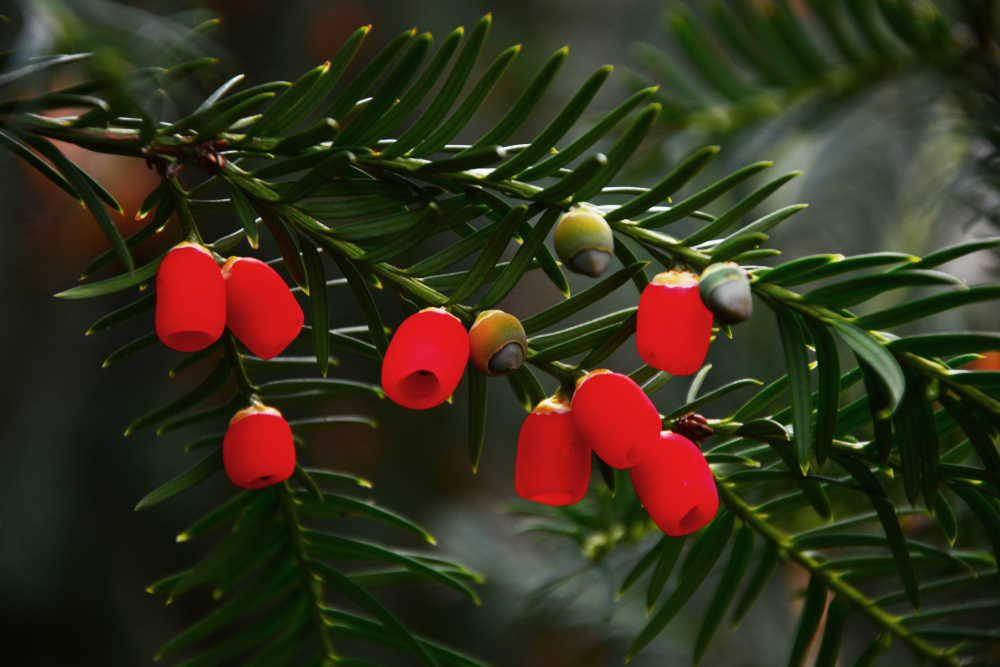
Yews are evergreen shrubs known for their needle-like leaves and soft, sweet fragrance in winter. While they are mainly planted for their evergreen foliage, their flowers emit a faint, pleasant scent that lingers in the cold air. Yews prefer well-drained, slightly acidic soil and can tolerate a range of light conditions. They are often found in gardens as hedges or screen plants.
Although the fragrance of Yew is subtle, it becomes more noticeable when the plant is in full bloom. This hardy shrub is low-maintenance and can be pruned to maintain its shape. Yews are known for their longevity, making them an excellent choice for long-term winter interest. Their ability to thrive in both sun and shade adds to their appeal.
Pine (Pinus spp.)
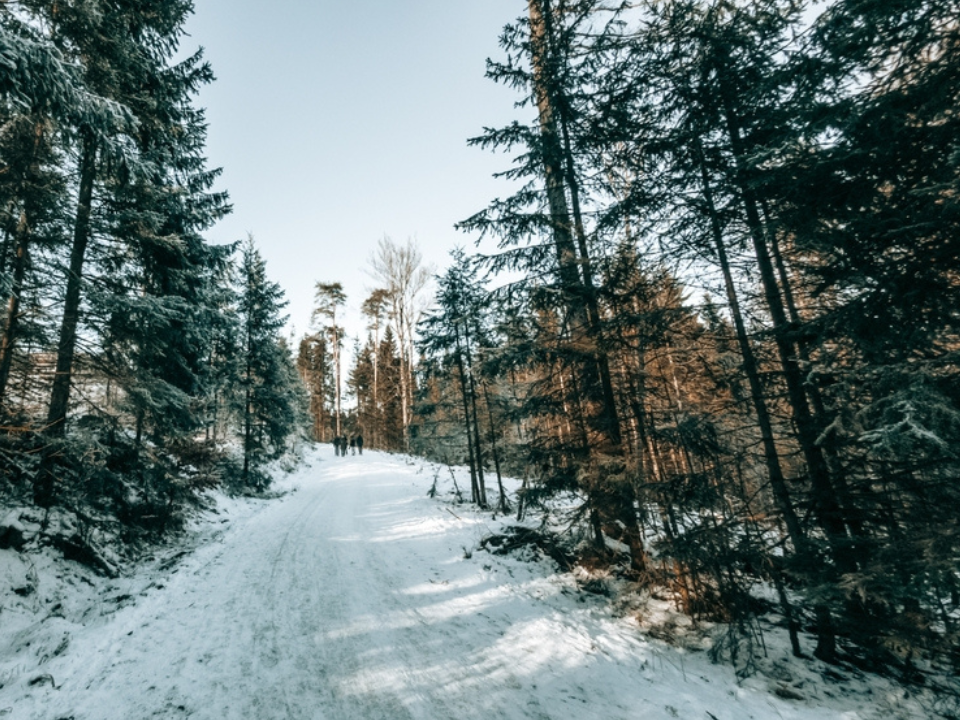
Pine trees offer a refreshing, resinous fragrance during the winter months that can be quite noticeable on a crisp walk. Their needles release a fresh scent when disturbed by wind or brushing against them. Pines are hardy trees that thrive in well-drained soils and full sun, making them a popular choice for a variety of landscapes. Their scent is especially noticeable in the colder months when there are fewer competing fragrances.
Pines also provide year-round shelter for birds and small wildlife, making them valuable in winter gardens. The fragrance is not overpowering, but it’s a pleasant reminder of nature’s resilience during the colder months. Pines can be used as windbreaks, privacy screens, or focal points in a garden. Their scent can also be infused into oils and potpourri, further enhancing their usefulness.
Bay Laurel (Laurus nobilis)
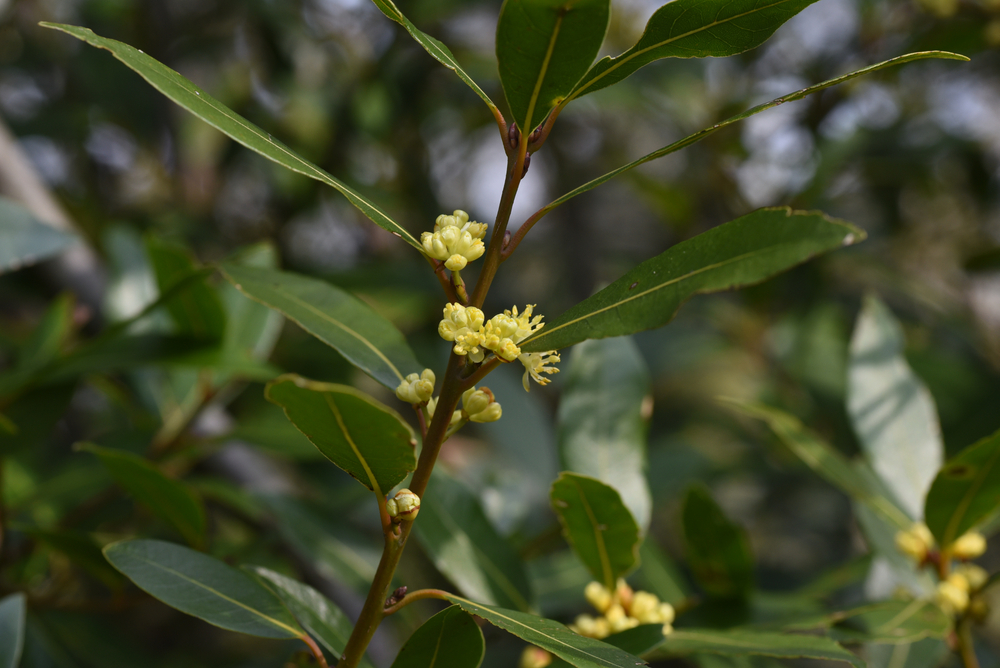
Bay Laurel is a versatile evergreen shrub that produces aromatic leaves, which can be used in cooking or as a fragrant addition to a garden. The plant releases a subtle, spicy fragrance during the winter months, particularly after rain. Bay Laurel thrives in well-drained, slightly acidic soil and can tolerate partial shade. It’s commonly found in herb gardens but also serves as a beautiful ornamental shrub.
The leaves of Bay Laurel can be harvested year-round, but they offer a particularly strong fragrance during winter. This plant can be pruned to maintain its shape and size, making it ideal for smaller gardens. It is highly drought-tolerant once established, making it a low-maintenance choice for gardeners. Its sweet, spicy aroma is ideal for adding warmth to a cold winter day.
Lavender (Lavandula angustifolia)
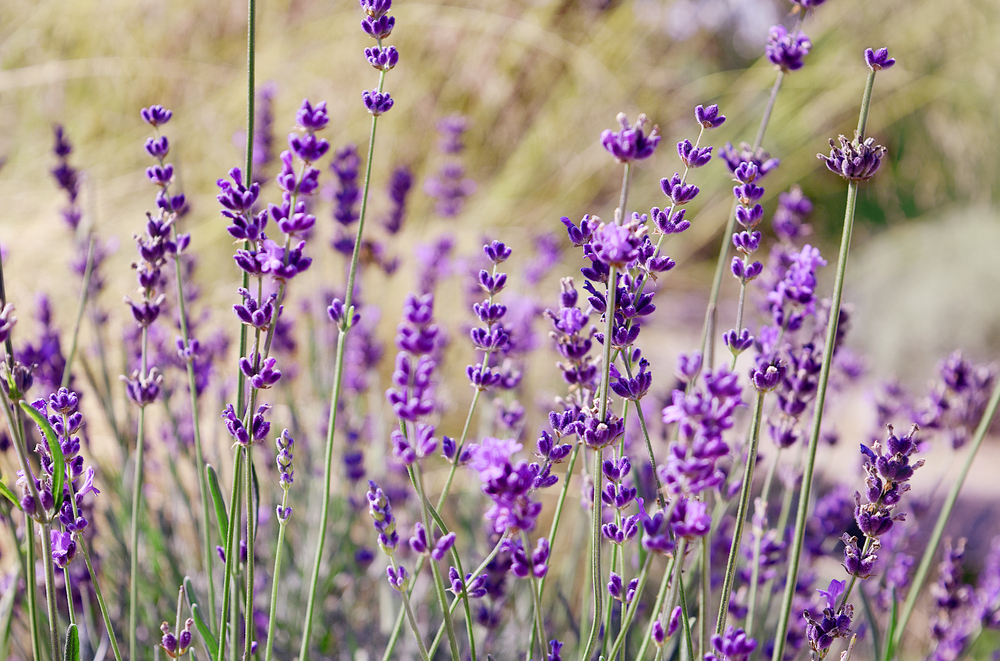
While typically associated with summer, some varieties of lavender can bloom in the colder months, offering a sweet, herbal fragrance. The flowers are usually a pale purple, and they provide a calming aroma that’s distinct in winter gardens. Lavender thrives in well-drained, sandy soil and enjoys full sun, making it perfect for drier areas. It’s often used in herb gardens or along pathways where its fragrance can be easily enjoyed.
In addition to its pleasant fragrance, lavender is known for attracting pollinators, even in winter. It is relatively drought-tolerant and can withstand cold temperatures once established. Lavender’s fragrance is refreshing and helps to lift the spirits during the dreary winter months. It is also often used in aromatherapy to promote relaxation.
Cedar (Cedrus spp.)
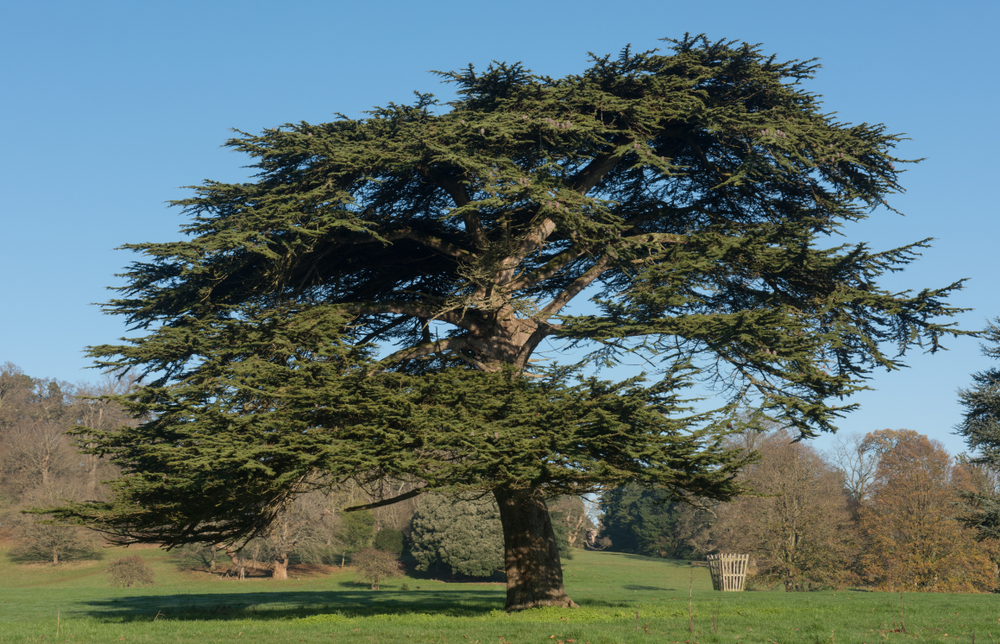
Cedar trees offer a refreshing, woodsy fragrance that fills the air, especially during the colder months. Their distinctive, pine-like aroma can be noticed even from a distance, particularly when the air is still and cold. Cedars thrive in well-drained soils and are often planted as focal points or windbreaks in larger gardens. They are hardy and resistant to both drought and cold conditions.
The rich fragrance of cedar wood is often used in making chests and closets to keep away moths. Its scent becomes stronger during the winter when the tree is dormant and the air is crisp. Cedars also provide year-round cover for birds and small wildlife. Their scent adds a nostalgic, comforting quality to winter landscapes.
Juniper (Juniperus spp.)
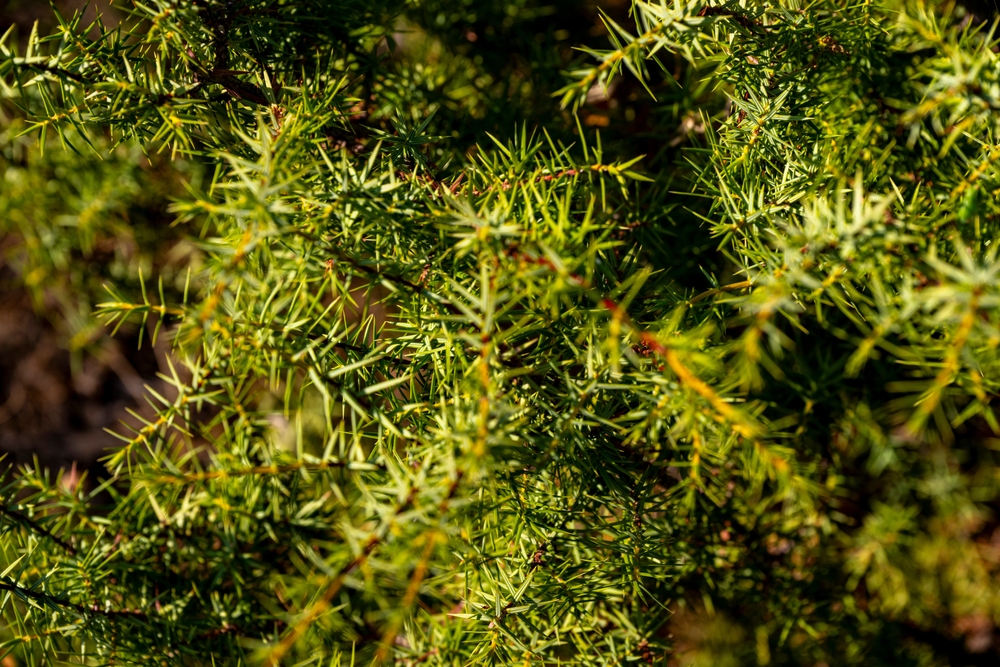
Juniper shrubs and trees have a strong, spicy fragrance that can be noticed during a cold walk. The needles and berries of the plant release a clean, crisp scent that is particularly noticeable in the winter. Junipers thrive in well-drained soil and full sun, making them ideal for dry, rocky gardens. They are often used as ground cover or as part of a mixed border in garden design.
Juniper berries are not only fragrant but also edible, though they are most commonly used in making gin. The foliage of the plant remains vibrant year-round, adding color to winter landscapes. Their ability to withstand harsh winter conditions makes them a resilient choice for colder climates. The fresh scent of Juniper enhances the winter atmosphere, offering a refreshing break from the usual cold air.
This article originally appeared on Avocadu.