
14 Winter Beauty Myths People Still Believe
Winter brings its own set of beauty challenges, but many common beliefs about how to handle them are simply myths. From thinking you can skip sunscreen to avoiding exfoliation, some of these ideas can actually make your skin and hair worse in colder months. In this article, we’ll break down some of the most popular winter beauty myths and explain what you really need to do to keep your skin and hair healthy all season long.
This post may contain affiliate links, which helps keep this content free. Please read our disclosure for more info.
Dry Skin Means You Need a Heavier Moisturizer

Many people think that if their skin feels dry during the winter, they need to switch to a heavier moisturizer. While this may seem like the obvious solution, heavier creams can sometimes clog pores and make your skin feel greasy without properly addressing the issue. Instead, focus on choosing a moisturizer that’s hydrating yet light, and look for one that contains ingredients like hyaluronic acid, which draws moisture into the skin without weighing it down.
It’s also important to remember that skin hydration starts from the inside out. Drinking water and eating water-rich foods can support your skin’s natural moisture balance. In some cases, your skin might just need a bit more gentle exfoliation to remove dead skin cells, allowing your moisturizer to penetrate better.
You Should Skip Sunscreen During the Winter

One of the most common winter beauty myths is that you can skip sunscreen because there is less sun exposure. However, UV rays can still damage your skin even when it’s cloudy or cold outside. Snow and ice can reflect UV rays, meaning your skin can actually receive more exposure than you realize, especially in mountain or snowy areas.
It’s crucial to wear sunscreen daily, regardless of the season. Look for a broad-spectrum SPF 30 or higher to protect your skin from both UVA and UVB rays. Even in winter, prolonged exposure to the sun without protection can contribute to premature aging, wrinkles, and increased risk of skin cancer.
Cold Air Is the Main Cause of Dry Skin
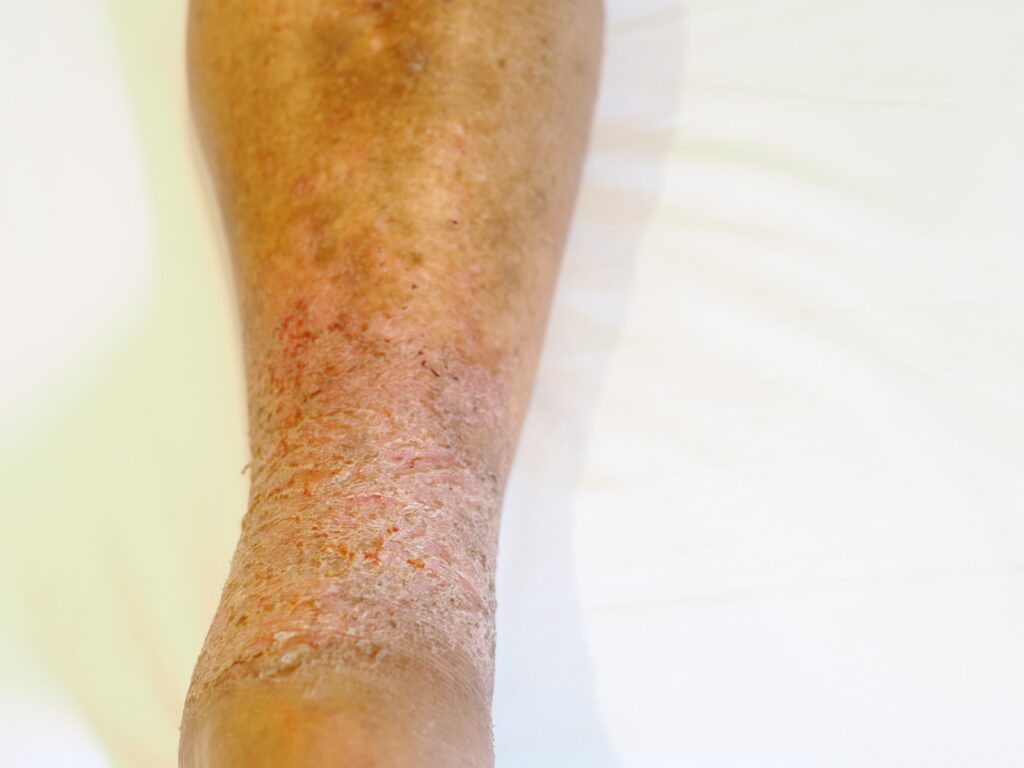
While cold weather does play a role in drying out skin, it’s actually the dry indoor heating that causes more of the damage. When you’re inside during winter months, the heated air strips moisture from your skin, leaving it feeling tight and parched. Cold outdoor air can also be drying, but it’s the constant temperature shifts between indoors and outdoors that really impact the moisture balance in your skin.
To combat this, use a humidifier in your home to restore moisture to the air. Additionally, wearing protective layers like scarves and gloves can shield your skin from harsh winds and reduce the impact of temperature changes on your skin’s hydration levels.
You Can’t Get a Sunburn in the Winter

Many people assume that winter weather means they are free from the risk of sunburns, but this is far from true. In fact, UV radiation is still present even when temperatures drop. Snow and ice reflect up to 80% of the sun’s rays, increasing the likelihood of sunburn, especially in mountainous areas or near large bodies of water.
Just because it’s winter doesn’t mean you can skip sunscreen, particularly if you’re planning to spend time outdoors for extended periods. Even if the sun feels weaker, the reflection off snow can lead to a painful burn if you’re not protected. Always apply a sunscreen with broad-spectrum protection when heading outdoors, no matter the season.
Drinking More Water Will Hydrate Your Skin

Drinking plenty of water is essential for overall health, but it’s not the magic cure for dry skin many people believe it to be. While hydration from the inside is important, it won’t necessarily solve the outer layers of your skin from becoming dry or irritated, especially in winter. The air’s dry nature and lack of humidity can make it harder for skin to retain moisture, no matter how much water you drink.
Topical hydration through the right moisturizers and oils is key for keeping your skin’s outer layers hydrated. Look for moisturizers that contain ceramides, glycerin, or oils to lock in moisture and form a protective barrier against the elements. Drinking water is beneficial, but it’s not a replacement for proper skincare.
Your Skin Only Needs Moisturizer During Winter Months
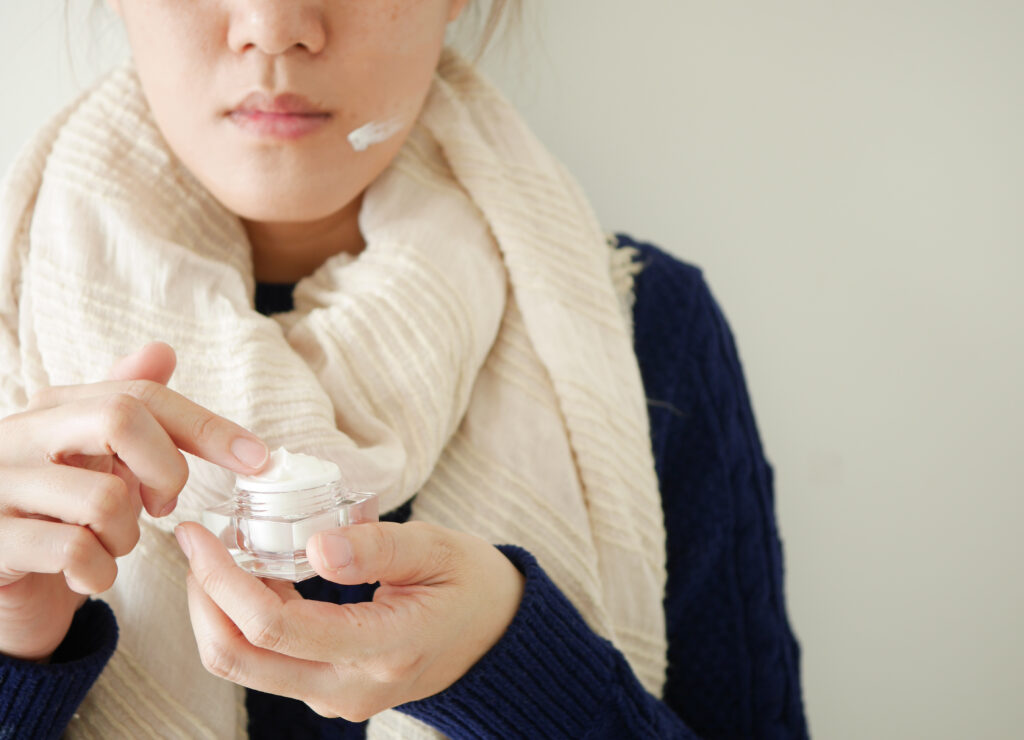
It’s easy to think that moisturizer is only necessary in colder months, but your skin needs hydration year-round, no matter the weather. During the summer, sweat can strip moisture from the skin, while winter’s cold air can leave it feeling dry. Consistent moisturizing helps to maintain your skin’s barrier and prevent issues like irritation, cracking, or inflammation.
Using a lightweight, hydrating moisturizer during warmer months can prevent dryness and keep your skin balanced. In addition, don’t forget that exposure to sun and environmental pollutants can cause long-term damage, making year-round moisturizing important for preserving healthy skin.
You Should Avoid Exfoliating in the Winter
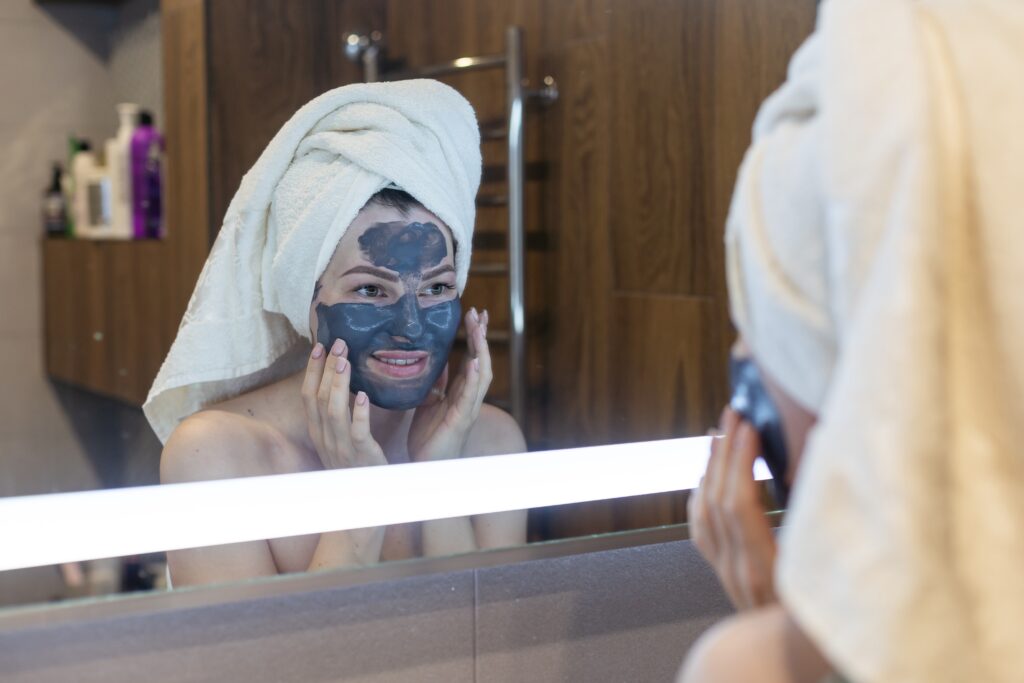
Exfoliating is often misunderstood in winter, with many people thinking it should be avoided to prevent further skin irritation. In reality, exfoliation can help remove dead skin cells and allow your moisturizer to penetrate deeper into your skin, leaving it feeling smoother and more hydrated. The key is to choose a gentle exfoliant that won’t strip your skin or make it more vulnerable to the harsh weather.
Rather than avoiding exfoliation, try using a mild exfoliator once or twice a week. Look for products with lactic acid or other gentle exfoliating agents that won’t damage the skin’s barrier. Just make sure to follow up with a hydrating moisturizer to replenish the skin afterward.
You Don’t Need SPF If It’s Cloudy or Snowy
Many people mistakenly believe that sunscreen is unnecessary when it’s cloudy or snowing outside. However, up to 80% of the sun’s harmful UV rays can penetrate through the clouds, meaning you’re still at risk for sun damage. Even on overcast days or snowy landscapes, the UV radiation remains strong enough to cause skin harm over time.
To protect your skin all year long, make sunscreen a daily habit. Apply a broad-spectrum SPF 30 or higher every day, regardless of weather conditions. Snow and cloud cover are no shield against UV rays, and consistent protection is the best way to prevent long-term skin damage.
Hot Showers Are the Best for Dry Skin
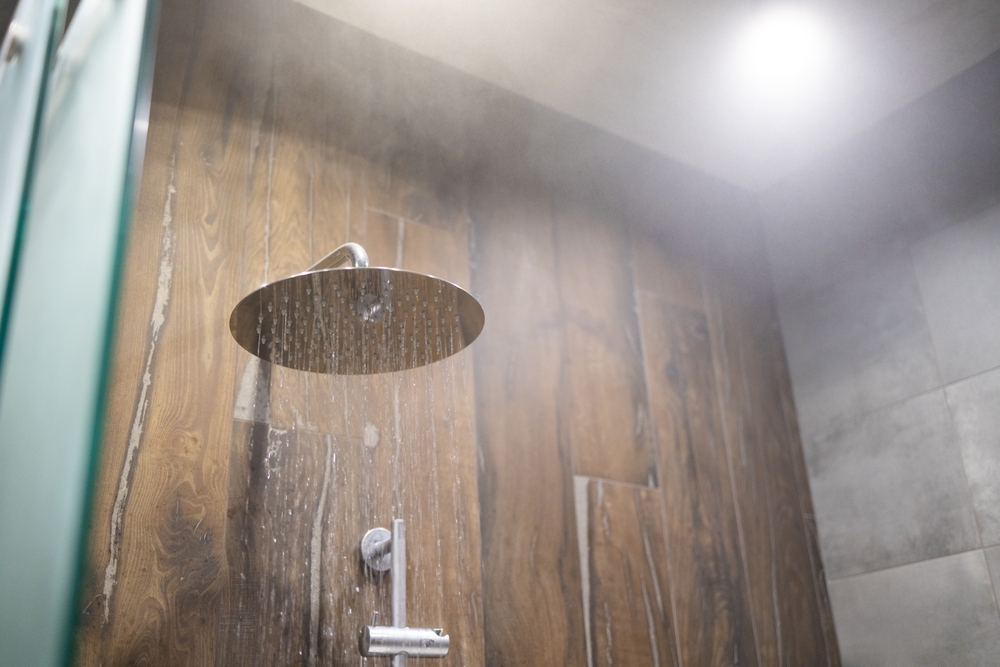
It’s tempting to indulge in a hot shower when you’re cold, but the intense heat can actually worsen dry skin. Hot water strips away the natural oils that protect your skin, leaving it more susceptible to irritation and dehydration. While it may feel soothing in the moment, it’s better to stick with lukewarm water for your showers, especially in the winter months.
After your shower, gently pat your skin dry and apply a rich moisturizer while it’s still damp to lock in moisture. This helps restore your skin’s hydration and prevents it from becoming dry and tight as the temperature drops.
You Shouldn’t Wear Lighter Makeup in Winter

Some people believe that winter is a time to switch to heavy makeup, thinking that lighter products are better suited for warmer months. However, switching to a lightweight foundation or tinted moisturizer in the winter can actually benefit your skin. These products allow your skin to breathe while still offering coverage, and they tend to feel less heavy on the skin compared to thicker foundations.
Additionally, many light formulas contain added skincare benefits, like SPF or hydrating ingredients. If you’re worried about coverage, try layering your products for a more customized finish. Lighter makeup can be just as effective as heavier formulas while keeping your skin comfortable in the colder months.
Winter Weather Is the Main Culprit of Hair Damage

While winter weather can contribute to dry hair, the real cause of damage often comes from indoor heat and frequent styling. Central heating systems can dry out the air in your home, making it harder for your hair to retain moisture. This results in frizz, static, and a lack of shine, leading people to think the cold weather is to blame.
To prevent hair damage, use a humidifier indoors and try to minimize heat styling. Deep conditioning treatments can help restore moisture to your hair and protect it from both the cold outdoors and the dry indoor air. A little extra care in the winter months will keep your hair looking healthy and hydrated.
Lip Balm Is All You Need for Chapped Lips

While lip balm is great for soothing chapped lips, relying on it alone might not solve the underlying issue. Cold air, dry indoor heating, and constant lip licking can all lead to dehydrated lips, and applying balm over dry skin isn’t always enough. You may need to exfoliate your lips gently and hydrate them from the inside by drinking plenty of water.
Look for lip balms that contain hydrating ingredients like shea butter, coconut oil, or beeswax, which help lock in moisture. Reapply throughout the day, especially after eating or drinking, to maintain soft and smooth lips.
You Shouldn’t Wear Haircuts in Winter to Avoid Split Ends

There’s a common belief that you should avoid haircuts in the winter to prevent further damage, but that’s not true. In fact, trimming your hair regularly helps prevent split ends and keeps your hair looking healthy. Cutting off any dry or damaged ends will also allow your hair to grow better and prevent further breakage from weather exposure.
Regular haircuts are important year-round to keep your hair looking its best. While winter weather can cause dryness, a trim can help maintain your hair’s health and prevent it from looking dull or lifeless. A little trim can make all the difference in keeping your hair strong during the colder months.
You Can’t Get Acne in Winter

Many people assume that acne is a summer problem, but winter can also trigger breakouts. Dry air, harsh winds, and indoor heating can all lead to your skin producing excess oil to compensate for the lack of moisture, which may contribute to clogged pores. On top of that, stress from the holiday season can increase acne flare-ups.
Be mindful of your skincare routine in the winter. Use a gentle cleanser to keep your skin balanced and avoid over-drying products that can lead to more oil production. Keeping your skin hydrated and maintaining a consistent routine will help prevent winter breakouts.
This article originally appeared on Avocadu.