
15 Wildflowers You Might Spot On An Early March Walk
Early March walks can feel quiet at first, then a few small flowers start showing up close to the ground and along the edges of trails. This list highlights wildflowers you might notice before the season fully warms up, so it is a fun one to keep in mind on a short walk. They are often easy to miss at first, which makes spotting them feel extra satisfying.
This post may contain affiliate links, which helps keep this content free. Please read our disclosure for more info.
Snowdrop
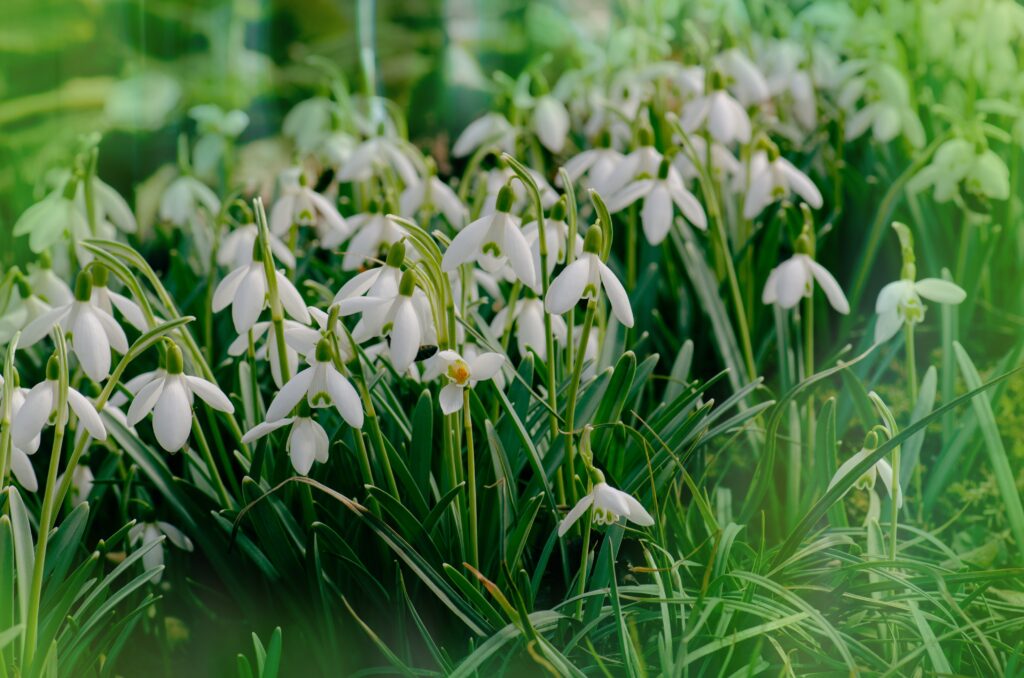
Snowdrops are often one of the first flowers people notice when winter starts loosening its grip. Their white, nodding blooms hang like tiny lanterns, and they often appear in clusters that brighten a dull patch of ground. On an early March walk, you may spot them near old gardens, woodland edges, or paths where the soil stays cool and damp. They look delicate, but they handle cold weather surprisingly well.
A close look makes them even more interesting because each flower has a simple shape that still stands out against bare branches and brown leaves. They tend to bloom low to the ground, so kids and adults alike usually have to slow down and look carefully. That makes them a nice flower for a short walk when you want something small to watch for. If the day is gray, their white petals can still catch your eye from a distance.
Crocus
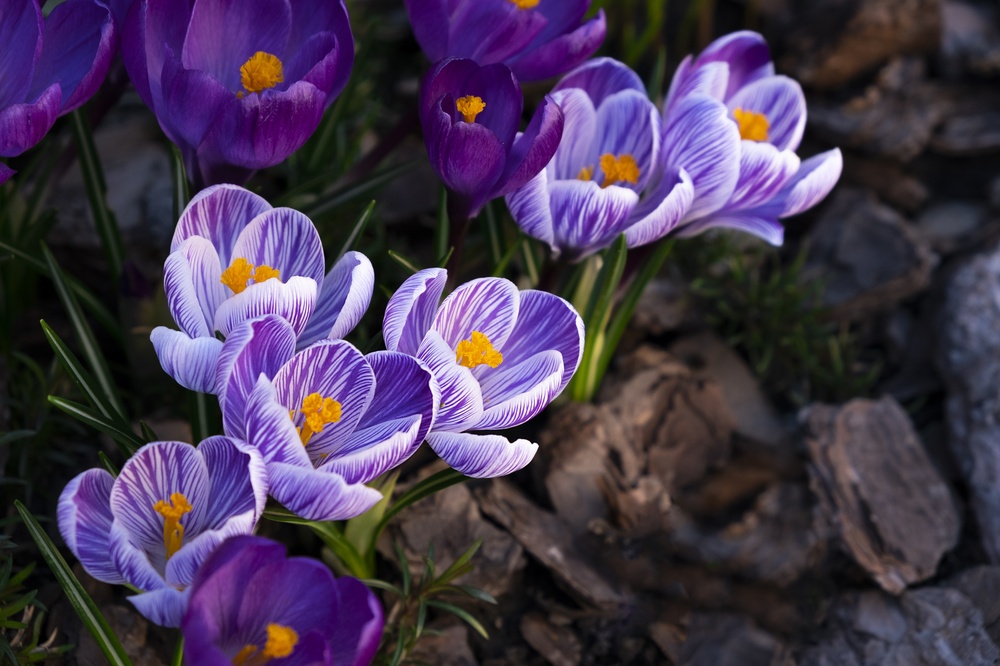
Crocuses bring bright color to early March when most plants are still waking up. You may see purple, yellow, or white blooms popping up in grass, along sidewalks, or near sunny trail edges. Their cup-shaped flowers open wider in sunlight and can look half closed on chilly mornings. Even a small patch can make a whole area feel more alive.
They are common in parks and neighborhoods, but naturalized groups can also show up near older paths and open spaces. Since they bloom low and fast, timing matters, and one warm week can suddenly fill an area with color. Children often notice them first because the colors are so clear against winter grass. On a breezy day, the flowers sway lightly and add a lot of charm to a simple walk.
Winter Aconite
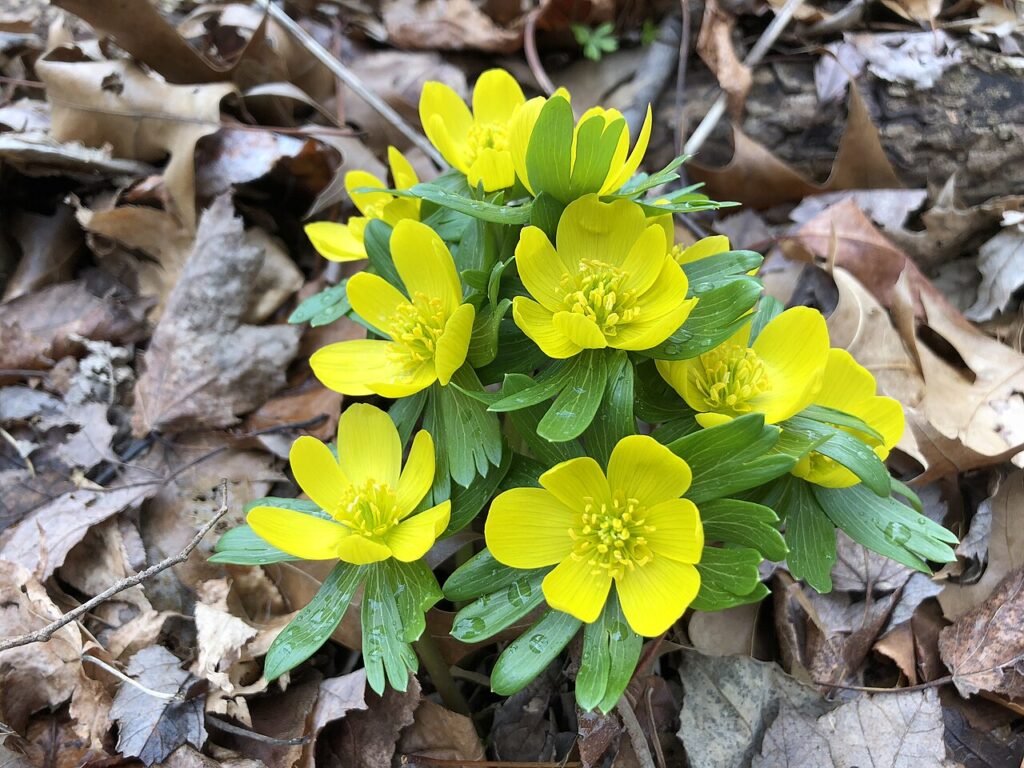
Winter aconite has cheerful yellow flowers that look almost like tiny buttercups. The blooms sit above a ruff of green leaves, which gives each flower a neat, tidy look. In early March, they can appear in small carpets under trees where sunlight reaches the ground before the canopy fills in. Their bright color is easy to spot even when the rest of the scene still looks muted.
These flowers are small, so they are best enjoyed when you slow your pace and scan the ground near the trail. A sunny afternoon often makes them look more open and vivid than they do in cold morning light. They can make an ordinary park path feel much more seasonal in a good way. If you are walking with children, this is one of the easiest early flowers to point out because the yellow stands out right away.
Glory of the Snow
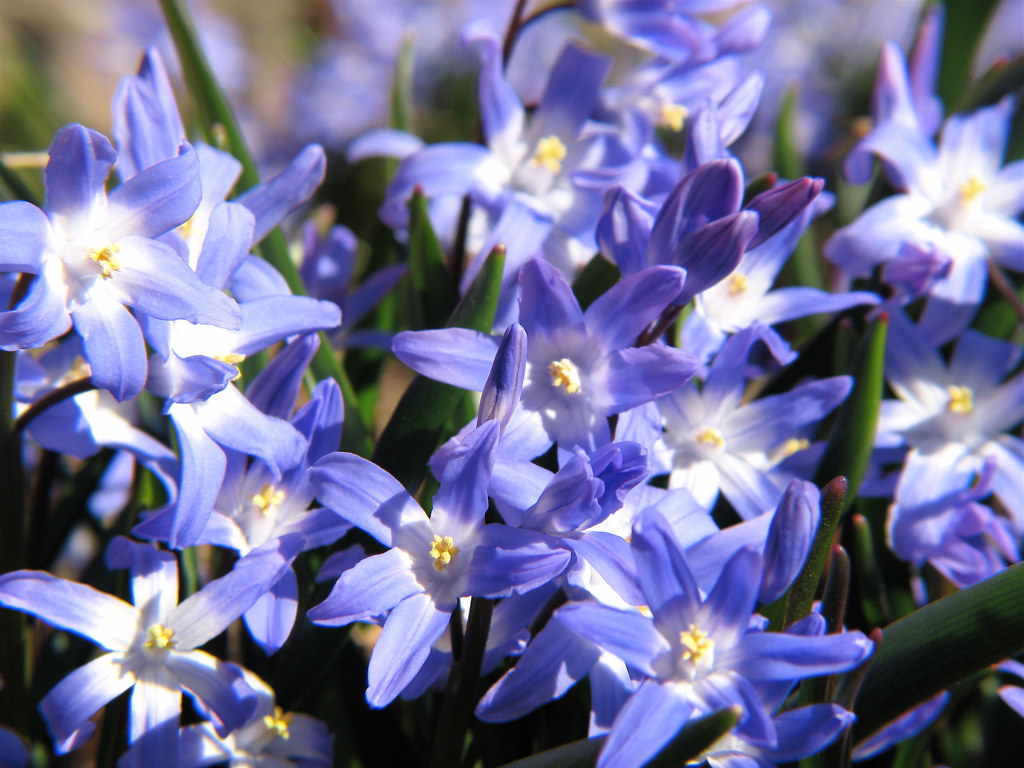
Glory of the snow is a tiny spring flower with starry blooms that often come in pale blue, bright blue, or white. The flowers may have white centers, which makes them look extra crisp when viewed up close. In early March, they can appear in clusters in lawns, garden edges, and places where bulbs have naturalized over time. Because they bloom low and in groups, they can look like little patches of sky on the ground.
This flower is easy to miss if you are walking quickly, but once you notice one cluster, you usually start seeing more. The narrow leaves and star-shaped petals give it a light, airy look that feels very early spring. It is a nice one for family walks because it rewards people who stop and look carefully. Photos also turn out well because the color shows up clearly against brown leaves and pale grass.
Siberian Squill
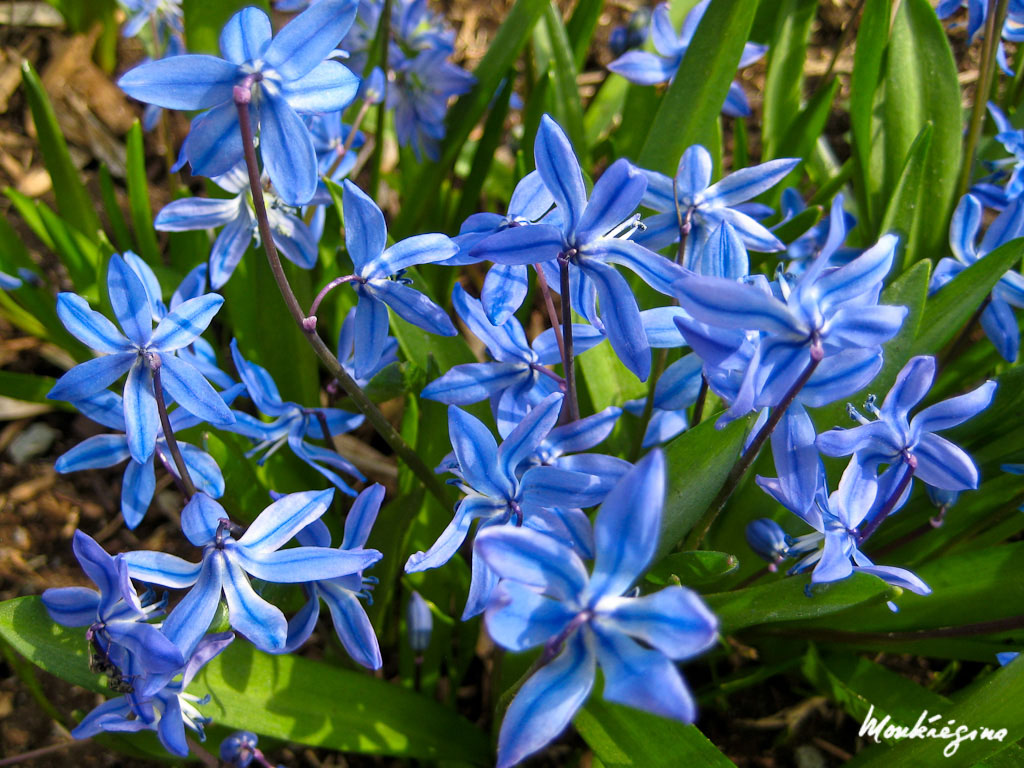
Siberian squill is known for its strong blue color, which can look almost electric on a cloudy day. The flowers hang or nod slightly and often bloom in drifts, especially in older parks and neighborhoods. Early March is a good time to spot them in grassy areas before mowing starts and before taller plants fill in. A patch of squill can make a plain slope look suddenly colorful.
The blooms are small, but the color carries well, so they are easy to notice from several steps away. Up close, the petals have a clean shape that gives the flower a simple but striking look. Many people first see them near sidewalks or under trees, then start noticing them in wider patches nearby. They are a fun flower to include in a walk because they show how much color can come from very small plants.
Lenten Rose
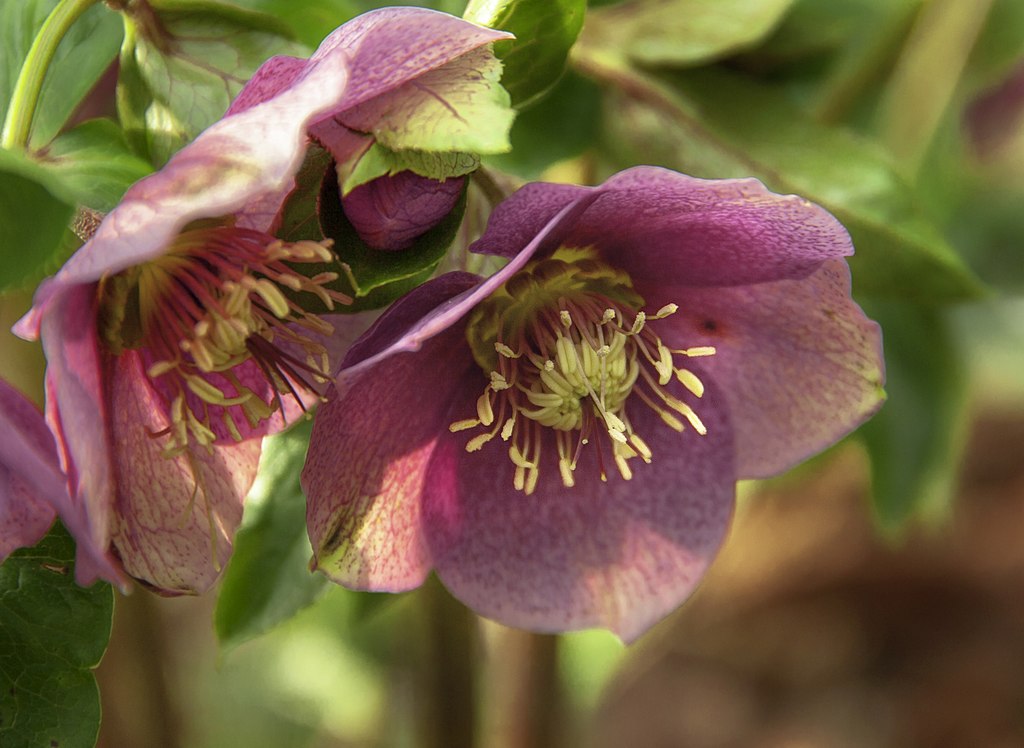
Lenten rose is a favorite for early spring because it blooms while many other plants still look sleepy. Its flowers can be white, pink, green, purple, or speckled, and they usually face downward, which makes people lean in for a better look. You are most likely to spot it in gardens, landscaped paths, or older homes with shade beds rather than in wild woods. Even so, it fits an early March walk nicely because it blooms when color is still limited.
The leaves are thicker and darker than many early flowers, so the plant looks substantial even before the blooms fully open. Some flowers keep a soft, muted color that works beautifully with moss, stone borders, and damp soil. It is a good one for adults and kids who like close-up details because each bloom can look a little different. If you walk the same route often, this plant is fun to watch as more buds open over a few weeks.
Pasqueflower
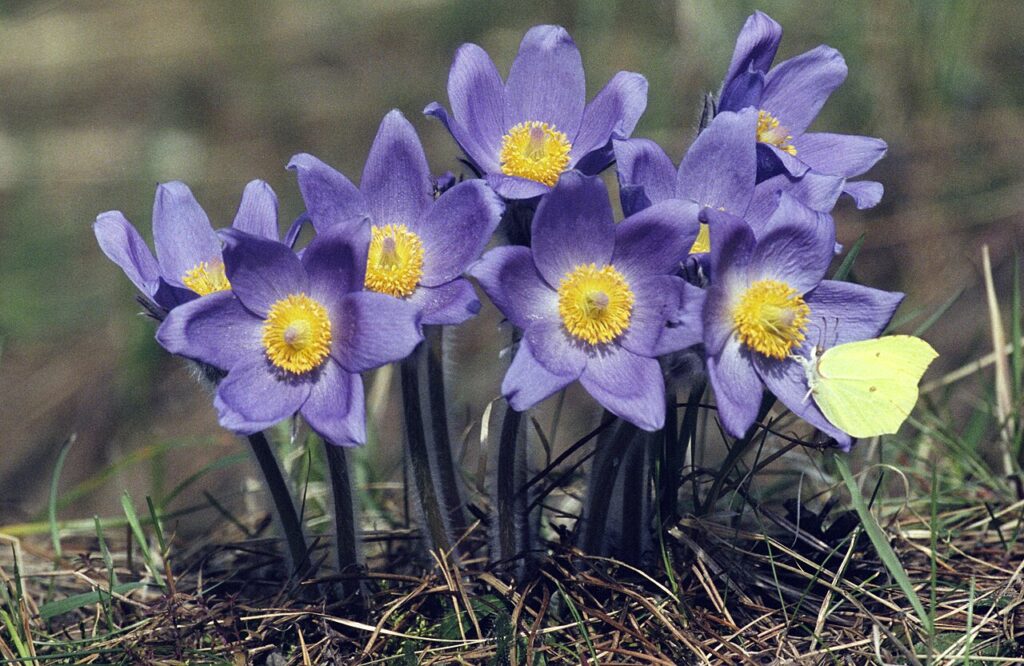
Pasqueflower has a very distinct look with silky stems, fuzzy buds, and cup-shaped blooms that often appear purple or lavender. The whole plant can look soft because of the fine hairs that cover the leaves and flower stalks. In some regions, you might spot it in prairie areas, dry slopes, or protected natural spaces during early spring. It is not as common on everyday neighborhood walks, which makes it an exciting find.
When the flower opens, the bright yellow center contrasts nicely with the purple petals. Even after blooming, the plant stays interesting because the seed heads become feathery and eye-catching. Wind adds movement, so it is a nice flower to pause and watch for a minute. If you are on a nature trail with open ground and good sun, this is one to keep on your list.
Bloodroot
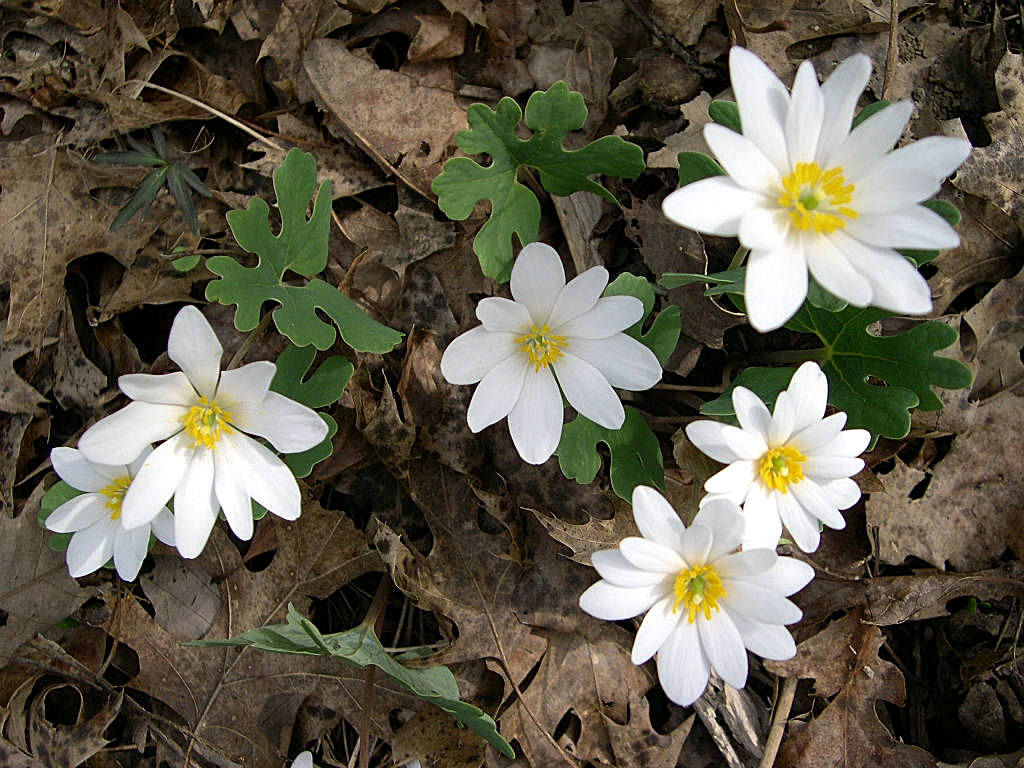
Bloodroot is a beautiful woodland wildflower that often appears just as the forest floor starts to wake up. Its white petals surround a yellow center, and each flower is paired with a single wrapped leaf that slowly opens as the plant grows. On an early March walk in some areas, you may find it in rich, damp woods with leaf litter and filtered light. Because the blooms can be short-lived, spotting one feels like good timing.
The flowers open wider in sunlight and may close again when the weather turns cold or cloudy. That means the same patch can look different depending on the time of day. Bloodroot is easy to miss at first because the flowers sit low and blend into a busy forest floor. Once you notice the bright white petals, though, they stand out clearly against brown leaves.
Virginia Bluebells
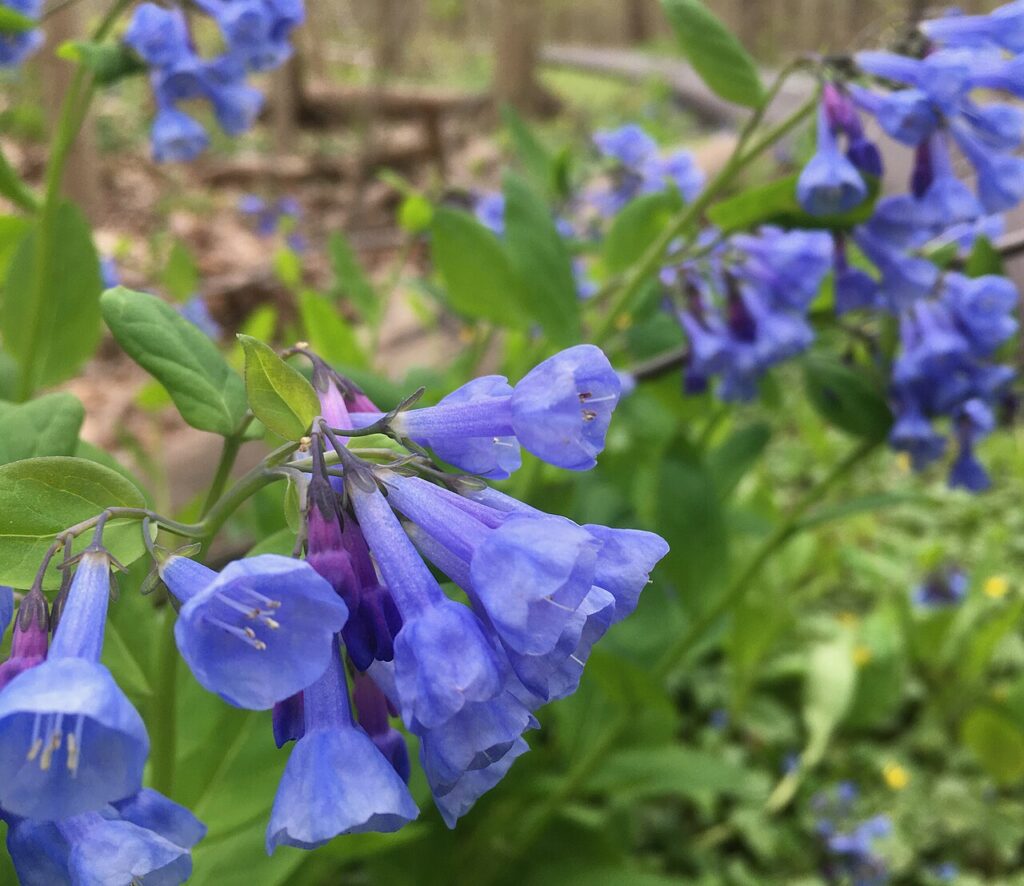
Virginia bluebells are a spring favorite in moist woodlands and floodplain areas, especially near streams. The buds often start pink, then shift into soft blue as the flowers open, so one plant can show more than one color at once. In early March, you may only see the first leaves or early buds in cooler places, while warmer spots may already have a few blooms. That slow change makes them fun to revisit during several walks.
When they bloom in groups, they create a gentle blue wash across the ground that feels calm and memorable. The flowers hang in clusters, and the rounded leaves give the plant a full, soft look. They are especially nice on family walks because the color change is easy to point out and compare from bud to bloom. If your trail follows a creek or shaded low area, keep an eye out for them.
Dutchman’s Breeches
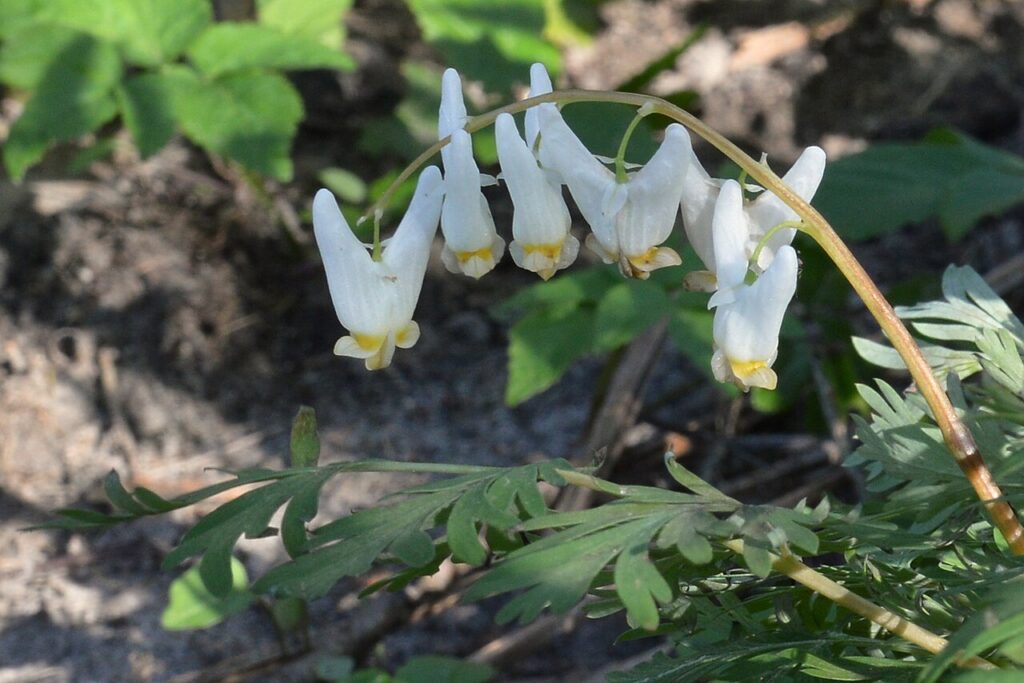
Dutchman’s breeches is one of the most playful-looking spring wildflowers you can spot on a woodland walk. The white flowers hang from arching stems and have a shape that really does resemble tiny upside-down pants, which kids often find funny right away. It usually grows in rich deciduous woods where the soil is loose and full of leaf litter. Early March can be a bit soon in colder regions, but it is a good flower to watch for as spring gets going.
The leaves are finely cut and soft-looking, which gives the whole plant a delicate appearance. Despite that delicate look, a healthy patch can be quite noticeable once it starts blooming. This is the kind of flower that makes people stop and take a second look because the shape is so unusual. A shaded trail with mature trees is your best chance of spotting it.
Hepatica
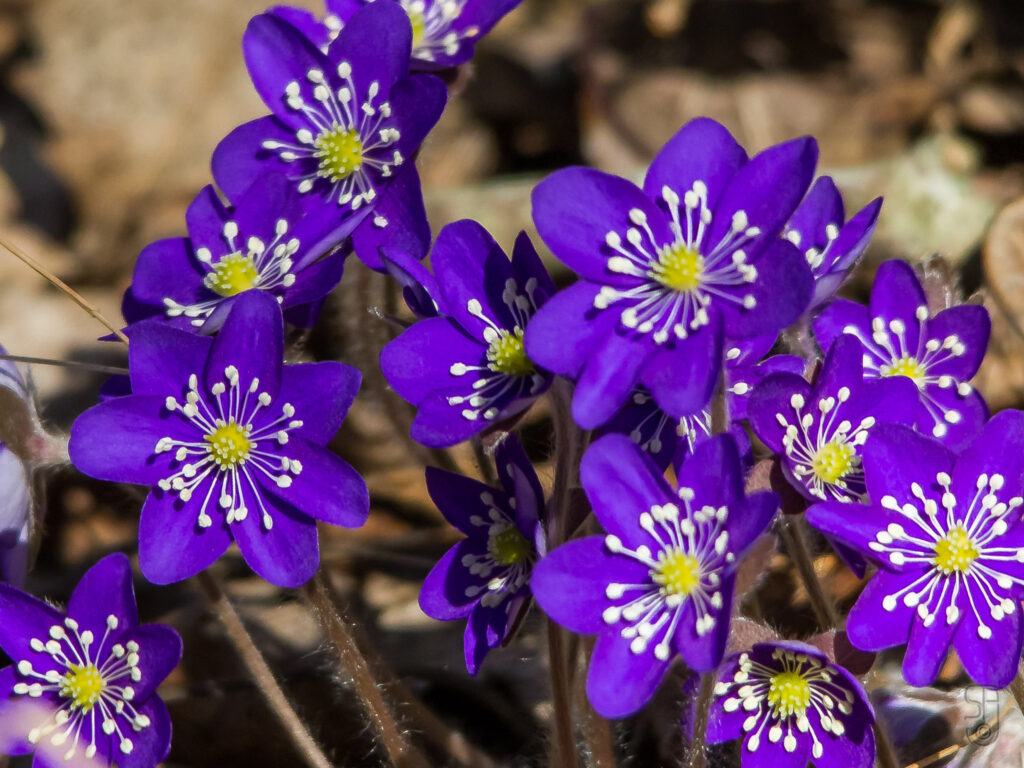
Hepatica is a small woodland wildflower that can bloom very early, sometimes while old leaves are still everywhere. The flowers may be white, pink, lavender, or blue, and they sit on short stems above fuzzy buds. You can find it in wooded areas with well-drained soil, often on slopes or near rocks. Since the blooms are small, it helps to walk slowly and scan the ground ahead.
One nice thing about hepatica is that the flower color can vary a lot even within the same area. That makes a short trail loop more interesting because each plant can look slightly different from the last. The older leaves often remain on the plant, which gives you another clue when searching. On cool days, the flowers may stay partly closed, so a sunny patch of trail can improve your chances of seeing them open.
Spring Beauty
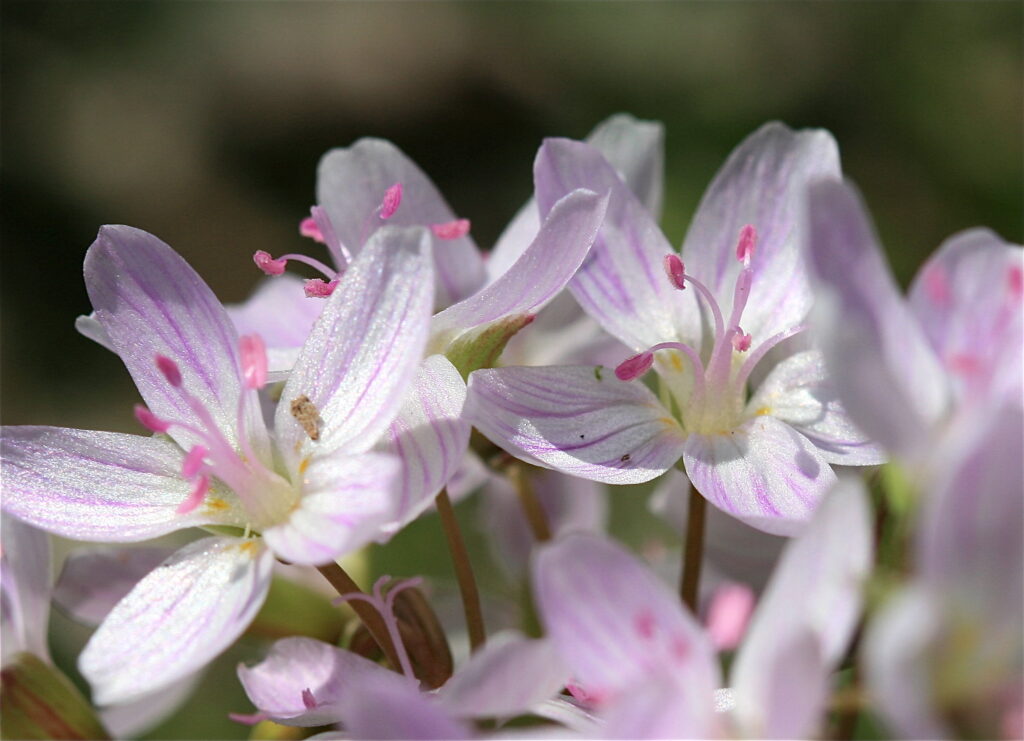
Spring beauty is a tiny flower that rewards careful walkers. Its petals are usually pale pink or white with darker pink stripes, and the thin grass-like leaves can make it easy to overlook at first glance. In early March, it may start appearing in woods, meadows, and open trails depending on your region and weather. When a patch is in bloom, the ground can look lightly dusted with pink.
The flowers open more fully in sunlight, so they often look best later in the day when the trail has warmed up. Because the blooms are small, this is a good one for turning a walk into a mini spotting game with kids. You can crouch down and notice the stripe pattern, which gives the petals more detail than people expect. It is a quiet flower, but once you notice it, you start seeing it all over the place.
Trout Lily
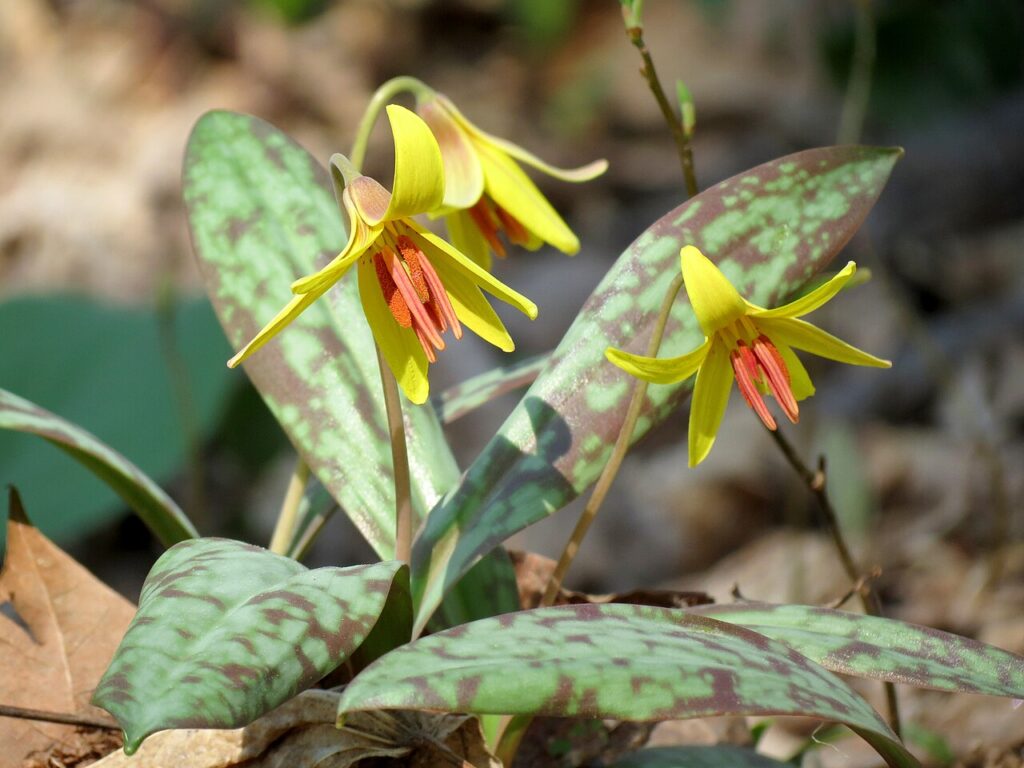
Trout lily is known for its mottled leaves, which look speckled and give the plant its common name. The yellow flower hangs downward and has petals that curve back as it opens, giving it a graceful shape. It grows in moist woodlands and can form large colonies, though not every plant blooms each year. On an early March walk, you may first notice the patterned leaves before the flowers appear.
That leaf pattern is a great clue and makes the plant interesting even before peak bloom. In places where the flowers are open, the yellow color stands out beautifully against the forest floor. Trout lily patches can feel like a hidden seasonal event because they often appear in the same spots year after year. If your walk includes a shaded woodland section, it is worth slowing down and checking for them.
Wood Anemone
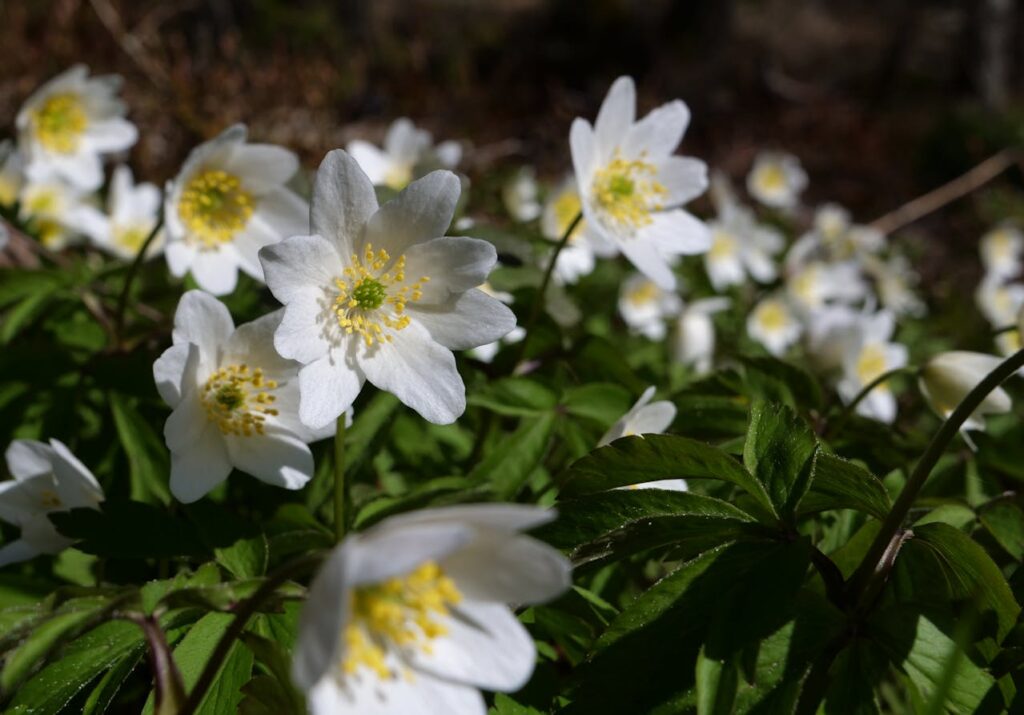
Wood anemone is a delicate woodland flower with star-like white blooms that sway on thin stems. It often appears in early spring when sunlight still reaches the forest floor before trees leaf out. You may spot it in small groups in wooded trails, especially in places with rich soil and some moisture. The flowers can look simple from far away, but they have a graceful shape up close.
Wind and changing light can make these blooms open and close, so they do not always look the same from one hour to the next. That gives them a gentle, shifting look that fits quiet morning walks. They pair well with other early woodland flowers, so a good patch can have several species close together. If you enjoy slower nature walks, this is one of the prettiest small flowers to watch.
Daffodil (Wild or Naturalized)
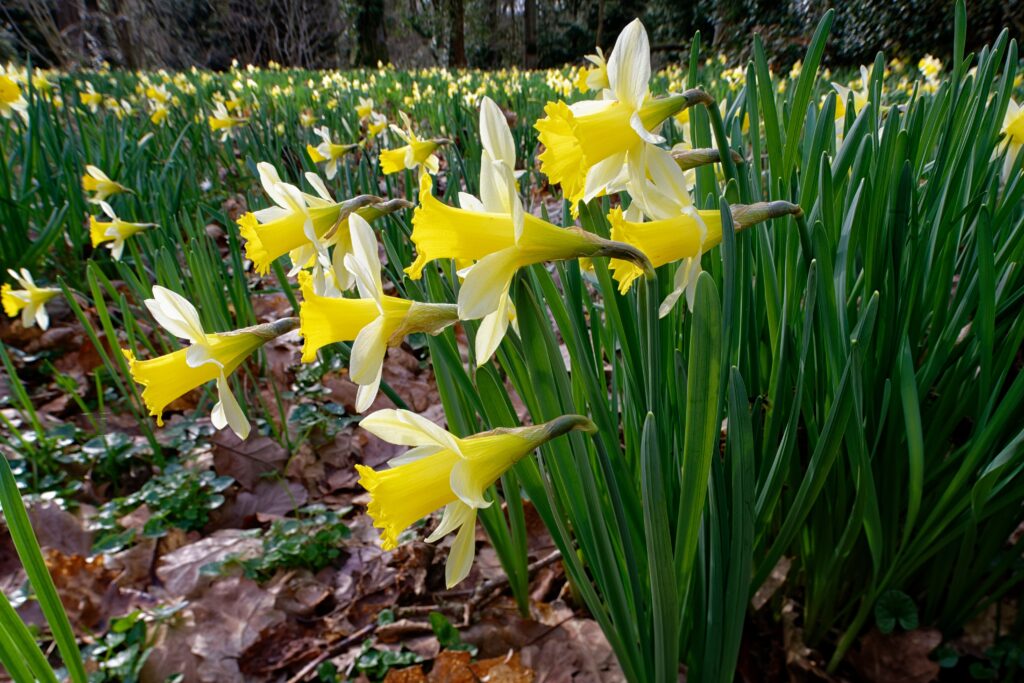
Naturalized daffodils are often one of the easiest early spring flowers to spot on a walk. While they are not native wildflowers in many places, old plantings can spread and return year after year along roadsides, near homesteads, and at trail edges. Their yellow or white trumpet-shaped blooms are bright, familiar, and hard to miss. In early March, they can add a strong splash of color when native flowers are still just starting.
They are especially useful in an article like this because many families will see them on everyday walks close to home. A cluster of daffodils can make a short route feel more seasonal without needing a long hike. Children tend to notice them quickly because the flowers are large and the color is so clear. If your walk passes older neighborhoods, parks, or country roads, you have a good chance of seeing some.
This article originally appeared on Avocadu.