
11 Whodunit Novels Where the Clues Were There All Along
There is a special pleasure in realizing the answer was there all along. These whodunit novels trust readers to connect the dots themselves. The storytelling relies on careful placement rather than shock value. Each twist feels justified when the mystery comes together. Dive in and see which books reward attentive reading.
This post may contain affiliate links, which helps keep this content free. Please read our disclosure for more info.
The Murder of Roger Ackroyd
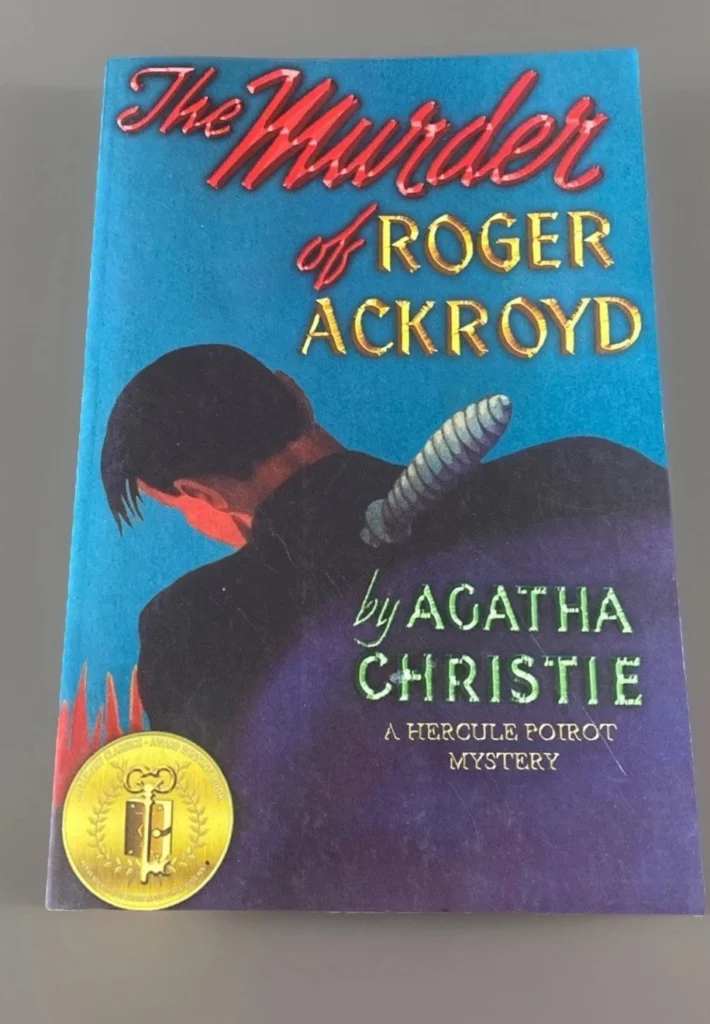
This novel changed how readers think about mystery storytelling. Agatha Christie presents a quiet English village where every detail feels ordinary at first glance. The narrator guides readers through interviews, routines, and small observations that seem harmless. Looking back, the clues were placed carefully within plain conversation and structure.
The solution feels surprising yet fair once revealed. Christie relies on reader trust rather than misdirection through spectacle. Each scene carries weight when reconsidered after the ending. It remains one of the most discussed whodunits for good reason.
And Then There Were None
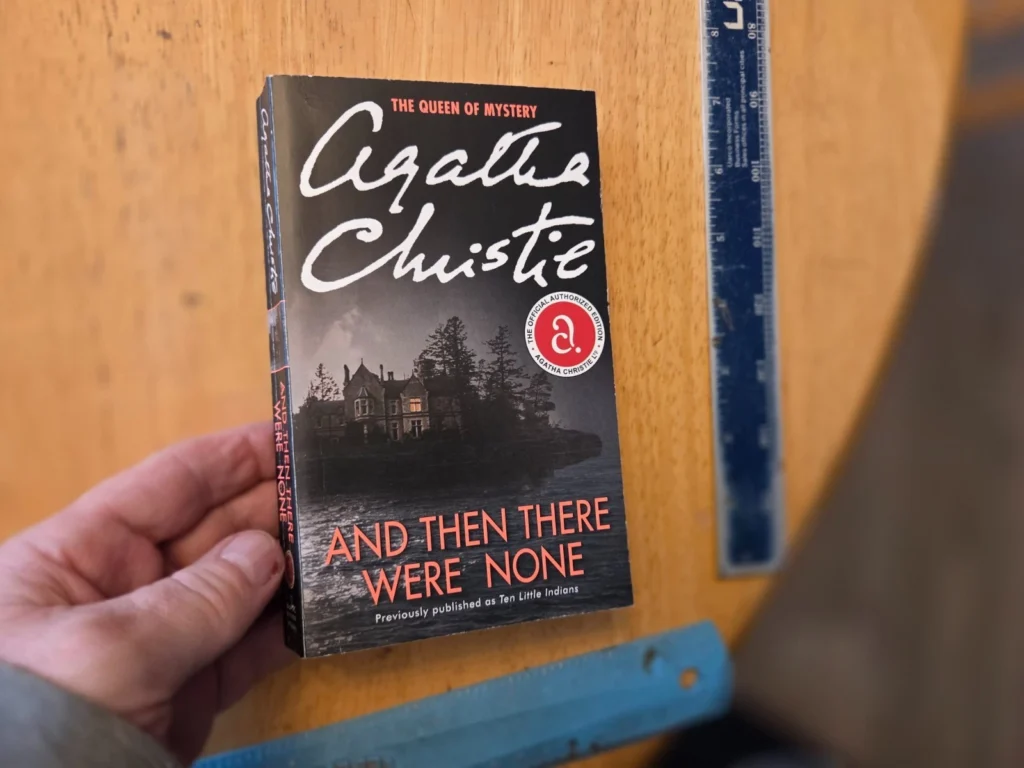
This story places strangers on an isolated island with no clear escape. Each guest carries a hidden past, and tension rises with every chapter. The rhyme that guides the events seems like a simple device at first. Careful readers can trace the logic behind each move.
The clues are woven into timing, language, and structure rather than objects. Christie lays out the entire framework early on. The final explanation rewards readers who paid attention to order and motive. It stands as one of the tightest mystery constructions ever written.
The Big Sleep
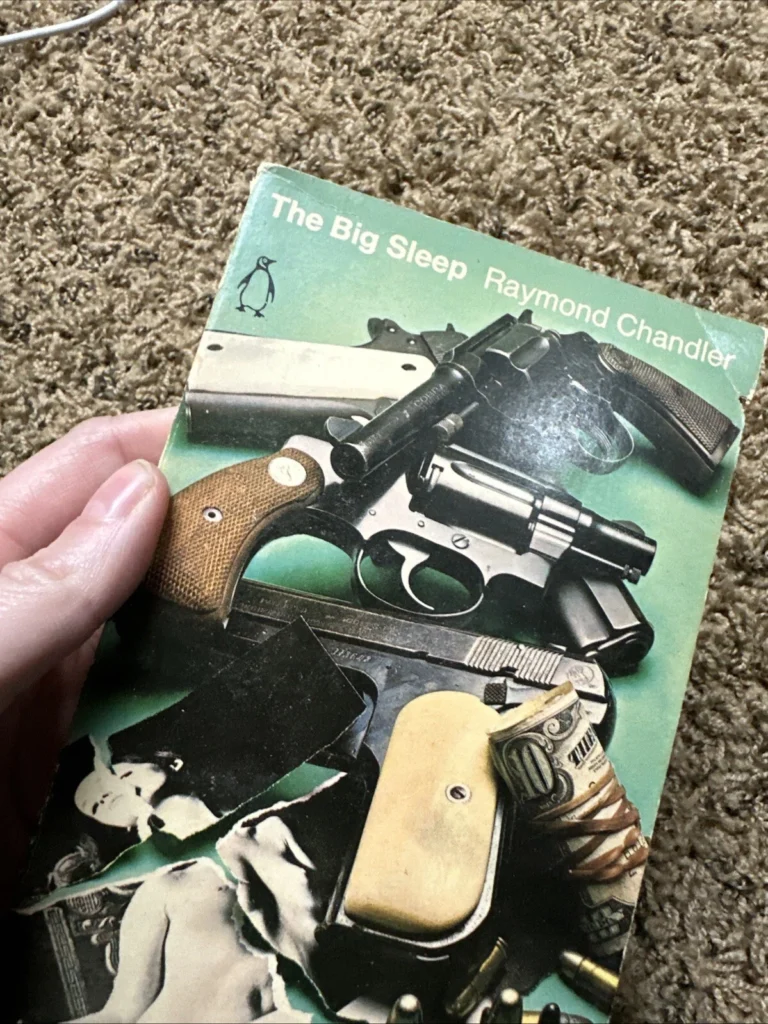
Raymond Chandler introduces Philip Marlowe through a case filled with layered secrets. The plot appears messy on the surface, filled with side characters and shifting motives. Small comments and casual encounters hold more meaning than they first suggest. Chandler trusts readers to remember what seems unimportant.
The truth reveals itself through character behavior rather than a single reveal. Dialogue plays a key role in guiding careful readers. Each clue fits naturally into the world of the story. The novel rewards close reading more than quick judgment.
The Maltese Falcon
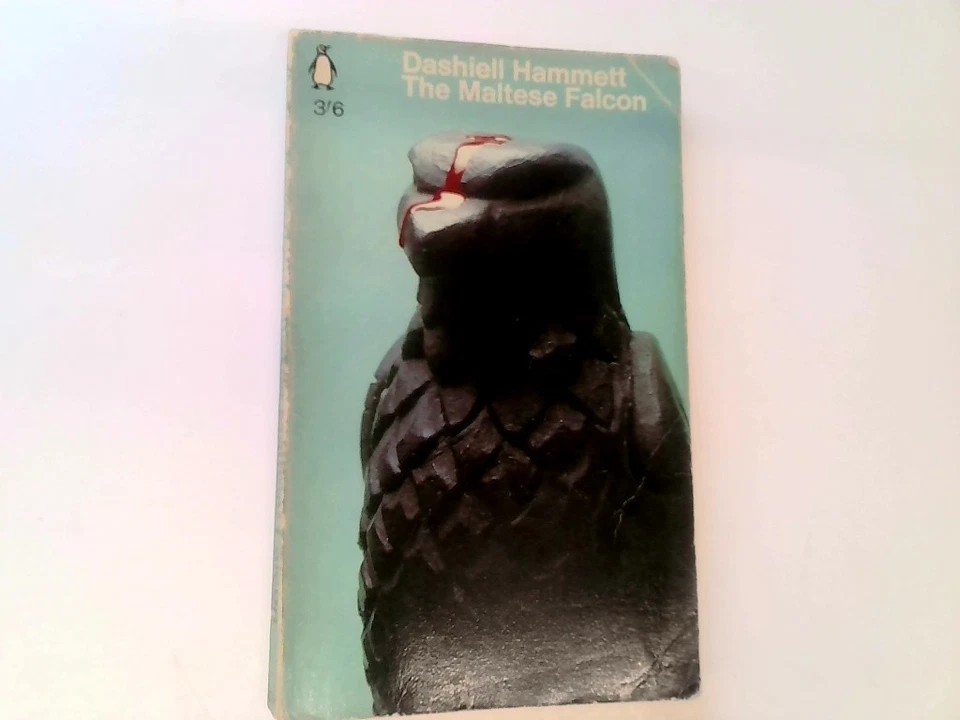
This novel centers on greed, deception, and shifting alliances. Every character speaks with intent, even when appearing honest. Hammett places clues in repeated phrases and patterns of behavior. Nothing is accidental, even when scenes feel chaotic.
The ending reflects decisions made throughout the story. Readers can trace the outcome by following loyalty and self interest. The mystery respects logic over shock. It remains a landmark example of fair play storytelling.
Gaudy Night
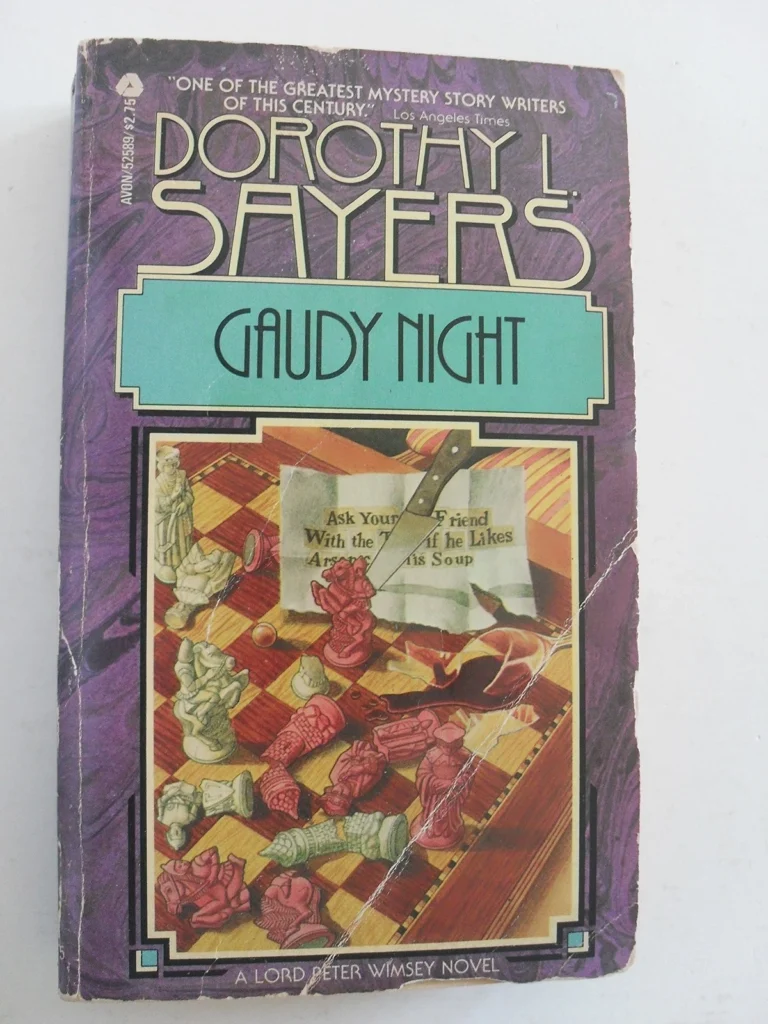
Set within an academic setting, this mystery unfolds through subtle tension. Dorothy L Sayers focuses on intellect, relationships, and moral questions. The clues appear through letters, routines, and academic politics. Each detail builds slowly without drawing attention to itself.
The solution depends on understanding human motive rather than hidden evidence. Readers who notice shifts in tone gain an advantage. The mystery grows clearer through reflection rather than speed. It is a thoughtful example of clue driven storytelling.
The Moonstone
Often cited as one of the earliest detective novels, this story uses multiple narrators. Each voice offers partial truth shaped by personal bias. Clues appear through contradiction and repetition. Collins expects readers to compare accounts carefully.
The mystery unfolds through memory and misinterpretation. Nothing is concealed from the reader outright. The final answer feels logical once perspectives are aligned. It set many standards that later mysteries followed.
The ABC Murders
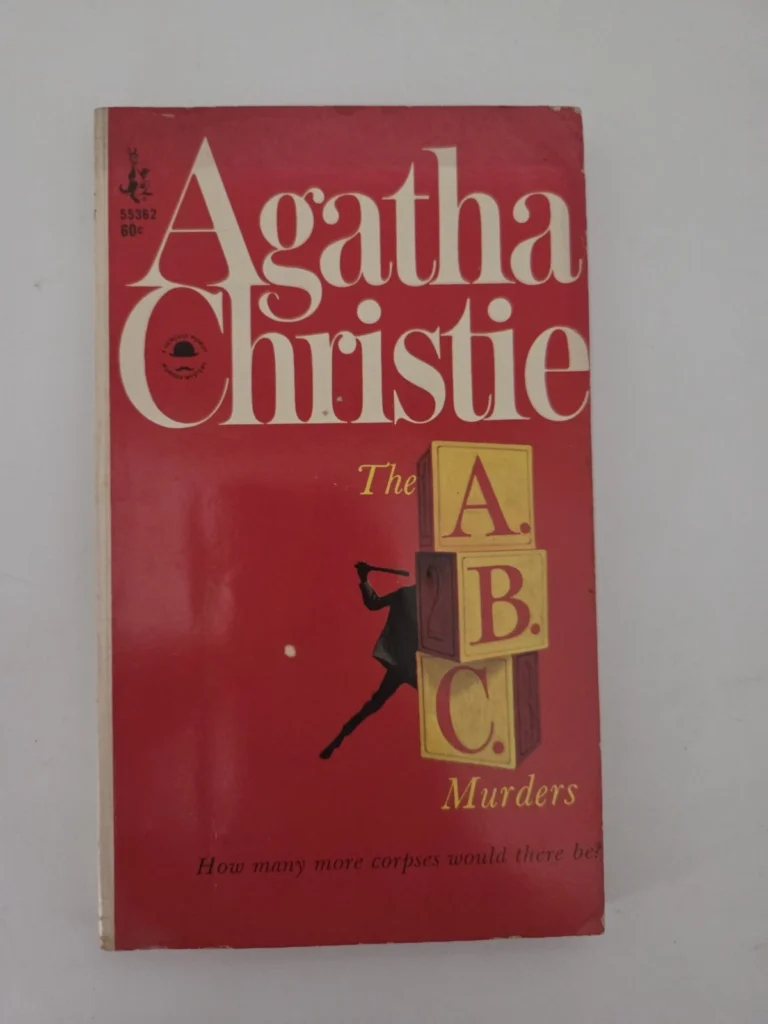
This novel presents a pattern that seems impossible to ignore. Alphabetical murders appear to follow a clear structure. Christie places emphasis on what looks obvious. Meanwhile, quieter inconsistencies sit beneath the surface.
The solution depends on recognizing what does not belong. Readers who question the pattern gain insight early. Every clue appears openly within the narrative. The twist feels earned rather than forced.
The Name of the Rose
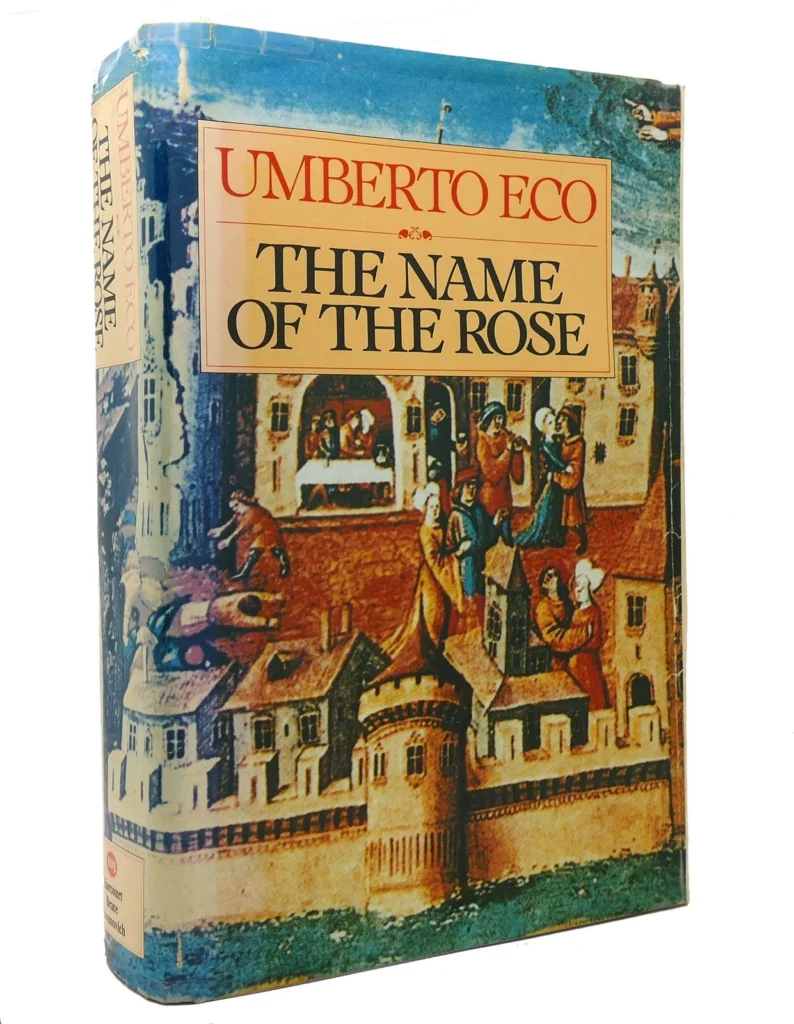
Set in a medieval monastery, this novel layers philosophy with mystery. Eco fills the story with symbols, texts, and routines. Each murder follows a consistent logic tied to knowledge and power. The clues exist within structure rather than objects.
Readers who track patterns gain insight into motive. The solution reflects themes introduced early. Nothing appears without purpose. It rewards readers willing to engage deeply with the setting.
The Girl with the Dragon Tattoo
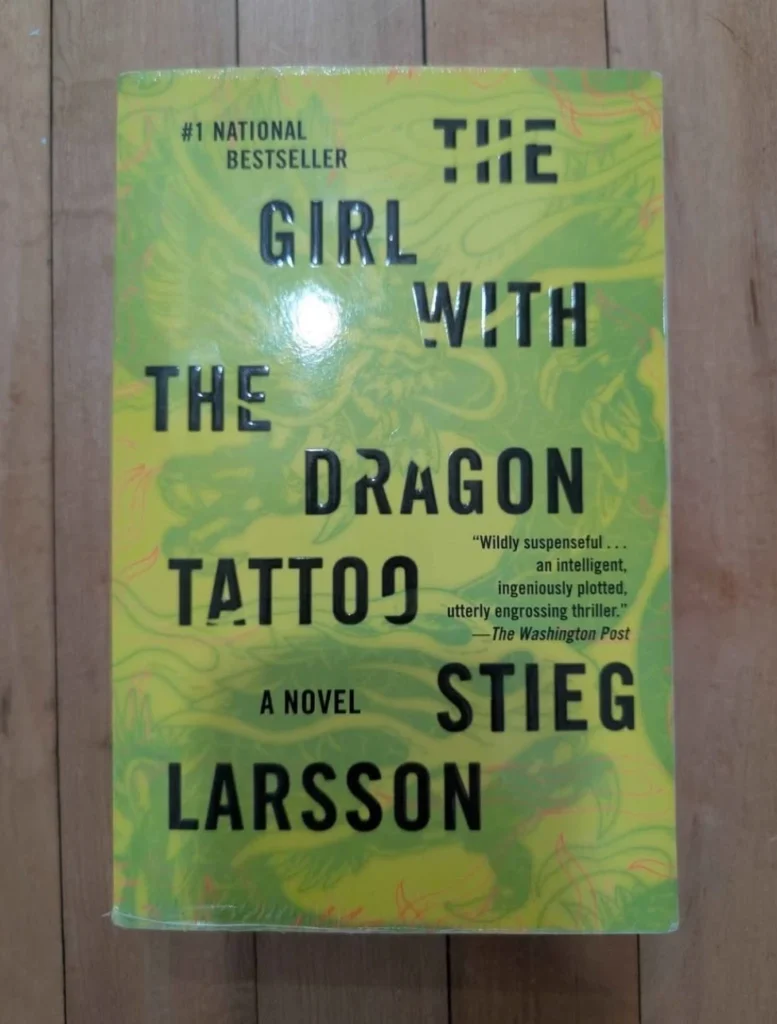
This mystery relies on records, timelines, and persistence. Larsson places clues in archives, photographs, and family stories. The investigation moves slowly by design. Each discovery builds on earlier information.
The truth feels inevitable rather than sudden. Readers who track names and dates gain insight early. Nothing appears without groundwork. The mystery values patience and detail.
The Seven Deaths of Evelyn Hardcastle
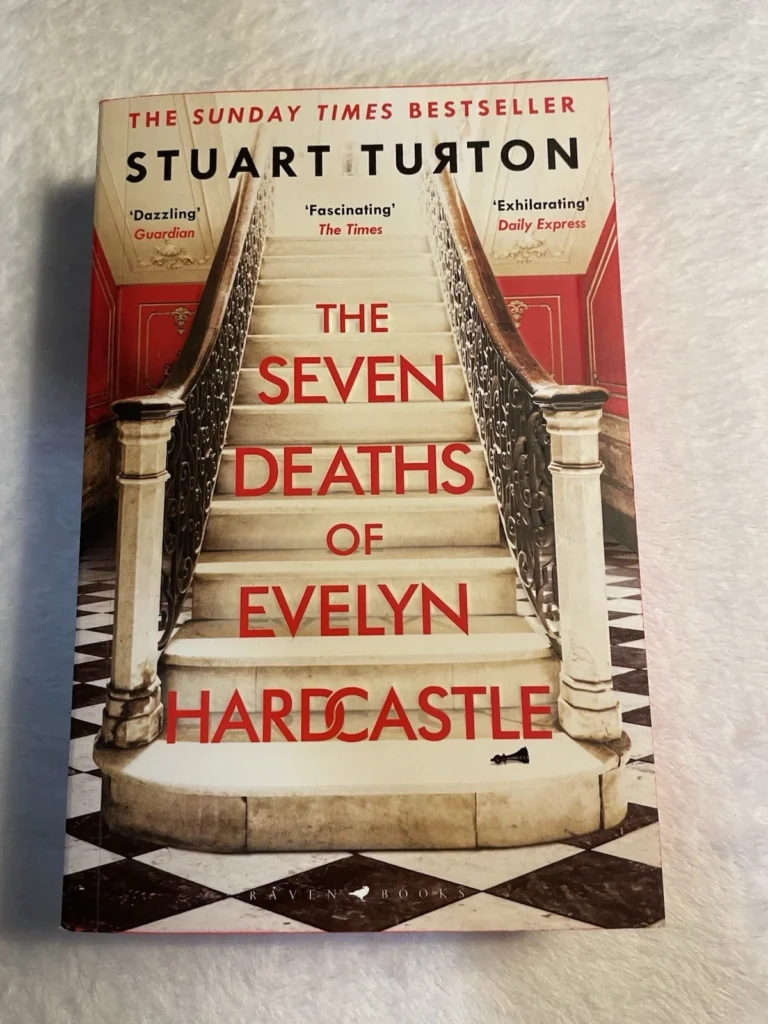
This novel plays with time and perspective while remaining fair. Each shift reveals new context for the same events. Clues repeat in different forms. Readers are invited to notice patterns.
The solution relies on accumulated observation. Every version of events adds meaning. Turton provides all necessary information. The mystery rewards careful comparison.
Magpie Murders
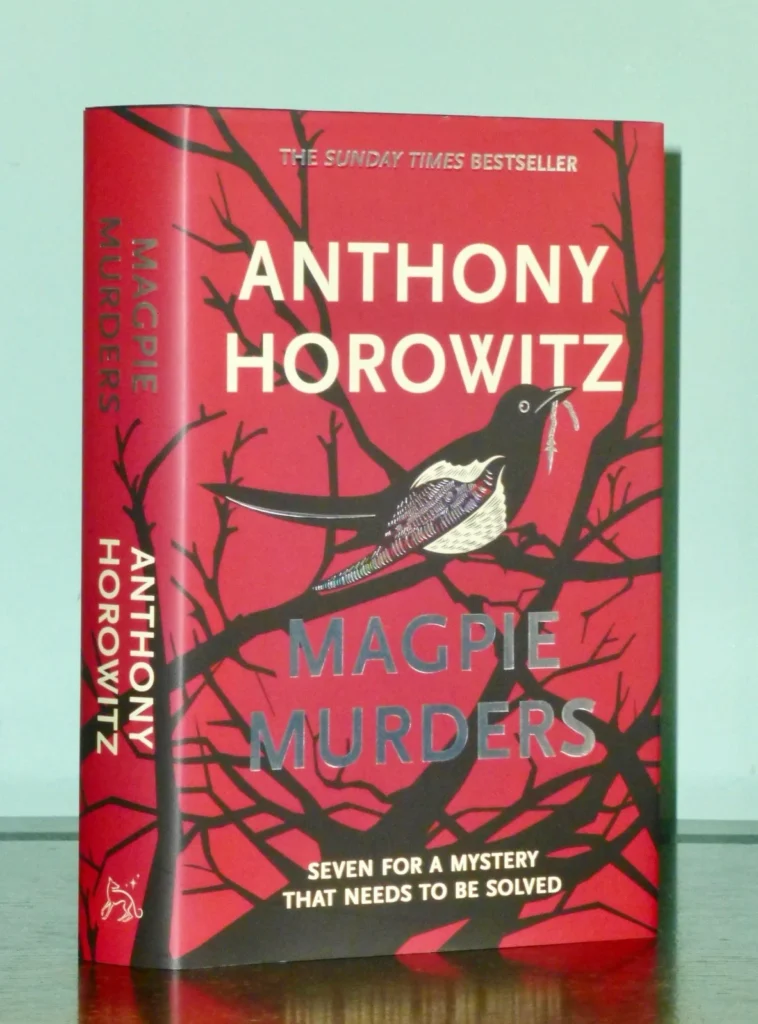
This story features a mystery within a mystery. Horowitz places clues in both narratives. Readers must track inconsistencies between them. Each detail serves a clear purpose.
The solution connects structure with motive. Attentive readers can trace the logic early. The novel respects classic mystery rules. It feels like a conversation with genre history.
This article originally appeared on Avocadu.