
13 White Blooming Spring Plants That Make a Yard Look Fresh
Spring is a great time to fill the yard with flowers that look simple and beautiful. White blooming plants can make outdoor spaces look calm, bright, and well cared for. They also mix nicely with other colors, so they are easy to work into many types of gardens. So go ahead and take a look at a few lovely options for the season.
This post may contain affiliate links, which helps keep this content free. Please read our disclosure for more info.
White Tulip
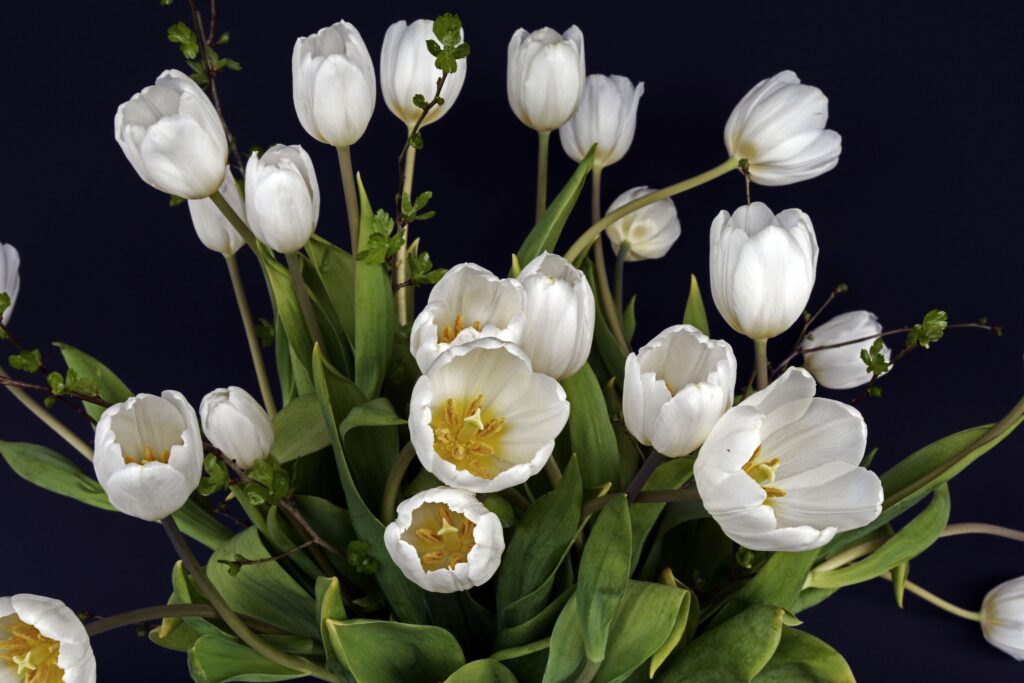
Few spring flowers give a yard such a clean and bright look as white tulips. Their smooth cup-shaped blooms stand neatly above green leaves and bring a crisp look to beds and borders. They work well in formal gardens, though they also suit looser planting styles. In spring light, their pale petals can make the whole area look lighter and calmer.
Planted in groups, white tulips usually make the strongest visual impact. They like sunny spots and soil that drains well, which helps the bulbs stay in good shape. These flowers pair nicely with purple, pink, or soft blue spring blooms. Since they bloom for a shorter stretch, many gardeners mix them with other spring plants for a longer display.
White Daffodil
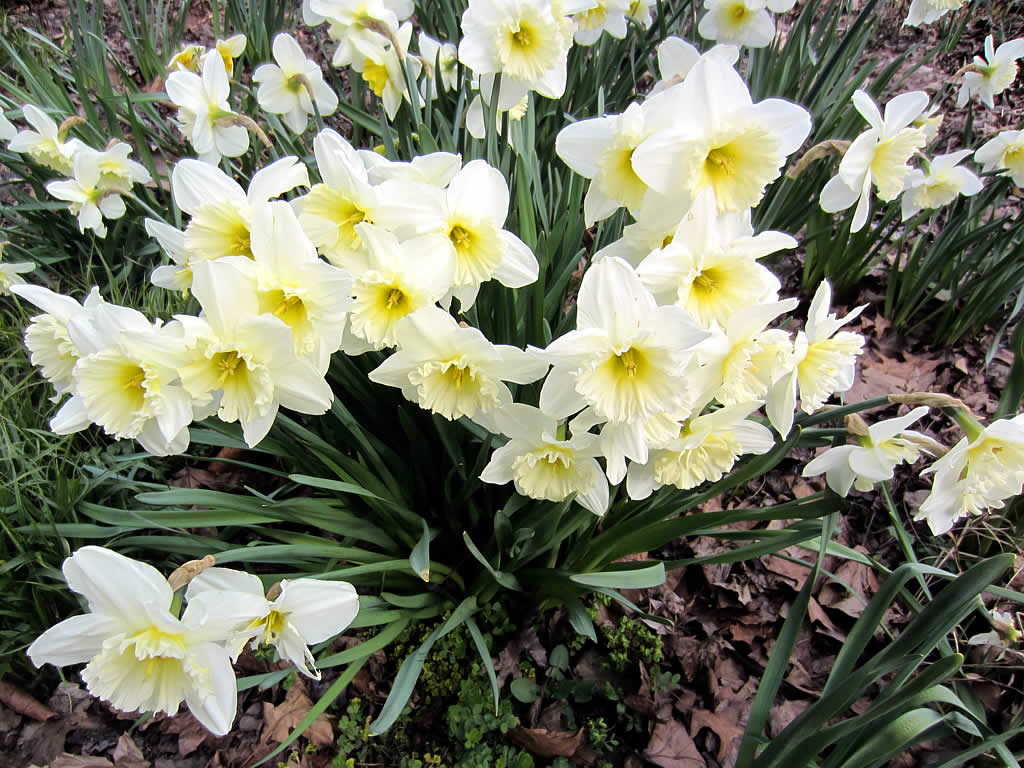
A patch of white daffodils can make a yard feel soft and tidy at the start of spring. Their petals often frame a small pale center, which gives them a gentle and polished look. They stand up well to cool weather and return with cheerful color when much of the garden is still waking up. This makes them a welcome sight after winter.
In borders or under trees, white daffodils can brighten spaces without looking too heavy. They do best in sun or light shade and prefer soil that does not stay soggy. Many gardeners like them because deer and rabbits often leave them alone. Once settled, they can come back year after year with little fuss.
White Hyacinth
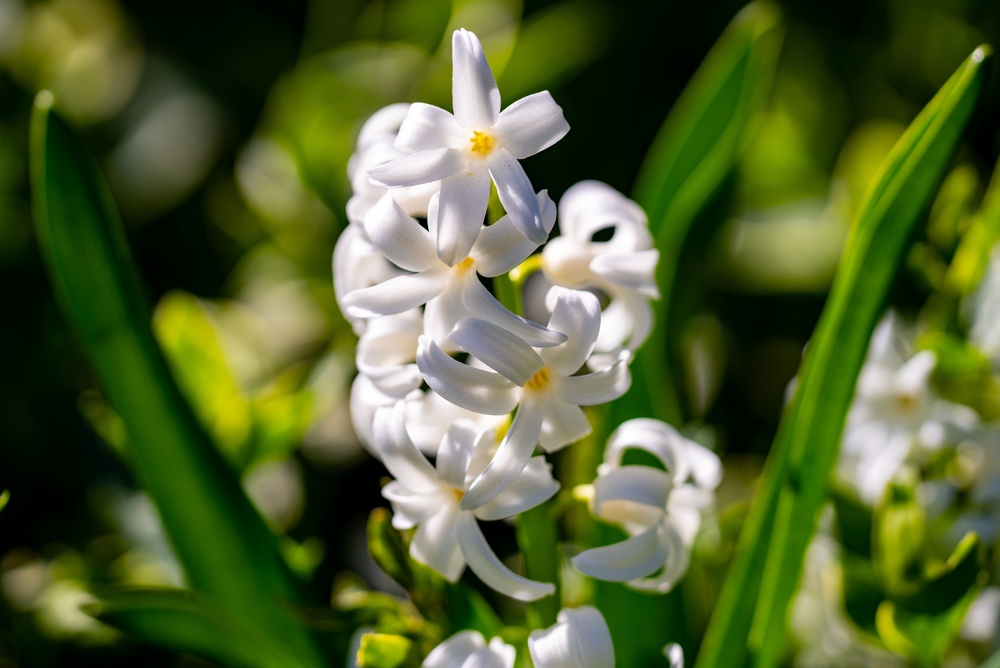
There is something lovely about white hyacinths opening with their full clusters of blooms. Their thick flower spikes give garden beds a fuller look, while the pale color keeps the effect soft. These plants also bring a sweet scent, which can make walkways and entry areas feel extra pleasant. Even a small planting can stand out nicely.
Near porches or paths, white hyacinths are especially nice because their fragrance is easy to notice. They like sunny places and loose soil that drains well after rain. Their compact size makes them useful for pots as well as flower beds. Since the blooms are dense and tidy, they add shape as well as color.
Candytuft
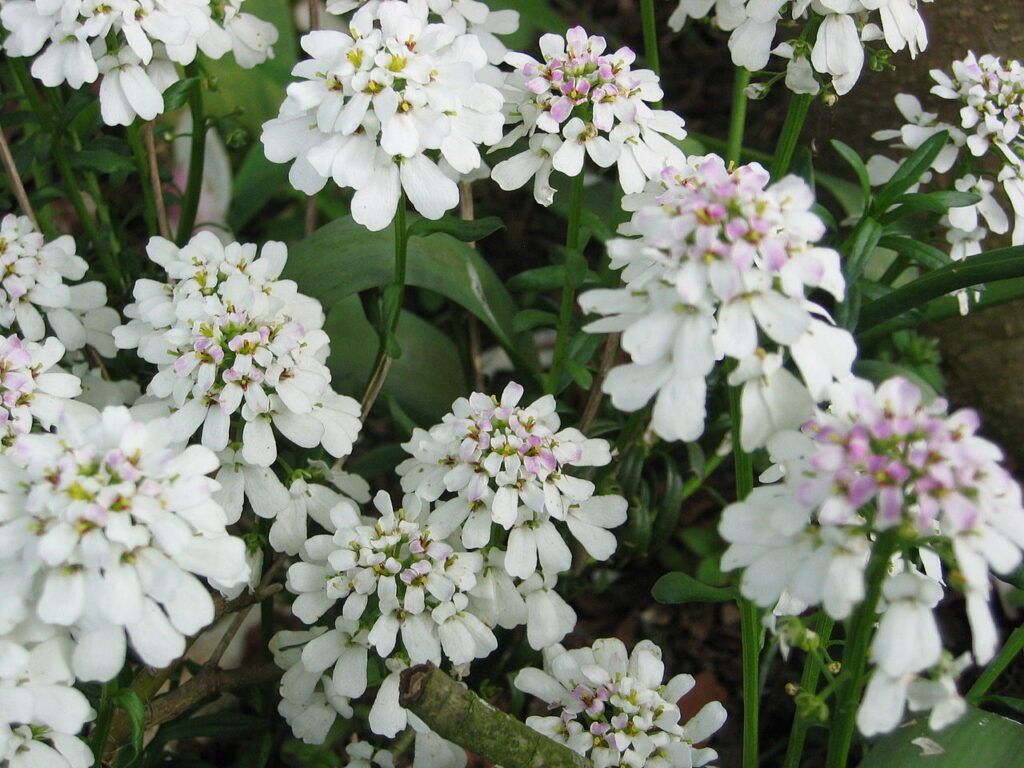
White candytuft can give the front of a border a soft cloud of bloom in spring. The flowers are small, though they appear in such thick clusters that the plant can look almost covered in white. This low-growing plant works nicely where you want the yard to feel neat and bright. It is especially useful along edges and paths.
At the front of beds, candytuft forms a gentle mound that helps soften hard lines. It likes full sun and soil with good drainage, which keeps the plant happy through the season. The evergreen leaves can still look nice even after flowering ends. Because of its low shape, it pairs well with taller spring flowers behind it.
White Bleeding Heart
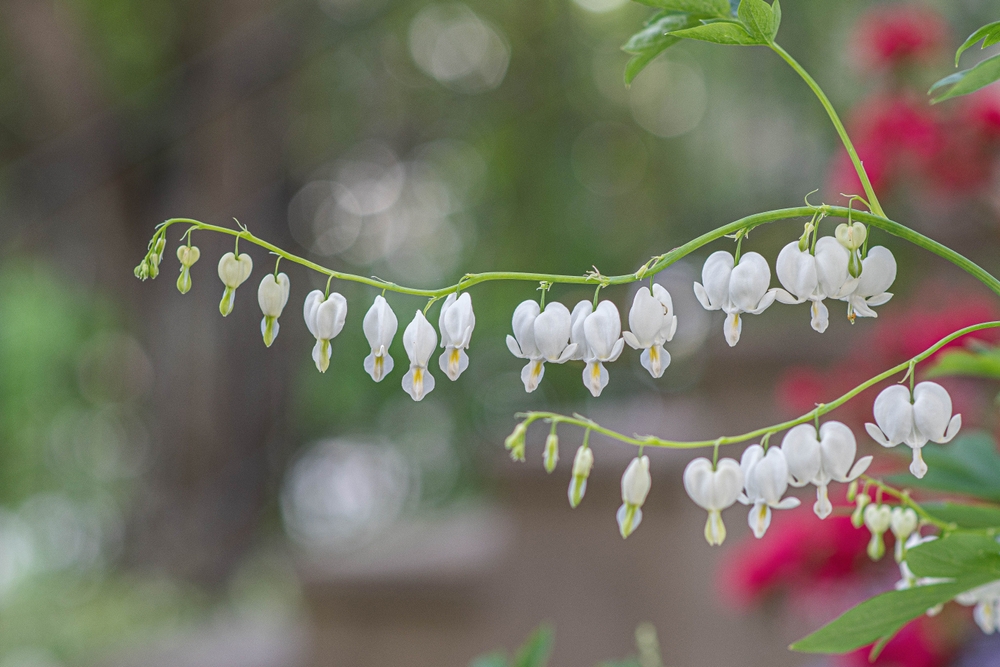
Some shade gardens feel much lighter once the white bleeding heart starts to bloom. Its arching stems carry heart-shaped flowers that hang with a soft and graceful look. The pale blooms stand out well against fern-like leaves, which adds contrast without looking harsh. This plant can bring a calm feeling to quieter corners of the yard.
In part shade, white bleeding heart often looks right at home beside hostas and ferns. It likes soil that stays somewhat moist, especially while it is actively growing. As the weather warms, the plant may slow down and fade back earlier than some others. For that reason, many gardeners place it with later growing plants that can fill the space.
White Primrose
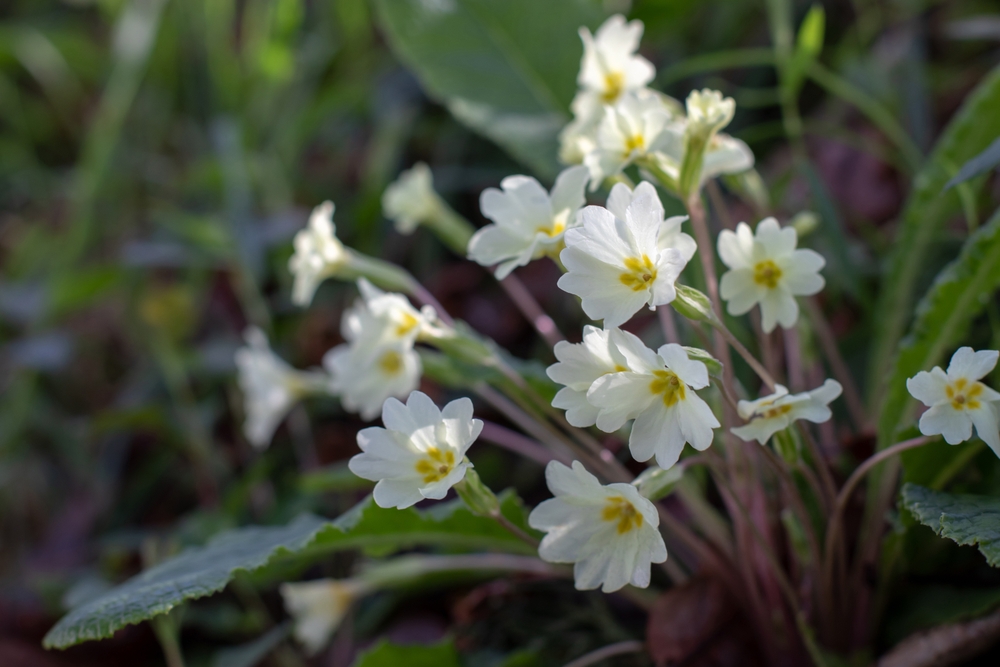
White primrose has a simple charm that suits spring gardens very well. Its blooms sit low among green leaves and bring a gentle brightness to beds, borders, and containers. Because the flowers appear close to the ground, they can make a yard feel softer and more settled. Their clean color also works nicely with many other spring shades.
In cooler spots, white primrose can bloom well when planted in moist, rich soil. It often does nicely in part sun, especially where spring weather warms up fast. The compact growth makes it useful for edging and small garden spaces. Since the flowers have a friendly and easy look, they fit into many styles of yard.
White Camellia
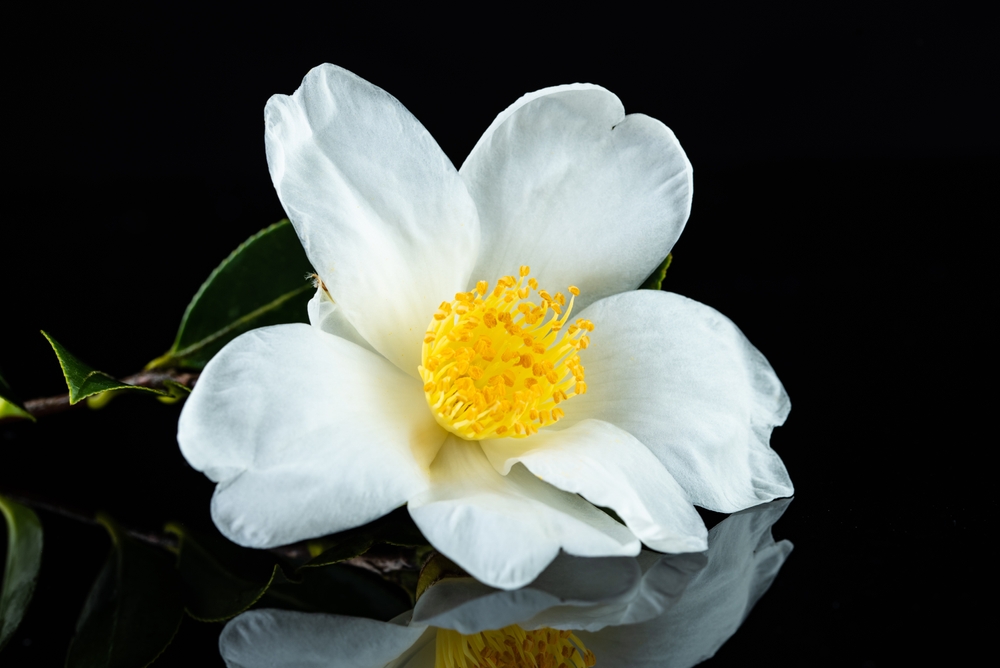
A blooming white camellia can make a spring yard look polished and calm. Its flowers are often full and layered, which gives the shrub a rich appearance without feeling too flashy. The glossy dark leaves help the white petals stand out even more. That mix of dark green and white gives the yard a very clean look.
In part shade, camellias can work as strong anchor plants in the landscape. They like soil with good drainage and usually prefer some shelter from harsh afternoon heat. Fallen petals may need a little cleanup, though many gardeners feel the show is worth it. Once the shrub is established, it can give the yard structure long after bloom time ends.
White Azalea
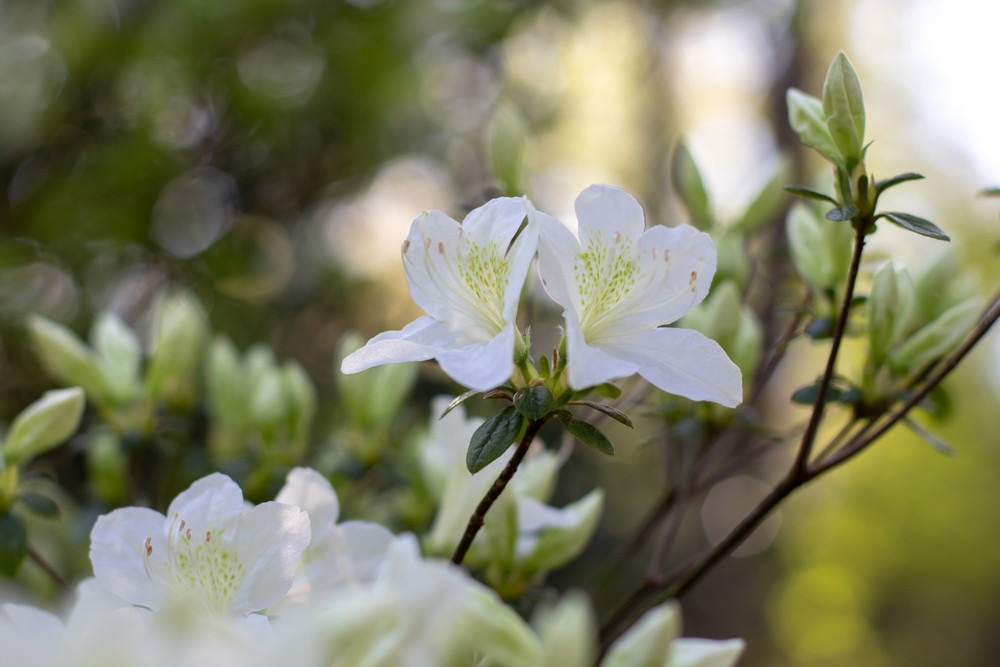
When white azaleas bloom, they can brighten a yard in a very noticeable way. The shrub often gets covered in flowers, which creates a light and airy effect through the landscape. Their soft white petals help shady or wooded areas feel more open. This can make the whole yard seem calmer during spring.
Around foundations or woodland-style plantings, white azaleas fit in very naturally. They do best in part shade and like soil that is rich and drains well. Mulch can help keep the roots cooler and hold moisture during dry stretches. Since they flower in such abundance, they can make a strong seasonal statement without loud color.
White Hellebore
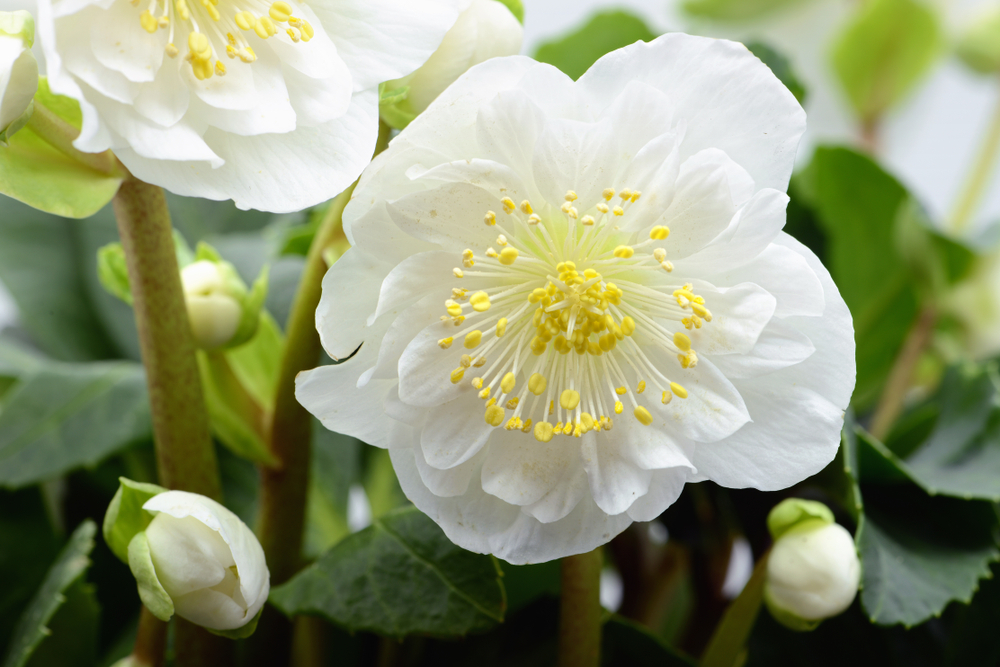
Early in the season, white hellebores can bring life to a yard before many other plants are ready. Their nodding blooms have a quiet beauty that suits shaded beds and garden paths. The pale flowers seem to glow against darker leaves, which helps the area feel cleaner and more awake. This is one reason many gardeners value them so highly.
Under trees or along shaded borders, hellebores can hold their place well for years. They prefer part shade and soil that drains but does not dry out too fast. The leathery leaves often stay attractive after the flowers fade. Because they bloom so early, they help bridge the gap between winter and the fuller days of spring.
White Phlox
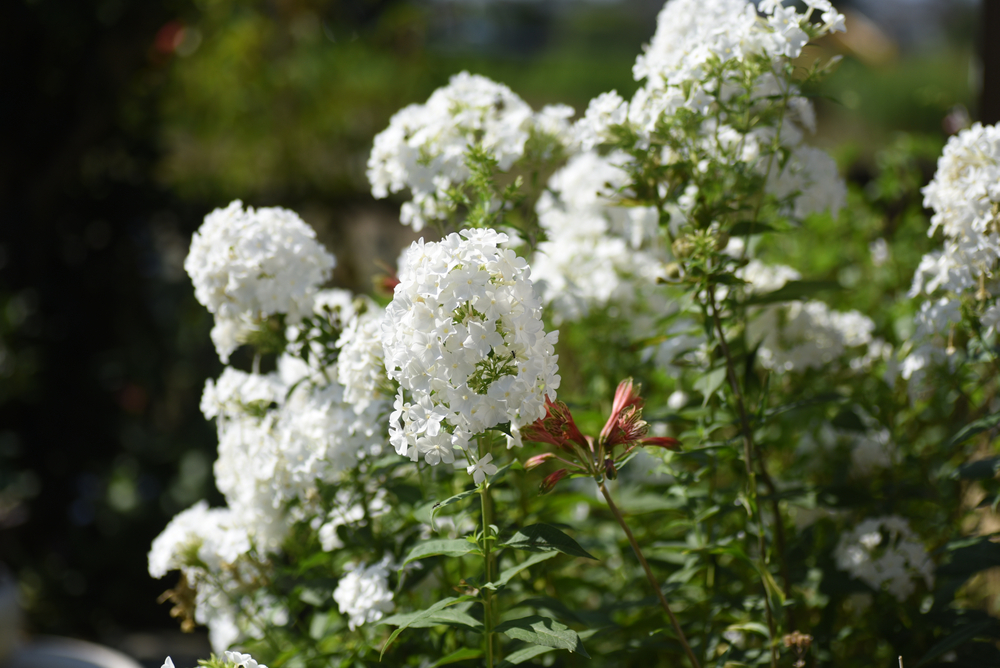
White creeping phlox can cover a slope or border edge with a blanket of bloom in spring. The mass of small flowers gives the yard a soft and bright sweep of color that feels very cheerful. Its low spreading habit makes it useful where you want to fill space and soften the ground. Once in bloom, it can draw a lot of attention.
Along retaining walls or front edges of beds, white phlox is especially pretty. It likes full sun and soil that drains well, which helps it stay tidy and bloom well. After flowering, a light trim can keep the plant looking neat. This is a good choice for anyone who wants a wide patch of spring color near the ground.
White Anemone
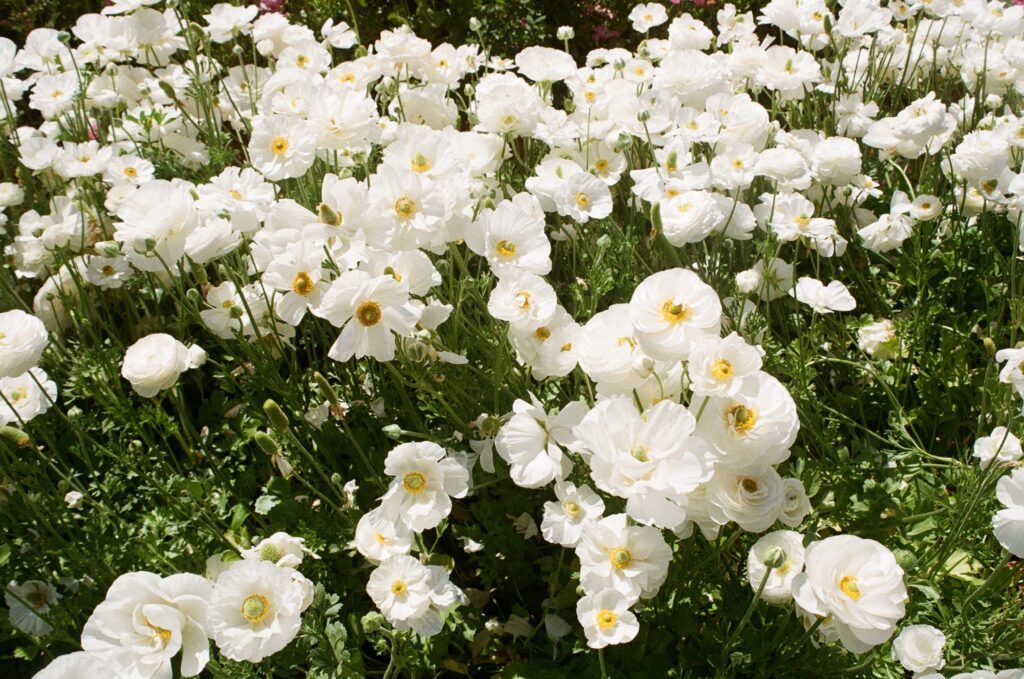
A stand of white anemones can make a spring yard feel airy and calm. Their petals are light and open, and the flowers often move gently in the breeze. That soft movement gives the garden a relaxed and natural look. Against green leaves, the white blooms feel crisp without being too stark.
In part shade or filtered sun, white anemones can add charm to borders and woodland gardens. They like soil that stays lightly moist and does not become waterlogged. Their bloom shape gives a different look than fuller flowers like tulips or camellias. Because of that, they bring variety to spring plantings while still keeping the yard bright.
White Forget Me Not
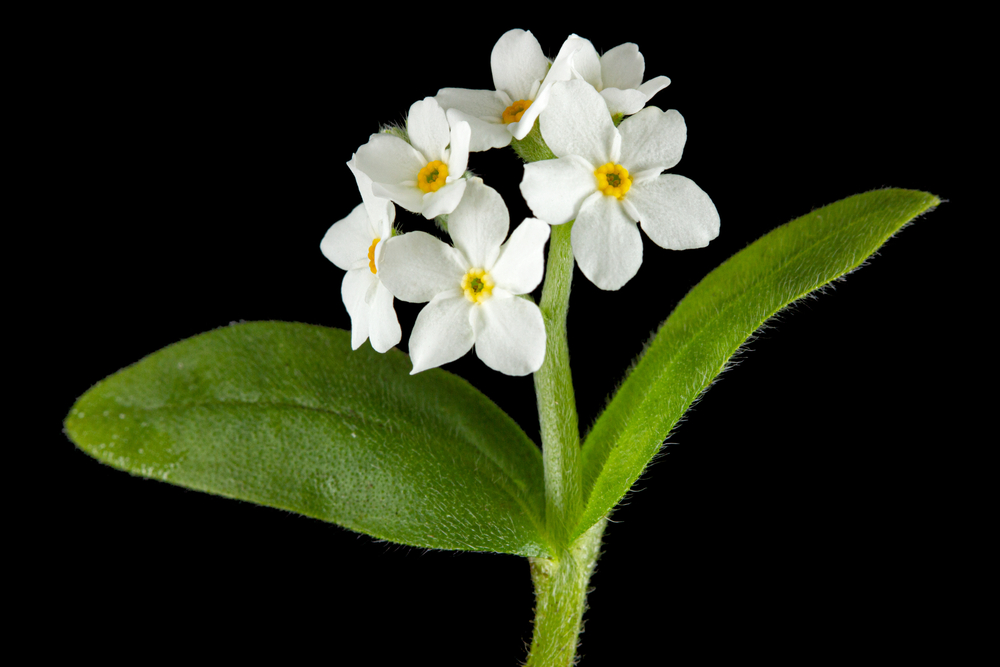
Small flowers can still make a yard look very put together, and white forget-me-not is a good example. Its tiny blooms gather in clusters that soften beds and fill gaps between larger plants. The pale flowers bring a gentle brightness that feels easy and natural in spring. They are especially pretty in cottage-style gardens.
Between bulbs and other spring flowers, white forget-me-not helps tie the planting together. It does best in cooler spring weather and likes soil that stays a bit moist. Many gardeners use it as a filler because it adds color without taking over the whole space. Its smaller scale makes it useful where a lighter touch is wanted.
White Lilac
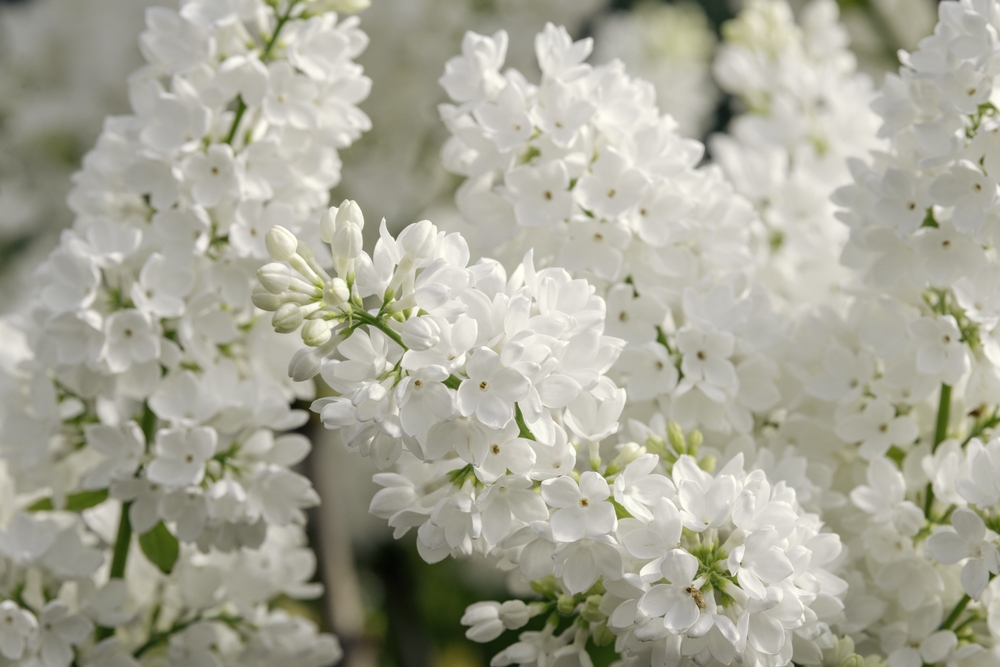
Nothing makes a spring yard feel quite as lovely as a blooming white lilac. Its flower clusters are full and soft-looking, and the scent can drift through the garden on mild days. That mix of fragrance and pale bloom color gives the yard a very welcoming feel. A mature shrub in flower can become one of the main sights of the season.
Near patios, fences, or along the back of a border, white lilac can make a strong impression. It likes full sun and benefits from good air flow around the branches. Pruning after flowering can help the shrub keep a nice shape over time. Since the bloom period is such a highlight, many gardeners plant it where they can enjoy it up close.
This article originally appeared on Avocadu.