
11 Wetlands That Were Restored and Filled With Wildlife Again
Many wetlands were once considered useless land and were drained or filled in. Over the years people began to realize how important these watery habitats are for wildlife and the environment. Restoration efforts slowly brought water, plants, and animals back to places that had nearly disappeared. Today, these wetlands once again support thriving ecosystems. Read on to see how these landscapes changed and what lives there now.
This post may contain affiliate links, which helps keep this content free. Please read our disclosure for more info.
Florida Everglades, United States
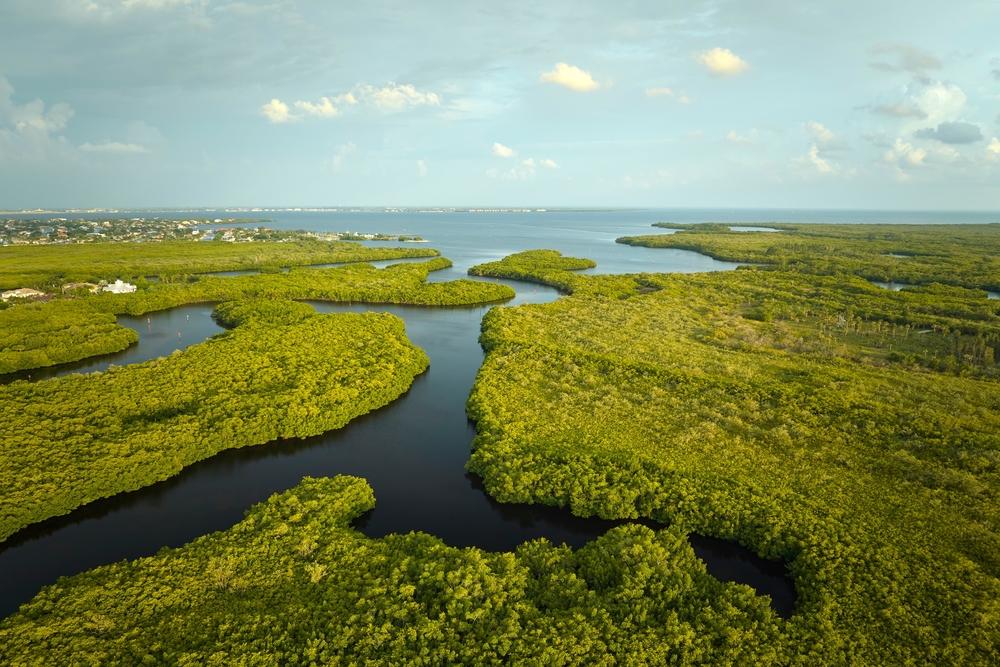
The Florida Everglades is one of the largest and most famous wetland systems in North America. During the twentieth century, canals, levees, and drainage projects changed the natural movement of water across the region. Large areas of marsh dried out while others received too much water at the wrong time of year. Scientists and conservation groups later recognized that restoring the natural flow of water was necessary for the ecosystem to survive. Massive restoration programs began working to reconnect rivers, marshes, and shallow lakes across southern Florida.
As water patterns improved, wildlife gradually returned to many parts of the wetland. Wading birds such as great blue herons, egrets, and roseate spoonbills began nesting in growing numbers. American alligators once again built nests in shallow marsh pools that had previously dried out. Fish, turtles, and amphibians also increased as healthier wetlands supported stronger food chains. The Everglades now serves as a home for hundreds of species of birds, mammals, reptiles, and fish. Wildlife researchers often describe the region as one of the most important wetland habitats in the Western Hemisphere.
Kissimmee River Floodplain, United States
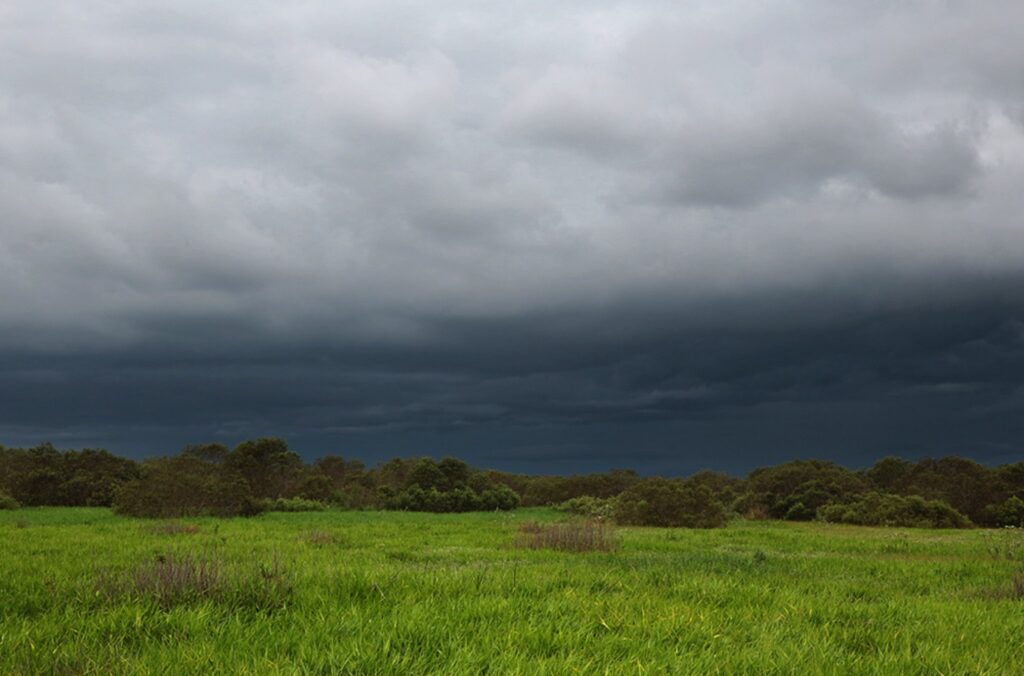
The Kissimmee River once flowed slowly through a winding path across central Florida. In the 1960s, engineers straightened the river into a long canal in order to control flooding. That project drained large sections of the surrounding floodplain wetlands and dramatically reduced wildlife habitat. Birds, fish, and aquatic plants declined as the natural river system disappeared. Several decades later, restoration projects began removing parts of the canal and rebuilding the river’s natural curves. Slowly, the wetlands began returning to life.
The return of flowing water brought rapid changes to the landscape. Native grasses and marsh plants quickly spread across areas that had remained dry for many years. Fish returned to the shallow floodplain pools where they could feed and reproduce. Bird populations rose as species such as wood storks, bald eagles, and sandhill cranes returned to the wetlands. Alligators once again built nesting mounds along the riverbanks. Scientists now record far higher numbers of birds and fish compared with the years before restoration.
Mesopotamian Marshes, Iraq
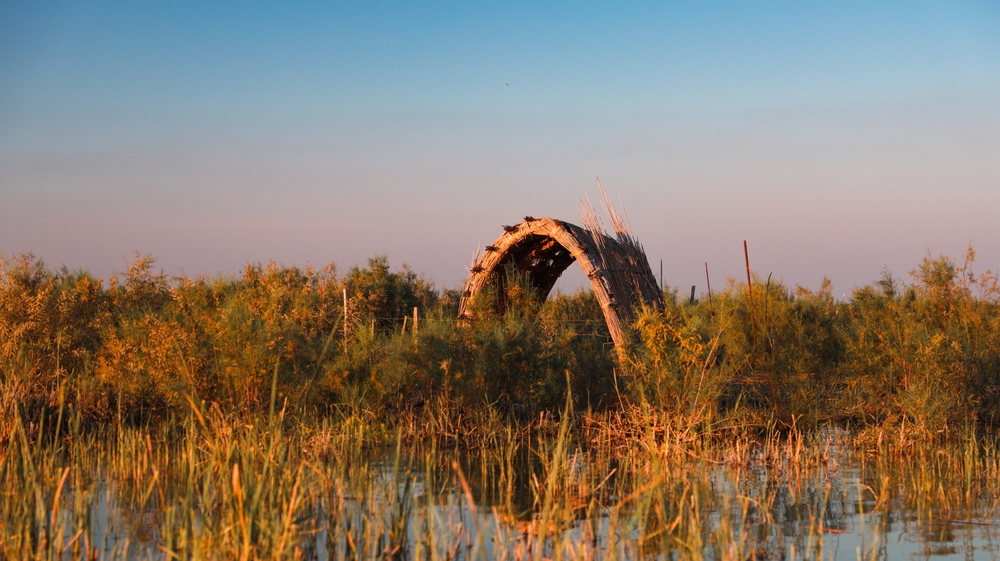
The Mesopotamian Marshes once covered vast areas of southern Iraq between the Tigris and Euphrates rivers. These wetlands supported wildlife and human communities for thousands of years. During the late twentieth century, large portions of the marsh were drained, which forced animals and local residents to leave. Many fish, bird, and plant species disappeared as the wetlands dried out. After the early 2000s, efforts began to allow river water to flow back into the marshlands.
As the marsh refilled, reeds and aquatic plants spread across the shallow water. Fish populations began to grow again as natural breeding areas returned. Water buffalo and other animals once again grazed along the marsh edges. Large numbers of birds returned to nest among the reeds and shallow pools. Scientists observed the return of species that had nearly disappeared from the region. The wetlands once again support fishing, bird life, and traditional lifestyles tied to the marsh.
Danube Delta Wetlands, Romania and Ukraine
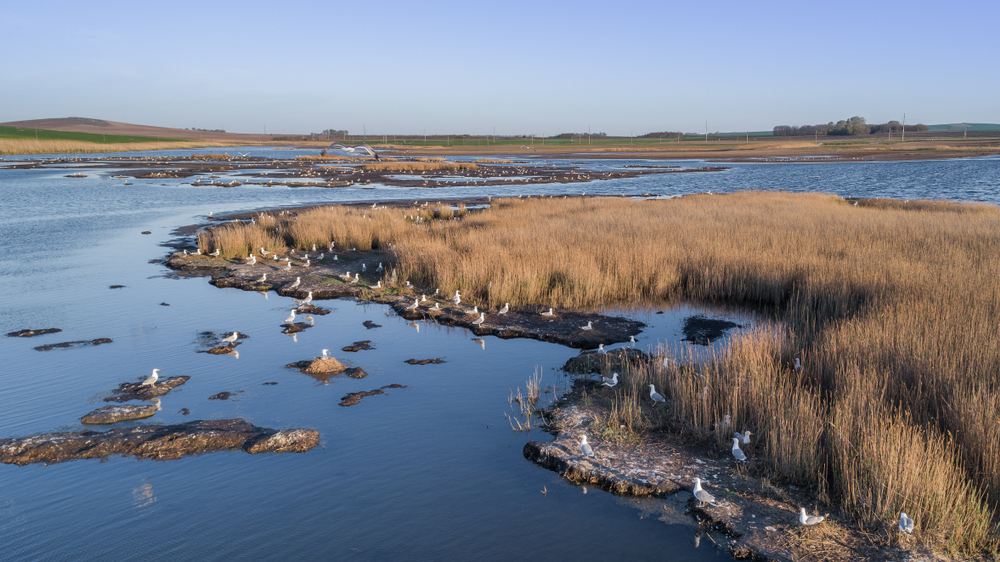
The Danube Delta forms where the Danube River reaches the Black Sea. This region contains a maze of rivers, lakes, and reed filled marshes that support enormous numbers of birds and fish. In the past, sections of the delta were altered by agriculture and water control projects. Some wetlands were drained or separated from the natural river system. Later conservation efforts focused on reconnecting these areas to seasonal flooding. Water channels were reopened, and wetlands were allowed to refill.
With the return of natural flooding, plant life quickly spread across the marshes again. Thick reed beds now cover large sections of the restored wetlands. Pelicans, cormorants, and herons gather in huge colonies during nesting season. Fish populations improved as shallow breeding areas returned to the delta. The region now supports more than three hundred species of birds. Wildlife researchers consider the Danube Delta one of the richest ecosystems in Europe.
Cheonggyecheon Stream Corridor, South Korea
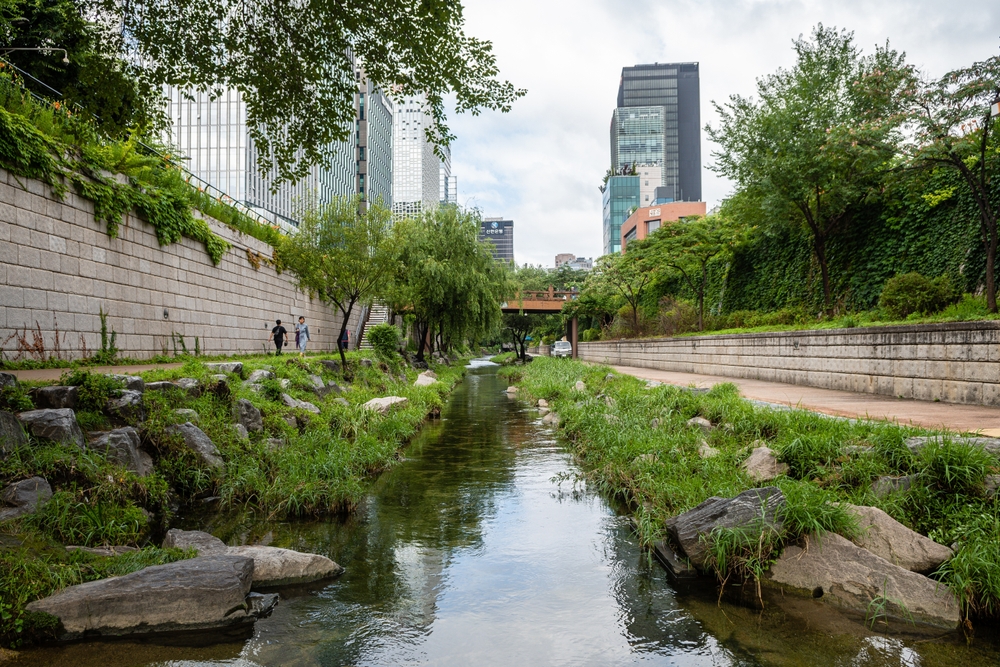
Cheonggyecheon was once a natural stream that ran through Seoul before it was covered and turned into a roadway corridor. When the city later removed the elevated road and reopened the stream, planners rebuilt banks, added wetland plants, and created calmer stretches of water where wildlife could settle. The return of flowing water helped cool the surrounding streets and improved local air quality in the area. Vegetation along the edges created shelter for small animals and places for birds to rest. Over time, the corridor began to function like a long urban wetland, even though it sits in the middle of a major city.
Wildlife returned gradually as water quality improved and plants took hold along the banks. Small fish and aquatic insects became more common, which created food for birds that hunt along shallow edges. Ducks and herons are now seen in certain sections, especially during quieter parts of the day. The planted areas provide cover for nesting and resting, which matters in a city with limited natural habitat. People walking the paths often notice seasonal changes in birds and insects from spring through late autumn.
Napa Sonoma Marsh, United States
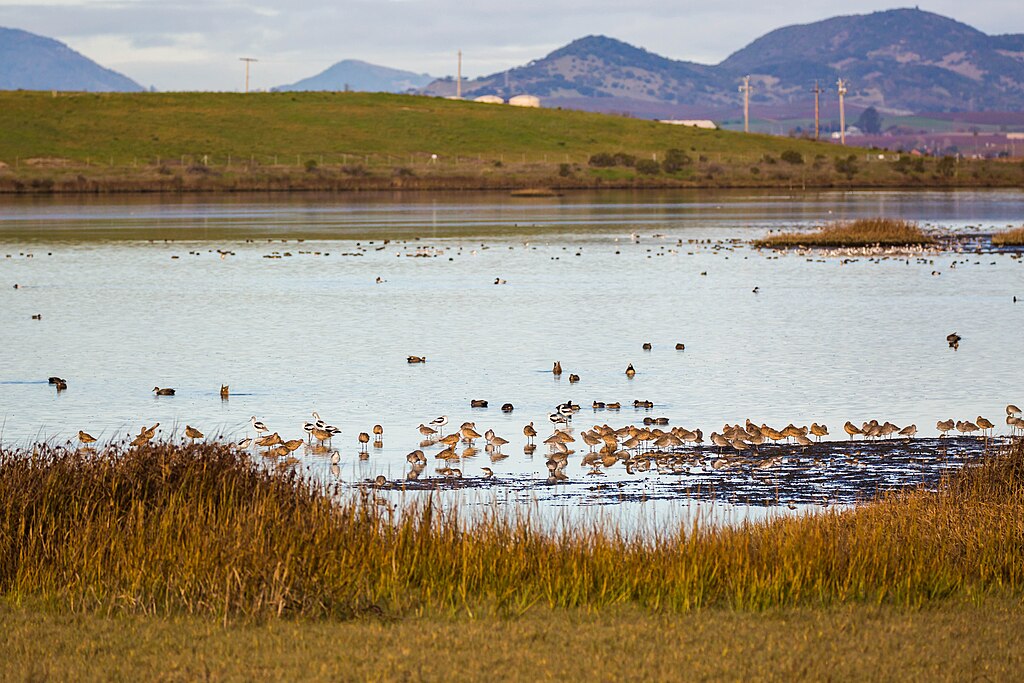
Along the northern edge of San Francisco Bay, the Napa Sonoma Marsh once formed a wide band of tidal wetlands filled with channels and mudflats. Over time, levees and land conversion changed many parts of the marsh and reduced the space available for wildlife. Restoration work later focused on bringing tides back into areas that had been cut off for decades. Levees were breached in some locations so saltwater could move in and out with daily tidal cycles. Once the tidal rhythm returned, native marsh plants began spreading into newly flooded ground.
Tidal wetlands like these are especially important for birds that travel the Pacific Flyway. Shorebirds and ducks feed on small fish and invertebrates that thrive in the mud and shallow water. In parts of the restored marsh, endangered species such as the California clapper rail and the salt marsh harvest mouse have gained habitat. The return of marsh vegetation also supports insects and small prey that sit at the base of the food web. People visiting nearby trails often see flocks of birds moving between open water and thick grasses.
Camargue Wetlands, France
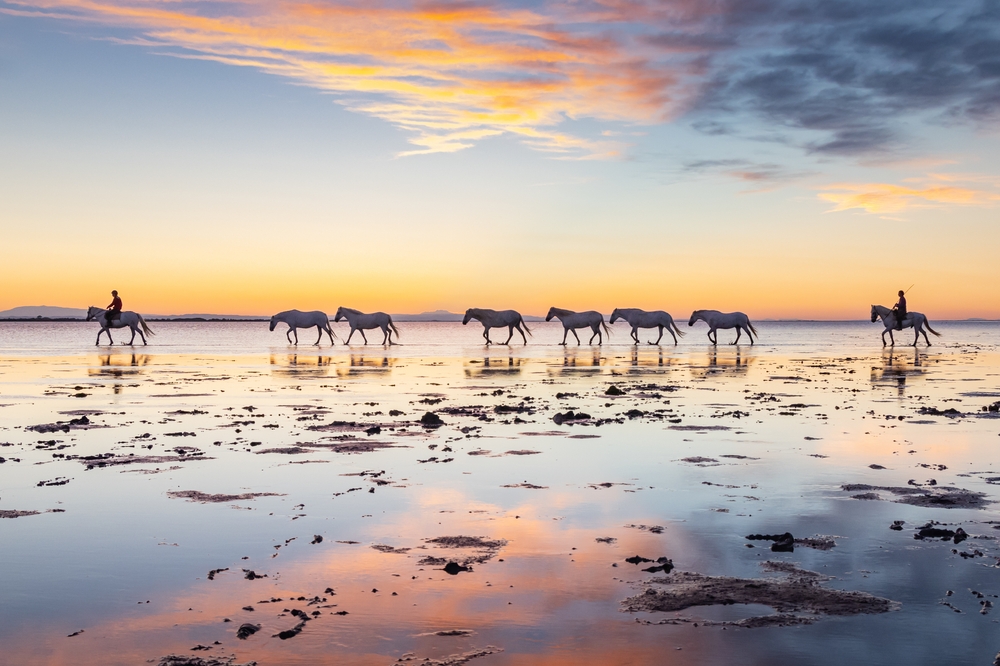
The Camargue sits where the Rhône River meets the Mediterranean Sea, forming a wide delta of lagoons, marshes, and reed beds. Over the years, farming, salt production, and water control altered portions of this coastal wetland. Conservation work has focused on protecting key habitats and managing water levels to support wildlife. Certain areas have been restored through improved water circulation, reed bed protection, and limits on disruptive land use. The result is a wetland that still functions as a working landscape in places, while also supporting large wildlife populations.
Flamingos are the most famous residents, and the Camargue remains one of their best known breeding areas in Europe. Many other birds, including herons, egrets, and ducks, use the marshes for feeding and nesting. The wetland also supports fish and amphibians that rely on shallow warm water in sheltered pools. Seasonal changes in water levels affect where birds gather, which makes the area interesting to visit across different months. Local land managers often balance grazing and water control with habitat protection.
Oostvaardersplassen, Netherlands
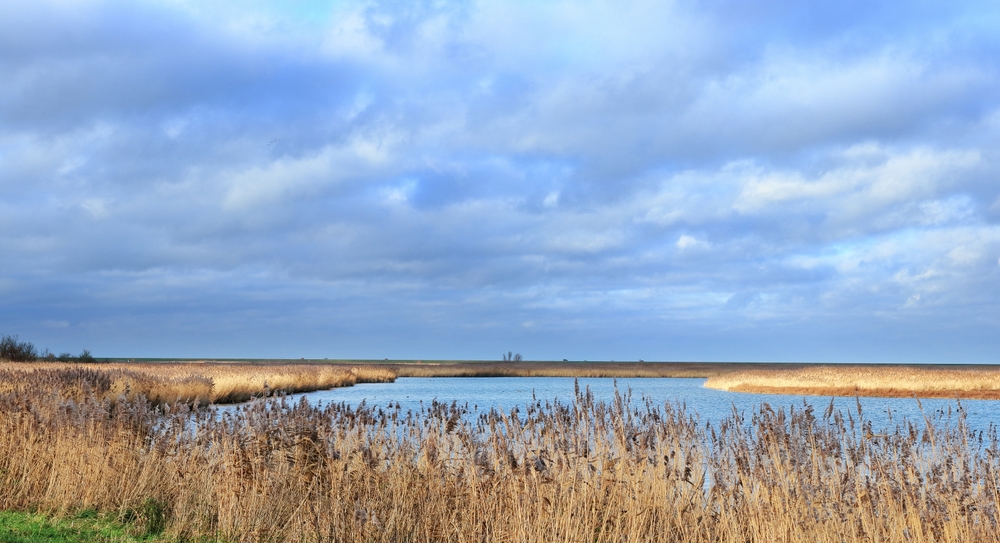
Oostvaardersplassen formed after land reclamation created a low-lying area that filled with water and developed into a marsh and shallow lake habitat. Instead of draining it fully, conservation managers allowed the wetland to develop and later guided parts of it through habitat management. Reed beds expanded, open water areas formed, and wet grassland spread around the edges. This created a large refuge for birds in a country where many wetlands were lost to development and agriculture. Water levels and vegetation growth continue to change, which means the wetland looks different from year to year.
Large numbers of birds use the area during the breeding season and migration. Geese, herons, spoonbills, and many other species gather in the reeds and open water. Grazing animals have also been used in nearby zones to keep some areas open rather than letting everything turn into dense scrub. The variety of habitats supports insects, amphibians, and small mammals that form part of the food chain. Visitors often come for birdwatching because the wetland can hold huge flocks at certain times of year.
Great Fen Project, United Kingdom
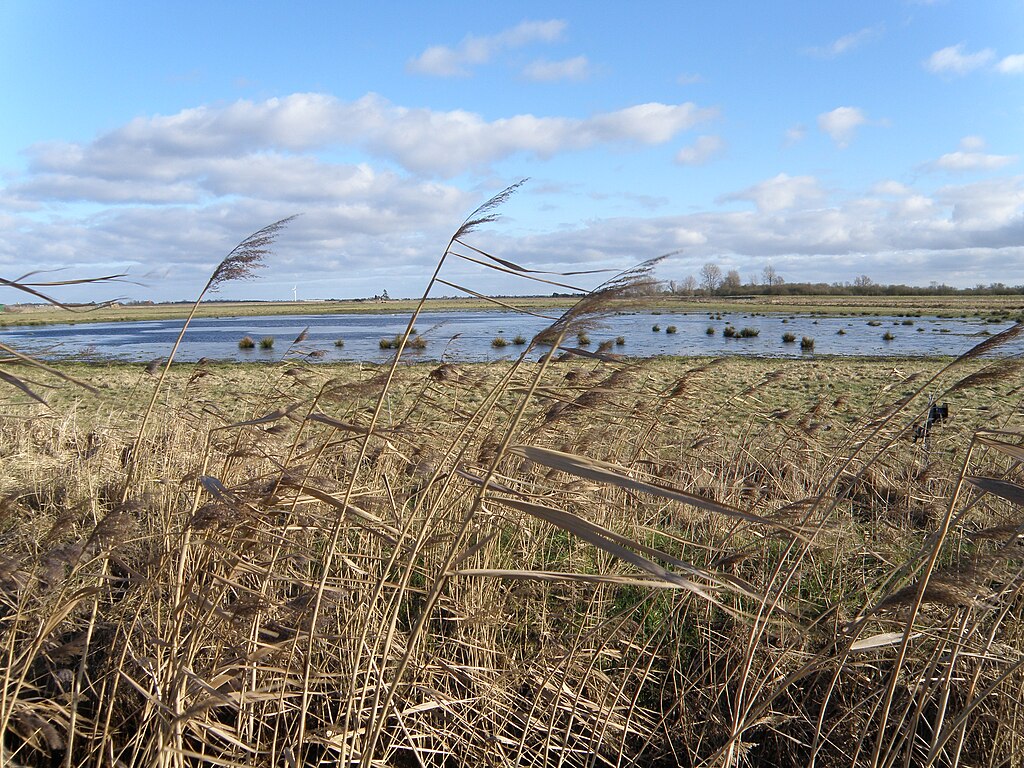
The English Fens were once a vast wetland region, but centuries of drainage turned much of it into farmland. The Great Fen Project is working to reconnect parts of this historic landscape by creating wetland habitat between protected nature reserves. Restoration work has included raising water levels, planting native vegetation, and reshaping land so it can hold water for longer periods. Over time, wetter ground conditions allow reed beds and marsh plants to spread naturally. The project aims to create a larger connected habitat rather than small isolated pockets.
As habitat expands, wetland birds and other species gain new places to live and feed. Species such as bitterns and marsh harriers are often linked to reed bed recovery in fen habitats. Amphibians and insects also benefit from wetter ground and more vegetation cover. The developing wetlands can support breeding areas, feeding sites, and safe travel routes between reserves. People visiting the area often notice that wildlife activity increases as reed beds grow thicker and water stays on the land longer.
Louisiana Coastal Wetlands, United States
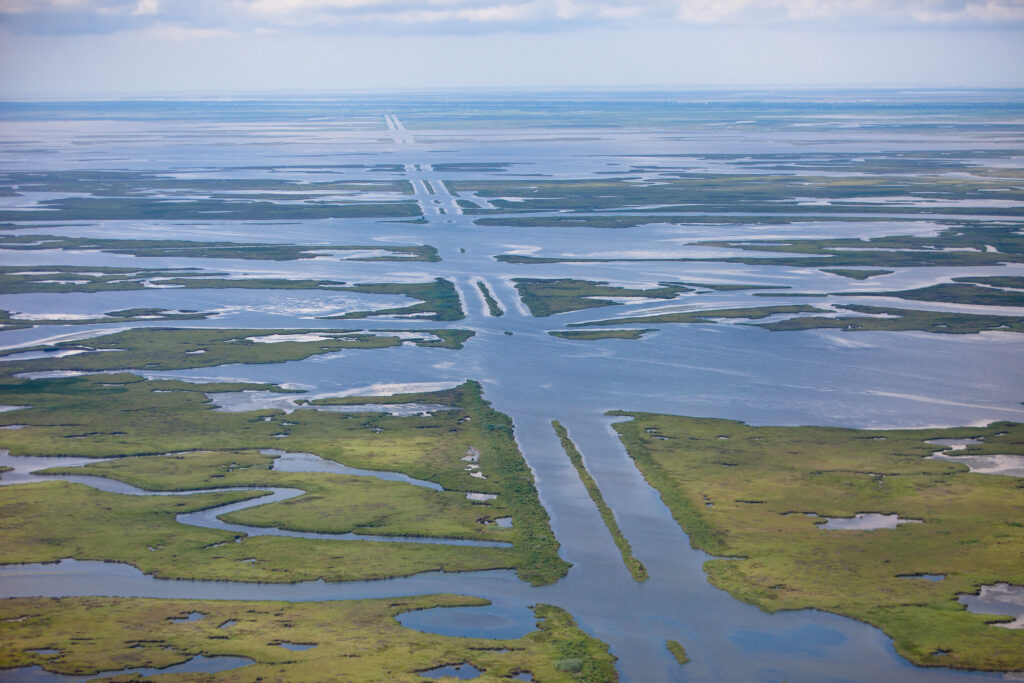
Coastal Louisiana contains some of the most important wetlands in North America, yet many areas have been losing land due to erosion, subsidence, and human changes to river flow. Restoration efforts across the region focus on rebuilding marsh habitat through sediment placement, shoreline protection, and controlled water movement. Some projects place dredged sediment in thin layers so marsh plants can grow back on top of it. Other work involves restoring barrier islands and protecting the edges of marshes from wave damage. These wetlands are essential because they support fisheries, protect communities from storms, and provide habitat for many birds.
Wildlife return is often seen when marsh vegetation grows back and shallow ponds become stable feeding areas. Migratory birds use these wetlands as a major stop along the Mississippi Flyway. Fish and shrimp nurseries also depend on calm marsh edges where young animals can hide and feed. Alligators, turtles, and many small mammals use the mix of open water and thick grass cover. People often think of these wetlands as empty from a distance, but they can be full of movement once habitat conditions improve.
Macquarie Marshes, Australia
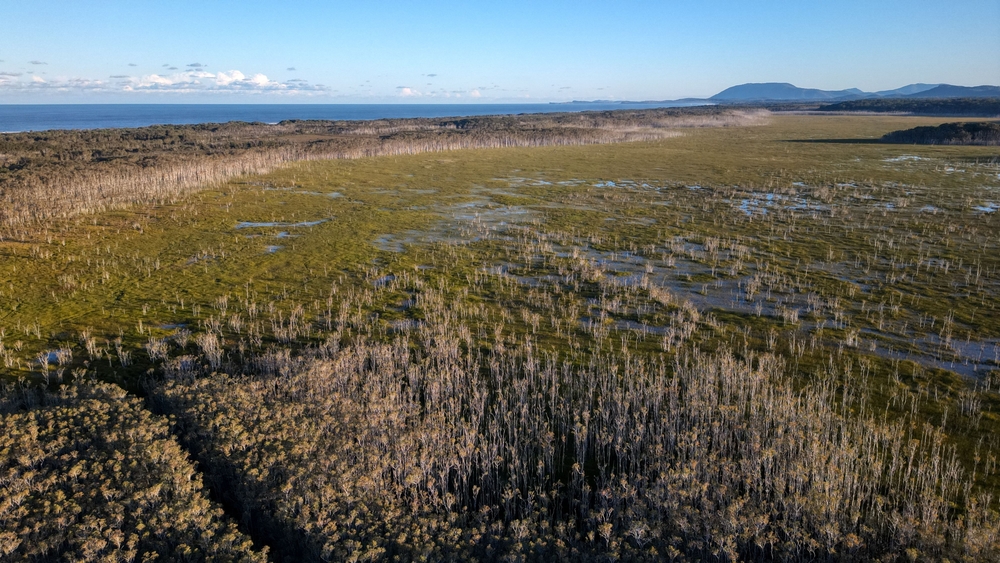
The Macquarie Marshes in New South Wales are a large inland wetland system that depends on river flows and seasonal flooding. Water regulation and heavy use upstream reduced flooding in some years, which damaged vegetation and reduced habitat for waterbirds. Environmental water releases and better flow planning have been used to bring water back into key parts of the marsh. When floodwater reaches the right areas, it supports reed beds, coolibah woodlands, and shallow feeding pools. The marsh responds strongly to water because plant growth and breeding cycles are tied closely to flooding timing.
When conditions are right, the marsh can host large waterbird breeding events that draw attention across Australia. Egrets, ibis, and other species gather in colonies when shallow water and food supplies are stable. Fish and aquatic insects increase after flooding, which provides food for both adult birds and chicks. Vegetation recovery also improves shelter and nesting sites, especially in thicker reed beds and flooded woodland areas. Scientists monitor nesting success and plant health to understand how the marsh changes with each wet period. The Macquarie Marshes show how restored water flow can bring a wetland back to life in a region where rainfall can be unpredictable.
This article originally appeared on Avocadu.