
12 Ways To Wake Up Dormant Perennials Without Damaging New Growth
As winter fades and the days grow warmer, gardeners are eager to see their perennials return. But waking them up too quickly can sometimes damage new growth. A gentle approach is key to ensuring your plants thrive. In this article, we will explore how to encourage your perennials to come back strong. With a few simple techniques, you can help them awaken without harming their fresh shoots.
This post may contain affiliate links, which helps keep this content free. Please read our disclosure for more info.
Gradual Temperature Increase
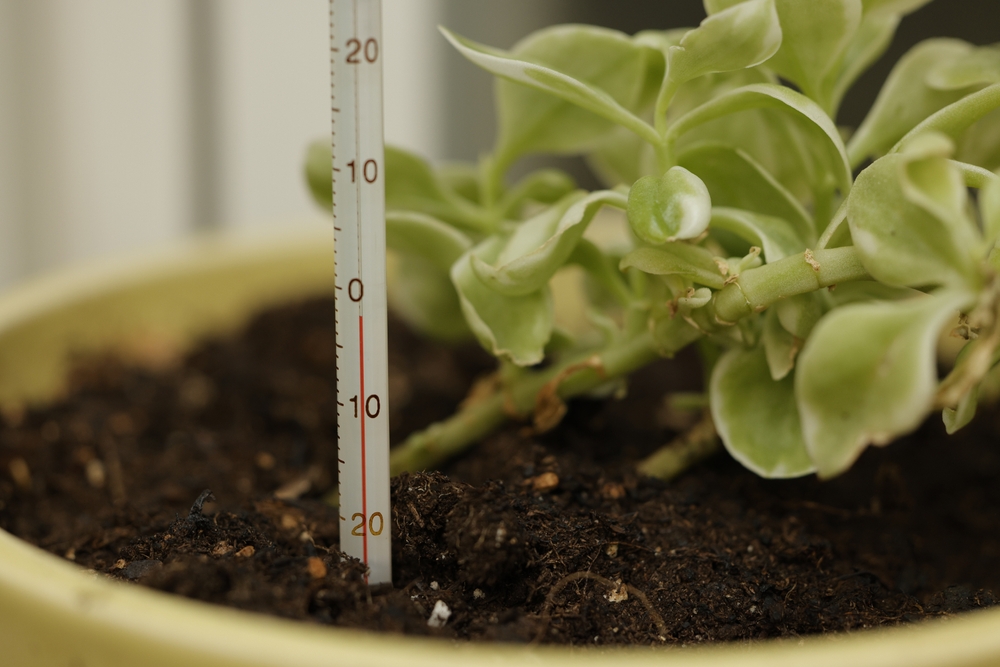
As the weather warms, it is essential to allow the temperature to rise slowly to avoid shocking your perennials. Sudden temperature changes can encourage premature growth, which is vulnerable to late frosts. To help your plants adjust, wait until the soil reaches the appropriate temperature before removing any mulch or covering. This will ensure they have the right environment to start growing without rushing the process.
Gradually exposing the plants to sunlight can also help them adjust. Begin by removing the cover or mulch in stages, giving your perennials time to adapt. This slow transition allows the plants to acclimate naturally, ensuring the new growth remains strong. By avoiding abrupt changes, you can give your plants the best chance to grow without harming their delicate buds.
Light Pruning

Light pruning is a safe way to encourage new growth without overworking the plant. Early in the season, gently trim back any dead or damaged stems, being careful not to cut into new growth. Pruning helps the plant focus its energy on healthier, more vigorous shoots, promoting a strong start to the growing season. Always use sharp, clean pruning tools to prevent injury to the plant.
Be mindful of the timing when pruning your perennials. Prune too early, and you may disrupt the plant’s natural waking process. Wait until the plant shows signs of new growth, but before it becomes too established. This balance ensures the plant will thrive without unnecessary stress.
Controlled Watering

Proper watering is crucial when waking up dormant perennials. Too much water can lead to root rot, while too little can delay growth. Start by watering the soil lightly to keep it moist but not soaking wet. This controlled watering encourages roots to wake up gradually, without overwhelming the plant’s system.
Watering in the morning is ideal, as it allows the plants to absorb moisture before the heat of the day. Avoid watering in the evening, which can leave the soil too wet overnight and encourage disease. By keeping the water level consistent and avoiding extremes, you give your plants the best environment for new growth.
Mulch Removal

While mulch provides essential protection during winter, it can inhibit the awakening of dormant perennials. As temperatures rise in early spring, it is time to remove mulch to let the soil warm up properly. Be sure to do this gradually, only removing small sections of mulch at a time to avoid exposing the plants to sudden temperature changes. This process helps to regulate the soil temperature, encouraging the plants to start growing naturally.
Leaving a light layer of mulch around the base of the plants can still help retain moisture. However, it is important to avoid piling mulch too high, as this can suffocate new shoots. Removing mulch strategically will provide the right balance of warmth and air circulation to allow your plants to flourish.
Fertilizing Sparingly

Fertilizing your perennials too early in the season can push them into growth before they are ready, potentially causing damage. Start by waiting until the plant shows clear signs of life, like tiny shoots or leaves. Use a balanced fertilizer that will nourish the plant without overwhelming it. Apply it in small amounts, ensuring the soil is not flooded with excess nutrients.
Over-fertilizing can stress the plant and cause leggy, weak growth. Instead, focus on fertilizing gradually over several weeks, allowing the plant to absorb the nutrients as it needs them. This steady approach helps perennials grow at a healthy pace without risking new growth damage.
Providing Partial Shade

When perennials begin to emerge in early spring, they are often still vulnerable to the harshness of full sunlight. Providing partial shade in the initial weeks can help protect young shoots from the intense rays. Use a light fabric or shade cloth to filter the sun’s exposure without blocking light completely. This protection will allow your perennials to acclimate without suffering from sunburn.
After the first few weeks, gradually remove the shade as the plants grow stronger. Allow them to adjust fully to the sunlight, promoting healthy growth. By controlling their exposure, you ensure that the plants wake up in a way that mimics their natural conditions.
Using Garden Covers for Protection

Garden covers, such as row covers or cloches, provide a protective barrier against cold snaps while allowing sunlight and moisture to reach the plants. These covers can help maintain a stable temperature around your perennials, preventing frost damage. When using covers, ensure they are not too tight, as this can restrict airflow and cause fungal issues. The covers should be removed as soon as the weather warms to avoid trapping excess moisture.
When frost is still a threat, keep the covers in place at night, removing them during the day. This allows the plants to enjoy sunlight without the danger of sudden cold. A consistent temperature will encourage perennials to awaken gradually and healthily.
Using Organic Matter to Enrich the Soil
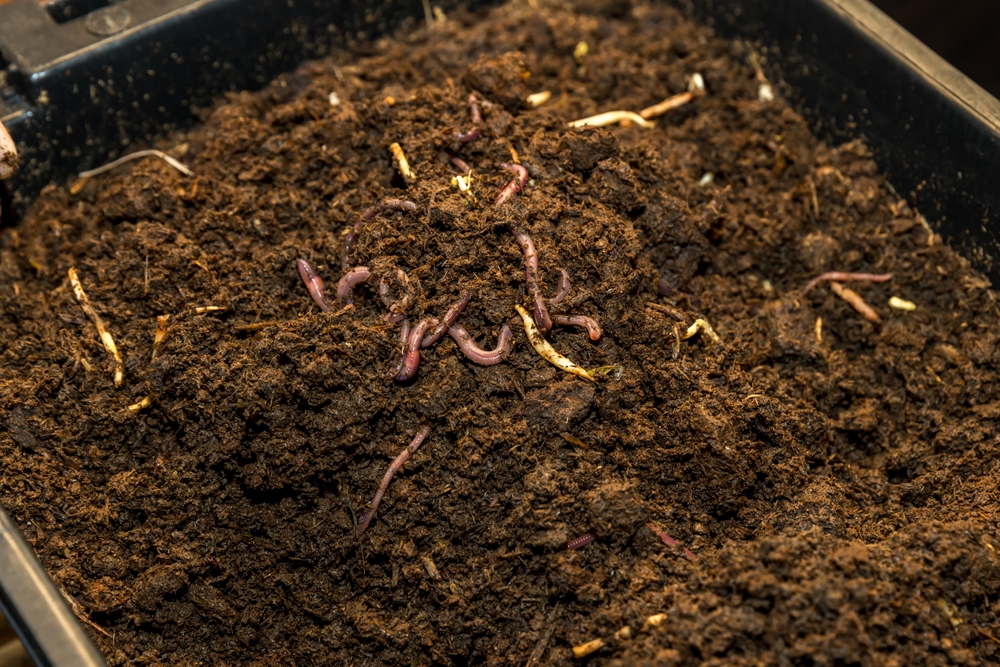
Incorporating organic matter into your soil can help improve its structure and provide necessary nutrients. Compost or well-rotted manure can add valuable organic material that encourages healthy growth. Spread a thin layer over the soil around your perennials and lightly work it in. This will enrich the soil without disturbing the plant’s root system.
Organic matter also helps retain moisture in the soil, which is important during the early growth stages. As the weather warms, the enriched soil will provide the plant with a steady supply of nutrients, promoting strong, healthy growth. Make sure to use a balanced mix to avoid overwhelming the plants with excess nutrients.
Avoid Overcrowding

Crowded plants compete for light, water, and nutrients, which can hinder their growth. When perennials are crowded, they may struggle to establish strong, healthy growth. Thin out any overcrowded areas to give the remaining plants more space to grow. Providing adequate spacing allows each plant to get the resources it needs to thrive.
Be mindful of the spacing when planting new perennials, ensuring they have room to expand. Over time, regular thinning can help maintain healthy growth and prevent the spread of disease. This practice ensures the long-term health of your garden, with each plant getting its fair share of nutrients.
Adjusting Your Garden’s Layout

Sometimes, the layout of your garden can impact how well your perennials grow. Ensure that plants with similar needs are grouped together to avoid unnecessary stress. For example, shade-loving plants should not be placed in areas with full sun exposure. By adjusting the layout, you can provide the right conditions for each plant to thrive.
A well-planned garden layout also helps with airflow, reducing the risk of fungal infections or overcrowding. Grouping plants with similar needs ensures that all your perennials receive the appropriate amount of water, light, and space. A well-organized garden encourages healthy, vibrant growth.
Encouraging Natural Pollinators

Pollinators like bees, butterflies, and birds play a vital role in the health of your perennials. By planting pollinator-friendly plants nearby, you can encourage these creatures to visit your garden. Pollinators help fertilize the plants, leading to stronger, more productive growth. Plant flowers that attract these beneficial insects to naturally support your perennials.
Providing a habitat for pollinators also helps maintain a balanced ecosystem in your garden. Choose native plants that will thrive in your area and draw pollinators in. This will help your perennials grow and flourish without additional effort on your part.
Using Raised Beds
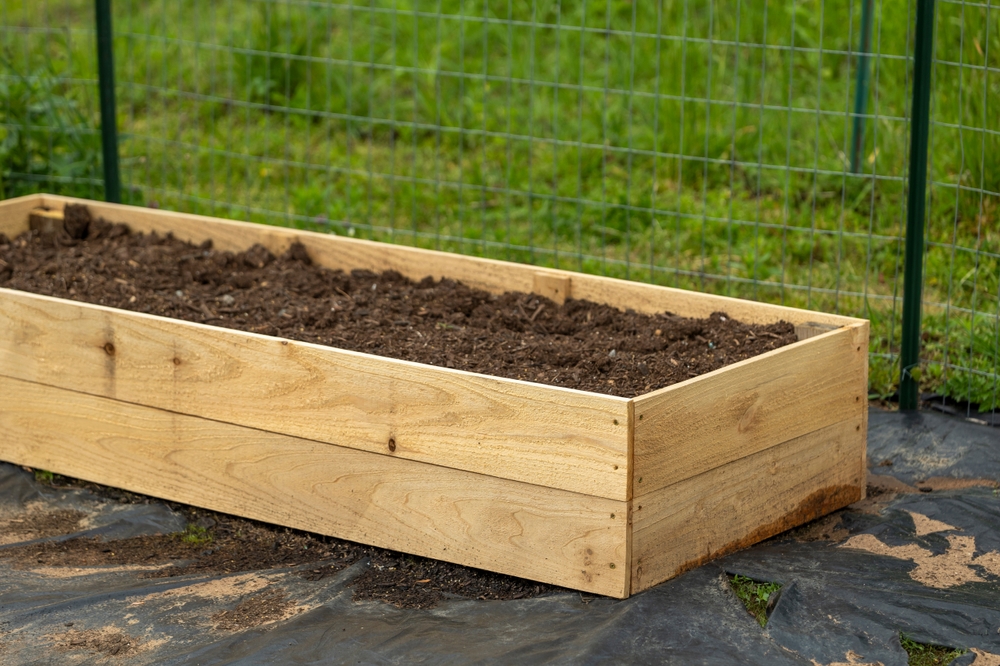
Raised beds offer better control over soil conditions, temperature, and drainage. If your perennials are struggling to thrive in the ground, moving them to raised beds may help. The warmer, well-drained soil encourages early growth without the risk of waterlogged roots. Raised beds also make it easier to monitor and adjust conditions as the season progresses.
Adding compost or organic matter to raised beds helps maintain soil fertility and structure. These beds also reduce soil compaction, making it easier for roots to grow. For perennials, raised beds offer a controlled environment that promotes steady, healthy growth from the start of the season.
This article originally appeared on Avocadu.