
11 Ways To Stop Winter Mold And Fungus On Seedlings In February
Seedlings are especially vulnerable to mold and fungus in winter, but it doesn’t have to be a problem. Taking a few preventive measures can help keep your plants safe. With the right care, your seedlings can avoid these harmful issues and thrive. Explore some simple steps to stop mold and fungus before they start. Protect your plants and enjoy a healthier growing season ahead.
This post may contain affiliate links, which helps keep this content free. Please read our disclosure for more info.
Ensure Proper Air Circulation
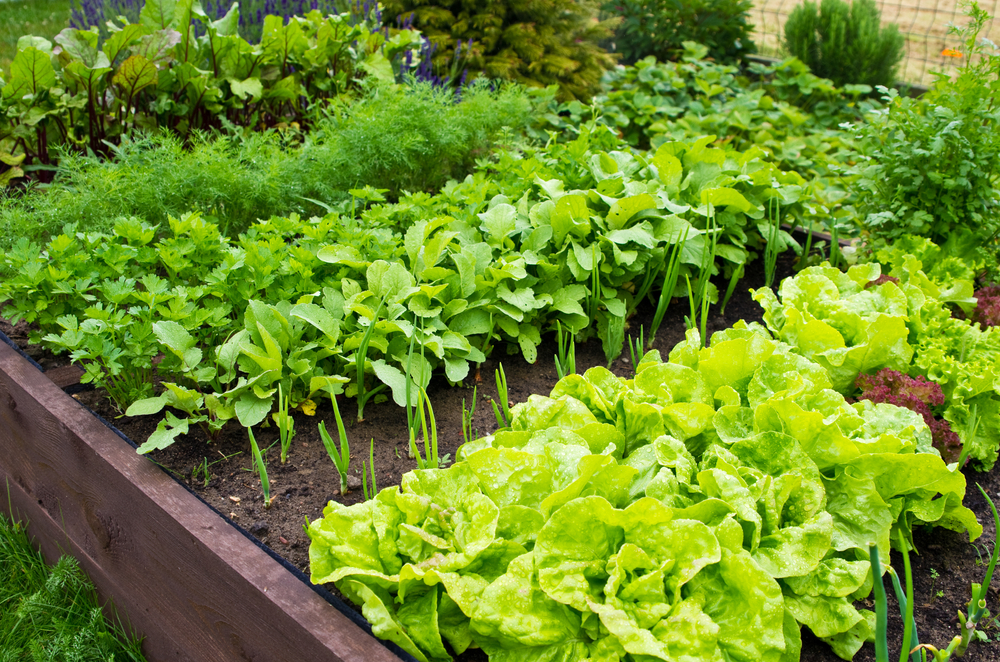
Good airflow is one of the most effective ways to prevent mold and fungus growth. Seedlings that are too crowded or in a stagnant environment are more likely to develop these problems. To improve airflow, space out your plants and make sure there is enough room for air to circulate around each one. Using a small fan on low speed in your growing area can also help maintain a steady flow of air.
Regularly check that your seedlings are not overcrowded, as compact spaces increase the chance of mold formation. If you are growing your plants in trays or containers, be sure they have drainage holes to prevent water buildup. Airflow reduces humidity levels, which is crucial in keeping the conditions unfavorable for mold and fungus. With better circulation, your seedlings will have a healthier environment to grow.
Water Seedlings From Below
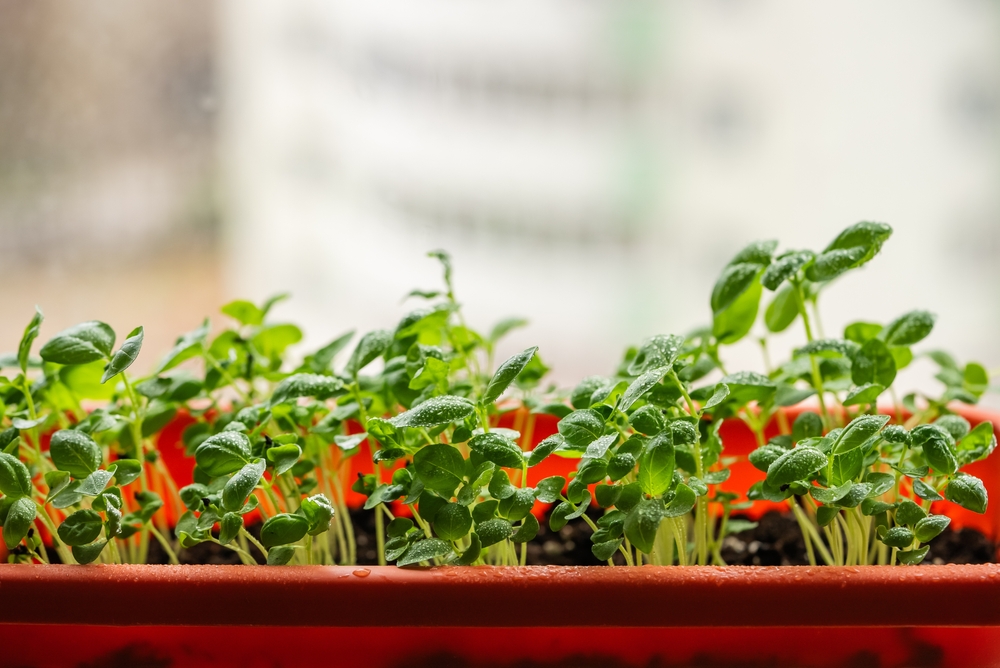
Watering your seedlings from above can sometimes cause moisture to sit on the soil surface or on the leaves, which can promote mold and fungus. Instead, try watering from below by placing your containers in a shallow tray of water. The seedlings will absorb moisture through the drainage holes in the bottom of the pots, keeping the soil evenly moist without causing excess water to collect on the plant’s leaves.
This method also prevents water from splashing onto nearby seedlings, reducing the risk of spreading fungal spores. Be sure to remove any excess water from the tray after 30 minutes to avoid waterlogging. Watering from below also helps encourage root growth, as it teaches the seedlings to seek out moisture deeper in the soil. This can contribute to healthier, more robust plants in the long run.
Choose Disease-Resistant Varieties
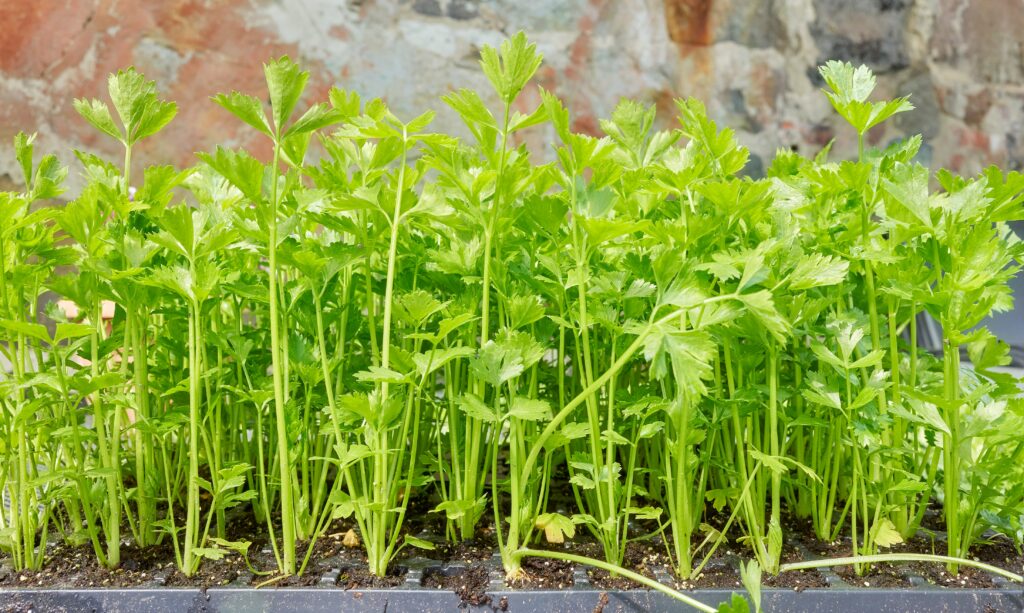
Selecting disease-resistant seedling varieties is a proactive way to reduce the likelihood of mold and fungus issues. Many modern plant varieties are bred to withstand common fungal infections and can be an excellent choice for winter growing. While no plant is completely immune, disease-resistant varieties are better equipped to handle environmental stress and are less likely to succumb to mold growth.
When selecting your seedlings, research the specific variety you are purchasing to find the most resistant strains. Consult with local nurseries or gardening centers to understand which types of plants do well in your area during winter. Using disease-resistant seedlings can save time and effort in maintaining your plants and help ensure a healthier garden overall.
Avoid Overwatering
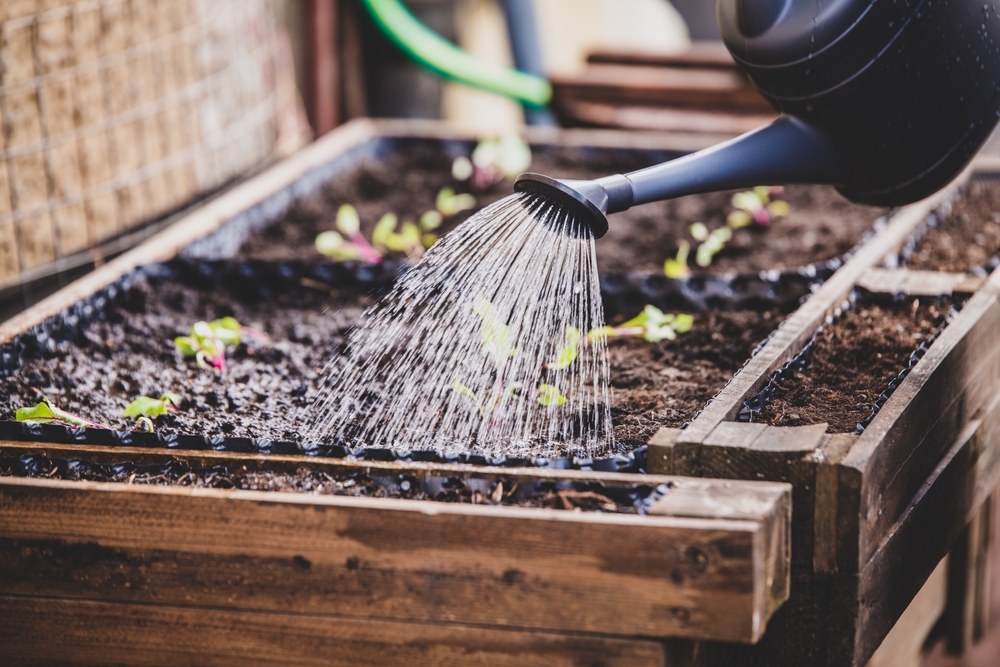
Overwatering is one of the primary causes of mold and fungus growth on seedlings. When plants are watered too much, the excess moisture in the soil creates a perfect breeding ground for fungal spores. To avoid overwatering, check the moisture level of the soil before adding more water. If the top inch of the soil feels dry, it is time to water, but if it still feels damp, wait another day or two.
Make sure that your containers or pots have good drainage to allow excess water to escape. This ensures that the roots are not sitting in stagnant water, which can lead to rot. Watering your seedlings when necessary, rather than on a fixed schedule, will help maintain a healthy balance. Proper watering habits promote strong, healthy seedlings with a reduced risk of mold and fungus problems.
Maintain a Clean Growing Environment
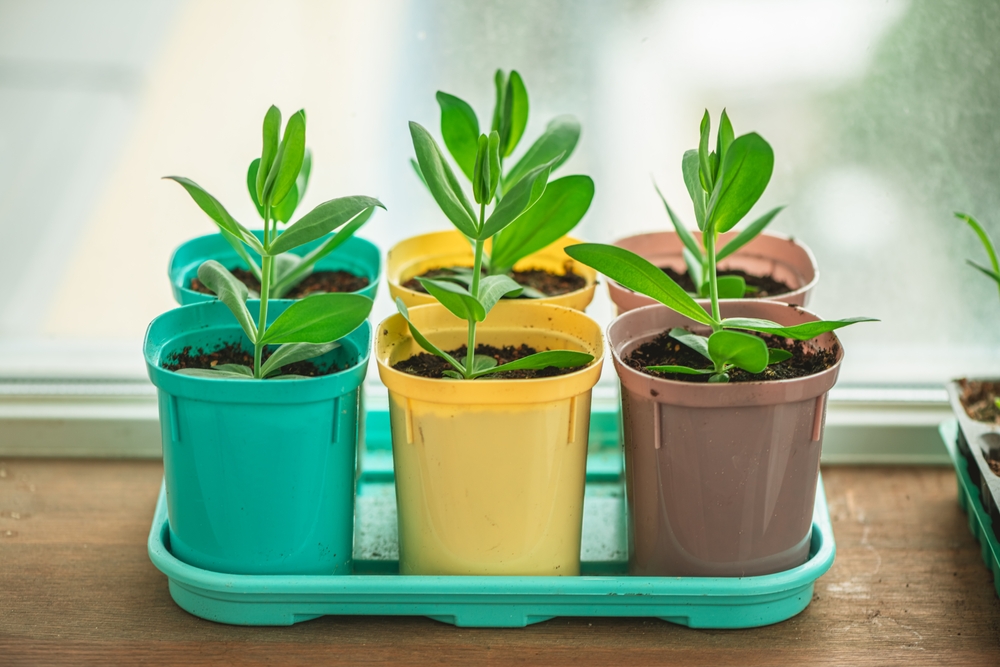
Keeping your growing area clean is essential in preventing mold and fungus. Mold thrives in dirty environments where spores can easily spread. Regularly remove dead leaves, debris, or any other plant material that has fallen into the soil. These items can harbor mold spores that may infect your seedlings if left unattended.
In addition to cleaning your growing area, it is important to sterilize tools and pots regularly. If you are using a spray bottle to water your seedlings, clean it often to avoid introducing contaminants. A clean environment reduces the chances of fungi taking hold, ensuring your seedlings grow in a safe and healthy setting.
Ensure Proper Light Levels
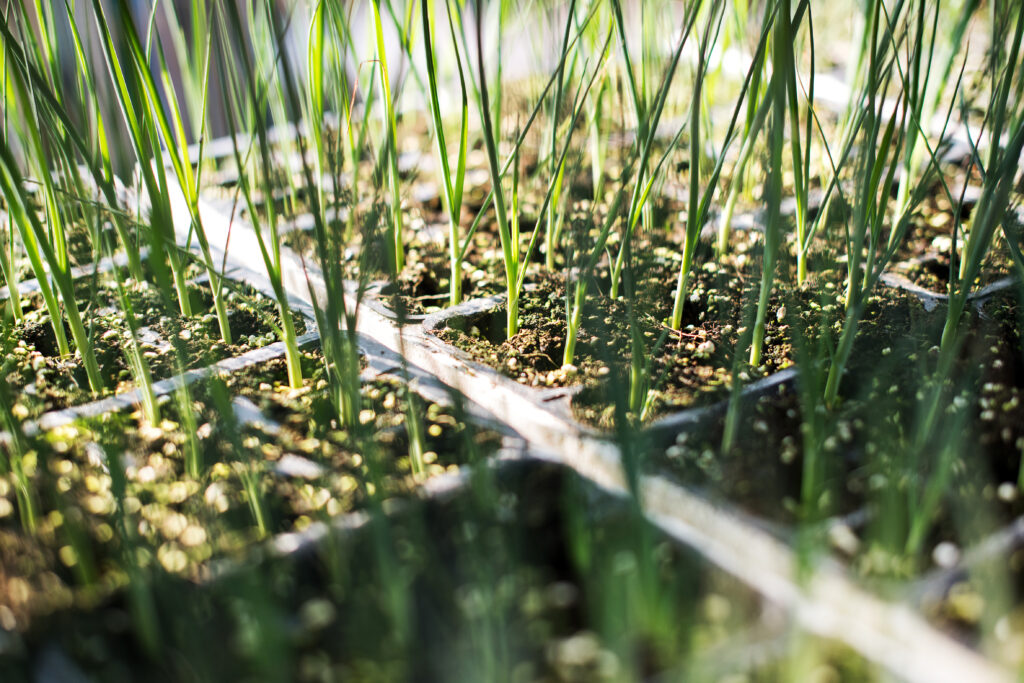
Lack of light is another factor that can contribute to mold and fungus growth in seedlings. Seedlings that do not receive enough light tend to become weak and more susceptible to fungal infections. If you are growing your seedlings indoors, make sure they have access to natural sunlight or use grow lights to supplement the light levels. Most seedlings require at least 12-16 hours of light each day to stay healthy.
If natural light is limited, try positioning your seedlings near a south-facing window or under a grow light. Adjust the distance of the grow light from the seedlings to prevent them from getting too hot or dry. By maintaining proper light levels, you help keep your seedlings strong and reduce the likelihood of mold and fungus setting in.
Use Good-Quality Seedling Soil
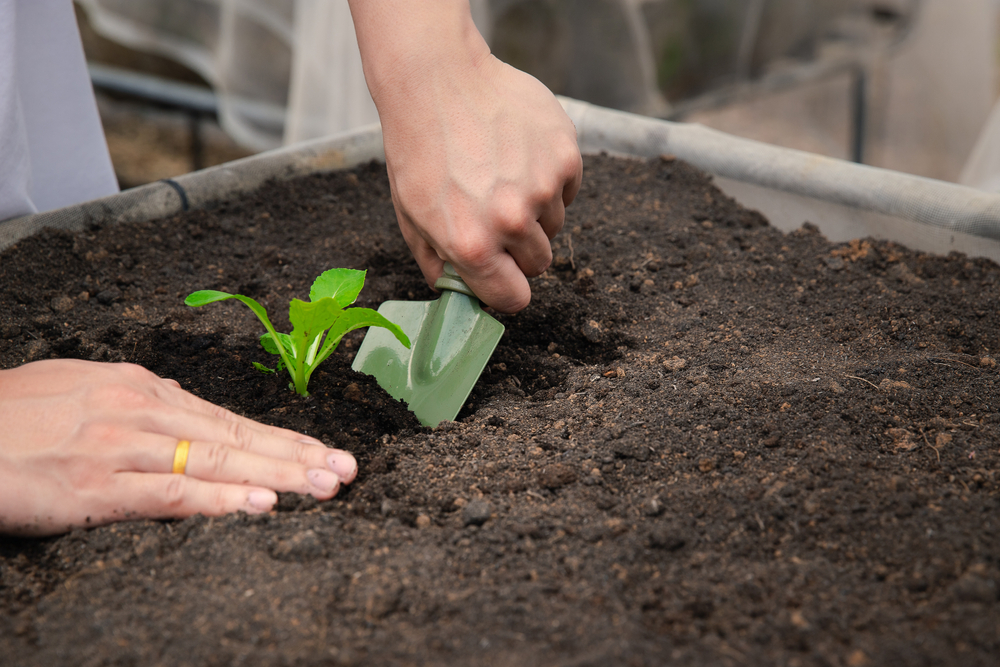
The quality of soil used for seedlings is crucial for their growth and protection against mold and fungus. Low-quality soil can retain too much moisture, creating a breeding ground for fungi. It is essential to invest in good-quality, well-draining seedling soil that is specifically designed for young plants. This type of soil is typically lighter and fluffier, allowing for better root development and proper moisture balance.
High-quality seedling soil also prevents water from pooling on the surface, which can encourage mold growth. Always avoid compacting the soil when planting, as this reduces drainage and can cause moisture retention around the roots. By providing your seedlings with a healthy, breathable soil environment, you ensure that they grow strong and resilient against fungal infections. With the right soil, your seedlings will have the best chance at thriving during the winter months.
Sterilize Seedling Containers
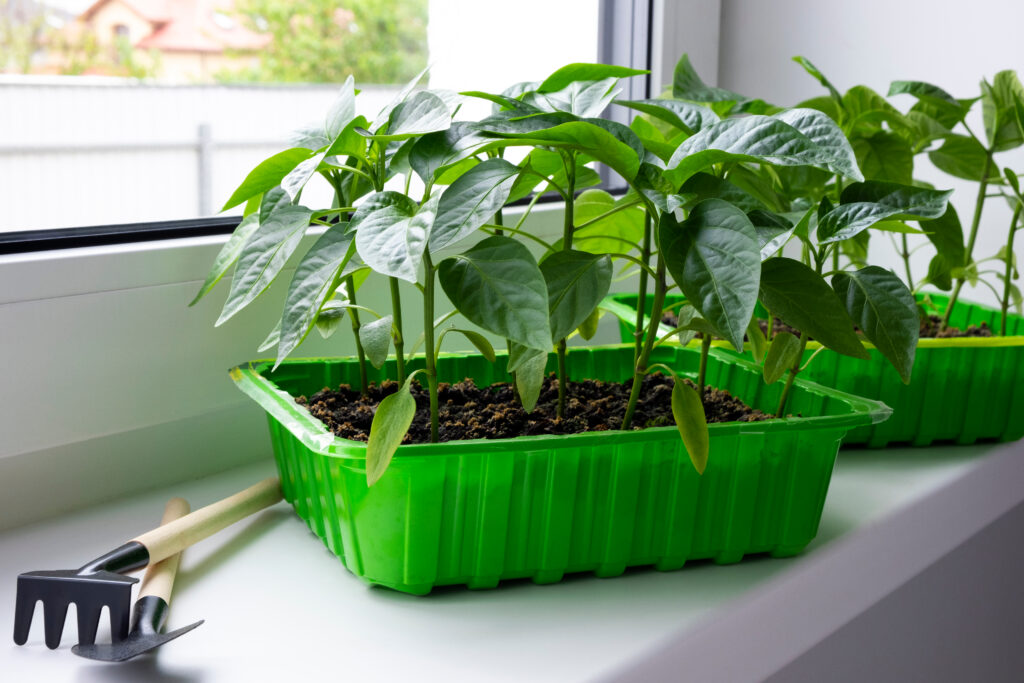
Before reusing any seedling containers, it’s important to sterilize them thoroughly to avoid spreading mold and fungus. Containers from previous seasons may still contain harmful fungal spores if not properly cleaned. Begin by washing the containers with warm, soapy water, followed by sanitizing them with a bleach solution or vinegar. Sterilizing your containers prevents the spread of mold spores and bacteria, which can easily transfer to new seedlings.
Additionally, cleaning your containers ensures that harmful pests from last season won’t harm your new plants. After sterilizing, make sure the containers are completely dry before filling them with soil to avoid excess moisture. Taking the time to sterilize your seedling containers may seem tedious, but it is an important step in providing a healthy, mold-free environment for your plants. This simple practice can significantly reduce the risk of fungal problems throughout the season.
Avoid Using Overly Wet Mulch
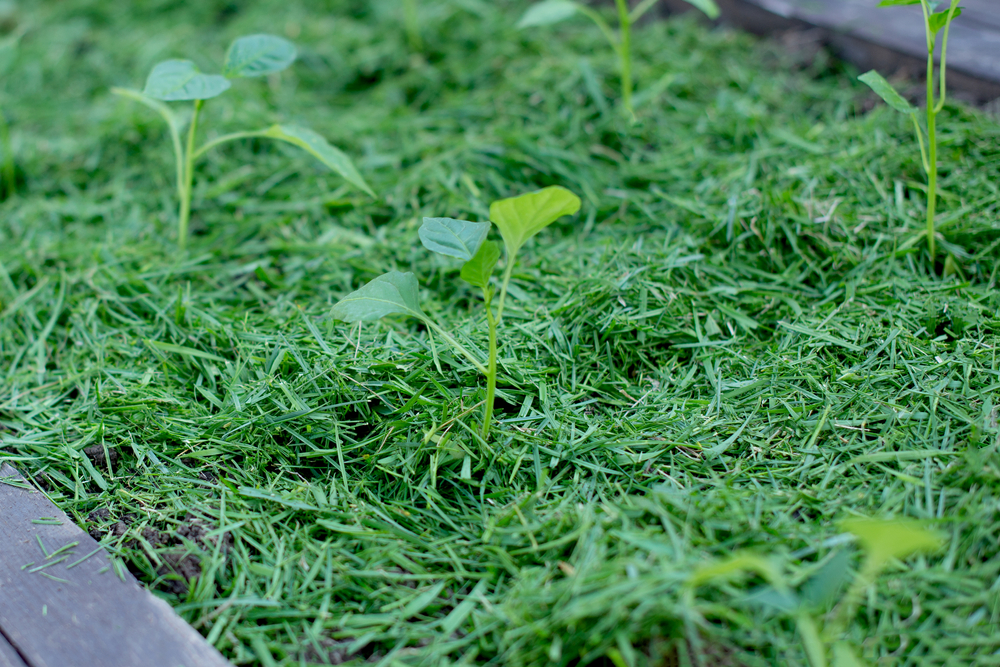
Mulch can be a great tool for retaining moisture and maintaining soil temperature, but it must be applied correctly to prevent mold and fungus. Using overly wet mulch, especially during winter, can create an environment that fosters mold growth. Before applying mulch, ensure it is dry enough to avoid trapping excess moisture around the seedlings. A thin, dry layer of mulch can help maintain proper moisture levels in the soil without creating the ideal conditions for mold and fungus.
Wet mulch also restricts airflow to the soil, increasing humidity around your seedlings. This stagnant moisture can lead to the growth of unwanted fungus, which can harm your seedlings’ roots and stems. If your mulch becomes too wet, adjust your watering routine to balance out moisture levels. Using mulch in the right amounts, and ensuring it is not overly damp, helps keep your seedlings safe from fungal issues while still offering the benefits of moisture retention.
Keep the Growing Area Temperature Stable
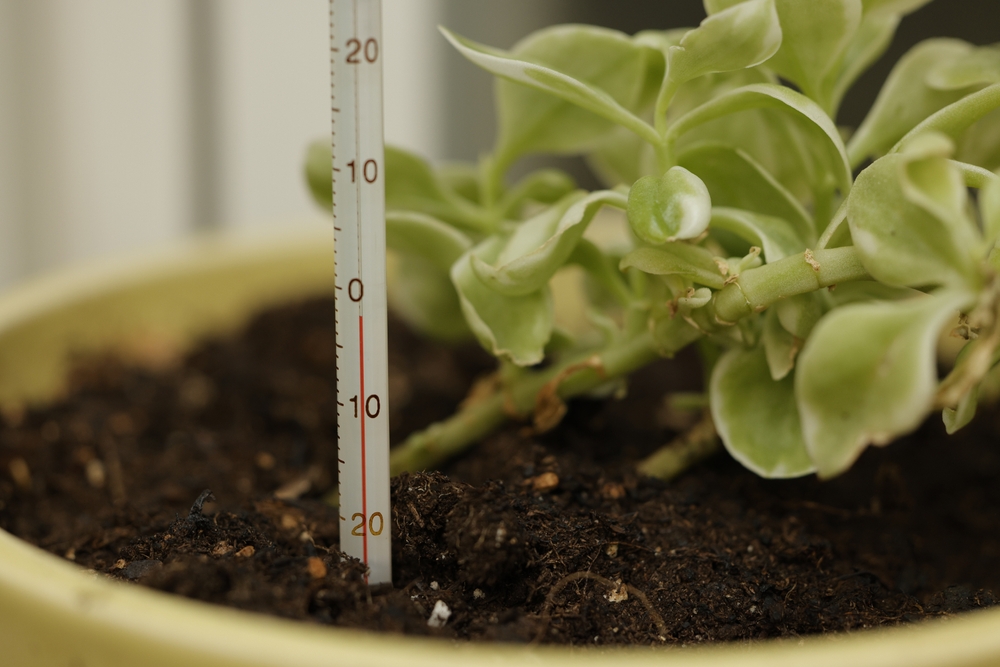
Temperature fluctuations can create stressful conditions for your seedlings and encourage mold and fungus growth. Maintaining a stable temperature in the growing area is essential for your seedlings’ health, as extremes in temperature can weaken their defenses. Most seedlings prefer temperatures between 65-75°F or 18-24°C during the day, with a slightly cooler temperature at night. Avoid large temperature swings by using thermostats or heat mats designed for indoor growing.
Keeping the temperature consistent also ensures the soil remains at a steady temperature, which is crucial for proper root growth. A stable temperature helps your seedlings grow stronger and more resilient to environmental stressors, including mold and fungi. If you’re growing your seedlings in a greenhouse or indoors, ensure the area is not exposed to drafts or direct heat sources, which can cause temperature instability. Maintaining a consistent environment helps your seedlings thrive, reducing the chances of fungal infections.
Practice Proper Seedling Rotation
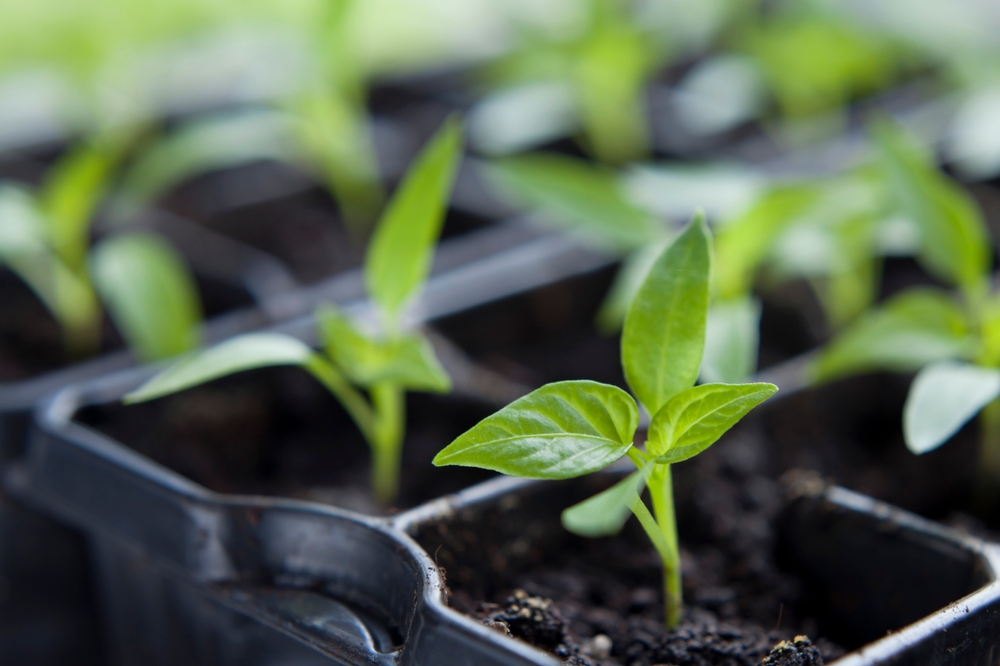
Rotating your seedlings regularly can prevent mold and fungus issues by ensuring they all get the proper light and airflow. Seedlings that remain in one spot for too long may develop mold problems due to stagnant air and moisture buildup in the soil. By rotating your seedlings every few days, you allow them to receive even light exposure and better air circulation, which helps prevent fungal growth. Additionally, moving your seedlings around encourages them to grow stronger, as they will be exposed to slightly different conditions each time.
This simple rotation practice is especially important when using grow trays or racks, as it ensures all your seedlings get the right amount of light and air exposure. Even if you are growing in containers, switching up their positions can help reduce the buildup of mold spores in specific spots. Regularly moving your seedlings allows you to keep their growing environment fresh and conducive to healthy growth. This step is an easy and effective way to reduce the risk of winter mold and fungus affecting your plants.
This article originally appeared on Avocadu.