
10 Ways To Spot and Stop Late Winter Pests Before They Spread
As the cold weather lingers, many pests, including rodents, cockroaches, and stink bugs, find their way into homes, seeking warmth and shelter. While they may be hidden during the colder months, these pests become more active as temperatures rise, often turning a small issue into a larger infestation. By addressing potential pest problems early, you can prevent them from spreading and causing damage. Simple steps, such as sealing entry points, maintaining cleanliness, and checking for signs of activity, will help keep your home pest-free as winter transitions to spring.
This post may contain affiliate links, which helps keep this content free. Please read our disclosure for more info.
Seal Entry Points
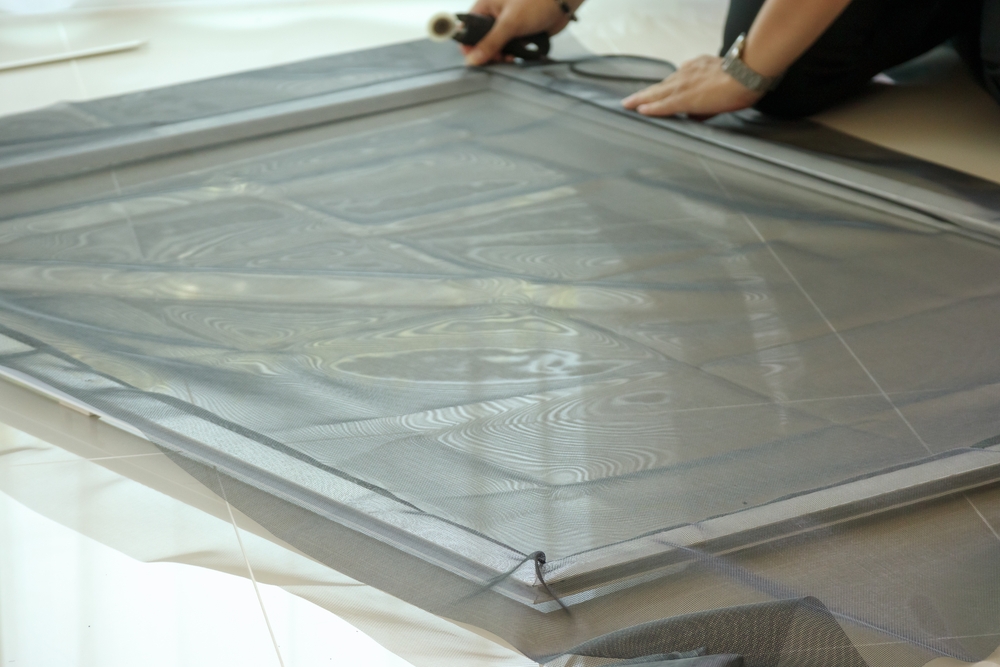
Late winter is a critical time for pest management because many pests are already inside, seeking shelter. Rodents and insects, including cockroaches and stink bugs, may have found their way into your home through tiny gaps, cracks, and holes in your walls or around windows. To stop them from spreading, start by inspecting your home for any possible entry points. Look around windows, doors, and baseboards for any gaps, and use caulk or weatherstripping to seal them. Preventing access now can save you from a larger infestation when spring arrives and pests begin to reproduce.
By sealing entry points, you not only stop pests from coming in but also help maintain energy efficiency during the cold months. You can also check vents and chimneys to ensure there is no way for pests to enter unnoticed. It is crucial to act now, as late winter provides the opportunity to prevent an infestation from taking root in the first place.
Clear Clutter

Clutter in your home provides hiding spots for pests to thrive unnoticed. As winter winds down and pests become more active, they start looking for food and nesting areas. A cluttered home, including piles of papers, old furniture, and unused items, offers these pests a safe place to breed and multiply. By decluttering now, you eliminate the ideal conditions for pests, making your home less attractive to them. Keep an eye on areas like basements, attics, and garages, where things tend to accumulate.
Storage areas are especially important to check. Box up items that are no longer needed and dispose of anything that could serve as a breeding ground for pests. Removing clutter not only helps deter pests but also makes it easier to spot any signs of infestation early on, making it easier to address before the problem worsens.
Inspect for Signs of Rodents
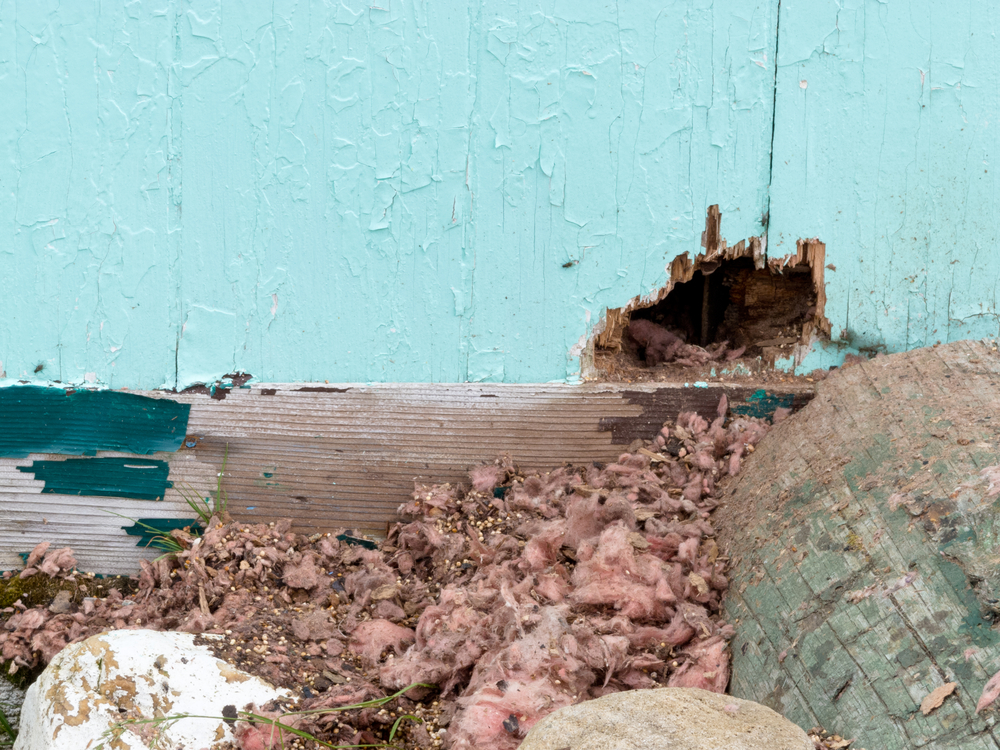
Rodents like rats and mice are notorious for seeking warmth in homes during the winter months. By late winter, these pests are active inside walls, attics, and basements, and are looking for places to nest. Signs of rodent activity include droppings, gnaw marks, and greasy smudges on baseboards. Inspect your home thoroughly for these signs, paying special attention to areas where food is stored, and ensure all food containers are sealed tightly.
If you find signs of rodents, act quickly to set traps or call a pest control professional. The longer you wait, the more likely the rodents will reproduce and cause significant damage to your property. Rodents can chew through wiring, insulation, and even furniture, so early detection is key to preventing costly damage.
Keep Food Stored Properly

Pests like cockroaches, ants, and rodents are always on the lookout for a food source. With the colder weather, they are more likely to seek shelter inside your home, and food crumbs or improperly stored pantry items can attract them. Ensure that all food is kept in sealed, airtight containers, especially items like cereals, flour, and pet food. Regularly clean your kitchen, wiping down countertops and vacuuming up crumbs to eliminate any leftover food.
Proper food storage and cleanliness help reduce the attraction for pests, particularly as late winter progresses and they begin to wake up and search for food sources. By eliminating food access, you make your home less appealing and prevent pests from becoming more active.
Monitor for Cockroaches

Cockroaches are resilient pests that thrive in warm, humid environments. While they tend to slow down during the winter months, they are still present in your home, hiding in cracks and crevices. As temperatures rise towards spring, cockroaches become more active, searching for food and breeding opportunities. Look for signs like droppings, egg cases, and a musty odor in dark, damp areas such as basements, kitchens, and bathrooms.
If you spot any signs of cockroaches, it is essential to act fast. Use traps or gel baits in areas where you’ve noticed their presence and ensure your home is thoroughly cleaned to remove any food or water sources that might attract them. Early intervention can prevent an infestation from spreading as the weather warms.
Inspect Your Walls and Attic
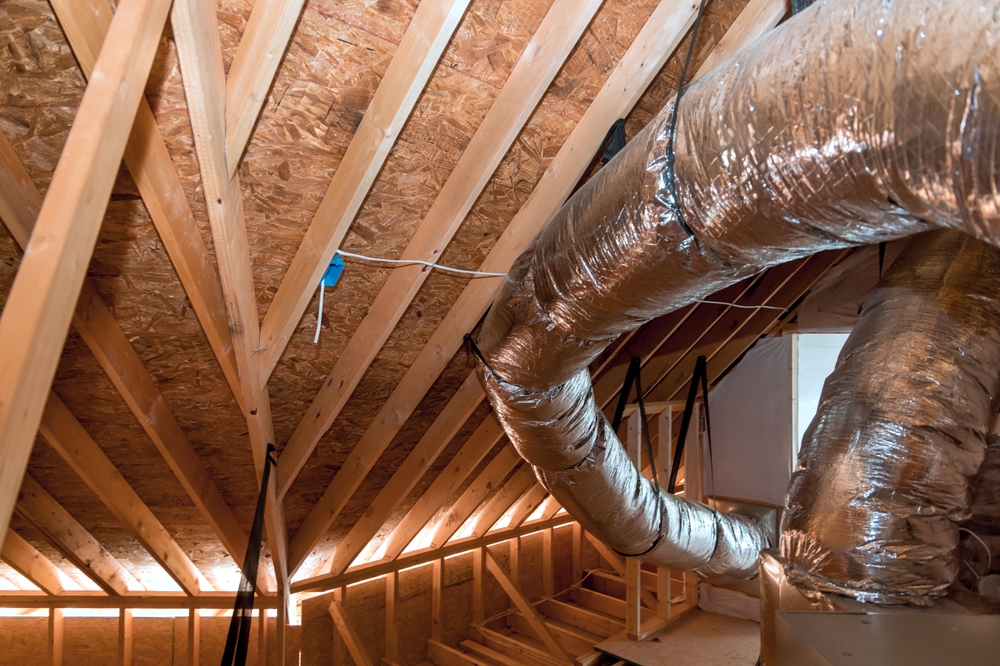
Overwintering pests like stink bugs and ladybugs often seek shelter in the walls and attic spaces of homes during the colder months. These pests are especially tricky to deal with because they tend to hide in dark, hard-to-reach areas. Inspect your attic and walls for any visible cracks or gaps that could allow these insects to enter. If you find signs of them, it may be time to use a vacuum to remove them or, in more serious cases, call a professional pest control service.
Checking your walls and attic now prevents the pests from reproducing as the weather warms. As spring approaches, these pests will start becoming more active and more challenging to handle if you let them go unchecked during winter.
Check for Ice Dams on Roofs
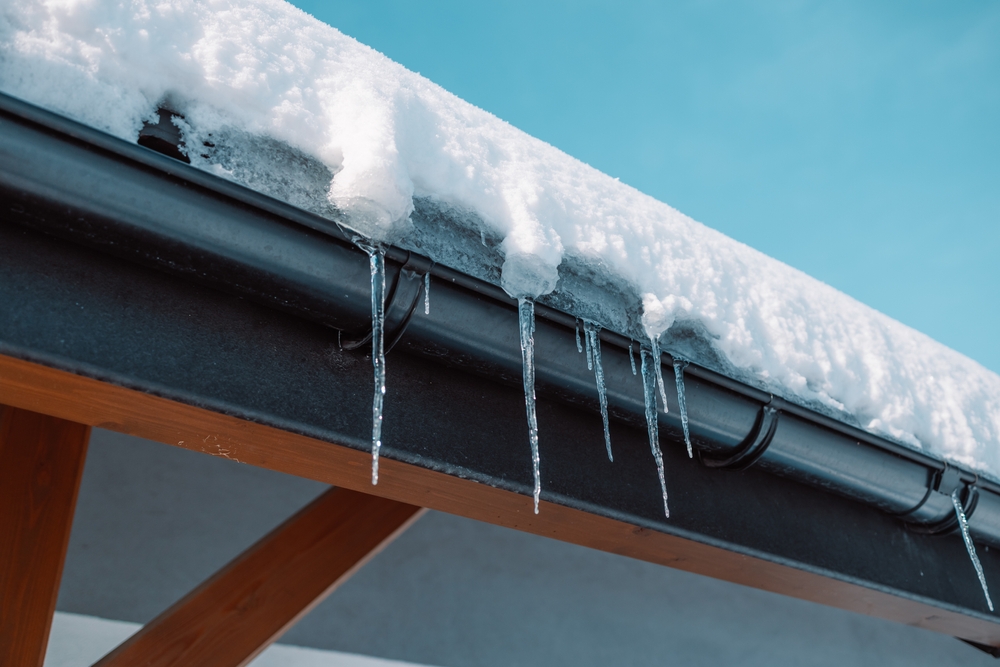
Ice dams are not only a risk to your home’s structure, but they also create a welcoming environment for pests like rodents and insects looking for warmth. When ice accumulates on your roof, it can cause water to seep into your attic, making it a perfect spot for pests to enter. Ensure your roof is clear of ice and snow to prevent water damage and pest entry. Regularly inspect your attic for leaks and damage caused by ice dams.
If left unchecked, ice dams can lead to significant damage to your home and provide a pathway for pests to enter unnoticed. Proper roof maintenance during late winter is essential to keeping both your home and pest problems in check.
Fix Any Leaks
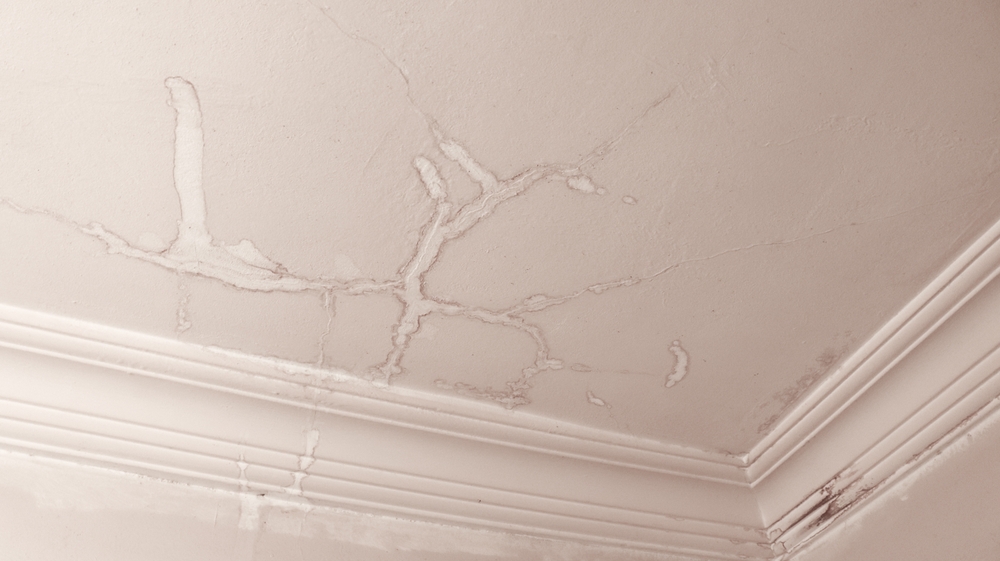
Pests are drawn to moisture, and winter can bring about leaks that create a damp, welcoming environment for insects like ants, termites, and cockroaches. Inspect your plumbing, including under sinks and around pipes, for any leaks that could allow moisture to build up. If you find any, repair them immediately to prevent attracting pests who thrive in wet conditions.
Damp areas, especially those in basements or attics, are prime real estate for pests. Fixing leaks will help keep your home dry and discourage pests from taking refuge during the colder months, preventing them from spreading when the weather warms.
Use Preventative Treatments for Bed Bugs

Bed bugs may not be as common during the winter months, but they can still be hiding in your home, particularly in places like cracks in the bed frame or behind wallpaper. As temperatures rise, they become more active and will start looking for a blood meal. To prevent a potential infestation, use preventative treatments like bed bug-proof mattress covers and inspect your bedding and furniture for any signs of activity.
If you suspect bed bugs are present, act quickly to limit their spread. Check all mattresses and furniture, and treat affected areas immediately to avoid a more significant issue once spring arrives.
Keep Yard Clean
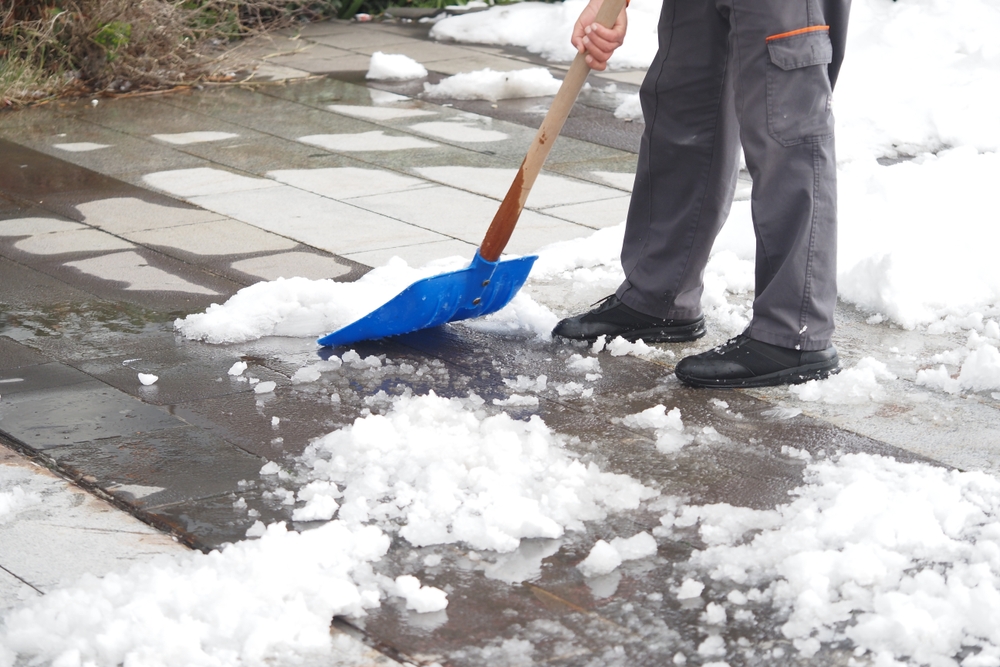
Your yard can be a breeding ground for pests, even during the winter months. Dead leaves, overgrown vegetation, and piles of wood or debris can provide shelter for pests like rodents and insects, which may then seek refuge inside your home. Keep your yard tidy by removing fallen leaves and trimming back bushes or trees, especially those that touch your house. Doing so will prevent pests from using your outdoor space as a hiding place.
By maintaining a clean yard, you reduce the risk of pests finding shelter right next to your home. As late winter progresses, pests will begin their search for food and nesting sites, so clearing out potential shelters now makes your home less appealing to them.
This article originally appeared on Avocadu.