
10 Ways to Set Up a No Stress Weekly Meal Plan for Busy Families
Meal planning for a busy family can feel overwhelming, but with the right approach, it becomes a stress-free routine. By simplifying meal prep, involving the whole family, and using time-saving strategies like batch cooking, you can create a smooth and efficient system. These easy-to-follow tips will help you get organized, save time, and enjoy healthy meals together without the daily hassle of decision-making. Whether you’re new to meal planning or looking for ways to streamline your current system, these strategies will make a big difference in your weekly routine.
This post may contain affiliate links, which helps keep this content free. Please read our disclosure for more info.
Start with a Simple Weekly Template
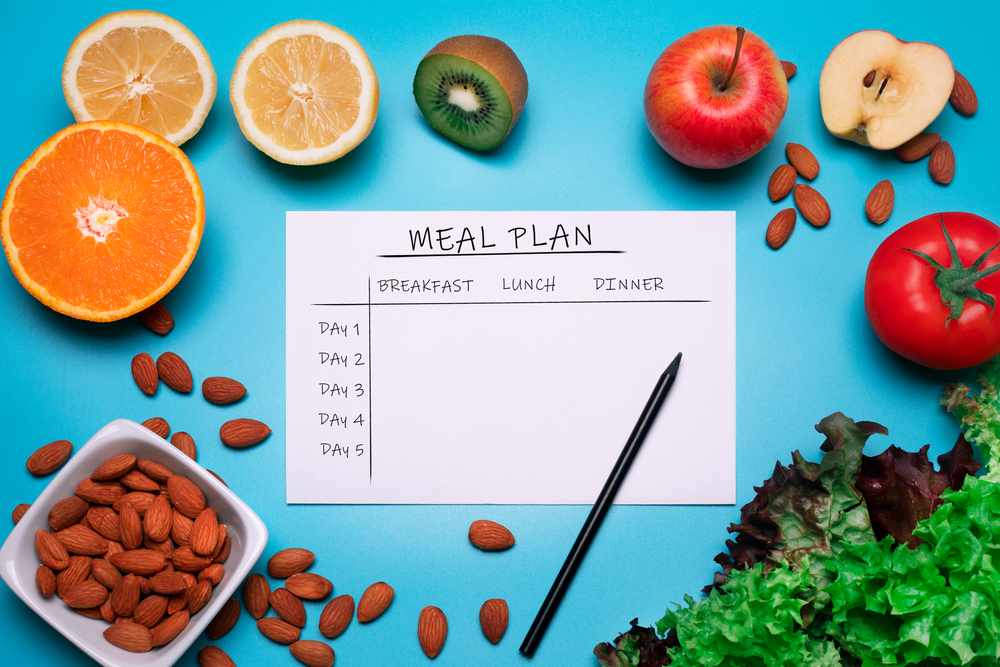
Setting up a meal planning system starts with having a basic weekly template. By establishing a routine where you plan meals for the entire week ahead, you eliminate the need to decide what’s for dinner every day. Begin with breakfast, lunch, and dinner categories and assign meals to specific days, but don’t overthink it. A simple template, like “Meatless Monday” or “Taco Tuesday,” can make decisions easier. This step helps build the foundation of your meal planning process without feeling overwhelmed.
As you start, keep things flexible. If you feel that certain meals work better on different days, adjust accordingly. The key is to start simple and make it easy to follow. This allows for a smooth transition from day-to-day decision-making to a more structured, routine-based meal plan.
Involve the Whole Family in Meal Planning

Getting everyone involved in the process helps ensure that the meal plan works for the whole family. Ask your family members for their favorite meals and let them suggest some ideas. A weekly meal plan is more likely to be successful when the people who are eating it have some say in what’s being made. Involving your children can also teach them about meal planning and cooking, which can be a valuable skill for them later in life.
To make this process less stressful, designate one day a week for family meal planning, where everyone shares their suggestions. This is a great way to introduce variety into the meals while making sure everyone enjoys the options. It also prevents the feeling of a “one-person show” and encourages cooperation.
Batch Cook to Save Time
Batch cooking is a huge time-saver for busy families. Instead of cooking individual meals every day, prepare larger portions of certain dishes that can be eaten throughout the week. For example, cook a big batch of chili, pasta, or rice that can serve as the base for multiple meals. Afterward, you can simply reheat portions or use leftovers in new ways.
This strategy reduces the number of times you have to cook each week and helps save on grocery costs. You can even freeze some of the meals for future weeks, making it easier when time is tight. Not only does this save time during the week, but it also alleviates the mental stress of figuring out what’s for dinner on busy evenings.
Set Up Theme Nights

Having designated theme nights can take the guesswork out of meal planning and add some fun to family dinners. Theme nights can be as simple as “Taco Tuesday” or “Pizza Friday.” This structure helps families look forward to meals and makes shopping easier because you know exactly what ingredients you need for each night.
By sticking to a theme, you’re reducing decision fatigue and adding structure to your week. Over time, these themed nights become a routine that everyone can expect and enjoy, giving you a stress-free way to prepare meals without constantly thinking about what to cook.
Plan for Leftovers

Leftovers are a great way to make meal planning easier. By cooking extra portions during batch cooking sessions, you can save them for the following day or incorporate them into a completely new dish. For example, leftover chicken can be used for salads, wraps, or sandwiches the next day.
Planning meals with leftovers in mind is a way to stretch your food and reduce waste. It’s also an excellent way to avoid having to cook every day while still providing healthy and satisfying meals.
Keep Snacks in Mind

Busy families often overlook the importance of snacks when meal planning, but snacks are just as crucial to keeping everyone fueled throughout the day. By planning easy-to-grab snacks like fruit, yogurt, nuts, or pre-portioned veggies, you help everyone stay satisfied between meals. Having these snacks ready makes it easier to avoid unhealthy or expensive snack options.
It’s helpful to include snack planning as part of your weekly meal prep. This way, you’re not scrambling at the last minute to find something nutritious and easy to eat, keeping both your budget and your family’s health in check.
Keep Grocery Lists Simple and Organized
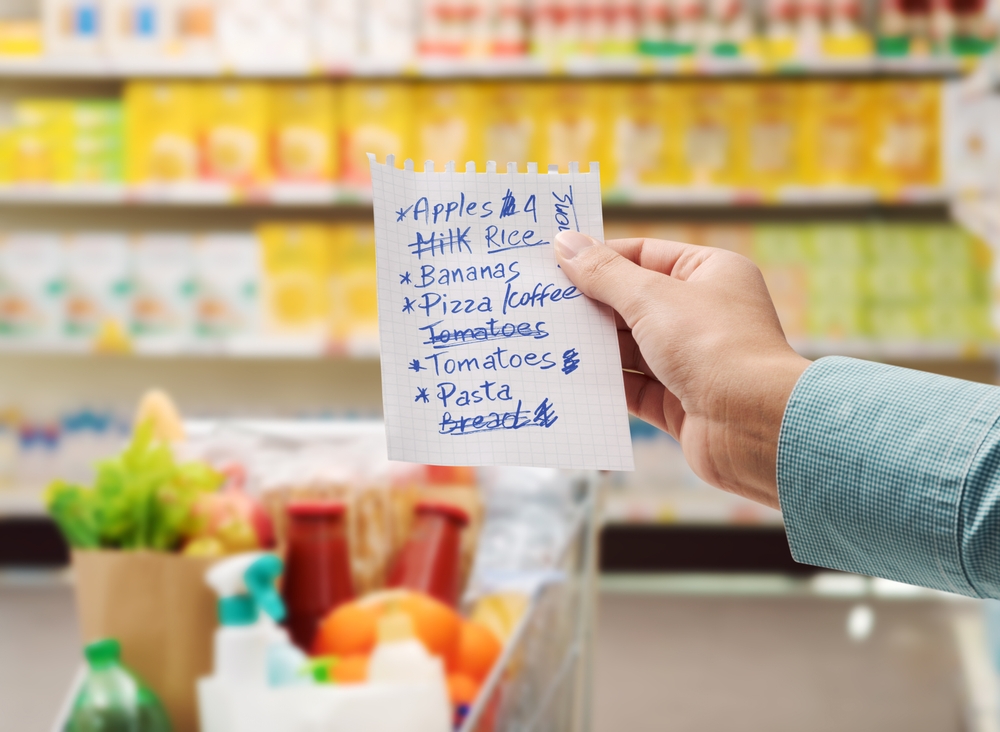
An organized grocery list saves you time and mental energy while shopping. Once your weekly meal plan is set, write down exactly what ingredients you need for each meal and group them by category. Organizing the list by the sections of the store (produce, dairy, grains, etc.) makes the shopping trip faster and more efficient.
If you prefer, use a grocery shopping app to save your lists for future reference. This cuts down on the time spent coming up with a new list every week and prevents last-minute trips back to the store for forgotten items.
Prep Ingredients Ahead of Time

Prepping ingredients ahead of time is a great way to save time during the week. Chop vegetables, wash fruits, and portion out proteins so that everything is ready to go when it’s time to cook. You can also cook grains like rice or quinoa in advance to have on hand throughout the week.
When you prep in bulk, it reduces the effort needed during the week and gives you a sense of accomplishment. It’s also helpful on nights when you don’t feel like cooking because the bulk of the work has already been done.
Use a Slow Cooker or Instant Pot
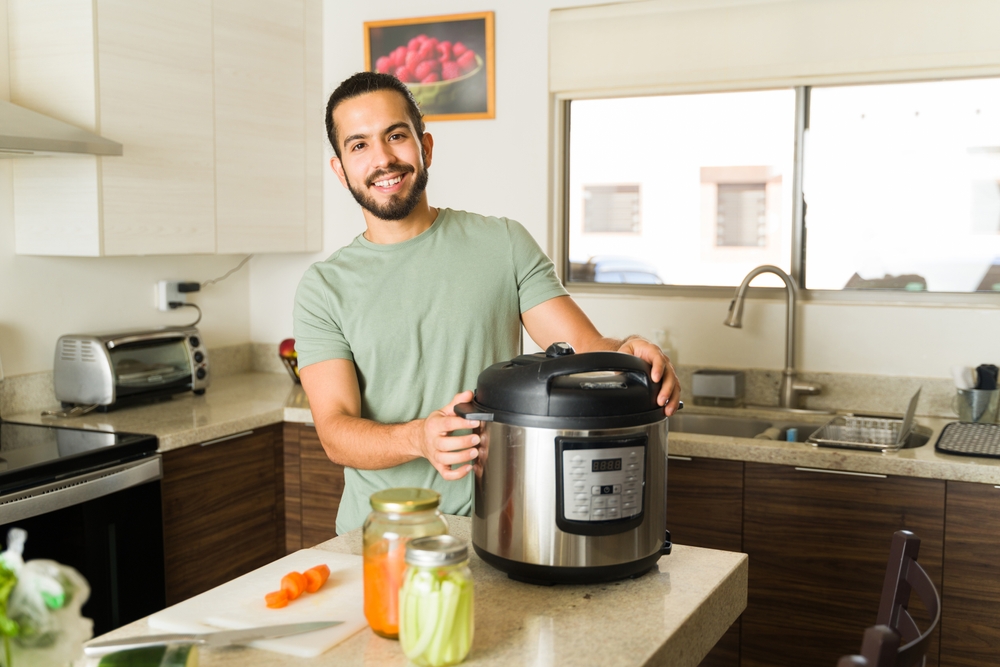
A slow cooker or Instant Pot can be a lifesaver for busy families. These devices allow you to prepare meals in the morning and have them ready by the time dinner rolls around. Dishes like stews, soups, and casseroles are easy to make in a slow cooker, and you can set it and forget it while taking care of other tasks during the day.
These kitchen appliances are also great for meal prepping. You can cook large batches of food in them and store leftovers for later, saving even more time on busy days.
Embrace One-Pan Meals
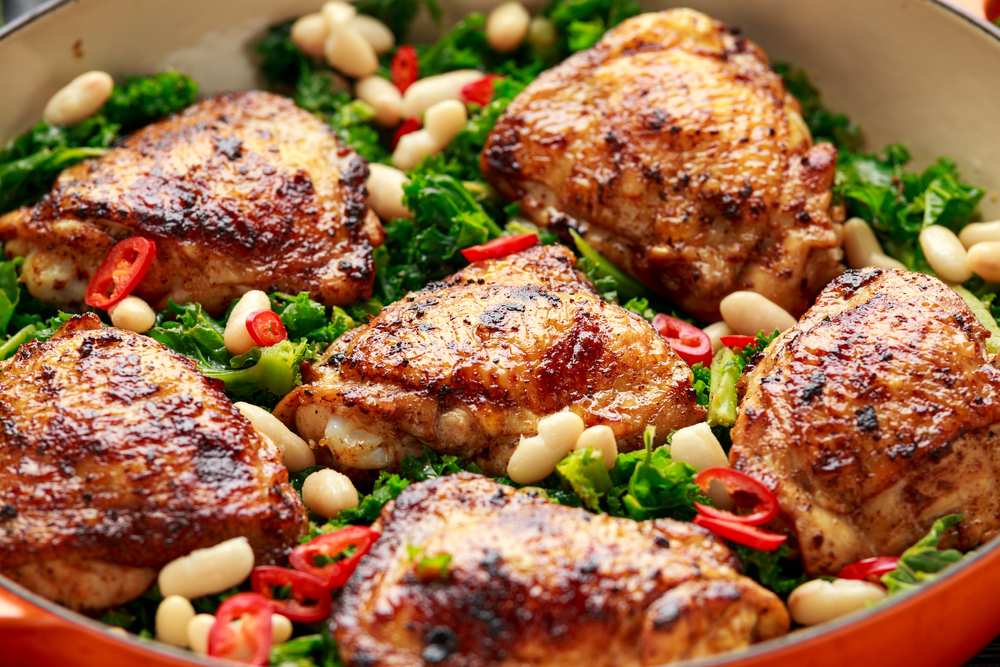
One-pan meals are another easy way to simplify cooking. By cooking everything in one pan or sheet tray, you can minimize cleanup and make the cooking process faster. Many one-pan meals involve vegetables, proteins, and grains, all roasted together for a quick and healthy meal.
These meals are especially helpful when you don’t have much time to cook. You can easily swap out different ingredients based on your family’s preferences, making this method versatile and stress-free.
This article originally appeared on Avocadu.