
11 Ways To Protect Early Buds When Warm Spells Trick Your Garden
Spring may feel like it has arrived, but a sudden chill can easily catch your garden off guard. Early buds are particularly vulnerable during these warm spells. It is important to take action to protect them from frost damage. With a few easy strategies, you can ensure that your plants stay safe.
This post may contain affiliate links, which helps keep this content free. Please read our disclosure for more info.
Use Frost Cloths or Row Covers
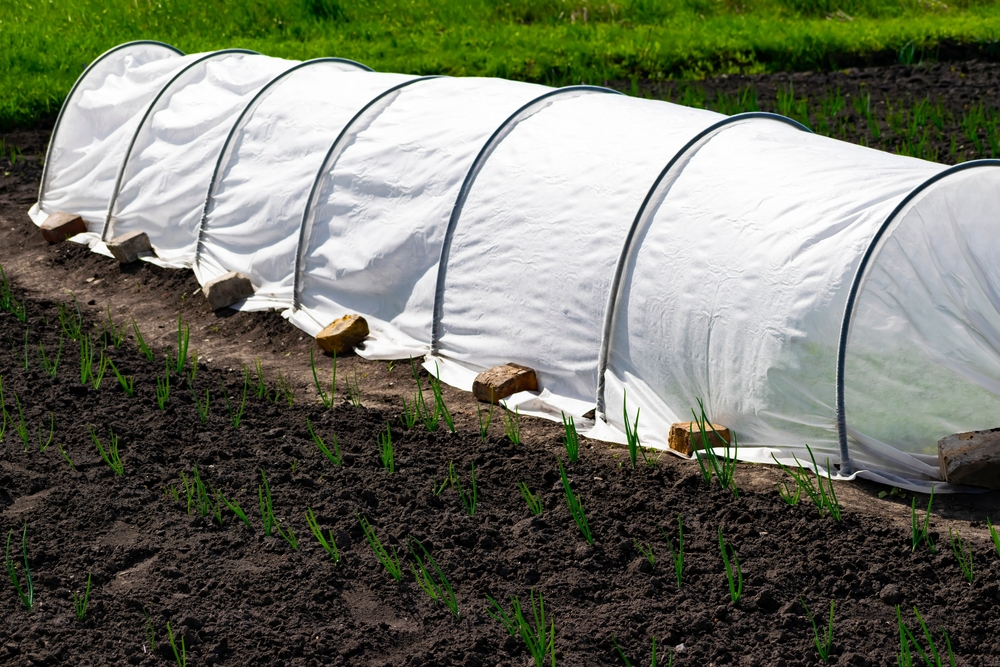
One of the most effective ways to protect early buds from late-season frosts is by covering them with frost cloths or row covers. These fabrics act as a barrier, trapping heat close to the plants and shielding them from the chill. It is essential to use breathable materials so that your plants can still receive the necessary light and air. Frost cloths are available in various thicknesses, allowing you to choose one suited to the level of protection your garden needs.
For best results, make sure to place the covers over plants in the evening, just before the temperature drops. Secure the edges of the fabric to the ground to keep it from blowing away. When temperatures rise during the day, remove the cover to prevent the plants from becoming overheated. Always keep an eye on the weather forecast so you can act quickly when a cold snap is predicted.
Bring Potted Plants Indoors
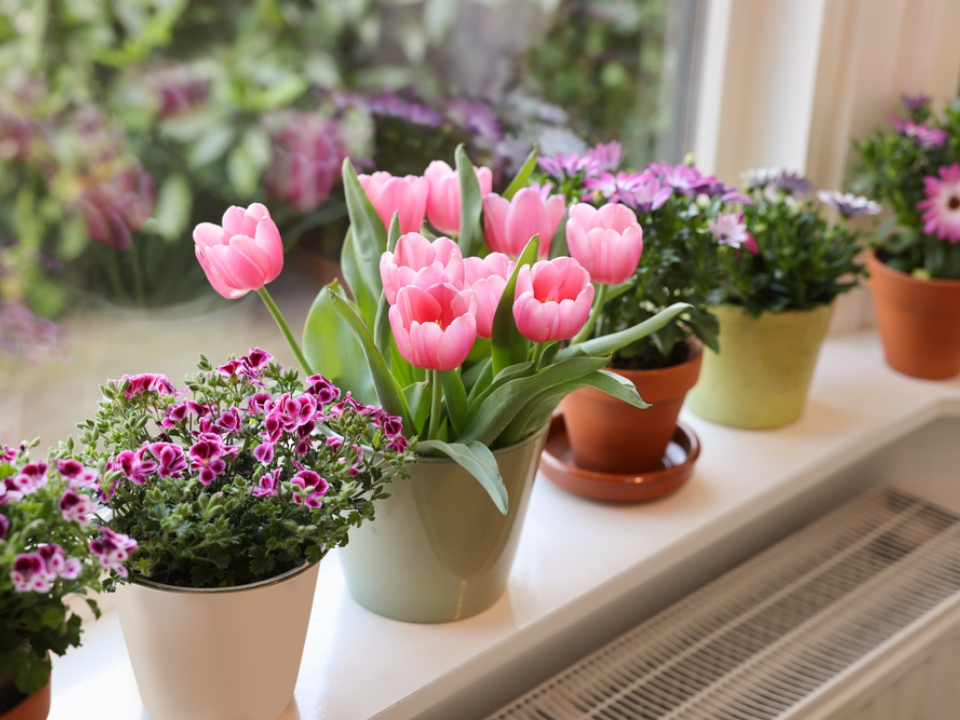
If you have early-blooming plants in containers, it is a good idea to bring them indoors during warm spells. While these plants might enjoy the sunlight during the day, sudden temperature drops can cause damage. By moving them indoors, you can protect them from frost and extend their blooming period. This method is particularly useful for smaller plants or those that are not yet hardened to the outdoor conditions.
If moving all your plants inside is not feasible, consider placing them in a garage or sheltered area. This can give them some protection without having to bring them inside your home. Be sure to check the plants regularly for signs of stress, such as wilting or yellowing, which can indicate that they are too warm or too cold.
Mulch Around Plants
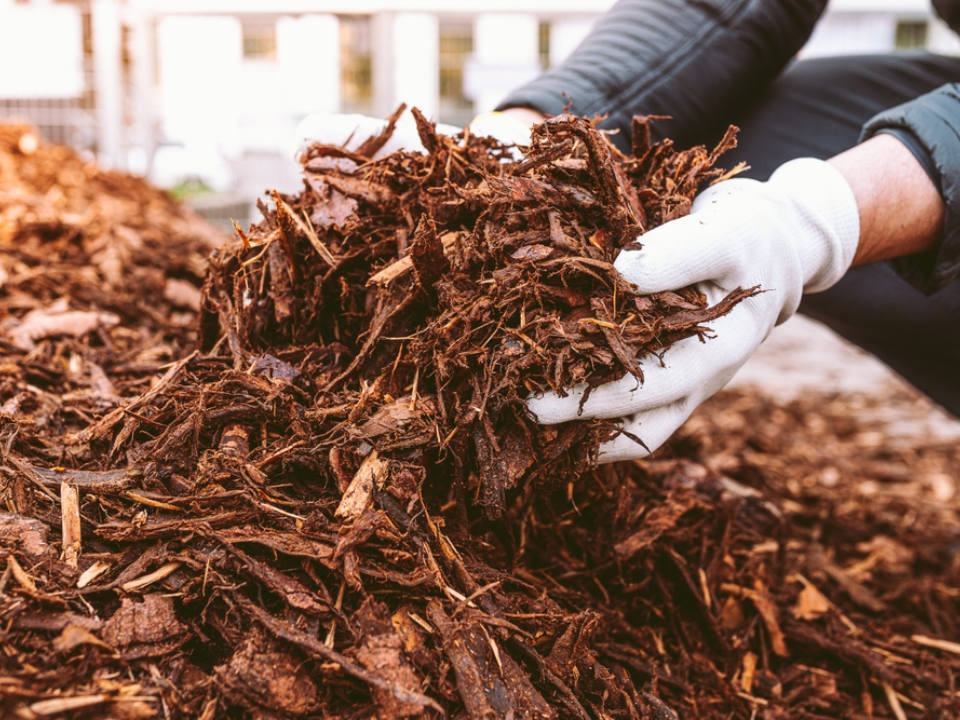
Mulching is another effective way to protect early buds from fluctuating temperatures. A thick layer of mulch helps to insulate the soil, keeping it warmer during cool nights. It also prevents the ground from freezing and encourages a steady root temperature. Organic mulches such as straw, leaves, or wood chips are great options for retaining soil warmth while providing a natural barrier.
When applying mulch, be careful not to pile it too high around the base of the plants. A layer of about two to three inches is usually sufficient. You can also remove the mulch during the daytime when the temperature rises, ensuring that your plants do not overheat. Mulching is an easy and cost-effective way to help your garden weather unpredictable spring temperatures.
Use Cloche or Mini Greenhouses
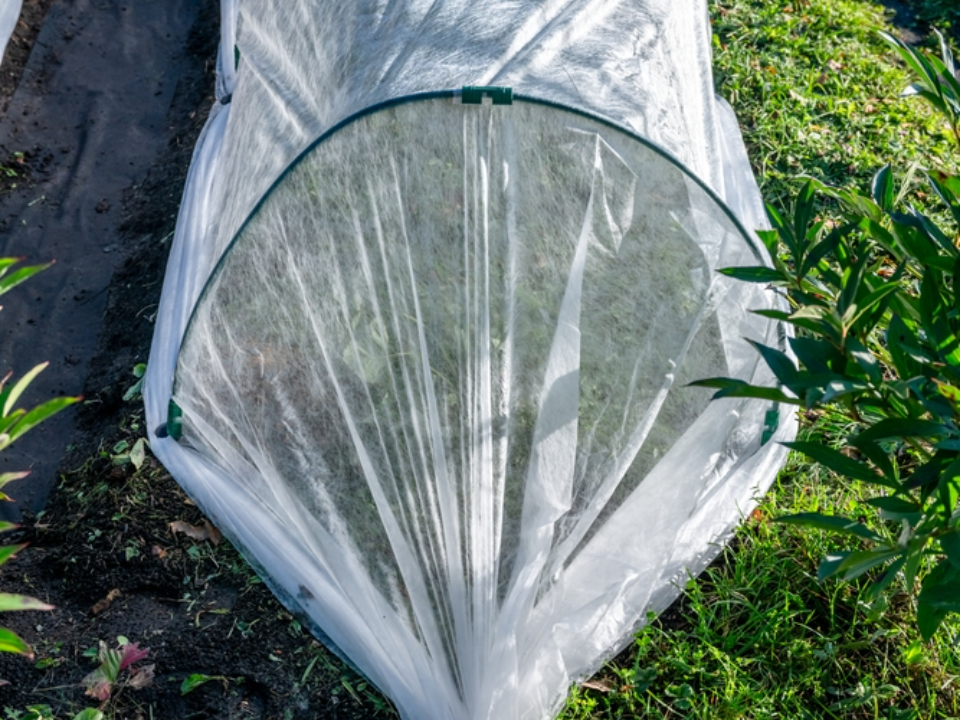
A cloche or mini greenhouse is a simple, effective method to provide extra warmth and protection to early buds. These small, portable structures trap heat and humidity, creating a more stable microclimate for your plants. They are particularly useful for tender plants that are still in their early growth stages. Simply place the cloche over individual plants or small rows to protect them from late frosts.
Be mindful that during warmer days, you should open the cloche or greenhouse to allow for ventilation. This prevents the plants from becoming too hot, which can cause them to wilt. The cloche provides an excellent balance of protection and airflow, making it an ideal solution for unpredictable spring weather. This technique works well for both vegetables and flowers alike.
Water Plants Properly

Watering your plants properly can help protect them from temperature extremes. Wet soil holds more heat than dry soil, which can help moderate the temperature around your plants during chilly nights. Watering in the late afternoon gives the soil time to absorb moisture before the temperature drops. It is crucial to water deeply, ensuring that the soil is evenly moist, which helps to maintain a stable temperature around the roots.
Be cautious not to overwater, as soggy soil can lead to root rot. After watering, check the soil around the plants to ensure it is not too wet or dry. A healthy moisture balance helps to keep the soil temperature stable, providing an extra layer of protection against unexpected cold. By keeping your plants properly hydrated, you help them resist the effects of a sudden frost.
Prune Dead or Damaged Growth
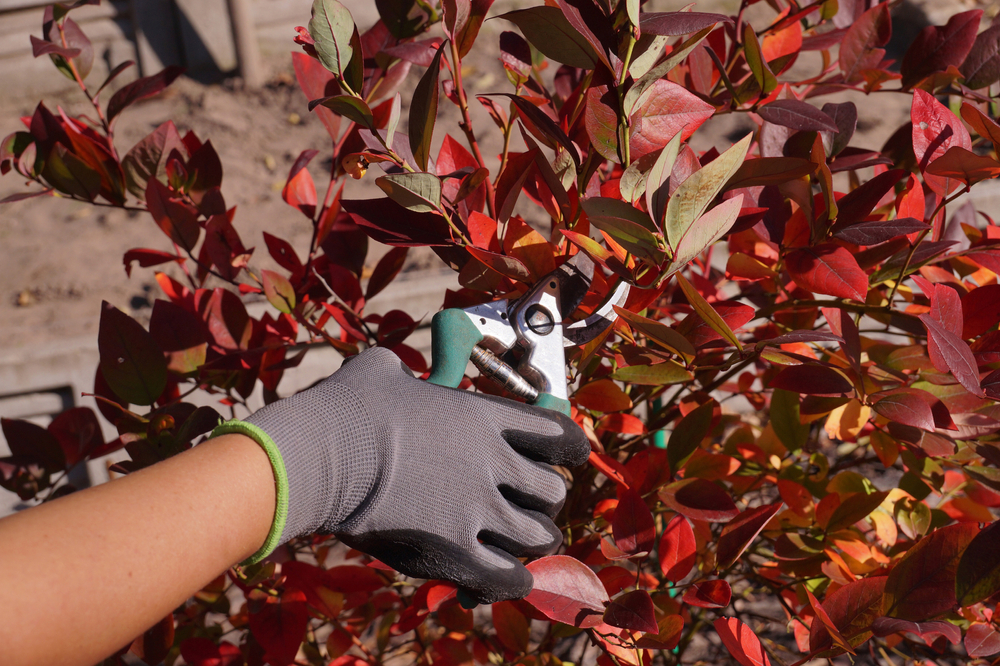
Pruning is an important step in preparing your plants for unpredictable weather. Removing dead or damaged growth helps the plant focus its energy on healthy, strong buds. It also allows for better air circulation, reducing the chance of mold or mildew, which can be more common in cool, damp conditions. Additionally, trimming back weak or fragile branches reduces the risk of wind damage when the weather shifts.
When pruning, always use clean, sharp tools to make precise cuts. Aim to remove any growth that is diseased or damaged, as these parts are more vulnerable to frost. Pruning not only helps protect your plants from cold damage but also encourages healthier, more robust growth in the long run. It is an essential task in early spring to ensure your garden thrives despite fluctuating temperatures.
Cover with Plastic Bottles or Jugs
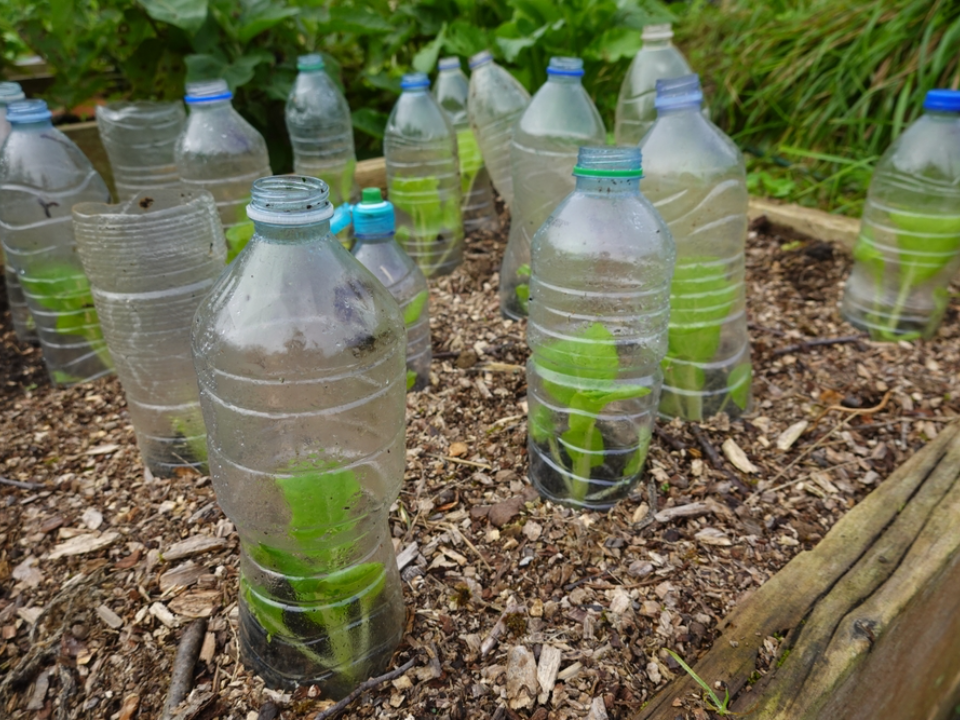
A simple, low-cost solution to protect early buds is to use plastic bottles or jugs. Cut the bottom off the bottle or jug and place it over the plant. This creates a small greenhouse effect, trapping heat around the plant and protecting it from frost. The transparent plastic allows sunlight to reach the plant while still offering protection from the cold.
Plastic bottles or jugs can be reused and are an environmentally friendly option. Be sure to remove the covers when the weather warms up to avoid overheating. This method works well for small areas or individual plants, offering a quick solution to a sudden frost warning. It is a practical and affordable way to safeguard your garden.
Plant Cold-Hardy Varieties

Choosing cold-hardy plant varieties is a long-term strategy to protect your garden from unpredictable spring weather. These plants are naturally more resistant to lower temperatures and are better suited for early spring planting. By selecting varieties that can tolerate cold snaps, you reduce the need for additional protection measures. Many vegetables, flowers, and shrubs come in cold-tolerant varieties that thrive in cooler temperatures.
Before planting, research the specific needs of the plants in your region to ensure they will survive the local climate. Cold-hardy plants like kale, spinach, and certain types of lettuce are great choices for early spring gardening. Planting these varieties gives your garden a better chance of thriving, even when the weather turns unexpectedly cold. This proactive approach helps to avoid frost damage and ensures a stronger, more resilient garden.
Use a Cold Frame
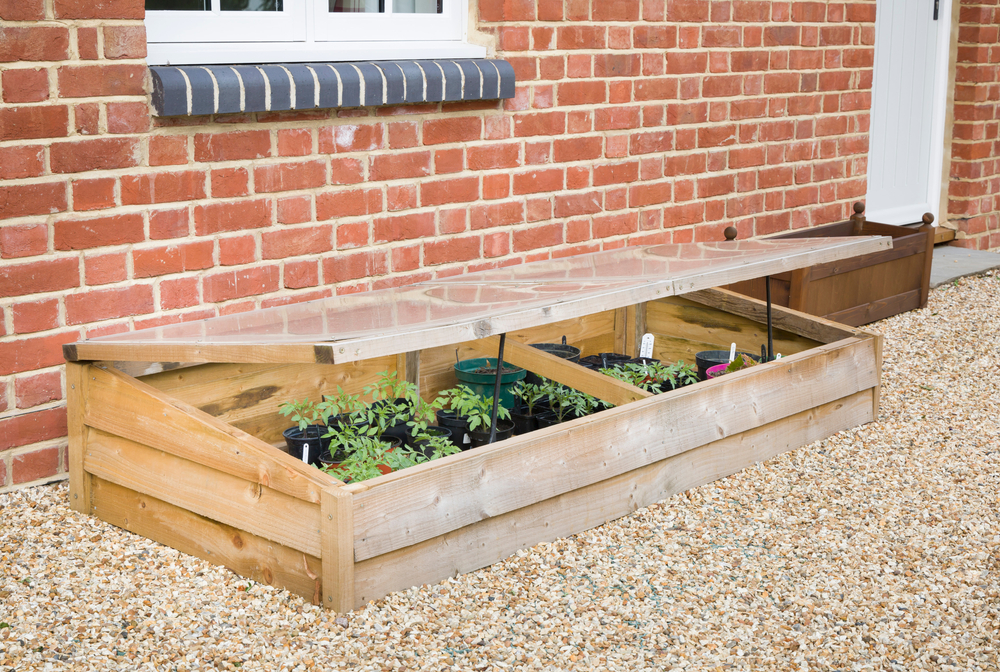
A cold frame is an excellent solution for protecting early buds, especially when dealing with an unexpected frost. This structure traps heat from the sun during the day, maintaining a warmer environment for your plants at night. Cold frames are particularly beneficial for tender seedlings or plants that are just beginning to grow. By positioning the frame over your plants, you provide them with a safe, warm microclimate.
A cold frame can be made from a variety of materials, including wood and glass or plastic. It is important to ensure that the frame is positioned to catch the most sunlight during the day. During warmer days, be sure to open the cold frame to allow for ventilation. This structure works well for both flowers and vegetables and is a great way to get a jump start on the growing season.
Plant in Raised Beds
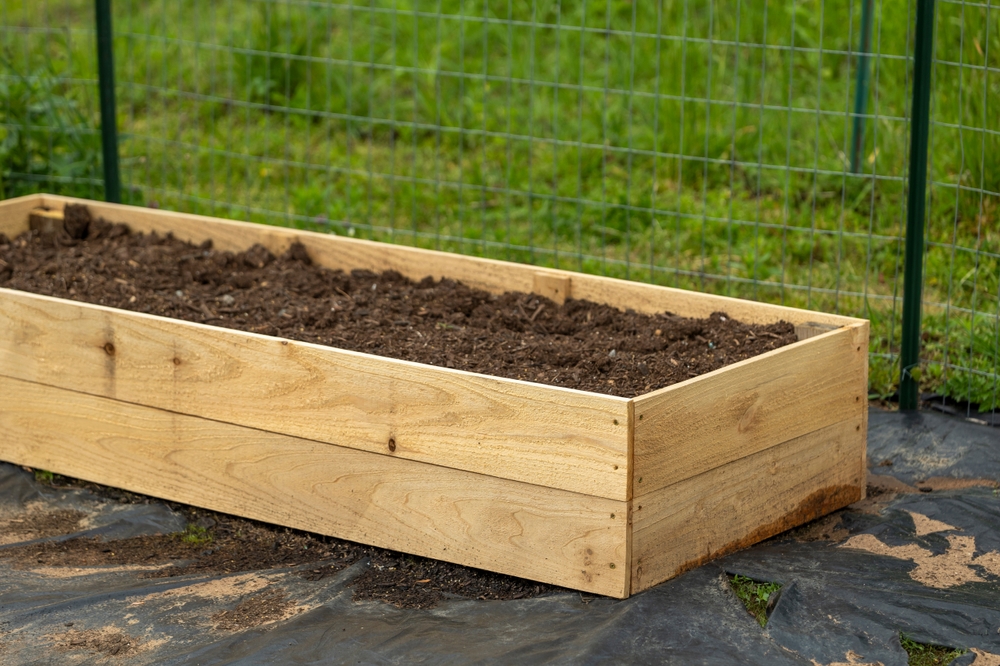
Raised beds provide several benefits when it comes to protecting early buds. They offer better drainage, which can prevent waterlogged roots during cool weather. Additionally, raised beds tend to warm up faster than the surrounding ground, allowing plants to grow earlier in the season. By planting in raised beds, you create an environment that is less susceptible to the sudden temperature fluctuations that can damage early buds.
Raised beds can be made from a variety of materials, such as wood, stone, or even metal. They also allow you to control the quality of the soil, ensuring that your plants have access to the nutrients they need to thrive. Adding a layer of mulch around the base of the plants within the raised bed can help retain heat and moisture. This method is an excellent way to protect your garden from the unexpected swings in temperature that can happen in early spring.
Check the Weather Forecast Regularly

Staying informed about the weather is crucial when protecting early buds from unexpected temperature swings. Regularly checking the forecast helps you prepare for any cold snaps or frost warnings. By planning ahead, you can take the necessary precautions to protect your plants before the cold hits. This might include covering them with frost cloths, moving potted plants indoors, or using heat lamps for added warmth.
Pay attention to the weather patterns in your area, especially during the transition from winter to spring. A sudden cold front can catch you off guard, but by staying alert, you can act quickly. Make checking the weather part of your daily routine during the early spring months. Being proactive will help you keep your early buds safe and healthy.
This article originally appeared on Avocadu.