
10 Ways to Practice Gratitude During the Holiday Season
The holiday season can feel busy and emotionally full, which makes gratitude more important than ever. Taking time to notice what is already present can help bring balance, warmth, and clarity during this time of year. Simple daily practices can shift focus away from stress and toward connection, comfort, and appreciation.
This post may contain affiliate links, which helps keep this content free. Please read our disclosure for more info.
Keep a Daily Gratitude Journal

Keeping a daily gratitude journal during the holiday season gives your mind a place to slow down. Writing about small moments like a shared meal, a kind message, or a quiet morning helps steady your thoughts when days feel packed. This habit shifts attention away from stress and toward moments that already feel meaningful. Over time, it becomes easier to notice positive experiences as they happen instead of overlooking them.
Looking back on past entries can be comforting during difficult days. It shows that even busy or emotional moments often include something worth appreciating. The journal becomes a gentle reminder that good experiences exist alongside challenges. This simple routine supports a calmer and more grounded outlook throughout the season.
Write Handwritten Thank You Notes

Handwritten thank-you notes encourage deeper reflection about the people who matter most. Sitting down to write helps you think about specific actions, care, or support that made a difference. The act of writing slows the pace of the season and creates a moment of intention. It allows gratitude to feel thoughtful rather than rushed.
Receiving a handwritten note often feels personal and sincere. Writing these notes shifts focus away from gifts and toward connection. It reinforces appreciation through time and attention. This practice strengthens relationships while reminding you of the value of shared experiences.
Volunteer Your Time

Volunteering during the holidays offers perspective beyond daily routines. Giving time at a food pantry, shelter, or community event highlights the importance of shared effort. It helps build awareness of needs that often go unseen during busy weeks. This experience can deepen appreciation for basic comforts.
Spending time helping others often brings a sense of connection. It encourages reflection on how small actions can matter. Volunteering shifts attention away from personal stress and toward community care. Gratitude grows through service and shared humanity.
Be Fully Present in the Moment

Practicing presence during the holidays helps meaningful moments stand out. Putting aside distractions during conversations or meals allows you to fully experience shared time. This awareness brings attention to voices, expressions, and emotions that might otherwise pass by. Even simple moments feel richer when fully noticed.
Presence reduces the urge to rush from one task to another. It creates space to appreciate what is happening right now. Gratitude develops naturally when moments are fully experienced. Being present turns ordinary interactions into lasting memories.
Focus on What You Have
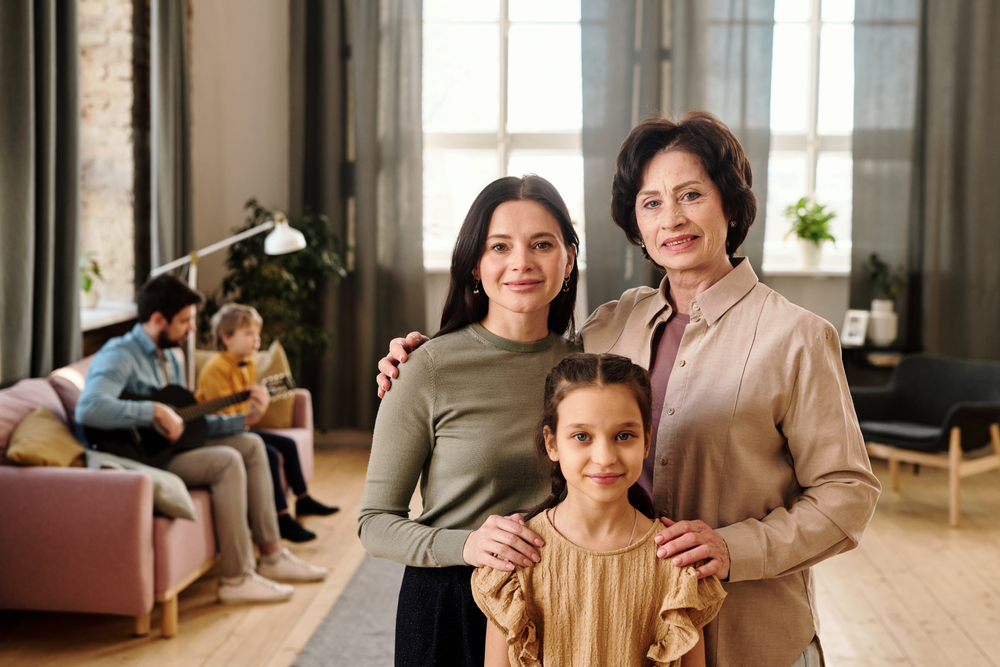
Shifting focus to what you already have helps ease comparison during the holidays. Reflecting on relationships, health, and stability can reframe priorities. This approach reduces pressure linked to expectations or material wants. Gratitude grows through recognition of existing support.
Appreciating what is present encourages contentment. It highlights progress and resilience rather than absence. This mindset supports emotional balance during a busy season. Gratitude becomes steady rather than conditional.
Express Appreciation to Loved Ones

Expressing appreciation strengthens emotional bonds with loved ones. Saying thank you for patience, support, or companionship helps others feel valued. These words often carry more meaning than gifts. They encourage openness and warmth during gatherings.
Sharing appreciation also reinforces positive feelings within yourself. It encourages honesty and emotional clarity. Gratitude becomes part of everyday communication. This habit supports deeper trust and understanding.
Share Gratitude at Meals

Sharing gratitude at meals creates a moment of connection during an otherwise busy day. Taking turns expressing appreciation helps everyone pause and reflect before eating. This practice shifts attention away from distractions and toward shared presence. It encourages meaningful conversation and helps set a calm tone for the meal.
Over time, this habit can become a comforting routine that people look forward to. It reinforces the idea that meals are about togetherness rather than rushing. Gratitude shared out loud often helps people feel seen and heard. This simple practice supports a more mindful and connected holiday experience.
Use a Gratitude Jar

A gratitude jar offers a visual and hands-on way to recognize positive moments. Writing down small notes of appreciation and placing them in a jar helps capture joy as it happens. This practice encourages awareness throughout the day rather than waiting to reflect later. It turns gratitude into an ongoing activity.
Reading the notes later can bring perspective during stressful moments. It shows how many meaningful experiences occurred during busy weeks. The jar can become a shared activity for families or households. Gratitude feels more tangible when it can be seen and revisited.
Reflect Before Bed

Reflecting before bed helps bring closure to the day. Taking a few quiet moments to think about what went well encourages calm before rest. This practice helps release lingering stress from the day. It supports better emotional balance during a demanding season.
Nightly reflection builds a steady rhythm of appreciation. Even challenging days often include small moments of comfort or kindness. Recognizing these moments supports a gentler mindset. Gratitude becomes part of the daily routine rather than an occasional thought.
Limit Comparisons

Limiting comparisons can protect emotional well-being during the holidays. Social gatherings and media often present idealized images that feel unrealistic. Stepping back from comparison allows appreciation for your own experiences. Gratitude grows when expectations feel more personal.
Letting go of comparison encourages acceptance and self-awareness. It reduces pressure to measure your life against others. This mindset supports contentment with what feels meaningful to you. Gratitude becomes grounded in reality rather than outside standards.
This article originally appeared on Avocadu.