
13 Ways to Keep Your Soil Healthy All Winter
Winter can be tough on soil, so a little attention now can make a big difference once warmer days return. This season gives your garden a chance to rest, and simple habits can help protect the ground while everything slows down. Many gardeners look for ways to support soil life so it stays active even when temperatures drop. With the right steps, you can keep moisture steady, reduce damage from heavy weather, and hold soil in place through long cold spells. These small choices can help your garden beds feel steady and ready when spring planting arrives. Caring for soil in winter does not need to feel complicated, and each helpful layer added now creates a smoother start later.
This post may contain affiliate links, which helps keep this content free. Please read our disclosure for more info.
Add a Thick Layer of Organic Mulch
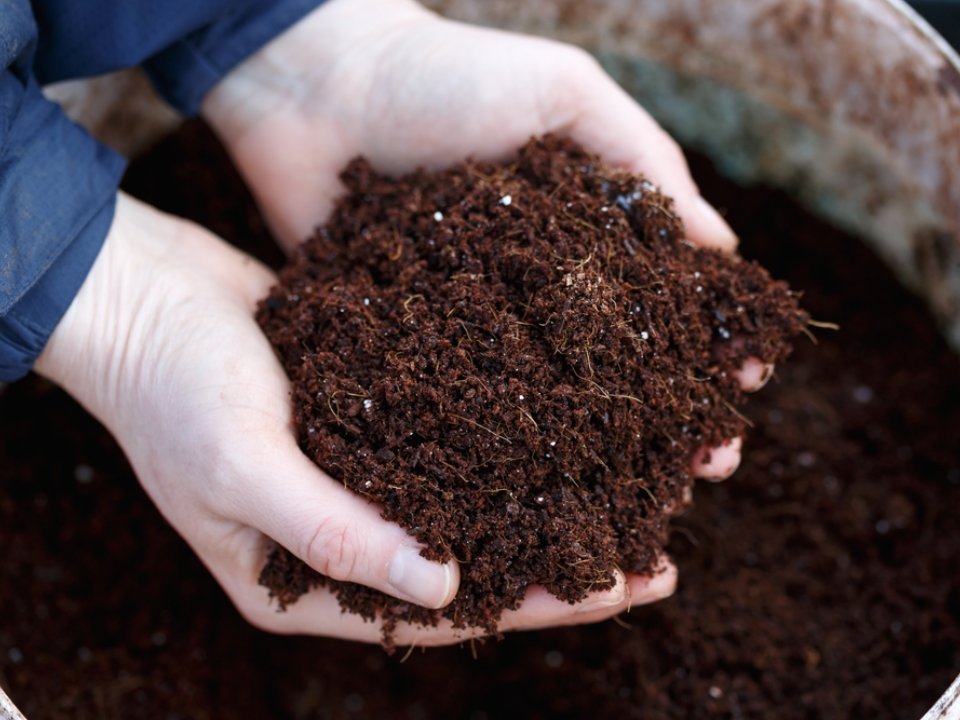
A thick layer of organic mulch helps shield soil from harsh winter temperatures and keeps it from drying out. The mulch helps slow moisture loss as the cold air settles in for the season. It also helps protect soil structure by reducing the impact of heavy rain or snowfall.
As the mulch breaks down, it gives the soil a gentle supply of natural material. This simple step can help support helpful organisms beneath the surface. It also helps reduce the chance of soil shifting or eroding through the cold months. Many gardeners rely on this practice to keep their soil steady until spring.
Avoid Leaving Soil Bare

Leaving soil exposed during winter can cause wind and rain to wear it down. The cold season can break apart surface layers when there is nothing present to protect them. A bare surface can also invite unwanted weed seeds that settle during the quiet months. When you cover the soil, you help hold moisture and structure in place.
Even temporary coverings like leaves or straw can make a difference. This small step helps keep the soil more stable until warmer days return. Gardeners who avoid bare soil often see smoother results when planting begins.
Add Compost Before Freezing Temperatures Arrive
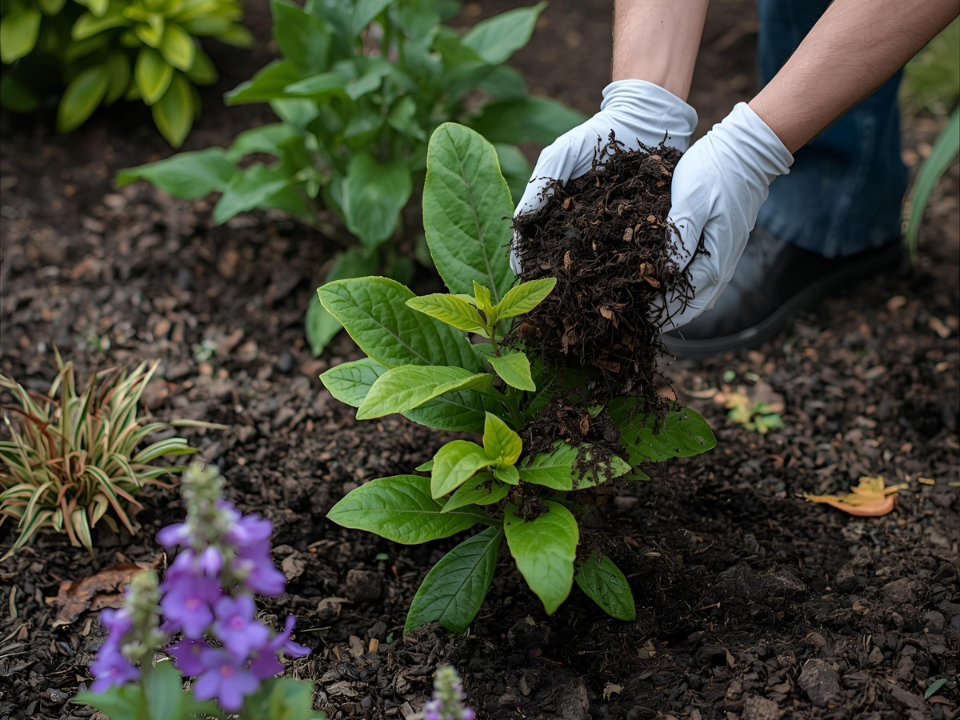
Adding compost before the freeze allows nutrients to settle and blend slowly into the soil. The cold weather helps slow the breakdown process, creating a gentle release as winter moves forward. Compost helps bring more life into the soil as microbes continue to work beneath the surface. It can also help improve the soil’s ability to hold moisture during cold spells.
When spring arrives, the soil is already in better shape to support new roots. This creates a helpful foundation for vegetables and flowers. Many gardeners find that winter composting leads to healthier beds overall.
Reduce Foot Traffic on Wet Garden Beds

Walking on wet garden beds can compress the soil and damage its structure. Winter rain and melting snow can leave the soil soft and vulnerable. When the soil becomes compacted, air movement is limited and roots struggle in the coming season.
Avoiding foot traffic helps keep the soil loose and healthy. Placing stepping stones along pathways can help reduce pressure on delicate areas. This simple consideration can protect your garden’s long-term condition. A little caution during winter can prevent a range of soil issues later on.
Use Leaves as a Natural Soil Blanket
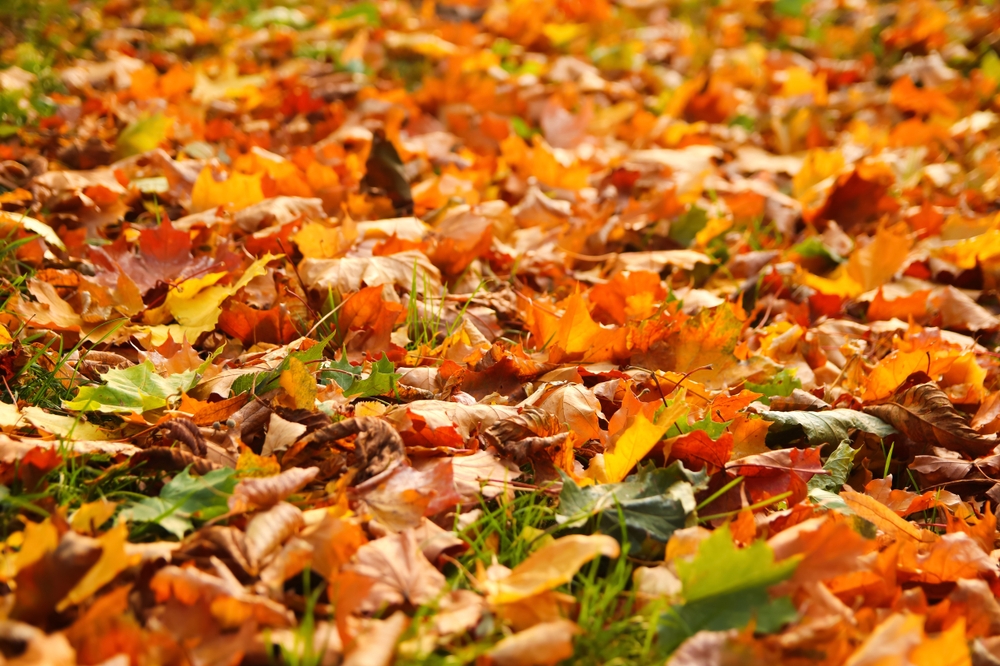
Fallen leaves offer a simple and helpful way to protect soil during winter. Spread them across your garden beds to create a layer that softens the pressure of heavy snow. As the leaves break down, they blend into the soil and help enrich it for the next season.
This layer also limits rapid temperature swings that can harm soil life. Worms and other small organisms can thrive under leaf cover. This method helps create a low effort shield for winter months. Many gardeners appreciate how easy and effective this step can be.
Water the Soil Before the First Freeze
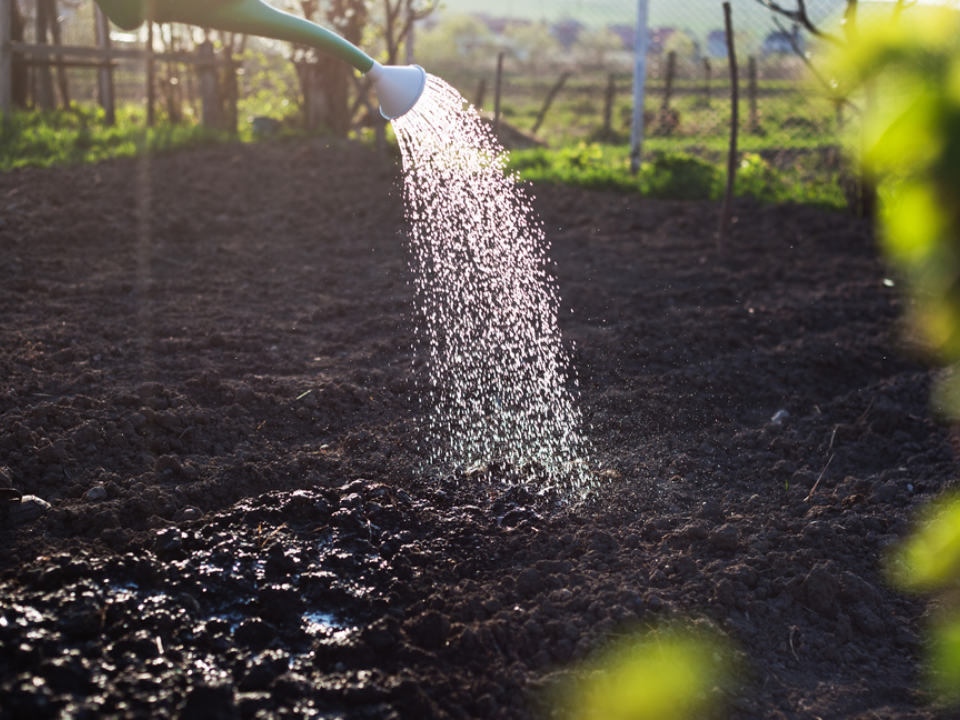
Moist soil holds heat better than dry soil, giving plants and microbes a smoother start to winter. Watering before the freeze helps stabilize the soil environment. It can also help reduce the impact of sudden temperature drops.
Hydrated soil is less likely to shift or crack during extreme cold. This step also helps prevent dry pockets from forming as the season progresses. With enough moisture, soil life can continue to work slowly through the cold period. This simple action can support your garden’s long-term health.
Add Pine Needles for Extra Protection
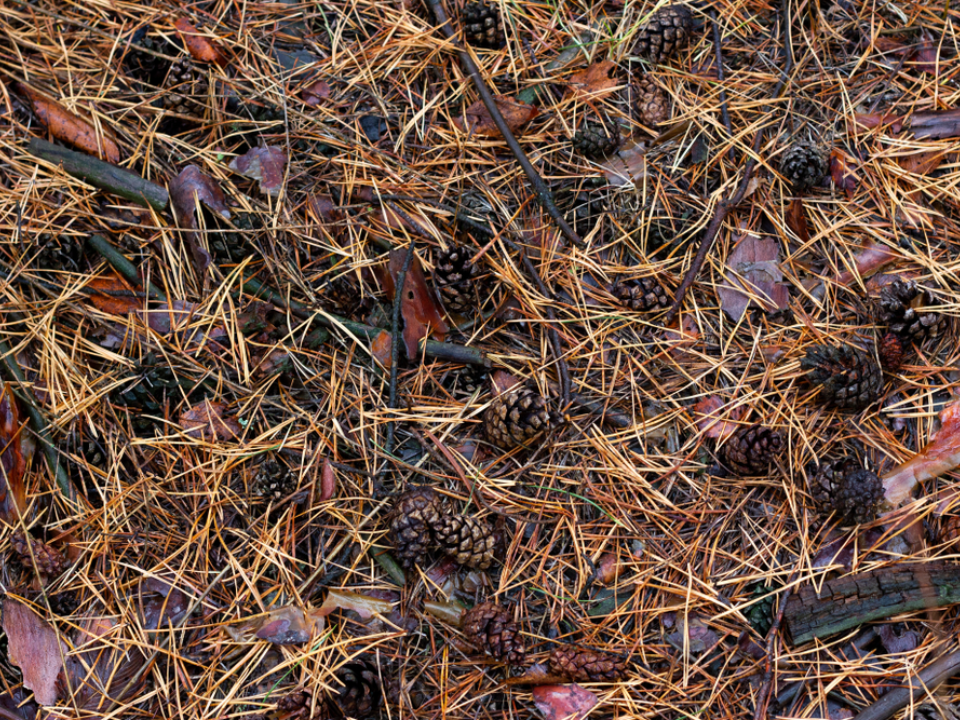
Pine needles can help create a loose and airy covering for the soil. They allow water to move through while still offering insulation during cold weather. Many gardeners use them because they stay in place better than some other materials.
Pine needles help reduce the risk of surface erosion caused by rain or melting snow. They also add natural material to the soil as they slowly break down. This covering helps regulate temperature around the root zone. It is a helpful option for gardeners who want a simple winter shield.
Add a Layer of Straw for Insulation
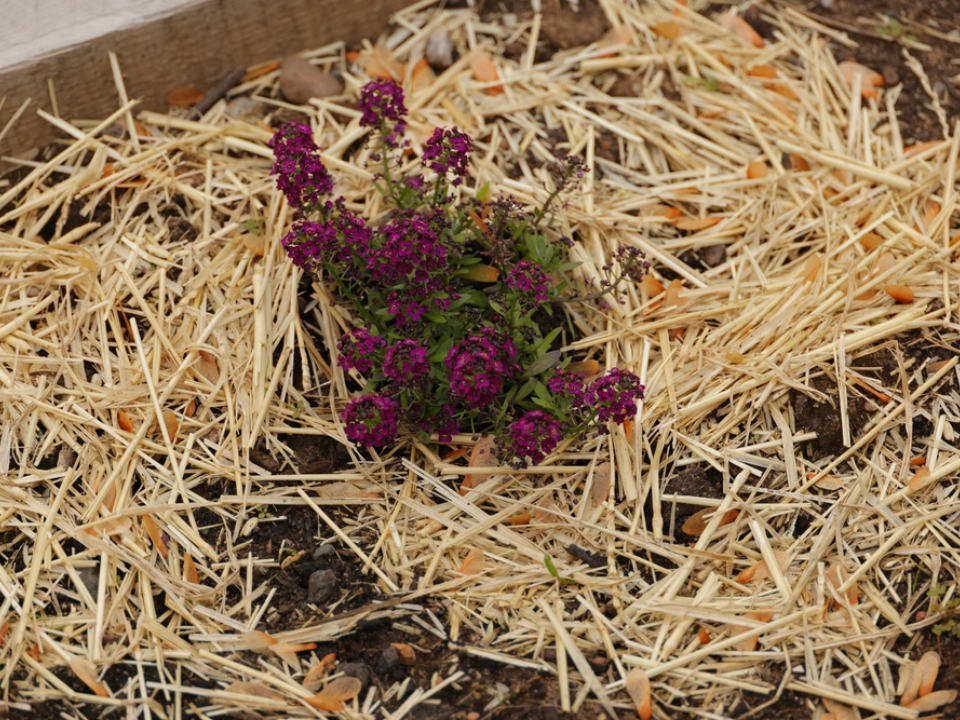
Straw is a lightweight material that provides an insulating layer over garden beds. It helps shield the soil from freezing temperatures and protects root systems that remain underground. Straw also keeps moisture levels steadier during cold weather.
As it breaks down, it gently improves the soil structure. Gardeners appreciate how easy it is to spread and remove when needed. It helps keep winter conditions from shocking the soil. This simple addition can make a noticeable difference by spring.
Add Woody Debris to Support Soil Life
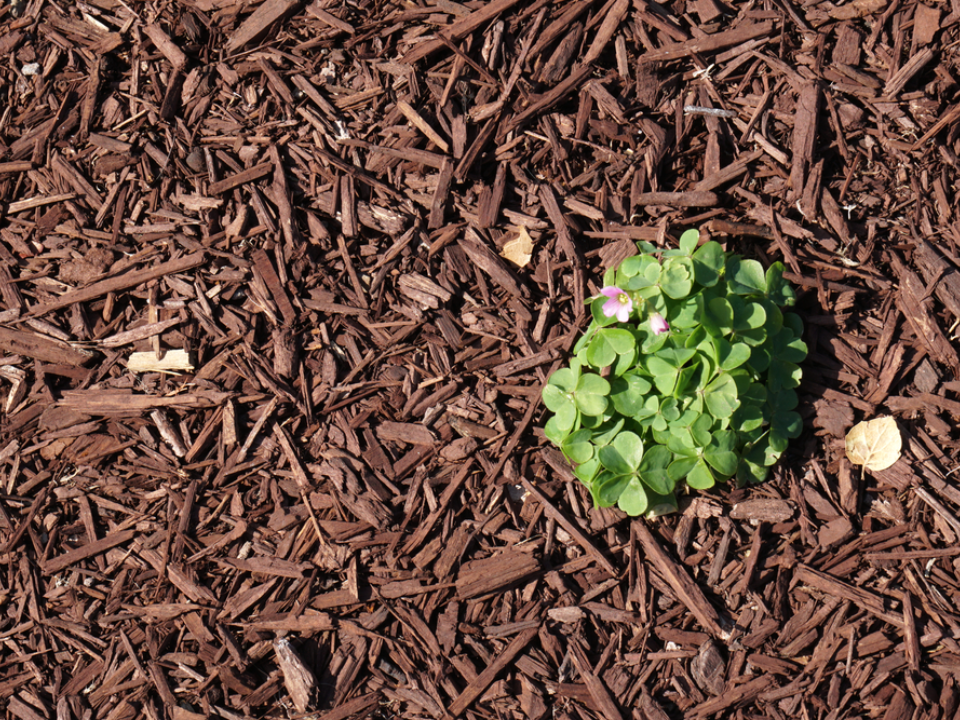
Small branches and twig pieces can help build a protective layer over the soil during winter. As they sit on the surface, they help reduce the pressure from snow and rain. The debris also helps slow erosion since it breaks the force of wind and water.
Beneath this layer, soil organisms can move more freely and continue their natural processes. Over time, the woody material begins to soften and mix into the top layer of the soil. This step helps create a more natural environment that mimics what happens on a forest floor. Gardeners who use this method often see healthier soil activity after winter ends.
Test Soil pH Before Planting Season
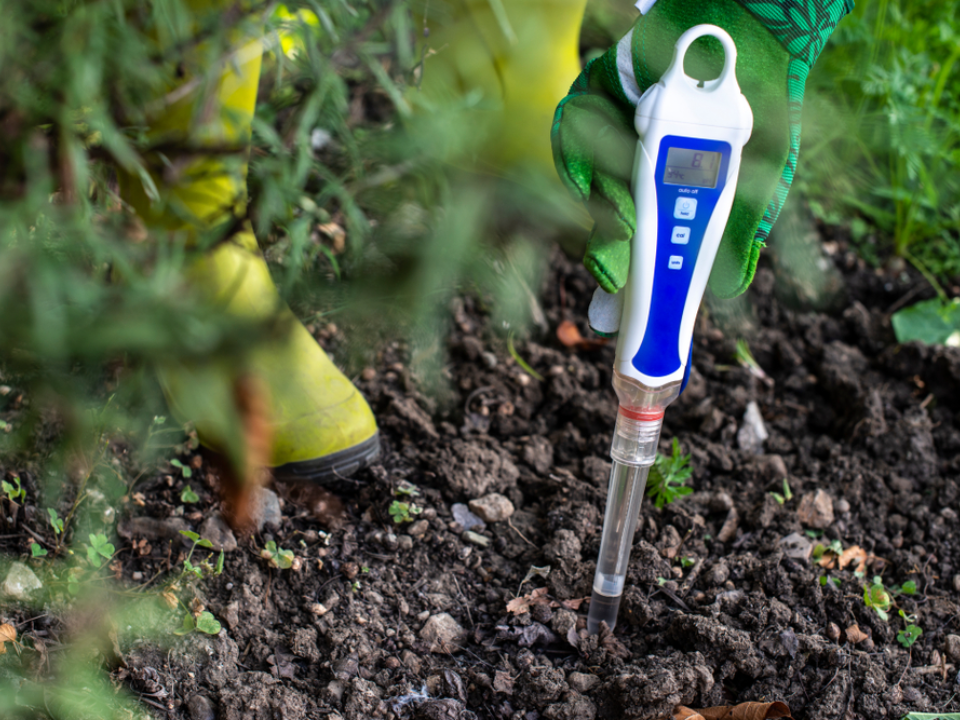
Winter is a helpful time to check the condition of your soil because everything is at rest. Testing soil pH helps you understand how well your soil can support plants once spring arrives. If the soil leans too far toward one side of the scale, adjustments can be planned early.
This helps avoid rushed decisions during the busy planting months. Understanding soil pH can help guide future fertilizer or amendment choices. A simple test can offer clarity on long term soil health needs. This step creates a smoother foundation for your garden’s next season.
Add Worm Castings Before Freezing Weather
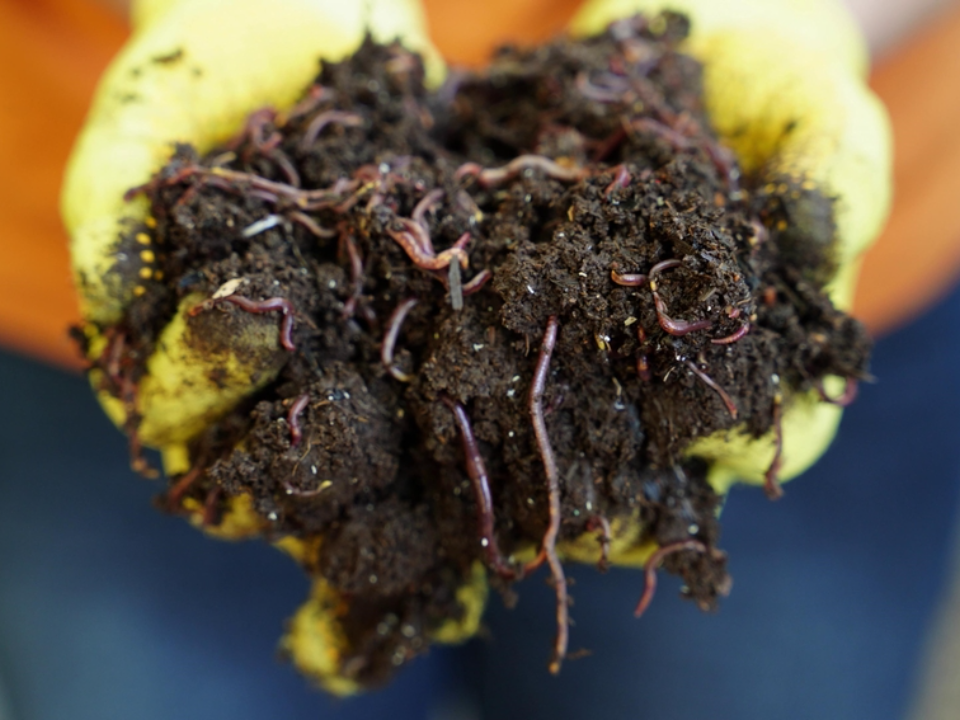
Worm castings help nourish soil by offering material that supports microbial life. When added before the freeze, the castings slowly settle into the soil through winter. This process gives the soil a steady supply of natural matter without overwhelming it.
Castings can help improve moisture retention during colder months. They also help soften compacted areas as soil organisms continue to move. Gardeners appreciate how gentle and reliable worm castings can be. Using them in winter helps prepare garden beds for strong spring activity.
Apply Biochar to Support Soil Structure
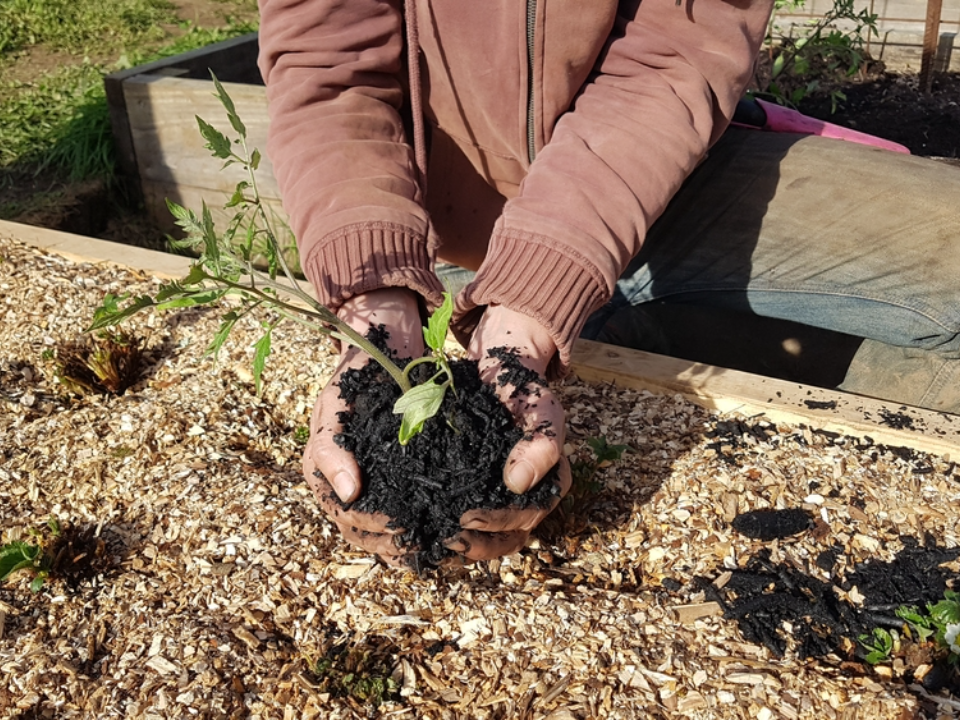
Biochar can help hold nutrients in the soil and improve long term stability. Adding it in winter gives the material time to settle before planting season. It blends slowly and supports soil microorganisms during cold weather. Biochar can help improve moisture movement while keeping the soil from compacting.
Many gardeners mix it with compost for a more balanced application. Winter spreading allows it to distribute evenly without interference from heavy root growth. This choice gives the soil a stronger base for spring planting.
Add Grass Clippings Before the First Frost
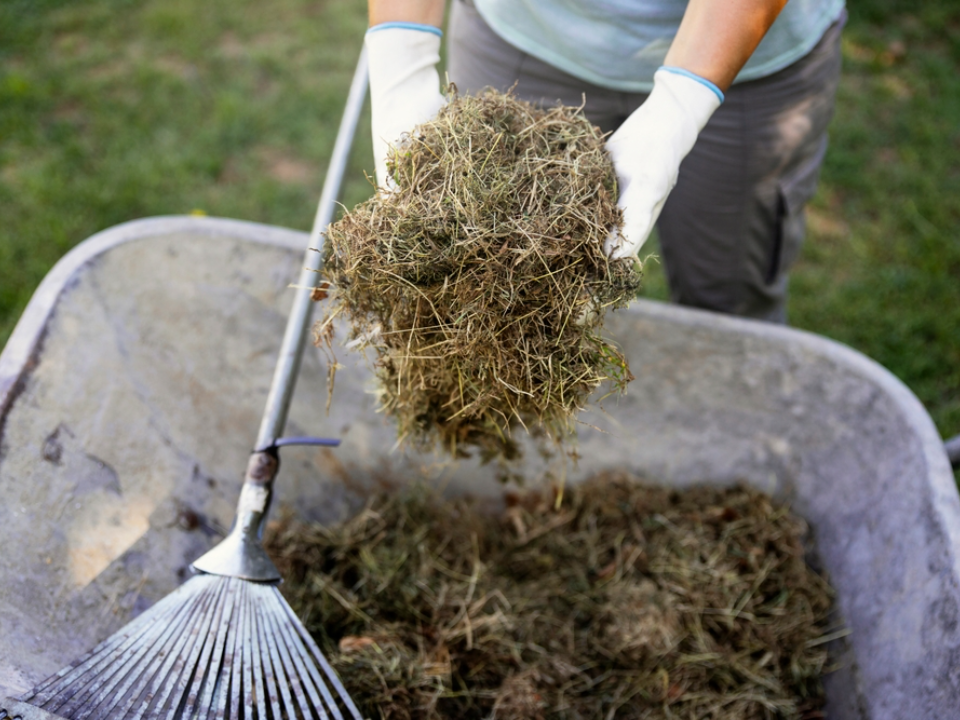
Grass clippings break down quickly and help feed soil organisms through the cold season. When applied before frost sets in, they release nutrients at a steady pace. This covering also helps protect the soil surface from erosion.
The clippings can help hold moisture and regulate temperature. Over time, they blend into the soil and support better structure. Many gardeners use clippings because they are simple to gather and spread. This step gives your soil an easy source of natural material during winter.
This article originally appeared on Avocadu.