
14 Ways to Get Better Sleep When It Is Dark Early
As the days grow shorter, it can be harder to get the restful sleep you need. The early nightfall often leaves people feeling off-track when it comes to their sleep habits. Adjusting your routine can help you sleep better even when it gets dark earlier. Let us explore a few strategies that can improve your nighttime rest.
This post may contain affiliate links, which helps keep this content free. Please read our disclosure for more info.
Stick to a Regular Sleep Schedule
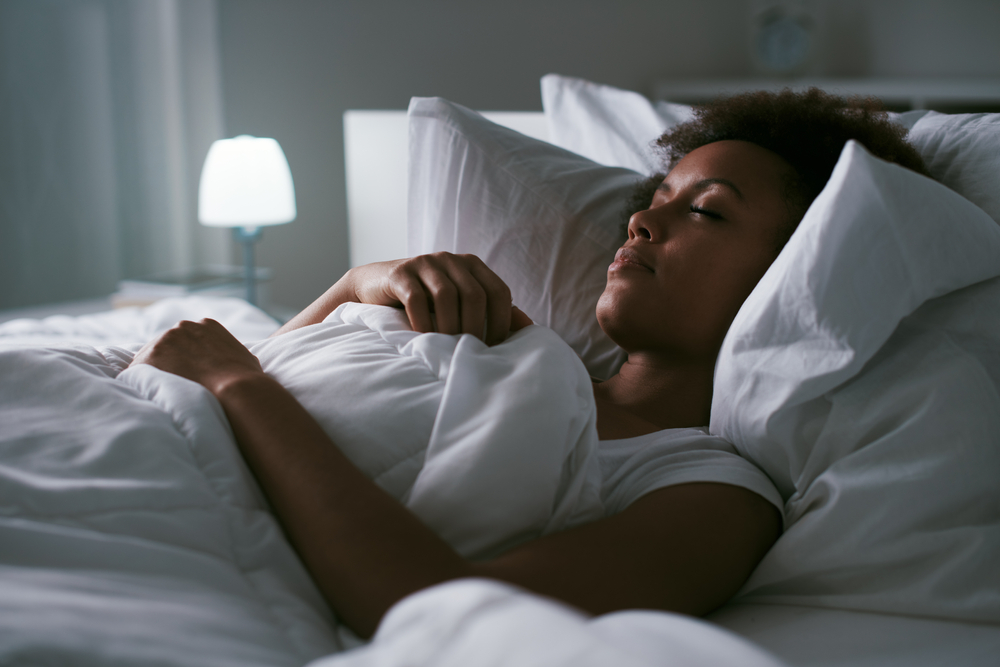
One of the most effective ways to improve your sleep is by keeping a consistent sleep schedule. This means going to bed and waking up at the same time each day, even on weekends. It helps regulate your body’s internal clock, making it easier to fall asleep and wake up naturally. Establishing a routine provides your body with the structure it needs to adjust to the changing daylight hours.
By sticking to a regular schedule, you will find that you fall asleep faster and wake up feeling more refreshed. Your body learns when to prepare for rest and when to start the day. It is important not to vary your sleep time by more than an hour. Even small changes can disrupt your sleep patterns, so consistency is key.
Create a Relaxing Bedtime Routine

A calming pre-sleep routine can signal to your body that it is time to wind down. Activities such as reading, meditating, or taking a warm bath can help you prepare for rest. Engaging in these relaxing practices before bed can decrease stress and make it easier to sleep when it gets dark early. The key is to avoid stimulating activities that may keep your mind alert.
Your routine should last about 30 minutes to an hour, giving your body time to relax. This helps you disconnect from the day and focus on getting quality rest. Consistency in your routine will also make it easier for your body to recognize the transition into sleep. Try different activities to see what best suits your needs.
Make Your Bedroom a Sleep-Friendly Environment
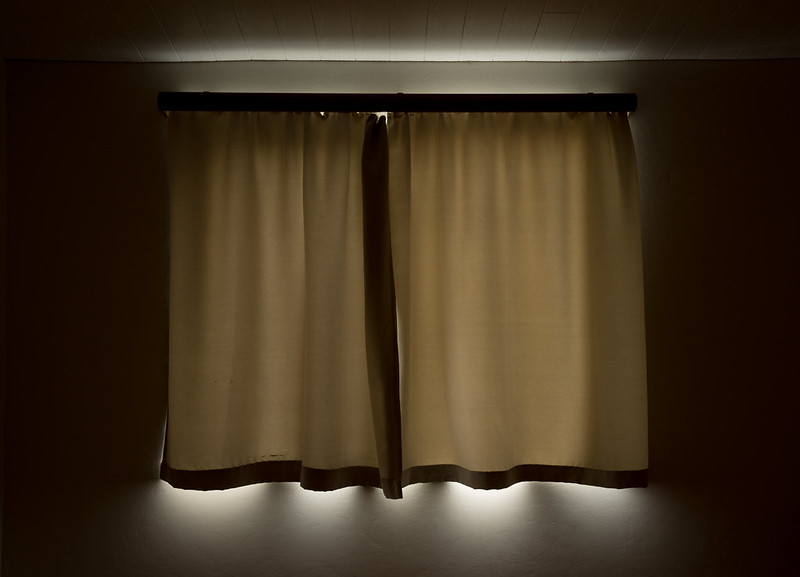
Creating an environment that promotes sleep is essential, especially during the darker months. Make sure your bedroom is cool, quiet, and dark. Blackout curtains can be particularly helpful in blocking out early evening light, allowing your body to better adjust to sleep. A comfortable mattress and pillows are also key elements in ensuring a restful night.
You may also want to consider eliminating any distractions, such as electronic devices, that can interfere with your sleep. Turning off all lights, including those from digital screens, helps your body produce melatonin. This hormone signals to your brain that it is time to sleep. A quiet, peaceful room helps promote deeper, more restorative rest.
Avoid Stimulants Before Bed

Certain substances can interfere with your ability to fall asleep, especially when it gets dark early. Caffeine, nicotine, and even alcohol can disrupt your sleep patterns. It is important to avoid consuming these items in the hours leading up to bedtime. Caffeine, for example, can stay in your system for several hours, making it harder to fall asleep at the right time.
Instead, try to focus on herbal teas or water to help hydrate your body before bed. If you are sensitive to stimulants, consider cutting them out entirely from your evening routine. Over time, your body will adapt, making it easier to fall asleep naturally. Avoiding stimulants is a simple yet powerful way to improve sleep quality.
Limit Screen Time Before Bed

With the increase in screen time, many people find it harder to sleep when it is dark earlier. The blue light emitted by phones, tablets, and computers interferes with melatonin production, making it difficult for your body to wind down. Try to limit screen time at least an hour before you go to bed. If you must use your device, consider using settings that reduce blue light exposure.
Instead of scrolling through your phone, consider picking up a book or listening to calming music. This gives your mind a chance to unwind without the stimulation of bright screens. Reducing screen time will allow your brain to shift into relaxation mode, making it easier to fall asleep at an appropriate time. This change can lead to better sleep quality and a more restful night.
Exercise During the Day

Regular physical activity can help you sleep better, especially when the days are shorter. Exercise improves your overall health and promotes more restful sleep by reducing stress and anxiety. However, it is important to time your exercise correctly. Try to finish vigorous activities at least three hours before bedtime to avoid being too energized to sleep.
Exercise during the day can also expose you to natural light, helping to regulate your body’s internal clock. This can make it easier for you to fall asleep when it gets dark. Light physical activity, such as a walk after dinner, can be especially helpful in encouraging relaxation. Regular exercise is an easy yet effective way to ensure you get better sleep during the darker months.
Avoid Heavy Meals Before Bed

Eating large or rich meals right before bed can make it harder for your body to settle into sleep. Foods that are spicy or high in fat can cause discomfort, indigestion, or acid reflux, which disrupt sleep. Aim to finish eating at least two to three hours before you go to bed. This gives your body time to digest and avoid unnecessary discomfort.
Instead of heavy meals, focus on lighter, sleep-friendly snacks if you need something before bed. Foods like bananas, almonds, or a small bowl of yogurt can promote better sleep without weighing you down. A balanced diet also supports overall health, making it easier for you to maintain a good sleep routine. Choose your evening meals wisely to help your body wind down.
Try Relaxing Scents
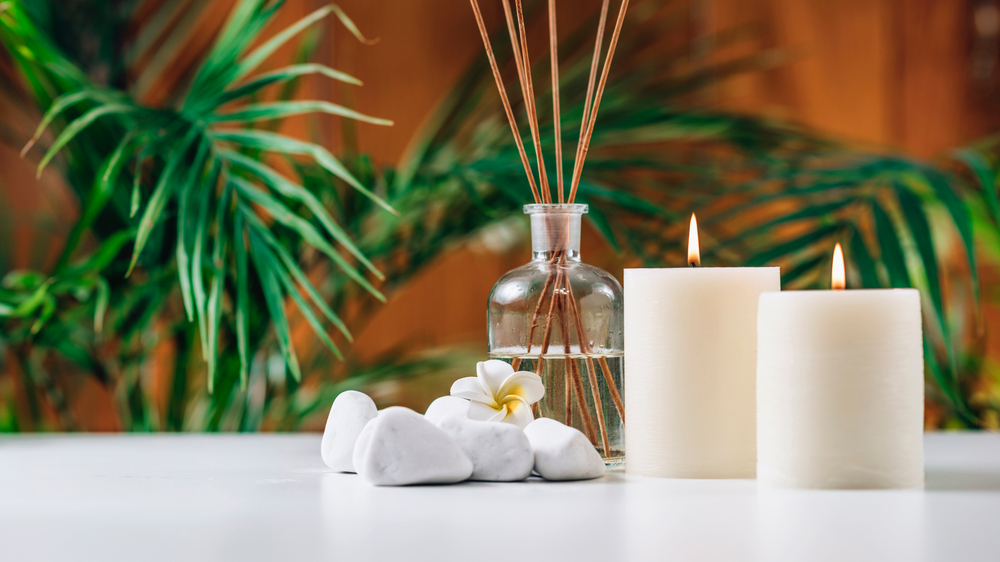
Aromatherapy can be a natural way to promote relaxation and improve sleep quality. Certain scents, such as lavender, chamomile, or sandalwood, are known for their calming properties. Using essential oils or candles in your bedroom can create a soothing atmosphere that encourages restful sleep. Consider using a diffuser to spread the scent throughout the room.
These natural scents help reduce stress and anxiety, allowing your mind to relax before bed. They can also signal to your brain that it is time to rest. If you have trouble falling asleep, experimenting with different scents may be worth trying. A relaxing environment with calming fragrances can be a simple yet powerful way to improve your sleep quality.
Keep Your Mind Calm
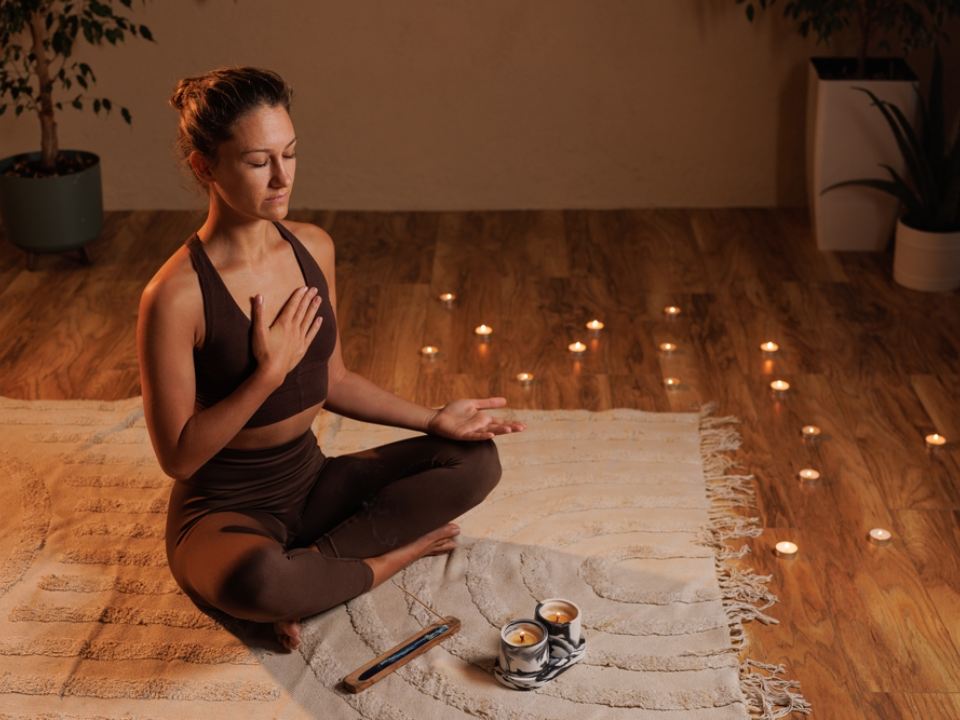
Stress and anxiety are major factors that can make it harder to fall asleep, especially when the days are shorter. Developing techniques to calm your mind before bed is key. Meditation, deep breathing exercises, or even journaling can help clear your thoughts. These practices help to lower stress levels and allow your mind to relax.
Another helpful technique is progressive muscle relaxation, where you focus on tensing and relaxing each muscle group in your body. This encourages physical and mental relaxation, making it easier to sleep. It may take time to establish these habits, but they are powerful tools to help you unwind. A calm mind leads to a deeper and more restful night’s sleep.
Get Exposure to Natural Light

Getting exposure to natural light during the day can have a significant impact on your sleep. It helps regulate your body’s sleep-wake cycle and increases melatonin production when it is time to sleep. Spend time outside during daylight hours, especially in the morning, to help your body adjust to the changing seasons. This can improve your energy levels and make it easier to sleep when it gets dark early.
Natural light exposure also helps fight the winter blues and promotes overall well-being. If you cannot get outside, consider using light therapy lamps designed to simulate sunlight. These devices can be particularly helpful in the winter months when daylight is limited. Regular exposure to natural light is one of the most effective ways to help your body stay in sync with the seasons.
Limit Naps During the Day

While napping can be refreshing, it can also interfere with your ability to sleep at night. Napping too late or for too long during the day can make it harder for you to fall asleep when it is dark early. If you must nap, try to keep it to 20 minutes or so in the early afternoon. This will refresh you without affecting your nighttime rest.
Limiting naps will help ensure that you feel tired when it is time to go to bed. This helps your body maintain a consistent sleep-wake cycle. Avoid naps after 3 p.m., as this can impact your ability to fall asleep later. By managing naps, you can improve your overall sleep quality.
Use Sleep-Tracking Devices

Sleep trackers can provide valuable insight into your sleep habits, helping you identify areas for improvement. These devices monitor things like sleep duration, quality, and the number of times you wake up during the night. They can help you see patterns and make adjustments to your routine. By reviewing your sleep data, you can better understand what may be affecting your rest.
While these devices are not always perfect, they can be a helpful tool in your quest for better sleep. Many of them sync with apps that offer tips for improving sleep hygiene. Using a sleep tracker for a week or two can give you a clearer picture of your sleeping habits. This information can help you take steps to make your sleep more consistent and restful.
Avoid Overloading Your Bladder Before Bed

Drinking too many fluids in the evening can lead to frequent trips to the bathroom during the night, disrupting your sleep. Try to avoid drinking large quantities of fluids at least two hours before bed. It is also helpful to reduce caffeine and alcohol intake, as these can increase urine production. Maintaining good hydration during the day will help reduce the need for nighttime bathroom breaks.
By managing your fluid intake, you can sleep through the night without unnecessary interruptions. A full bladder can cause discomfort and prevent you from reaching deeper sleep stages. Staying mindful of your evening hydration can significantly improve the quality of your rest. This small adjustment can make a noticeable difference in how well you sleep.
Limit Noise Distractions
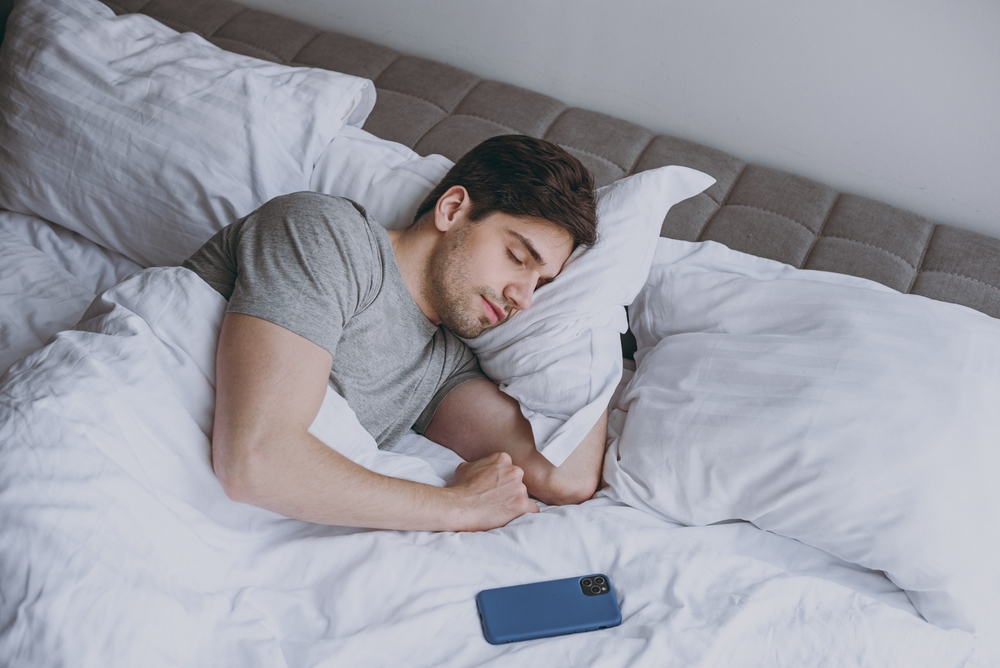
Noise can be a major disruptor to sleep, especially during the dark winter months when you are more likely to notice it. If your home is in a noisy area, consider using earplugs or a white noise machine to block out unwanted sounds. These devices can help create a calm, peaceful environment that promotes restful sleep. A quiet room will allow your body to relax and fall into deeper sleep.
If you prefer not to use devices, consider adding soft furnishings like curtains, rugs, or even pillows to absorb sound. Keep windows closed if external noise is a problem, and try to limit sounds from other areas of your home. A quiet environment is essential for promoting uninterrupted, high-quality sleep. Reducing noise disruptions can make a significant difference in how well you sleep.
This article originally appeared on Avocadu.