
13 War Movies That Still Leave Viewers Speechless
War movies have the ability to leave a lasting impact on audiences. They showcase intense emotions, difficult decisions, and the realities of conflict. Many films stand out for their powerful storytelling and unforgettable scenes. These movies pull viewers into the chaos of war, making them feel every moment.
This post may contain affiliate links, which helps keep this content free. Please read our disclosure for more info.
Saving Private Ryan (1998)
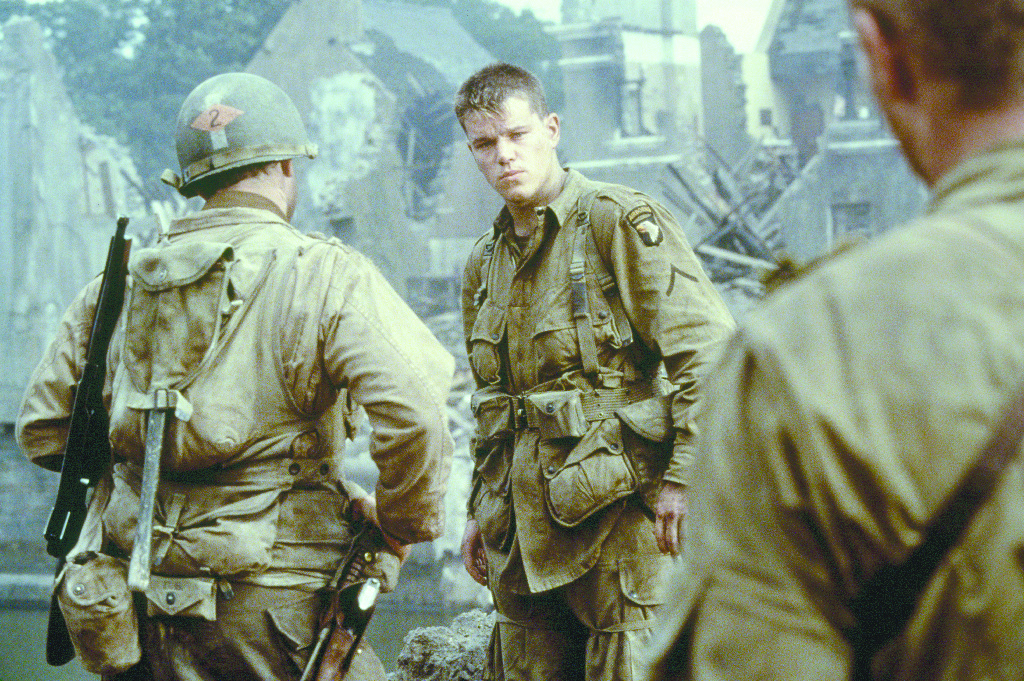
Saving Private Ryan is one of the most gripping portrayals of World War II ever made. Directed by Steven Spielberg, it begins with the harrowing D-Day landings at Normandy, a sequence that has become iconic in film history. The story follows a group of soldiers tasked with bringing home a paratrooper, the last surviving son of a widow. The film’s realism and emotional weight are unmatched, creating a deep connection between the audience and the characters.
The film earned numerous accolades, including five Academy Awards, and is known for its intense portrayal of the brutality of war. It is praised for its powerful performances, especially by Tom Hanks, and its raw depiction of the sacrifices soldiers made. Saving Private Ryan remains a film that evokes emotion, respect, and reflection long after it ends. Its impact on the war genre is undeniable, influencing countless films that followed.
Schindler’s List (1993)
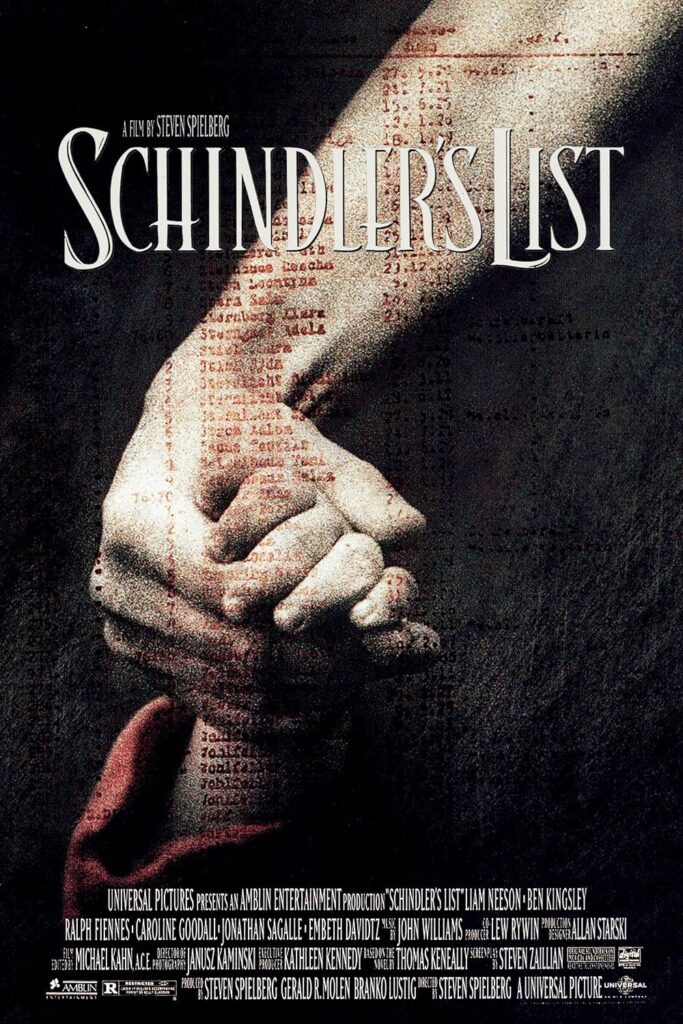
Schindler’s List is a powerful story about the Holocaust, focusing on the life of Oskar Schindler. Directed by Steven Spielberg, it depicts the horrific genocide through the lens of a German businessman who saved over a thousand Jewish lives. The film’s stark black-and-white cinematography and unflinching portrayal of the atrocities create a chilling atmosphere. It is not just a war film but a deep dive into human compassion and survival in the darkest times.
The film’s emotional power is enhanced by the remarkable performances of Liam Neeson, Ben Kingsley, and Ralph Fiennes. Schindler’s List is recognized for its authenticity and is considered a must-see for understanding the human cost of war. The movie’s impact on audiences is profound, offering an experience that stays with viewers long after watching. Its legacy continues to educate and remind us of the horrors of war and genocide.
Apocalypse Now (1979)
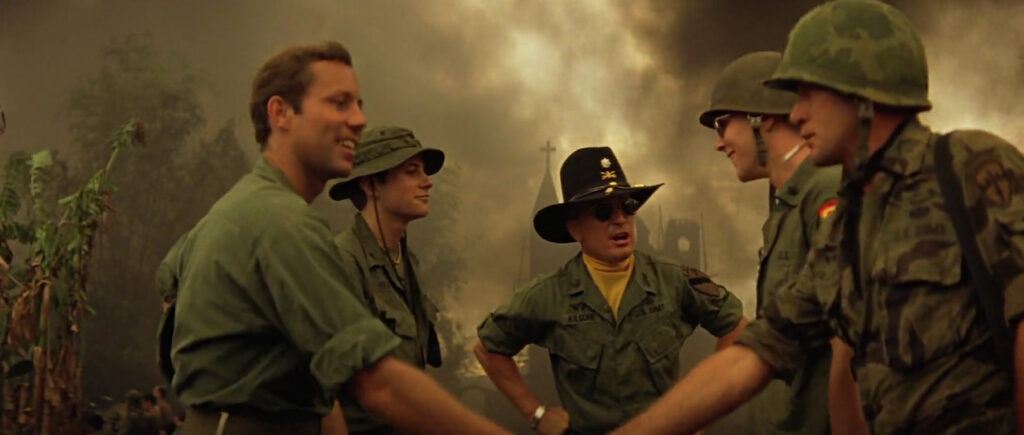
Francis Ford Coppola’s Apocalypse Now is an epic exploration of the Vietnam War. Based on Joseph Conrad’s novella Heart of Darkness, it follows a captain’s journey into the jungle to assassinate a rogue colonel. The film captures the madness and moral ambiguity of war, blending surreal visuals with disturbing violence. Its intense atmosphere and thought-provoking themes make it one of the most unforgettable war films ever made.
Marlon Brando’s portrayal of Colonel Kurtz is both captivating and chilling, leaving a lasting impression. The film is known for its difficult production, with Coppola facing numerous challenges during filming. Apocalypse Now continues to be a seminal work on the futility of war, exploring the psychological toll on soldiers. Its haunting imagery and powerful narrative cement its place as a timeless classic.
Full Metal Jacket (1987)
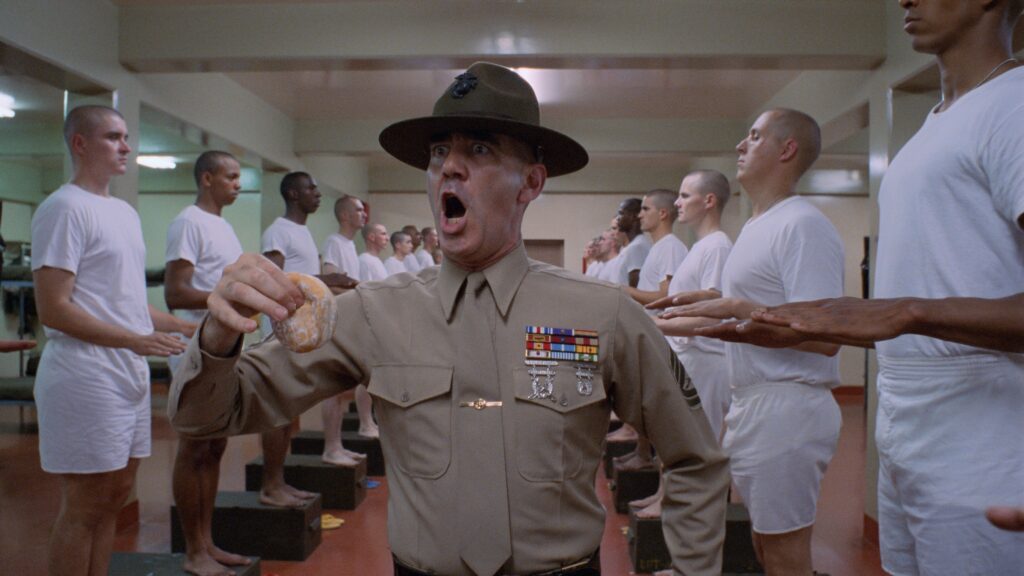
Stanley Kubrick’s Full Metal Jacket offers a gritty portrayal of the Vietnam War through the eyes of a group of soldiers. The film is split into two parts, with the first one focusing on the brutal boot camp training, and the second deals with the chaos of war in Vietnam. Kubrick’s direction creates a chilling and disorienting atmosphere, as viewers are thrust into the harrowing experience of combat. The famous lines and unforgettable scenes have made the film a staple in the war genre.
The film’s exploration of the dehumanizing effects of military training and the psychological toll of war is deeply impactful. The performances of Matthew Modine and R. Lee Ermey stand out, especially Ermey’s portrayal of the cruel drill sergeant. Full Metal Jacket is known for its sharp critique of the military and war, leaving a lasting impression on viewers. The film continues to resonate with audiences due to its candid and intense approach to the realities of war.
The Thin Red Line (1998)
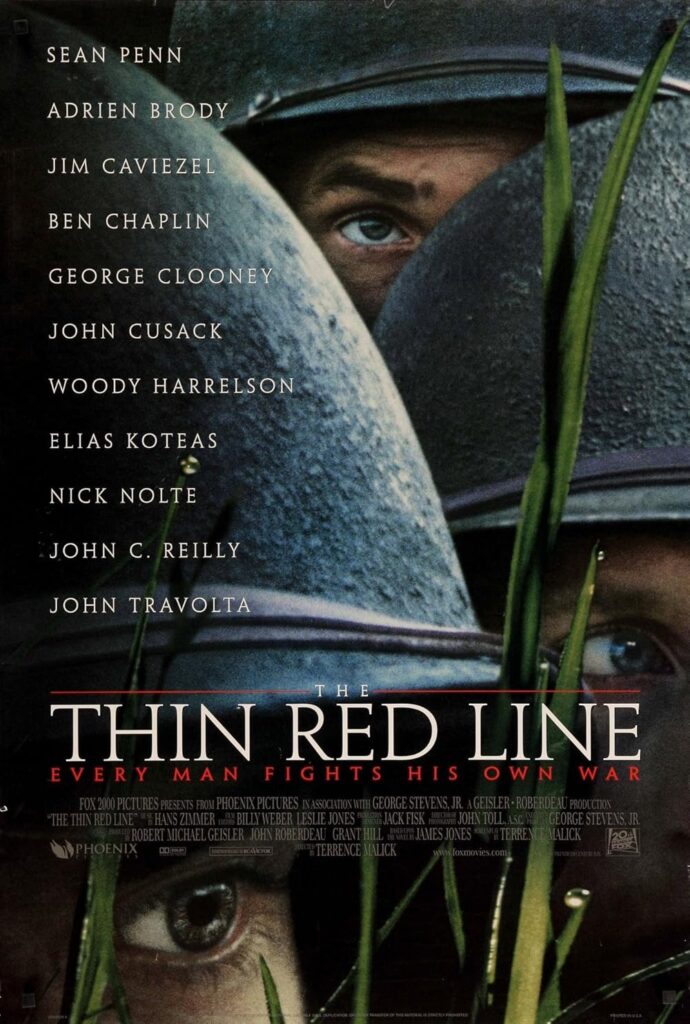
Terrence Malick’s The Thin Red Line offers a philosophical and poetic look at World War II. Set during the Battle of Guadalcanal, the film follows a group of soldiers as they grapple with fear, camaraderie, and the meaning of life in the midst of war. Unlike many traditional war films, Malick’s approach is meditative, focusing on the inner struggles of the soldiers rather than just the external conflict. The film’s lush cinematography and haunting score add to its emotional depth.
The ensemble cast, which includes Sean Penn, Jim Caviezel, and Nick Nolte, delivers powerful performances that highlight the human experience of war. The Thin Red Line is often regarded as one of the most visually stunning war films, with its emphasis on nature and the fragility of life. It offers a unique perspective on the brutality of war, making it a film that stays with the viewer long after the credits roll. Its contemplative style has earned it critical acclaim and a lasting place in war cinema.
Black Hawk Down (2001)
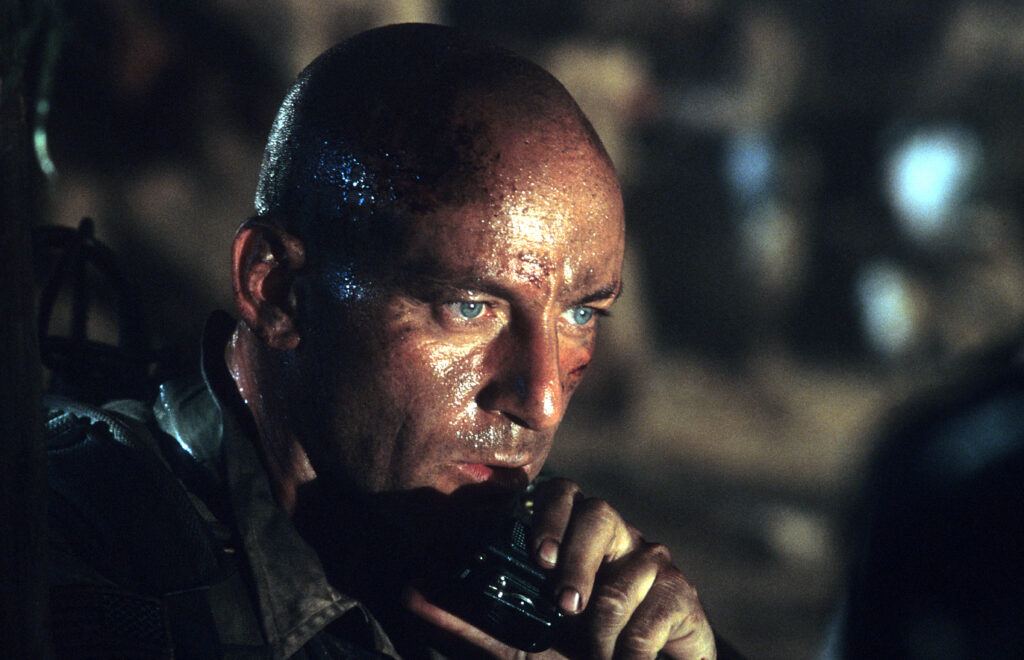
Based on true events, Black Hawk Down tells the story of the 1993 Battle of Mogadishu during the U.S. military’s mission in Somalia. The film focuses on a group of soldiers trapped in the city after a failed mission, leading to a harrowing struggle for survival. Directed by Ridley Scott, the film is known for its realistic combat scenes and tense atmosphere. It immerses viewers in the chaos and urgency of modern warfare.
The film’s depiction of bravery and brotherhood among soldiers in extreme circumstances makes it deeply emotional. The cast, including Josh Hartnett, Ewan McGregor, and Tom Sizemore, delivers strong performances, adding depth to the intense action. Black Hawk Down is both thrilling and heartbreaking, showing the cost of war on soldiers and their families. Its impact on audiences is immediate, as it brings the reality of modern warfare to life on screen.
1917 (2019)
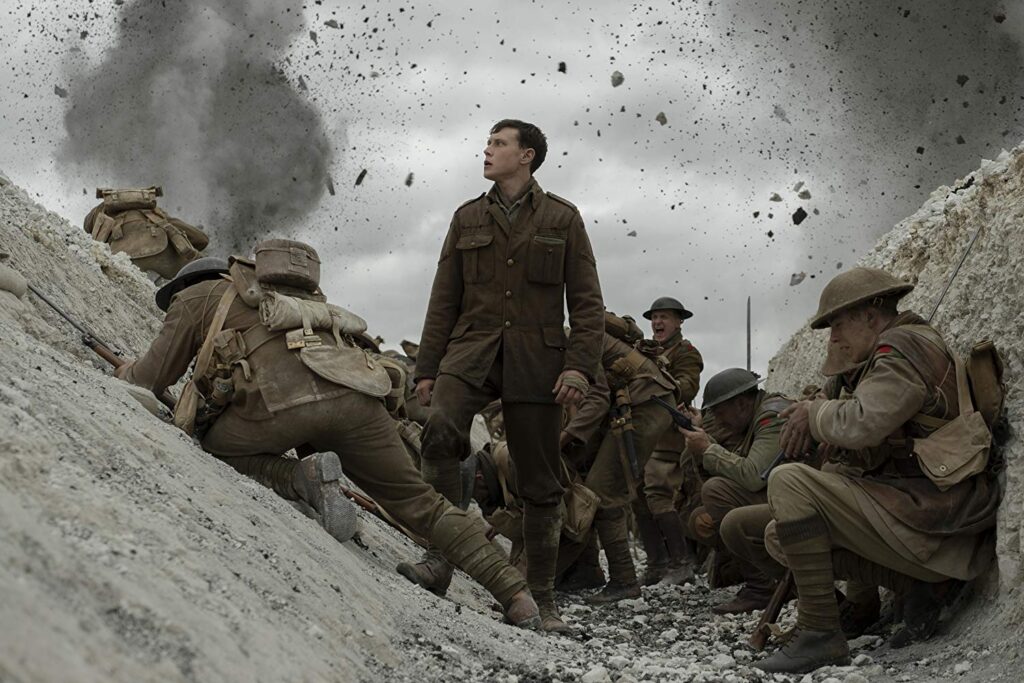
1917 is a visually stunning war film directed by Sam Mendes, set during World War I. The story follows two British soldiers tasked with delivering a message to prevent a deadly attack on their comrades. The film is shot to appear as one continuous take, which immerses viewers in the tension and urgency of the soldiers’ mission. The cinematography by Roger Deakins plays a significant role in the film’s emotional impact, making the audience feel as though they are right there alongside the characters.
The performances by George MacKay and Dean-Charles Chapman are both heartfelt and compelling, capturing the fear and determination of soldiers in a dire situation. 1917 was widely praised for its technical achievements and won several awards, including Best Cinematography at the Academy Awards. The film’s focus on the personal journey of the soldiers makes it one of the most emotionally resonant war films in recent years. Its depiction of the horrors and heroism of war leaves a lasting impression on anyone who watches it.
The Deer Hunter (1978)
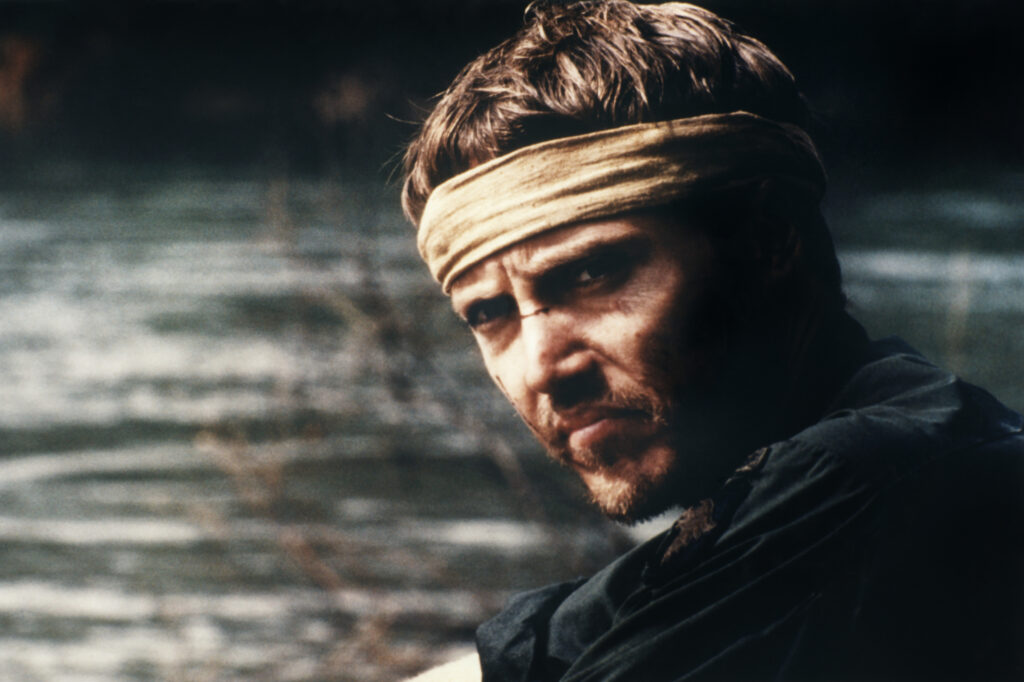
Michael Cimino’s The Deer Hunter explores the psychological effects of the Vietnam War on a group of working-class friends from Pennsylvania. The film’s opening act shows the soldiers’ lives before the war, contrasting with the brutality they experience during and after their deployment. One of the most powerful sequences involves the infamous Russian roulette scene, which symbolizes the randomness and horror of war. The film’s stark realism and emotional depth make it one of the most harrowing war movies.
The performances of Robert De Niro, Christopher Walken, and John Savage are unforgettable, with Walken earning an Academy Award for his role. The Deer Hunter is praised for its exploration of trauma and the long-lasting effects of war on those who survive it. The film’s brutal portrayal of both the physical and emotional scars left by the Vietnam War has made it an enduring classic. Its impact on the war genre is undeniable, and it continues to be studied for its profound emotional depth.
Paths of Glory (1957)
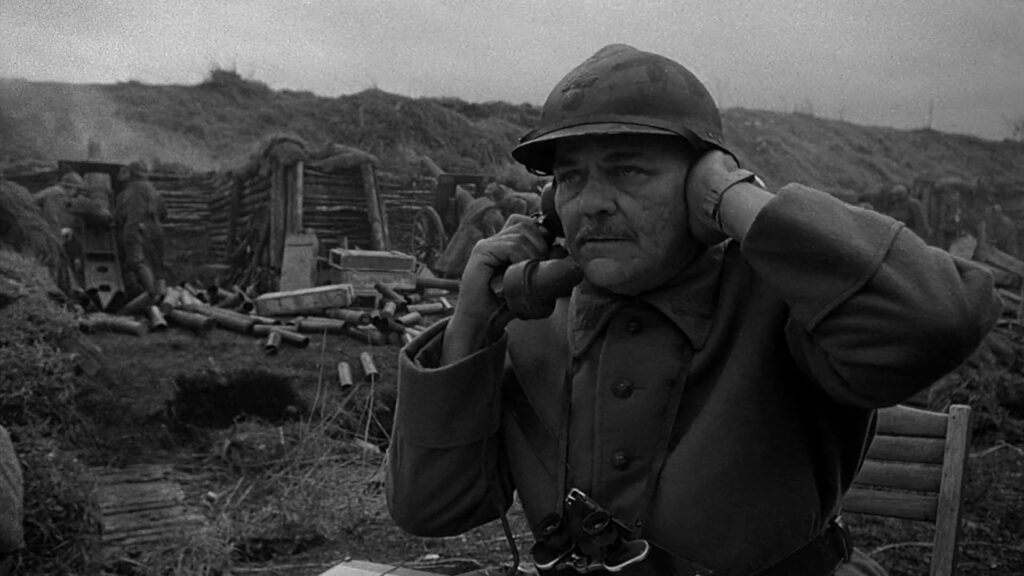
Stanley Kubrick’s Paths of Glory is set during World War I and follows a French regiment’s ill-fated attempt to capture a German position. The film centers on the moral dilemmas faced by Colonel Dax, played by Kirk Douglas, as he defends his men against charges of cowardice. Kubrick’s direction brings an intense focus to the futility of war and the injustices soldiers face. The film’s stark black-and-white cinematography further emphasizes the bleakness of the story.
Paths of Glory is a powerful anti-war statement, highlighting the disconnect between soldiers on the front lines and the officers who command them. The film’s courtroom scenes are particularly poignant, showcasing the corruption and failure of the military hierarchy. Its emotional depth and moral questions continue to resonate with viewers, making it a timeless work in war cinema. Kubrick’s meticulous attention to detail ensures that every scene contributes to the overall message of the film.
The Hurt Locker (2008)
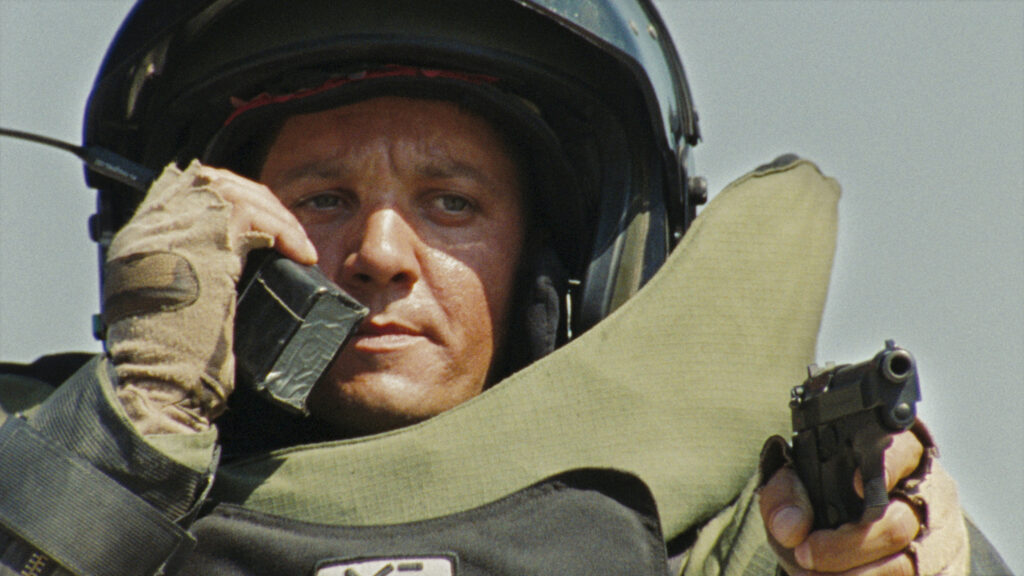
Kathryn Bigelow’s The Hurt Locker is a tense and thrilling portrayal of the Iraq War, focusing on a bomb disposal unit. The film follows Sergeant William James, played by Jeremy Renner, as he leads his team through dangerous missions to defuse explosives. The Hurt Locker is known for its intense, edge-of-your-seat suspense, as well as its exploration of the psychological toll of war. The film’s handheld camera work and close-up shots place the viewer in the heart of the action.
Renner’s performance as the reckless and obsessive bomb disposal expert earned him an Academy Award for Best Actor. The Hurt Locker also won Best Picture and Best Director, making Bigelow the first woman to win the Best Director Oscar. The film’s focus on the mental strain of war, especially the addiction to danger, makes it stand out in the war genre. Its realism and emotional depth leave a lasting impact on anyone who watches it.
Letters from Iwo Jima (2006)
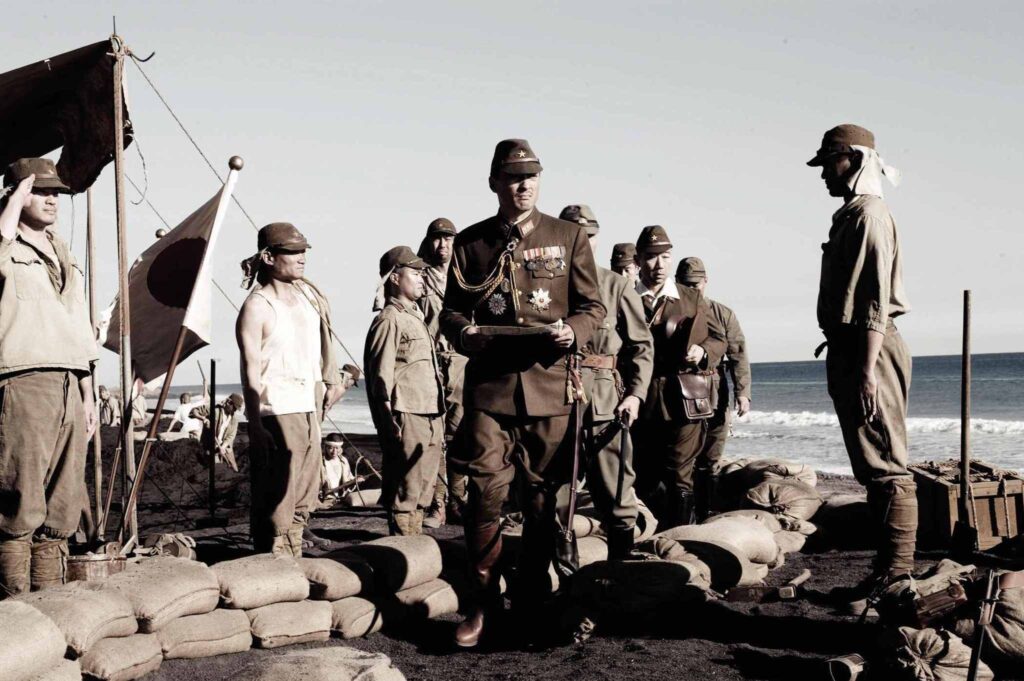
Directed by Clint Eastwood, Letters from Iwo Jima tells the story of the Battle of Iwo Jima from the perspective of Japanese soldiers. The film presents a stark contrast to the typical American war films, offering insight into the soldiers’ struggles and sacrifices. The film is emotionally powerful, exploring themes of honor, duty, and the horrors of war. It is a companion piece to Flags of Our Fathers, offering a deeper understanding of the battle from both sides.
Ken Watanabe’s portrayal of General Kuribayashi is particularly moving, showing the complexity of a man caught between duty and the inevitability of death. Letters from Iwo Jima was praised for its portrayal of the Japanese soldiers’ humanity and their unwavering commitment to their country. The film’s nuanced storytelling makes it an essential watch for anyone interested in understanding the full scope of war. Its powerful message about the shared humanity of soldiers on both sides leaves a lasting impression.
Das Boot (1981)
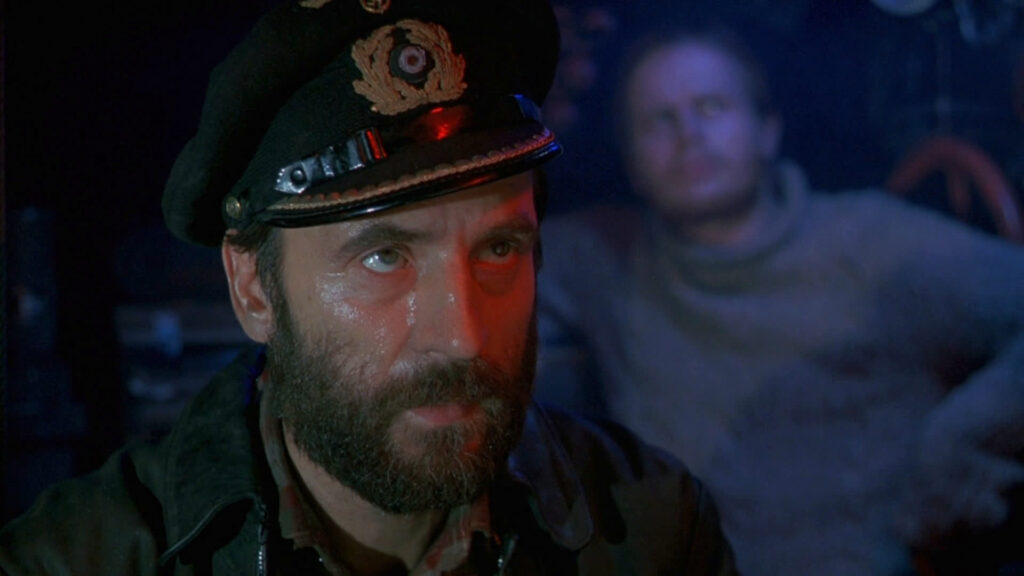
Das Boot is a German film that takes viewers inside a U-Boat during World War II, offering an intense, claustrophobic look at life aboard a submarine. Directed by Wolfgang Petersen, the film follows the crew as they navigate the dangers of underwater warfare. The film’s realistic portrayal of the harsh conditions, constant tension, and psychological strain on the men is what makes it stand out. Its documentary-like style creates an immersive experience, making the viewer feel trapped alongside the crew.
The film’s strength lies in its ability to showcase the human side of war, highlighting the fear, camaraderie, and ultimate sacrifices made by the soldiers. Das Boot was highly acclaimed for its detailed depiction of naval combat and its ability to evoke the terror of the sea. It remains one of the most gripping and suspenseful war films, and its impact on the genre is lasting. The film’s emotional intensity and sense of realism continue to make it one of the most memorable war movies ever made.
Come and See (1985)
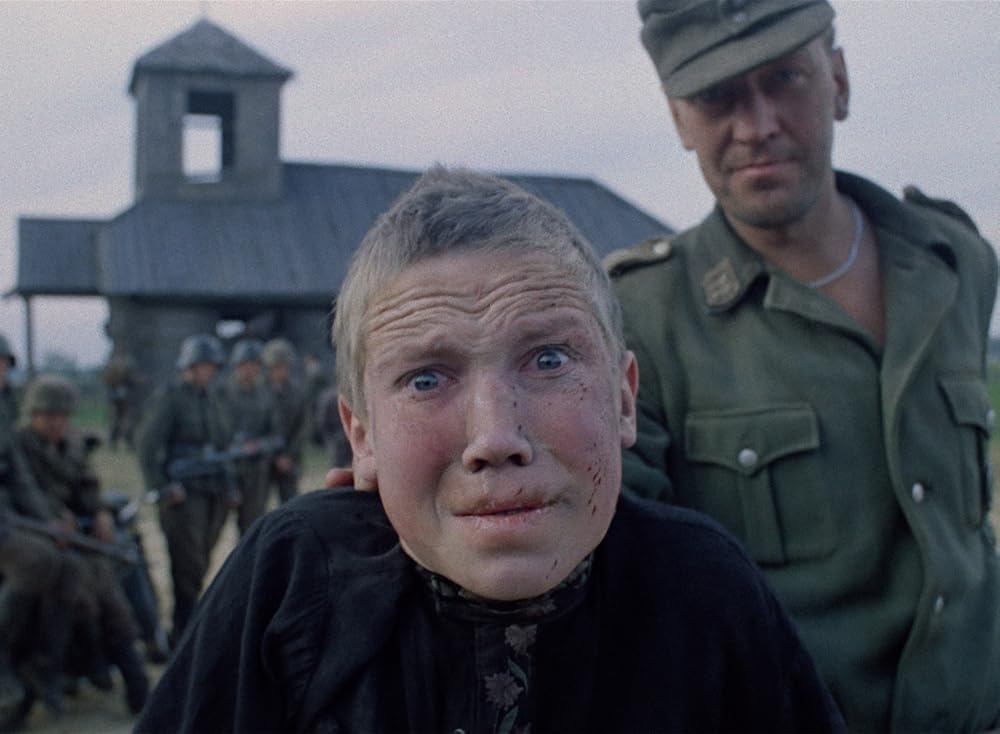
Come and See is a harrowing Soviet film that takes viewers through the brutalities of World War II in Belarus. The film follows a young boy named Florya, who witnesses the horror and devastation caused by the German invasion. The cinematography is haunting, with scenes of violence and destruction that are difficult to shake off. The film’s portrayal of innocence lost and the trauma of war is one of the most unforgettable experiences in film history.
The film’s director, Elem Klimov, used shocking imagery and a surreal style to convey the horrors of war, making Come and See one of the most difficult war films to watch. It is often praised for its emotional power and the haunting performances of its cast. The film has become a classic of anti-war cinema, noted for its stark realism and unflinching look at the cost of conflict. It remains a sobering reminder of the horrors of war that still leaves a deep impact on viewers.
This article originally appeared on Avocadu.