
10 Vintage Swim Caps and Sport Accessories People Surprisingly Collect
When you think of vintage collectibles, swim caps and sport accessories probably aren’t the first items that come to mind. However, these nostalgic pieces have a special charm that appeals to collectors. Some of these accessories, with their bold designs and limited production runs, are now considered rare treasures. The appeal of owning a piece of swimming history or retro athletic gear continues to draw attention. Let’s take a closer look at what makes these vintage items so valuable in the world of collecting.
This post may contain affiliate links, which helps keep this content free. Please read our disclosure for more info.
1950s Rubber Flower-Textured Swim Cap (Women’s Bathing Cap)

Produced in the 1950s by unknown manufacturers, this type of swim cap was designed to cover hair while swimming in the pool or at the beach. These caps were often made of latex or rubber, featuring raised floral textures that were stylish at the time. A typical market value today for a well-preserved example can range around US $40 to US $100 depending on condition and rarity. What makes this item appealing to collectors is the combination of its mid-century styling, original material, and relatively few surviving pieces in good shape. If the cap still has its original packaging or brand tag, its value typically increases.
In many cases the color stability matters, since rubber and latex can yellow or crack over time. Caps that show minimal wear, original printing or embossing, and no major damage will command higher interest. Some sellers have listed similar caps for US $30 to US $75 in current online markets. The presence of distinctive patterns or rare color variations adds to the collectible appeal. For anyone with one of these vintage caps, documenting the branding and condition is helpful.
1960s Textured Latex Swim Cap with Chin Strap
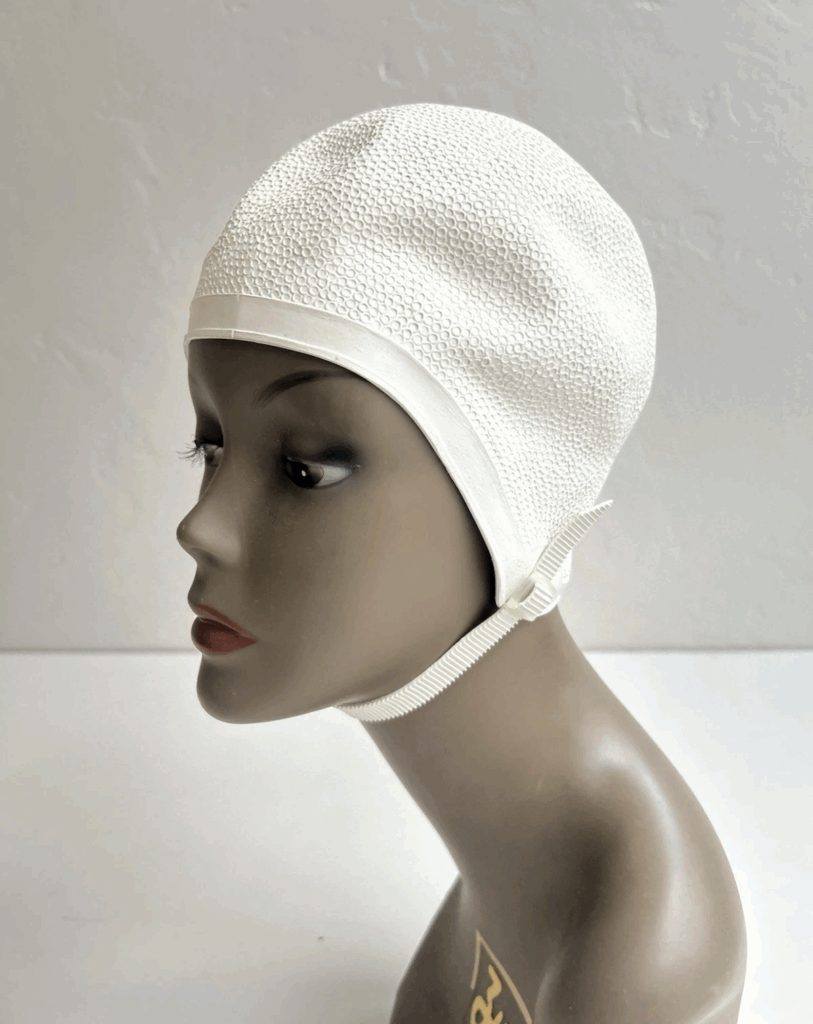
This accessory, made in the 1960s, served the practical purpose of keeping hair dry or out of the face while swimming, especially for competitive or recreational female swimmers. Typically produced in latex, these caps sometimes came with chin straps and textured surfaces for extra grip and style. Estimated value for a clean, unused version might be around US $50 to US $150, based on online listings for new-old-stock pieces. Collectors appreciate these for the era-specific look, the materials used, and the rarity of finding one in unused or near-unused condition. Also desirable are pieces with original manufacturer labeling or packaging intact.
Wear and tear such as stretched latex, missing strap, or faded textures will reduce value. Caps that retain their original color and strap mechanism tend to stand out. Documentation of brand or country of origin helps confirm authenticity. Because latex tends to degrade, finding one that remains flexible and intact is a plus. These caps reflect a niche area of swimwear history that appeals to design and fashion collectors.
1970s Silicone Swim Cap Special Edition

In the 1970s, some swim caps were produced by major sport brands using more modern materials such as silicone or improved latex, and sometimes issued as special editions for team or competition use. These accessories were used by swimmers of various levels and sometimes featured logos or prints that tied them to teams or events. A rough market estimate for a rare, sealed edition might run around US $60 to US $150 or more, depending on branding and condition. Collectors value these for their event or brand connection, material upgrade compared to typical caps, and the survival rate of pristine units. Having an original box or tag adds to the interest.
Caps showing wear, color fading or missing branding lose much of their potential value. The condition of the material influences collector appeal. Many listings show similar items in the US $25 to US $80 range when condition is average. Brand prominence raises profile and thus value. These items sit at the intersection of sport apparel and retro design collecting.
1960s Vintage Swim Goggles
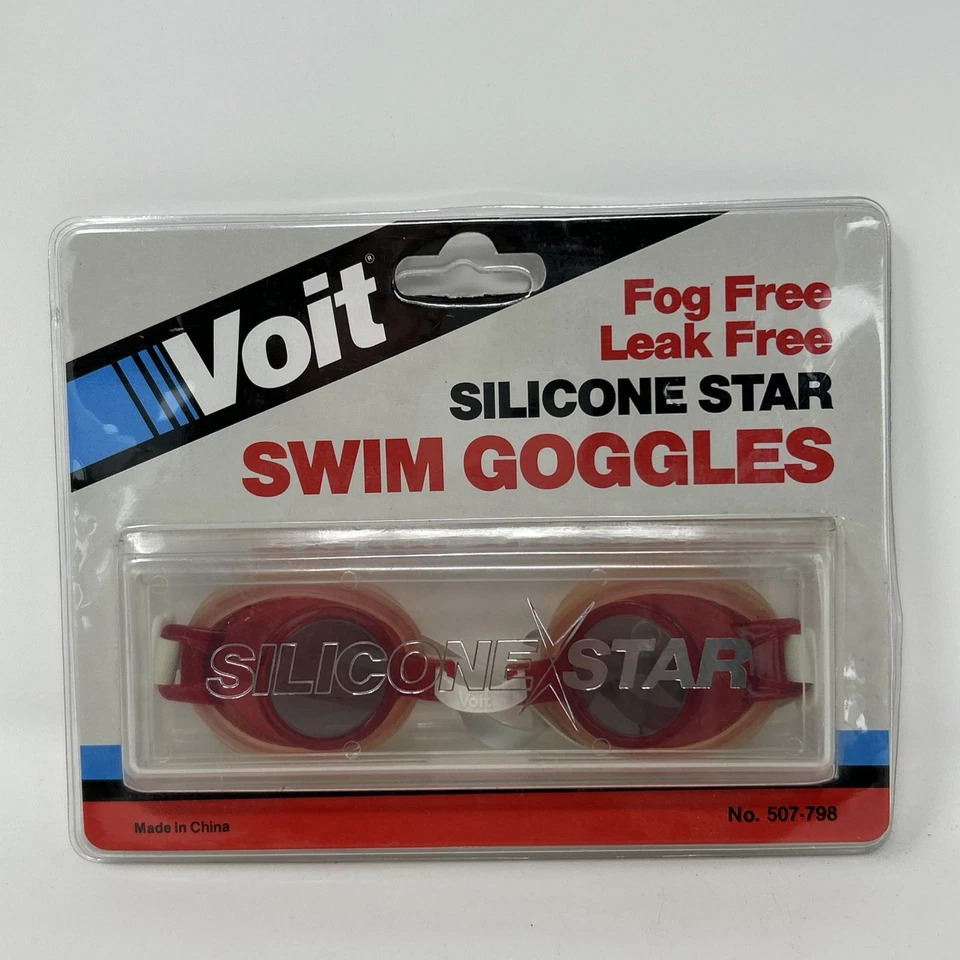
This accessory originates from the 1960s, intended for use in swimming pools or open-water environments to protect eyes and improve visibility. Produced by brands such as Voit or Barracuda, these goggles often come in original packaging, which is quite rare. Market listings suggest values around US $70 to US $120 or more for boxed, unused models. The appeal to collectors lies in intact original packaging, early usage of plastic materials, and brand history. These pieces show transitions in swim gear technology and design.
For items removed from the box or showing wear, values are significantly lower. Box condition, completeness of packaging, and lens or strap condition matter a lot. Some used goggles sell for US $20-$40 depending on condition. When an item remains sealed or is designated as new-old-stock that raises interest significantly. These accessories are especially interesting for those who focus on vintage sport equipment beyond apparel.
1980s Retro Latex Swim Cap Neon
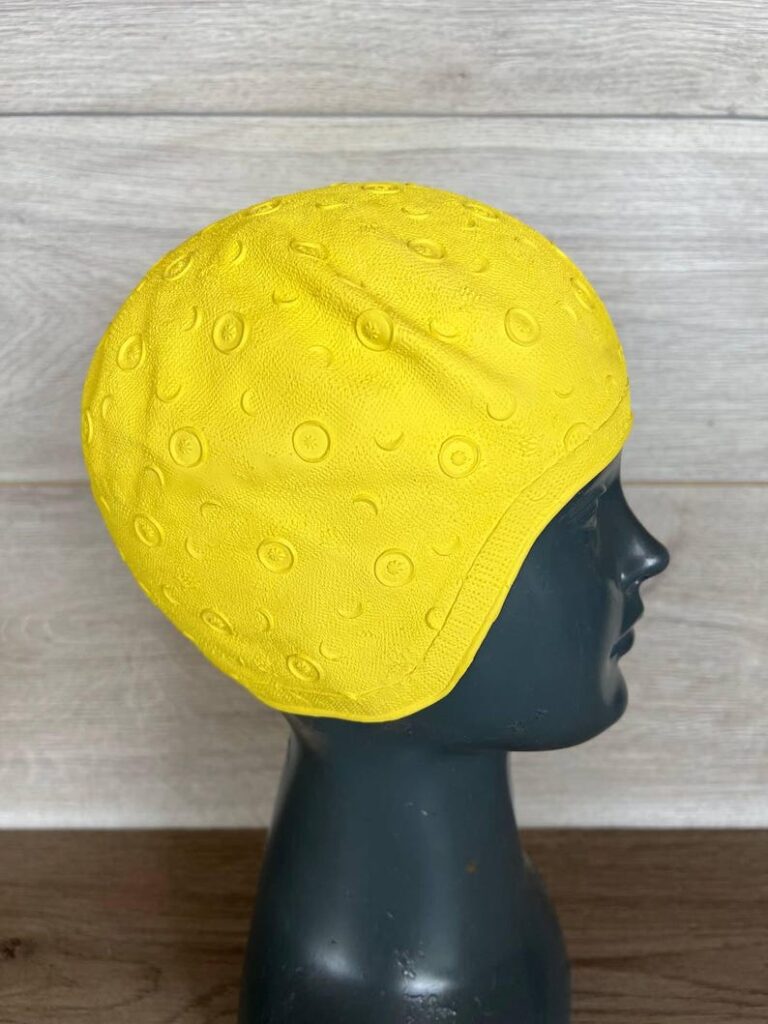
In the 1980s, swim caps moved into more leisure and fashion-oriented territory, with latex caps in neon color or featuring neon prints and oversized logos or graphics. These caps were used for recreational swimming, pool parties and beachwear rather than competitive purposes. Today, market listings show values in the range of US $20 to US $60 for units in very good condition. Collectors enjoy these for the era-specific graphics, retro color palettes and brand nostalgia. While less rare than earlier decades, finding one in unused condition still commands interest.
Printed graphics and neon colors tend to fade or crack over time, so condition matters. The presence of original strap, logo clarity and minimal damage are desirable. Many units from this era survive in worn condition which reduces value. Those with original packaging raise interest, though packaging is less common in this case. For those collecting 1980s swimwear accessories that reflect pop culture, this cap is a solid pick.
1950s Swim Team Goggles (Men’s Competition Goggle Set)
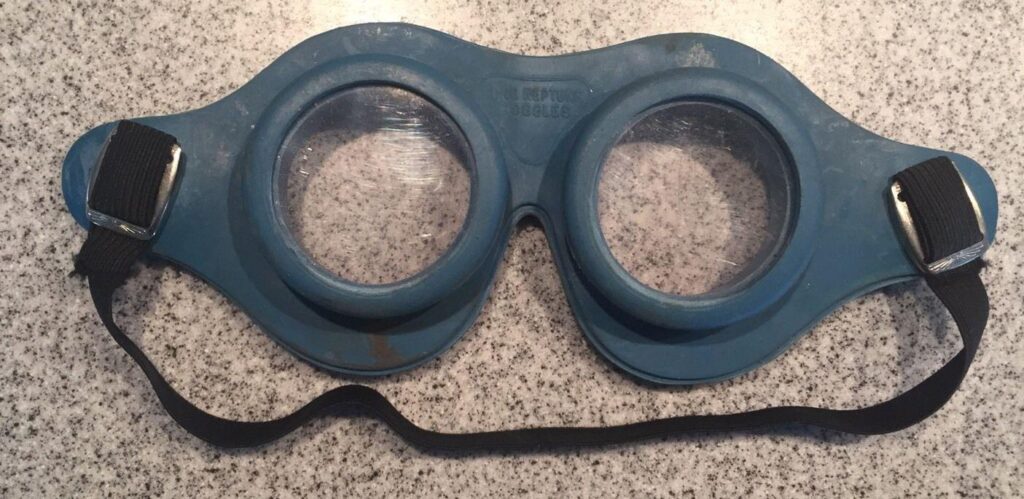
This accessory emerged in the 1950s and was used by men’s swim team competitors to improve underwater visibility during meets. Often made of metal frames and rubber seals, these goggle sets came in leather or hard cases for transport. Values today for complete sets with case and little wear may range around US $60 to US $150. What draws collector interest is the combination of early sport engineering, brand markings and survival of original case and sashes. These items reflect early competitive swimming gear rather than purely fashion accessories.
Goggles with missing parts, rubber deterioration or damaged cases fetch lower values. The presence of original brand and model number helps verify authenticity. Many surviving sets show rust, corrosion or worn seals, which diminishes appeal. Units preserved in near-mint state are far less common, making them more collectible. For anyone interested in early aquatic sport memorabilia this accessory fits well.
1930s Bathing Cap with Turban Style
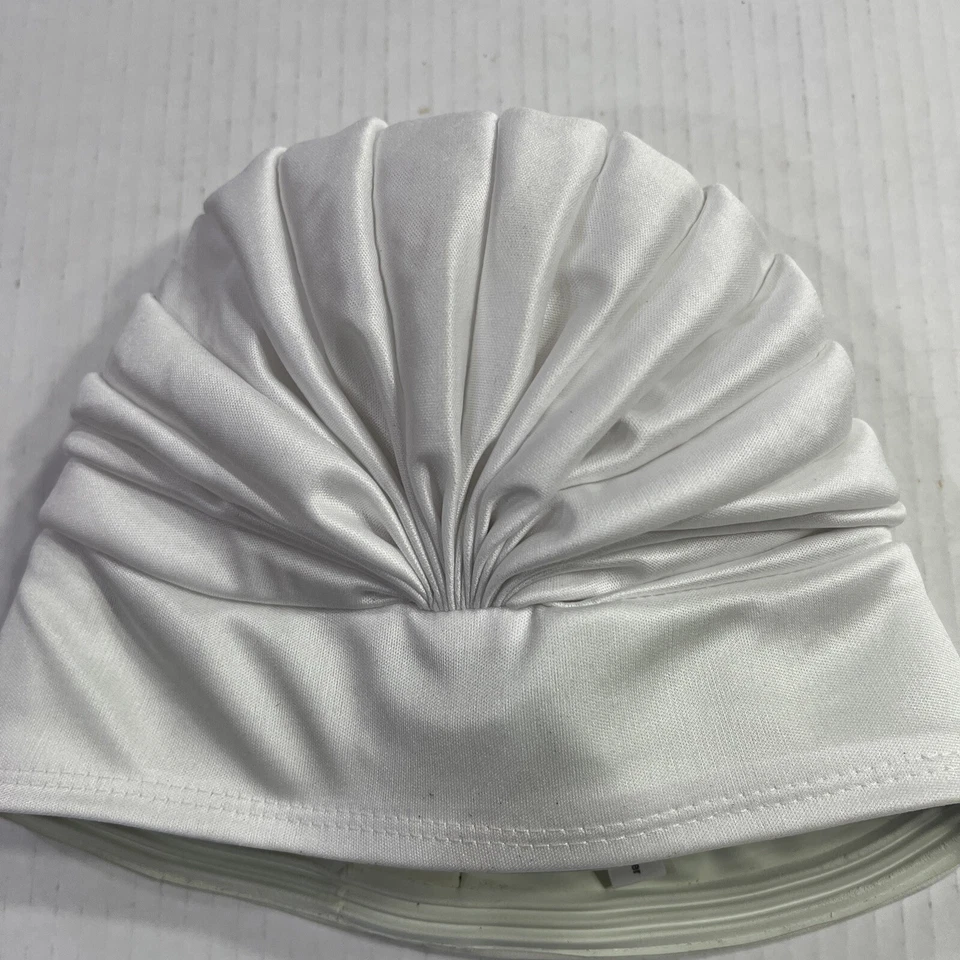
Originating in the 1930s, these bathing caps were more about style than performance and were often worn with full bathing costumes at resort beaches. Made of rubber or early plastics, they sometimes combined fabric lining or decorative elements like faux fruit or pleats. In today’s market, solid examples might be valued around US $50 to US $120 depending on condition and decoration. Collectors enjoy these for their place in swim fashion history, their decorative appeal and the rarity of survival in good shape. Original liners or tags raise the interest further.
Because the material used is very old, many have suffered degradation, discoloration or missing trims. Those still shaped properly and retaining the decorative detailing stand out. The fashion angle means the cap is collectible not purely for sport but for design and era character. Many units from this era are missing or heavily worn, reducing the pool of good examples. For vintage swimwear collectors this item links beach culture and decorative accessory history.
1970s Wooden Swim Paddle Training Tool
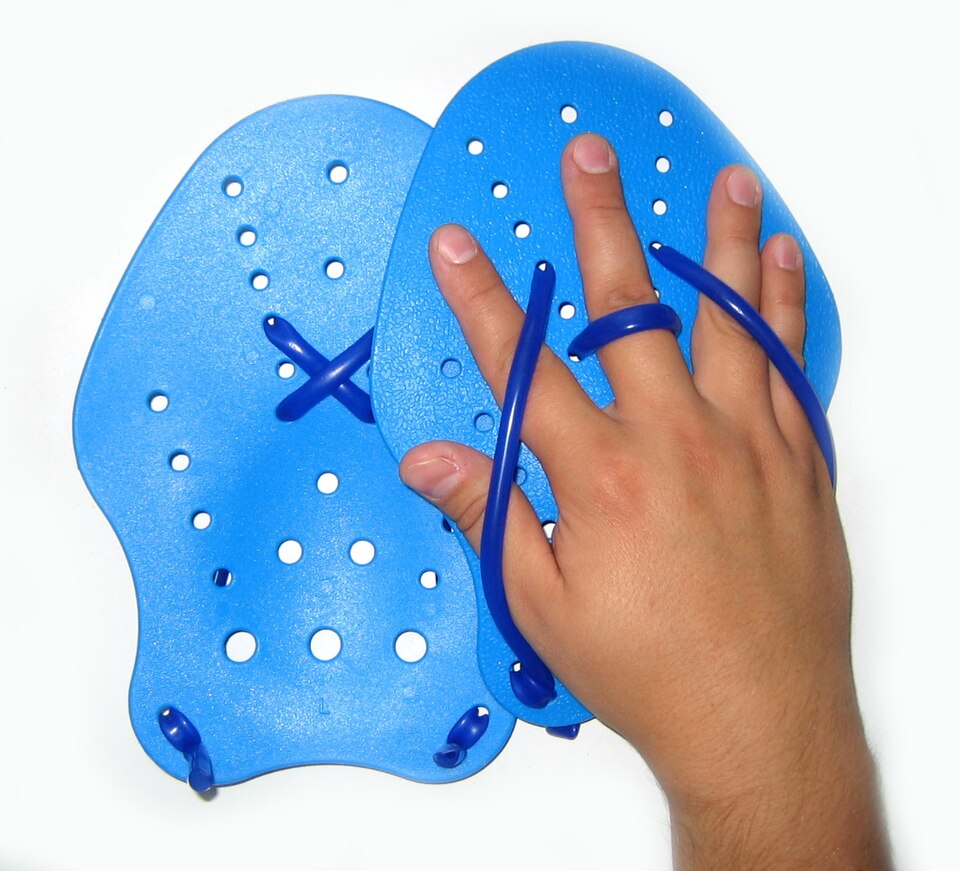
Produced in the 1970s, this accessory served as a training aid for swimmers, typically made of laminated wood or early plastic and strapped to the hands to increase resistance in the water. This tool was used by swim coaches and competitive swimmers during training sessions. Estimated values for well preserved pieces can be around US $80 to US $200 depending on brand and condition. Collectors value these because they show early training technology and have fewer surviving examples in good shape. The presence of original decals, straps and lack of water wear enhances value.
Wear such as delamination, cracking of the wood or missing straps reduces value. Items with documentation of use in a known swim club or athlete carry more interest. Many surviving paddles were used extensively and show major wear which limits collector appeal. The structural integrity and branding matter for this tool. For anyone interested in historical swim training equipment, this is a solid piece.
1980s Limited Edition Swim Team Medal or Pendant

Issued in the 1980s by certain swim clubs or competition organizers, these medals or pendants were given to participants or winners in swim meets and were meant to be worn or displayed. Made from metal alloys, sometimes enamel-coated, they feature swim-club logos, event names and years. Based on recent second-hand markets, such items can fetch around US $30 to US $80 for pieces in good condition, with higher values if the medal is tied to a known club or event winner. What makes these items collectible is their event tie-in, rarity of distribution, and survival without damage. Many were given away and not intended for long term preservation, so surviving examples in good condition are less common.
Damage such as missing ribbons, heavy scratches or loss of enamel reduces value. Medals from major club events or national meets carry more interest. When paired with original event program or documentation the piece is stronger. Collectors of sport memorabilia see these items as part of personal achievement stories and swimming history. This accessory category shows how even small items around a sport can become collectible.
1930s Leather-Strap Swim Training Belt
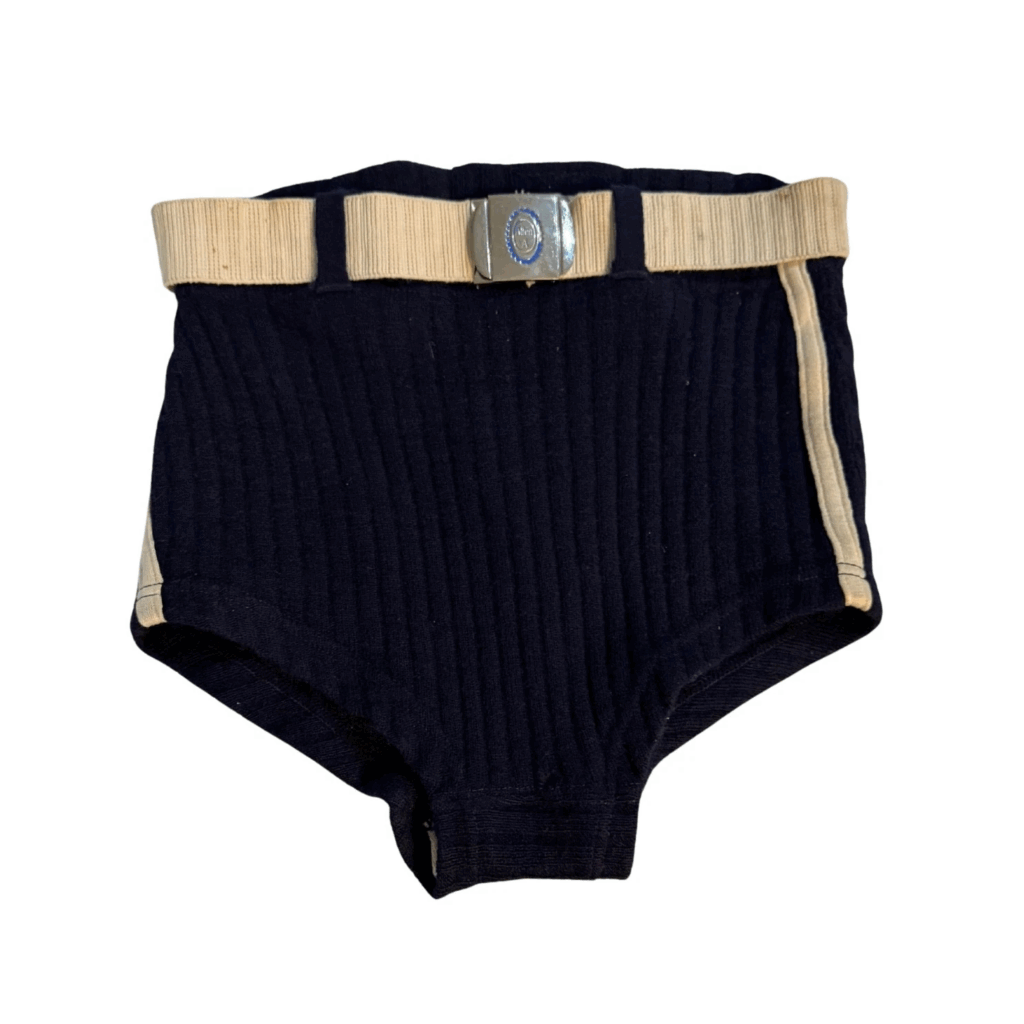
The 1930s and 1940s saw the use of leather-strap swim training belts, a tool designed by coaches to help swimmers maintain proper body positioning or assist in tethered drills. These belts were typically made from wide leather bands with adjustable buckles and sometimes included canvas extensions for added durability. The value of these items can range from US $70 to US $140, depending on the condition, brand, and any available documentation or marking. Intact leather with minimal cracking, original buckles, and clear markings significantly increase their collector value. As many of these training belts were heavily used and discarded, well-preserved examples are rare, making them highly desirable for collectors.
The appeal of these leather-strap swim training belts lies in their functional design and their connection to early competitive swim training. Items that are still in good condition, especially those with original hardware, are much harder to find today. Collectors often seek out these belts not just for their historical significance but also for their craftsmanship. Additionally, belts with original instructions or club markings are of particular interest to collectors, as they provide a glimpse into the personalized nature of swim training during that era. If you happen to own a well-preserved piece, it’s a valuable part of swimming’s early history.
This article originally appeared on Avocadu.