
13 Vintage Slide Rules Still Worth Real Money
Slide rules were once indispensable tools for performing quick calculations, especially before calculators became widely available. They were first created in the 1600s and became a staple in scientific and engineering fields for centuries. These calculating instruments used a set of sliding scales to help with multiplication, division, and other mathematical tasks. While they’ve largely been replaced by modern technology, vintage slide rules continue to be highly valued by collectors. If you have an old slide rule, it might be more valuable than you think, especially if it has some historical significance.
This post may contain affiliate links, which helps keep this content free. Please read our disclosure for more info.
Keuffel and Esser Deci-Lon 10 Slide Rule 68-1100
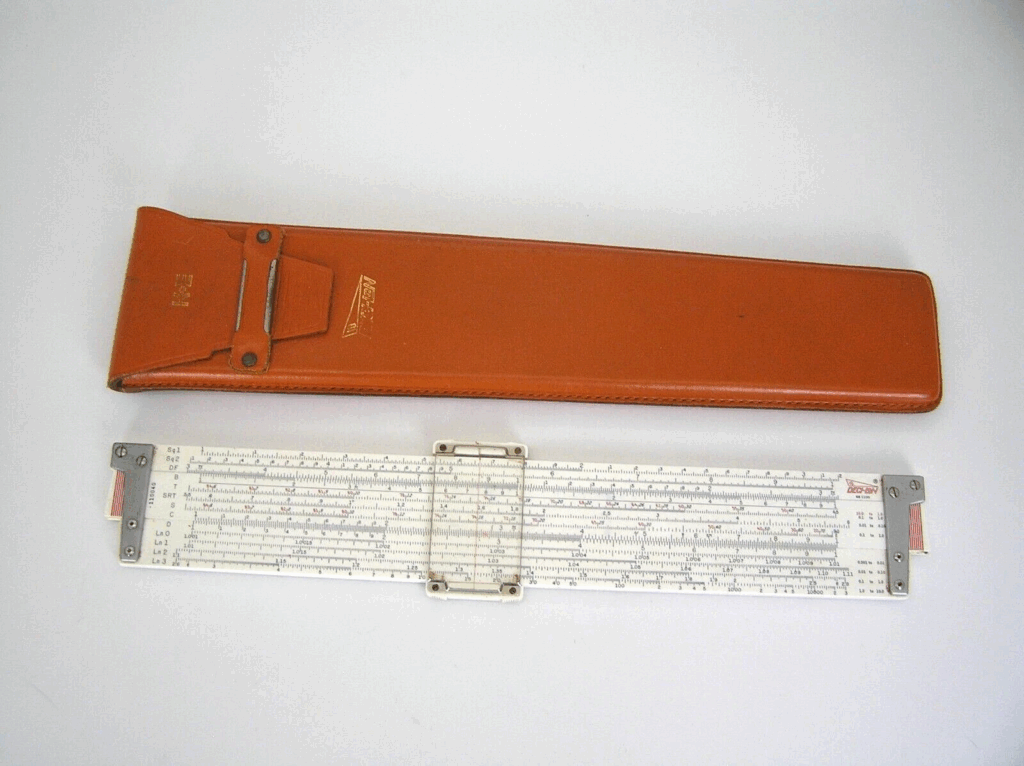
This slide rule dates to about the mid-20th century, when Keuffel and Esser (K and E) was at its peak manufacturing decades. Its design is a duplex type with scales on both sides, which was one of KandE’s signature innovations from the 1890s onward. What makes this rule desirable is its build quality, clear engraved scales, and often accompanying leather case. On auction platforms used copies often sell around $90 to $110, depending on condition. For collectors who value American-made engineering tools and well-preserved cases, this model remains a staple.
Collectors favor this slide rule because its dual-sided design makes it versatile for many types of calculations including trigonometry and logarithms. Some units survive with original leather cases which adds to their value. Because mass-produced models from more recent decades had lower quality materials, a well preserved Deci-Lon 10 holds a more vintage feel. It works just as a display piece for lovers of engineering history or as part of a larger collection of drafting instruments. Its vintage appeal lies in both its function and the legacy of a major slide rule maker.
Otis King Model K Cylinder Slide Rule
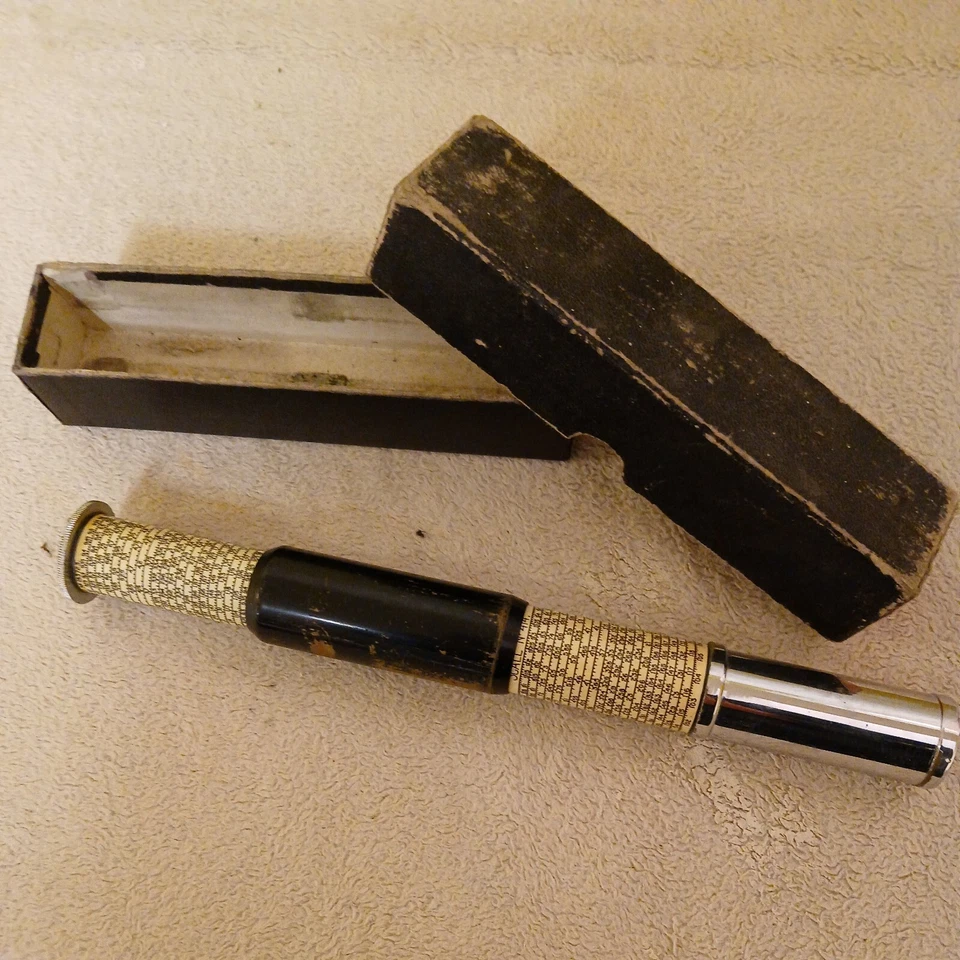
This cylindrical slide rule was introduced around the early 1920s through mid-20th century by inventor Otis King in London. Its helical scale wound around a cylinder gives it a long effective scale length, offering better potential accuracy than a typical pocket slide rule. That unique design and the relative rarity of well preserved versions make it highly collectible. Many of these sell for about $110 to $150 when in good condition with case. For those interested in unusual or non-linear slide rules this model stands out.
Collectors value this piece because of its unusual cylindrical form and its place in slide rule history. Slide rules of this type are rarer than standard flat wooden or plastic rules and so tend to fetch higher prices. Its portability yet extended scale made it a valuable tool in mid century before electronic calculators appeared. For someone assembling a specialty slide rule collection this item is often sought after because it combines mechanical uniqueness with historical context.
Bygrave A.M.L. Position Line Slide Rule
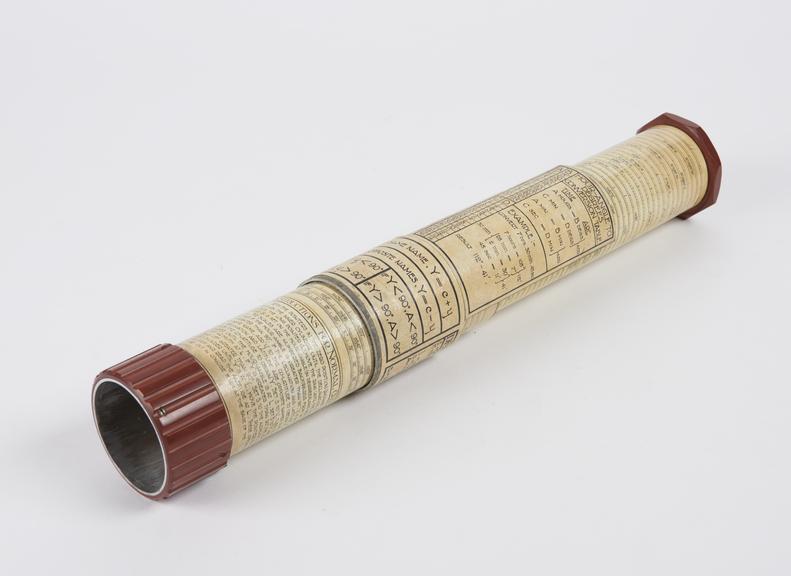
This navigation slide rule was developed in the 1920s for celestial navigation and produced through the 1930s by Henry Hughes and Son in London. It uses coaxial tubes with spiral scales, a more complex build than standard straight slide rules. Such complexity makes it rare today, especially in intact condition, which raises its collectible value. Existing examples often trade at $300 to $450 depending on state and completeness. For collectors who appreciate nautical or aviation-history instruments this rule offers a link to early 20th century navigation practices.
What adds to the appeal is its specialized use for solving the celestial triangle, a function beyond ordinary arithmetic or logarithmic slide rules. Given its narrow historical context and limited production run, finding one with original casing or documentation significantly increases its value. It stands as a reminder of how engineers and navigators solved complex problems before modern computing. For someone interested in vintage navigation tools this slide rule is a rare find with strong historical character.
Fuller Spiral (Cylindrical) Slide Rule Model 1
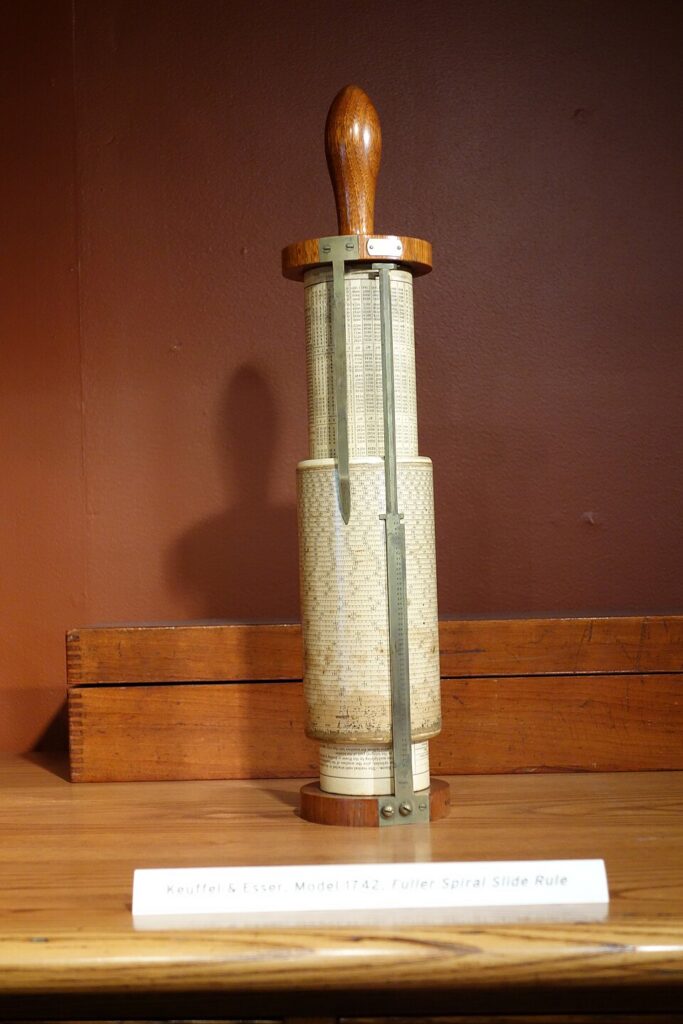
This model emerged in 1878 and saw production until around 1973. It uses a helical main scale wrapped around a cylinder offering an effective scale length far longer than flat slide rules, giving it high calculation accuracy. Its age, mechanical complexity, and relative scarcity make it desirable among collectors. Examples on the market sometimes fetch $400 to $600, particularly for well preserved units. As a relic of pre-calculator scientific instruments it carries a strong vintage appeal.
Collectors appreciate this slide rule because it offered serious computational capability in an era before electronic devices. Its careful mechanical design and materials such as wood, metal, and engraved scales set it apart from mass-produced later instruments. Given that production ceased decades ago, intact units are rare, especially with original cases or documentation. For fans of historical scientific instruments the Fuller Spiral remains a prized item that illustrates how complex calculations were once handled.
Faber-Castell Novo-Duplex Pocket Slide Rule 62-83N

This German rule likely dates to the mid 20th century, produced by Faber-Castell when slide rules remained common among engineers and students. Its pocket size and duplex design made it a practical everyday tool during its time. What draws collectors is its European origin, sturdy construction, and often well-preserved example including case. Good condition pieces frequently sell for $150 to $260. For those who like international instruments or European manufacturing history this rle offers both practicality and collectible value.
This slide rule stands out because European slide rules often used quality hardwood or wood laminate plus an aesthetic finish. Because many pocket-size rules were heavily used, finding one without heavy wear or missing cursor parts raises its appeal. It captures a moment when slide rules were ubiquitous in European engineering education. Whether displayed or kept as part of a historical set, this item carries solid value among vintage instrument enthusiasts.
Hemmi Versalog Slide Rule 1460
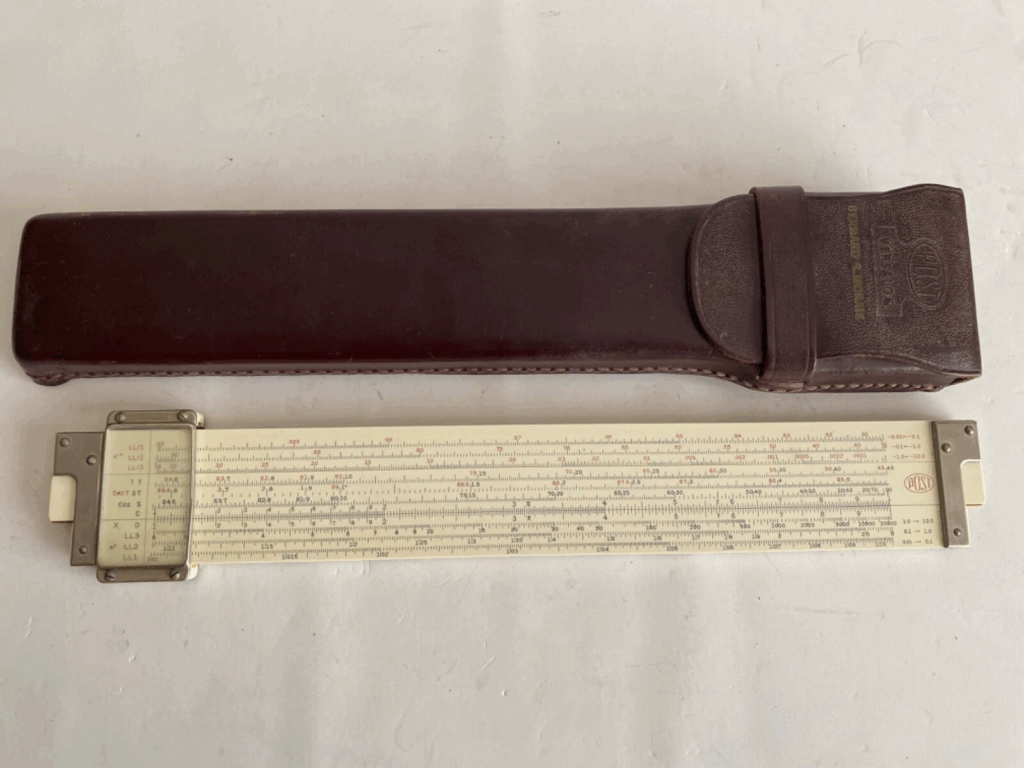
This model was made by Japanese manufacturer Hemmi during the mid-20th century when bamboo-based slide rules became popular due to their stable and self-lubricating properties. Its build quality and the fact that Hemmi exported many units worldwide adds to its collectible status. Well kept examples with case often go for $90 to $120 on resale markets. For collectors interested in Asian-produced instruments this rule represents a blend of quality and regional history.
Collectors often like this slide rule because of its different materials and the craftsmanship typical of Japanese engineering tools at that time. Because some Hemmi slide rules were exported globally, they appear in collections across continents, making them a good bridge between Western and Eastern slide rule traditions. If you value variety and regional diversity in your collection this model is a fine example. It also offers insight into how slide rule technology was adopted and adapted outside Europe and North America.
Pickett N600-ES Log-Log Slide Rule
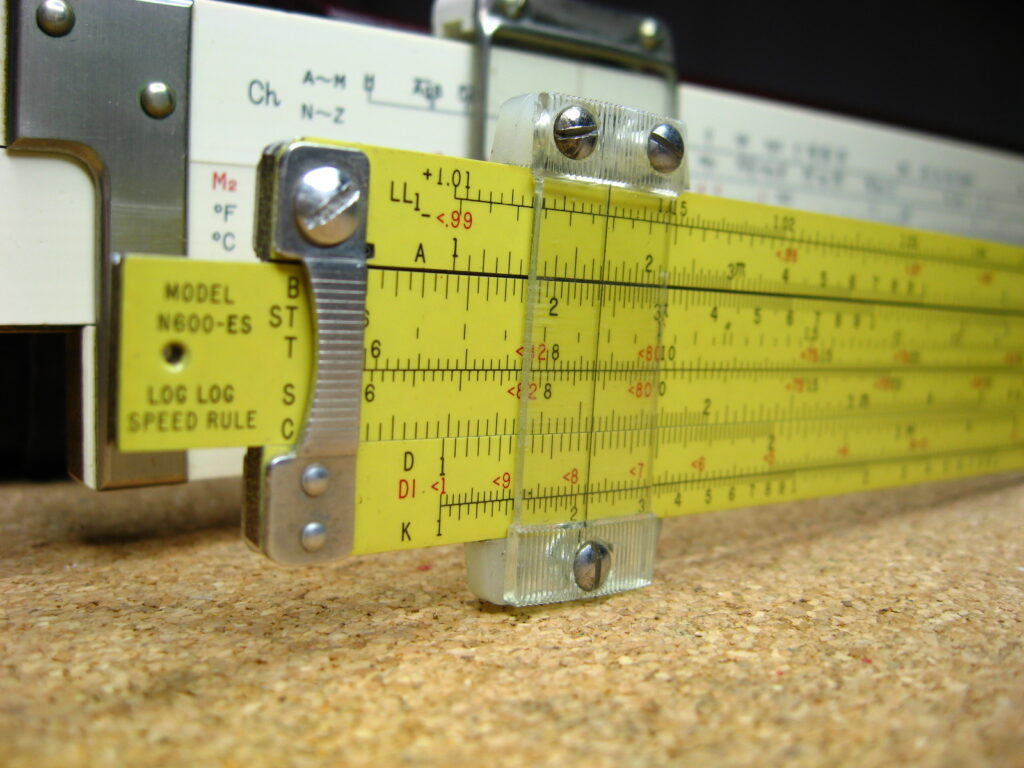
This American slide rule was produced in the mid 20th century by Pickett and Eckel at a time when slide rules were common among engineers and surveyors. Its log-log scales allowed for advanced functions like exponentiation and logarithms, making it more versatile than basic models. Because of its functionality and brand history, well preserved versions with original case often fetch $120 to $150 on resale sites. For collectors focused on professional-grade instruments this model remains a solid pick.
The appeal lies in its ability to handle a wider range of calculations than simpler slide rules. For those interested in the technical evolution of calculation tools this slide rule shows how makers responded to needs for more complex math functions. It represents a transitional era between mechanical and electronic calculation tools. Its resilience and historical context make it a meaningful item for engineering memorabilia collections.
Nesting Pocket Slide Rule (USSR 1970s)
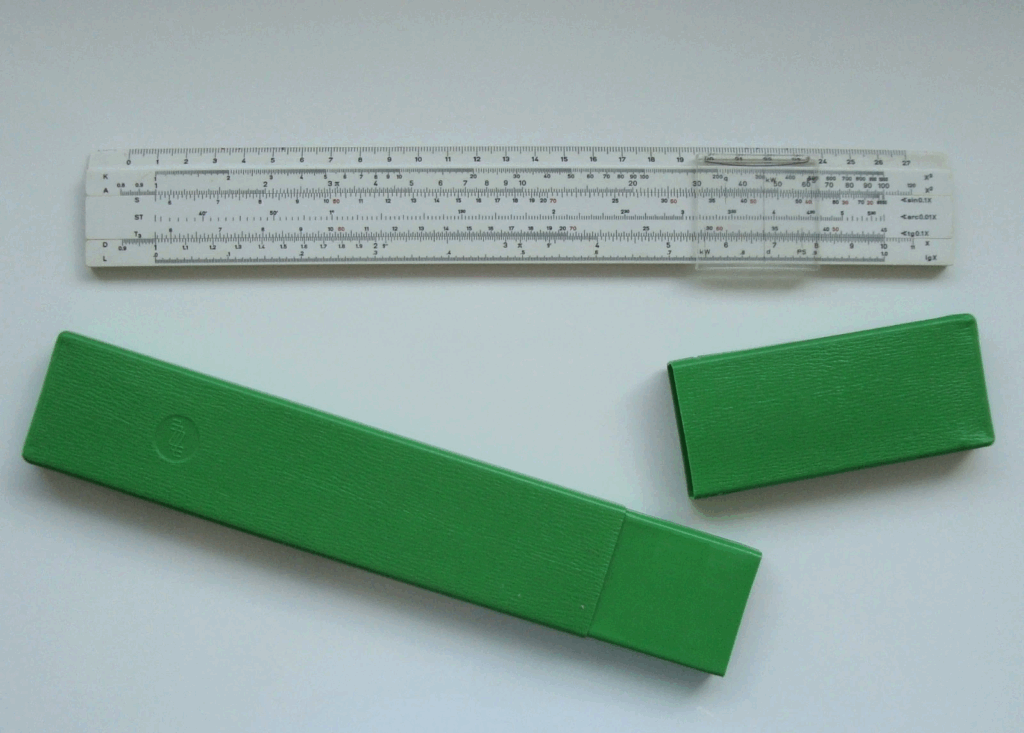
This pocket slide rule was made in the Soviet Union during the 1970s, a period when slide rules had started to be replaced by electronic calculators in much of the world, yet remained in use in some regions. Its origin outside the more common European or American manufacturers adds an element of rarity. Typical resale values hover around $30 to $50, depending on condition and completeness. For collectors who appreciate Cold War era instruments or geographical diversity in vintage tools this rule offers a distinctive touch.
Its main attraction is the combination of historical context and relative scarcity compared to Western slide rules. Many Soviet-era tools were produced under conditions that didn’t guarantee long life, so surviving examples are often in worn condition, which raises the value of those in good shape. For a collection showing slide rule use around the world, this item provides a unique example from Eastern Europe. It stands as a reminder that mechanical calculation tools remained widespread even as digital technology began to spread.
Dietzgen Polymath No. 1733 Trig Slide Rule
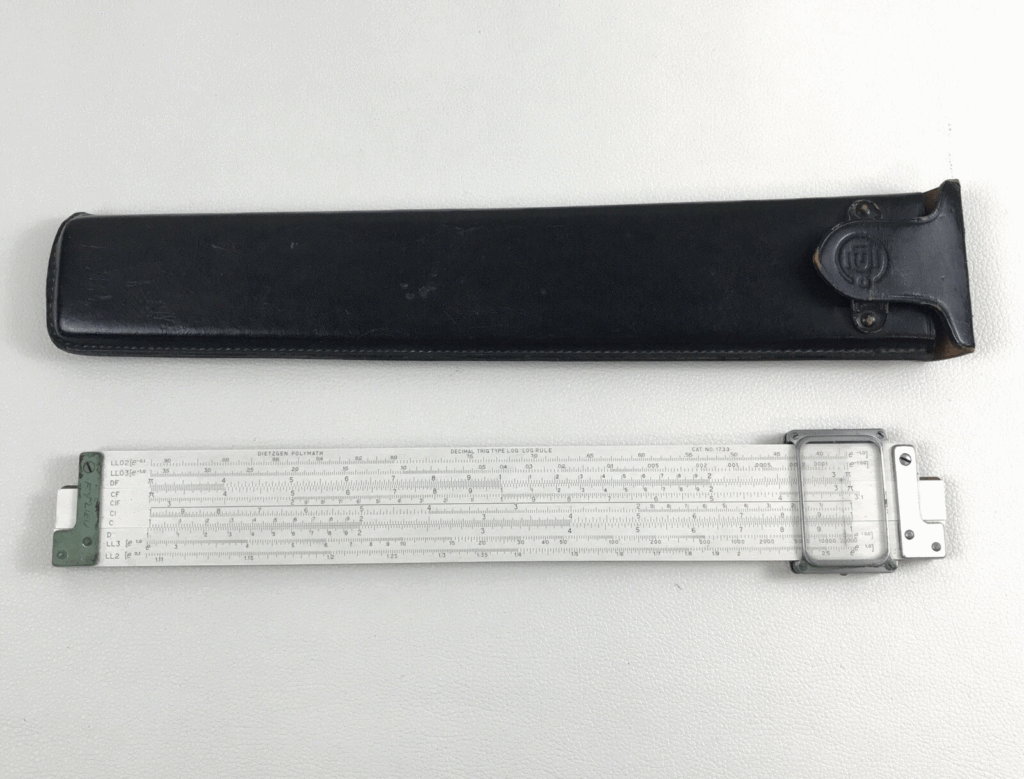
This slide rule dates to the mid 1950s when Dietzgen produced tools for engineering and technical students in the United States. It was widely issued to students for courses in mathematics, surveying, and engineering. Its relatively wide adoption makes surviving units common yet still collectible if in good shape. Used copies have sold recently for between $40 and $60 depending on condition. For those building a collection of American school-era instruments this rule provides historical context.
Collectors value this model as a representation of the period when slide rules were standard in engineering education. Its widespread use also means there are variations, which can make collecting different production years interesting. When preserved with markings or case it reflects educational practices before electronic calculators became ubiquitous. For nostalgic collectors or former students it can hold sentimental value beyond its monetary worth.
Faber-Castell 1-54 Early 1900s Slide Rule
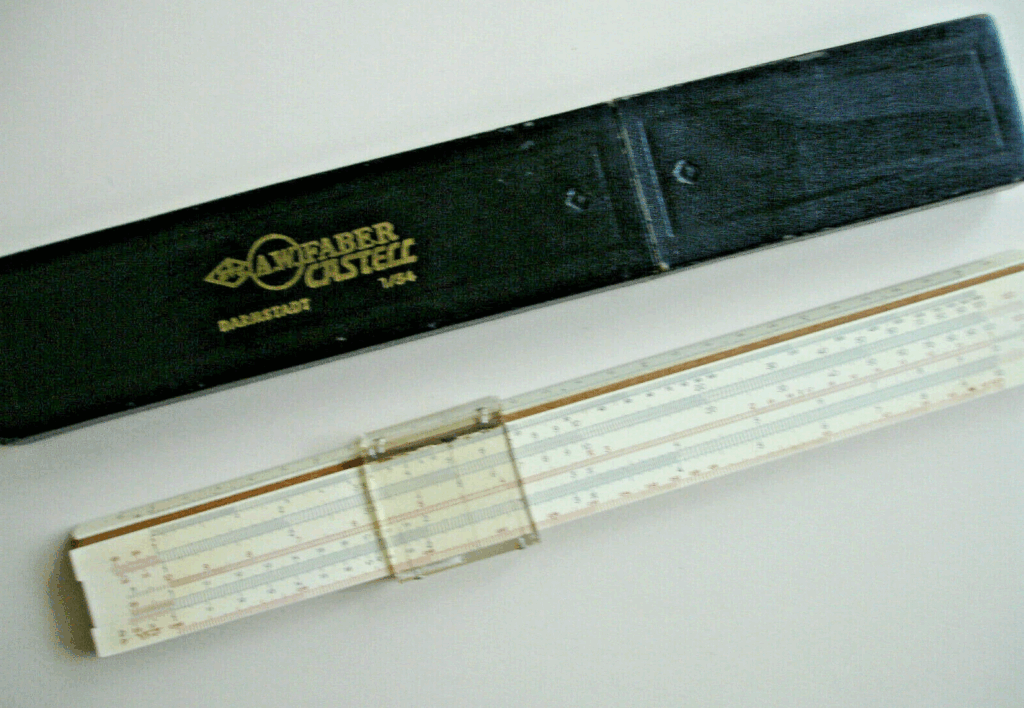
This European slide rule dates from the early 1900s, a time when slide rules were critical calculation tools for engineers and architects. Its age and survival make it a rare item on the market, especially with original markings and minimal wear. Because of its vintage status items like this occasionally reach $150 to $200 among serious collectors. For those interested in turn-of-the-century engineering tools this rule is a valuable historical artifact.
Collectors appreciate this slide rule because it shows early manufacturing standards in Europe and the materials used at the time, often hardwood or wood laminate with engraved scales. Given its age, many surviving examples show wear, so a well preserved one becomes significant. It offers a tangible link to the practices of early 20th century engineers and draftsmen. For anyone interested in the roots of calculation instruments this slide rule is a piece of history worth having.
Dennert and Pape HR1 Bygrave Position Line Slide Rule
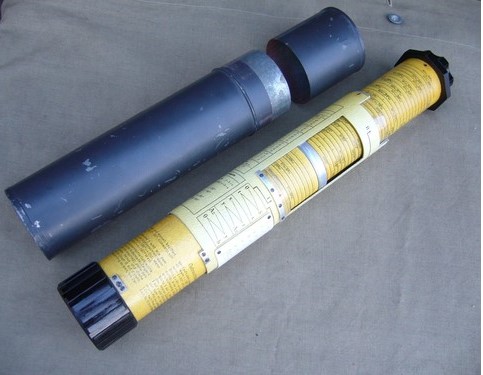
This navigation-focused slide rule was produced in the 1930s in Germany for aviation and maritime use, serving as a counterpart to British models in the same category. Its design follows the coaxial tube style with spiral scales, making it more complex than standard linear slide rules. Because it was produced in limited quantities for specialized use, surviving examples are rare, and prices can reach $400 to $600 when condition is good. For collectors of surveying, navigation or aviation instruments this slide rule stands out as a rare find.
What makes it particularly interesting is its historical role in early aviation and maritime navigation. Instruments like this represent practical tools used in real world navigation before electronic aids. Finding one with intact markings and possibly original documentation increases its value. For a collection focused on specialized scientific or navigational tools this item adds depth and a unique story.
Faber-Castell Mentor 52-80 Slide Rule
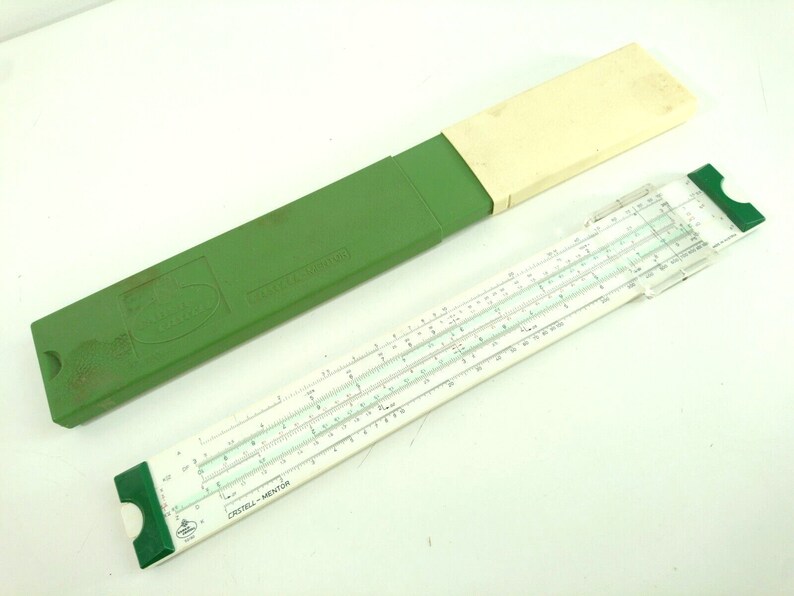
This model dates from mid 20th century Germany under the well known A.W. Faber-Castell brand. It was a popular tool among architecture and engineering students. What makes it collectible is its European heritage and often good build quality compared with mass-produced pocket rules. Typical selling price for clean used pieces is around $80 to $120. For collectors who appreciate European slide rule design this one offers a solid example.
Enthusiasts value this rule because it reflects educational and engineering standards in mid century Europe. Its compact design yet functional scale layout made it a practical tool for students and professionals alike. If you collect slide rules with a European origin or want to show diversity in slide rule history a Mentor 52-80 is a worthwhile addition. Its presence in a collection adds breadth beyond American and Japanese models.
Frederick Post Co. 1447 10-inch Slide Rule
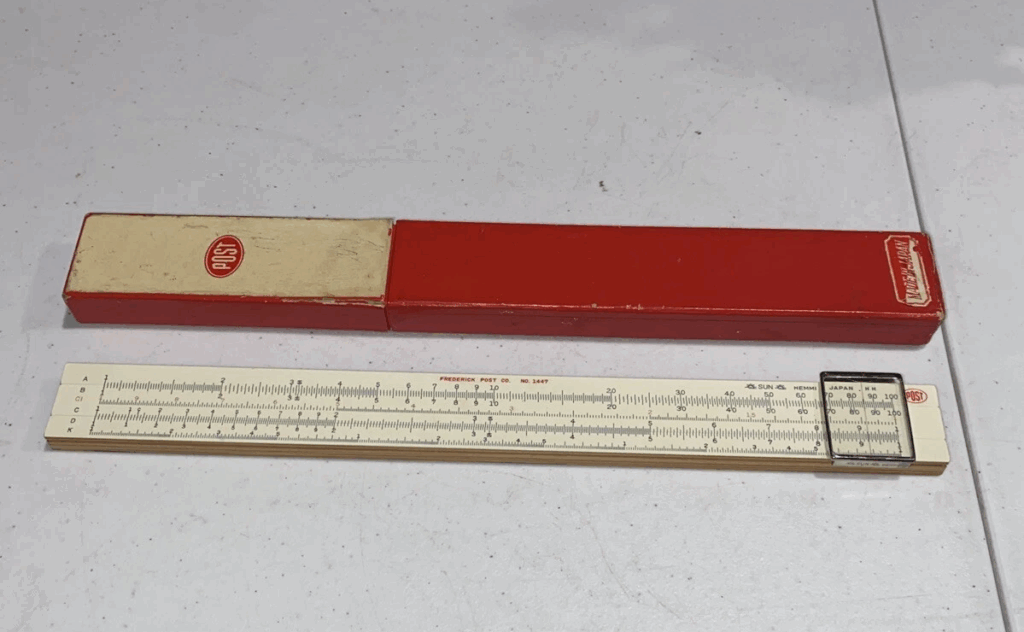
This American slide rule was produced around the 1960s by Frederick Post Co. when slide rule use was still common among students and technicians. Its 10-inch length made it suitable for classroom and workshop calculations rather than pocket use. Because it represents the later generation of slide rules before calculators took over, it holds interest for those chronicling the end of the slide rule era. Prices for well kept units range between $30 and $50. For collectors wanting a representation of late-era slide rules this one fits well.
Collectors often include this model in sets showing the progression of slide rule design across decades. It provides perspective on how slide rules remained in use even as electronic calculators emerged. Its simpler build and clarity make it accessible for newcomers to collecting, while its mid century origin gives it historical relevance. For educational displays or as a part of themed collections this slide rule adds balance.
This article originally appeared on Avocadu.