
12 Vintage Plush Toys That Collectors Watch For
Plush toys have been beloved companions for generations, but vintage ones offer something truly unique for collectors. From their handcrafted details to the nostalgia they evoke, vintage plush toys are a treasure trove of memories and history. These toys often boast exceptional quality, with carefully stitched seams and carefully selected materials. Their rarity, age, and the emotional connections they stir are what make certain vintage plush toys highly prized. Let’s take a closer look at what makes these classic toys so special for collectors around the world.
This post may contain affiliate links, which helps keep this content free. Please read our disclosure for more info.
Steiff Titanic Mourning Bear
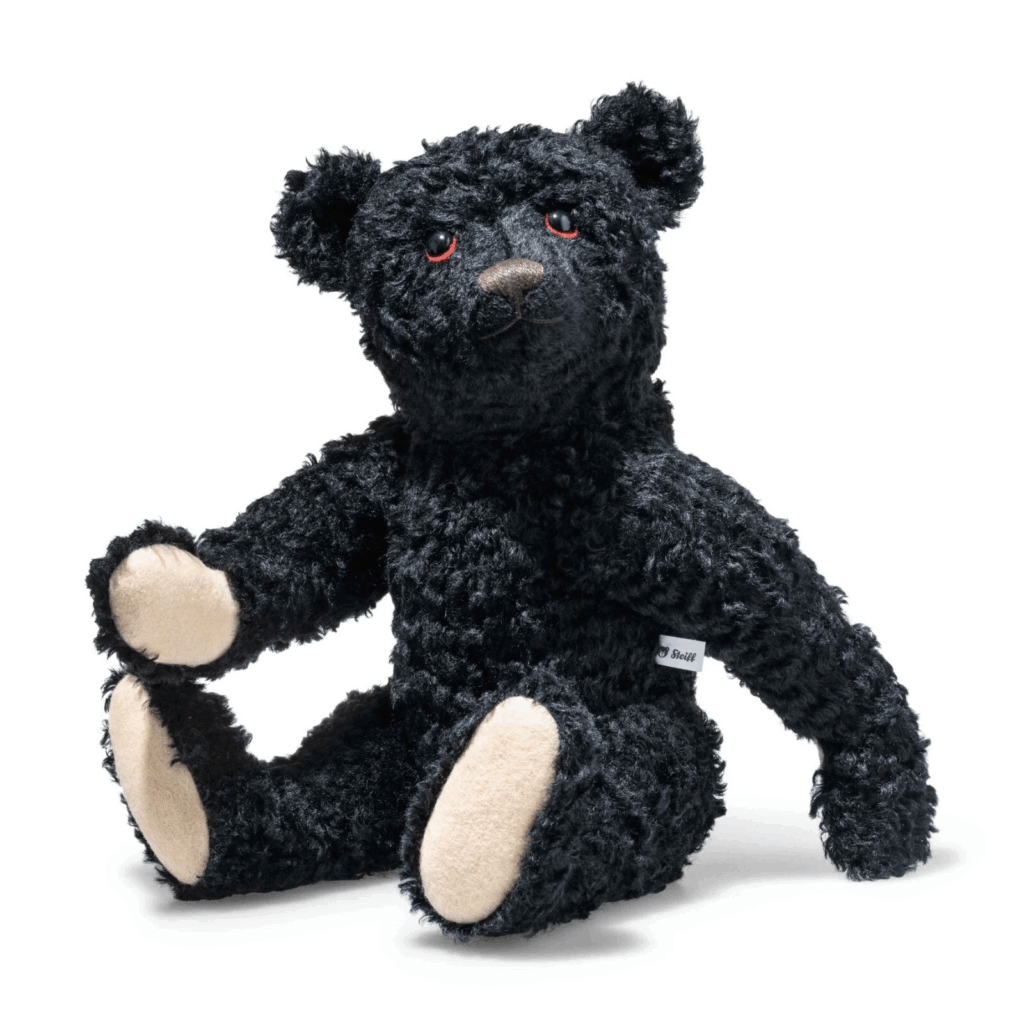
This particular bear was produced around 1912 by Steiff in Germany as a tribute piece after the Titanic disaster. The rarity comes in part from the small number made (under 500) and the historical context, making it highly sought in vintage toy circles. The estimated current market value for a good-condition example is over $250,000. Condition matters a lot-the original mohair material, ear tag, and minimal restoration all influence the value. For someone with interest in early 20th-century plush toys this bear is a prime example of how age, provenance, and maker combine.
As we follow its story you’ll note how its appeal lies in its craftsmanship and rarity. The button in ear tag that Steiff used helps verify authenticity, which is vital for valuation. It is also a collectible that transcends toys-it carries cultural and historical significance. While not every item in this line approaches six-figures, this model is one of the top-tier examples for serious collectors. If you ever spot one you’ll want to check documentation and condition before any purchase.
Ty Princess Diana Beanie Baby
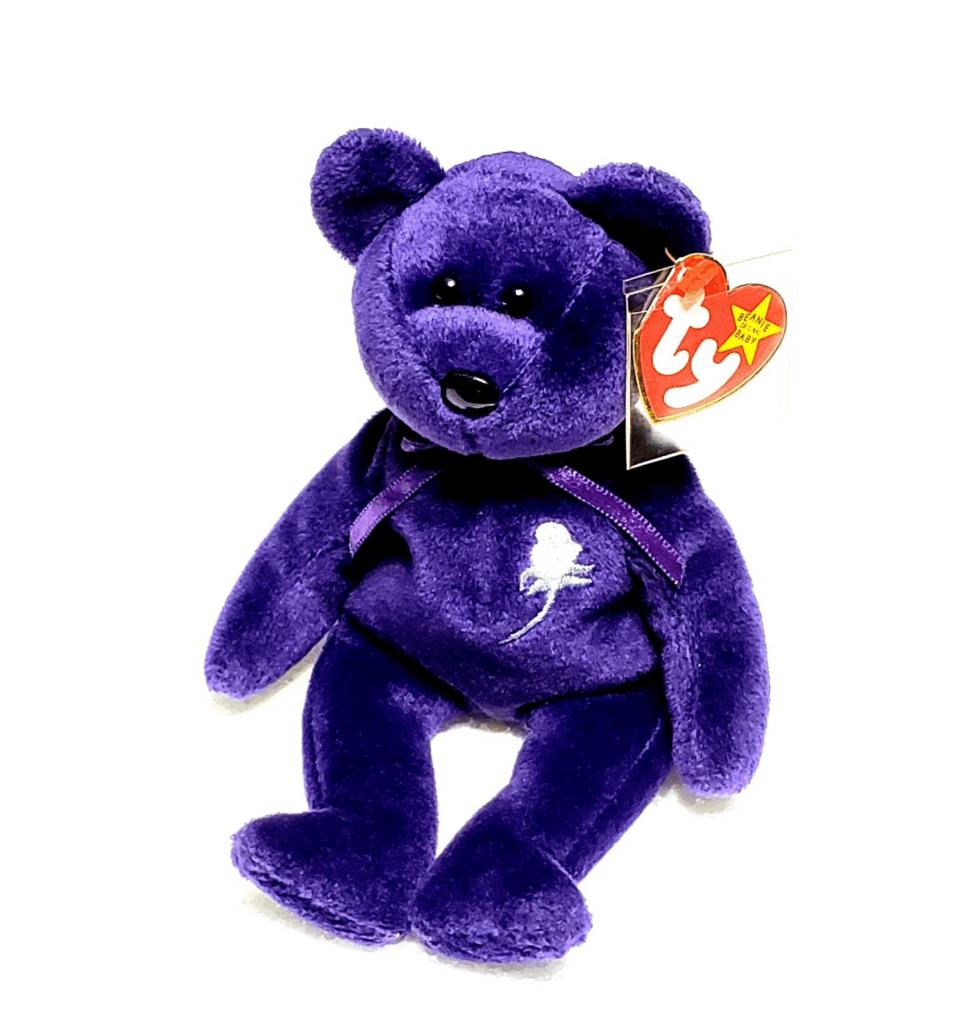
Released in December 1997 to honor Princess Diana, this small plush bear features a purple body and a white rose emblem on its chest. The collectible value is driven by its limited initial release, the charitable angle, and the media attention around the piece. Some versions in mint condition, with correct tags and no damage, are estimated at $45 up to possibly $1,000 or more, depending on variant and condition. Key details collectors check include the date on the tag, the shape and wording of the tag, and whether the original packaging is intact. It is important to note that while some versions may be heavily marketed as million-dollar items, actual realised values tend to depend on condition and rarity.
What makes this piece notable is the combination of popular culture relevance and collectible mechanics in plush form. It illustrates how a toy can appeal outside its standard audience by connecting with broader historical or pop culture events. If you are looking into such items you would treat this Bear as a model of how condition and provenance affect value. The tag errors and unique manufacturing batches often drive the highest premiums. Whether you are a casual enthusiast or a serious collector this item is worth knowing about.
Steiff Harlequin Teddy Bear
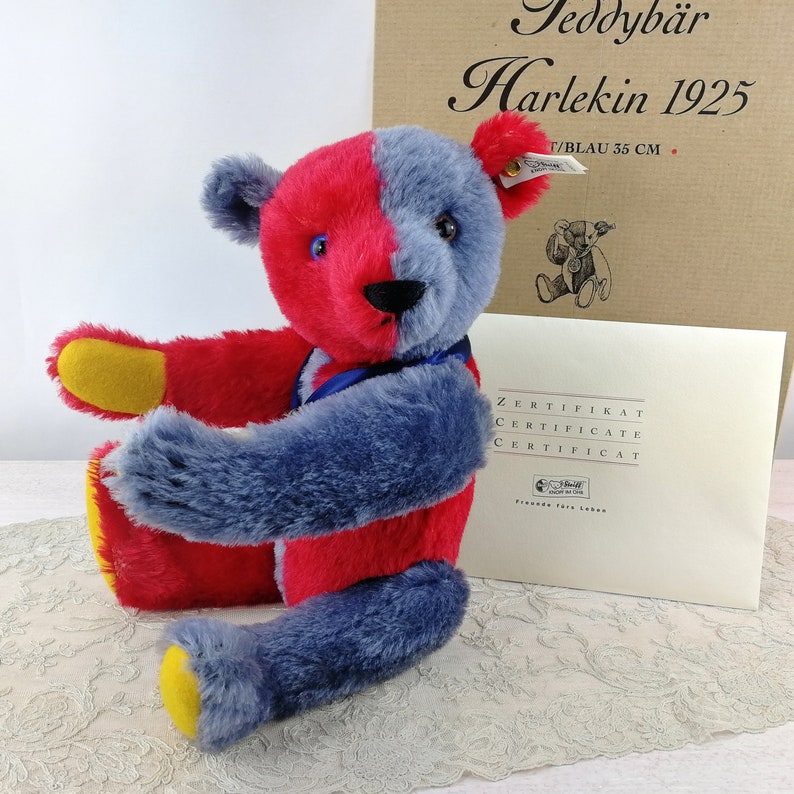
Introduced in 1925 by Steiff, this bear is recognised by its distinctive half-red, half-blue mohair design. Its collectible appeal comes from its age, the unusual coloration, and the brand’s reputation for quality materials and craftsmanship. Auction records suggest values in recent years around £45,000 (approximately $55,000-$60,000 USD or higher) for specimens in excellent condition. A collector should examine the mohair texture, the jointing of the limbs, and the ear button tag to judge authenticity. Condition is critical, as vintage mohair can deteriorate, and any replacement parts will reduce value.
This bear stands out because it combines design uniqueness with strong provenance and maker legacy. Early Steiff bears like this one are considered among the more collectible plush toys due to their limited numbers and high‐quality construction. If you ever come across one you’ll want to check any restoration history and verify original parts. As with many plush collectibles, the market can vary significantly, but this model remains a benchmark for serious plush collectors. It serves as a reminder that vintage plush is not simply old toy but can involve significant investment and historical interest.
Muffy VanderBear
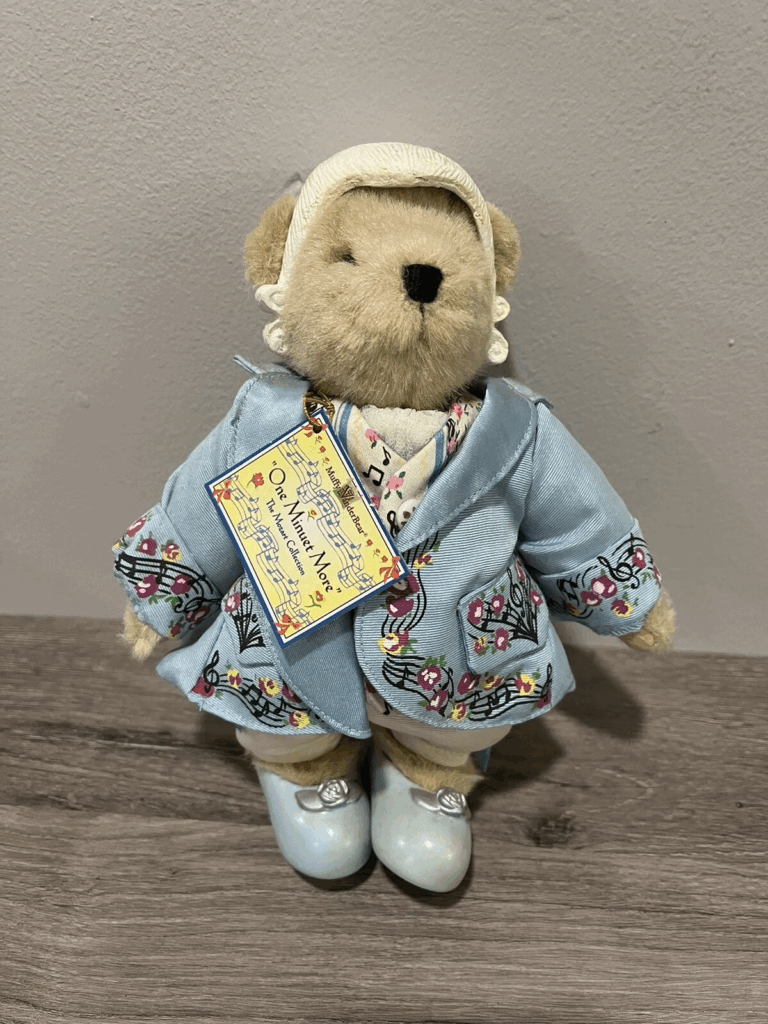
Launched in 1984 by the North American Bear Company, this plush bear series gained popularity not only with children but with adult collectors who appreciated its themed wardrobes and accessories. Some special editions of Muffy have sold in the secondary market for $1,000 or more, depending on rarity and condition. When evaluating one you’d look at whether the original outfit is included, the tag condition, and the wear on the plush fabric. The more complete and clean the piece, the higher value it tends to reach. This series is notable for bridging traditional toy play and adult collectible interest.
What makes Muffy special is the use of character theme, wardrobe changeability, and the fact that collectors grew into adults with these toys from their youth, so sentimental value adds to monetary value. The presence of original boxes or certificates can add a premium. Although not as high in value as the rare early 20th-century plush, Muffy remains a strong collectible in the vintage plush market. It is a good example for anyone exploring plush toys from the 1980s and 1990s that have collector interest beyond children’s play. The key takeaway is that provenance and completeness matter immensely.
Beanie Babies Valentino
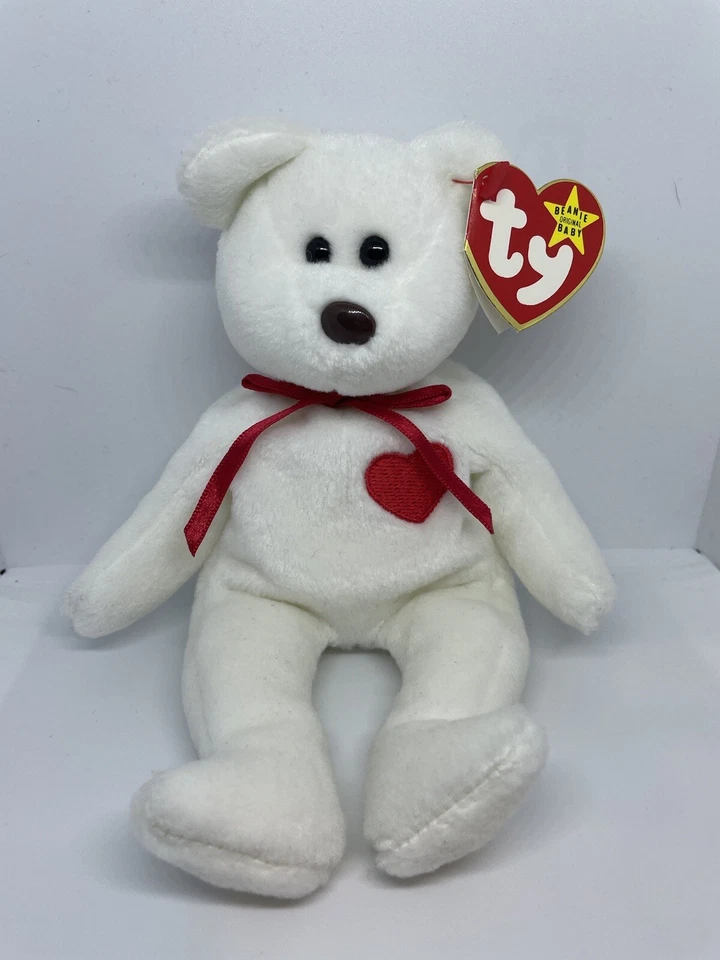
Released in 1993, the Valentino bear by Ty Inc. was one of the early figures in what became a major collectible phenomenon. Because of its age, condition sensitivity, tag variants and color variants, some listings suggest values in the thousands of dollars-though most remain far lower. The collectible market value might be $1,000 or more for exceptional specimens with correct tags and no faults. Key features to check include the tush tag (the tag on the rear), hang tag condition, and tag spelling or printing errors which collectors prize. An important point is that many examples exist in less ideal condition which reduces value significantly.
This item illustrates a shift in the plush toy world where mass-produced items became collectible due to retirement, nostalgia, and community interest. It shows how even a modern plush toy (compared to early 1900s examples) can reach collector status if certain conditions are met. If you have one of these you’ll want to verify the production batch, tags, and condition before assuming high value. It’s also a reminder that market value can fluctuate and many pieces will be worth much less than peak hype indicated. For someone tracking vintage plush collecting this is a show-case of 1990s plush interest.
Steiff Early Mohair Bear
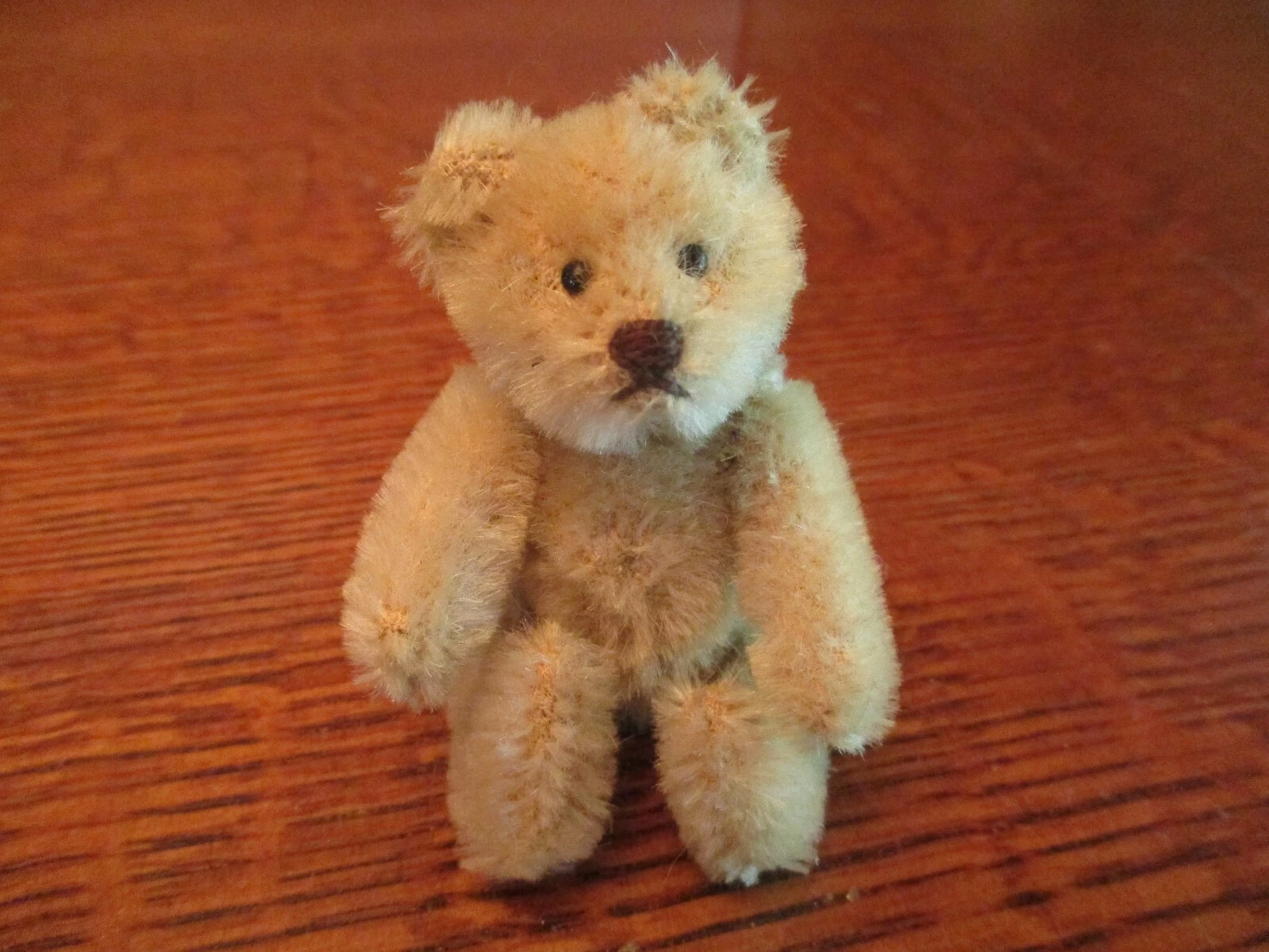
This type of bear was made by Steiff in Germany during the 1950s and includes mohair fur, jointed limbs, and the trademark button-in-ear tag. Collectors value examples in original condition and in sizes that were less common. Market value for a good condition example might be $5,000 to $15,000, depending on size, rarity and condition. You’d want to look for original materials, tags showing Made in Germany, and minimal fabric loss. The condition of the felt paw pads, eye setting, and original stuffing will affect value.
What makes these mid-century mohair bears collectible is that they were made before synthetic plush materials became common, leading to a richer texture and older techniques. For someone interested in vintage plush items the 1950s mohair bears represent high‐quality craftsmanship from a noted maker. If you spot one you’ll want to check for provenance, condition, and authenticity before evaluating its value. It is a reminder that not all collectible plush toys come from large pop-culture hype; some come from heritage and materials quality. These make excellent reference points for vintage plush collectors.
Steiff Replica Bear Limited Edition (for example, Alfonzo 1990)
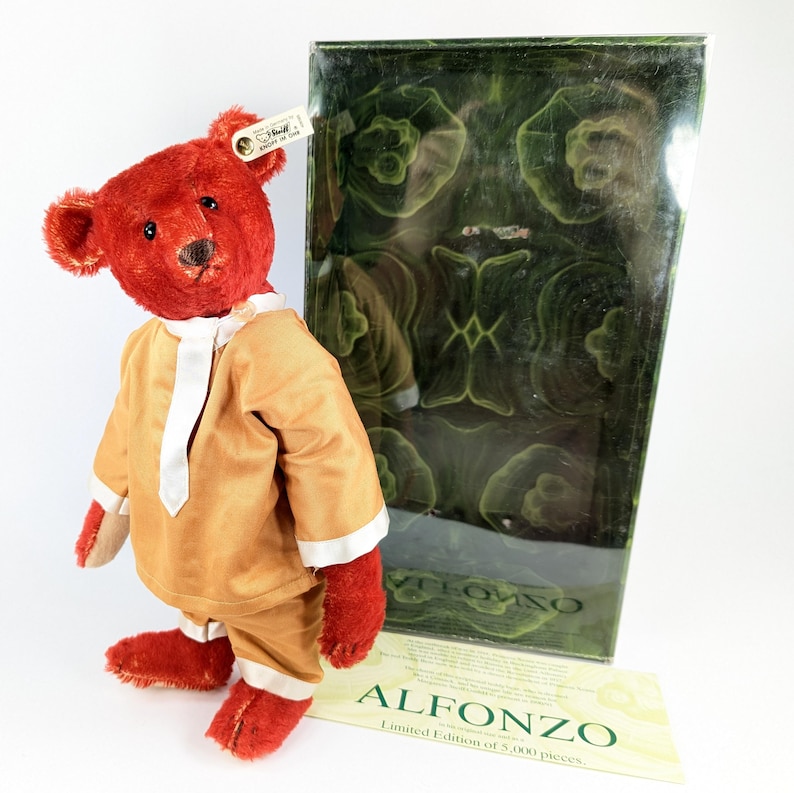
In 1990 Steiff released a limited edition bear named Alfonzo (among other replica offerings) which replicated earlier classic designs but in controlled quantities. The limited run and brand reputation make it collectible for those focusing on late-20th century plush. A typical market value might be in the range $500 to $2,000 depending on how many were produced, the edition number, condition and whether it includes box and certificate. Collectors will look for intact edition number tags, original box, certificate of authenticity and excellent condition. The presence of all original packaging and documentation adds significantly to value.
This model shows how even replica or re-issue plush items can be collectible when the maker is respected and the edition is limited. For someone exploring vintage plush collecting beyond the earliest era this kind of piece provides a different entry point. It also shows that collectible value is influenced by edition count, condition, packaging, and registration. If shopping for such a piece you’ll treat it like other collectibles: verify edition number, check for original box and documentation, and assess condition. It’s a good example of how the later century plush toy market matured into collectibility.
Ty Pillow Pals
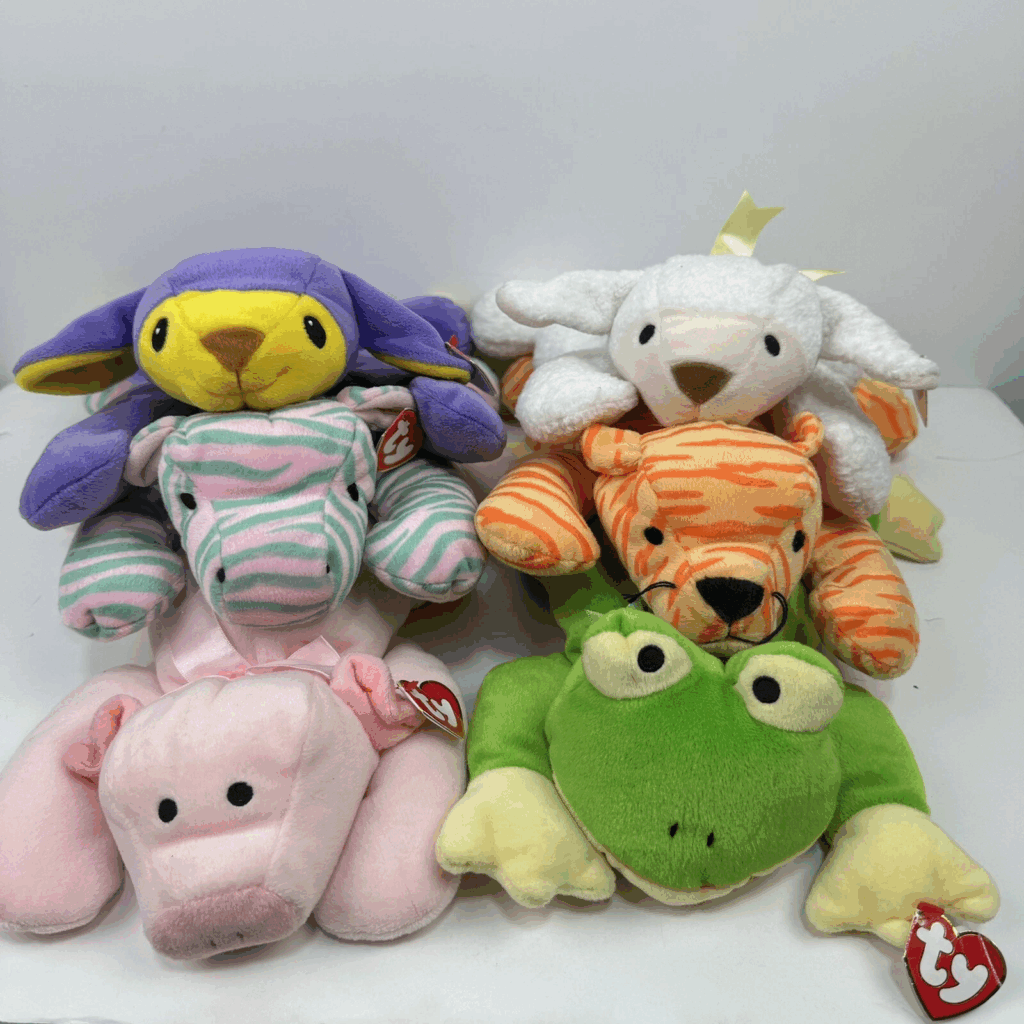
Introduced by Ty Inc. around 1993 as a pillow-style plush toy line, these were soft, flat, pillow-like stuffed toys. While less rare than some top-tier plush collectibles, certain early models in mint condition with tags intact do have collectible value. Market values for these might range from $50 to several hundred dollars depending on condition and model rarity. Key points for value assessment include original tag, lack of discoloration or damage, and whether original packaging is included. Though they are often overlooked, for a vintage plush enthusiast they represent a significant piece of 1990s plush history.
What makes them worth watching is that they were part of a shift in plush toy style and manufacturing in the 1990s. For collectors of this era, Pillow Pals show how design and toy format changed and how nostalgia plays a role. If you happen across one in great condition, complete with tags and packaging, it may be more valuable than you first assume. They offer an accessible entry into vintage plush collecting for someone interested in late-20th century items. It’s a reminder that collectibility is not confined to century-old pieces; more recent vintage can still hold interest.
Steiff Mohair Cow Flora
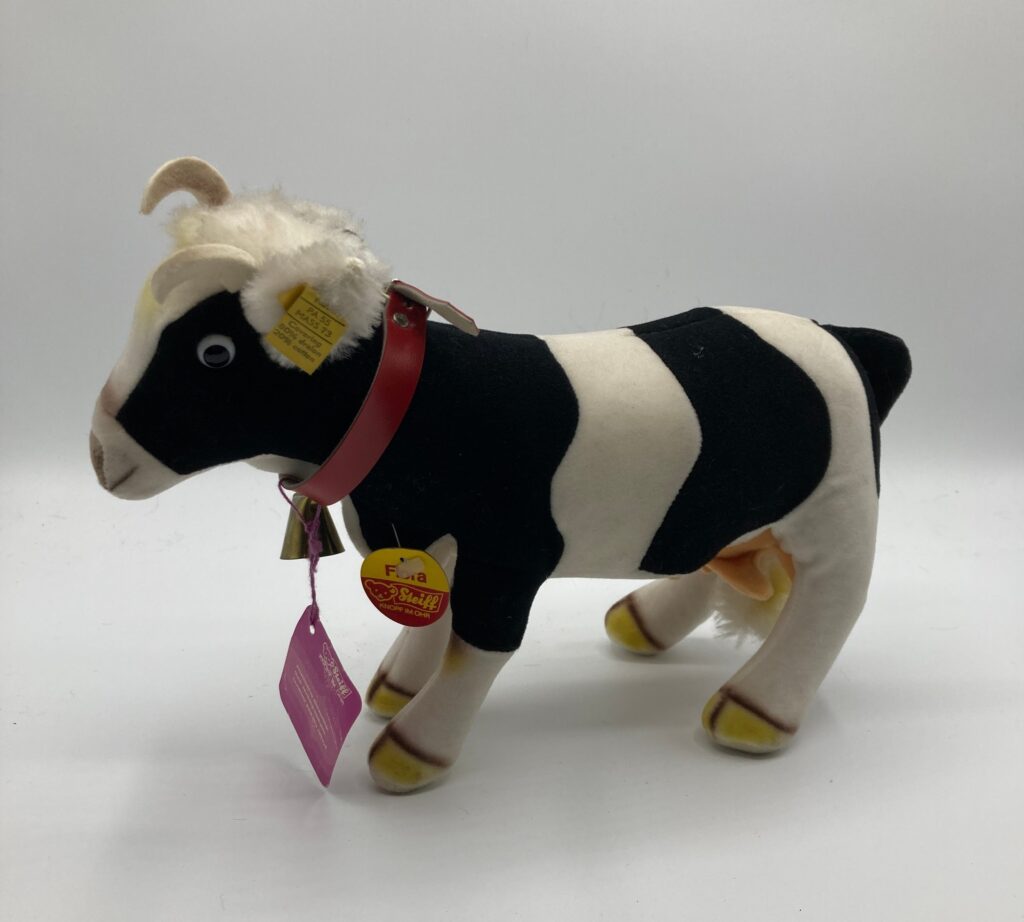
Produced by Steiff in Germany around 1978, the Flora cow plush in mohair with black and white colouring is an example of a collectible non-bear from a respected maker. Because non‐bear plush toys from major makers are less common, this adds a measure of rarity. Estimated market value for an item in very good condition is around $500 to $1,000 or more, depending on size, condition, original tag and documentation. A collector should check for original mohair fabric, tags, correct stitching, minimal wear and original condition. Condition and originality of the tag are especially important in determining value.
When you consider this piece you’ll see how plush toys beyond teddy bears can hold collector interest. It shows how manufacturers extended their high quality techniques to a variety of animal forms, and how this can matter in vintage collecting. For those looking to diversify their collections, plush animals like this cow are interesting. It also shows how explorers of the vintage plush space need to look for items that are rare by design type as well as brand. If you find one you’ll want to verify authenticity, condition and tag presence.
Steiff Bear Louis Vuitton Special Edition
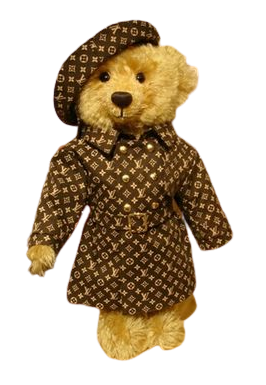
In the early 2000s Steiff collaborated with luxury brands (for example Louis Vuitton) to release teddy bears with high‐end materials such as gold plating and gemstone eyes. While not as old as some other items on this list, these limited editions remain collectible due to brand prestige and limited run. Auction results include bears selling for $2.1 million in specialised sales, though more typical values for luxury edition models may fall in the $10,000 to $100,000+ range depending on edition size and condition. As a prospective collector you would need to verify the collaboration, certificate of authenticity and condition. These items are examples of how plush toys can cross over into luxury and high-end collectibles.
When you look at this model you’ll note how rarity, brand collaboration and materials play key roles in value beyond mainstream toys. For someone interested in plush collectibles that sit at the intersection of toy and luxury item this model is illustrative. It also underscores that the vintage plush field can include pieces not just from childhood toy shelves but from fashion and luxury sectors. If you’re exploring this area you’ll view such a piece as a specialised niche within vintage plush collecting. It highlights how material quality, brand name and provenance all matter.
Gund Clyde the Elephant
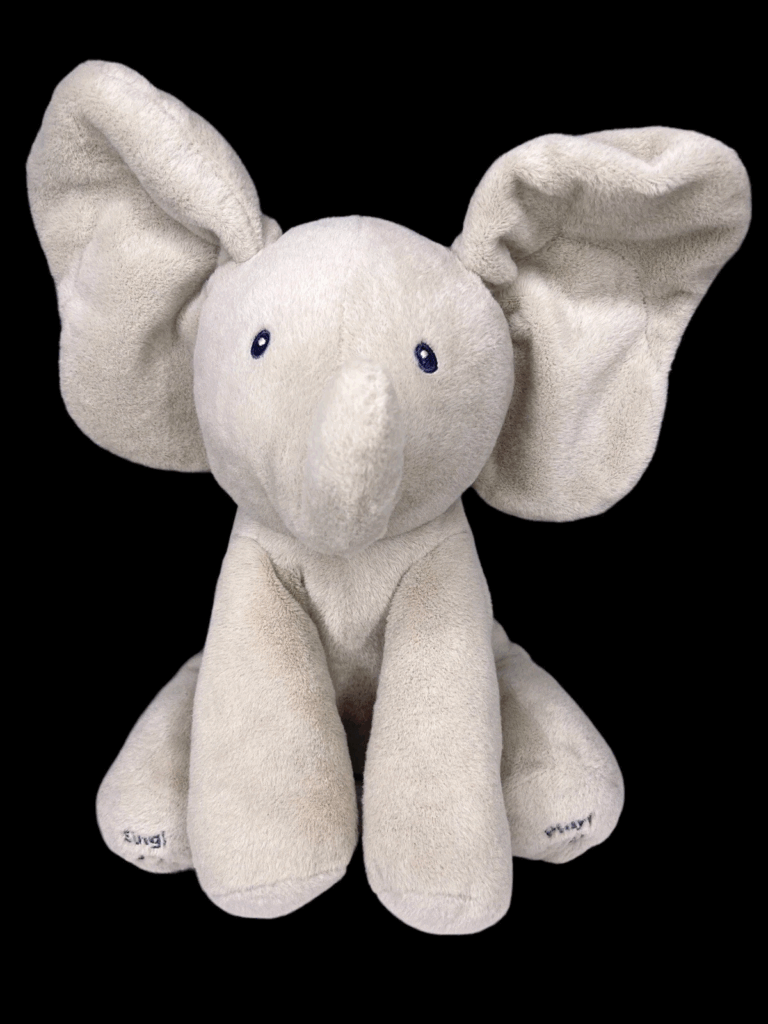
Gund’s Clyde the Elephant, introduced in the 1960s, is a highly sought-after vintage plush toy due to its distinctive design and soft, plush fabric. The toy’s endearing features, such as its oversized ears and gentle expression, have made it a beloved collectible. The estimated current market value for a well-preserved Clyde can range from $300 to $800 depending on condition and rarity. Key factors influencing the value include its original fabric, the presence of tags, and the overall condition of the plush. The charm of this plush elephant lies in its nostalgic appeal and high-quality craftsmanship, which has made it a standout in vintage plush collections.
Clyde the Elephant is an example of how mid-century plush toys became iconic in the world of collectibles. Gund, a company known for its craftsmanship, produced toys that stood the test of time, making them highly desirable for collectors today. If you come across a Clyde with original tags, you can expect its value to increase. The plush toy’s sentimental value also adds to its appeal, especially for collectors who grew up with it. It represents a special era in toy making where quality and design took precedence.
Knickerbocker Teddy Bear
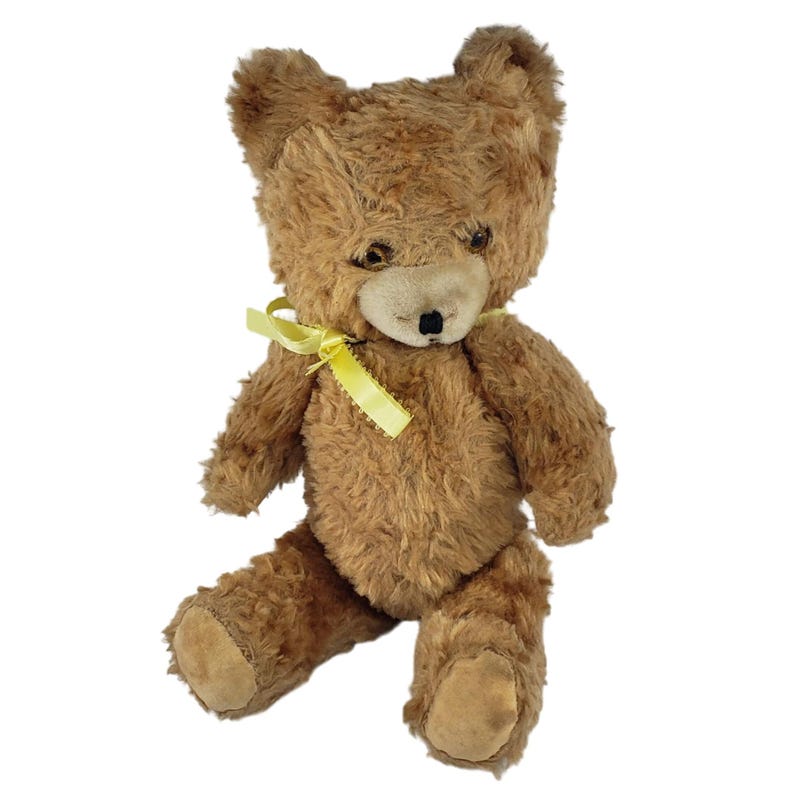
The Knickerbocker Teddy Bear, produced between the 1950s and 1960s, is another sought-after vintage plush toy known for its high-quality mohair fabric and charming design. This bear is often recognized by its classic design, with a round face, stitched nose, and large, soft ears. The estimated current market value for a well-preserved Knickerbocker Teddy Bear is around $500 to $1,500. Important factors that collectors look for include the bear’s condition, its original tags, and any unique features like eye shape and stitching. The Knickerbocker brand’s reputation for quality makes this bear an enduring favorite among plush collectors.
The appeal of the Knickerbocker Teddy Bear lies in its combination of craftsmanship, age, and historical relevance. As one of the most respected plush toy manufacturers of the mid-20th century, Knickerbocker’s bears are highly collectible, especially when they have been well-maintained. The rarest versions, particularly those with unique colorations or limited releases, can fetch much higher prices. It’s a great example of how collectible plush toys combine elements of nostalgia, craftsmanship, and rarity. For vintage plush collectors, finding a well-kept Knickerbocker bear is a prized discovery.
This article originally appeared on Avocadu.