
13 Vintage Planters and Pots People Collect for Their Porches in Spring
Porch season feels a little more interesting when vintage planters and pots are part of the setup. Their appeal often comes from things like age, condition, maker labels, rare finishes, and details that reflect the style of an earlier period. Some collectors look for chipped paint and weathered texture, while others like embossed patterns, animal shapes, or classic floral designs.
This post may contain affiliate links, which helps keep this content free. Please read our disclosure for more info.
Roseville Florentine II Jardiniere and Pedestal 602
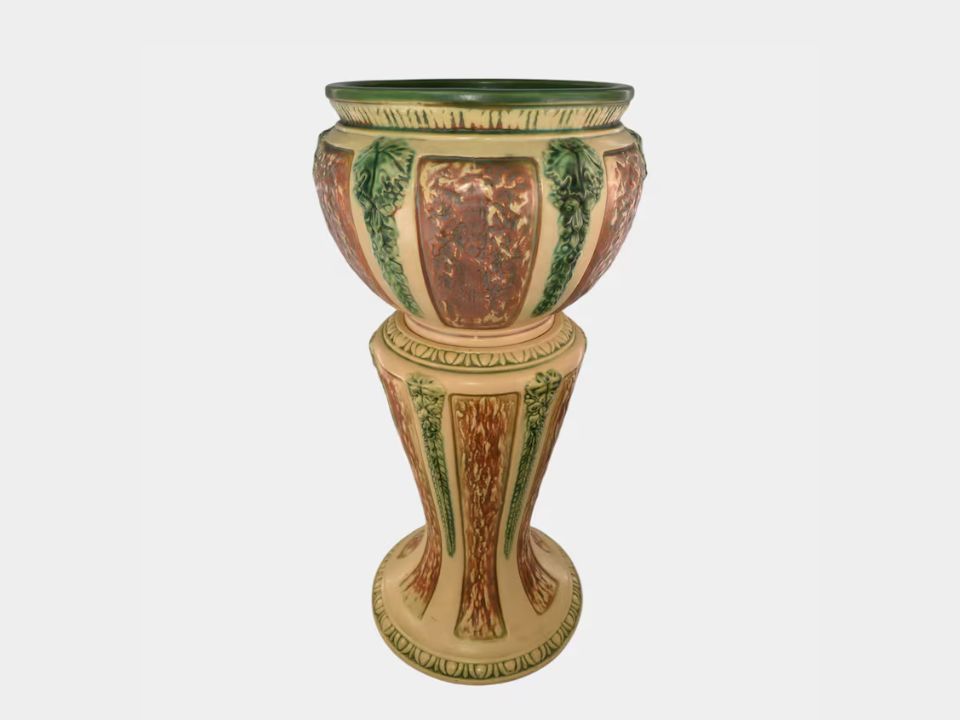
Set near a front step, a Roseville Florentine II jardiniere and pedestal has the kind of presence people remember. Roseville produced this line in 1933, and it was made from glazed art pottery with rich molded detail across the surface. Its current market value is about $850. People collect it for porch season because it looks grand even before a plant is added.
One reason this piece stays desirable is that the jardiniere and pedestal are often harder to find together. The raised pattern gives it more depth than a plain planter, which helps it stand out in a porch display. It also works well with trailing greenery or flowering plants that spill over the rim. For pottery lovers, it feels like a strong statement piece with real age behind it.
Roseville Cosmos Tan Jardiniere 649
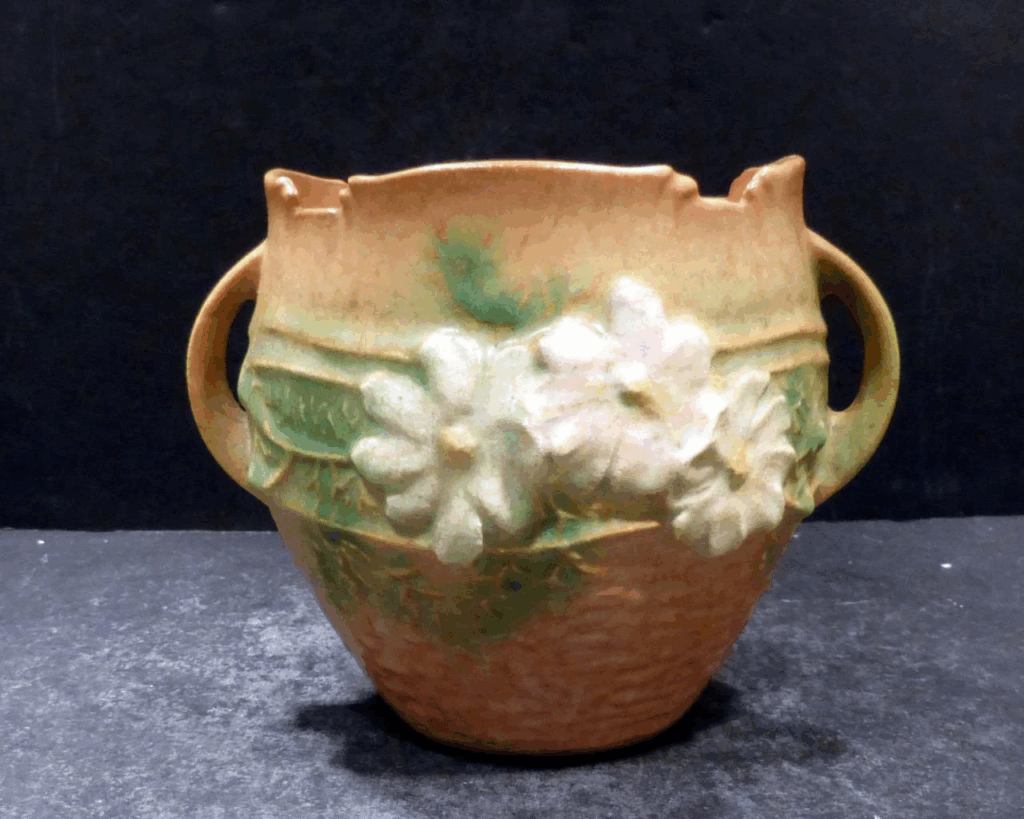
Smaller porch pieces can be just as appealing, and the Roseville Cosmos Tan jardiniere is a good example. This planter was produced around 1939 by Roseville, and it is made of glazed pottery with a soft floral relief pattern and is currently priced at $100. Its gentle tan color makes it easy to pair with spring flowers and older porch furniture.
What draws people to this one is the balance between size and style. It gives you the look of old American pottery without asking for much space on a porch shelf or side table. The floral design feels decorative, though it still stays calm enough for everyday use. That easy fit makes it a favorite with people who like collecting smaller pots.
McCoy Basketweave Flower Pot
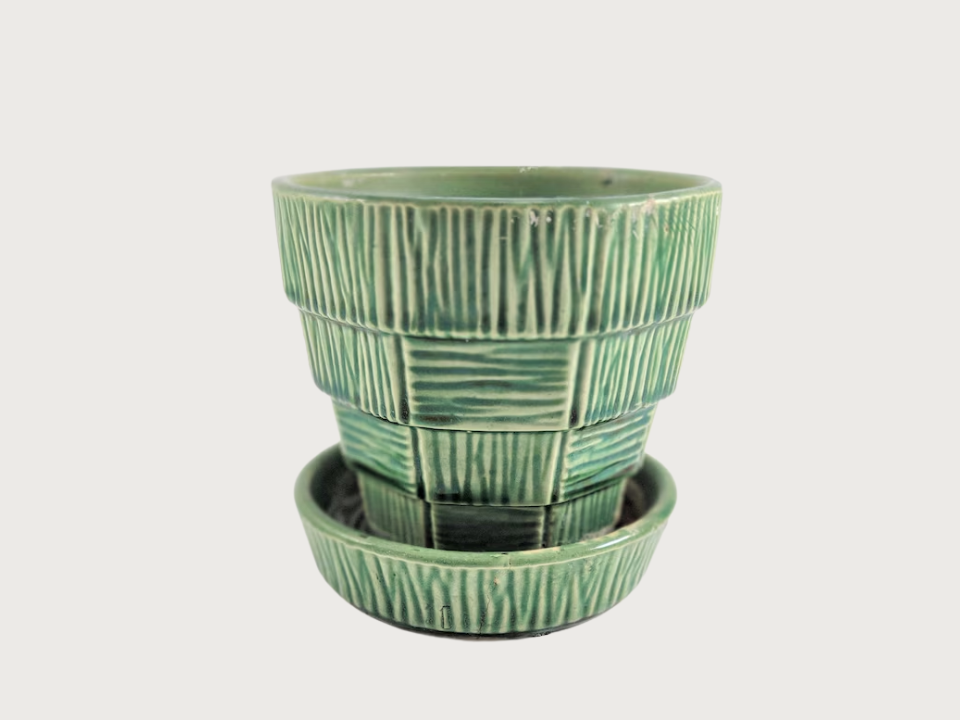
A McCoy Basketweave flower pot has a warm and homey look that feels just right for spring. This piece was produced in 1950, and it is made of ceramic pottery with a woven pattern around the body, with a current price of $30. People like collecting it because the texture gives it more charm than a plain round pot.
For porch season, this kind of pot works nicely with herbs, violets, or small blooming plants. The size also makes it easy to move around as the weather changes. Many people enjoy McCoy because the pieces feel familiar and easy to live with. That simple appeal helps a pot like this stay popular year after year.
McCoy Wishing Well Planter
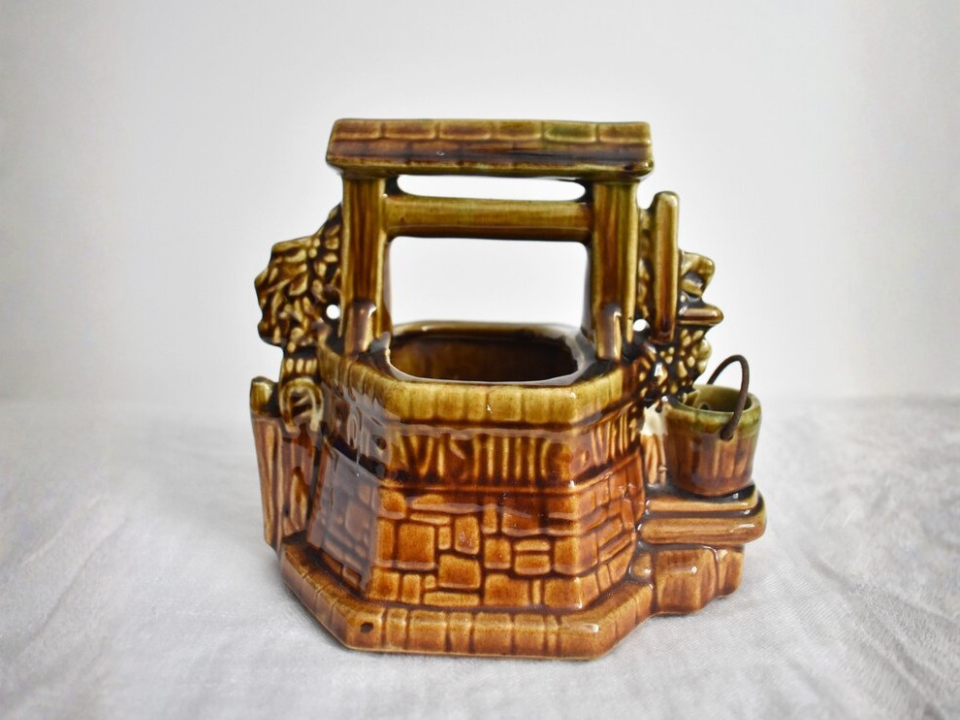
With its playful shape, the McCoy Wishing Well planter brings a lighter mood to a porch shelf. This planter was produced in the 1950s, and it is made of ceramic pottery in a novelty well form. Its current market value is about $13. People collect it because it feels cheerful and a little storybook without losing its old-fashioned look.
Novelties like this stay appealing because they break up a row of standard planters. The form works well with small flowers or even a simple ivy start. It also has that mid-century decorative style that many people enjoy in spring displays. For casual collecting, it feels like an easy and fun find.
McCoy Wheelbarrow Planter 822
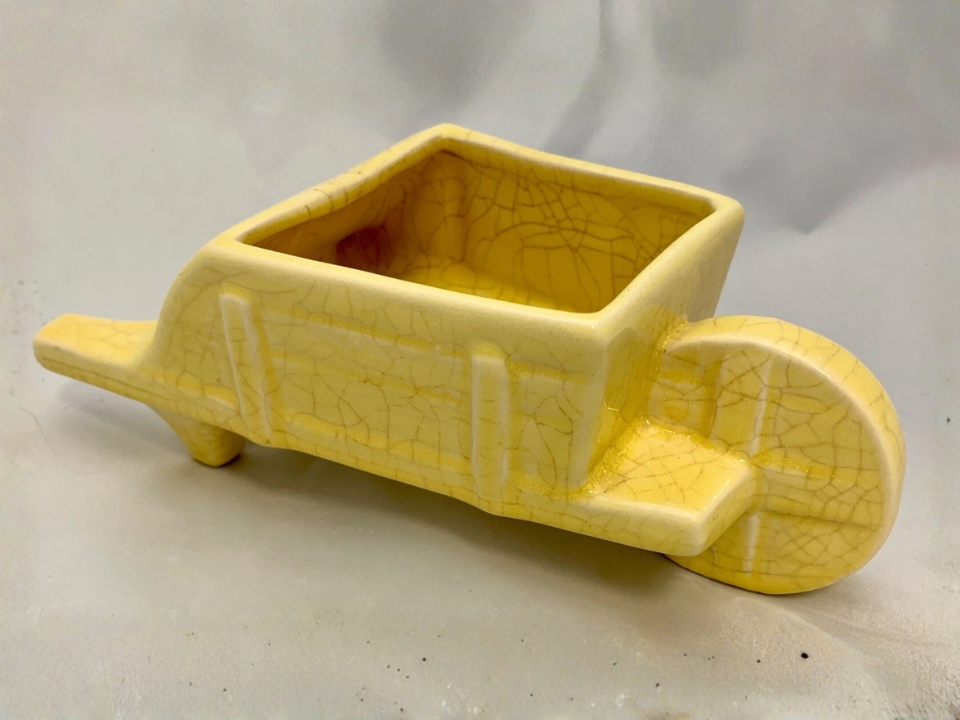
Garden-themed shapes often do well with porch collectors, and the McCoy Wheelbarrow Planter 822 fits that look perfectly. This planter was made in the 1950s, and it is formed from ceramic pottery in a small wheelbarrow design. Its shape gives it more personality than a standard pot while still leaving room for small blooms, and it is currently priced at about $10.
Because it is compact, it works well on porch tables, narrow shelves, or tucked beside other planters. The wheelbarrow form has a cottage garden feel that suits spring decorating nicely. McCoy novelty pieces also tend to feel friendly rather than too formal. That gives this one a nice place in a mixed planter collection.
Hull Woodland W14 Planter
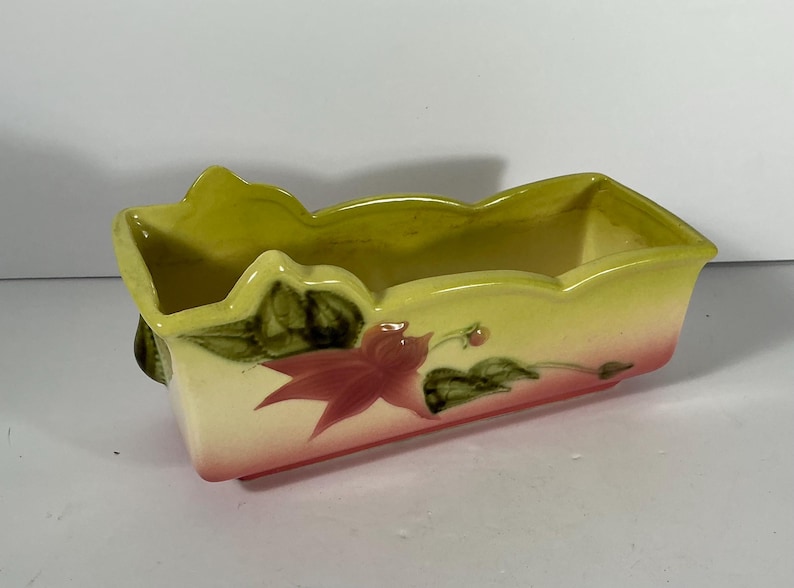
Soft floral pottery always feels right at home in spring, and the Hull Woodland W14 planter proves it. This form appeared in 1950 and 1956 examples, and it is made of ceramic pottery with a rectangular window box shape, with a current price of $ 20. People like collecting it because it offers both a decorative painted look and a useful planting space. I
Wider planters like this can make a porch look fuller without needing several separate pots. The Woodland line has a gentle painted style that pairs nicely with ivy, pansies, or mixed starts. Its shape also suits porch rails and narrow tables better than many round pots do. That mix of beauty and use makes it easy to understand why it stays popular.
Hull Fiesta 51 Twisted Handle Basket Planter
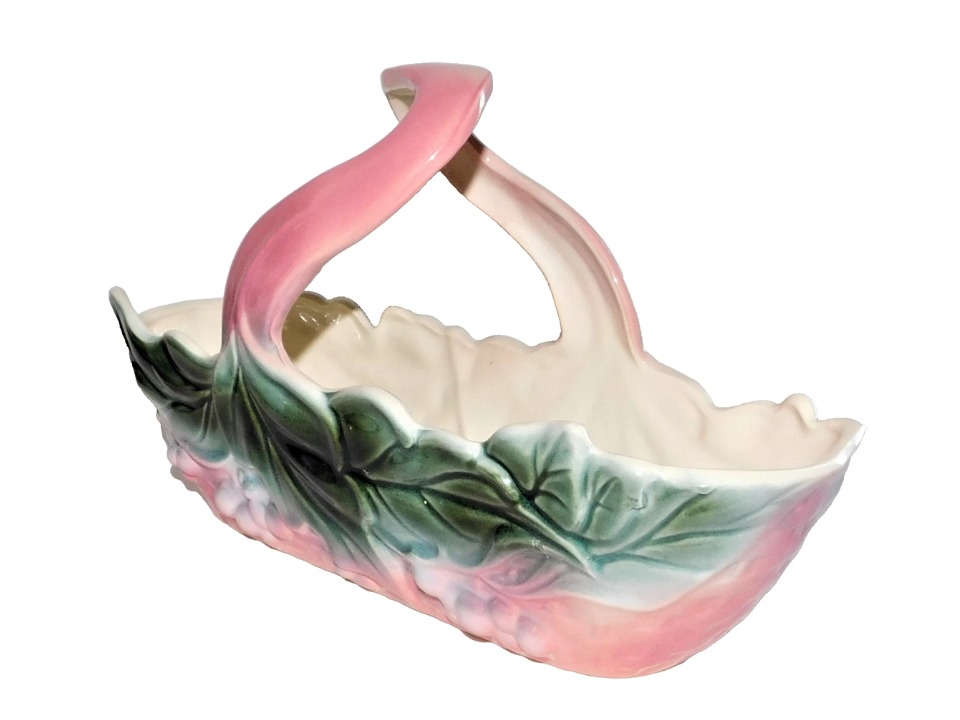
Basket-shaped planters have a softer feel than regular pots, and the Hull Fiesta 51 is a good example of why people like them. This model dates to the mid 1950s, and it is made of ceramic pottery with a twisted handle and floral decoration. The shape makes it feel part planter and part display piece. Its current market value is about $40.
What makes this one easy to collect is how naturally it fits cottage and farmhouse porch styles. The handle gives it a more decorative outline, while the body still holds enough for a small flower arrangement. It can sit on a porch table or bench and still feel light rather than heavy. That gentle look is a large part of its appeal.
Hull Water Lily L 23 Planter
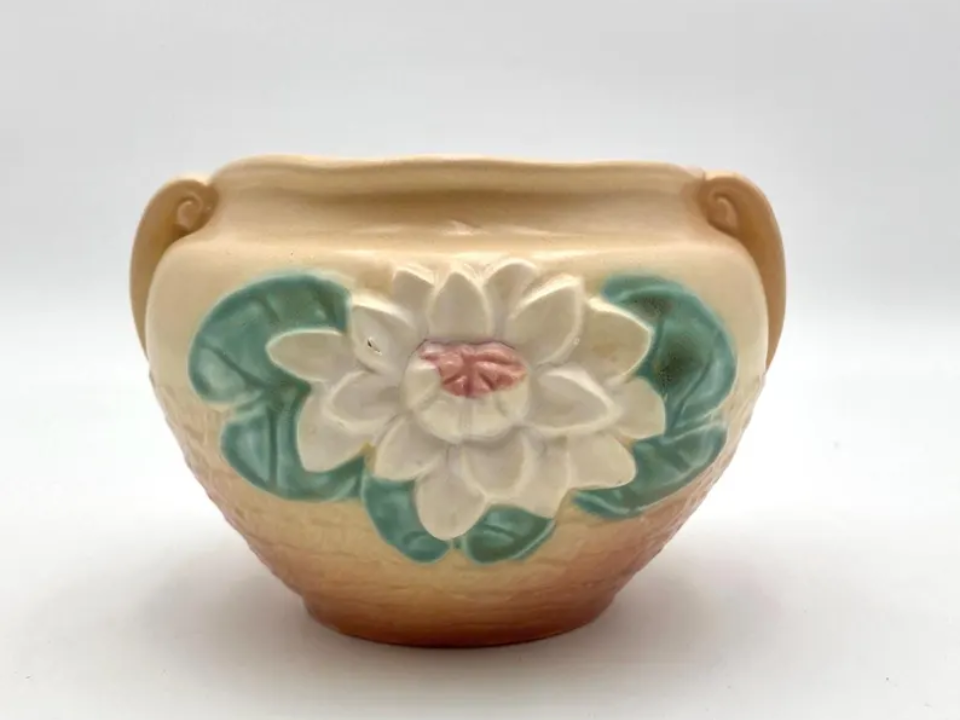
Older Hull pieces often stand out because the decoration feels more sculpted than painted on. The Hull Water Lily L 23 planter was produced in 1937, and it is made of pottery with a water lily design and a decorative Art Deco look. People collect it because it feels older and more ornamental than many mid-century porch pots. Its current market value is about $50.
Even without a plant, this planter still reads as decor. The raised flower detail gives it a fuller surface and more visual interest from every angle. It is especially nice for porch displays where the container matters as much as the flowers inside it. That stronger design helps keep it desirable with pottery buyers.
Haeger 3938 A Ribbed Oval Planter
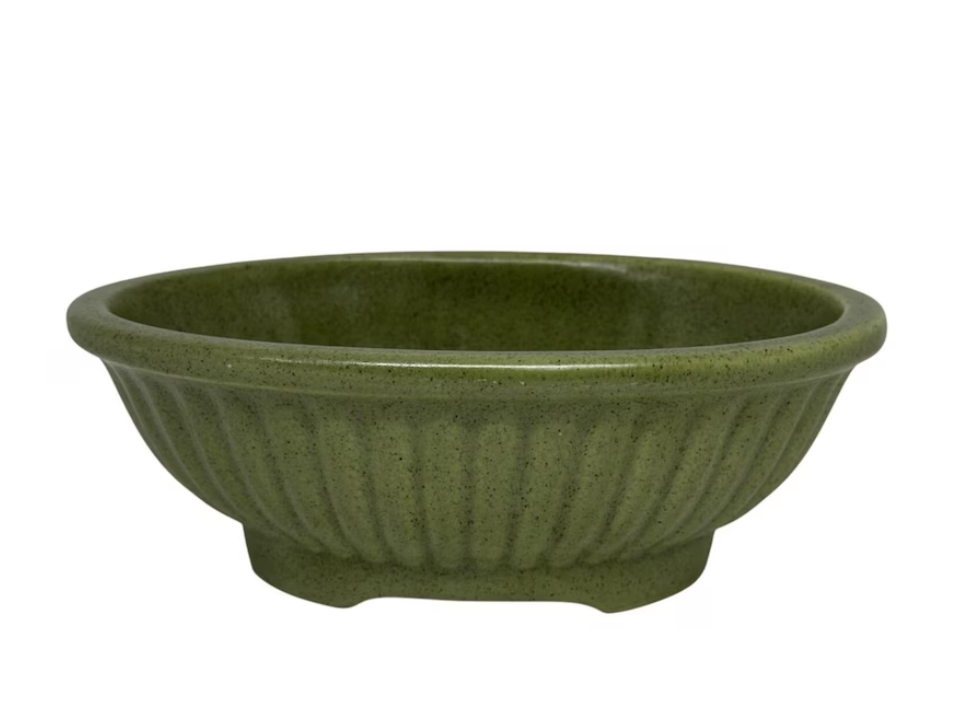
Clean mid-century shapes often work well on porches, and the Haeger 3938 A ribbed oval planter does just that. This planter dates to the 1960s, and it is made of ceramic with a ribbed oval form and glossy finish. Its current market value is about $20. People love to collect it because it feels stylish without relying on extra decoration.
The oval shape makes it useful for shallow plantings like succulents or low-blooming flowers. Haeger pieces often mix well with both old and newer furniture, which helps them stay in use. It is also the kind of planter that looks good in pairs. That simple and polished look keeps many people interested in the line.
Haeger Seashell Planter
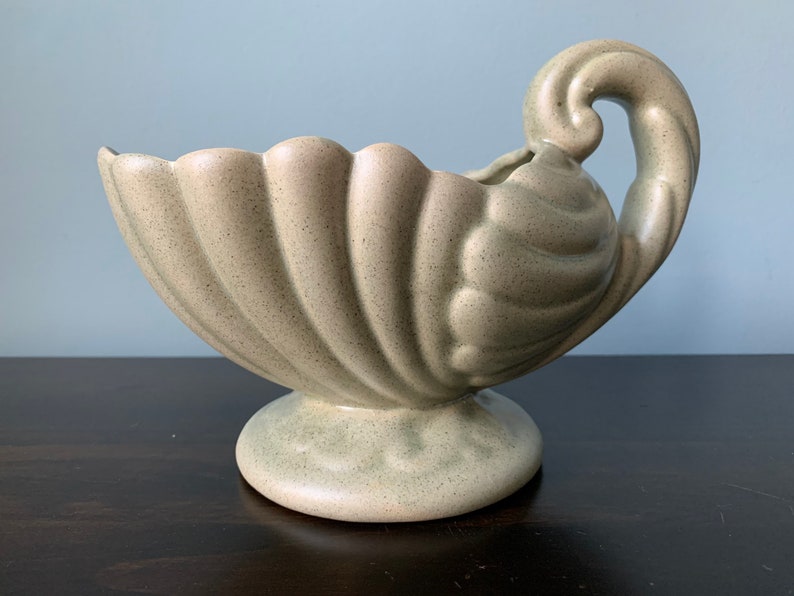
Coastal shapes can lighten a porch display, and the Haeger Seashell planter does that very well. Mid-century and later 1970s examples of this planter are made of ceramic and formed like a shell with a curved open top. People collect it because the shape adds variety to a group of straighter and boxier pots. Its current market value is about $15.
A shell planter works nicely with trailing greenery, ferns, or small dried arrangements. The softer outline helps a porch setup feel breezier and less formal. Haeger made many pieces that were easy to use in everyday decor, and this is one of them. That makes it a simple addition to a wider planter group.
Weller Woodcraft Forest Planter
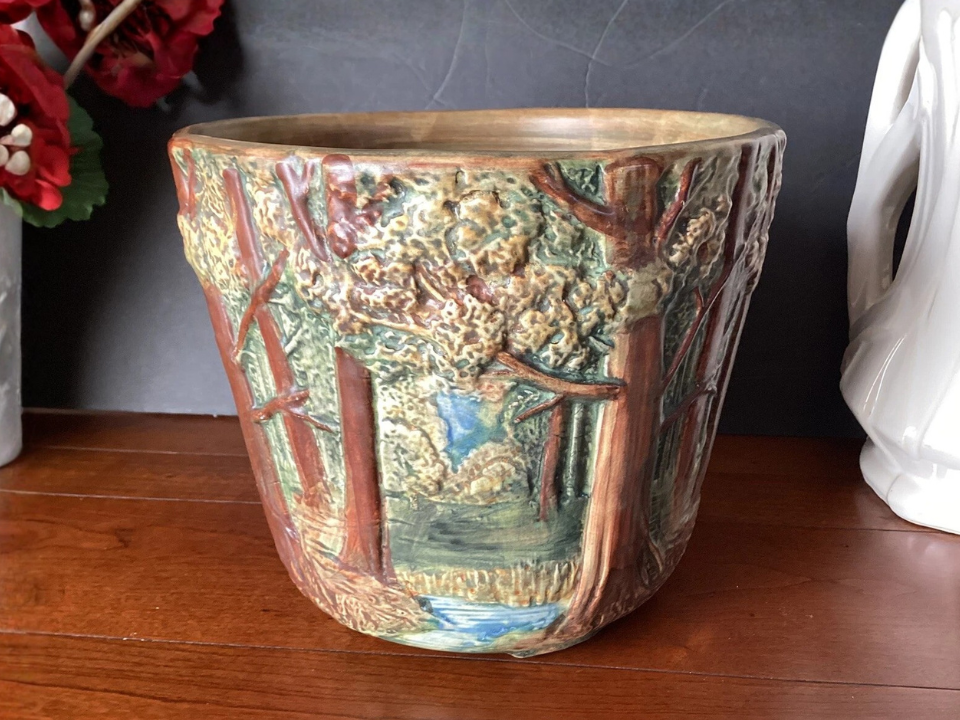
Earlier American pottery has a look all its own, and the Weller Woodcraft Forest planter shows why. This planter dates to 1920, and it is made of pottery with a matte green finish that feels quieter than shinier later pieces. Because of its age, people love to collect it. The finish gives it a more antique mood than most porch planters from the 1950s and 1960s. Its current market value is about $100.
There is a grounded feel to this kind of pot that works especially well with brick, wood, and stone porches. The matte surface gives it a softer look than glossy pottery, which many buyers enjoy. Even a very simple planting can feel more special in a piece like this. That older finish is a large part of what keeps interest high.
Van Briggle Conch Shell Planter
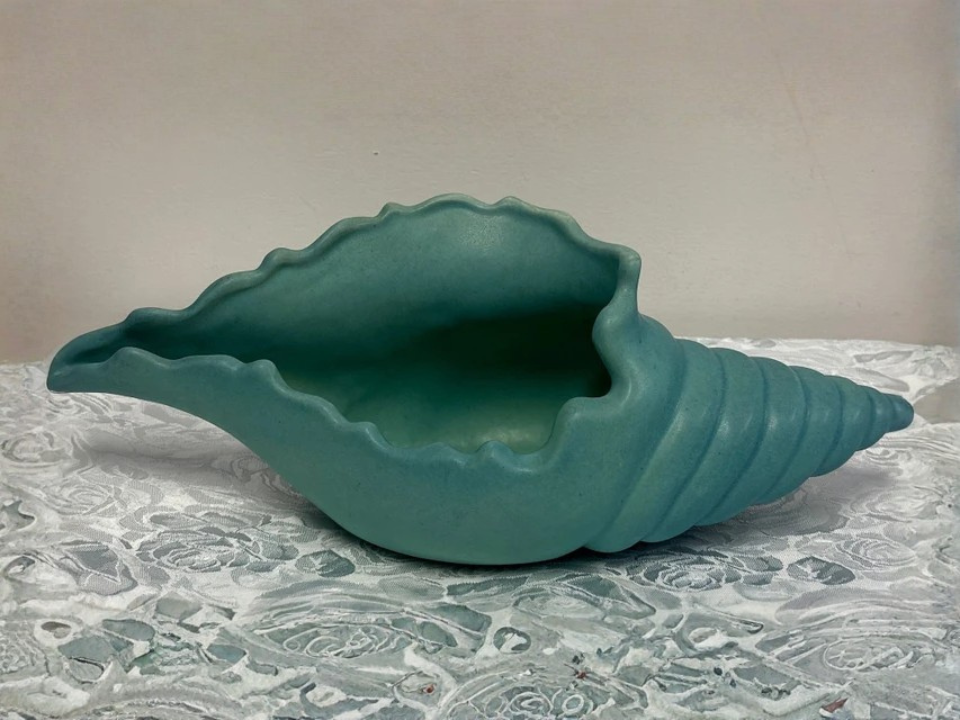
A planter with a sculptural shape can change the whole look of a porch arrangement, and the Van Briggle Conch Shell planter does exactly that. Vintage examples include pieces from 1970, and they were made from pottery in a shell form with a curved profile. People collect them because they feel decorative even before anything is planted in them. Its current market value is about $50.
The shell shape helps break up a lineup of standard round or oval pots. Van Briggle pieces often get noticed for shape and glaze first, which suits collectors who like planters with more presence. Small blooms, ivy, or even dried stems can work well inside it. That flexibility makes it useful across much of the year.
Gainey California Tire Planter Bowl
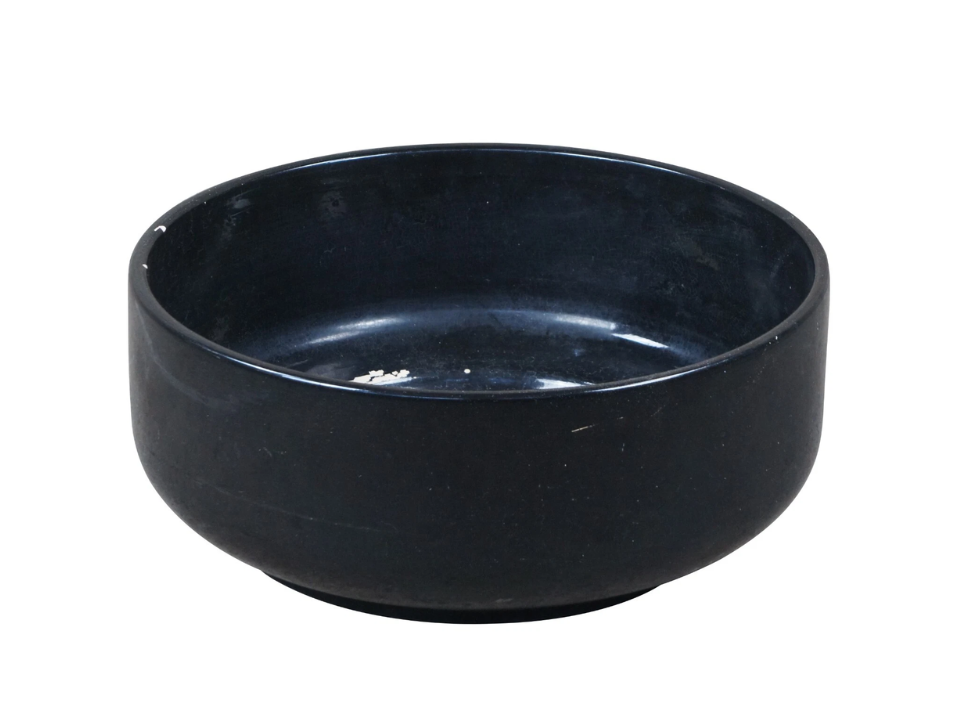
Large planter bowls can carry a whole porch arrangement on their own, and the Gainey California Tire planter bowl is a strong example. This piece is described as a 1960s Gainey, California planter, and it is made of glazed ceramic in a wide, low form. People collect it because the shape feels architectural and works especially well with fuller plantings. Its current market value is about $750.
Scale is a big part of what makes this one stand out. A bowl like this can anchor a porch or patio much more easily than a small novelty planter can. Gainey pieces also appeal to people who like older pottery that still fits a cleaner and more modern look. That mix of size, age, and shape is what gives it lasting appeal.
This article originally appeared on Avocadu.