
15 Vintage Lamps Collectors Look For in Antique Malls
Vintage lamps are one of those antique mall finds that can make a room feel finished in minutes. Some styles keep showing up on collector wish lists because the materials, shapes, and shades are hard to match with modern copies. This list covers the types shoppers keep an eye out for, plus what makes each one worth a closer look.
This post may contain affiliate links, which helps keep this content free. Please read our disclosure for more info.
Tiffany Style Slag Glass Table Lamp
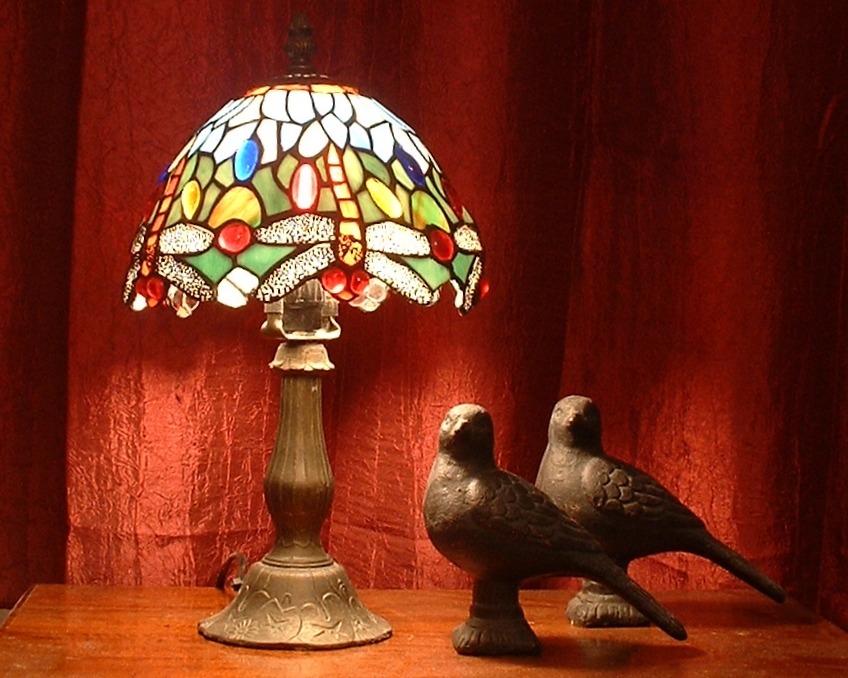
A Tiffany style slag glass lamp is usually the first thing collectors scan for because the shade does most of the talking. Look for thick glass pieces with rich color shifts and seams that sit neatly, since sloppy lines can hint at a newer reproduction. The base often has a heavy feel, and that weight is a good sign when you pick it up gently. If the shade throws a warm, even glow when lit, it tends to be the kind people remember.
Check the underside of the base and the socket area for age, since newer parts can show up on older-looking lamps. Small cracks in a panel or a repaired seam can change value, so it helps to look from the top down and from the side. Shades are easy to chip, so do a slow walk around the lamp instead of spinning it on the table. If you love the look but the price feels high, ask if the shop knows the story, because provenance sometimes explains the number.
Handel Reverse Painted Shade Lamp
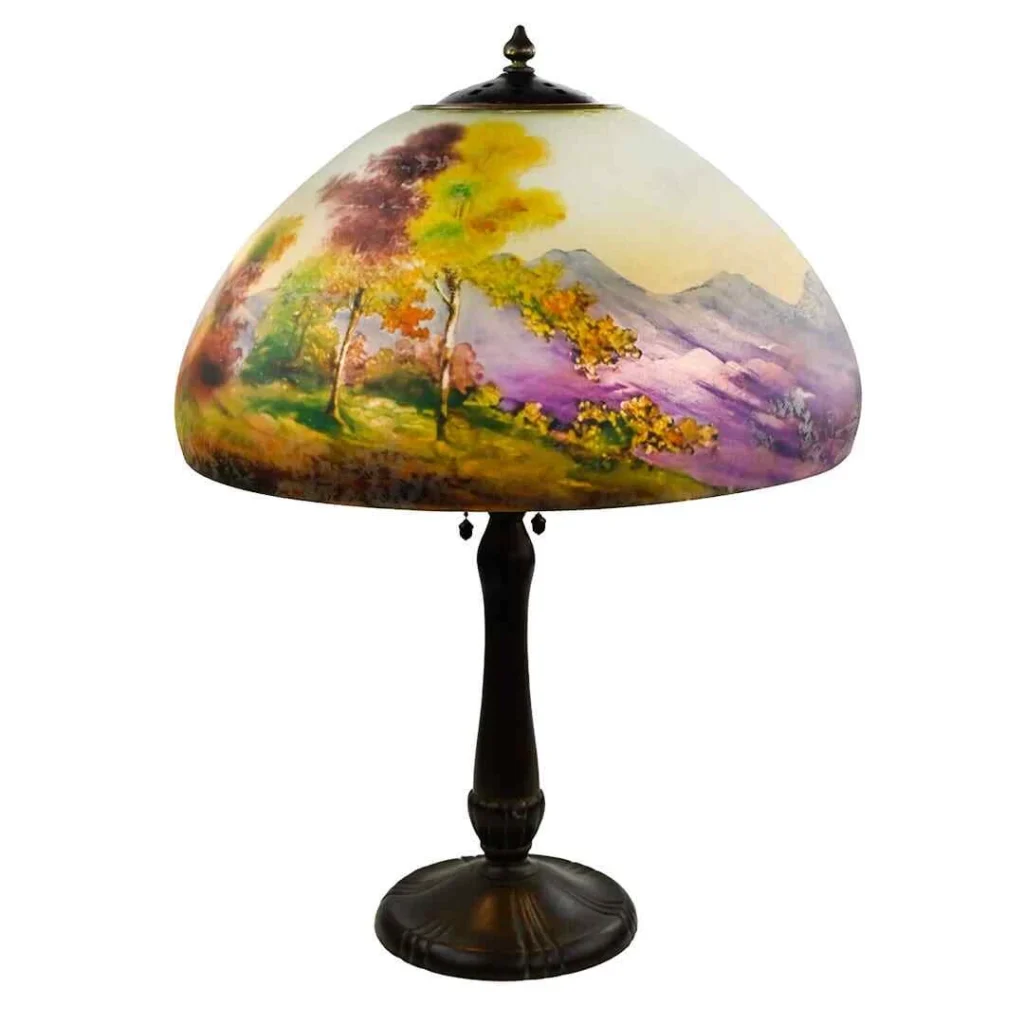
These lamps are known for shades that look like tiny paintings, often with trees, clouds, or a soft sunset scene. The artwork is usually on the inside of the shade, so the image has a deep, layered look when the bulb is on. Collectors pay attention to how clean the paint work is, especially around the rim and any cutout design. Even if the base is simple, the shade can still make it a real standout.
Because the shade is the star, inspect it under bright light for scratches, paint loss, or cloudy patches. A gentle wipe with a dry microfiber cloth is safest, and shops often prefer you do not handle it much. Older wiring is common with these, so a rewire does not automatically hurt the appeal if it is done neatly. If the scene feels unusually crisp and new, compare it to other examples in the mall, since reproductions can look too perfect.
Pairpoint Puffy Shade Lamp
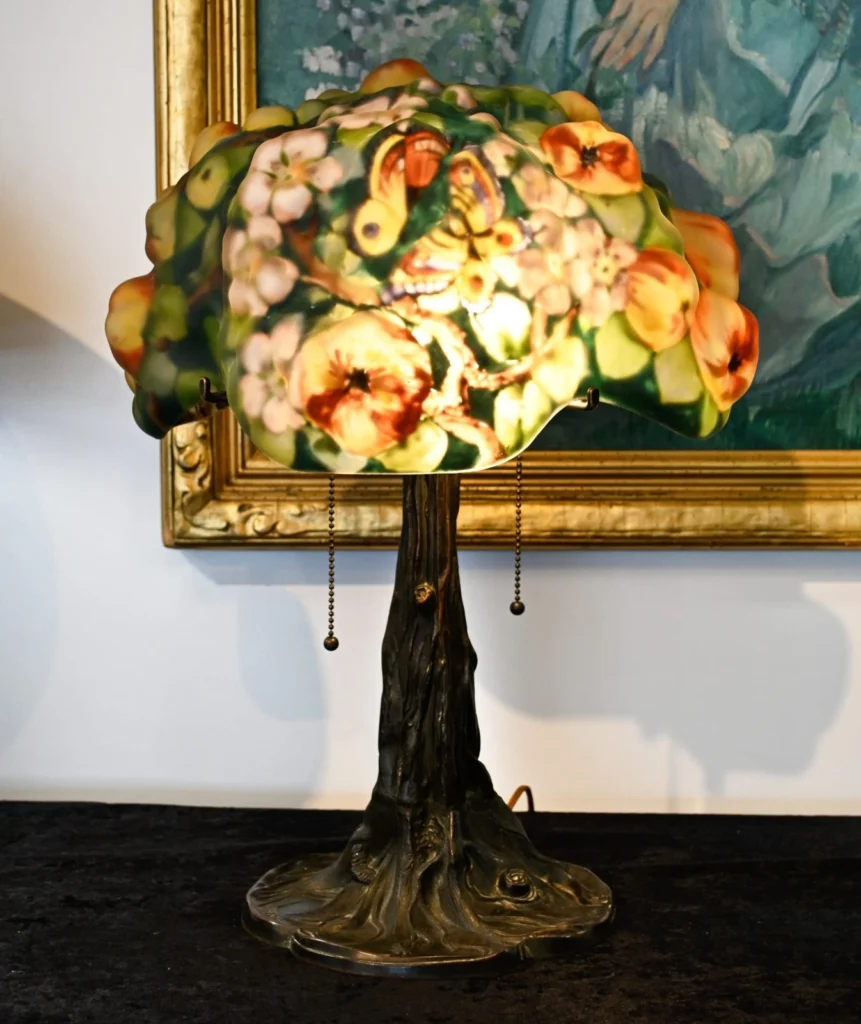
A Pairpoint puffy shade lamp has a soft, raised look to the glass design, almost like the pattern sits above the surface. You will often see flowers, vines, or geometric shapes that catch the light in a gentle way. Collectors like the depth and the glow, and the best ones feel balanced between shade and base. When you tilt your head and the pattern shifts, you can usually tell if the glass has that older character.
Shades chip easily around the fitter edge, so check that area first and do not forget the top rim. If the lamp has a metal base, look for a stable stance and clean joins, since wobbly bases can be a headache at home. Replacement shades exist, so a base that feels right might still be worth it, but matching parts can cost extra. If the shop will plug it in, watch for even light and no hot spots that suggest a wrong bulb size.
Bradley and Hubbard Banquet Lamp
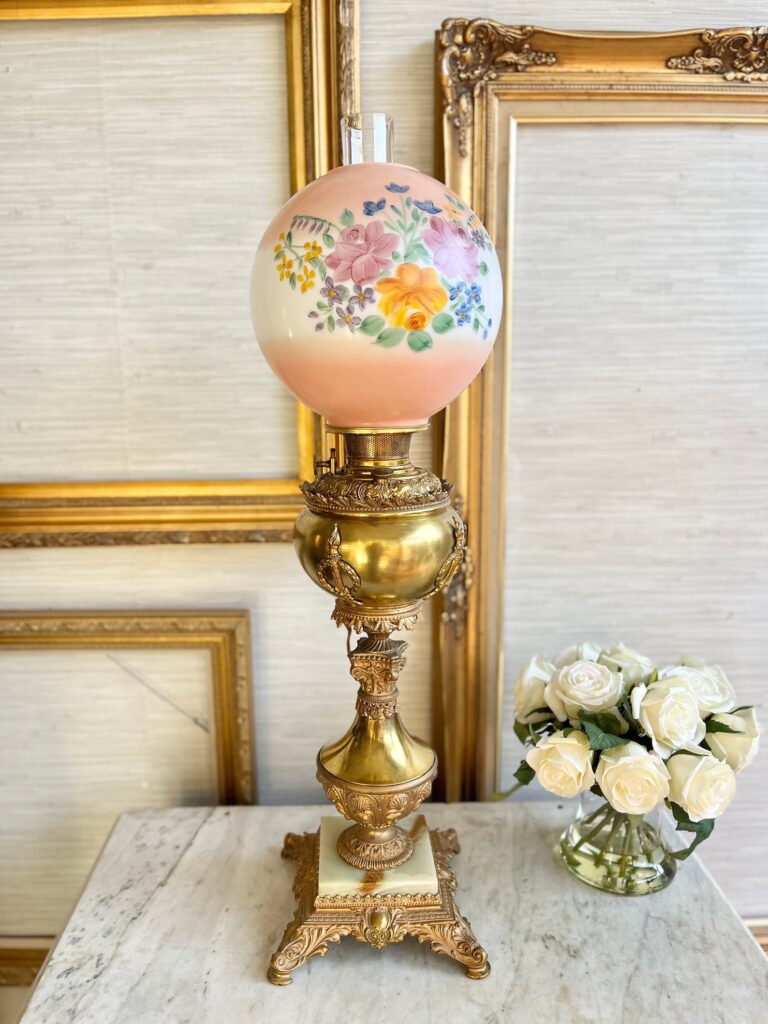
A Bradley and Hubbard banquet lamp is often tall with a classic shade and a base that feels like it belongs in an old parlor. The metal work can be detailed, with scrolling, floral accents, or a strong column shape. Collectors like them because they look grand without taking up much table space. Even across a busy aisle, the silhouette stands out.
Many of these show signs of use, so do not panic over small dings, but look closely for cracks in the shade and loose fittings. If the lamp has a pull chain, test it gently to see if it clicks cleanly. Older sockets and cords can be swapped, and that is normal, but messy rewiring can be a sign of rushed work. The best buys are usually the ones that feel solid and have a shade that sits straight with no gaps.
Aladdin Kerosene Mantle Lamp
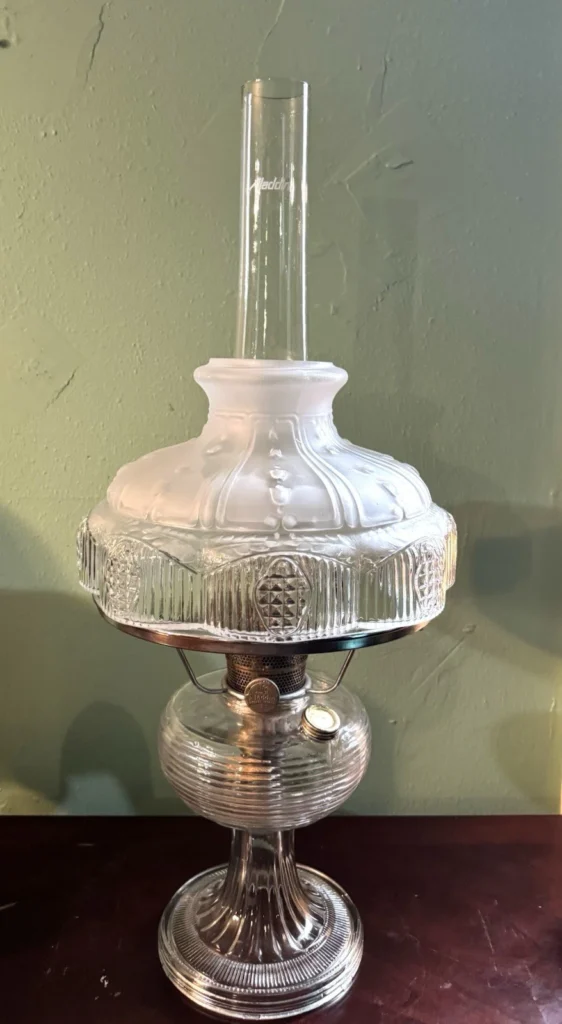
An Aladdin mantle lamp is popular because it is both pretty and practical, and collectors like the history behind it. These lamps were made to throw a strong light using a mantle, which is why people still hunt them down. You might see an ornate glass font, a tall chimney, and a burner assembly that looks more complex than a basic oil lamp. Even when it is unlit, it has a purposeful, engineered look.
Parts matter a lot here, so check if the burner, chimney, and any supporting pieces are present. Many antique malls sell lamps missing key parts, and replacements can add up fast. Look for chips on the chimney and cracks in the glass font, since those can be deal breakers if you plan to use it. If you want it mainly for display, a missing mantle may not matter, but you still want a stable base and a clean fit.
Gone With the Wind Hurricane Lamp
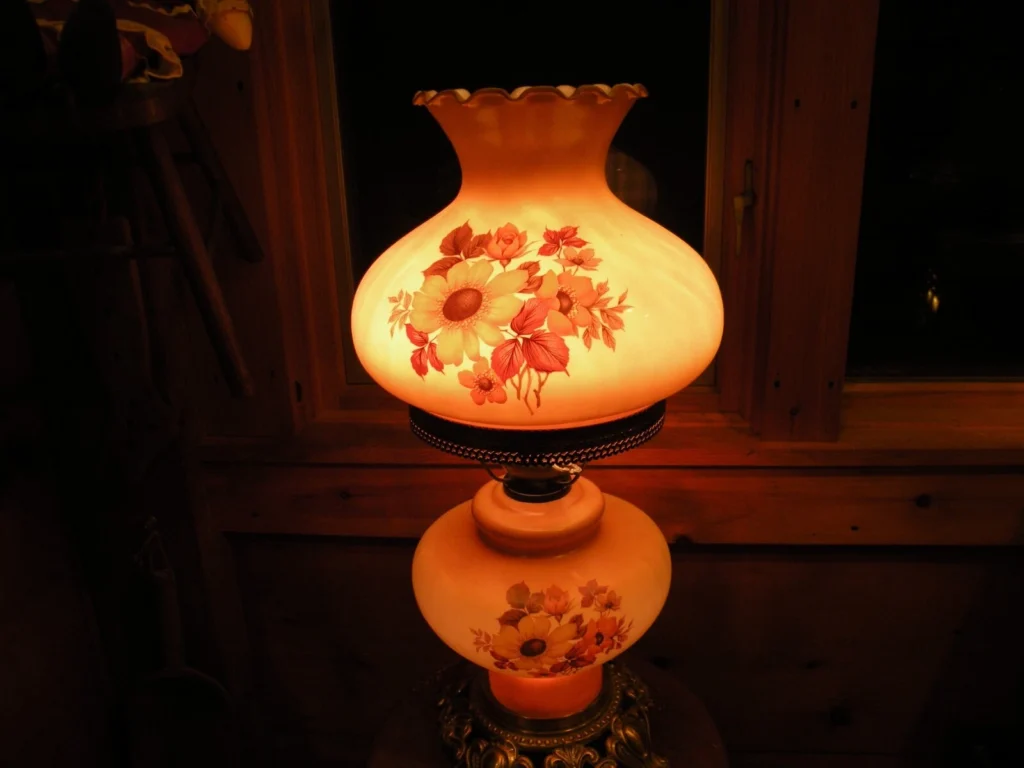
These lamps usually have a wide glass base and a matching shade, and the look is pure vintage drama. The colors can be soft pastels, deep cranberry, or floral patterns, and collectors tend to like sets that match well. Because the shape is so recognizable, they often become the centerpiece on a dresser or sideboard. Even a single lamp can change the mood of a room fast.
Matching shade to base is the first thing to check, since mix and match happens all the time. Run your eyes along the edges for tiny chips, especially around the rim where pieces sit together. Many are electric conversions, and that can be fine, but you want clean wiring and a socket that feels secure. If the glass looks too new and bright, look for signs of age on the metal parts, since older sets usually show some gentle wear.
Milk Glass Student Desk Lamp
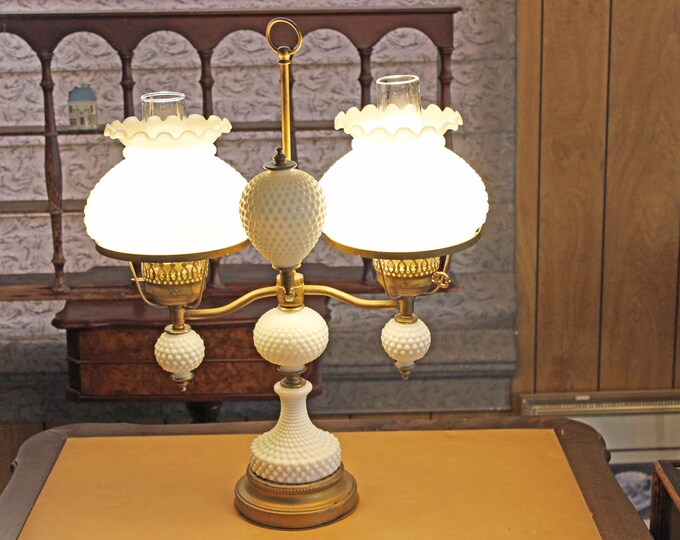
A milk glass student lamp has that classic library feel, with a white shade that throws light downward without glare. Collectors like them because they work in almost any room, from a kids homework desk to a bedside table. The shade can be plain or lightly patterned, and the base is often brass, nickel, or another metal finish. It is a calm look that still feels special when you find an older one.
Check the shade for hairline cracks, since milk glass can hide damage until it hits the light just right. The fitter opening should sit snugly, so give it a careful wiggle to see if it rocks. Many have been rewired, and a tidy cord and solid socket are a good sign. If you spot one with a great base but a rough shade, it may still be worth considering, because replacement shades are easier to find for this style.
Art Deco Skyscraper Lamp
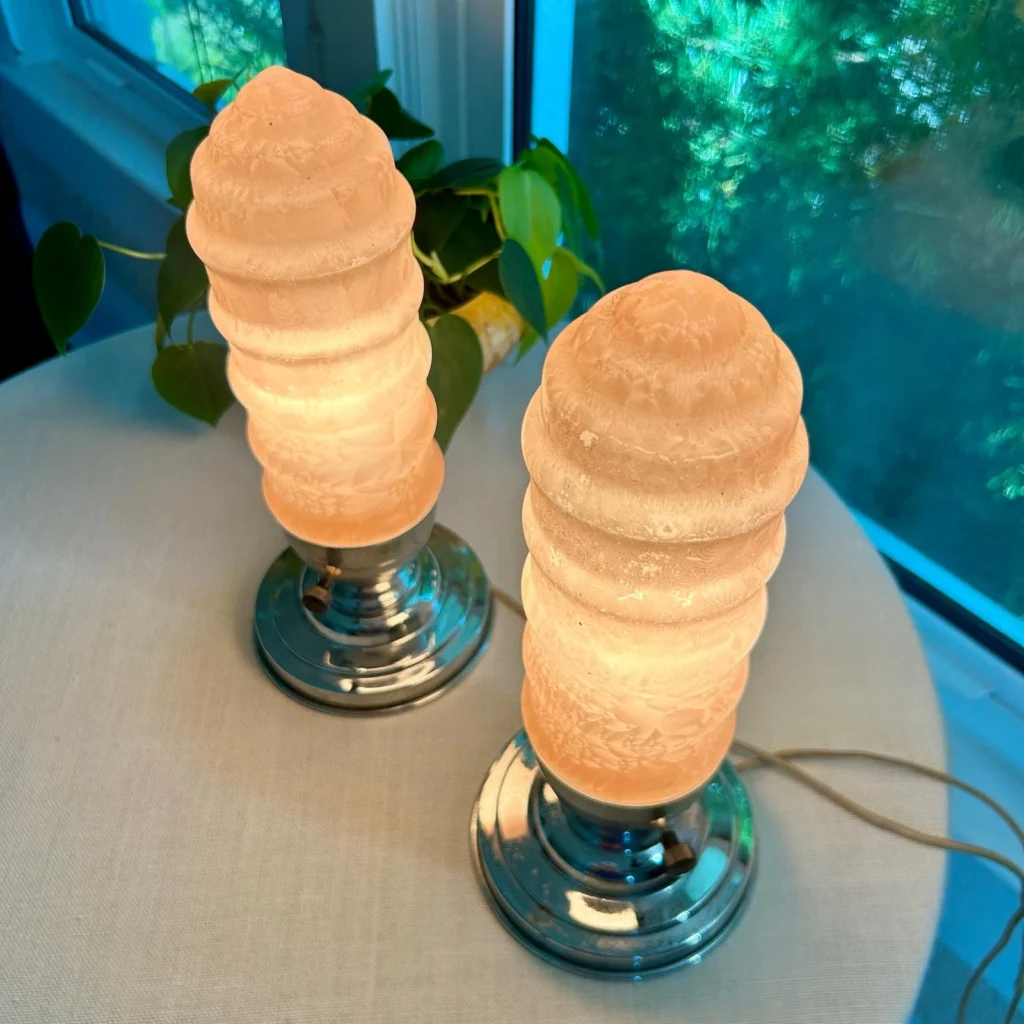
Skyscraper lamps often have stepped shapes that mimic city buildings, and the style screams 1920s and 1930s. You might see metal bases with clean lines or glass bodies with layered edges that catch the light. Collectors like the strong geometry, especially when the lamp looks like it belongs in an old movie set. Even small ones can feel serious and stylish on a shelf.
Look for stable construction, since some older bases loosen over time, especially around the stem. Shades vary a lot, so focus on whether the overall shape still reads as Deco, even if the shade is a replacement. Check for cracks in glass panels and dents in metal corners, because those can be hard to fix. If the lamp has original switches or sockets, they may need attention, but many collectors still prefer the older parts if they are safe and working.
Art Deco Glass Rod and Chrome Lamp
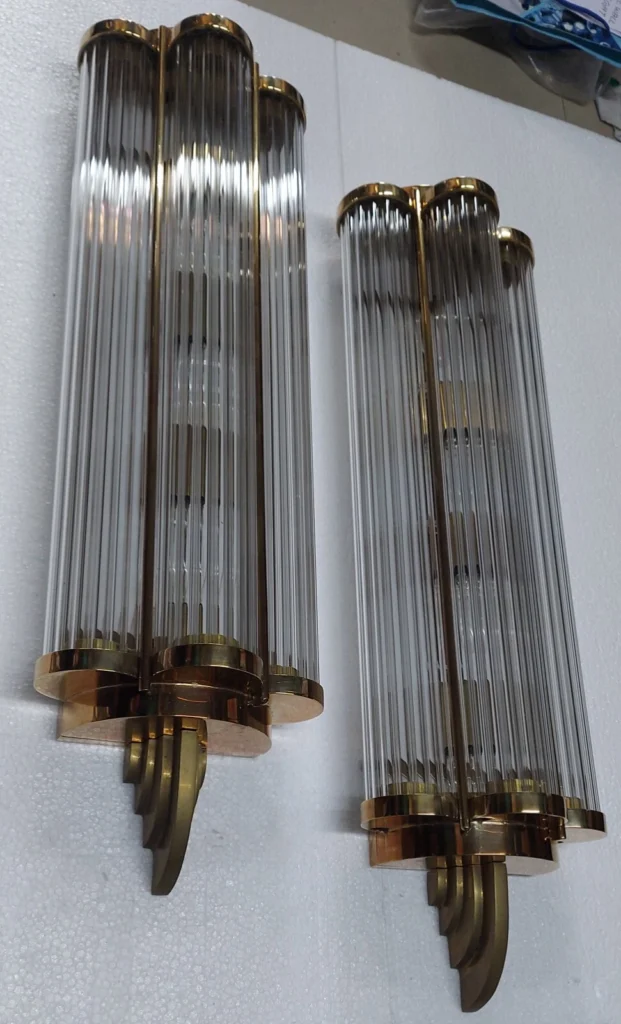
This type often has vertical glass rods or tubes paired with chrome, which makes it feel sleek and clean. When it is lit, the glass can glow softly, and that contrast with the shiny metal is the whole point. Collectors look for even rods, no missing pieces, and a base that still has its shine. It is one of those lamps that looks simple until you notice the detail.
Chrome can pit over time, so look closely for speckling, scratches, and dull spots. Glass rods can chip at the ends, which is easy to miss if you do not crouch down and check. If the lamp has a diffuser or inner shade, make sure it is included, because missing parts change the light effect. A gentle cleaning can help, but you still want the lamp to feel tight and sturdy before you bring it home.
Mid Century Modern Teak Table Lamp
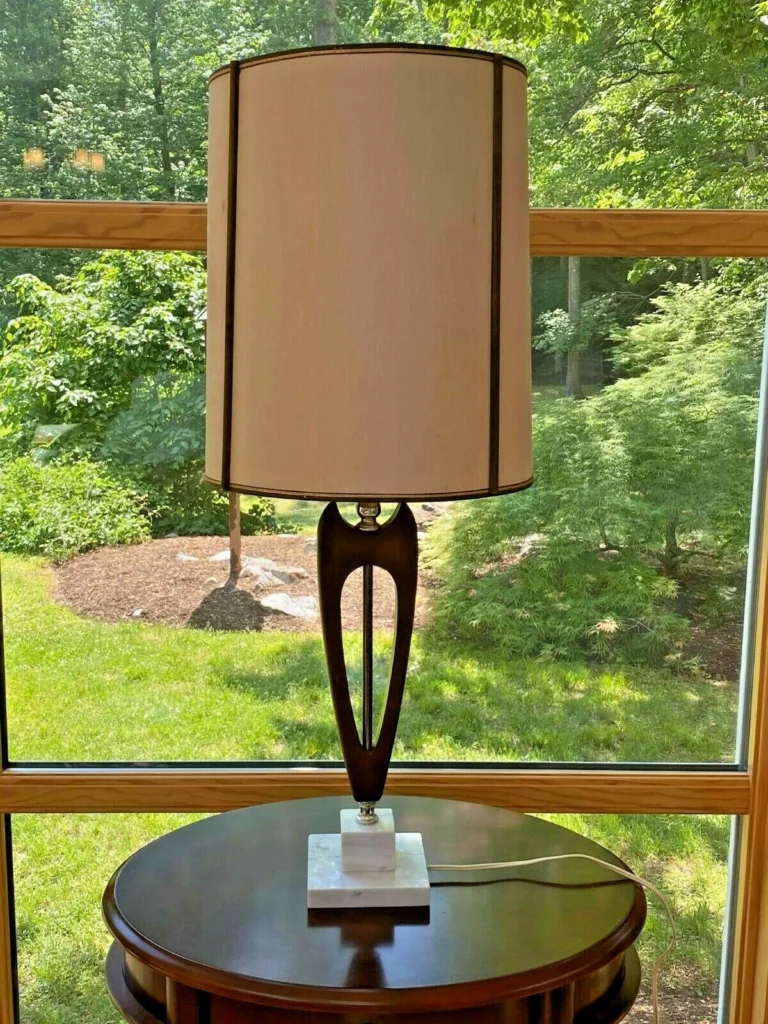
Teak lamps from the mid century era are loved for warm wood grain and clean, simple shapes. Collectors often like turned wood bases or stacked forms that feel playful without being fussy. Teak also pairs well with neutral shades, which is why these lamps fit so many homes. If the lamp looks good unlit, it usually looks even better turned on.
Check for dry wood, water rings, or deep scratches, since teak can show wear in a way that stands out. A light rub with the right wood oil can refresh it, but you still want solid structure and no wobble. Many have had shades replaced, so focus on whether the base feels original and the proportions look right. If you find a pair, grab them if you can, because matching sets tend to disappear fast in antique malls.
Danish Modern Ceramic Lamp
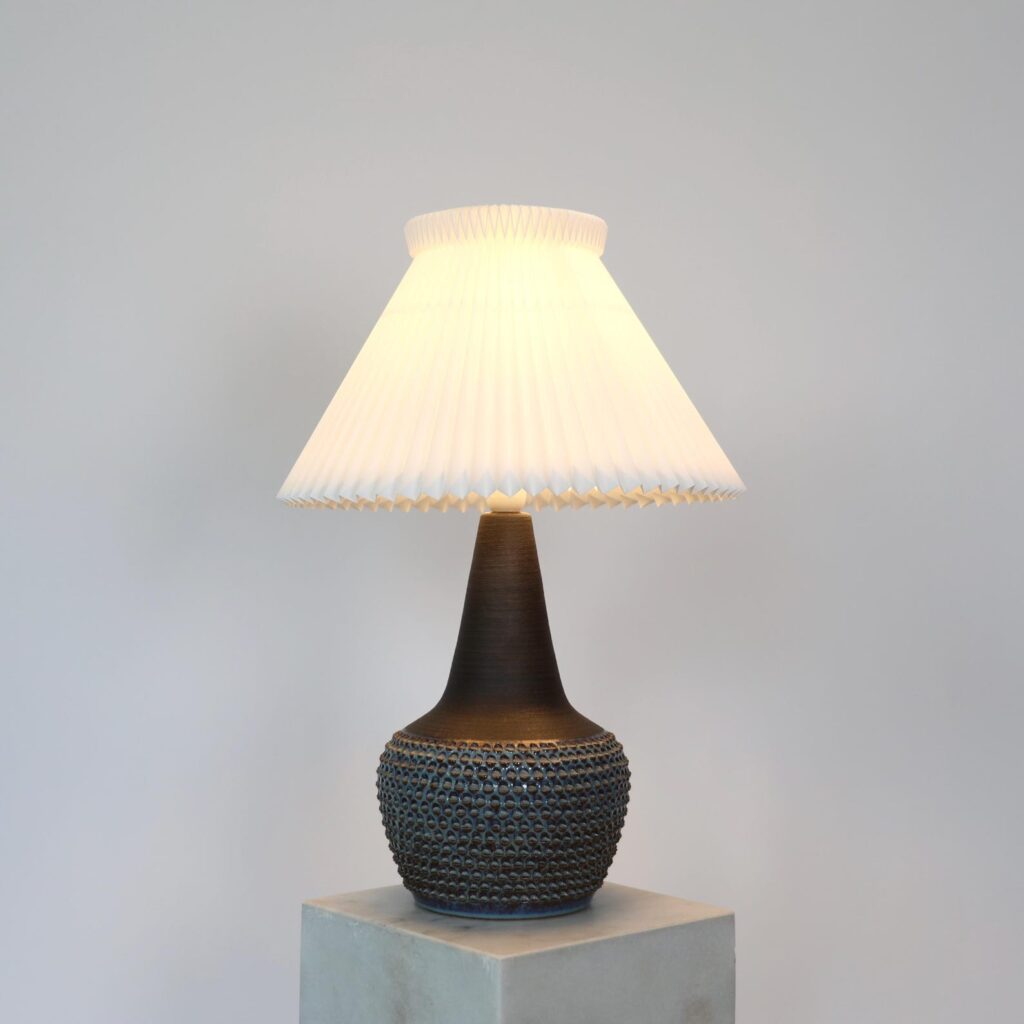
Danish modern ceramic lamps often have smooth shapes, earthy glazes, and a look that feels calm and clean. Collectors like the way the glaze catches light, especially when it has subtle texture or a two tone finish. Bases might be tall and narrow or rounded and sculptural, and both can work well in a room. The best ones feel like functional art that you can use every day.
Turn it over and check for marks on the bottom, because some makers are stamped or labeled. Hairline cracks in ceramic can happen, so look along the curve of the base and around the neck where stress shows up. If the glaze has small flaws, that can be normal, but big chips can be hard to ignore once it is on your table. Pair it with a simple shade at home and it usually looks right away like it belongs.
West German Fat Lava Lamp Base
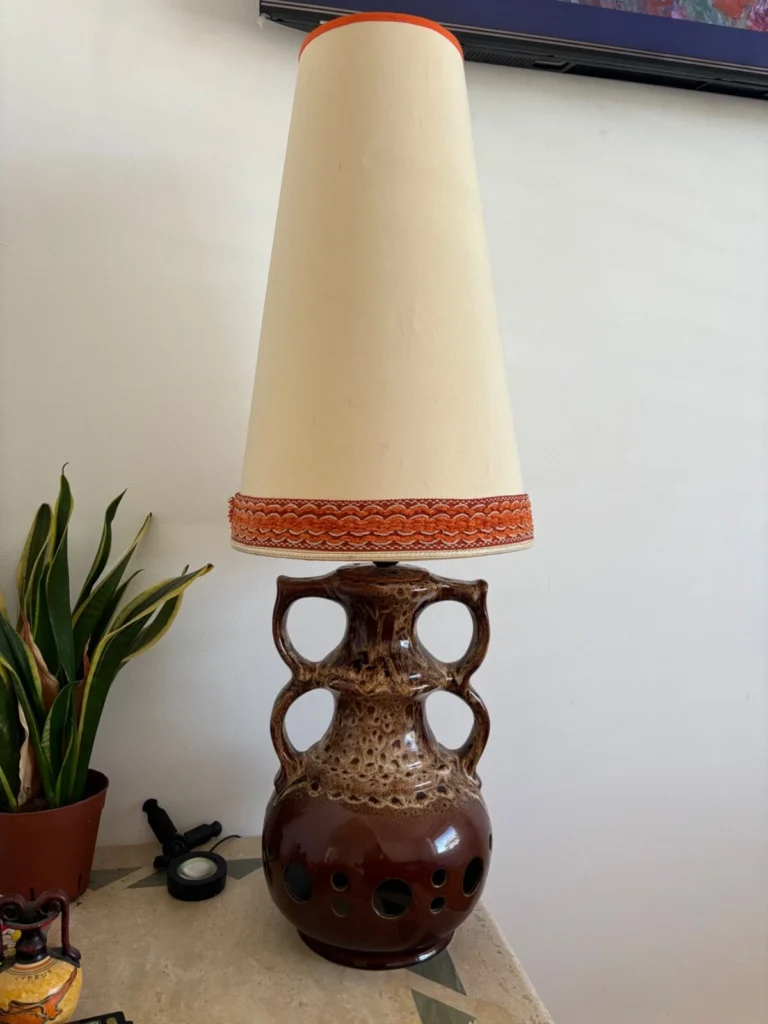
Fat lava bases are known for thick, textured glazes that look almost bubbly or volcanic. Many are from the 1960s and 1970s, and the colors can be rich, from browns and oranges to bright blues. Collectors like them because no two feel exactly the same, and the texture adds a lot of personality. You can spot one from across the aisle if the glaze is dramatic enough.
Check the base for chips around the bottom edge, since that is where they get knocked in antique malls. Some have maker marks or labels, so it is worth a quick look underneath. Because these are often sold as bases only, you may need to budget for a shade and harp that fits. If the texture feels sharp or fragile, handle it carefully, because raised glaze can flake if it is already damaged.
Hollywood Regency Palm Frond Lamp
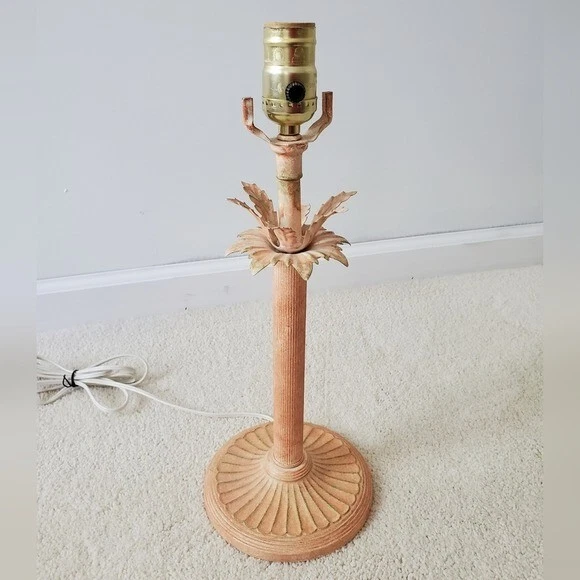
Palm frond lamps have a glossy, decorative look that feels fun and a little over the top in a good way. They are often brass or gold toned, with leaves that curve outward and catch light nicely. Collectors like them for entry tables or living rooms where the lamp can act like a small sculpture. Even with a simple shade, the base steals the show.
Look for bent leaves, loose joins, or missing fronds, because those issues can be hard to hide. Check the finish for wear, since heavy rubbing can expose a different metal tone underneath. A little patina is normal, but you want the lamp to feel intentional, not beat up. If you find a matching pair, you will probably pay more, but pairs are the ones that people tend to regret leaving behind.
Stiffel Brass Table Lamp
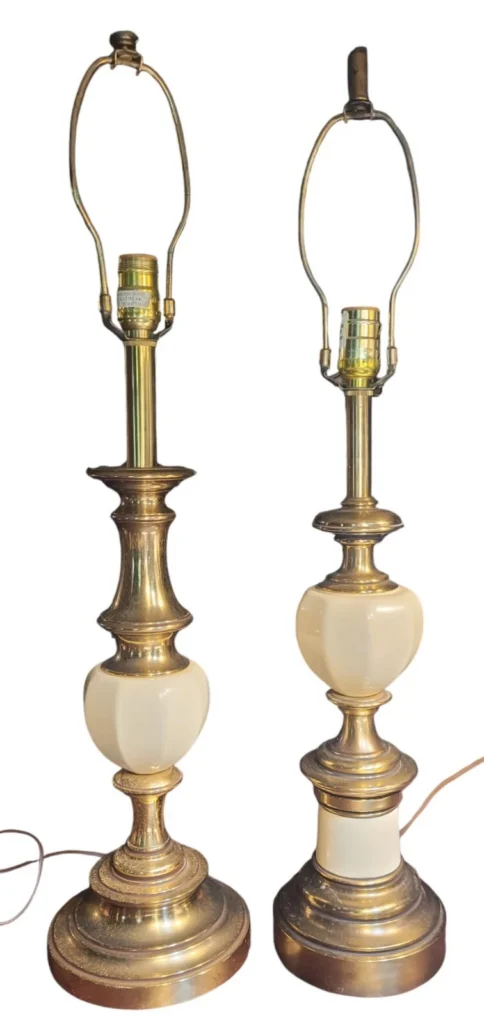
Stiffel lamps are known for heavy brass bases and a classic, tidy look that does not go out of style. Collectors look for a solid feel, clean lines, and the kind of quality that shows up in the details. Many have a recognizable maker mark, often on the socket or base area, which can help confirm what you found. They work well in almost any room, so they are easy to justify buying.
Brass can get dull, so do not let tarnish scare you if the structure is good. Check for dents or a bent stem, because that can make the lamp sit crooked. If the shade is included, treat it as a bonus, since many original shades are gone by now. These are also common candidates for rewiring, so a neat cord and safe plug can be a nice plus.
Gerald Thurston Lightolier Floor Lamp
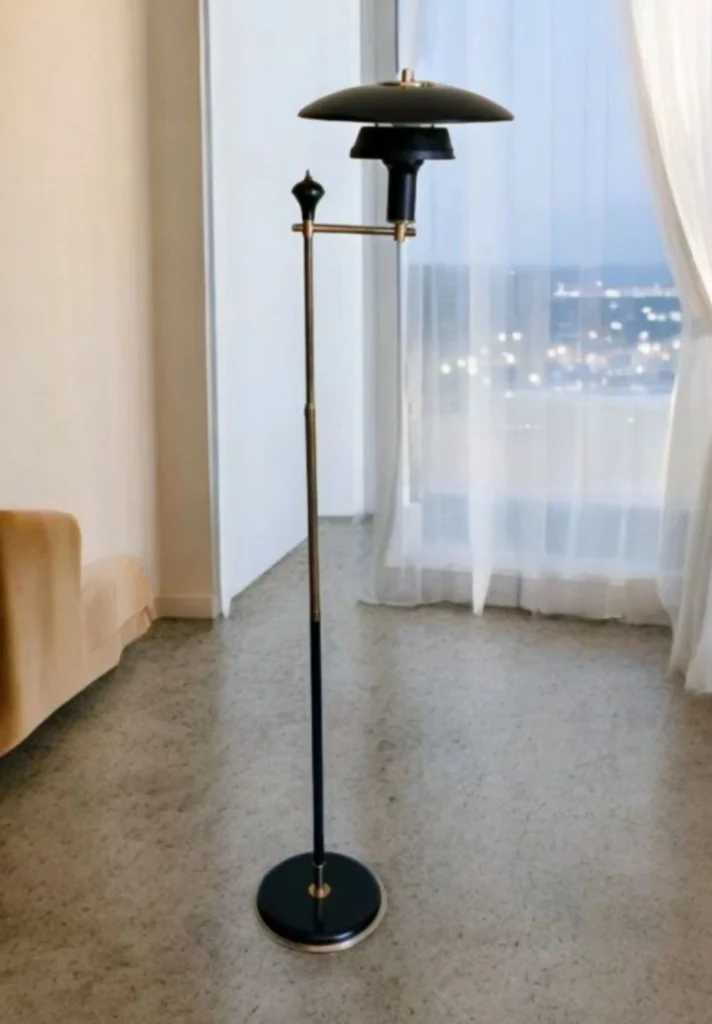
These floor lamps often have that playful mid century look, with angled arms, saucer shades, or a slim, graphic profile. Collectors like Gerald Thurston designs because they feel designed, not just functional, and they look great in a reading corner. The metal finishes and shapes can vary, but the best ones keep a clean line from base to shade. If it looks like a sculpture, you are probably on the right track.
Because floor lamps get bumped, check for wobble and make sure the base has weight. Switches can wear out, so test them if the shop allows it, and listen for any crackling. Shades can dent, and those dents show up under light, so look from several angles. If the lamp has multiple arms or moving parts, make sure everything tightens properly, since missing knobs can be annoying to replace.
This article originally appeared on Avocadu.