
14 Vintage Kitchen Tools That Became Collectibles
Some kitchen tools were made for daily work, yet they ended up becoming keepsakes people love to collect. Their lasting appeal comes from a mix of usefulness, history, and the quiet beauty of old materials. Looking at them now feels a bit like opening a small window into another time. Read on and enjoy these memorable pieces that still earn plenty of attention.
This post may contain affiliate links, which helps keep this content free. Please read our disclosure for more info.
Cast Iron Egg Beater
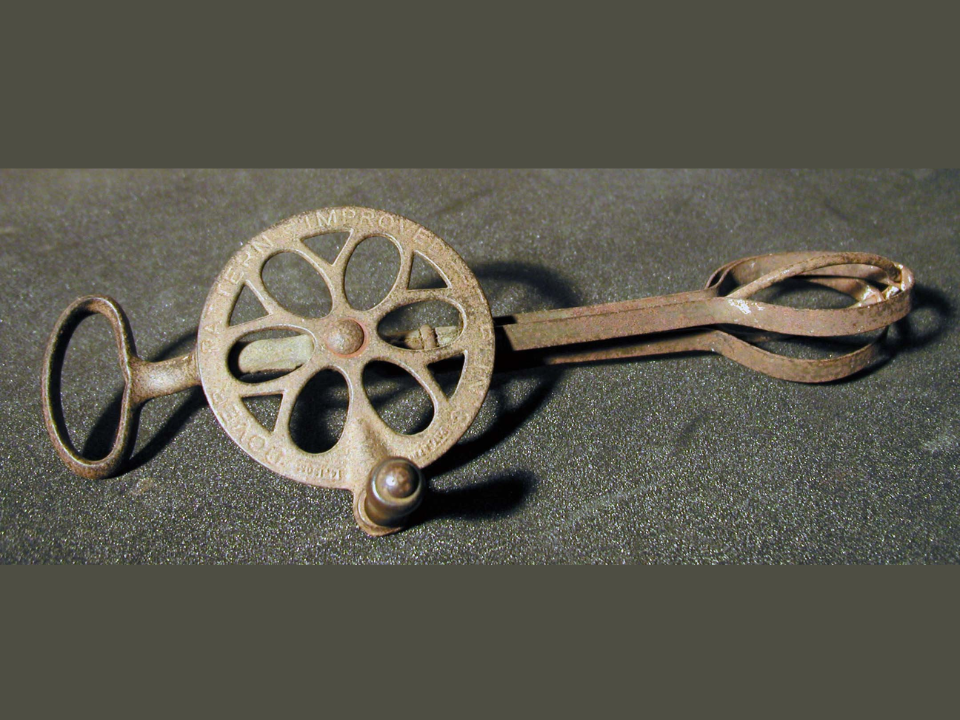
Introduced in the late 1800s, the cast-iron egg beater was an essential tool in many kitchens, allowing homemakers to beat eggs and mix batters by hand. Constructed from heavy cast iron with steel gears, the beater features a cranking mechanism that’s satisfying to use and has a distinct sound. Over the years, these beaters have become collectibles due to their historical significance and craftsmanship. A well-maintained egg beater today can fetch anywhere from $40 to $100, with prices varying based on condition and rarity.
Collectors often seek out egg beaters from well-known manufacturers like Enterprise or Champion, especially when they feature original wooden handles and minimal rust. The design of these early beaters, especially those with ornate decorative touches or unique paint schemes, adds to their value. Some models have subtle markings or labels that indicate the maker or patent date, making them even more sought after. Rare models with pristine, original handles or unusual decorative elements can bring in higher values, sometimes exceeding $150.
Butter Churn
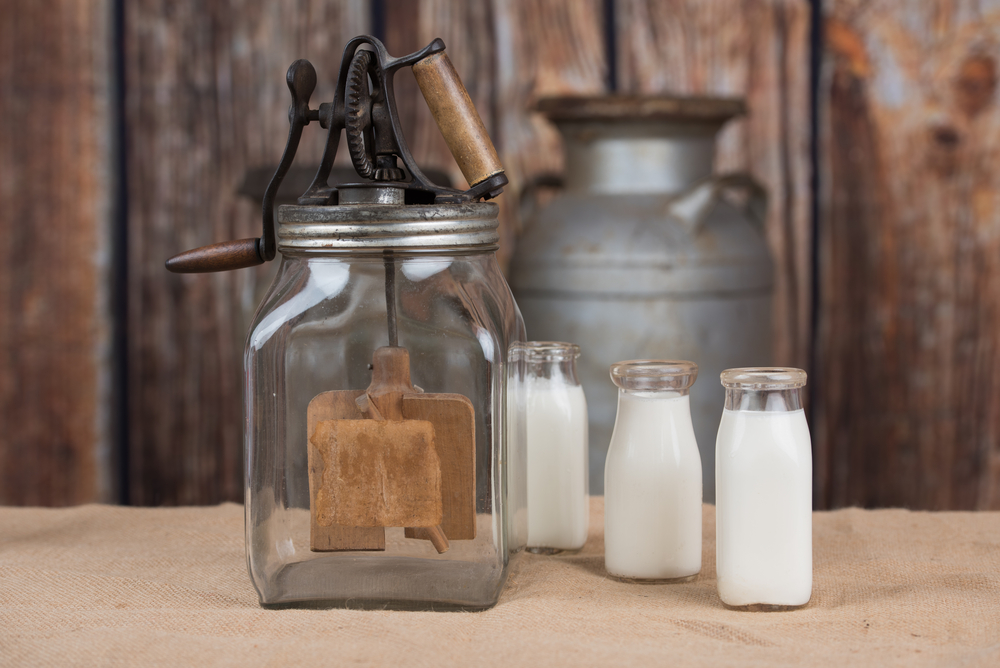
The butter churn dates back to the 19th century and was once a common tool in rural kitchens. Made of wood or glass, these churns featured a hand-cranked mechanism used to turn cream into butter. These kitchen tools were often used by families who lived on farms, where dairy products were made from scratch. Vintage butter churns can range in price from $50 to $150, with rarer glass versions fetching even higher prices.
Most butter churns had a small paddle inside, designed to agitate cream until it solidified into butter. The wooden ones often feature a charming aged look that adds to their rustic appeal. Glass butter churns are especially desirable among collectors, particularly those with embossed patterns or company marks. A well-preserved churn with an original crank can easily sell for over $150, especially if it comes from a recognizable maker like McCoy.
Vintage Ice Cream Freezer
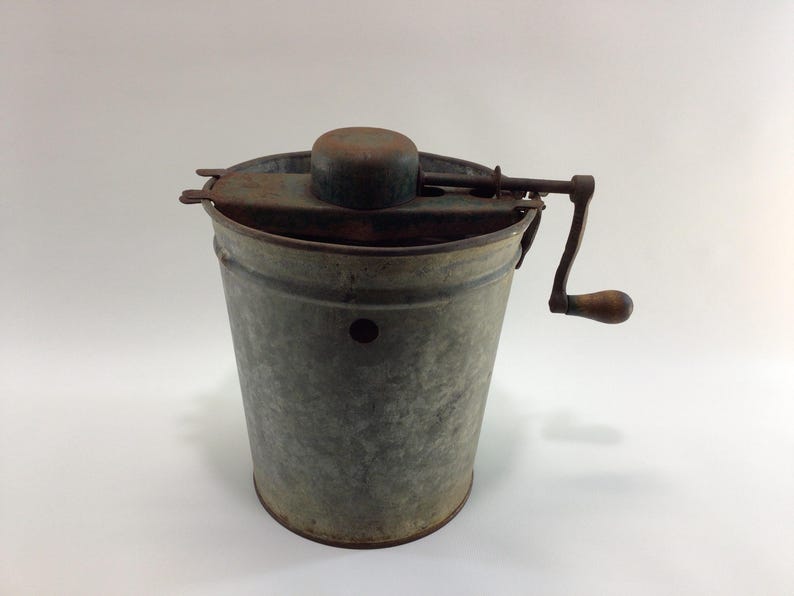
This hand-cranked ice cream freezer, introduced in the early 1900s, was used to churn ice cream by hand, with ice and salt surrounding the central chamber. Made of wood and metal, it was a popular tool for families making homemade ice cream before electric freezers became widespread. Collectors seek them for their nostalgic value and their intricate design. The price for a vintage ice cream freezer typically ranges from $100 to $300.
Freezers in good condition with intact wooden buckets and turning mechanisms are especially sought after. Those with unique or rare designs, like those made by well-known companies such as White Mountain or Donvier, can command even higher prices. Ice cream freezers with clean, functional mechanisms and the original crank handle can fetch over $400. Collectors prize these freezers for both their utility and their place in American history.
Hand Crank Coffee Grinder
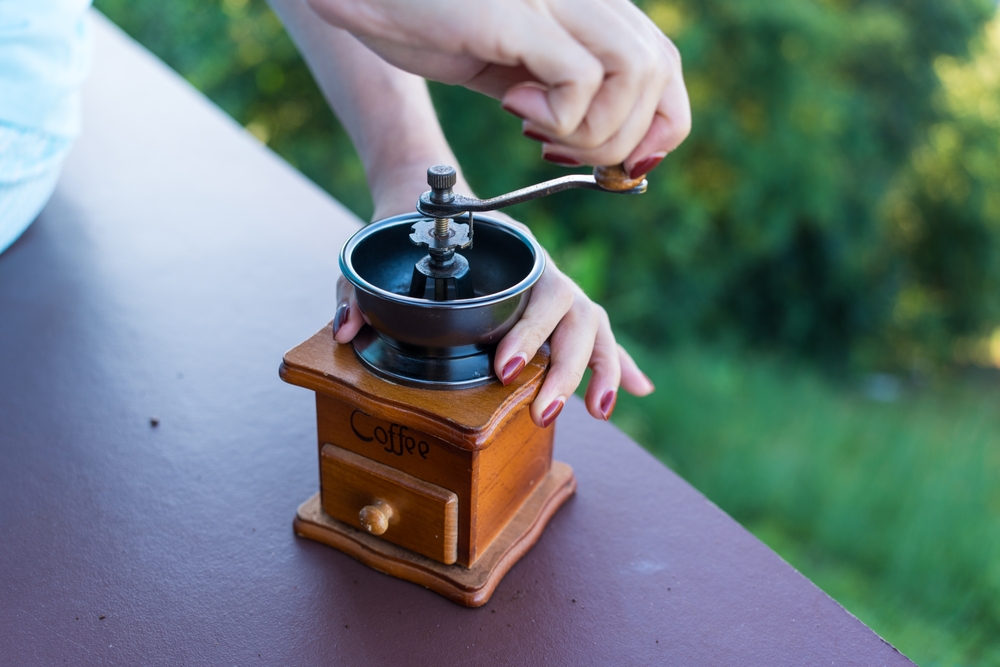
Introduced in the late 1800s, the hand-cranked coffee grinder was used by coffee lovers to grind beans before the rise of electric grinders. Made primarily from cast iron and wood, these grinders were durable and efficient, with a simple yet effective crank mechanism. The appeal of these vintage grinders lies in their mechanical design and nostalgic charm. These grinders often range from $40 to $120, depending on condition, brand, and the intricacy of their design.
Grinders with a good working mechanism are particularly desirable, especially if they come with an intact collection drawer for storing the ground coffee. Many vintage grinders were produced by well-known companies such as Wilkins and Sons or Arcade, which are sought after by collectors today. The patina on the cast iron and worn wooden components gives these grinders a sense of history and authenticity. High-quality examples from prestigious brands in excellent condition can sometimes fetch $150 or more.
Victorian Toasting Fork
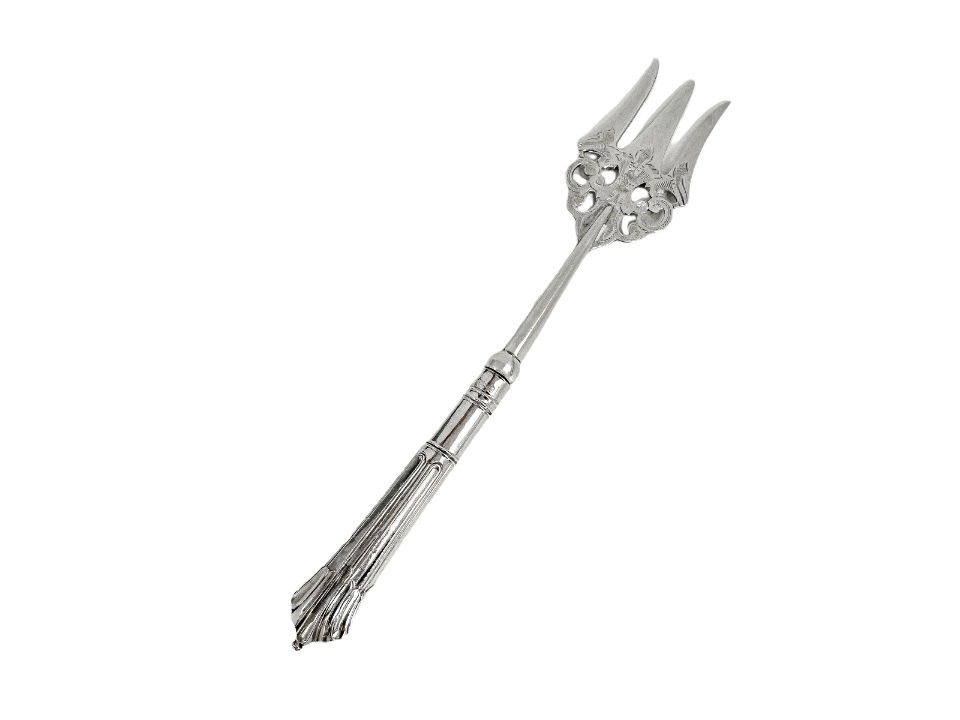
The Victorian toasting fork, introduced around the mid-1800s, was used to toast bread and other items over an open fire. Made from steel or brass with a long handle, these tools were designed to allow cooks to toast items safely at a distance from the heat. Collectors appreciate them for their historical context, as they reflect the outdoor cooking traditions of the Victorian era. These forks are typically valued between $30 and $80, with rare designs fetching up to $100 or more.
The length of the handle and the number of prongs vary across different models, and these factors can affect their desirability. Some toasting forks feature decorative, twisted handles or ornate designs that were often a mark of craftsmanship. Collectors especially seek out examples with original finishes or those from known makers. Antique toasting forks with detailed engravings or in exceptional condition can sometimes command higher prices at auction.
Fluting Iron
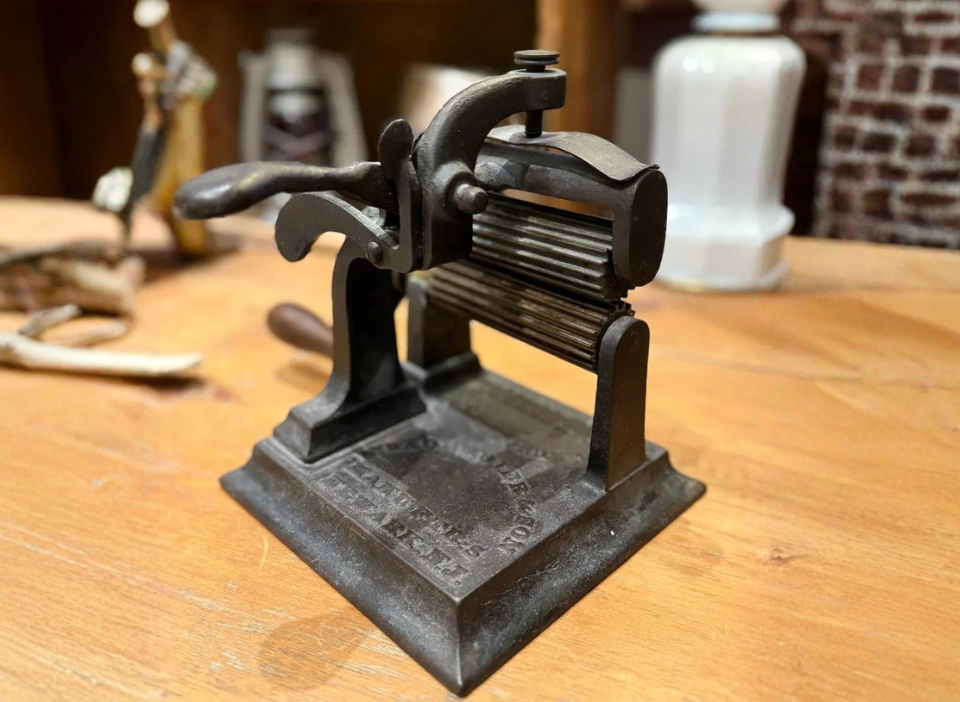
The fluting iron was introduced in the early 1900s as a tool for adding decorative fluted edges to pie crusts and pastries. This simple yet elegant tool is typically made of cast iron with a wooden handle, often featuring ornate patterns for added charm. The tool was once a common sight in home kitchens, especially for those who took pride in the visual appeal of their baked goods. Fluting irons generally sell for $25 to $70, though more decorative or rare models can go for much higher prices.
Fluting irons with well-preserved handles and detailed, crisp edges are particularly attractive to collectors. Some have marks or logos from old manufacturers that help date the pieces. As these irons were often handed down through generations, they bring a sense of nostalgia and craftsmanship to a kitchen display. High-end examples, especially those with intricate designs, may exceed $100 in value.
Victorian Jelly Mould
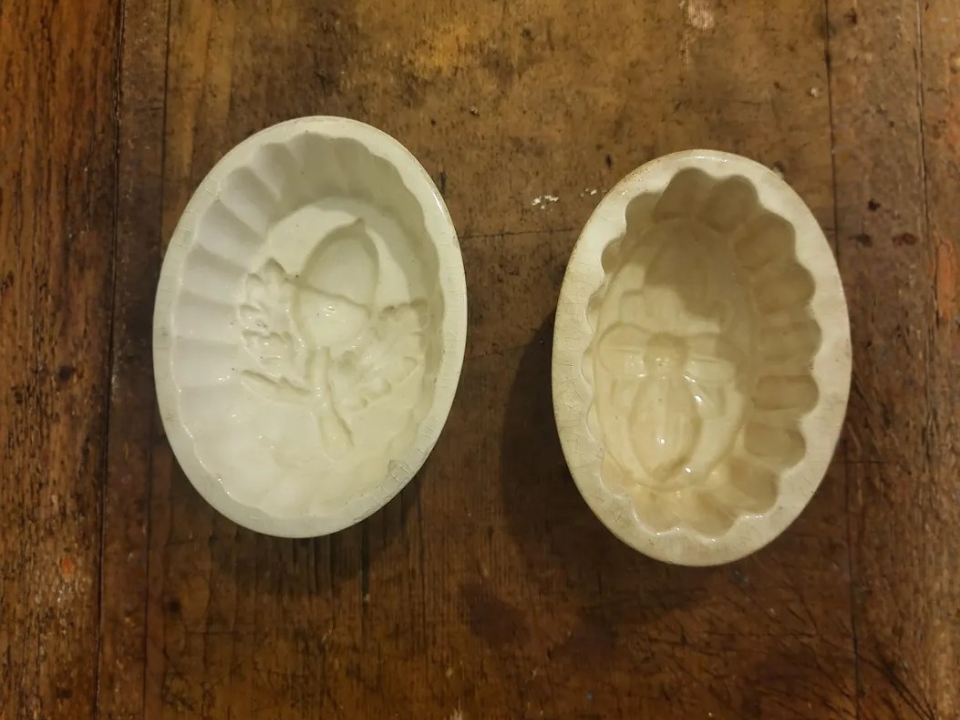
Victorian jelly moulds, introduced in the late 1800s, were used to shape and set jellies and puddings. These moulds were typically made from copper or tin and were often embossed with intricate designs such as floral patterns or geometric shapes. They were prized for their ability to create beautiful, shaped desserts that could be served on special occasions. Vintage jelly moulds are now collectible, with prices ranging from $40 to $120 depending on condition, material, and design.
The most valuable jelly moulds are made of copper, as they were less common and considered higher quality than tin ones. Collectors also seek out those with rare, elaborate patterns or those made by well-known manufacturers. Some jelly moulds have their maker’s marks, which help identify and authenticate them. Copper jelly moulds in pristine condition or those with unique designs can fetch upwards of $150.
Vintage Meat Grinder
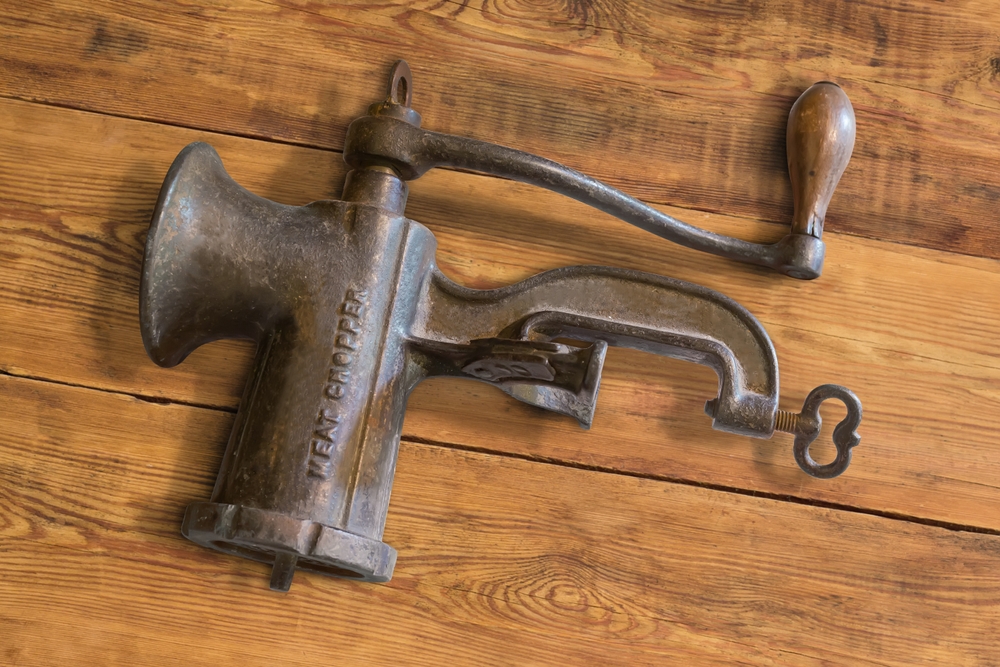
Vintage meat grinders, used to grind meat for sausages and other food preparations, date back to the late 1800s and early 1900s. They were usually constructed from cast iron with a crank handle to feed meat through the grinding plates. These durable tools were essential in the home kitchen before electric grinders became the norm. Meat grinders generally sell for $50 to $150, though prices can vary based on condition and the rarity of the model.
The value of a meat grinder increases if it has all its original parts, such as the screw-on clamp and a well-functioning crank. Collectors value those that feature company stamps or maker’s marks, which add a historical touch. The patina and age of the iron give these grinders character, especially when they’ve been used for many years. Rare models or those from renowned manufacturers may fetch up to $200 or more.
Egg Scale
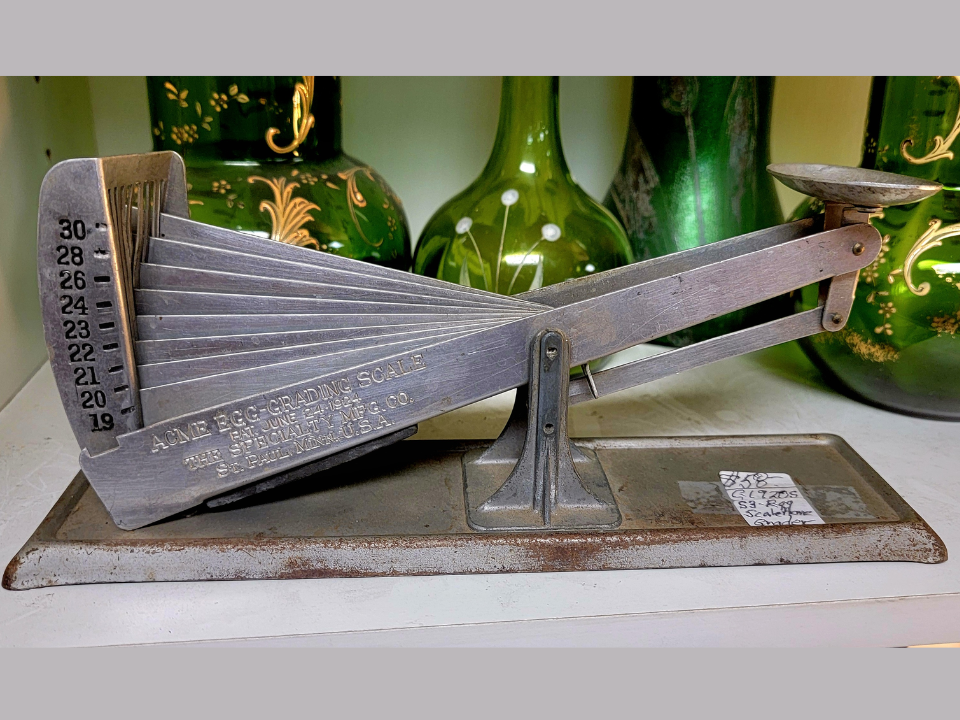
The egg scale, introduced in the early 20th century, was used to measure the weight of eggs for sale or consumption. Typically made of metal, this tool had a simple design that allowed users to quickly gauge the size of an egg by weight, making it a staple in farm kitchens. Today, egg scales are collectible for their charming, rustic look and their connection to farm life. These scales are generally priced between $30 and $80.
Egg scales with ornate designs or markings are especially desirable, as they can help collectors pinpoint the age and origin of the tool. The condition of the metal, as well as the presence of any original weights, can greatly influence the scale’s value. Some models have adjustable settings that make them even more practical for collectors looking to restore functional pieces. High-quality scales or those from notable manufacturers can sell for over $100.
Dough Sheeter
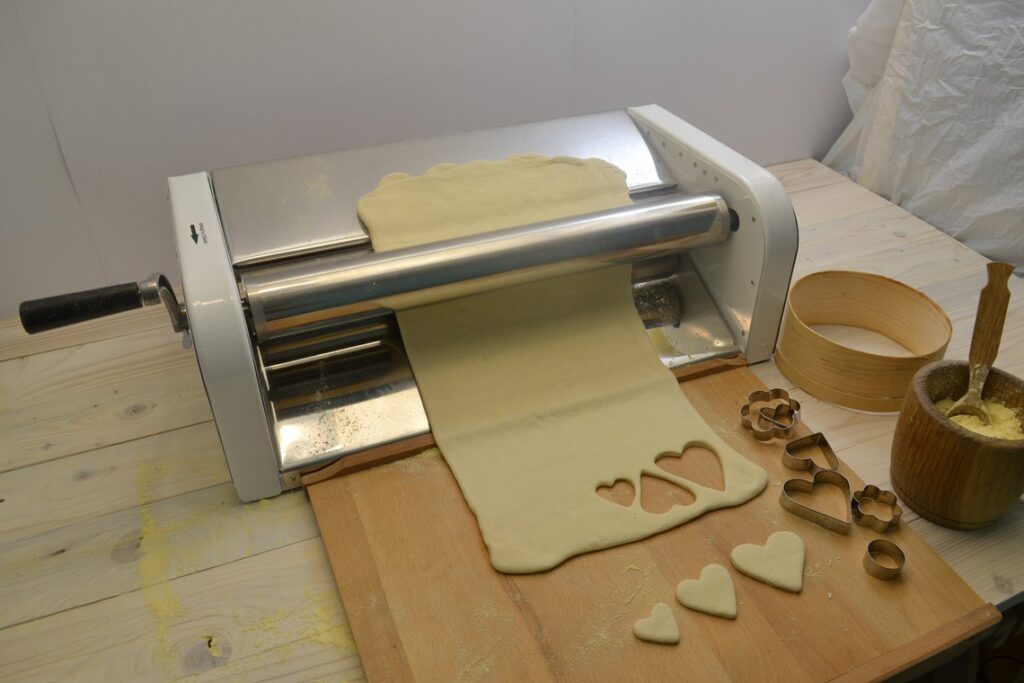
The dough sheeter, first used in the 1920s, was designed to flatten dough for pastries and pies, typically by turning a crank that fed dough through rollers. These machines were built from cast iron with wooden or steel rollers that could be adjusted for different thicknesses. Vintage dough sheeters are collectible because they represent a bygone era of home baking. Prices typically range from $60 to $150, with rare or well-preserved models selling for more.
Collectors are drawn to the smooth operation of the rollers and the nostalgic aspect of the hand-powered mechanism. These sheeters are particularly valued when they feature ornate details or original wood components. Some versions were made by famous companies such as Cato or Imperial, making them even more desirable to collectors. Well-maintained models from recognized manufacturers can exceed $200.
Vintage Coffee Percolator
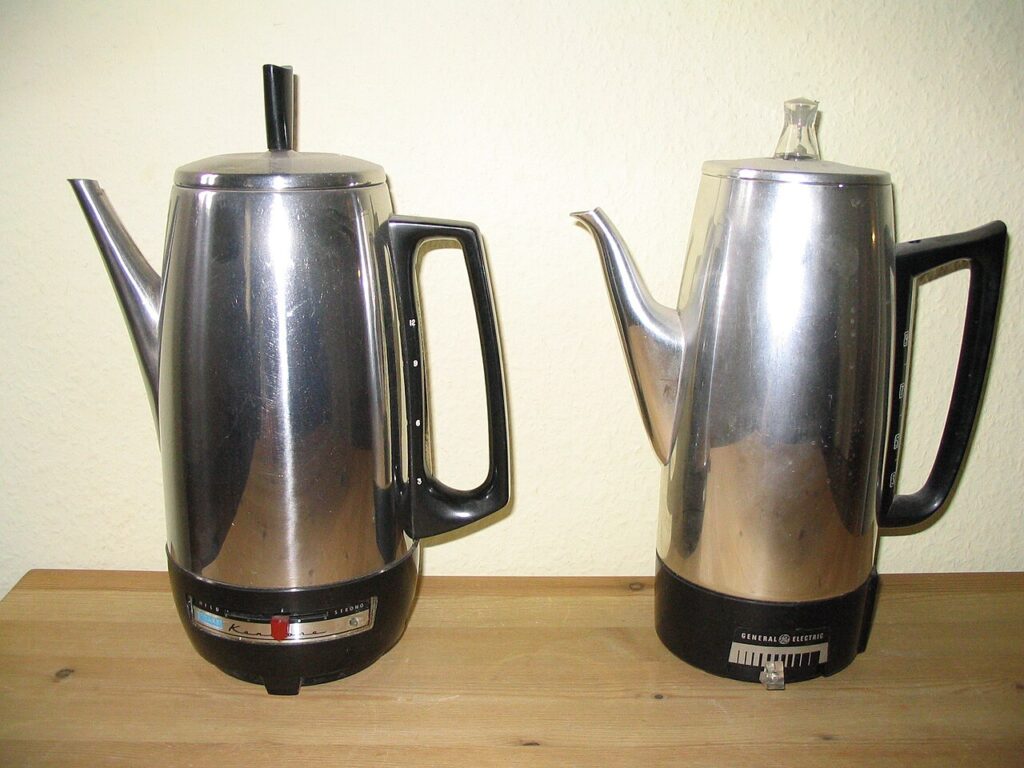
The vintage stovetop coffee percolator, introduced in the early 1900s, was once a common fixture in kitchens, brewing rich coffee by circulating boiling water through coffee grounds. Made from aluminum or stainless steel, these percolators were manually operated by placing them on the stove. Collectors value them for their mechanical function and historical significance. Vintage percolators typically sell for $30 to $90, though high-quality models can fetch more.
The design of the percolator is often what appeals most to collectors, with clean lines and polished metal giving them an industrial yet charming look. Some models were made by respected brands like Farberware, General Electric, or Presto, which adds to their collectibility. The iconic perking sound and the rich flavor they produce make these percolators a piece of coffee history. Collectible models from renowned manufacturers can go for $100 or more.
Vintage Fruit Press
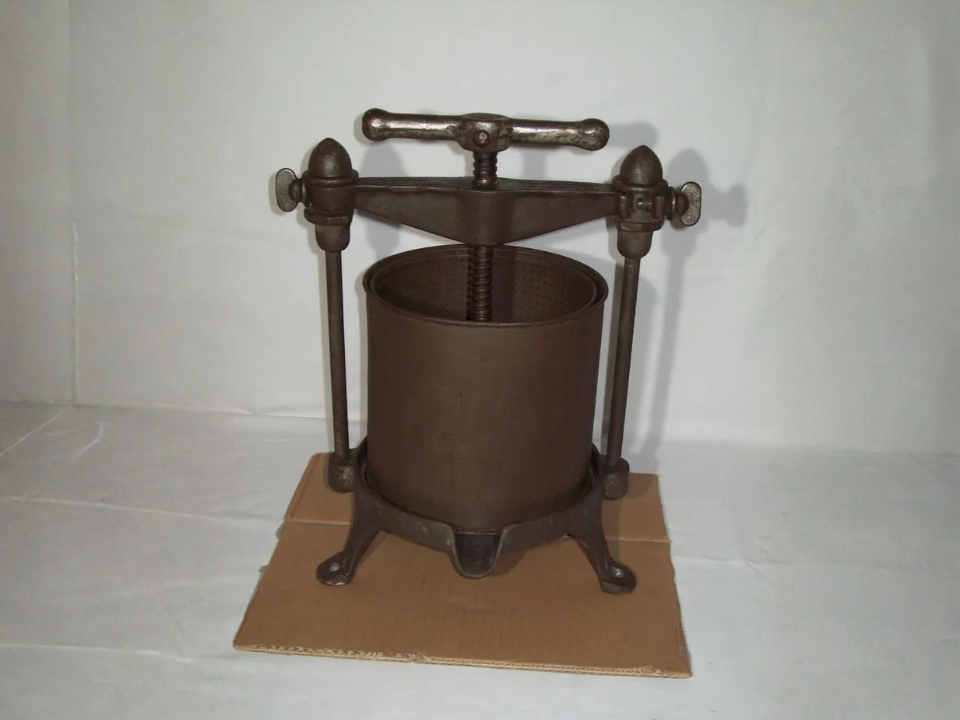
The vintage fruit press, used to extract juice from fruits such as apples and grapes, was introduced in the early 1900s and is highly collectible. These presses were often made from wood with a metal screw that could be tightened to apply pressure. Collectors appreciate them for their solid construction and ability to convey the old-world charm of home juicing. Prices for these fruit presses generally range from $80 to $200.
Fruit presses in good condition are highly sought after, especially if they still have functional components like the wooden barrels and metal screws. The craftsmanship, particularly on rare models with detailed designs or unique shapes, contributes to their high value. Collectors often seek out presses with maker’s marks or patents, which add provenance. Rare presses in excellent working condition can fetch $300 or more.
Vintage Ice Cream Scoop
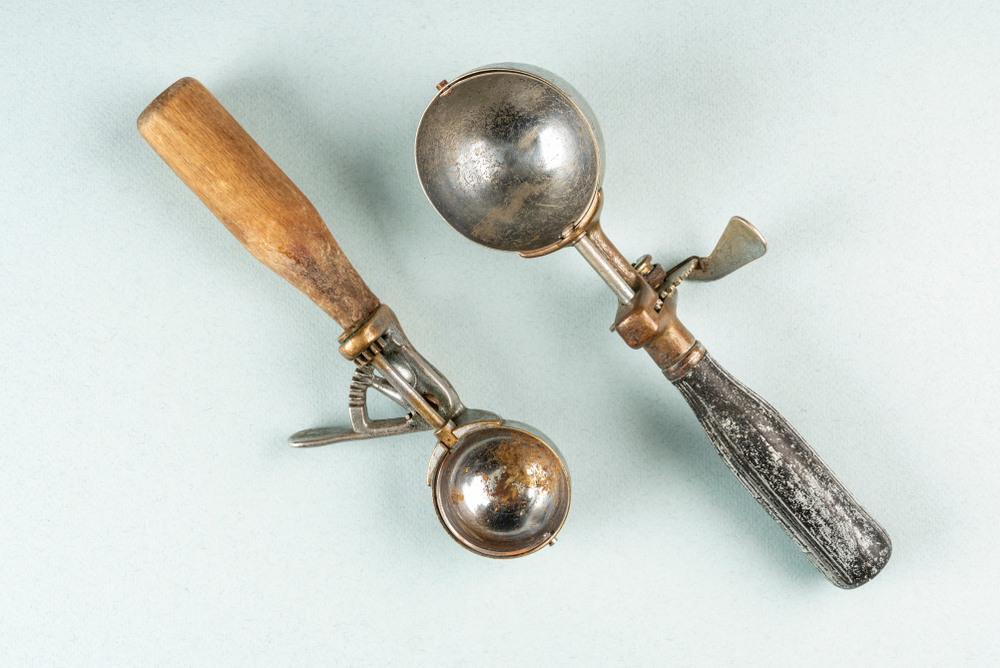
Introduced in the 1920s, the vintage ice cream scoop was a kitchen essential for serving up ice cream from a large tub. These scoops were often made from metal with a wooden or Bakelite handle and feature a spring mechanism to release the ice cream. Collectors prize these because they remind them of ice cream parlors and family gatherings. Prices for these scoops generally range from $20 to $50.
The best examples of vintage ice cream scoops have smooth, well-functioning springs and sturdy handles. Collectors appreciate ones with a simple yet ergonomic design, often seeking those made by iconic brands like Hamilton Beach. The scoops that are still in working condition are especially desirable. Those from well-known makers with clear branding can reach up to $70 or more.
This article originally appeared on Avocadu.