
13 Vintage Japanese Performance Cars That Collectors Keep Chasing
Vintage Japanese cars have sleek designs and impressive engineering. These cars have stood the test of time. Enthusiasts continue to chase them, whether for their rarity or the thrill of owning a piece of automotive history. If you’ve ever wondered what makes these cars so irresistible, this list will shed some light.
This post may contain affiliate links, which helps keep this content free. Please read our disclosure for more info.
1967 Toyota 2000GT
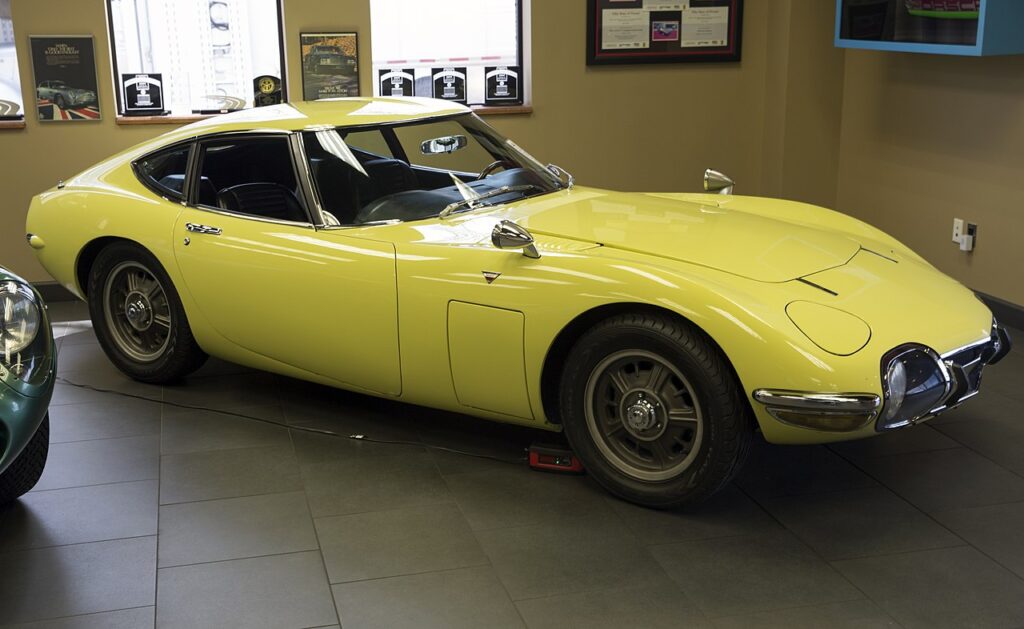
The Toyota 2000GT arrived as a graceful sports car that turned heads when it was released. It came from Japan with a six-cylinder engine and was seen as a statement of performance for its time. Collectors chase this car for its rarity and elegant lines that still look striking today. Today, these cars can be worth over $1,000,000 if they are in original condition and kept well. Many were made in small numbers, which makes finding one a prized moment for collectors.
Interest in the 2000GT goes beyond speed because it represents a turning point in Japanese automotive ambition. It showed that Japan could build performance cars that could stand with European favorites. The alloy body and smooth handling add to its desirability. Auctions have seen prices climb very high as enthusiasts compete to take home one of these pieces of history. It remains a symbol of classic sports car beauty from Japan.
1971 Nissan Skyline GT-R KPGC10
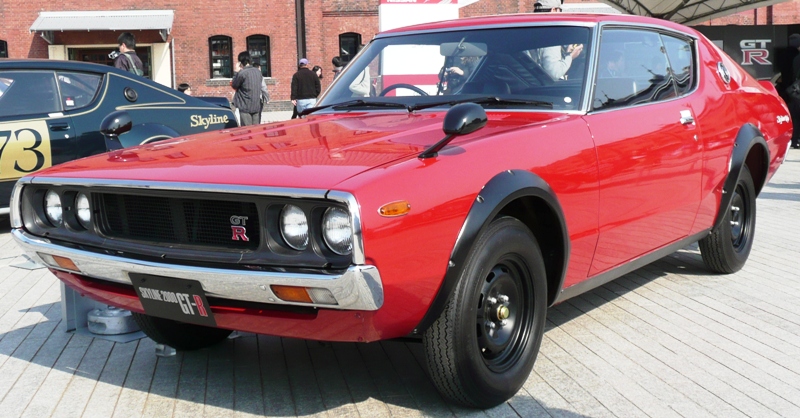
When the Skyline GT-R first appeared, it brought serious racing pedigree to Japan’s roads. It had a twin-cam engine and was known as the Hakosuka among fans. Collectors keep watching this model because it marked the start of the GT-R legend. Today, examples in great shape are valued between $200,000 and $300,000. Well-cared-for models can fetch even more at auction.
Interest in the 2000GT goes beyond speed because it represents a turning point in Japanese automotive ambition. It showed that Japan could build performance cars that could stand with European favorites. The alloy body and smooth handling add to its desirability. Auctions have seen prices climb very high as enthusiasts compete to take home one of these pieces of history. It remains a symbol of classic sports car beauty from Japan.
1978 Mazda RX-7 Series 1
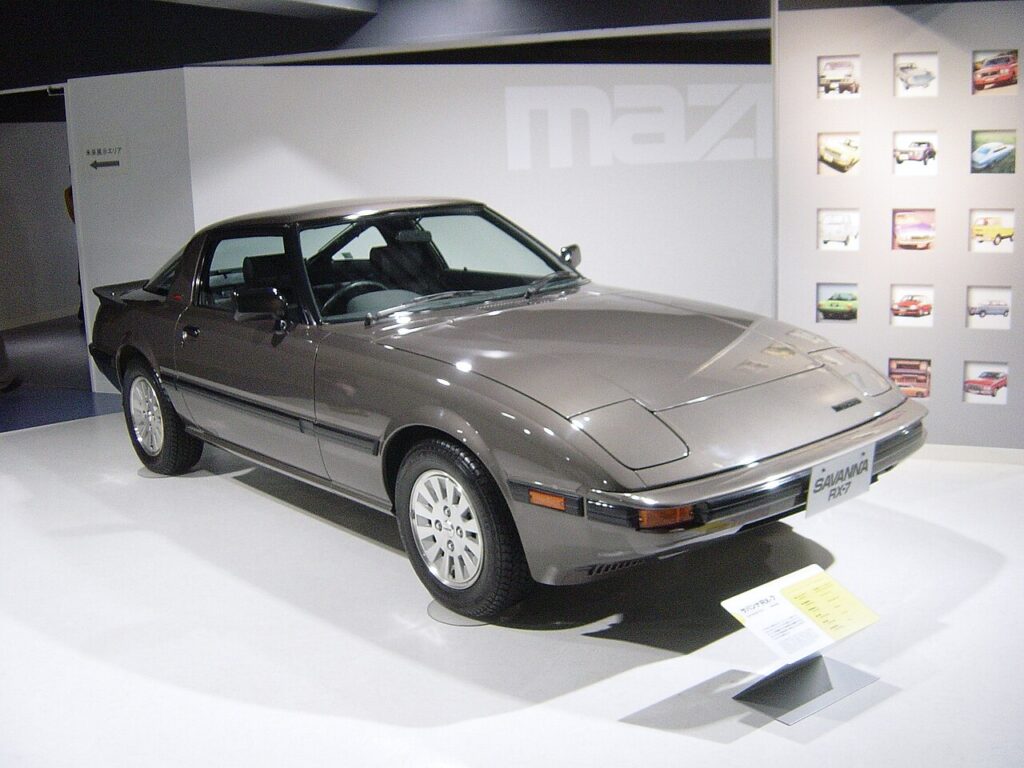
The first RX-7 was introduced with a rotary engine that made it very different from other cars of the time. This sports car showed Japan’s ability to take an unconventional route with unique engineering. Collectors like early RX-7s because they represent a bold chapter in performance car design. Prices for a clean Series 1 typically sit around $100,000 or more. Well-maintained original examples can climb sharply in value.
Early RX-7 fans point to the balanced handling and light weight as reasons to admire the car. The rotary engine gives a sound and feel that is distinct and exciting. Over the years, this model built a loyal following that keeps interest strong. Some drivers prefer these old RX-7s because they offer a pure connection between car and driver. The mix of sport and uniqueness keeps interest high among enthusiasts.
1969 Datsun 240Z
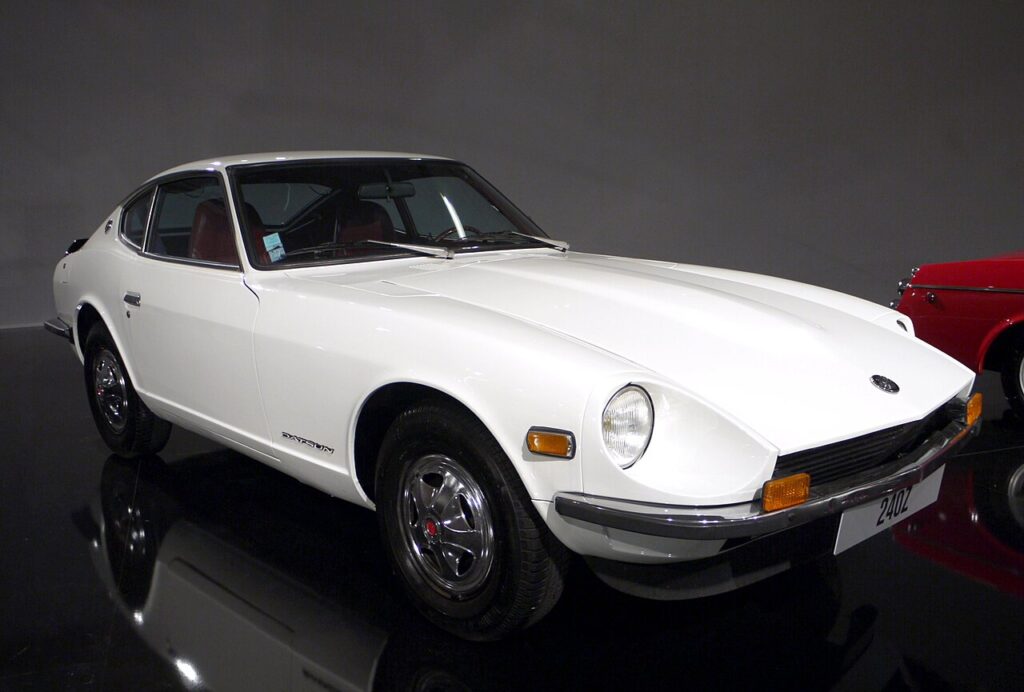
Right when the Datsun 240Z hit the market, it changed expectations for affordable sports cars. It came with a six-cylinder engine and offered strong performance for its price at the time. Many collectors look for this car because it helped bring performance driving to a wider audience. A well-kept 240Z today can be valued around $100,000 and up. Clean, original examples often draw competitive bids at sales.
The 240Z remains beloved because of its simple beauty and lively driving feel. It was lighter than many rivals, which added to its appeal on twisty roads. Enthusiasts enjoy the way it responds and the classic shape that has aged with grace. Its influence on later sports cars makes it a meaningful piece of history. Owning one feels like owning a milestone in Japanese performance heritage.
1990 Honda NSX First Generation
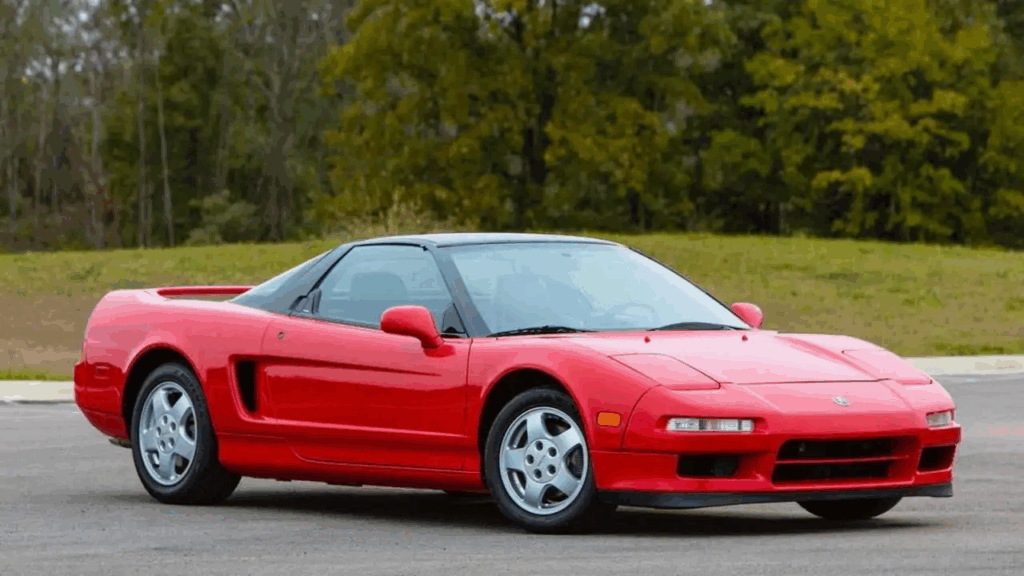
When Honda introduced the NSX, it changed what people expected from a Japanese performance car. It had a mid-engine layout and sharp handling that drew praise from drivers worldwide. Collectors keep an eye on early NSX cars because they show serious engineering with driver focus. These cars often sell in the range of $150,000 to $250,000 depending on condition. Low mileage examples command higher values at auctions.
The NSX impressed from its debut because it blended speed with everyday usability for some owners. It was reliable compared with many exotic cars of its era, which helped build its reputation. Enthusiasts love the way it handles curves with poise and responsiveness. This model stands as a reminder that Japanese makers could build cars that rivaled established sports car names. Interest remains strong as more people come to appreciate its role in sport driving history.
1999 Mitsubishi Lancer Evolution VI Tommi Makinen Edition
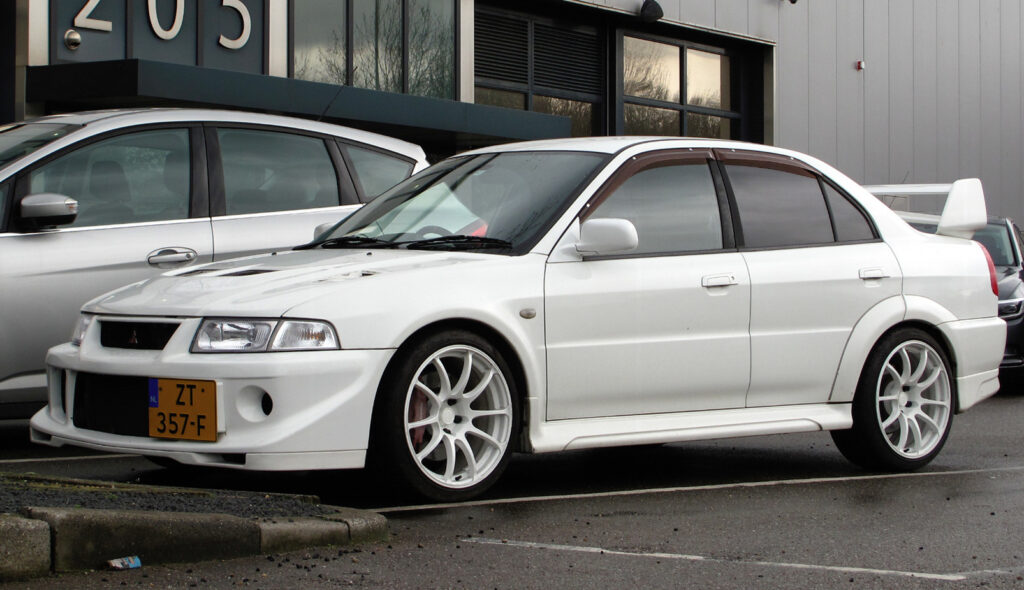
At the end of the nineties, this special Lancer Evolution came with performance upgrades tied to rally success. It honored a winning driver and offered stiffer suspension and sharper response. Enthusiasts chase this edition because it is closely linked to motorsport achievements. Clean examples typically range from $90,000 to $150,000 in today’s market. Low mileage versions often land premium bids at auctions.
This Evolution model impressed fans with its agile feel and turbocharged engine that responded with energy. The rally heritage gives it a story that resonates with driving fans. It turned many heads on both gravel and paved roads. Owners often treasure the way it captures a moment in racing history while still fun on everyday roads. This combination keeps attention high among collectors.
1993 Toyota Supra Mk IV
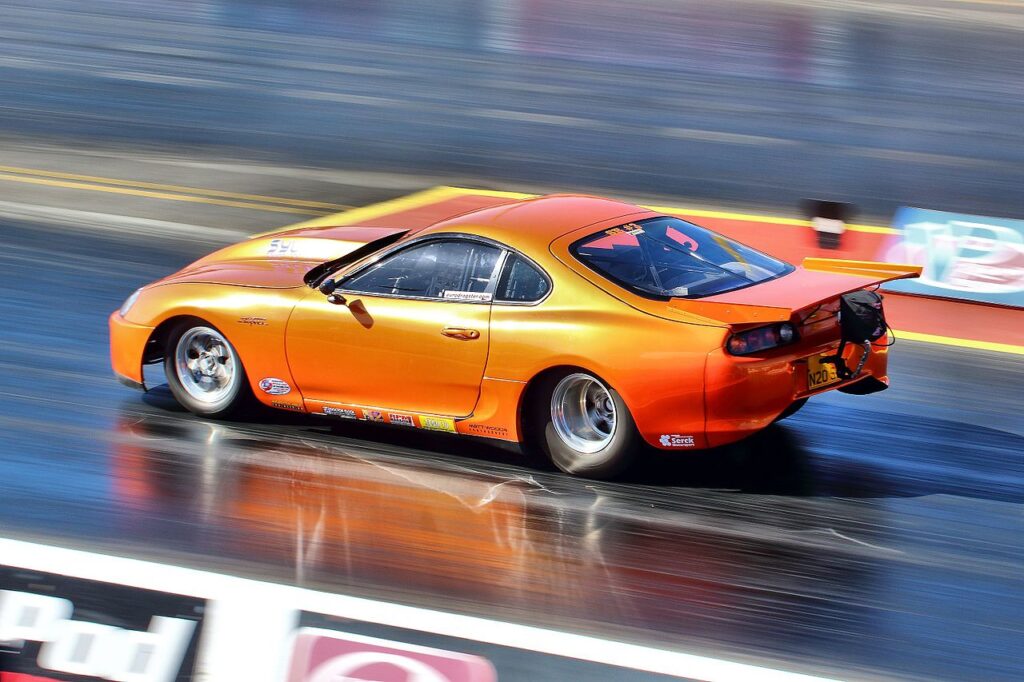
When the Mk IV Supra was released, it gained fame for its strong twin-turbo engine and sleek shape. It became an icon of the performance scene, especially among people who followed tuning culture. Collectors will pay anywhere from $150,000 to $300,000 for original low-mileage cars. Pristine examples can exceed these values and draw intense interest. Many are drawn to the Supra because of its place in automotive culture around the world.
The Supra’s engine could take high power levels, which made it popular with people who liked to modify cars. Even stock, it had a dynamic feel on open roads. This model’s presence in films and games pushed its fame further. Over time, attention from fans grew and kept values rising. Today, it stands as one of the most desired Japanese performance cars from its decade.
1971 Nissan Fairlady Z (240ZG)
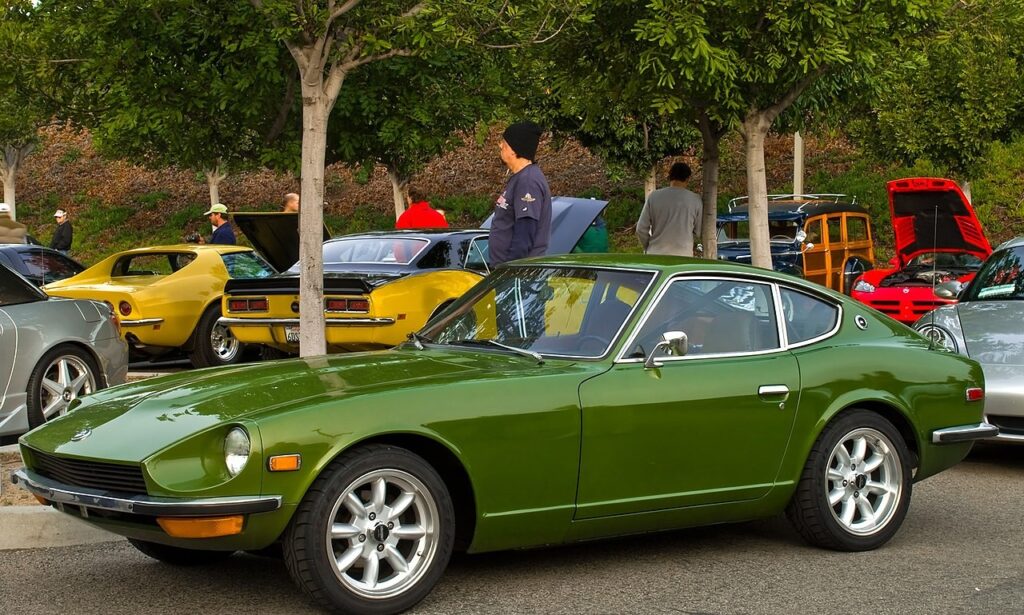
The Fairlady Z in this form came with performance upgrades that made it appealing to driving fans early on. It had a powerful six-cylinder engine and distinctive front air dam that set it apart. Collectors look for this model because it represents a key moment in Z history with unique styling cues. Current values range around $80,000 to $120,000 for strong examples. Those with original parts tend to bring higher prices.
This version of the Z captured both style and substance in one package. The engine delivered lively acceleration for its time, and the look was bold on the road. Enthusiasts enjoy showing these cars at events where people appreciate classic designs. Its place in the evolution of sports cars from Japan makes it meaningful to many. Finding a clean model still brings excitement today.
1986 Toyota Celica GT-Four ST165
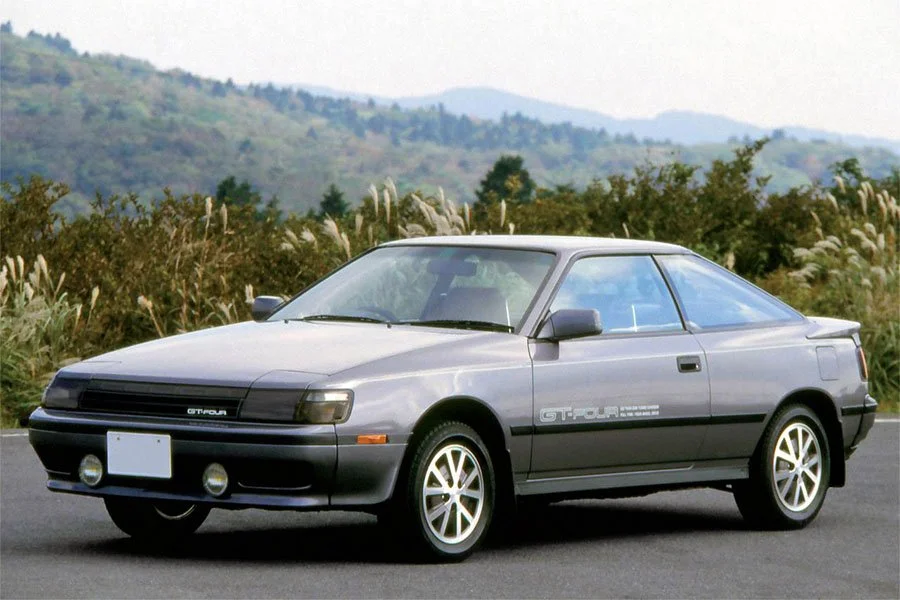
When Toyota introduced this Celica with all-wheel drive, it made a strong statement about performance capability. It had a turbocharged engine that gave it lively acceleration for its day. Enthusiasts chase this version because it brought rally-inspired features to a street car. Typical values fall between $70,000 and $100,000 for vehicles in great condition. Pristine cars that have been preserved well can fetch strong sums at public sales.
This GT-Four proved that performance could be paired with everyday use for some owners. The all-wheel drive helped it handle loose surfaces and corners with confidence. Fans love to talk about how it performed in competition and on road tests. The combination of power and traction gave it an edge in many eyes. Today, it stands as a notable chapter in performance cars from Japan.
1998 Subaru Impreza WRX STI 22B
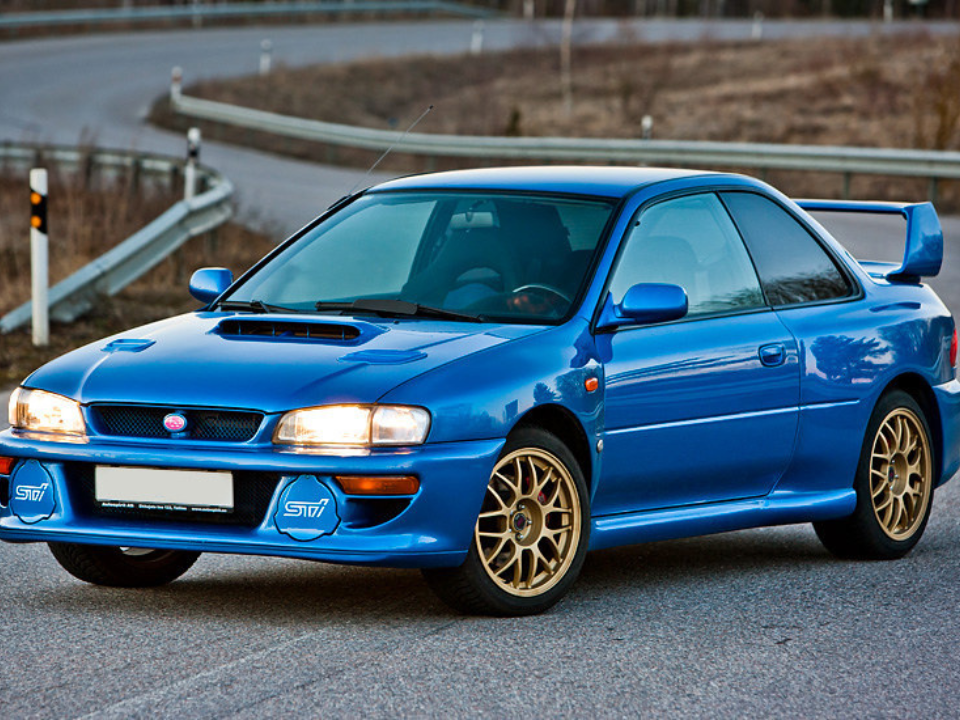
This Impreza came with upgrades to mark Subaru’s rally success and delivered strong performance from its setup. The boxer engine and all-wheel drive made it a favorite among drivers who liked spirited driving. Collectors look for these because production was limited and the car has a strong reputation among fans. Current values often sit above $200,000 with tidy mileage. Exceptional examples with full documentation will reach even higher figures.
The Impreza WRX STI 22B stands out for its compact size and energetic feel. It captured public imagination when it first appeared and stayed in the memory of fans. Its rally heritage adds to its story and interest for many. Owners often speak warmly of its grip and response. This solid reputation has helped keep demand high among people who remember its era.
1999 Nissan Silvia S15 Spec-R
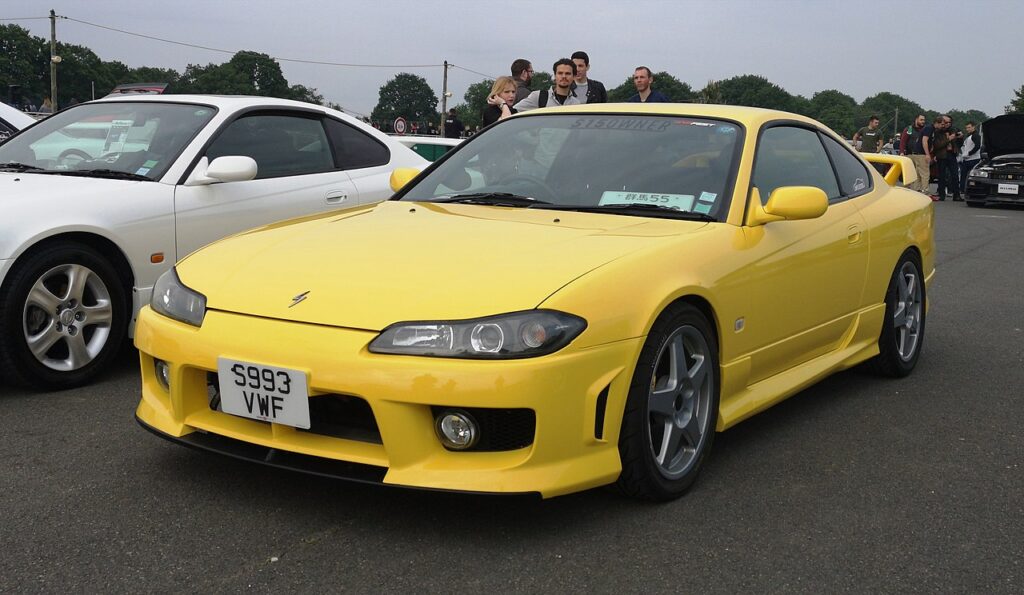
Right when it hit the roads, this Silvia offered a refined sporty feel with a lively engine and rear-wheel drive. It balanced responsive handling with a sleek and modern body that drew fans around the world. Collectors chase the Spec-R because it represents one of the last pure two-door Japanese sport coupes of its time. Prices today tend to range around $60,000 to $100,000 for strong examples. Cars with low mileage and original parts can climb above that range at sale events.
The Silvia’s balance makes it feel playful on twisty roads and enjoyable to drive. Enthusiasts often talk about its steering feel and engine note with enthusiasm. Its presence in driving culture and competitive events keeps interest alive. Some owners show their cars proudly at meet-ups and gatherings. The S15 Spec-R continues to be highlighted by fans of classic performance.
1966 Honda S800
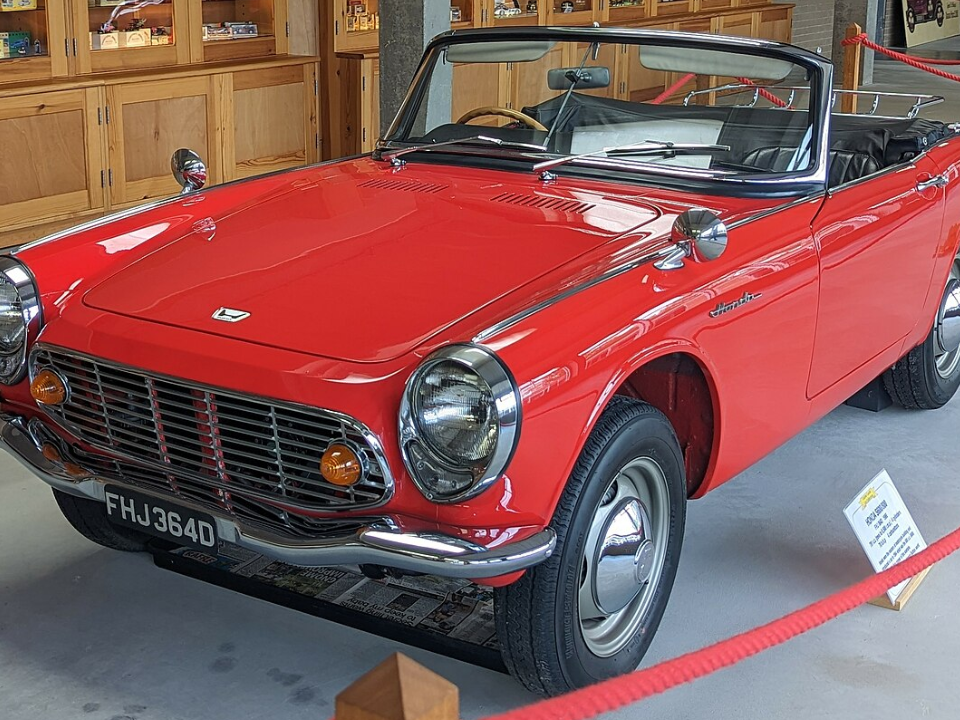
This small Honda S800 arrived with a lively high-revving engine that thrilled drivers when it debuted. Its compact size and unique feel made it stand out among its contemporaries. Collectors keep an eye on the S800 because it shows early Japanese sport car thinking in a pure form. A well-preserved example can be worth $100,000 or more depending on condition. Cars with matching numbers and original paint often fetch higher sums at auction.
The S800 gave drivers a connection to the road that was rare for its time. It rewarded careful handling and offered a light, responsive feel. Fans appreciate its simple beauty and engaging driving experience. Its place in history as an early performer from Japan helps explain the strong interest. Enthusiasts enjoy seeing this classic at shows and events.
2001 Mitsuoka Orochi
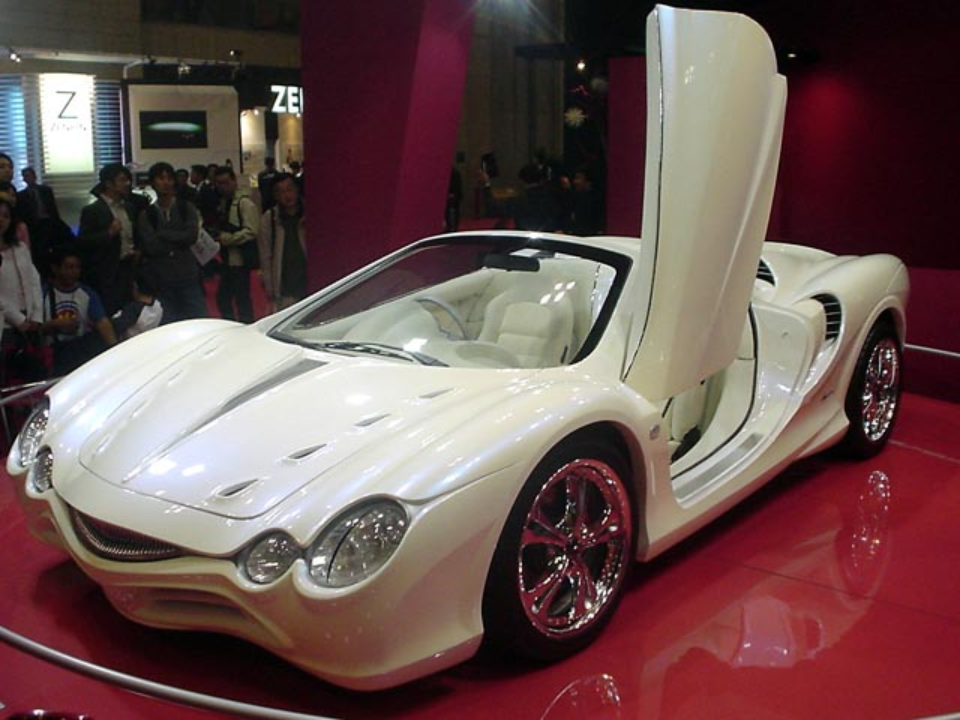
When this unusual performance car appeared, it stood out with dramatic styling unlike anything else on the road. It had a powerful engine for a car of its size and drew attention from people who liked unique designs. Collectors look for the Orochi because it represents a blend of style and performance from a smaller Japanese maker. Values for good examples often range around $80,000 to $120,000. Rare editions with special features can bring higher bids at sale houses.
The Orochi remains memorable because it did not follow mainstream design cues. People who enjoy classic cars often point to its presence as something rare in Japanese automotive history. The engine had enough power to make driving fun, and the looks made a statement everywhere it went. Fans enjoy talking about how it challenged design norms. This combination of traits has kept interest alive among collectors.
This article originally appeared on Avocadu.