
13 Vintage Fishing Reels Collectors Hunt For
Vintage fishing reels hold a special place in the hearts of collectors and anglers alike. These classic pieces of fishing history are valued not just for their functionality, but for the stories they carry and the craftsmanship behind them. Whether they are from well-known brands or rare finds, each reel has its own unique charm. For many collectors, hunting down these reels is as thrilling as the fishing trips themselves. Some seek out models that shaped the evolution of fishing gear, while others are drawn to the nostalgia of simpler times.
This post may contain affiliate links, which helps keep this content free. Please read our disclosure for more info.
Abu Garcia Ambassadeur 5000C
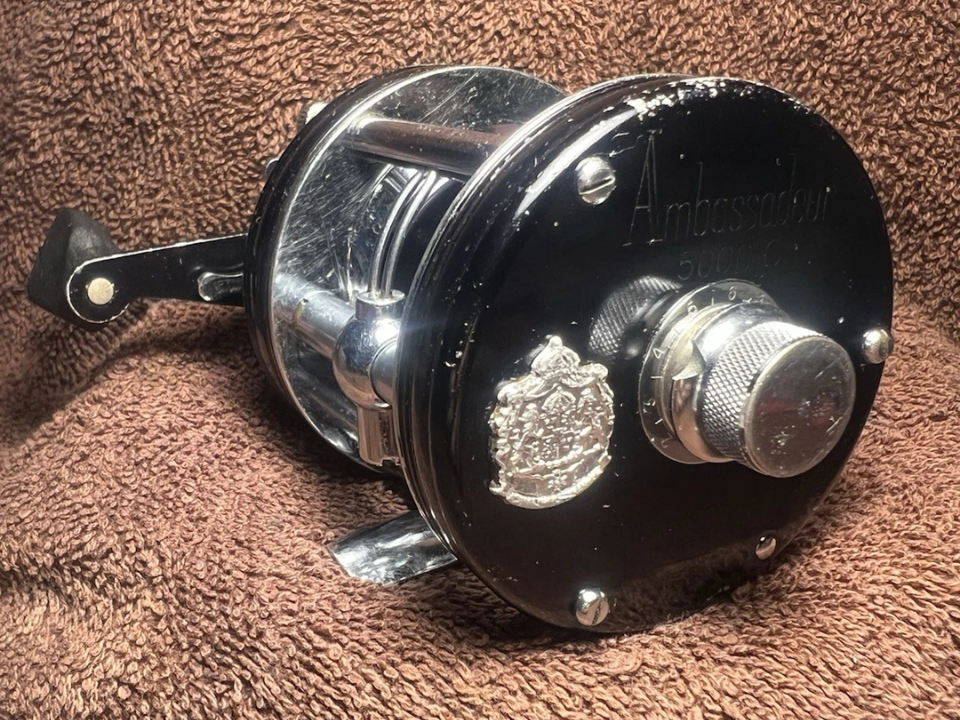
This reel first gained popularity in the mid‑1960s and remains one of the most sought after baitcasting reels from that period. Collectors prize it for its smooth retrieve and classic ported spool design. A reel in good working condition with original handles and decals can fetch around $150. Many anglers value it for its robustness and the way it represented a transition to modern baitcasting technology.
The design allows for a strong crank yet retains a certain lightness on the rod, making it versatile for freshwater or saltwater use. Finding one with minimal corrosion and intact finish adds significantly to its value.
Pflueger Medalist Model 1494
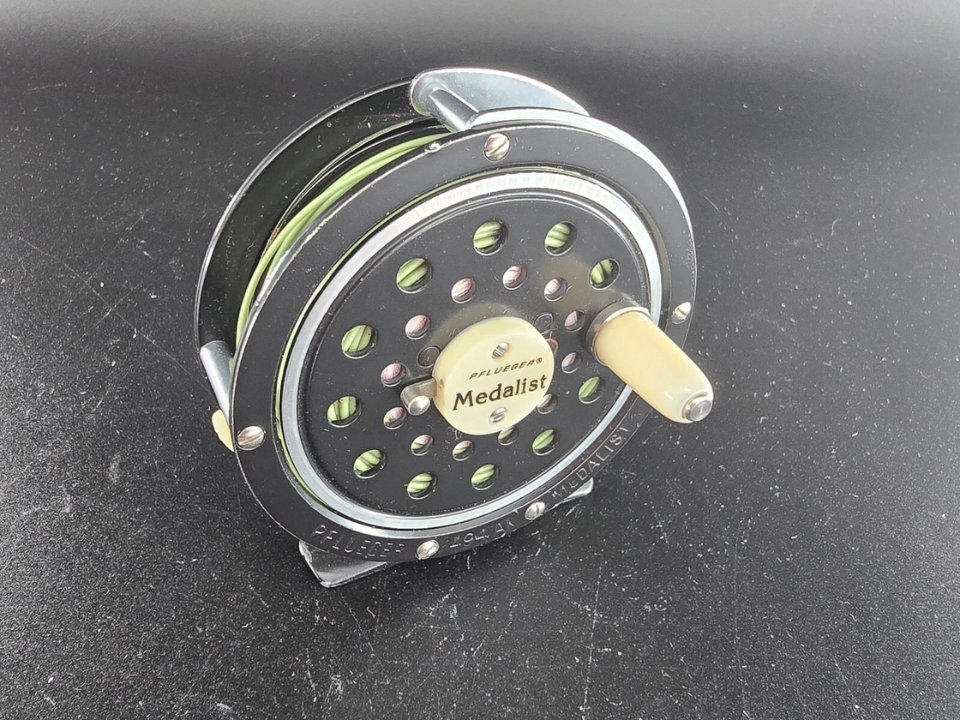
This particular model dates back to the 1950s and stands out for its quiet and balanced mechanism. It uses an internal pawl system rather than an external clicker which contributes to its smooth casting and retrieve.
Clean examples with original wooden handles and uncracked bakelite side plates tend to appraise at about $120. Many collectors admire its understated appearance and the utilitarian reliability that helped define mid‑century fishing gear. Even though it lacks modern drag systems it remains functional for light to medium freshwater use. The scarcity of well preserved units from that era increases demand among serious gear aficionados.
Hardy Perfect
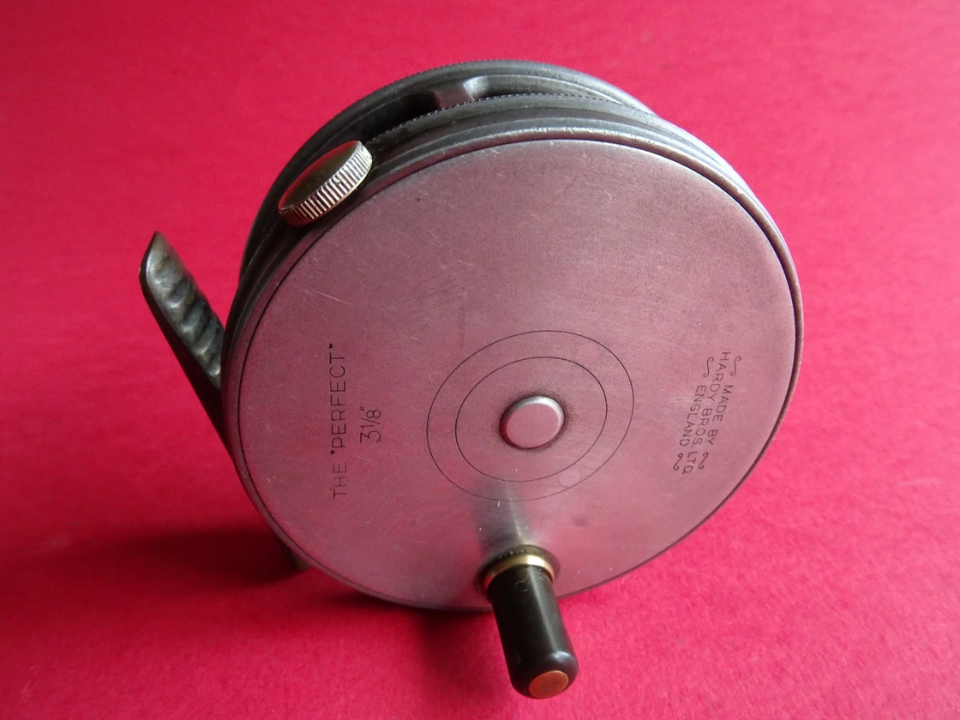
This reel is a classic fly reel made by a respected English maker from the early 1900s. The simple spool and clicker frame along with the polished action makes it a centerpiece in any traditional fly tackle collection. Examples with minimal scratches and the original varnished wood insert can reach values around $300.
Its silent action and the subtle sound of the clicker evokes a bygone era of delicate fly casting. Collectors appreciate its craftsmanship and the story behind reels which were often handmade and manually finished. It remains a symbol of early quality fly fishing equipment and a tangible link to angling history.
Penn Senator 114H
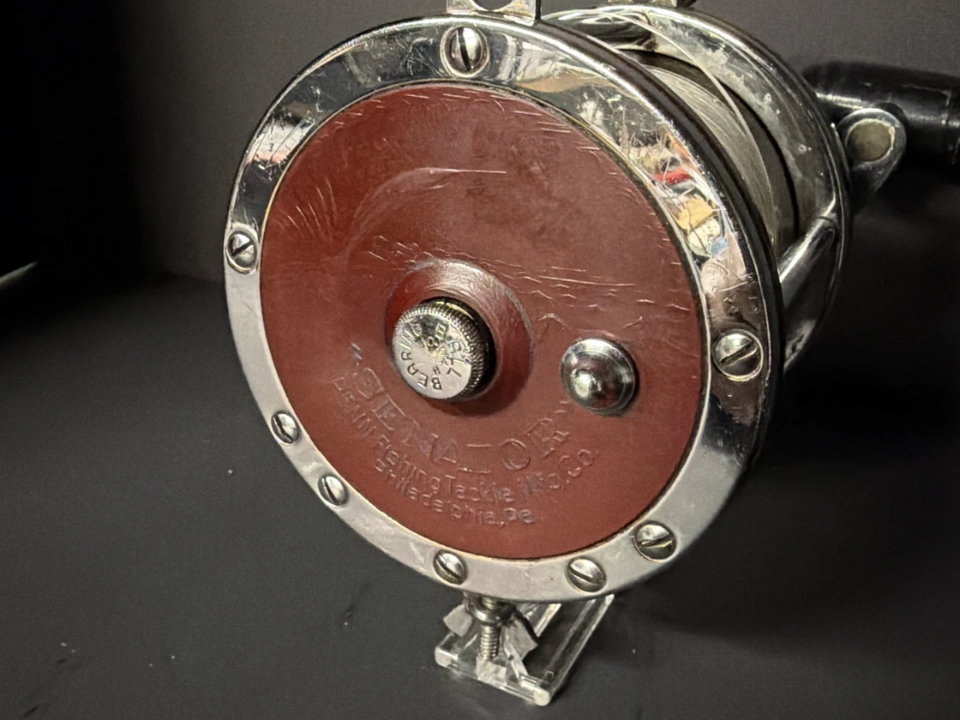
Introduced in the 1940s this saltwater reel was built for serious offshore fishing and heavy lines. Its metal body and strong gear train give it a hearty feel that attracts those interested in historic saltwater reels. A clean model with working star drag and little corrosion can be worth about $180.
Many old photos show anglers hauling large fish with this reel attached to stout rods. For collectors it represents durability and the way tackle was built to last through hard use. Finding one with all parts intact including the spool release lever adds to its appeal.
Mitchell 300
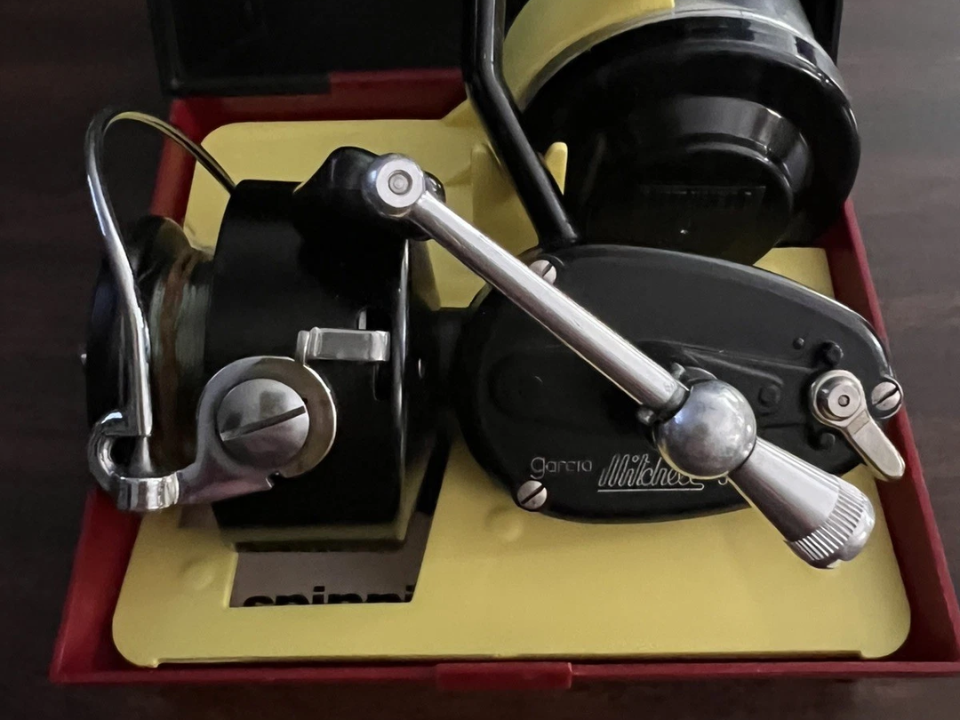
This reel from the 1950s or 1960s is remembered for being one of the first spinning reels to achieve wide popularity worldwide. Its lightweight construction and simple drag system made it a favorite among many anglers. Well preserved units with original rotor and bail arm often trade around $90.
Collectors value it for its role in popularizing spinning gear in an era dominated by baitcasters and centerpins. Its modest design shows how manufacturers managed to provide affordable yet capable reels after the war years. For vintage tackle enthusiasts it represents a milestone in recreational fishing history.
Shakespeare Wonder Reel
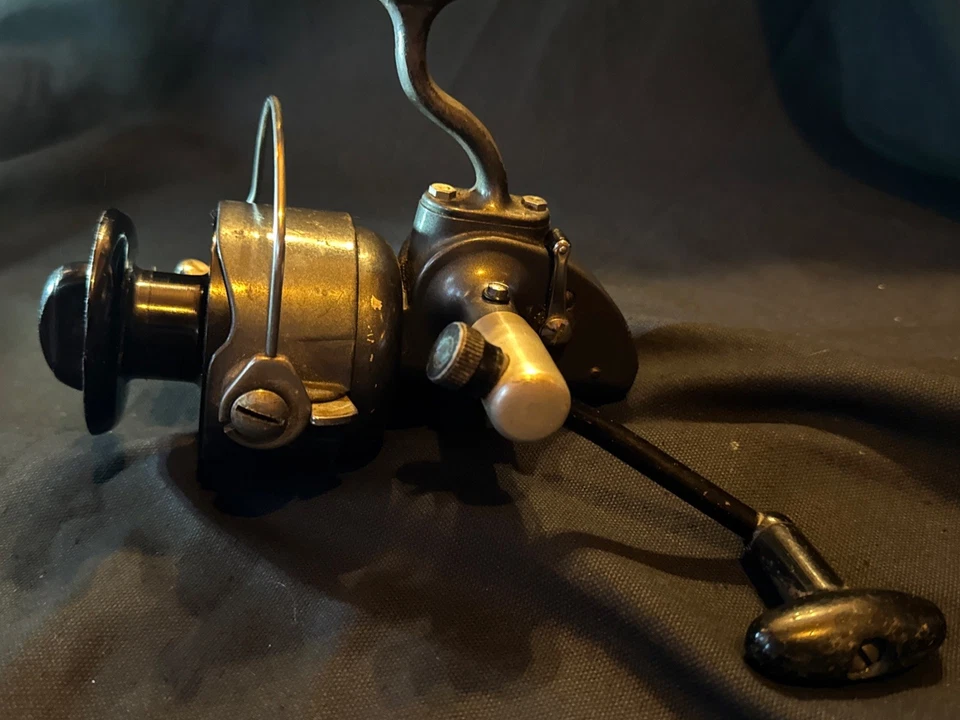
Launched in the 1940s this reel became a household name for casual anglers seeking affordable gear. Its simple fixed spool and low cost helped bring fishing to a broader audience. Clean examples with original decals and little wear can sell for about $60. Many collectors find charm in its simplicity and the nostalgia it evokes of weekend fishing trips with basic equipment.
Despite its modest quality it often remains functional for light freshwater use or as a display piece. Its place in the history of mass‑market fishing tackle makes it interesting to both gear historians and nostalgic collectors.
Abu Garcia Cardinal 66

Introduced in the late 1960s the Cardinal 66 spinning reel combined compactness with smooth drag control, making it a favourite among anglers targeting bass or trout. Units with original purple finish and working drag system often fetch around $100. Collectors appreciate the subtle engineering that distinguishes it from newer reels. Its relatively small size and light weight give it a delicate balance on rods used for light tackle fishing.
The Cardinal line marked a shift towards lighter and more manageable reels without losing functional quality. A specimen that retains original parts and finishes shows how mid‑century reels bridged the gap between older heavy metal gear and modern spinning reels.
Pflueger Supreme

This reel appeared around the 1960s and offered a dependable fixed spool design for anglers seeking an affordable spinning option. A clean version with intact spool markings and minimal rusting usually sells for about $80. Collectors who appreciate utilitarian reels value this model because it reflects post‑war efforts to make fishing gear accessible to everyday anglers.
Though simple in appearance it demonstrates reliability in freshwater conditions. For those assembling a comprehensive vintage tackle collection a Supreme serves as a solid example of mid‑century manufacturing standards. Its widespread use and survival rate make it common enough to remain affordable yet interesting for historical collections.
Wooden Fishing Reel Nottingham
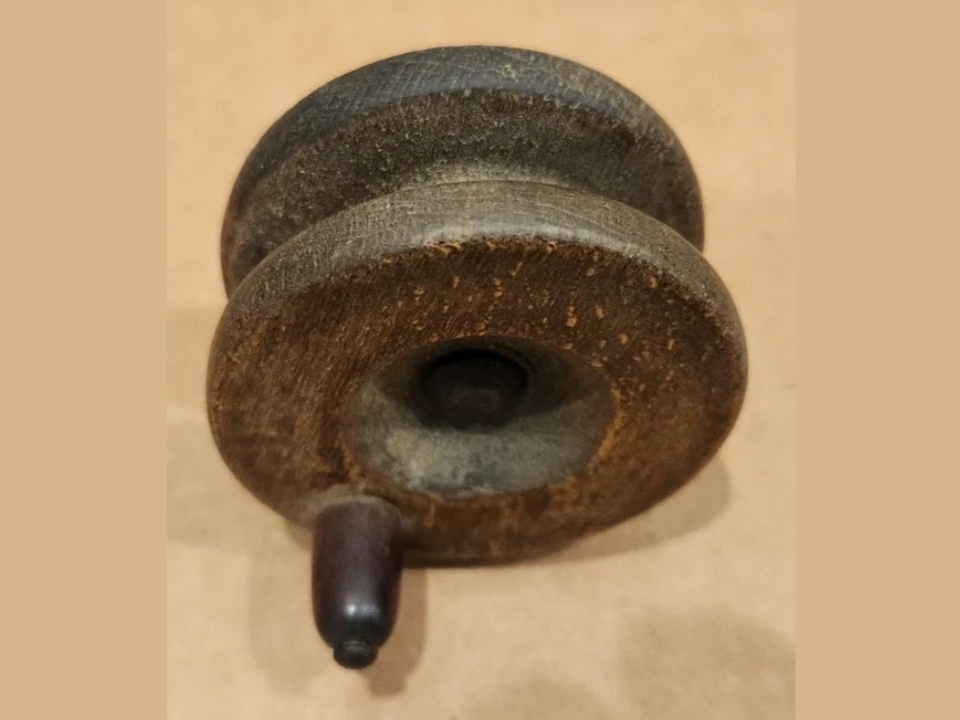
This antique centerpin reel reflects one of the early approaches to line retrieval used by freshwater anglers. Its large wooden spool and simple mechanical system speak of early fishing technology long before modern gearing systems. Well preserved examples with original wood and negligible metal corrosion can reach around $250.
Collectors often appreciate the reel as a relic of how fishing was done in simpler times. Holding one reveals how anglers once relied purely on line weight and water flow instead of drag systems. As an object that combines age, simplicity and historical value it draws interest from both fishing historians and vintage tackle collectors.
Hardy Marquis
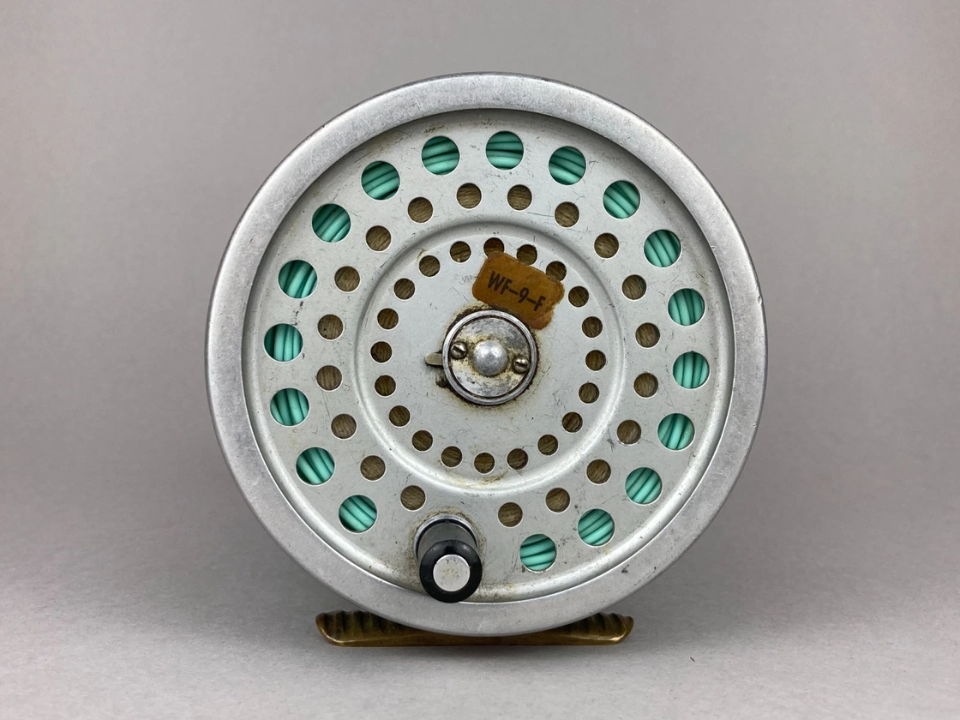
This reel came soon after the Perfect series from the same English maker and carries forward the tradition of refined fly-fishing equipment. The Marquis has a slightly larger spool and often a more polished finish making it attractive for display or functional use. Clean units with original fittings and no dents often command around $260.
Collectors drawn to Edwardian or mid‑century British reels regard this model as a key piece. Its balance and functionality made it a favorite among anglers who sought a performing reel for light to medium trout fishing. Owning one invites reflection on a time when reels were crafted with both utility and aesthetic grace in mind.
Penn Well Built 49
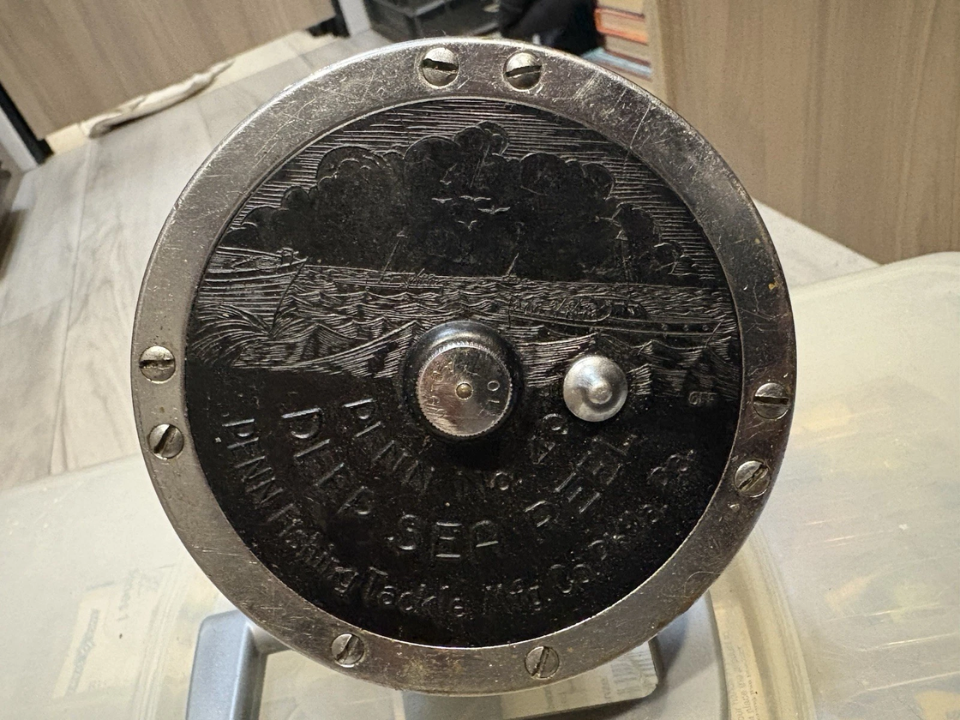
This is a freshwater casting reel from the 1940s that served many anglers for decades. Its bronze and steel build makes it heavier than modern gear but valued for its ruggedness. Examples that retain a smooth drag and usable spool without serious corrosion may fetch about $110. Collectors often look for this reel to show how durability and metal construction defined fishing gear before lighter alloys became the norm.
The heft of the reel gives it a sense of sturdiness quite absent from contemporary modern gear. For someone piecing together a mid‑century tackle collection it offers representation of a simpler period of durable fishing hardware.
1950’s Zebco 33 Star Drag
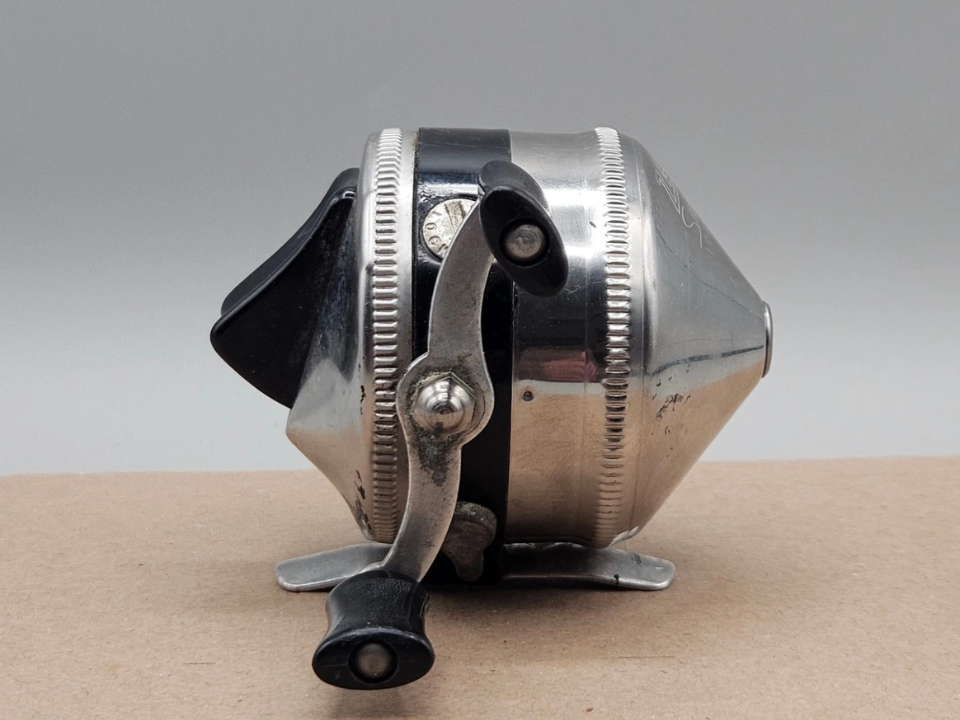
This reel offered many anglers a simple, reliable way to fish light to medium freshwater species. The star drag feature was somewhat advanced at the time giving users control over casting tension. A well-preserved unit with working drags and original spool often sells around $65.
Collectors interested in early mass‑market reels value this model for its practicality rather than prestige. It evokes memories of casual fishing trips and youthful experimentation with tackle. The design shows how fishing gear became accessible and varied for ordinary anglers in mid‑century America.
D.A.M. Quick 105
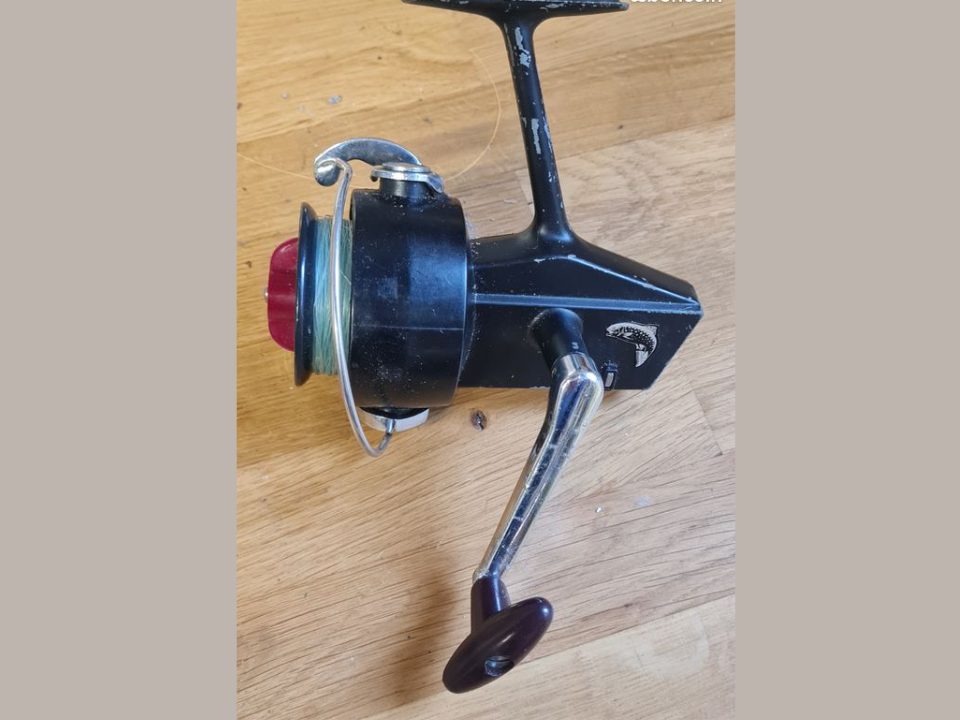
This European reel from the 1960s offered anglers a compact fixed spool option that was affordable and reliable. Well maintained examples with minimal corrosion often fetch around $65. Collectors interested in international fishing gear appreciate its design because it shows how reel manufacturing outside the United States evolved in parallel.
Its small size and modest drag system make it suited for lighter freshwater species. It adds geographic diversity to a collection dominated by American and British gear. For a collector writing about global fishing gear history it gives a viewpoint beyond mainstream manufacturers.
This article originally appeared on Avocadu.