
12 Vintage Costume Jewelry Marks That Help Identify Better Pieces
Vintage costume jewelry is full of clues if you know where to look. A small stamp on the back can point to a maker, a time period, or a better build. This list walks through common marks you may see and what they can suggest about the piece in your hand.
This post may contain affiliate links, which helps keep this content free. Please read our disclosure for more info.
Trifari
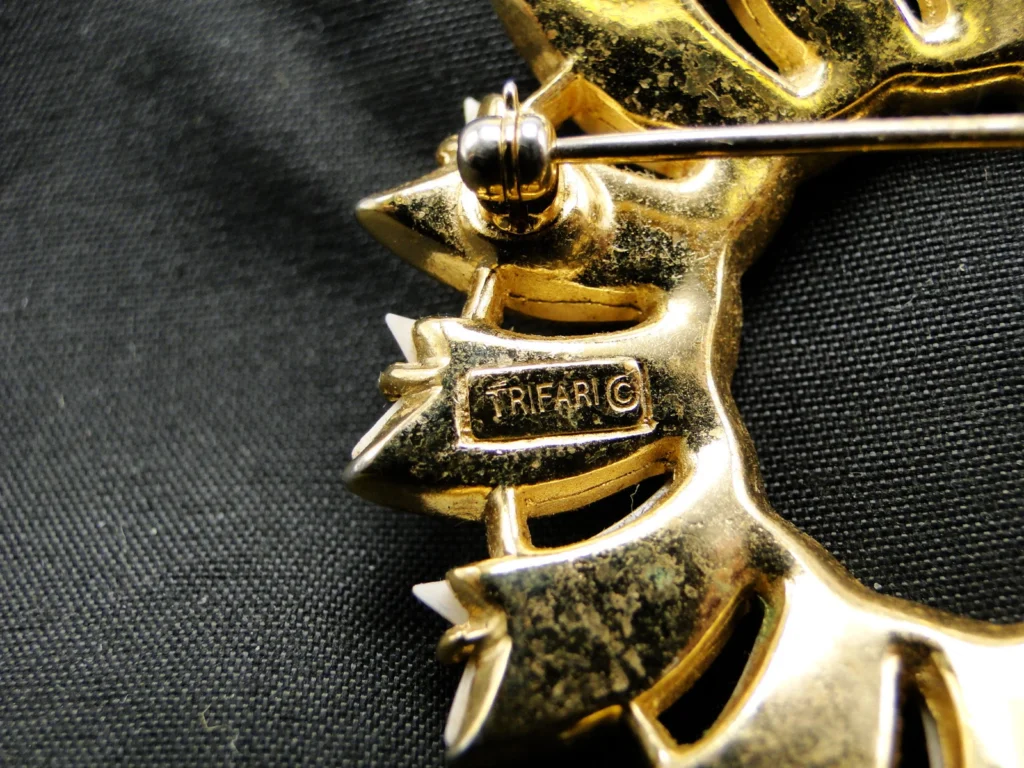
Trifari marks often show up as TRIFARI in all caps, sometimes with a small crown above the T that collectors call the Crown Trifari mark. You might also see “KTF” for the designers who helped shape the brand, and that mark tends to show up on pieces that feel a bit more detailed. Many Trifari items have clean stone settings, smooth plating, and a sturdy hinge or clasp that still snaps shut well. If the back looks neat and finished instead of rough, that is usually a good sign with this name.
Older Trifari pieces can lean into leafy pins, crown motifs, and bright rhinestones that sit in tidy rows. Look closely at the way stones are held, since prongs that feel even and secure often hint at a nicer piece. A lot of Trifari jewelry was mass made, so the mark alone does not guarantee value, but it does signal a known maker with a wide collector base. When you see the crown mark paired with good condition, it is usually worth a second look.
Coro
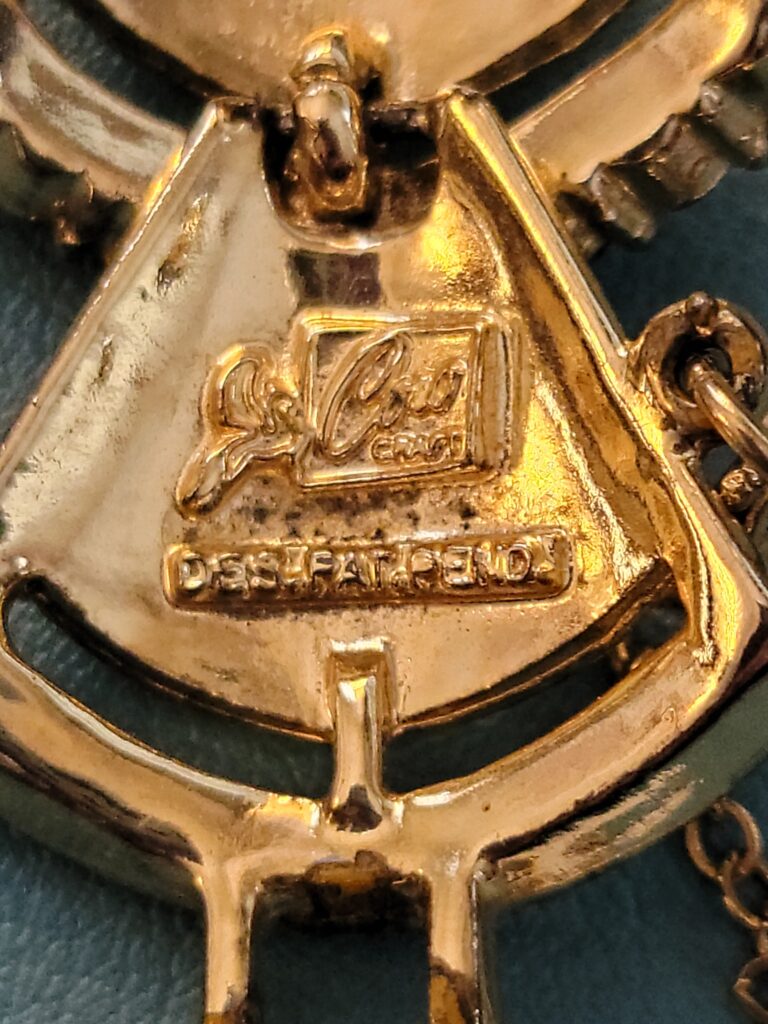
Coro marks can read CORO, COROCRAFT, or CORO Pegasus, and each one can point you toward a different feel and price range. Coro made a huge amount of jewelry, so you will see the mark on everything from simple clip earrings to bigger statement sets. CoroCraft is often treated as a step up, and those pieces can have nicer finishes and more careful details. If you see a Coro signature plus matching design elements across earrings and a necklace, that combo can be a nice clue.
Coro pieces often use bright rhinestones, layered metal leaves, and pretty enamel work that still looks cheerful today. Flip the item over and check if the plating looks even and if the settings sit straight, since Coro can vary a lot. Some Coro designs were made in sets with a matching bracelet and brooch, and complete sets can be easier to resell. Condition matters a lot here, so check for missing stones and cloudy glue before you get too excited.
Monet
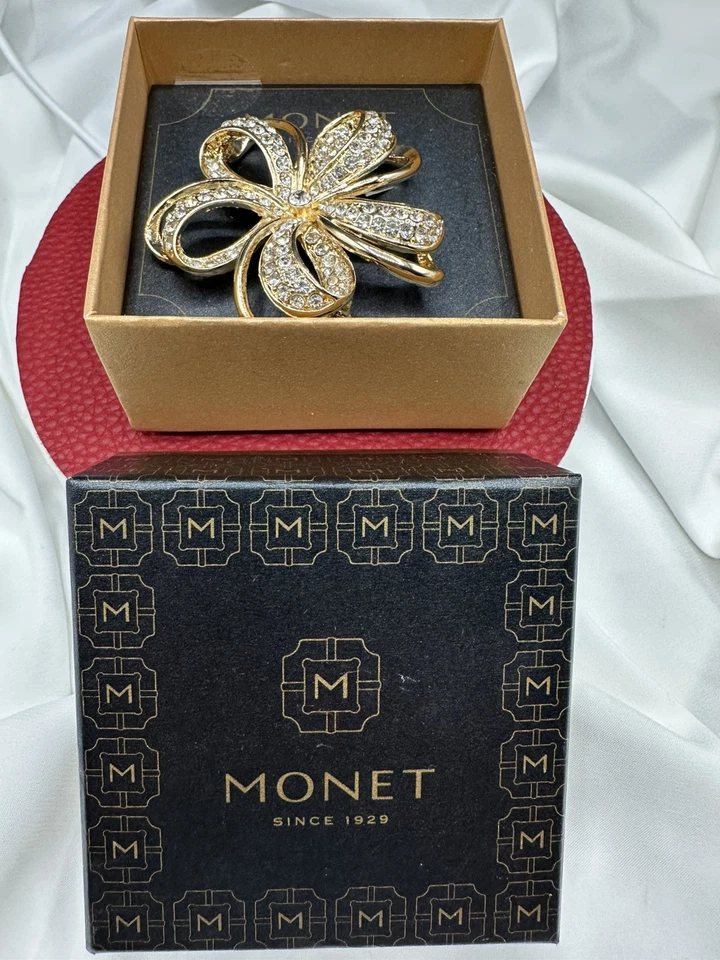
Monet is usually marked MONET on a small oval or rectangle cartouche, and you will often find it on gold tone and silver tone chains and earrings. The brand is known for smooth plating and pieces that feel heavier than you expect for costume jewelry. Clasps and earring backs are often nicely made, and that hardware can be one of the quickest tells. If the surface still looks rich instead of brassy, the piece is likely holding up well.
Monet is not always about rhinestones, and many of the best finds are textured metal, rope chains, and clean modern shapes. Check the edges for wear, because high points can show rub marks first. Many Monet pieces were made for everyday wear, so it is common to find them with a bit of patina, which is not always a deal breaker. If the design feels simple but the finish looks smooth and even, Monet can be a solid pick.
Napier
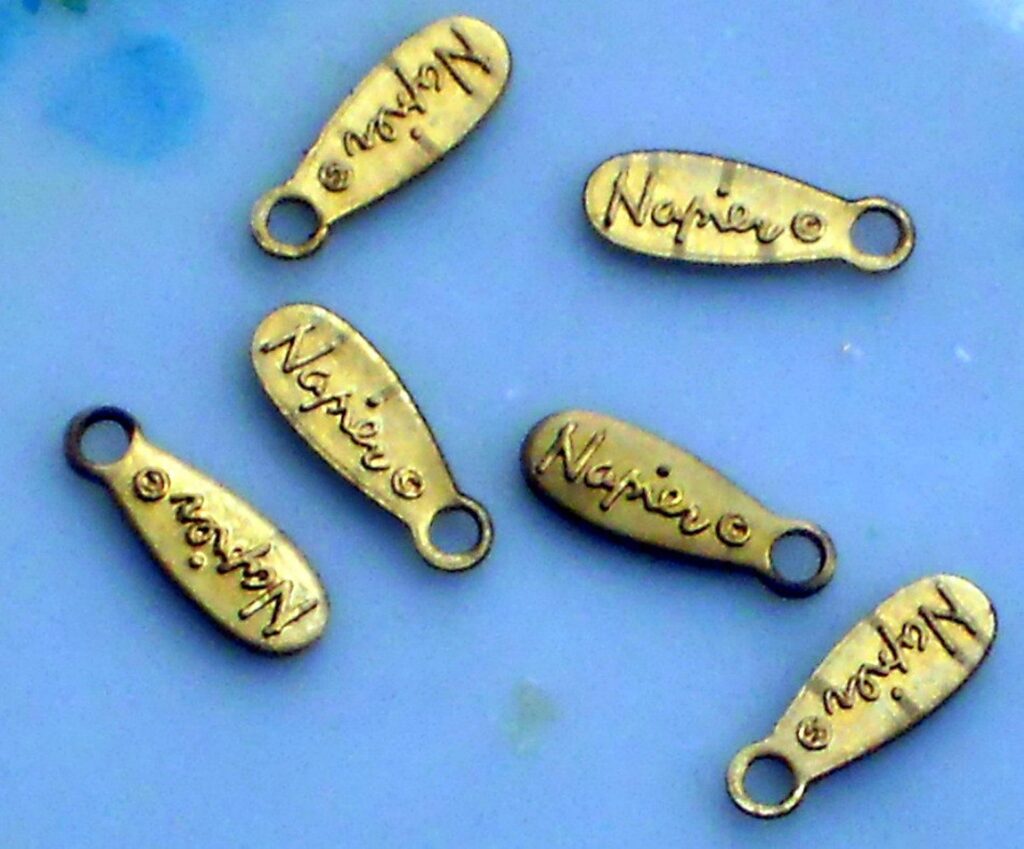
Napier marks are often NAPIER in block letters, sometimes with “Napier Pat.” or other small stamp details depending on the era. The company made a lot of chunky statement necklaces and bold earrings that have a real vintage feel. Many Napier pieces are about shape and texture more than stones, so the metalwork matters. A well made Napier clasp that closes cleanly can be a very reassuring sign.
Napier jewelry can show up in thick chains, twisted rope looks, and big link bracelets that sit nicely on the wrist. Run your finger along the edges, since cleaner seams and smooth joins usually mean a nicer piece. Some older Napier pieces are plated so well that they still look warm and glossy decades later. If you spot a Napier mark on a heavy, well finished design, it is often worth picking up.
Weiss
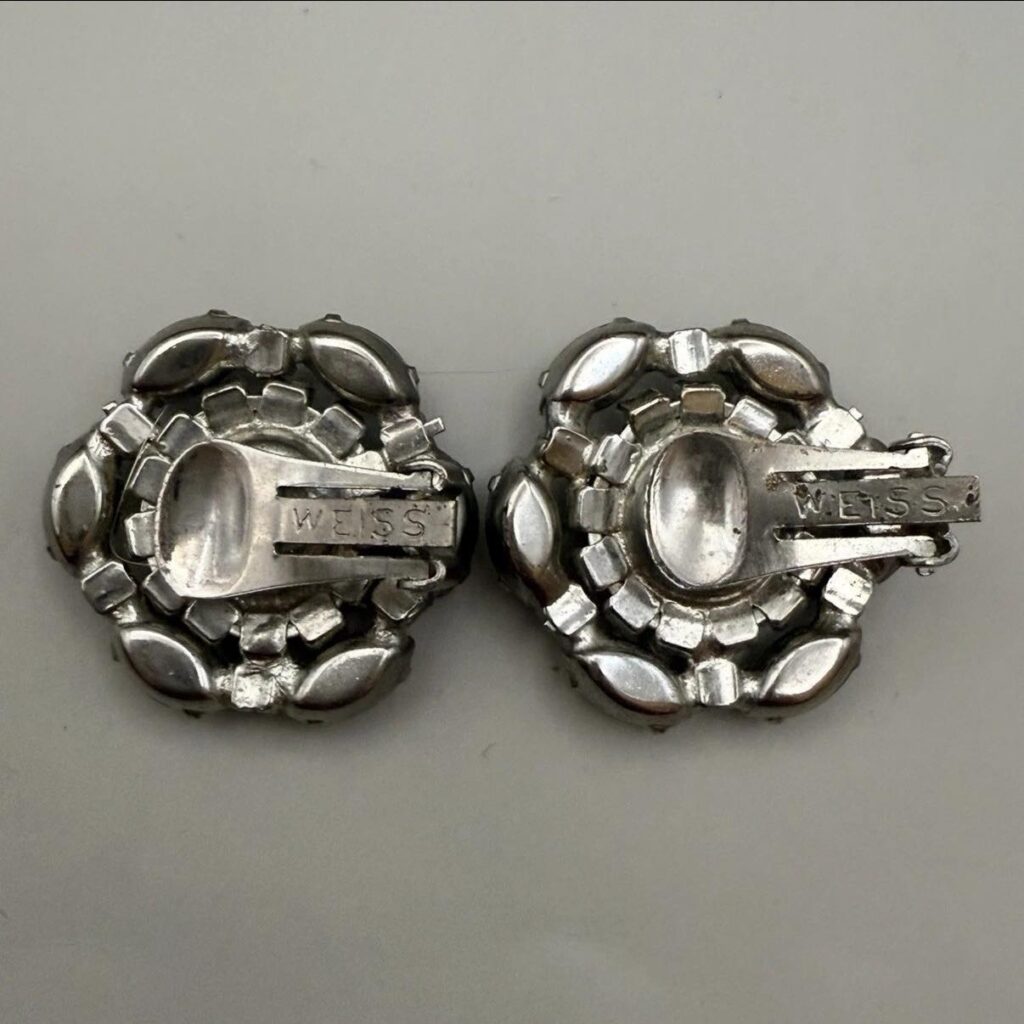
Weiss marks usually read WEISS in all caps, and they are often stamped right on the back of a brooch or earring clip. Weiss is strongly linked with rhinestone work, and the sparkle can be impressive when stones are clean and present. Many pieces use bright clear stones, deep colored navettes, or layered flower designs that photograph well. If the stone colors look lively and the settings feel tight, that is what you want.
Turn the piece sideways and see if the stones sit level, because a tilted row can signal repairs or bent metal. Weiss pieces can be found in large numbers, but the better ones have strong stone coverage and a balanced design. Look for prong set stones instead of heavy glue, since that often holds up longer. Even a simple Weiss brooch can feel special when it is complete and still catches light.
Eisenberg
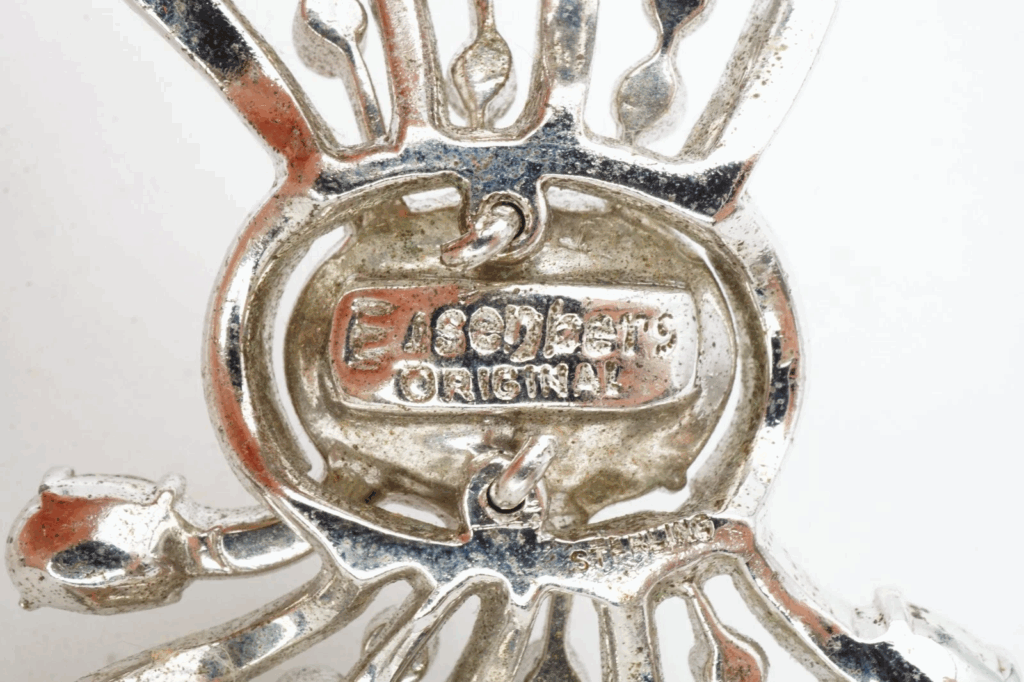
Eisenberg marks can appear as EISENBERG, Eisenberg Original, or sometimes Eisenberg Ice on later pieces. The brand is famous for high shine rhinestones and designs that can feel almost formal. Many Eisenberg items use larger stones and dramatic shapes, so they stand out in a jewelry box right away. The backs can be nicely finished, and many pieces have a solid, weighty feel.
Eisenberg is one of those names where condition and design both matter a lot. Check that the stones match in color and cut, since replacements can be easier to spot on these brighter pieces. The prongs are often strong, and the settings can look neat and even when you flip the piece over. If you find an Eisenberg piece that is complete and still bright, it can be a very good find.
Miriam Haskell
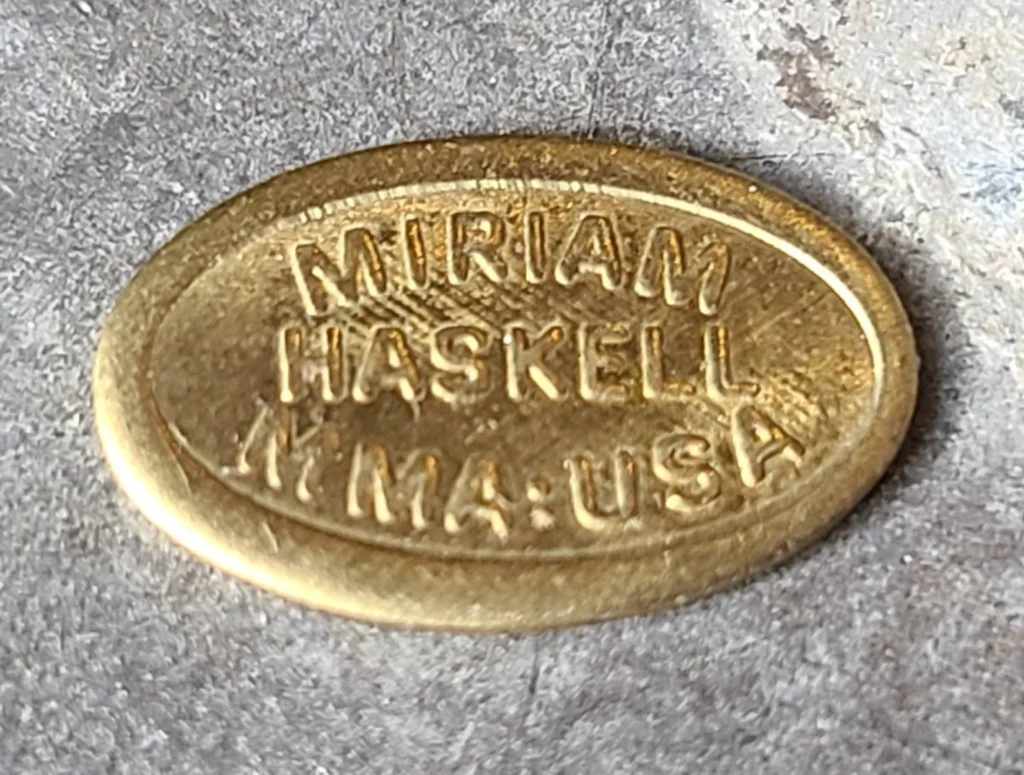
Miriam Haskell marks are often on a small oval tag that may be wired onto the piece rather than stamped directly into metal. Many older items are unmarked, so a tag is helpful but not required for a real Haskell piece. Haskell jewelry often uses pearls, glass beads, filigree, and hand wired construction that looks busy in a beautiful way. The backs can look like a tiny woven garden of wire, and that texture can be a big clue.
Look for careful bead spacing, stable wiring, and a design that feels thought out rather than random. Many Haskell pieces have a soft, romantic look with clusters and layered elements that move slightly when you handle them. Missing beads are common, so check around the edges where dangles attach. If the construction looks hand done and the materials feel richer, Haskell is usually worth closer inspection.
Hobe
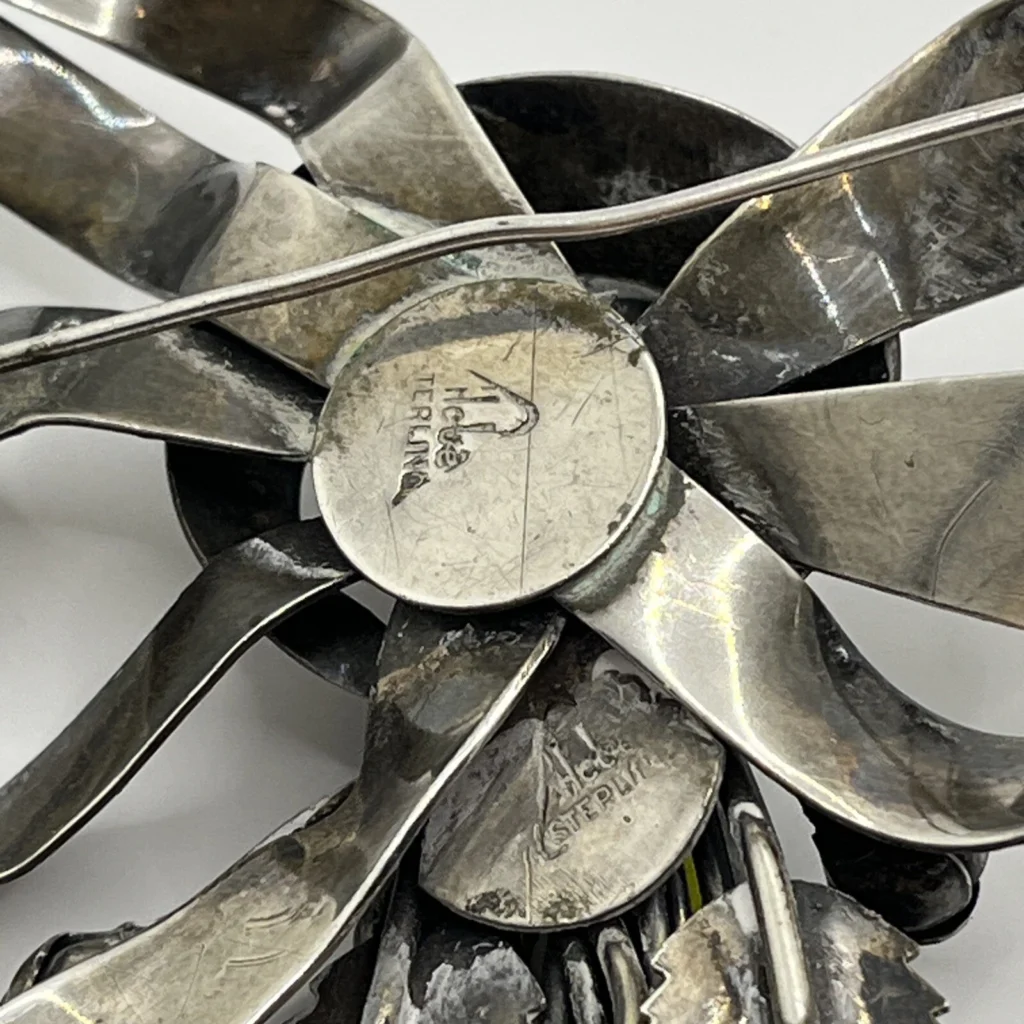
Hobe marks can read HOBE or Hobe Cie, and you will often see them on statement pieces with strong stonework. The brand is tied to glamorous mid century looks, and many items feel theatrical in the best way. You may see large rhinestones, raised settings, and dramatic color combos that still feel fun today. If you pick it up and it feels heavier than a typical costume piece, that can be a good sign.
Check the back for clean finishing and solid solder points, since Hobe pieces can be built with a bit more care. Many Hobe designs have a mix of stone shapes, so look for matching sparkle and consistent wear across the piece. Earring clips should close firmly and sit straight, and loose clips can be a problem. When a Hobe piece is complete and not darkened by wear, it tends to look expensive.
Schreiner
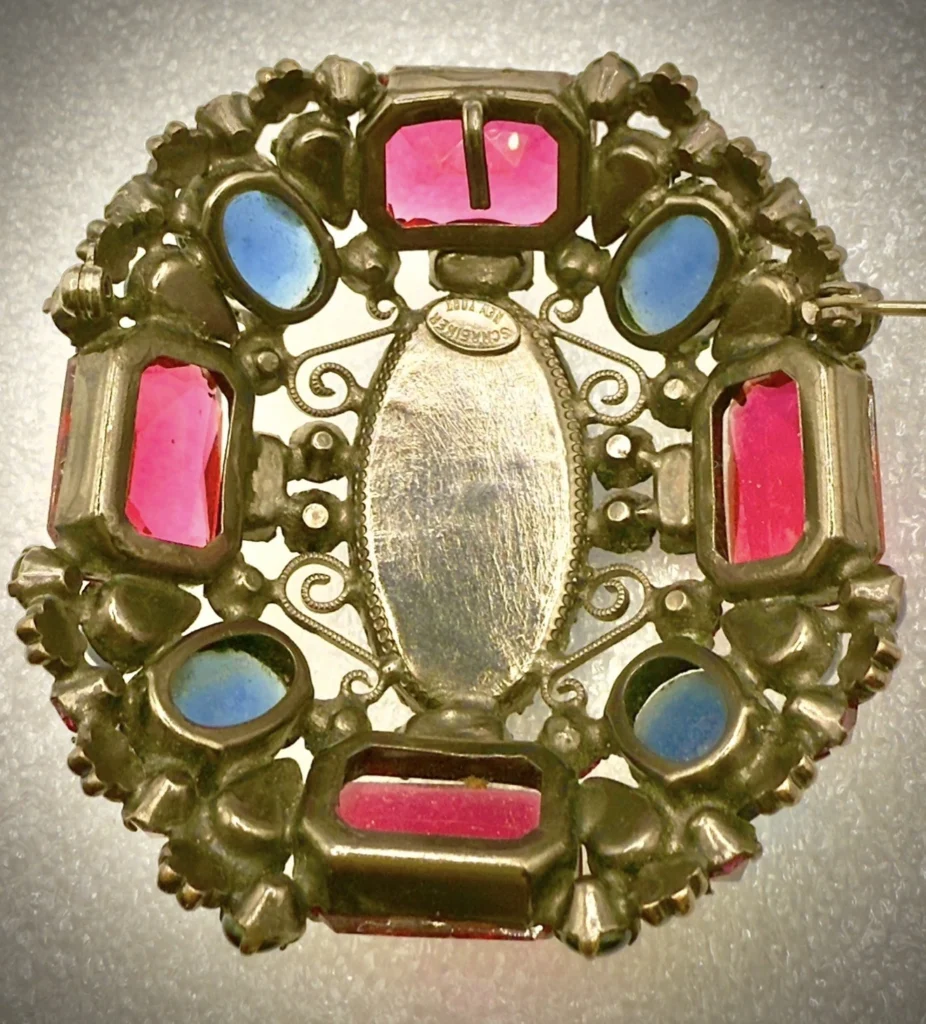
Schreiner marks can be tricky because many pieces are unsigned, but when marked you may see SCHREINER or Schreiner New York. Collectors love Schreiner for its unusual stone settings and bold, layered construction. A common clue is the use of inverted stones, where a rhinestone is set with the point facing outward instead of the flat side. You might also notice extra sturdy metalwork and a lot of depth in the design.
If you suspect Schreiner, look for thick settings, unusual color mixes, and a back that feels solid and well built. The pieces often have a rich, chunky feel that is hard to confuse with lighter jewelry. Stones can be wired or set in ways that look a little different from typical factory jewelry. Even without a stamp, the construction clues can make Schreiner worth learning.
Juliana DeLizza and Elster
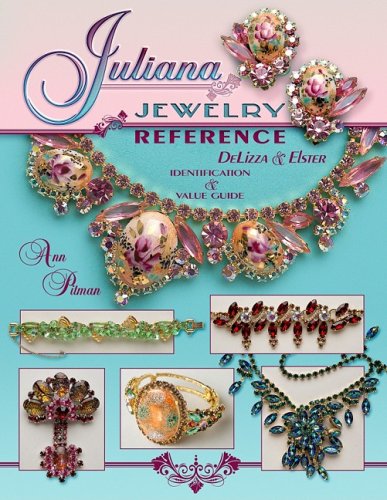
Juliana pieces are usually not marked, which is part of why collectors learn the look rather than rely on a stamp. The jewelry was made by DeLizza and Elster, and “Juliana” is a collector name tied to certain construction traits. A common clue is a five link and three link bracelet construction that has a particular pattern and feel. You may also see open backs on stones, textured metal, and big, colorful rhinestones.
Flip the piece over and look for puddling, which is a slightly raised look in the metal around some stones that collectors mention often. The settings can be deep, and the pieces can feel dramatic and a bit wild compared with more simple brands. Because there is no stamp, condition and design become even more important for resale. If you see a big rhinestone piece with these construction hints, it can be worth comparing to known Juliana examples.
Boucher
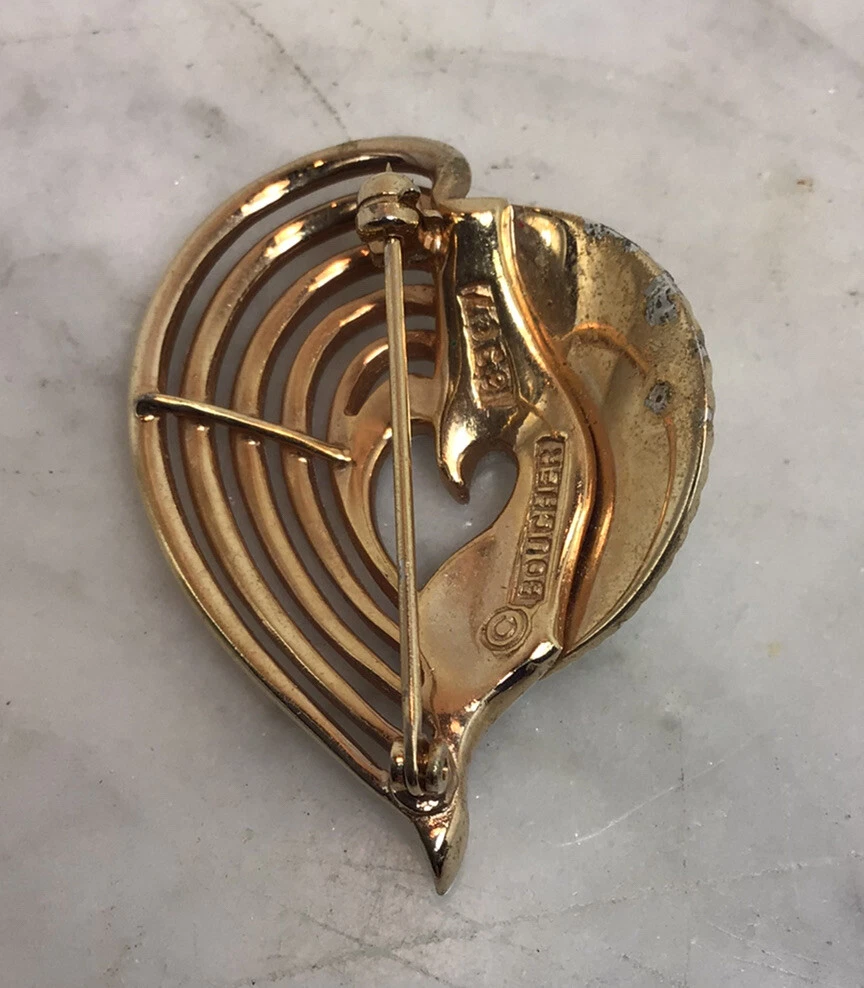
Boucher marks usually read BOCHER, BOCHER LTD, or MARCEL BOUCHER, sometimes with a number that refers to a design. These pieces often have a polished, designer feel, with clean lines and nicely placed stones. Many Boucher items use textured gold tone metal and stylized shapes, like flowers, insects, and elegant leaf forms. When the finish looks smooth and the details look sharp, that is what collectors like.
Check the pin back or clasp, since Boucher hardware is often sturdy and well placed. Rhinestones on Boucher pieces can look more refined, and the designs usually feel intentional rather than crowded. Look for even plating and minimal dark spots in the metal, especially around joints. If you find a signed Boucher brooch in good condition, it often looks classy right away.
Czechoslovakia
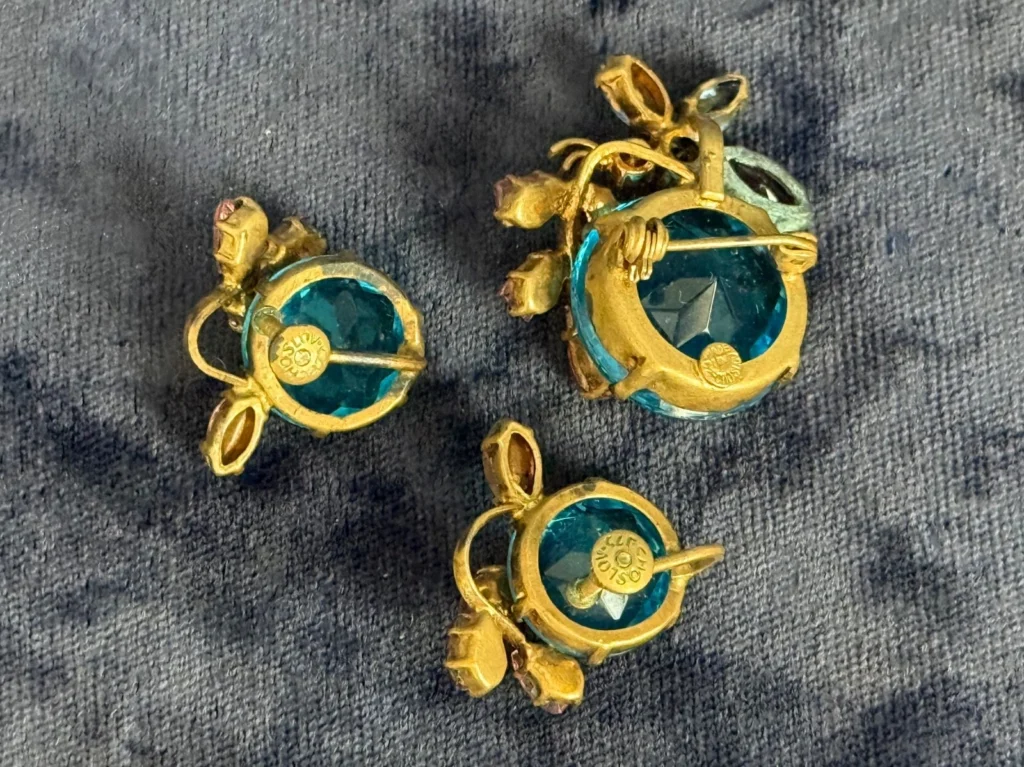
Czechoslovakia marks can appear as CZECHOSLOVAKIA or CZECH, and they often show up on older glass bead and rhinestone pieces. Many of these items use beautiful Czech glass that has depth and color you can spot across a room. You might see foiled backs on stones or intricate metal settings that look a little more old world. The mark can hint at an earlier period, especially if the style looks Art Deco or early mid century.
Look closely at the glass, since tiny bubbles and rich color shifts can be part of the charm. Some pieces are delicate, so check for bent prongs and worn plating, especially on older brooches. Czech jewelry can be very collectible, but values vary a lot by design, condition, and whether stones are still bright. If the piece feels detailed and the glass looks lively, it is often worth picking up.
This article originally appeared on Avocadu.