
13 Vintage Christmas Cards People Still Collect Today
Many collectors enjoy vintage Christmas cards because they offer a glimpse of holiday traditions from past decades. These cards often show simple scenes that feel warm and cozy. People love the charming artwork and thoughtful messages. Some designs feel familiar even now, which adds to their appeal.
This post may contain affiliate links, which helps keep this content free. Please read our disclosure for more info.
Raphael Tuck 1909 Embossed Santa Christmas Postcard
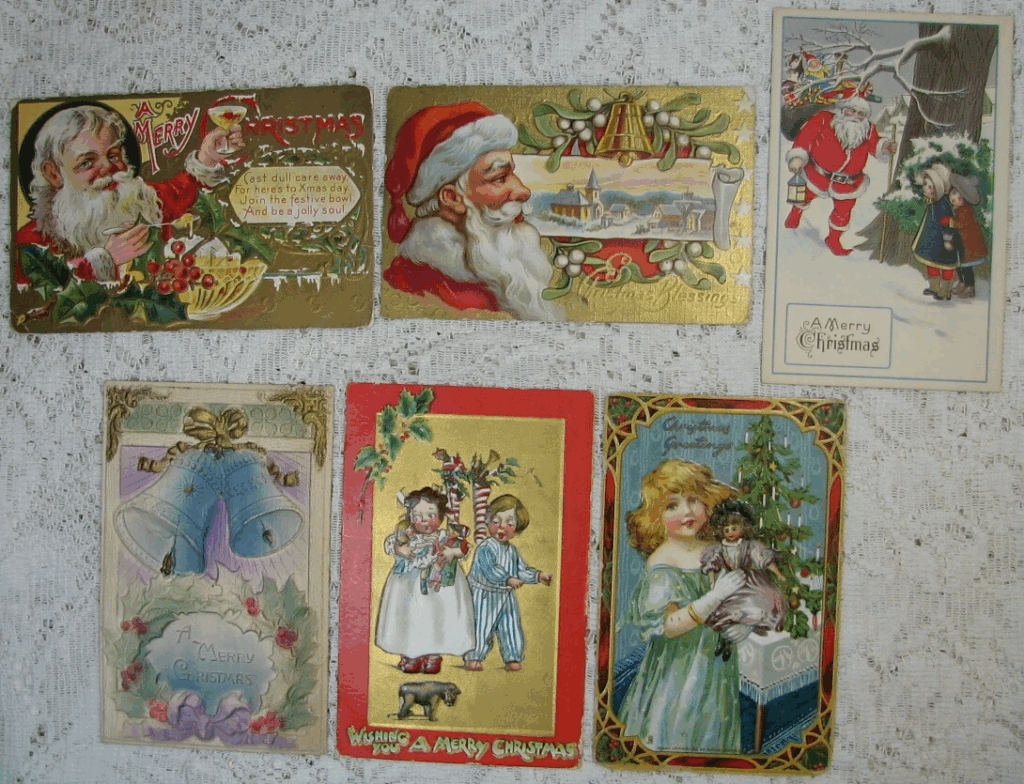
Collectors still enjoy this 1909 embossed postcard because it shows a gentle Santa scene with soft artwork. The card was produced by Raphael Tuck, a well-known maker of early holiday postcards. Many people like how the colors and embossing create a warm holiday feeling. Cards from this period survive in good numbers, which helps make them accessible for new collectors. A typical example usually sells for about $8 to $15.
People continue to collect this card because it represents an early Christmas style that feels comforting. The artwork blends Victorian and early Edwardian details that many find appealing. Embossing adds depth and texture that still looks impressive today. Condition affects pricing, especially corner wear and clarity of the image.
Raphael Tuck Angel And Tree Series 136 Christmas Postcard
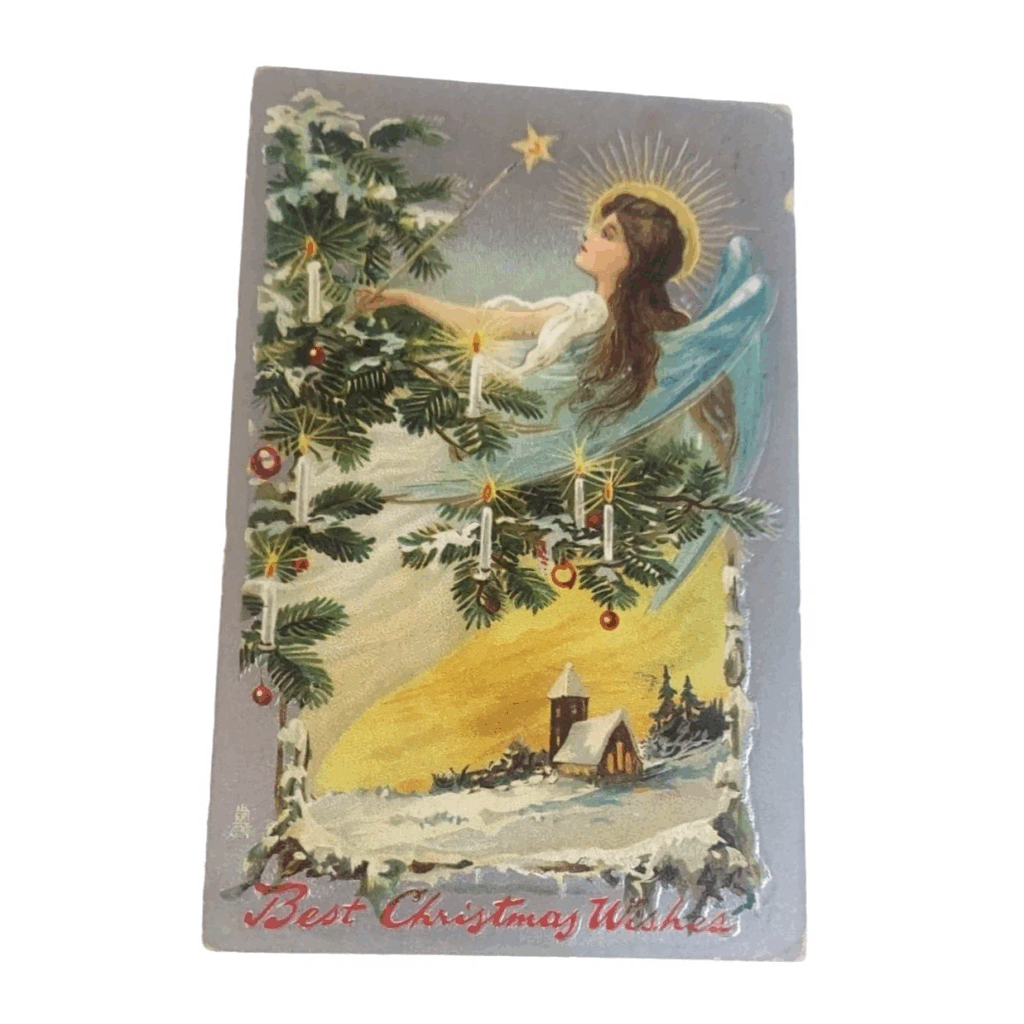
This postcard from the 1910s features a guardian angel and a decorated tree, which helps make it a favorite for holiday displays. Raphael Tuck labeled many cards with series numbers, which helps collectors date them. The artwork carries a soft, peaceful mood that people still enjoy today. Many buyers look for strong color and clear embossing. Prices usually fall between $6 and $12.
The theme remains popular because angels and candlelit trees feel timeless. The card often appears in holiday collections that focus on traditional scenes. Collectors check backs for neat handwriting and minimal album marks. Cards with clean surfaces tend to sell at the higher end of the range.
Hallmark 1950s Large Pop-Up Victorian Christmas Card
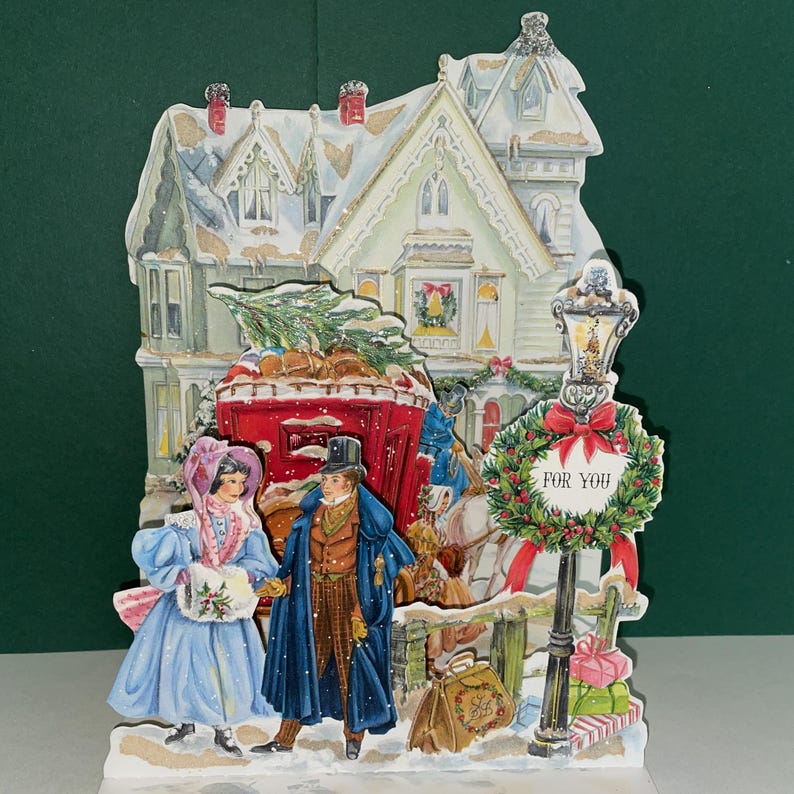
This large Hallmark pop up card from the 1950s opens into a full Victorian winter village. The glitter and layered artwork give it a display quality that many people still enjoy. Because these cards were more delicate, intact copies feel special. The card often appears in collections that highlight mid century design. Typical values run from $15 to $35.
Buyers check whether the pop up stands firmly without tears. Glitter loss and bent tabs can lower the price. Cards that still have the original envelope attract more interest. Larger pop up pieces are often placed on holiday mantles as decor.
Hallmark 1950s Santa And Snowman Illustration Cards
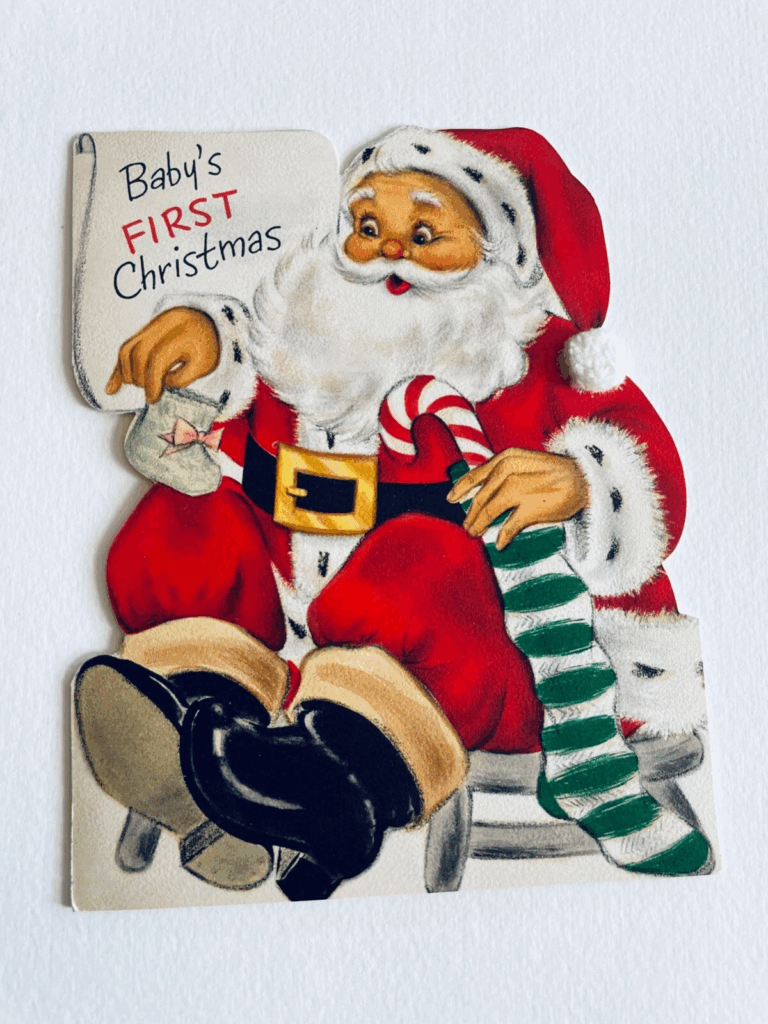
These smaller 1950s Hallmark cards show playful scenes with Santas, snowmen, and winter characters. Their soft airbrushed look makes them easy to recognize. Many people like the cheerful expressions and simple greetings. Individual cards usually sell for $3 to $10. Small sets can climb higher.
Collectors search for bright colors and clean interiors. Cards with the original envelope have a stronger appeal. Some people frame these illustrations for seasonal displays. Slight fading or pencil marks may reduce the price.
Gibson 1940s Angel Christmas Greeting Card
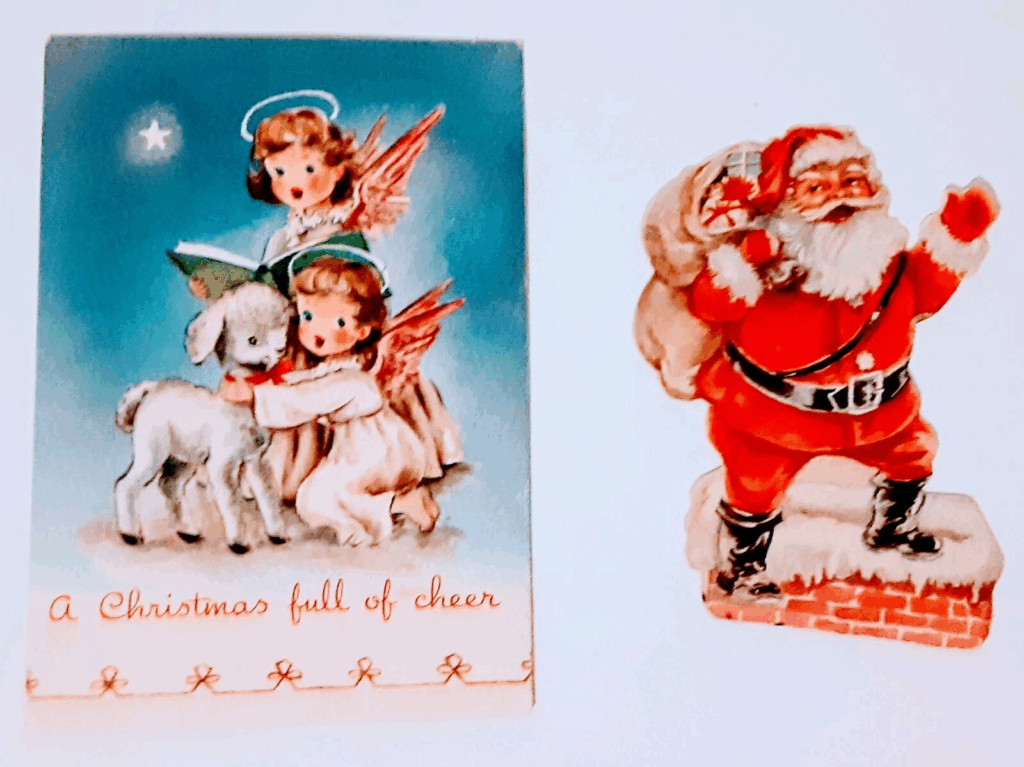
Gibson produced many angel-themed cards during the 1940s, and this soft pastel design remains a favorite. The card often features gentle gold accents and a simple holiday message. People collect it because it captures postwar holiday style in a warm way. Most copies sell for $5 to $10. Unused pieces may rise higher.
Collectors like to examine gold accents since they flake with age. Clean borders and minimal writing help maintain value. Many of these cards were used, so unused ones feel more special. Buyers who collect angel themes often group several Gibson cards together.
Raphael Tuck Santa With Tree And Toys Christmas Postcard
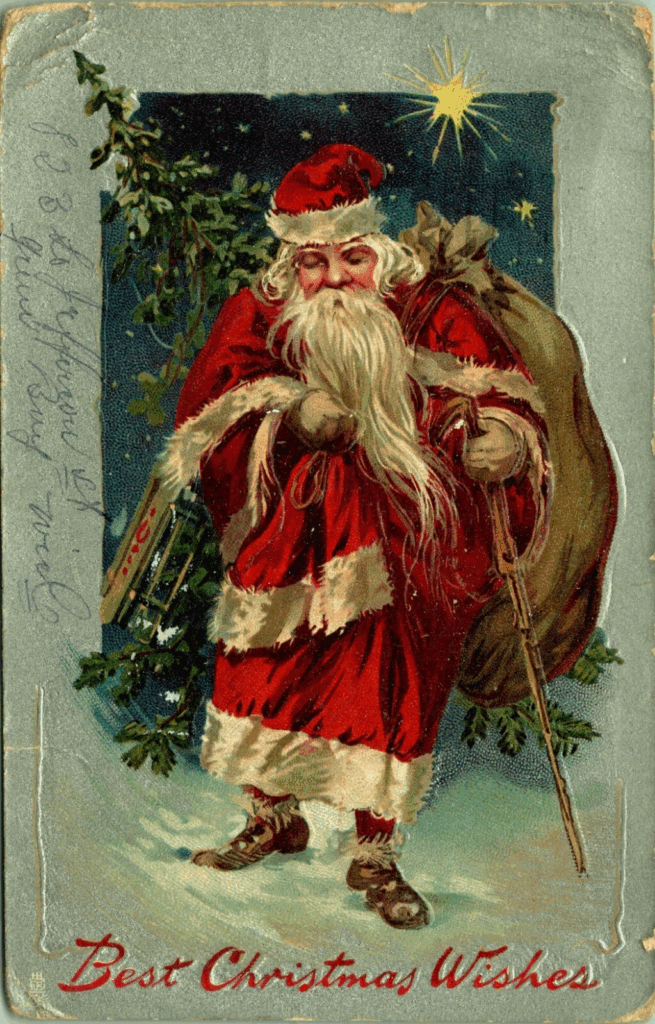
This early 1900s Santa postcard remains popular because it captures a classic holiday look. Raphael Tuck produced many Santa designs, yet this one, with a tree and toys, remains among the most collected. The artwork has a hand-painted quality that adds charm. Many people like how the card feels, both old-fashioned and familiar. Prices usually range from $10 to $20.
Collectors look for good embossing and original color. Some buyers prefer cards with postal marks because they add historical interest. Clean cards with minimal edge wear sit at the top of the price range. Even slightly used copies remain popular due to the appealing scene. Exceptional examples may go past $20.
Norcross 1950s Flocked Christmas Cards In Box
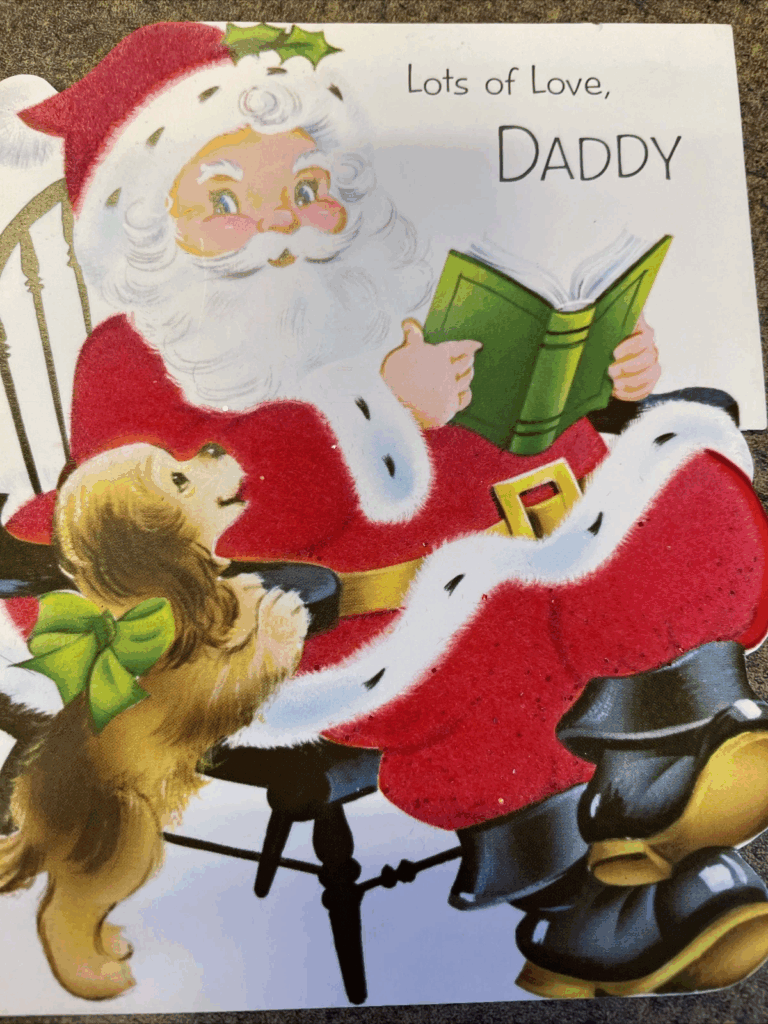
Norcross created flocked cards with textured surfaces that feel soft to the touch. A complete unused box from the 1950s has become very collectible today. Subjects include cats, children, bells, and candles. Single cards often sell for $5 to $15. Full boxes can reach about $90.
Collectors love the plush look of the flocked artwork. Cards must be stored carefully because flocking can attract dust. A sealed or nearly complete box tends to sell quickly. Bright lid graphics help the value as well. Boxes in excellent shape reach the higher end of the range.
Dennison Early 1900s Die Cut Santa Gift Card
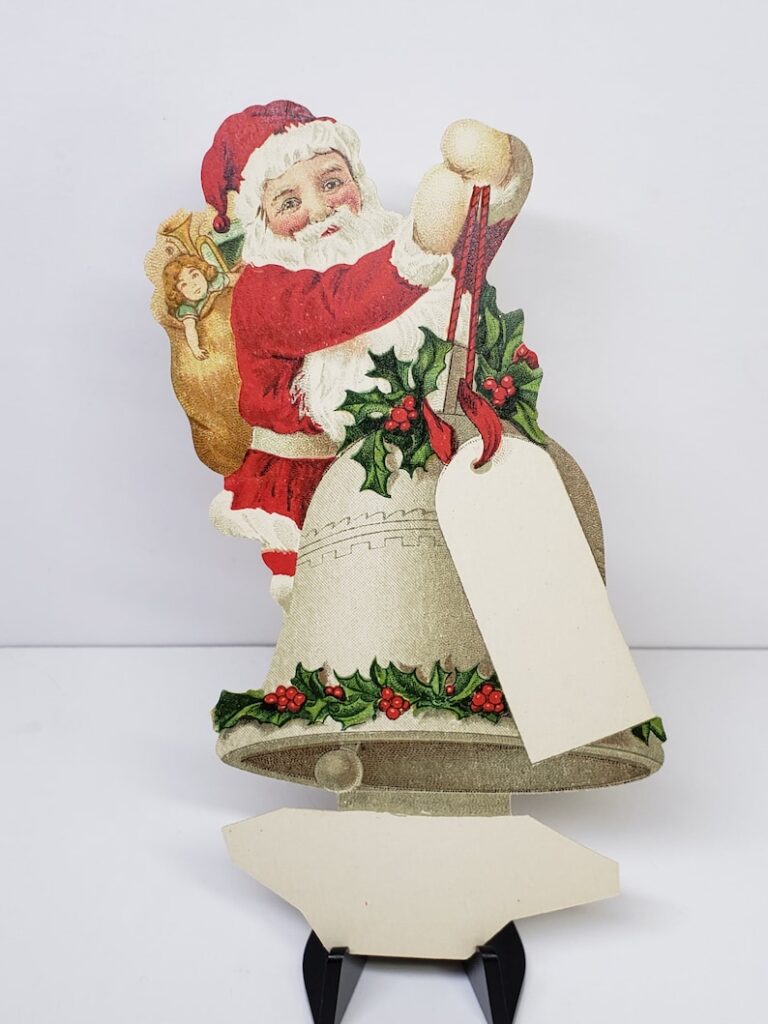
Dennison created many die cut holiday pieces, and this Santa gift card is one of the most collected. It dates to the 1910s or 1920s and follows the shape of the artwork rather than a simple rectangle. Many people enjoy the playful scene of Santa filling stockings. Prices typically fall between $15 and $30.
Collectors examine edges carefully because the thin paper can crease easily. Cards with bright color and no mounting marks draw the strongest interest. Many people place these cards alongside larger Dennison decorations. Because fewer survived, unused cards feel especially desirable.
Raphael Tuck Yellow Roses Christmas Greeting Postcard
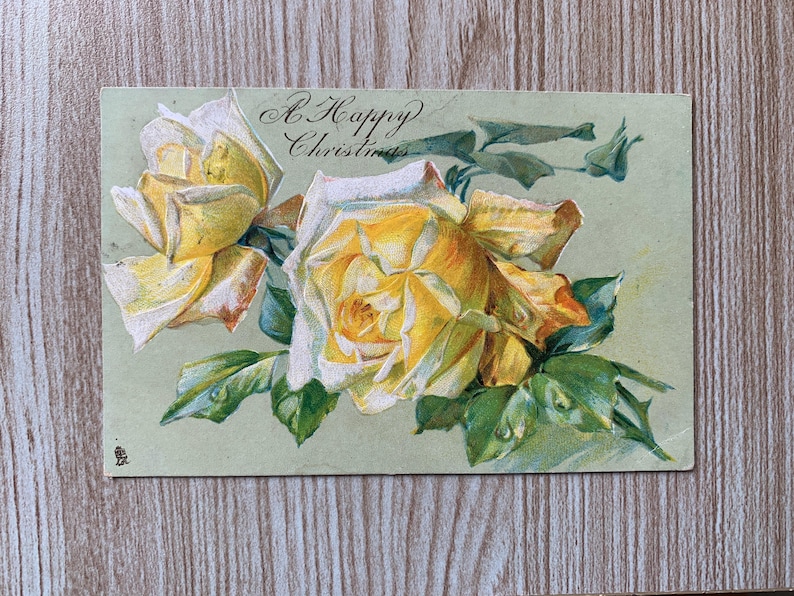
This floral postcard from around 1906 shows yellow roses paired with a seasonal greeting. It stands out because most early postcards used winter or Santa themes. The soft coloring and embossed petals make it visually appealing. Many collectors enjoy floral designs that work for both holiday and winter decor. Values usually sit between $8 and $15.
Buyers often search for strong embossing and clean borders. The gentle artwork fits well into themed displays that focus on nature or Victorian style graphics. Cards with minimal writing or no stains tend to draw more attention. Because floral Tuck cards age well, many still show bright color.
American Greetings Vintage Soft Touch Boxed Christmas Cards
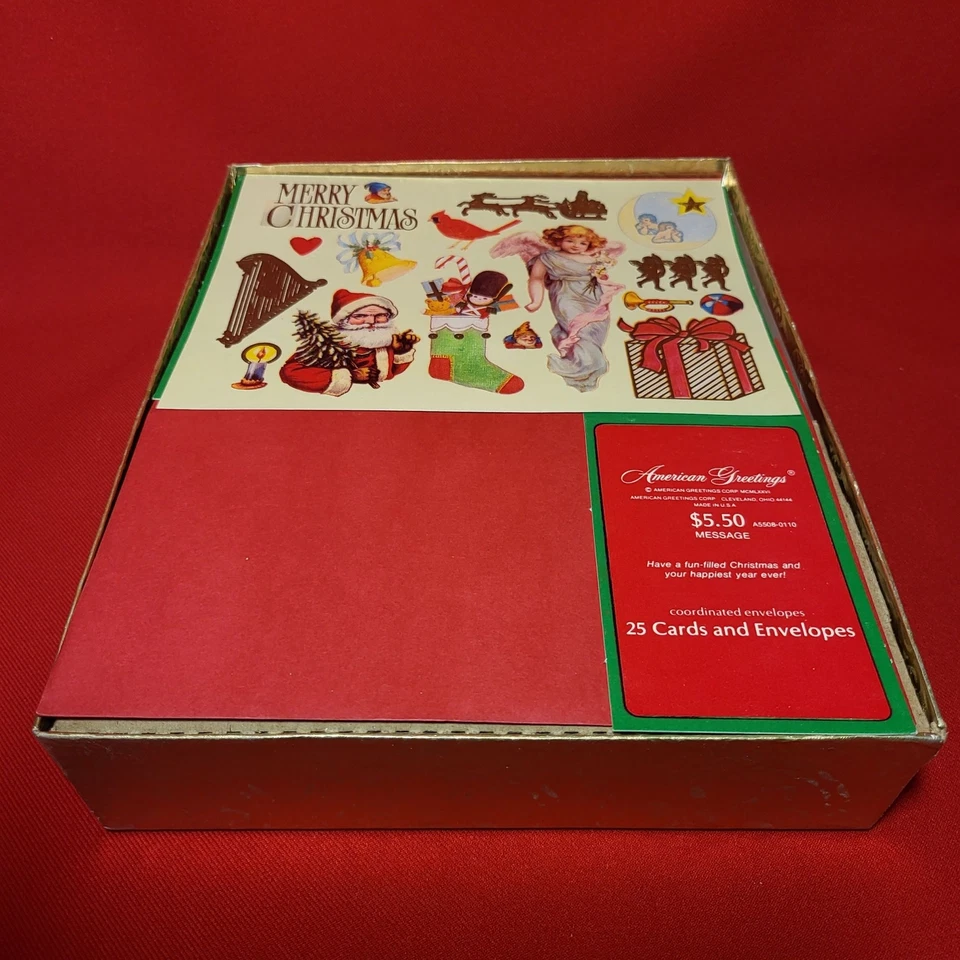
American Greetings offered boxed sets with a Soft Touch finish that many people enjoy collecting today. A sealed box from the late twentieth century often includes 25 cards with smooth matte artwork. These boxes feel nostalgic for anyone who remembers sending them during the holiday season. Most sealed sets sell for $20 to $30.
Collectors check corners, shrink wrap, and lid graphics for signs of wear. Many people display the box itself or use the cards for holiday mail. The larger card size gives plenty of room for artwork and a printed message. Clean boxes with minimal scuffing draw more attention. Well preserved sets often sell at the top end of the price range.
Coca-Cola 1990s Santa Christmas Cards And Envelopes
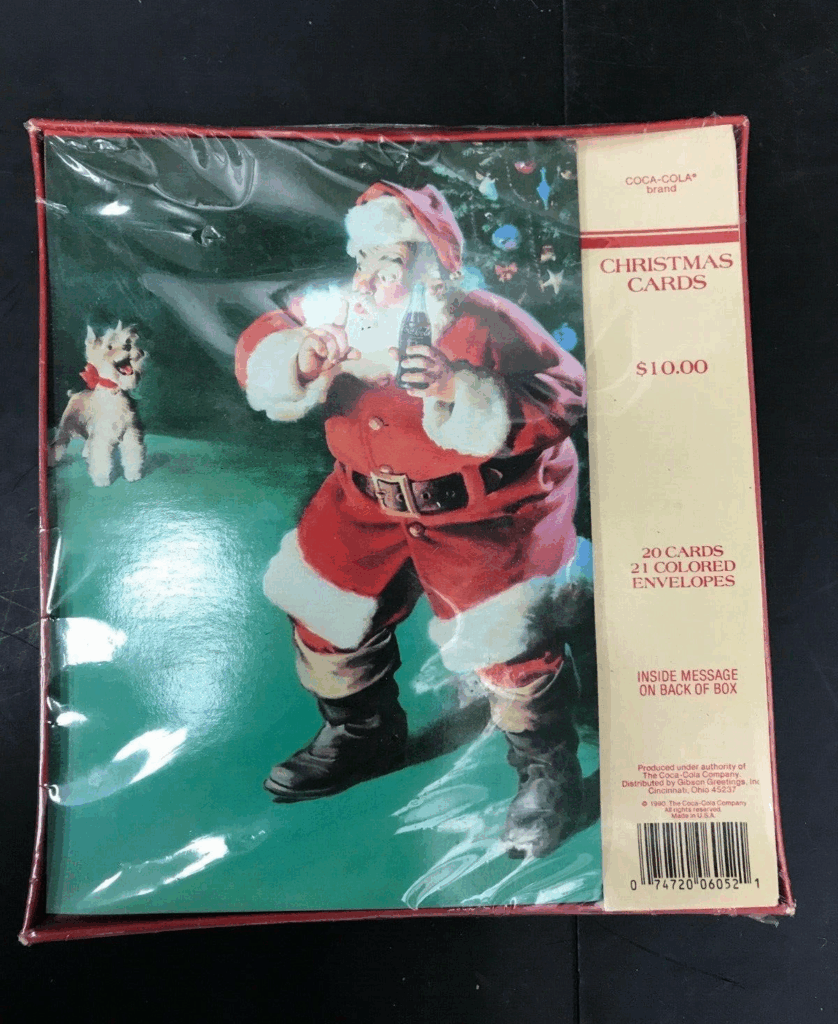
Coca Cola released boxed Santa cards in the 1990s featuring artwork inspired by classic company illustrations. A full pack of 32 cards remains popular with both postcard and Coca-Cola collectors. The scenes often show Santa enjoying a bottle of soda or delivering gifts. Values usually range from $10 to $20 for a sealed set.
Buyers check whether the box graphics remain bright. Many people display these cards with vintage Coca-Cola tins or holiday advertising prints. Cards from an opened box often sell in small groups rather than individually. Clean corners and bright color help maintain value.
This article originally appeared on Avocadu.