
12 Vintage Car Emblems Collectors Pay Premiums For
Car emblems serve as a badge of honor for many automotive brands, each one telling a story of innovation, luxury, or performance. For collectors, these emblems are treasured pieces of history that often come with hefty price tags. They can range from vintage badges of long-gone car manufacturers to those tied to iconic models. The rarity and significance of these emblems can make them worth far more than their size suggests.
This post may contain affiliate links, which helps keep this content free. Please read our disclosure for more info.
1934 Ford Greyhound Radiator Cap Emblem
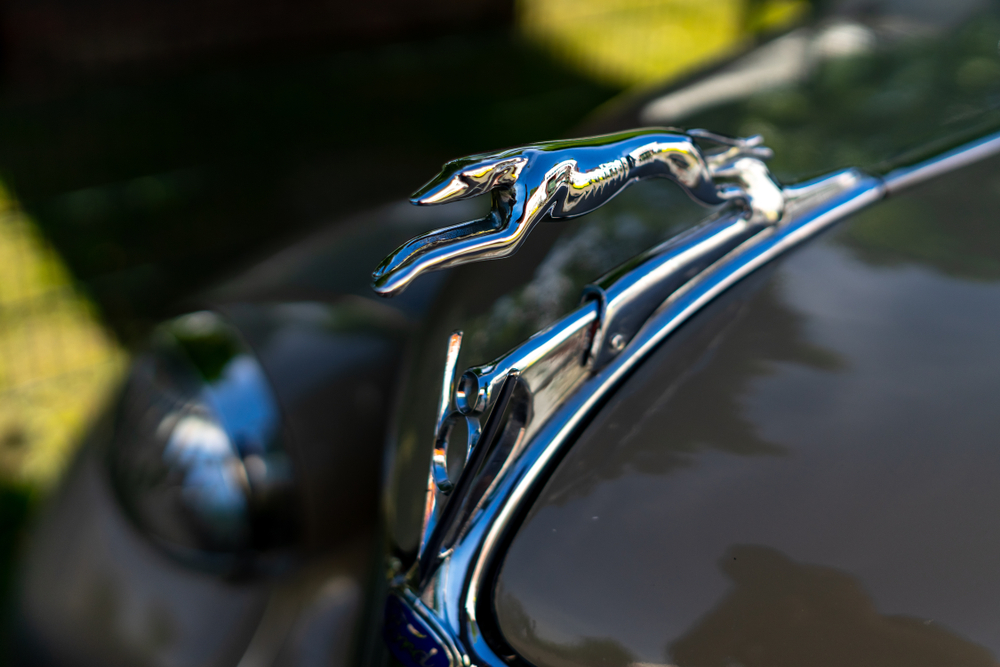
This emblem was introduced in 1934 as part of the Ford Greyhound model and was used as a radiator cap mascot. Its design features a sleek, Art Deco-inspired greyhound figure, symbolizing speed and modernity. Because of its rarity-most were discarded or damaged over time-examples in good condition can fetch between US$450-$650. The emblem’s historical significance, tied to Ford’s era of innovation, makes it a highly collectible piece. Collectors often look for original examples with minimal rust or corrosion, making it a valuable addition to any vintage Ford collection.
To find one in good condition, make sure the chrome is intact and that the emblem is properly mounted. This piece of automotive history stands out as a symbol of Ford’s early branding efforts. It is also a reminder of the design trends during the 1930s when cars were seen as symbols of luxury and advancement.
1927-1931 Chevrolet Viking Hood Ornament or Badge
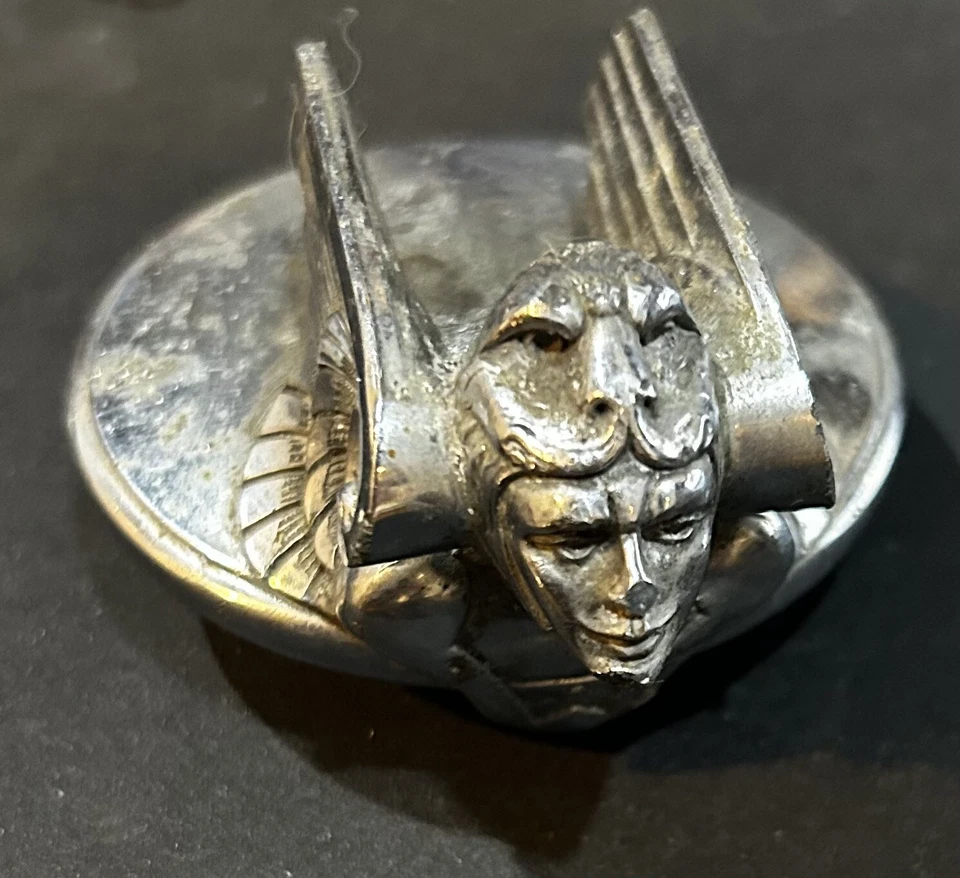
Introduced during the late 1920s and early 1930s, the Chevrolet Viking was a model that helped cement Chevrolet’s reputation in the automotive industry. The emblem featured a simple but striking design that showcased the brand’s identity. As many Viking models were scrapped, surviving badges or ornaments in decent condition are rare and valuable. These emblems can fetch between US$300-$500 at auction, depending on their condition.
Collectors often seek out these items for their connection to the early years of Chevrolet, a brand known for its reliability and design. The value of the Viking emblem lies in its rarity and the historical era it represents. For those restoring or collecting vintage Chevrolet models, this emblem holds both sentimental and financial value.
Early Pontiac Indian Chief Hood Ornament (circa 1940s)
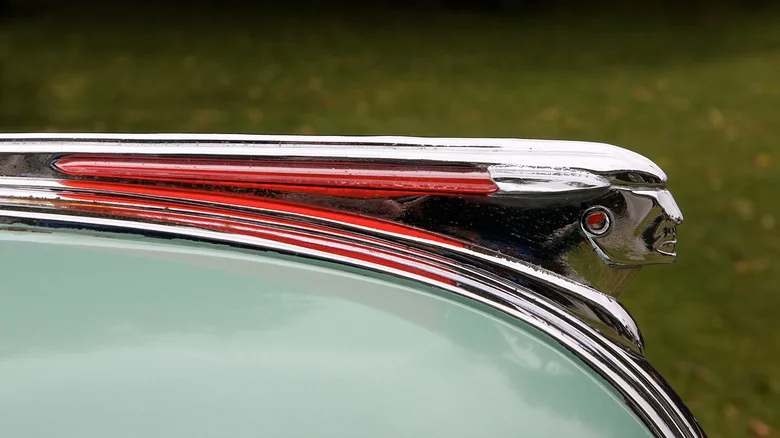
The Pontiac Indian Chief hood ornament, introduced in the 1940s, became a symbol of strength and ruggedness. Its design, a bold depiction of an Indian chief, reflected the era’s affinity for Americana and heritage. Because many of these ornaments were lost or damaged over the years, surviving pieces in good condition can sell for US$180-$300. Collectors who appreciate Pontiac’s early history highly prize this emblem.
The ornament’s detailed design and connection to Pontiac’s iconic branding make it a desirable piece for vintage car collectors. When in good shape, it serves as a striking reminder of mid-century automotive marketing. Its value is driven by its rarity and historical significance in the automotive world.
1953-1954 Nash Statesman Hood Ornament
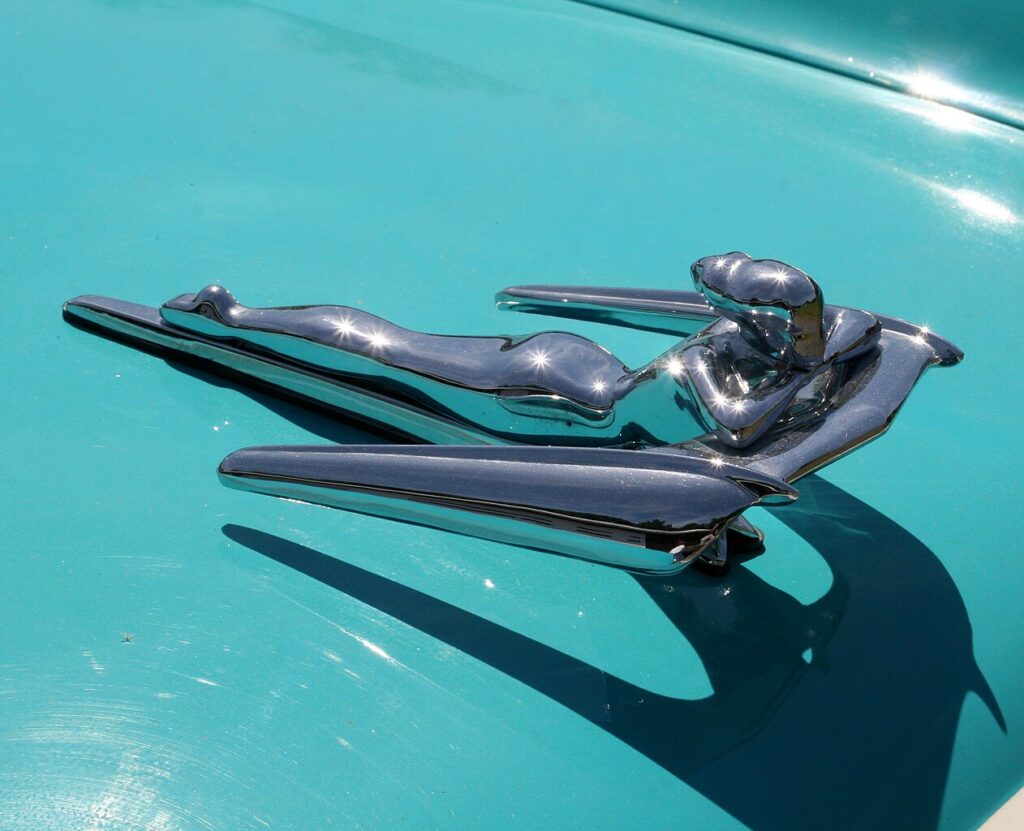
The 1953-54 Nash Statesman featured a hood ornament that symbolized the brand’s shift toward modern, clean designs. The ornament’s sleek lines and minimalist design reflect the post-war automotive design trends. Due to the low production numbers of the Nash Statesman and the tendency for ornaments to be damaged or discarded, surviving examples are rare and can sell for around US$400-$550.
Collectors value this ornament for both its design and its connection to Nash’s era of growth. The ornament, often made of chrome or stainless steel, still retains its visual impact despite the years. For anyone restoring a Nash Statesman or collecting mid-century automotive pieces, this ornament is an essential find.
Classic Chevrolet Corvette Emblem (circa 1950s)
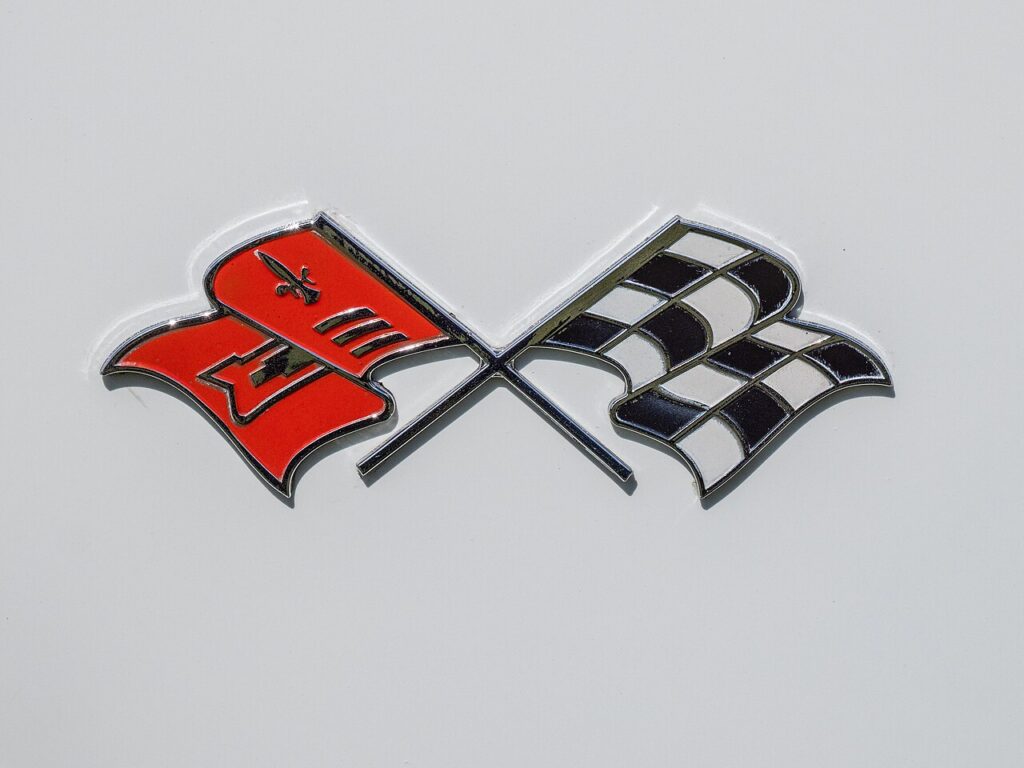
Introduced in the 1950s, the classic Chevrolet Corvette emblem became an iconic symbol of American sports car engineering. The emblem features crossed flags, which represent the Corvette’s dual identity as both a performance vehicle and an American classic. Due to the Corvette’s lasting popularity, original emblems in good condition can command prices around US$250-$400.
Collectors seek these emblems because of the Corvette’s longstanding legacy in the automotive world. The emblem serves as a tribute to the Corvette’s racing history and its place in American pop culture. It’s a must-have for enthusiasts of the classic Corvette or American muscle cars in general.
Early Mack Trucks Bulldog Hood Ornament (1930s-1950s)
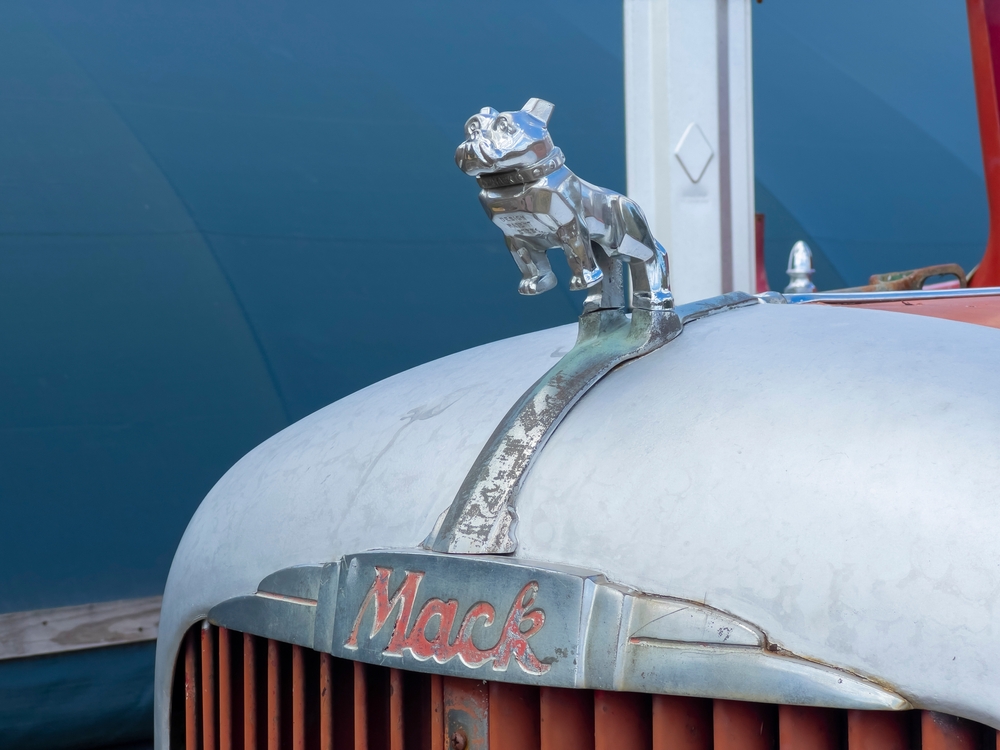
Mack Trucks, known for their durability and strength, featured the famous Bulldog mascot as a hood ornament from the 1930s to the 1950s. The design symbolizes toughness and reliability, and became synonymous with heavy-duty trucks. Original bulldog hood ornaments in good condition remain rare because many trucks have been scrapped or modified. They can fetch between US$150-$220 depending on condition and completeness.
Collectors of industrial memorabilia or vintage trucks often prize the Bulldog ornament for its symbolic value. The emblem’s design makes it a bold statement piece for any collection, evoking the rugged spirit of Mack Trucks. Owning one is a piece of automotive and industrial history that resonates with enthusiasts of American engineering.
1920s-1930s Cadillac or LaSalle Radiator Badge Emblem
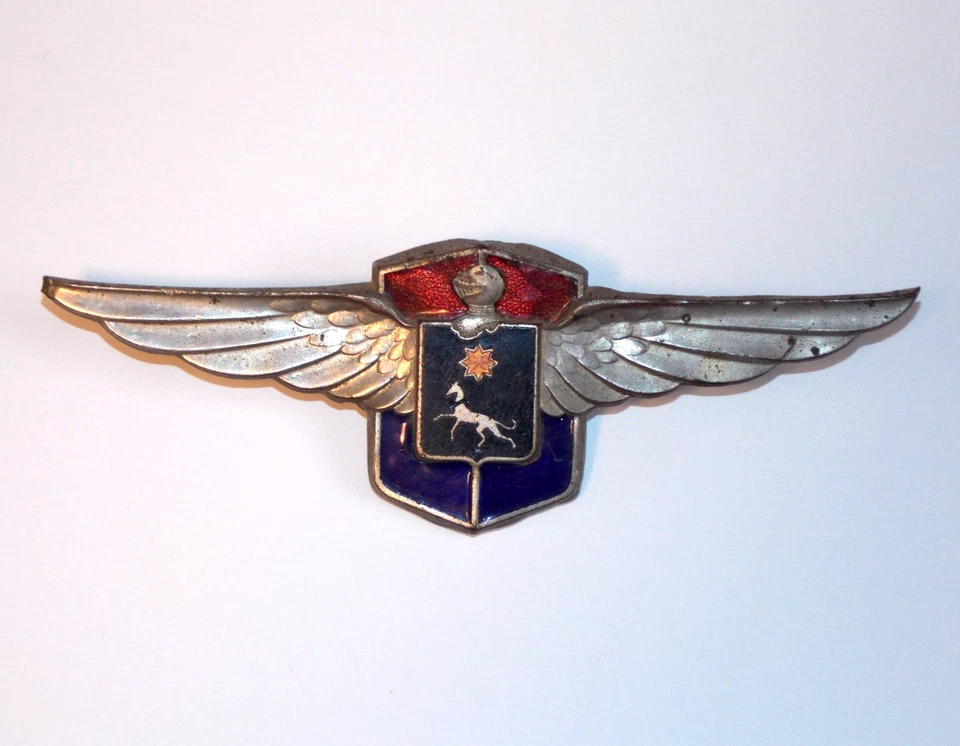
Cadillac and LaSalle, both luxury brands under the General Motors umbrella, featured beautiful radiator badges in the 1920s and 1930s. These badges often featured intricate enamel work, showcasing the opulence associated with Cadillac’s brand. Because of the quality craftsmanship and the luxury market appeal, original pieces can sell for US$125-$200.
These emblems are valued not just for their historical connection to one of America’s oldest car manufacturers but also for their understated design. For vintage car restorers, these badges are essential for authenticity. This emblem is an important piece for any collection that focuses on early American automotive history.
1950s Chevrolet Bel Air Hood Ornament (Chrome Jet or Plane Style)
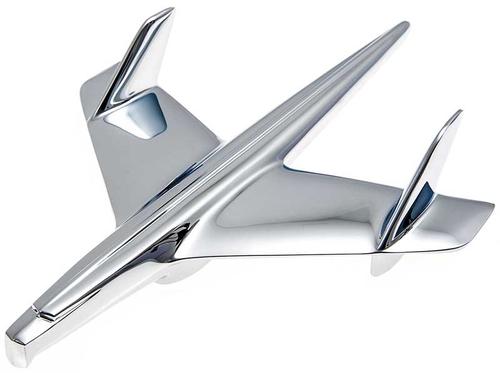
The Chevrolet Bel Air’s 1950s hood ornament, designed in the shape of a jet or plane, was part of the car’s appeal during the space age. The ornament reflected the era’s fascination with flight and futuristic designs. These ornaments can fetch prices ranging from US$200-$350, especially when they are in excellent condition.
The value of these ornaments is tied to their connection to the 1950s, an era of great optimism and innovation. They are highly collectible for fans of mid-century American cars, especially those with an interest in aerodynamics and design. This hood ornament is a perfect display piece for anyone restoring or collecting 1950s American vehicles.
1920s Dodge Brothers Radiator Badge Emblem
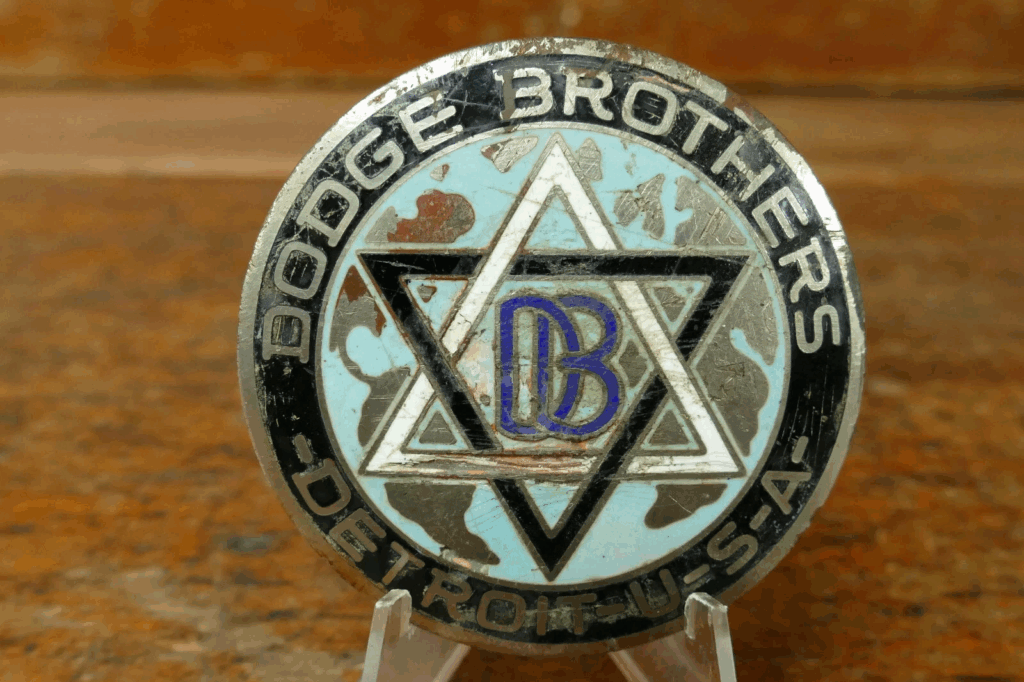
The Dodge Brothers emblem, introduced in the 1920s, was used on early Dodge vehicles and was known for its simplicity and boldness. The emblem often featured the Dodge brothers’ initials and was designed with clarity in mind, making it highly recognizable. For collectors, these emblems are highly valuable and can be worth between US$110-$150 in today’s market.
These emblems are valued not just for their historical connection to one of America’s oldest car manufacturers but also for their understated design. For vintage car restorers, these badges are essential for authenticity. This emblem is an important piece for any collection that focuses on early American automotive history.
1930s Packard Super Eight Hood Ornament
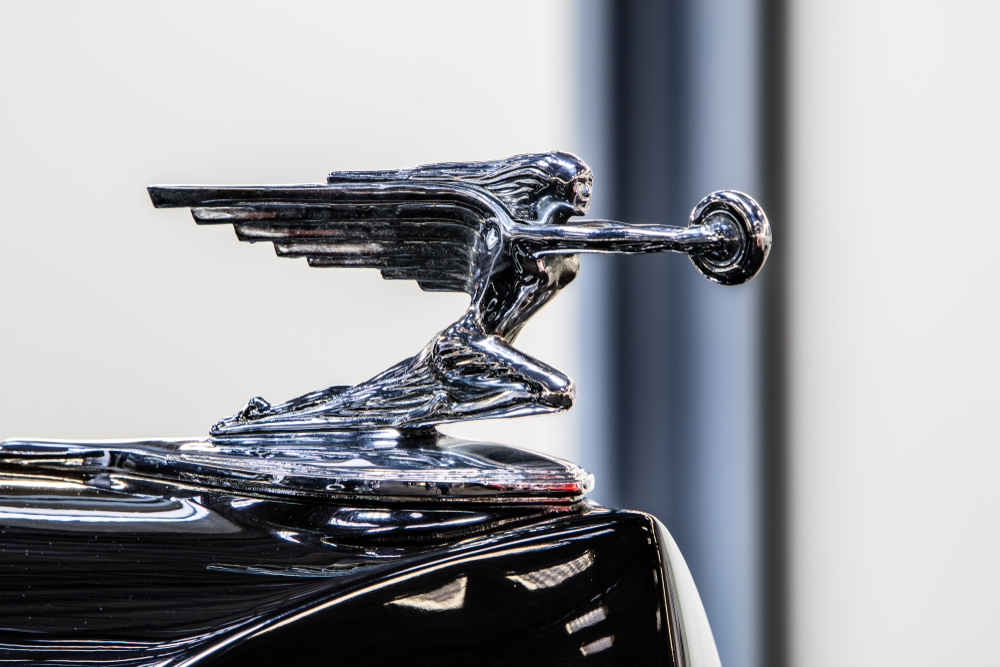
The Packard Super Eight featured a hood ornament that reflected the brand’s commitment to elegance and luxury in the 1930s. This ornament, often made of chrome, features sleek lines and a polished finish that symbolizes refinement. Good condition pieces from the 1930s can sell for US$300-$450.
Collectors appreciate this ornament for its design and historical significance, as Packard was a leader in luxury automotive engineering. It serves as a testament to the golden era of American luxury cars. Owning an original Packard ornament is a prestigious addition for any classic car collection.
1930s Lincoln Zephyr Hood Ornament
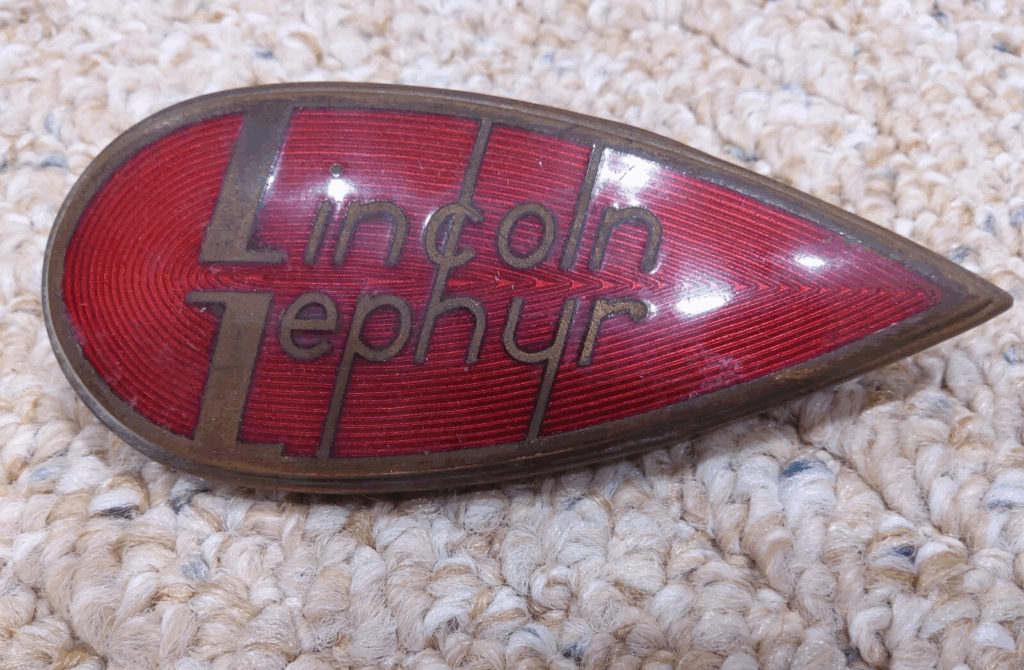
The Lincoln Zephyr, produced in the 1930s, used a hood ornament that captured the Art Deco movement’s influence on automotive design. Its sleek, streamlined form was a reflection of the aerodynamic principles of the time. These ornaments, when in good condition, are valued around US$250-$400.
Collectors who admire the Lincoln Zephyr’s design and craftsmanship often seek out these hood ornaments. They are considered a symbol of the luxury and refinement of 1930s automobiles. For anyone restoring a Lincoln Zephyr or collecting classic luxury car pieces, this ornament is a significant and desirable find.
1920s Buick Radiator Badge
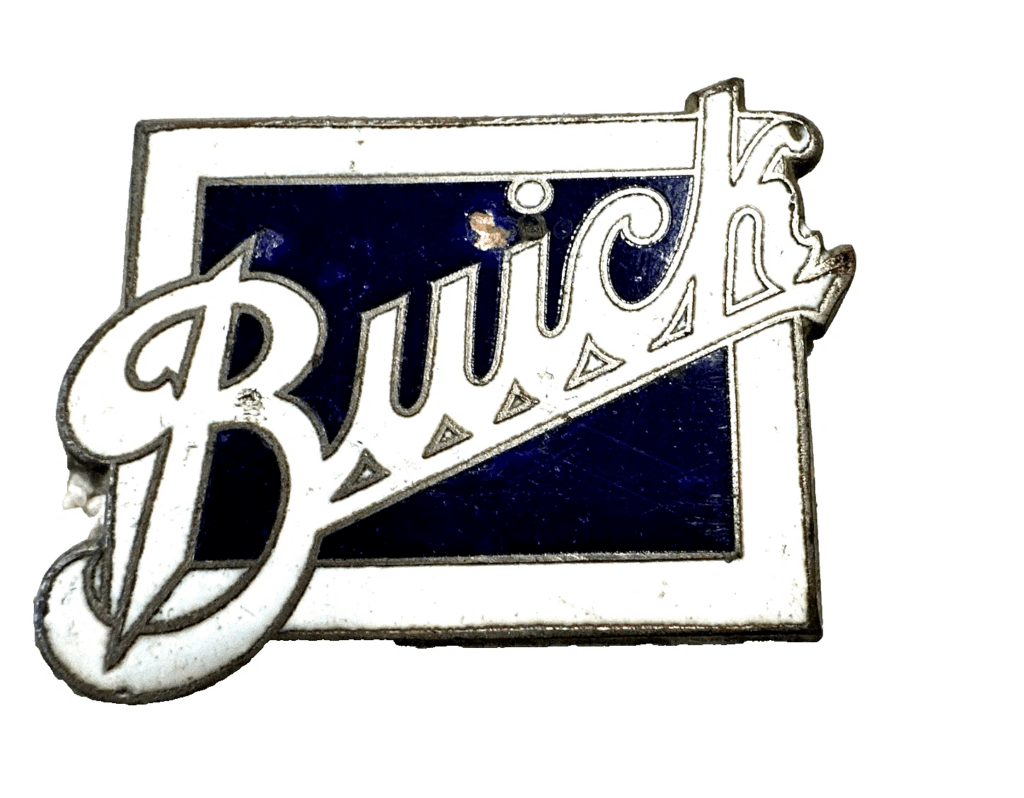
Buick’s radiator badge from the 1920s is a collectible item for fans of early American vehicles. These badges often featured a shield design and the word Buick in bold letters. Surviving examples of these badges can range from US$150-$200.
Collectors admire the clean and simple design of Buick’s early badges, which reflect the brand’s focus on quality and durability. For those restoring classic Buicks or collecting early American automotive items, this badge serves as a crucial piece of the puzzle. Its value is enhanced by the age and rarity of surviving pieces.
This article originally appeared on Avocadu.