
15 Vintage Cameras Collectors Buy for Display and Use
Vintage cameras have a way of pulling you in, even when they are just sitting quietly on a shelf. Chrome details, leather wraps, and chunky dials turn these old machines into little pieces of art that look great in a living room or office. At the same time, many of them still work well enough to load with film and take out for a slow walk on the weekend. The mix of display value and real shooting potential is what keeps collectors coming back to these classics. Some people enjoy the history behind each camera, while others simply like the mechanical feel and the sound of the shutter. Whether you love photography, design, or both, these vintage cameras can become favorite pieces that you reach for with a smile.
This post may contain affiliate links, which helps keep this content free. Please read our disclosure for more info.
Leica M3 Rangefinder
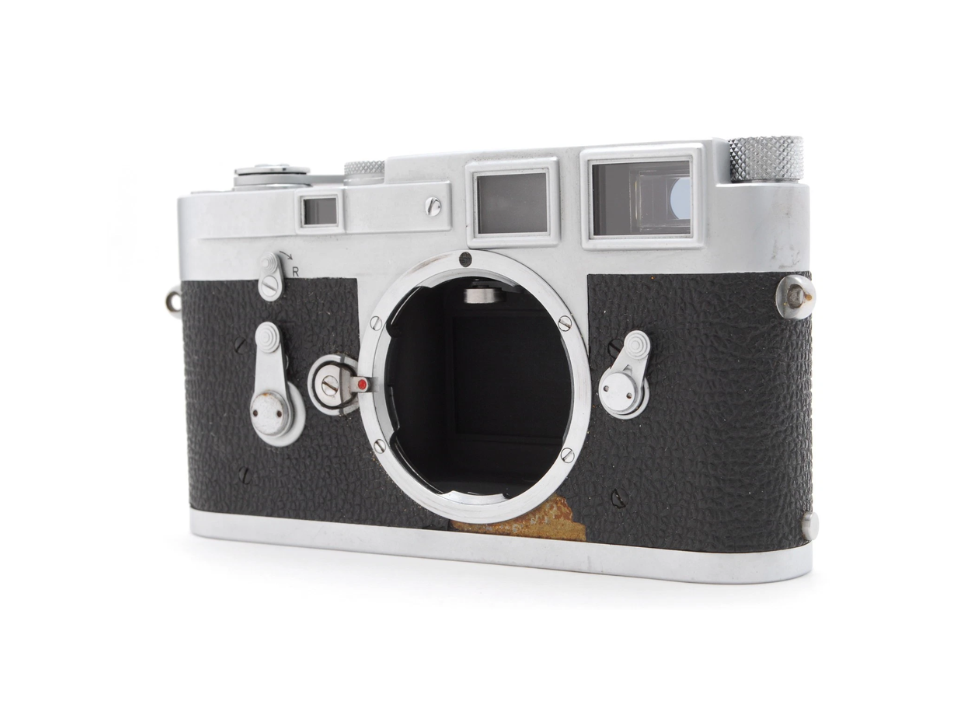
The Leica M3 has a clean, balanced shape that looks great on a shelf, with chrome and leather surfaces that give off a quiet, classic feel. Inside that elegant shell is a fully mechanical 35 millimeter rangefinder that many photographers still enjoy using, thanks to the smooth film advance and solid shutter sound. The viewfinder combines bright frame lines and clear focusing, which makes shooting feel surprisingly easy even though the body is decades old.
It uses Leica M mount lenses, so collectors can pair it with anything from a compact 35-millimeter lens to a fast 50-millimeter lens and still keep the outfit small enough for daily carry. Recent sales show bodies alone hovering in the four-figure range, with working double stroke or single stroke copies often listed between about $1100 and $1600 depending on condition.
Nikon F Photomic FTN
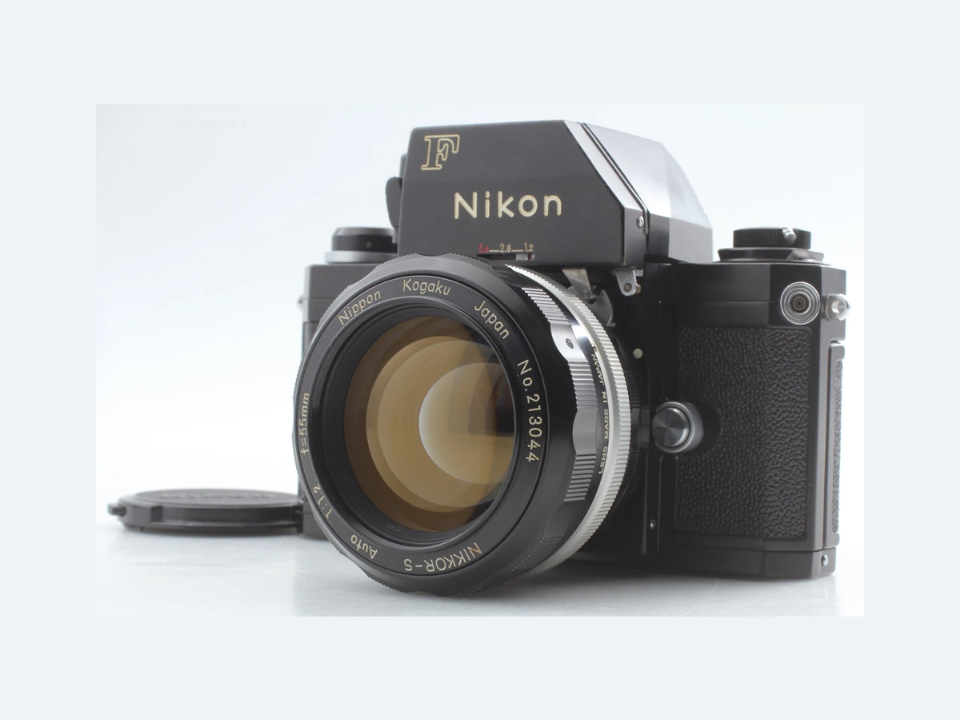
The Nikon F Photomic FTN looks purposeful right away, with its chunky prism finder and squared off lines that signal a serious system camera from the late nineteen sixties. This 35-millimeter SLR brought through the lens metering to working photographers, which helped cement its place in photojournalism history and made it a common sight at sporting events and political rallies in that era.
Collectors like that these cameras are tough and can stand up to casual use after a good service, so they often keep one as a working display on a desk. Price guides show body only examples in decent shape around $350 to $500, while kits with lenses and very clean cosmetic condition can run from about $600 up to $1200, with rare or mint sets pushing toward $2000.
Canon AE-1 Program
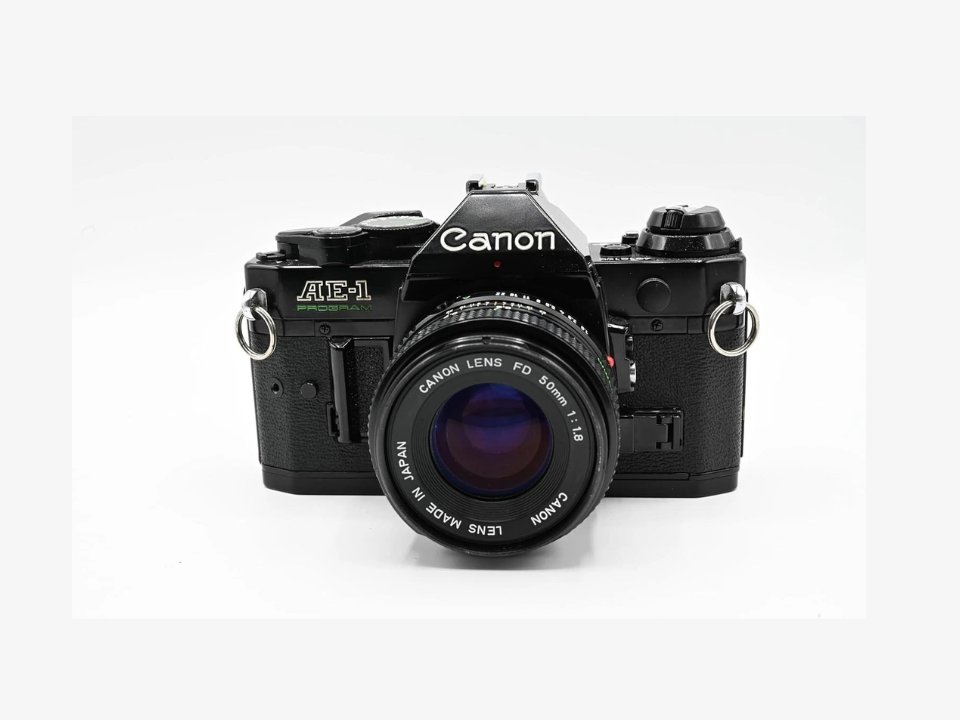
The Canon AE-1 Program has a design that feels familiar and friendly, with its compact body, black and silver finish, and simple top plate layout that looks right at home on a bookcase or media console. This 35-millimeter SLR from the early nineteen eighties offered automatic exposure modes alongside full manual control, which makes it approachable for beginners and still interesting for more experienced shooters.
The AE-1 Program also pairs nicely with classic Canon accessories like motor drives and flash units, which makes for a fun, period correct display kit. On the used market, complete camera and 50 millimeter lens combinations often sell in the ballpark of $200, with some going closer to $150 for more worn sets and near $300 for freshly serviced or lovely examples . That makes it one of the more reachable vintage cameras for someone who wants both looks and regular use.
Pentax K1000
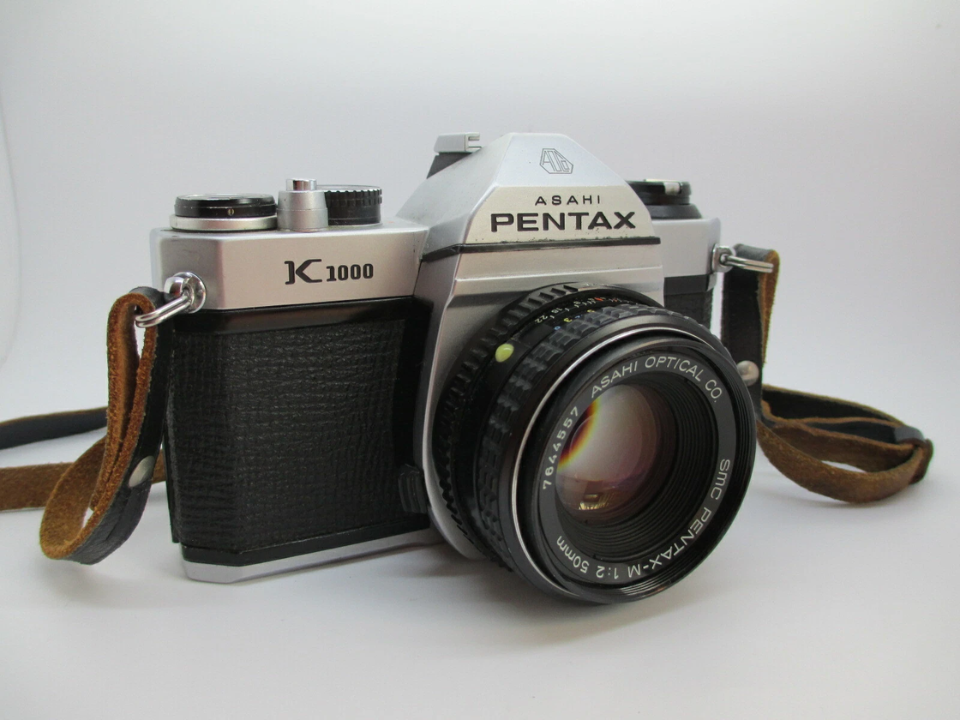
The Pentax K1000 has a straightforward, no nonsense look that appeals to collectors who like clean lines and clear controls. Many photography programs once used this 35 millimeter SLR as a student camera, so it built a reputation for being simple, mechanical, and reliable enough for class after class. On display, the K1000 looks especially nice with a Pentax 50-millimeter lens attached and a simple fabric strap, giving a quiet nod to darkrooms and school photo clubs.
In practical use, there are only a few key controls to learn, so you focus on shutter speed, aperture, and composition rather than scrolling through settings. The light meter uses a center weighted pattern and a simple needle in the viewfinder, which makes learning exposure feel natural. Recent listings show serviced bodies with lenses selling around $200 to $270.
Olympus OM-1
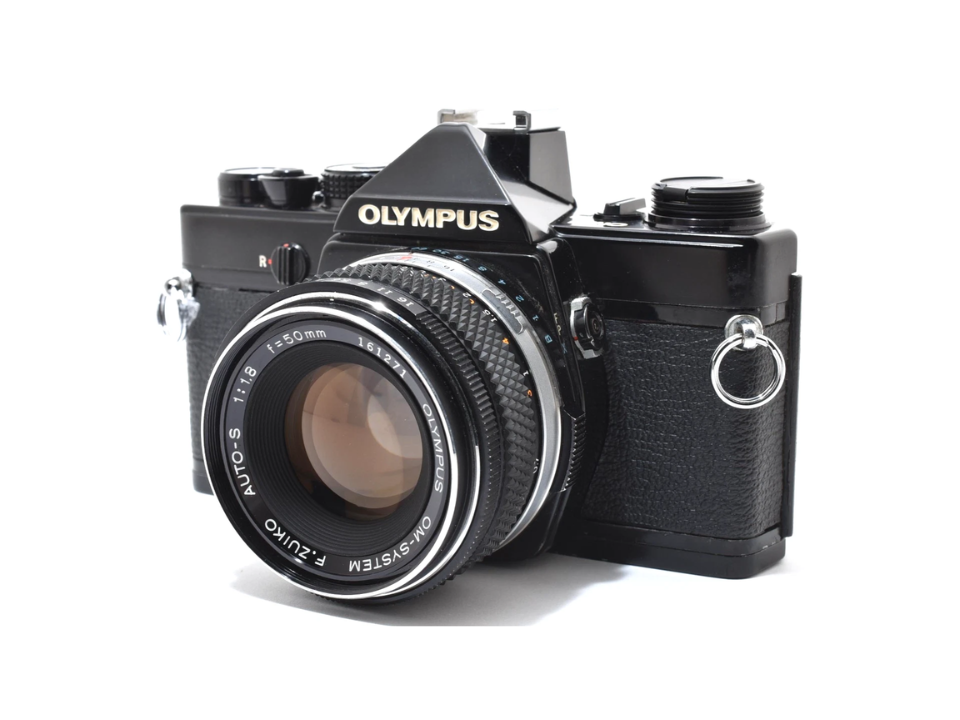
The Olympus OM-1 is a favorite for shelves and glass cabinets because of its compact size and rounded contours, which look especially nice in the silver and black finish. Unlike many larger 35-millimeter SLRs from its time, the OM-1 aimed to shrink the body and controls, which gives it a tidy presence in both display and field use.
Collectors enjoy pairing it with compact Zuiko lenses, which keep the whole kit small enough for travel while still making a strong visual statement on a shelf. Average recent used prices for the OM-1 and later OM-1n versions tend to sit around $180 to $210, based on tracked sales from 2023 and 2024.
Canonet QL17 GIII
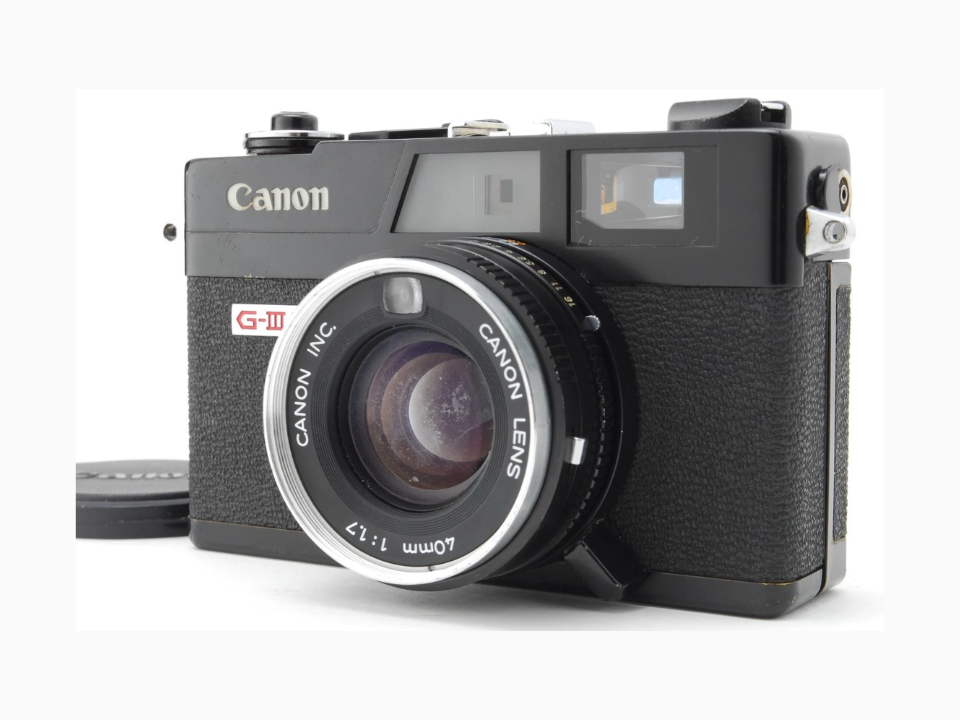
The Canonet QL17 GIII is a compact rangefinder that looks charming in almost any setting, with its small body, chrome edges, and black leatherette that give off a refined, mid-century mood. This camera houses a 40-millimeter f 1.7 lens, which is quite fast for a fixed lens compact and gives a pleasant rendering for portraits and night scenes. Its leaf shutter stays relatively quiet, which makes it a nice choice for casual street photography or family gatherings, even today.
Clear frame lines in the viewfinder and coupled rangefinder focusing make actual shooting relaxed once the meter has been checked. Current online listings often show working examples between about $150 and $200, with very clean or fully serviced copies reaching toward $250, while parts or untested bodies may fall closer to $80.
Minolta SRT-101
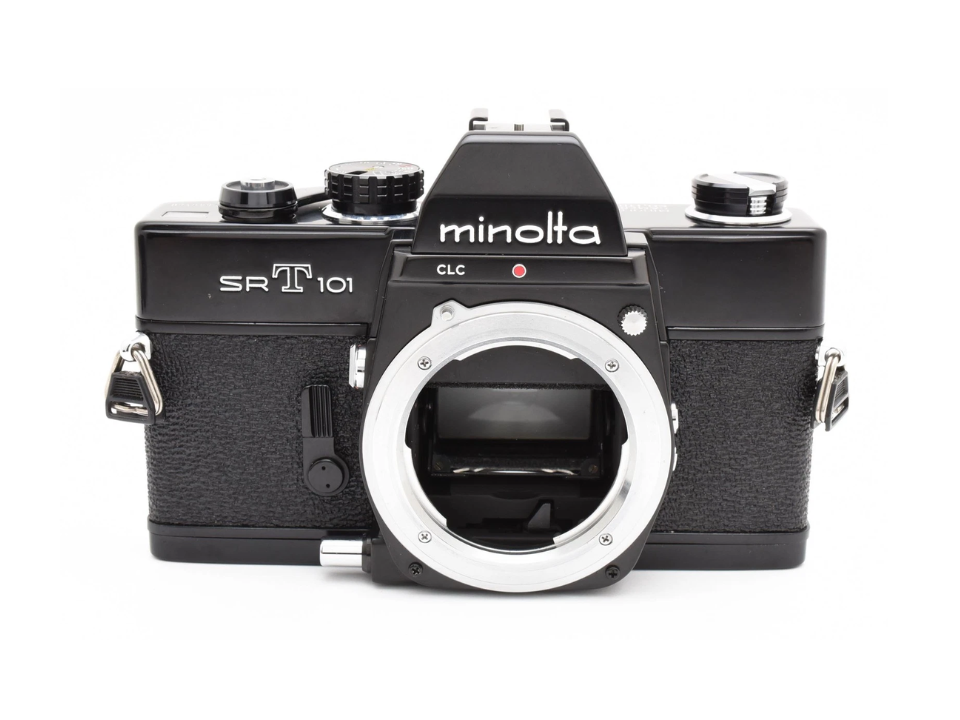
The Minolta SRT-101 brings a solid, all metal presence that looks right at home among vintage stereo receivers, telephones, and other mid-century pieces. This 35-millimeter SLR offers full manual control with a match needle meter in the viewfinder, so you learn exposure by watching the needle move as you change shutter speed and aperture.
Collectors like the depth of field preview and mirror lockup features, which give a hint of more advanced capability even though the camera itself is quite approachable. In the used market, the SRT-101 has a wide price spread, since many copies turn up in thrift stores and charity auctions while serviced examples show up through camera dealers. Reports from auction and charity sites show rough but usable sets sometimes starting under $25, while clean kits with a standard lens often sit in the $100 to $200 range.
Rolleiflex 2.8F Twin Lens Reflex
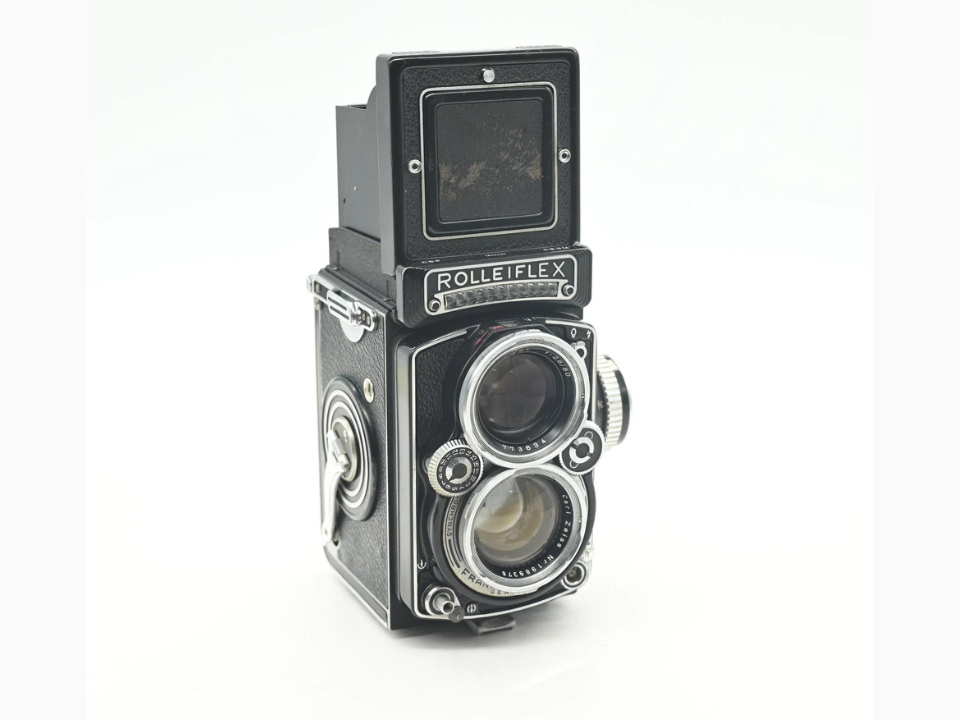
The Rolleiflex 2.8F is one of the most admired display cameras around, with its tall, boxy body, twin lenses, and polished controls that resemble a small mechanical sculpture. This medium format twin lens reflex uses 120 roll film and produces square negatives with a fine level of detail, thanks in large part to high quality lenses such as the Zeiss Planar 80-millimeter f 2.8.
Collectors enjoy that the Rolleiflex 2.8F can be a reliable user after service, providing smooth focusing and accurate shutter speeds for portraits, travel, or personal projects. Price data from auctions and guides shows a widespread, with worn examples under four figures but very clean copies in recent years reaching between about $1200 and $2200, and some exceptional sets going well past $3000.
Hasselblad 500C/M
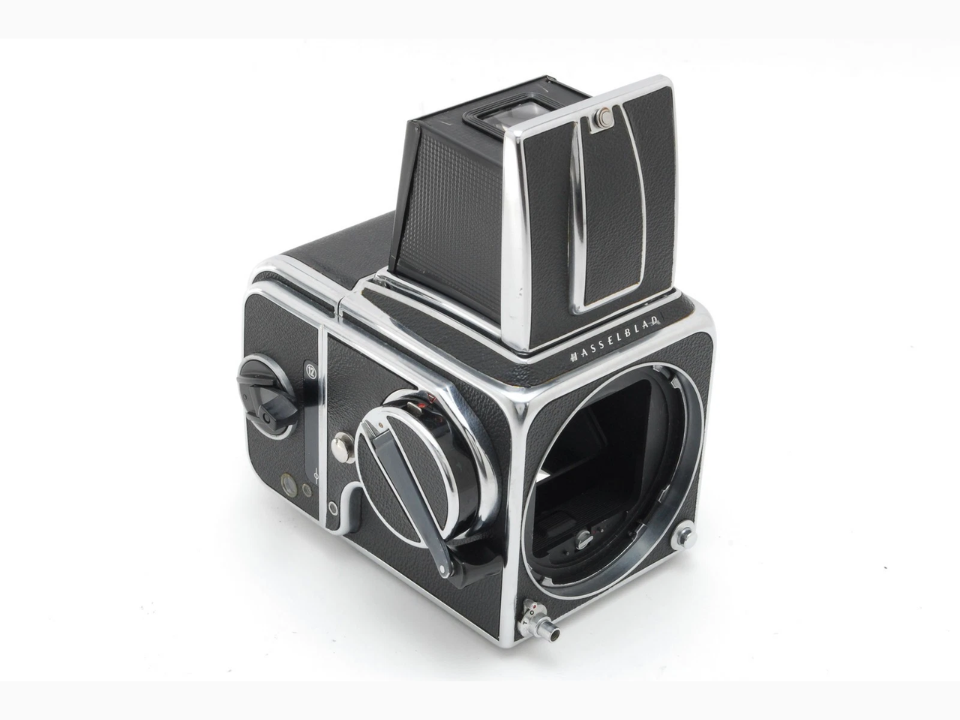
The Hasselblad 500C/M has a distinctive cubelike shape that looks almost architectural when it sits on a shelf with its waist level finder folded down. This medium format SLR takes 120 roll film and uses modular components, so you can swap film backs, viewfinders, and lenses to suit different types of work or to build an impressive display stack . Early versions of the 500 series went into space with NASA during the Mercury and later Apollo programs, which gives this camera a strong connection to some of the most famous photographs of our planet and the moon.
Collectors often choose an 80-millimeter Planar lens and an A12 back as a standard kit, then add a prism finder or extra backs to round out both display and shooting options. Current online listings show clean 500C/M bodies with backs in the $900 to $1300 range, while complete kits with an 80-millimeter lens frequently sell around $1500 to $2300, with mint or recently serviced sets advertised close to $2000 or more.
Polaroid SX-70 Instant Camera
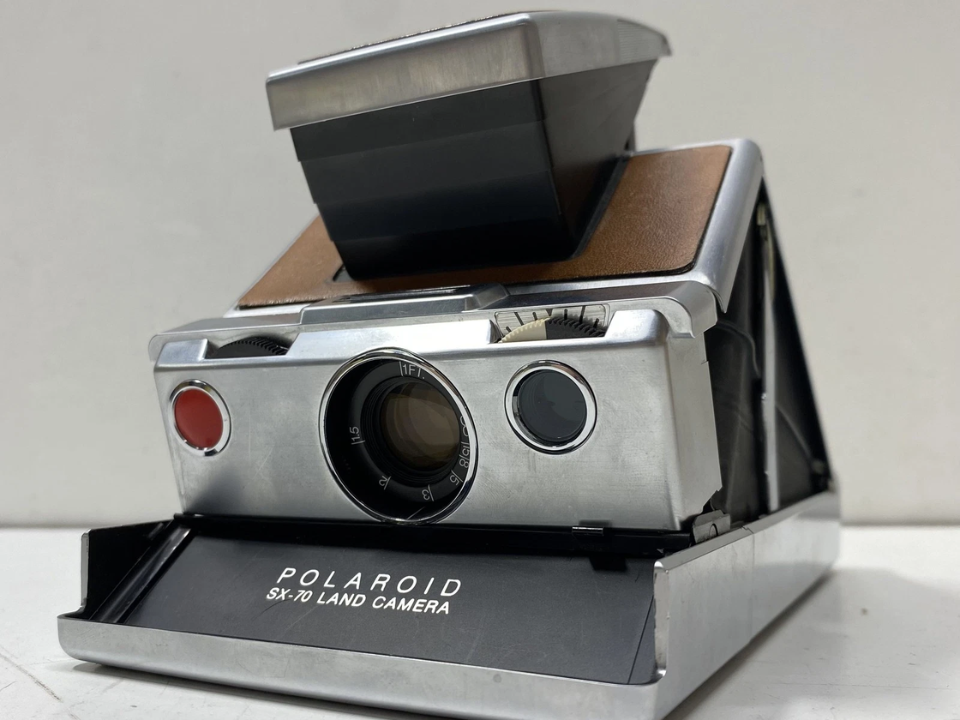
The Polaroid SX-70 stands out as a display piece because of its folding design, leather panels, and brushed metal surfaces that look more like a vintage gadget from a design museum than a simple camera. When folded, it sits flat on a shelf like a slim metal book, and when opened, it transforms into a low profile SLR that draws attention from anyone in the room . This camera was one of the first instant cameras to produce integral color prints that developed in front of the photographer, which made it a sensation in the nineteen seventies and still fascinates people today.
Collectors value it since modern instant film for SX-70 type cameras is still produced, so a display piece can join parties and gatherings for quick prints. Price guides and collector discussions mention a wide range, with untested or rough copies as low as around $100 and tested, working units commonly selling between about $180 and $250.
Nikon FM2
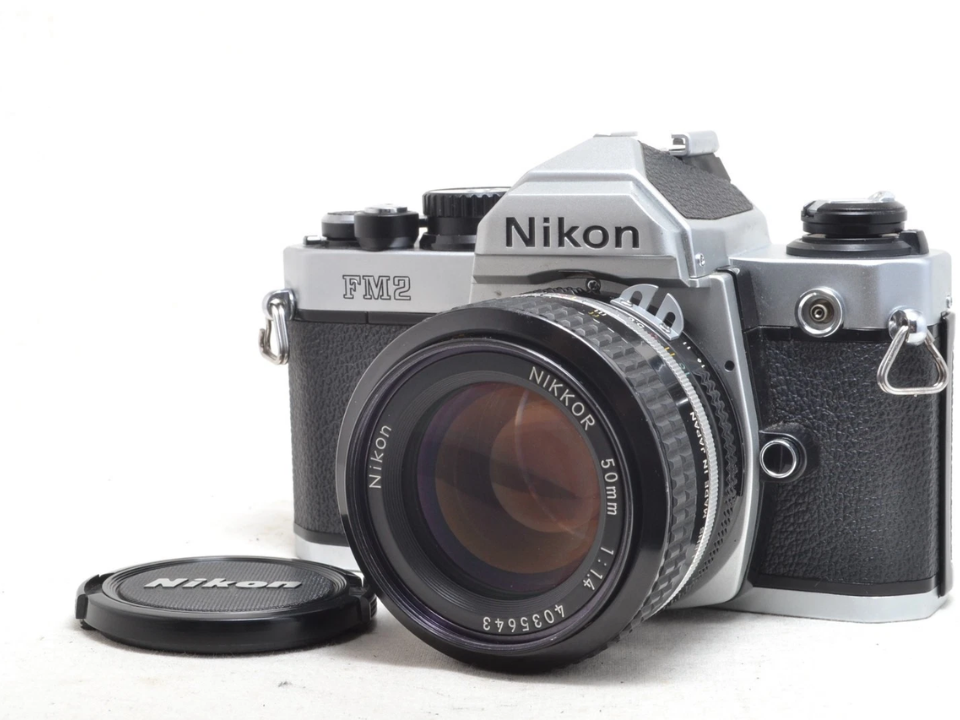
The Nikon FM2 appeals to collectors who want a classic 35-millimeter body that still feels dependable in regular use. This camera is fully mechanical, so the shutter keeps working even if the battery for the meter dies, which makes it a nice choice for long trips or simple walks around town. The body has a compact size with solid metal construction that looks handsome on a shelf and feels reassuring in hand during real shooting.
You can mount a wide range of Nikon F mount manual focus lenses, which gives plenty of creative flexibility for portraits, street scenes, or travel photos. The viewfinder is bright and clear enough for manual focusing without frustration for most people. Clean FM2 bodies with a 50-millimeter lens usually sell in a range from about $300 to $450 depending on condition.
Contax T2
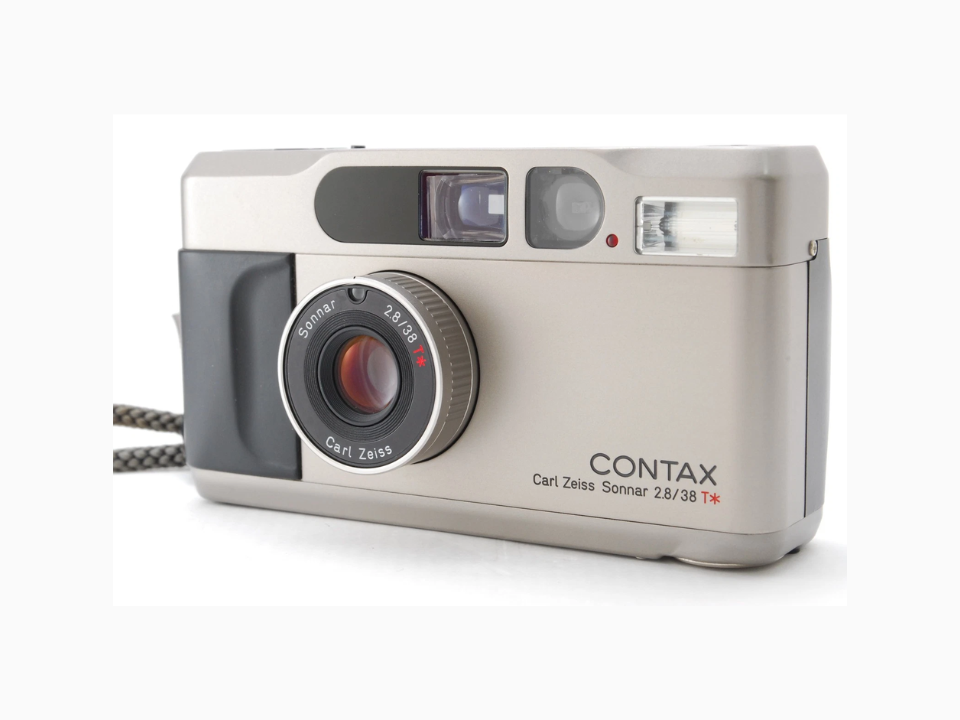
The Contax T2 is a compact titanium point and shoot camera that has turned into a status piece and a practical tool at the same time. Its Zeiss Sonnar 38 millimeter f 2 point 8 lens produces images with rich contrast and pleasing detail that look great in small prints and large enlargements. The camera fits into a coat pocket, yet it has a solid feel and a design that looks great on a display shelf or coffee table.
Autofocus and simple exposure controls make it easy for casual film users, while more experienced photographers enjoy having aperture priority on such a small body. This mix of style and capability, along with celebrity use, has pushed market interest to the point where prices rose dramatically over the last decade. On the used market, a working Contax T2 in good cosmetic shape commonly sells in the range of $900 to $1,400 with prices for very clean boxed examples going even higher.
Yashica Mat 124G
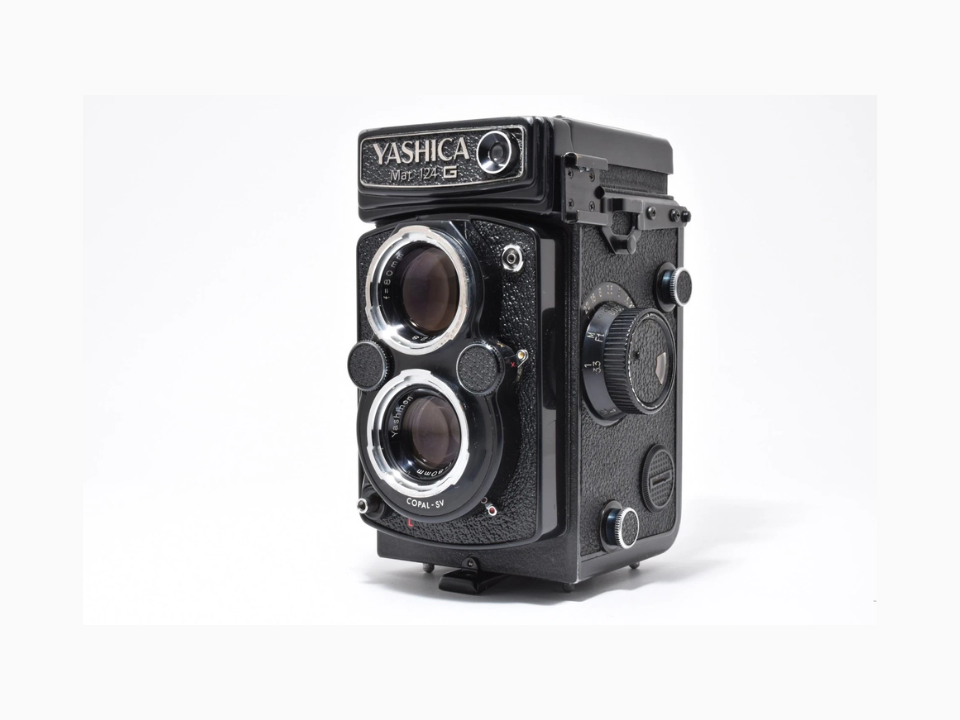
The Yashica Mat 124G attracts collectors who want the look of a twin lens reflex camera without paying Rolleiflex money. This medium format camera shoots six by six centimeter negatives and gives that square look that many film fans enjoy for portraits and scenes. The waist level finder encourages slower, more thoughtful composition and has a focusing screen that is bright enough for outdoor use in most situations.
The built-in light meter, when working, adds convenience for people who do not want to carry a handheld meter each time. Its black finish with gold accents stands out nicely on a shelf and signals that it was one of the later and more refined Yashica twin lens models. When maintained properly, the taking lens is capable of very pleasing detail and smooth background blur that suits portraits and still life work. Working 124G bodies usually fall in a price band of around $250 to $450 depending on cosmetic condition and whether a recent service has been done.
Leica IIIf
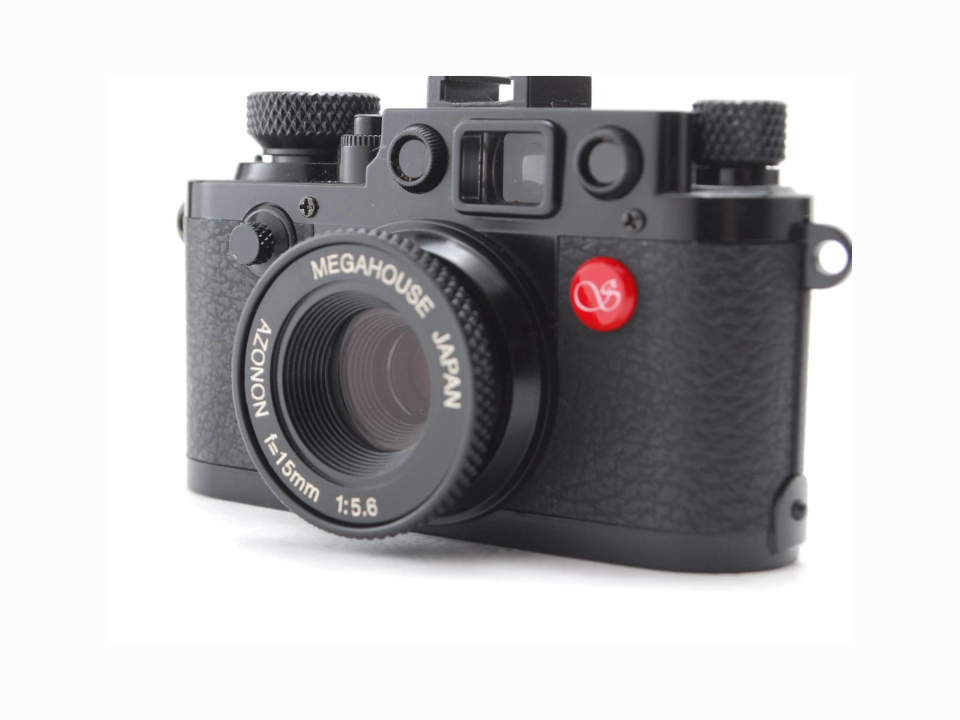
The Leica IIIf gives collectors a compact screw mount rangefinder that represents an important chapter in Leica history. Built in the early nineteen fifties, it has a small body with separate viewfinder and rangefinder windows that remind users of how photographers worked before the M series arrived. The camera often appears with a collapsible fifty-millimeter lens, which folds into the body and makes the whole package very small in a display cabinet or jacket pocket.
Shutter speeds extend to one over one thousand second, and the fully mechanical design keeps the camera usable long after its original sale date. Film loading is slower and more involved than on modern cameras, yet many users enjoy this ritual as part of the experience. The chrome finish and engraved top plate give it a classic look that suits vintage decor and photo themed shelves. Standard Leica IIIf bodies with a normal lens often sell in the neighborhood of $500 to $900, while rare military or special-order versions can climb far beyond that range.
Olympus Trip 35
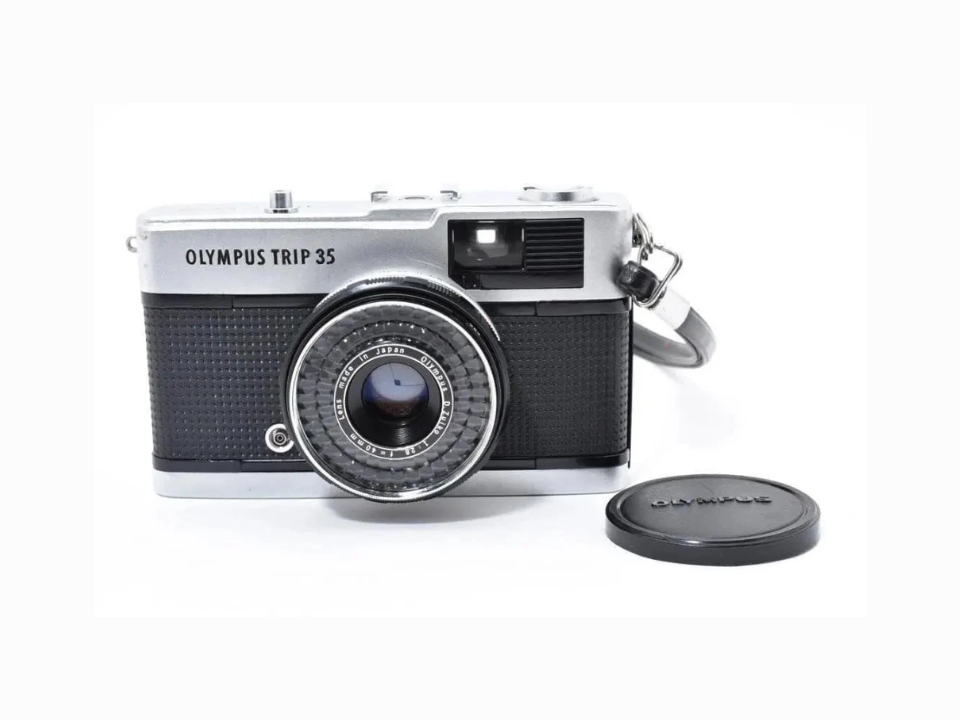
The Olympus Trip 35 is a small zone focus camera that became popular with travelers who wanted a simple camera they could throw in a bag. It uses a selenium cell around the lens for metering, which means there is no battery to worry about at all. The camera offers only two shutter speeds that it selects automatically, and the aperture adjusts based on the light, so users simply pick a focus distance and frame the scene. This simplicity has made it a favorite among people who want to shoot film casually without thinking through a long list of settings.
The Trip 35 also has a compact metal body with clean lines and a distinctive silver and black design that looks very nice on a shelf. When serviced, the Zuiko 40-millimeter lens delivers clear images with pleasant contrast and color, enough for family photos, travel shots, and street scenes. Refurbished and tested copies from specialist sellers often land in a range between $150 and $220, while unserviced examples found at flea markets and auction sites can cost less.
This article originally appeared on Avocadu.