
15 Video Games You Can Replay Without Getting Bored
Some games stay fun because there is always a new build to try, a different path to take, or a fresh way to play with friends. This list pulls together replayable favorites that can fit a quick session or a long weekend. If you want a game you can return to without it feeling stale, start here.
This post may contain affiliate links, which helps keep this content free. Please read our disclosure for more info.
Hades

Hades is built around fast runs that always feel a little different, thanks to changing rooms, shifting rewards, and a huge mix of weapons and powers. You can chase a powerful combo one run, then switch to a completely different style the next time. The story also keeps moving forward in small pieces, so a failed escape still feels like progress. Combat stays snappy, and the boss fights push you to learn patterns without feeling unfair.
If you like tinkering, the boons let you shape each attempt into a theme, like lightning chains or heavy knockback hits. There is also a steady stream of new dialogue, character moments, and surprises back at the House that makes returning feel worth it. Short runs make it easy to play in bursts, while longer sessions turn into one more try territory. Even after you win, higher challenge options keep the loop interesting.
Slay the Spire
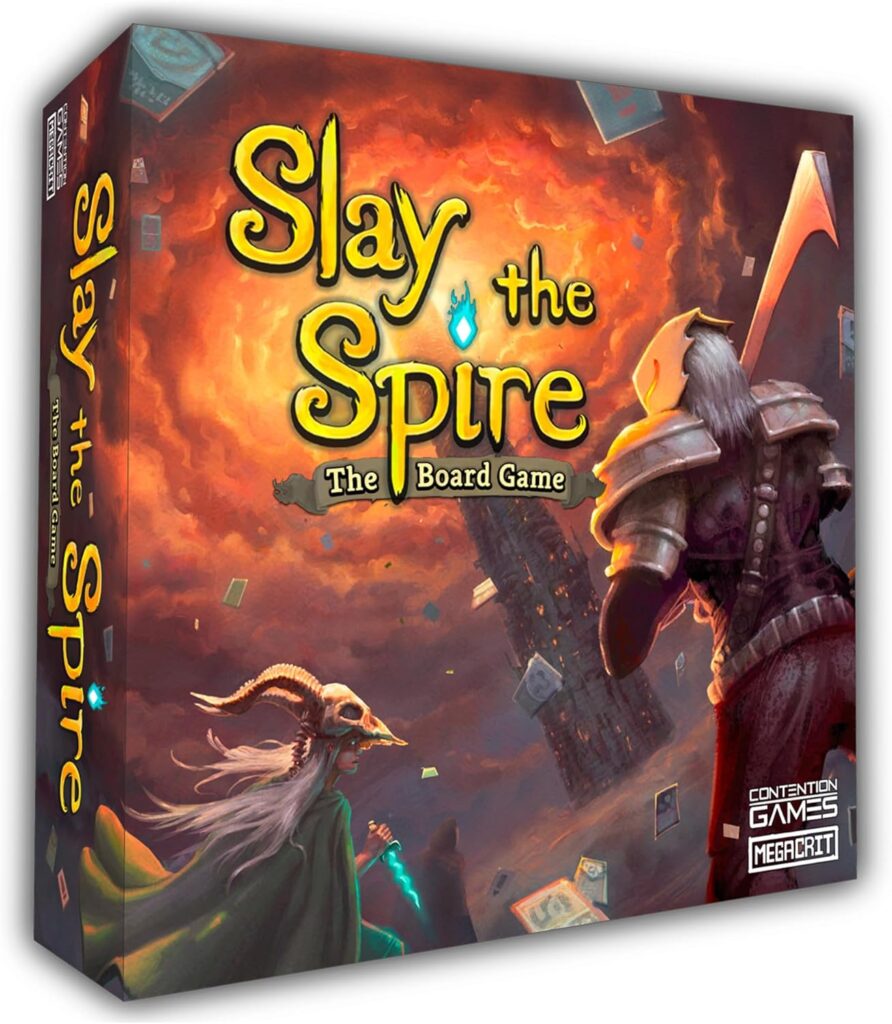
Slay the Spire stays replayable because every run is a puzzle made from random card choices, relics, and enemies. One deck might grow into a slow power engine, while another wins with quick damage and tight turns. You are always deciding what to skip, which matters as much as what you take. Small choices early can snowball into a totally different endgame.
Each character plays in a distinct way, so switching heroes changes the whole feel of the run. You can also set personal goals, like building around poison, or trying to win with a strange card you usually ignore. Losses teach you something without wasting your time, since runs are clean and focused. It is the kind of game that makes you say, I can do better next time.
The Binding of Isaac Rebirth
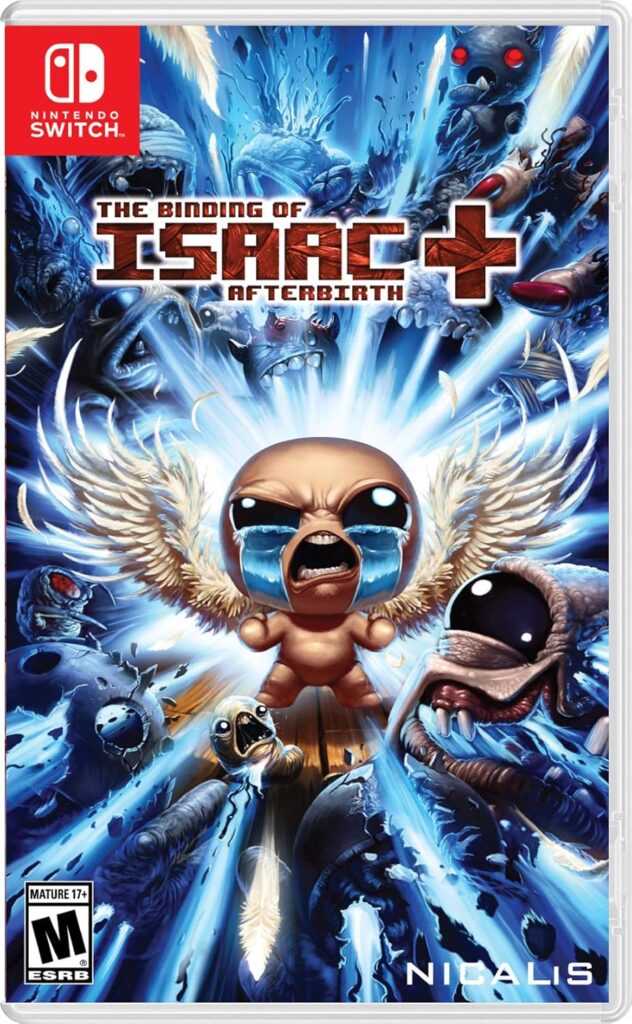
The Binding of Isaac Rebirth is chaotic in the best way, with item combinations that can turn a weak start into something wild. Rooms, enemies, and rewards shift every run, so you never play the same route twice. It is also full of secrets, hidden characters, and strange unlocks that keep you chasing one more attempt. Even simple runs can flip into total madness with the right items.
Part of the fun is learning what everything does, then reacting when the game hands you a strange mix. Sometimes you become an unstoppable beam of damage, and other times you scrape by with clever movement and timing. There is a weird humor to it all, and the risk of a bad pick makes the good runs feel earned. If you like surprises, this one stays fresh for a long time.
Dead Cells
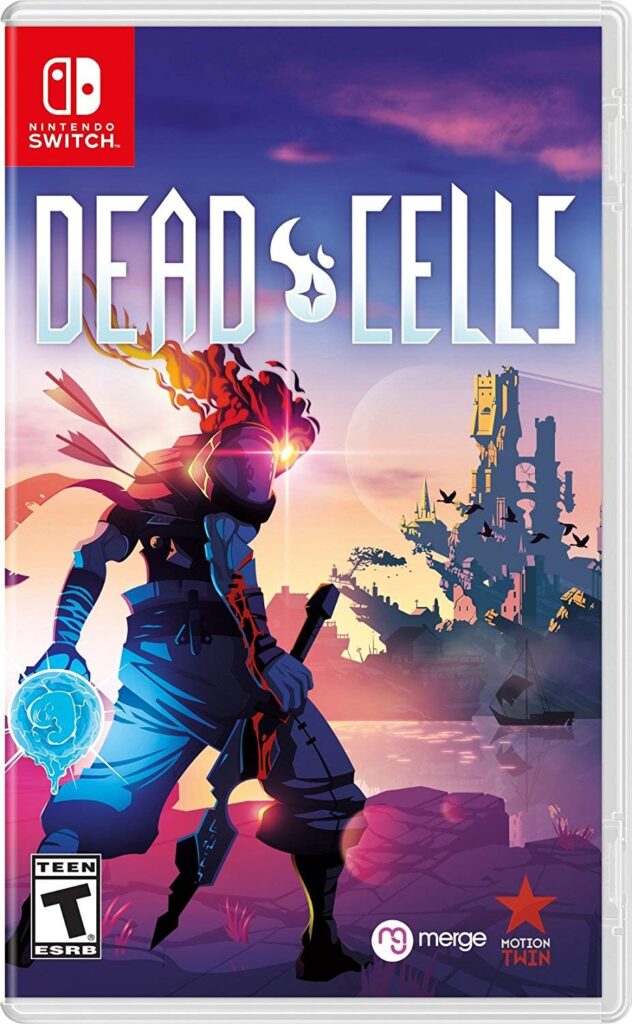
Dead Cells has a smooth, fast feel that makes each run satisfying even when you do not go far. The levels remix, the weapons change, and your choices about routes and gear shape your whole run. It rewards skill, but it also rewards experimentation, since a new weapon can push you into a different rhythm. When you find a loadout that clicks, the game feels like it was made for your hands.
As you improve, you unlock more options, which makes the pool of builds deeper instead of staying the same. You can play carefully with traps and ranged tools, or rush in with quick blades and big risk. The movement alone is fun, and the fights have a clear sense of timing and flow. Higher difficulty settings add new twists that keep the challenge from going flat.
Spelunky 2
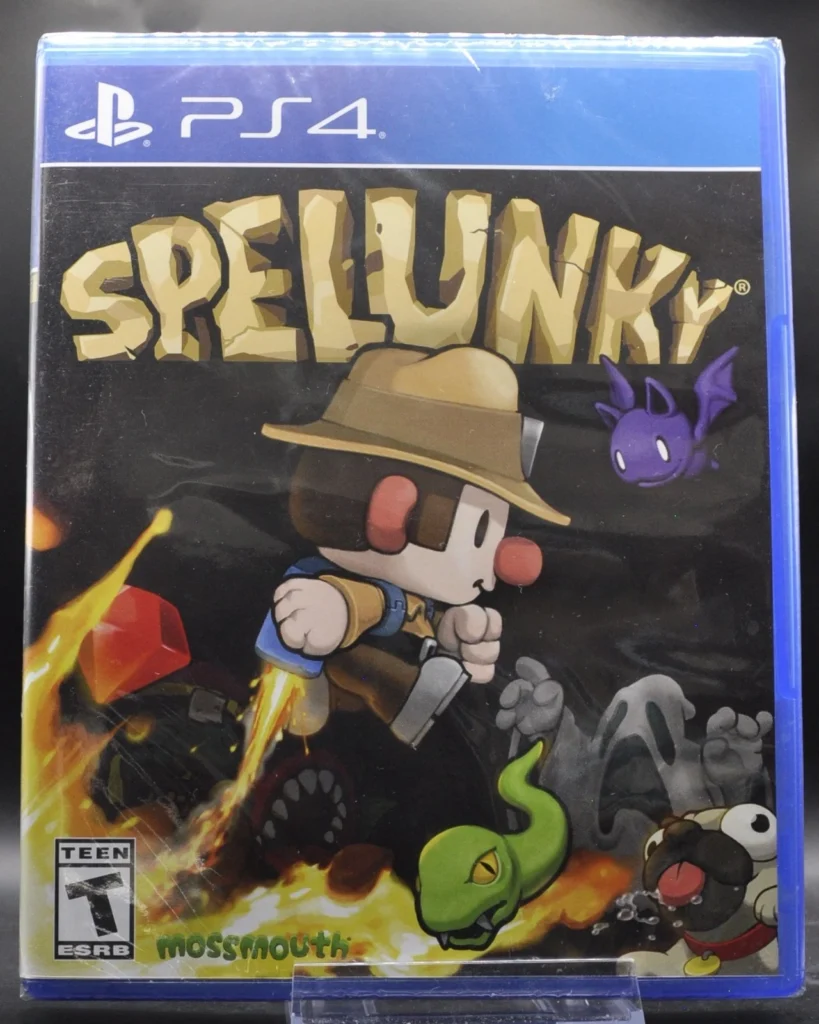
Spelunky 2 is the kind of game where a run can go from calm to chaos in seconds. Levels are random, traps are everywhere, and your mistakes can start a chain reaction that feels both funny and painful. You learn by doing, and every loss teaches you a tiny lesson about timing, greed, or patience. That learning loop is a big reason people keep coming back.
No two runs feel alike because the world can hand you different tools, shops, pets, and surprises. Sometimes you play like a careful explorer, and other times you play like a reckless treasure hunter. It is also great for short sessions, since you can jump in, fail fast, and immediately want another try. When you finally survive something that used to crush you, it feels huge.
Stardew Valley
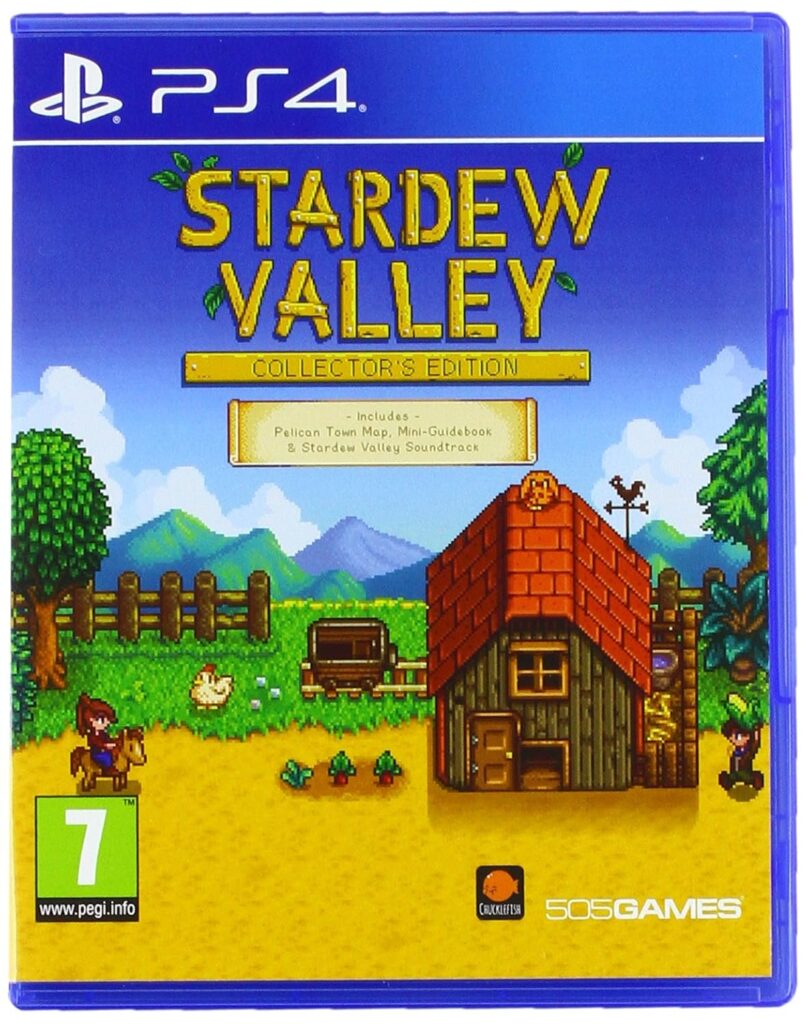
Stardew Valley stays replayable because it lets you set your own pace and priorities. One playthrough might focus on farming and animals, while another leans into fishing, mining, or building relationships. The seasons shape your routine, so there is always a new crop to plan for and a new festival to enjoy. It is relaxed, but it still gives you plenty of goals to chase.
You can also change the feel of the game by picking a different farm layout or taking a different approach to money and upgrades. Some players like a tidy, organized farm, while others build a messy, charming place that grows over time. Co-op adds another layer, since shared projects and daily plans keep things lively. It is easy to return after a break because the world feels welcoming.
The Elder Scrolls V Skyrim
Skyrim is replayable because you can live a completely different life each time you start a new character. You might play a sneaky archer, a heavy armored warrior, or a mage who relies on spells and summons. The world is full of side quests, guild stories, and hidden caves, so wandering often turns into a whole evening. Even familiar roads can lead to something you missed the last time.
Mods and different roleplay choices can make a new run feel fresh, even if you know the main story beats. You can focus on crafting and homes, chase dragon fights, or just explore and pick up odd jobs across the map. The game is also good at letting you ignore the main quest for hours without punishment. It is comfort food gaming with plenty of room to experiment.
Fallout New Vegas
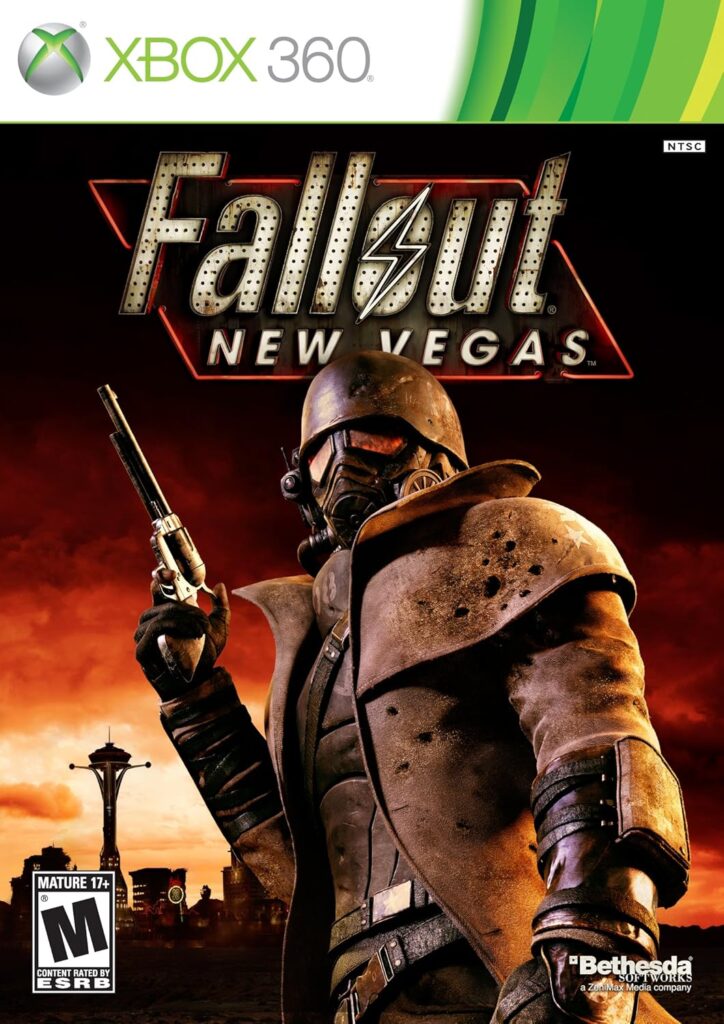
Fallout New Vegas stands out for replay value because your choices matter in clear, lasting ways. Different factions, different endings, and different play styles can change how the whole story unfolds. The writing is sharp, and the quests often give you multiple ways to solve problems, so you can talk your way through one run and fight your way through the next. Even small decisions can ripple out later.
You can also build your character in wildly different directions, from a smooth talker to a brutal melee brawler. The world has a strong mood, and the side stories are memorable enough to pull you back in. Mods can add even more content if you play on PC, but the base game already has plenty. If you like games that respect your choices, this one stays interesting.
Minecraft
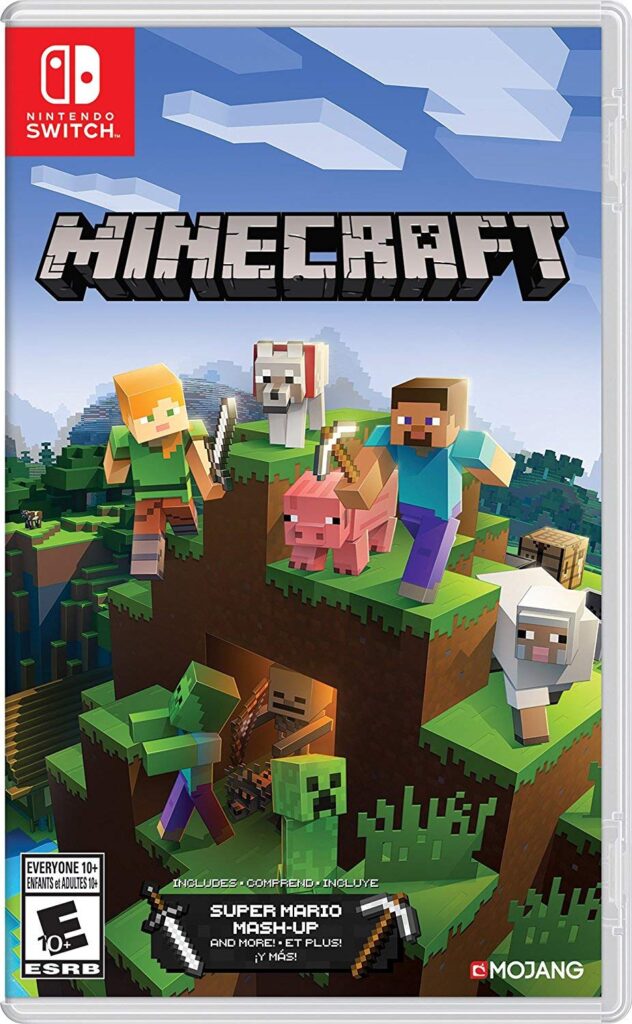
Minecraft keeps people coming back because it is basically a toolbox with endless goals. You can build a cozy base, create huge cities, go exploring for rare biomes, or fight your way into dangerous areas. Every world generates differently, so the terrain and resources shape what you do next. Even a simple idea like building a bridge can turn into a big project.
The game also has different modes and play styles that can change the whole experience. Survival feels like a steady climb from wooden tools to big builds, while creative mode lets you experiment without limits. Playing with friends adds another layer, since shared plans and silly detours keep things unpredictable. It is easy to replay because you can always start fresh with a new seed and a new idea.
Civilization VI
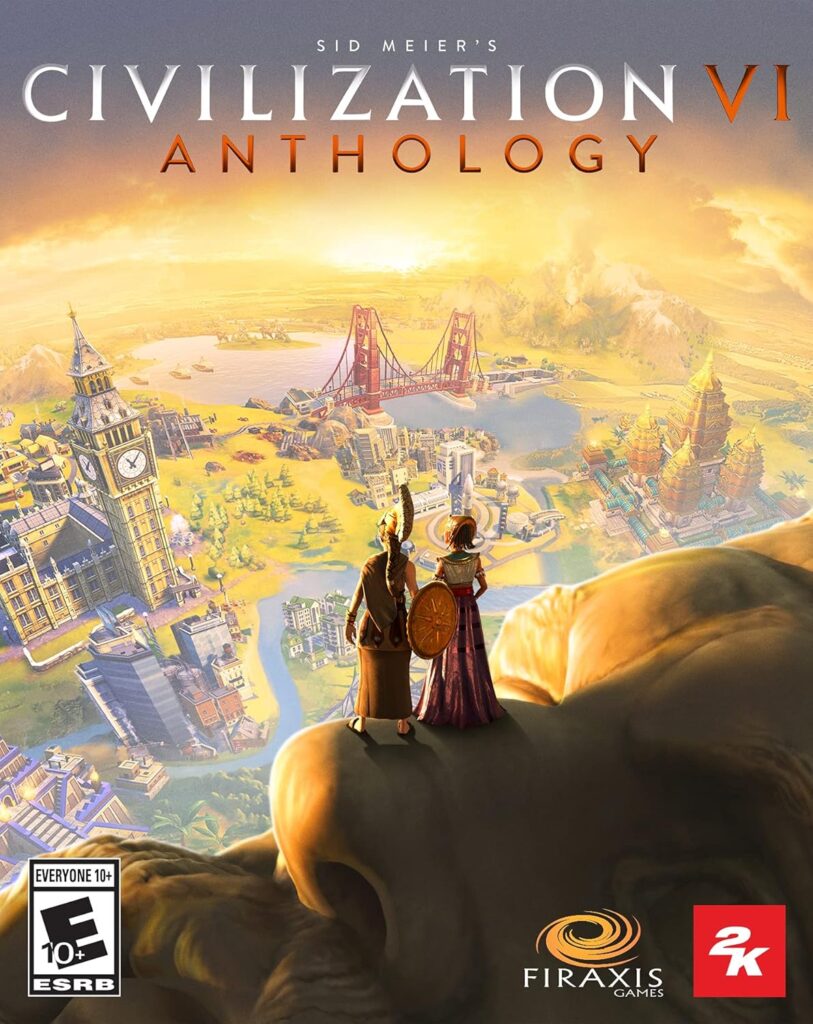
Civilization VI is designed for replay, because every match starts with new maps, neighbors, and situations. One game might be a peaceful science race, while another turns into a tense war over a narrow strip of land. You are always adapting to geography, resources, and rival leaders, so strategy cannot stay the same. Even the early turns feel different depending on where you spawn.
Different leaders and victory types encourage you to experiment with fresh plans. You can aim for culture, religion, diplomacy, or domination, and each path asks you to make different tradeoffs. The game is also satisfying at many lengths, whether you finish a full match or just play a chunk of a long campaign. If you like slow burn strategy, this one stays interesting for years.
XCOM 2
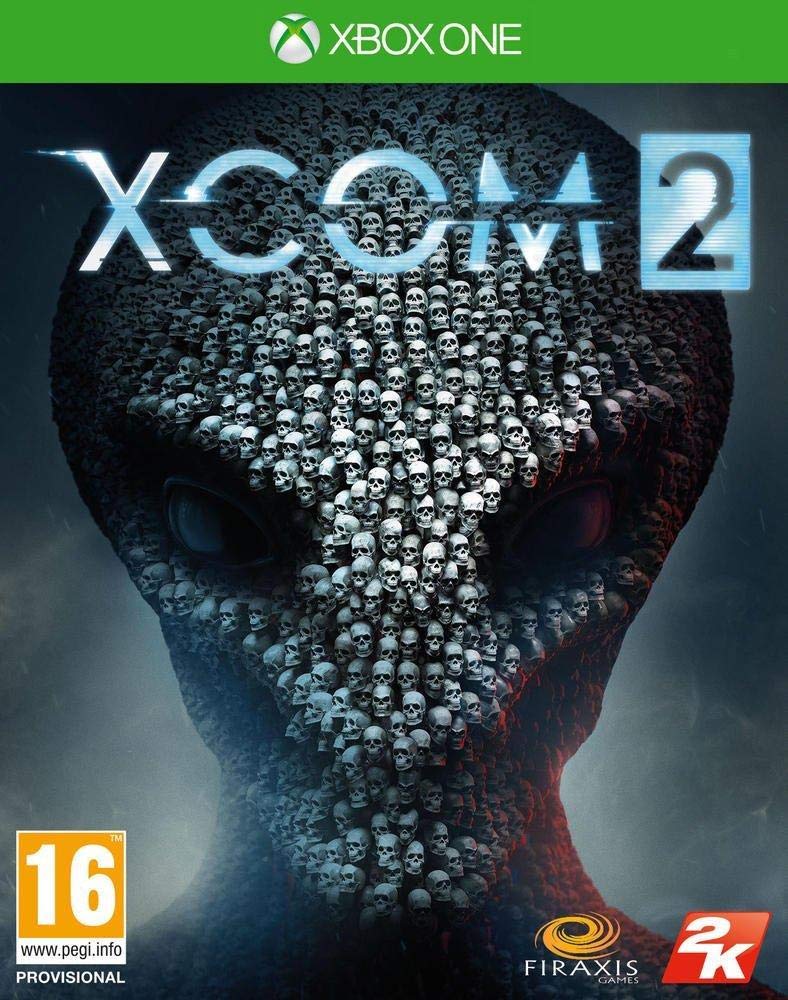
XCOM 2 stays replayable because it creates stories out of your choices and mistakes. Soldiers level up, gain quirks, and sometimes die in ways that feel personal, which makes each campaign unique. Missions play out differently due to random layouts, enemy placement, and the tools you bring. You can win with careful planning, but a single bad turn can still create drama.
The strategy layer adds even more variety, since you are managing time, upgrades, and which threats to handle first. You can try different squad builds, different classes, and different research priorities from run to run. Mods can add new enemies and options, but the base game already gives you plenty of ways to play. It is tense, rewarding, and hard to put down once a campaign gets going.
Rocket League

Rocket League is endlessly replayable because every match is a new little story. The physics feel consistent, but the ball bounces and player decisions create constant surprises. You can improve for months and still notice growth in your timing, positioning, and control. Even a quick game can feel exciting because anything can happen in the last seconds.
It also works for many moods, since you can play casually with friends or grind ranked matches when you want a challenge. Different modes keep it from feeling stuck, and training tools let you practice specific skills. The skill ceiling is high, but early fun is easy to find, which is a great mix. If you like competitive games that do not rely on grindy loot, this one holds up.
Hitman World of Assassination
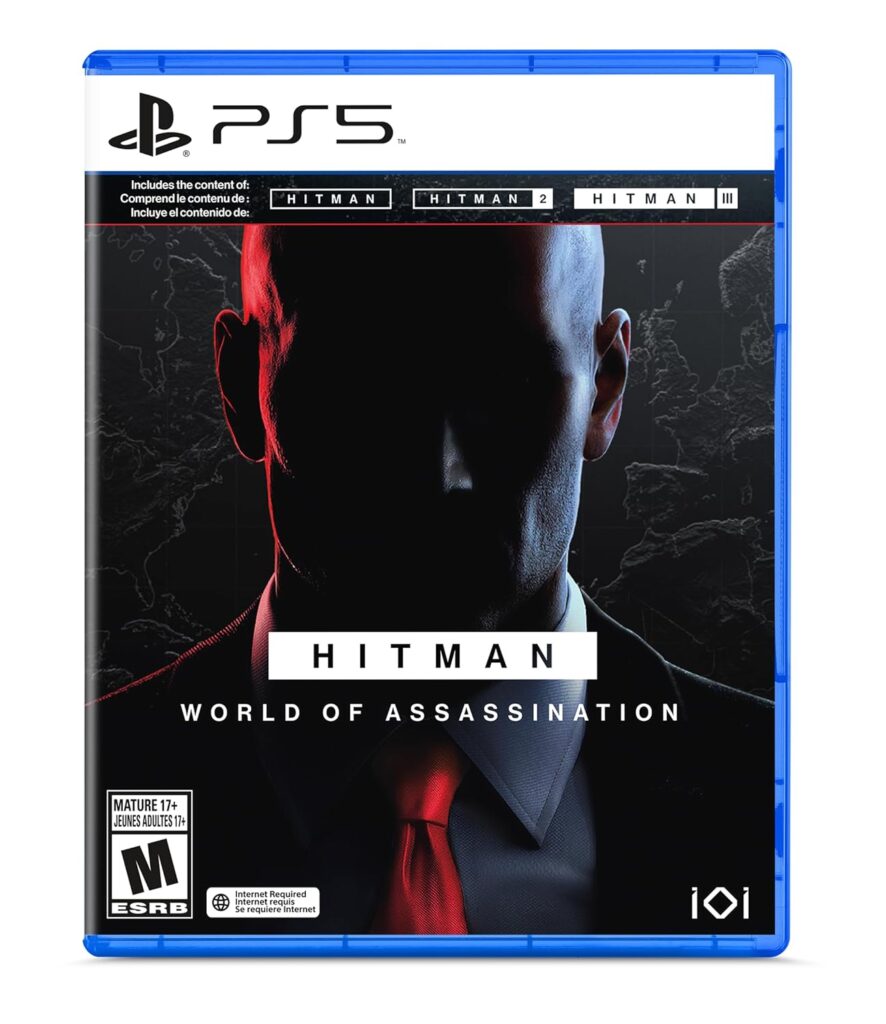
Hitman World of Assassination is replayable because each level is like a dense puzzle box. You can approach a target in dozens of ways, from quiet disguises to elaborate accidents. The maps feel alive, with routines, secrets, and opportunities that you notice more the second or third time. It rewards curiosity, and it makes you want to test new plans.
Challenges, unlocks, and self made rules add even more reasons to replay. One run might be clean and careful, and the next might be messy because you tried something risky. The game is also fun to watch yourself improve, since you start by stumbling around and end up moving with confidence. If you enjoy experimentation, it stays fresh longer than most story games.
Diablo II Resurrected
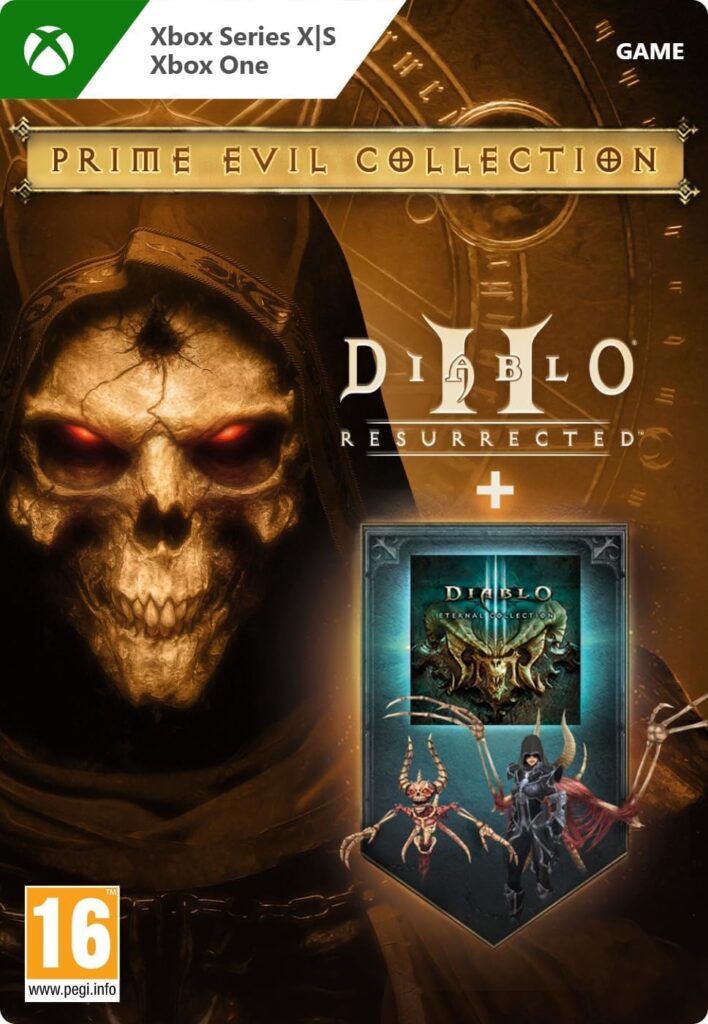
Diablo II Resurrected stays replayable because chasing builds and loot is the whole point, and the loop is still strong. Different classes feel distinct, so starting over changes your pace and tools right away. The game also has a satisfying rhythm of clearing areas, finding upgrades, and testing your strength against tougher content. When a rare item drops, it still feels exciting.
You can replay for ladder seasons, new characters, or simply to try a build you never finished before. Trading and co-op can keep the game social, while solo play stays focused and relaxing. Difficulty steps push you to refine your gear and skills instead of coasting. If you like classic action RPG structure, this one has long legs.
Darkest Dungeon
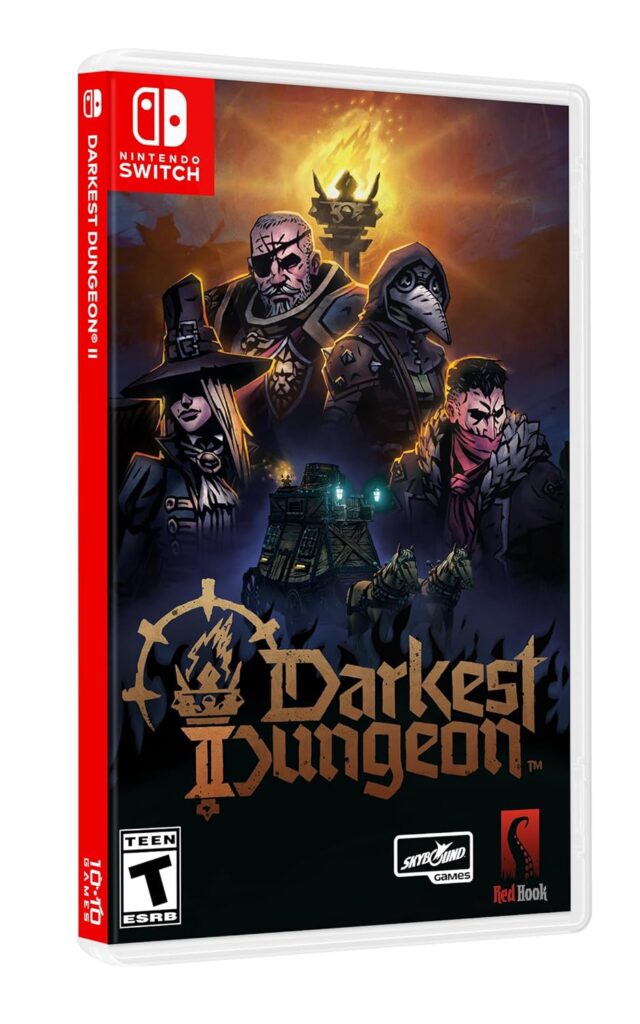
Darkest Dungeon is replayable because it mixes strategy, risk, and storytelling in a way that never feels the same twice. Heroes come and go, and the stress system creates unpredictable moments where a fight can swing quickly. You are building a roster over time, which makes planning feel meaningful even when a mission fails. The mood is intense, but the mechanics are clear once you learn them.
Each run becomes its own tale of bad luck, brave saves, and tough choices about when to push forward or retreat. Team builds matter, so trying new class mixes can change how you approach every dungeon. There is satisfaction in managing resources and slowly rebuilding after setbacks. If you enjoy games where tension is part of the fun, it stays compelling.
This article originally appeared on Avocadu.