
11 Video Game Franchises That People Never Seem to Outgrow
Some video game franchises have a timeless appeal that keeps players coming back for more, no matter how much time passes. These beloved series combine nostalgia with constant innovation, offering fresh experiences while maintaining the core elements that fans love. Whether through captivating storytelling, exciting gameplay, or memorable characters, these franchises continue to capture the hearts of both long-time fans and new generations of players alike.
This post may contain affiliate links, which helps keep this content free. Please read our disclosure for more info.
Super Mario

Super Mario, one of the most iconic franchises in gaming history, has been a beloved staple since 1985. What makes Mario games timeless is their perfect balance of nostalgia and innovation. The franchise has consistently introduced new gameplay mechanics while keeping its simple, yet effective, core platforming mechanics intact. From the early 2D side-scrolling titles to the expansive 3D adventures in Super Mario Odyssey, the series offers something for every type of player. The colorful worlds, catchy music, and fun power-ups are comforting to long-time fans, while new generations continue to discover the thrill of Mario’s adventures. Nintendo’s ability to evolve the gameplay, such as introducing multiplayer elements in Super Mario 3D World or exploring vast open worlds, has kept the series feeling fresh across the decades.
Mario’s consistent success lies in its ability to remain accessible to newcomers while rewarding veteran players with hidden secrets and nostalgic callbacks. Whether it’s the original Super Mario Bros. or the more recent Super Mario Maker series, it’s clear why Mario has managed to stay relevant and beloved for so long.
The Legend of Zelda
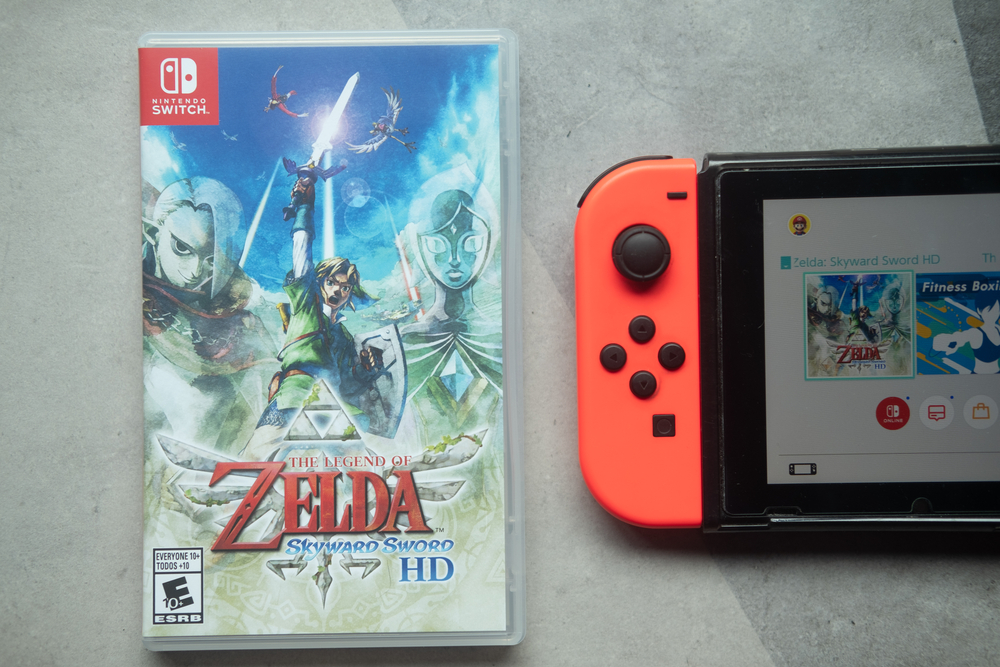
Since its first release in 1986, The Legend of Zelda has grown into a franchise with some of the most memorable and highly regarded games in the industry. Its combination of action, adventure, puzzle-solving, and exploration has resonated with millions of players across the globe. The Zelda franchise has constantly reinvented itself, from the overhead perspective of A Link to the Past to the 3D open world of Breath of the Wild. Each new title introduces a fresh take on gameplay mechanics while keeping the core elements, like combat and puzzle-solving, at its heart.
The series’s depth of lore and rich world-building have also contributed to its timeless appeal. Iconic characters like Link, Princess Zelda, and Ganon have become staples of gaming culture. As new technologies emerge, Zelda finds ways to incorporate them, with Breath of the Wild being a great example of a game that redefined open-world exploration. This blend of innovation, nostalgia, and timeless gameplay ensures that the Zelda franchise will always attract new and old players alike.
Pokémon

Since Pokémon Red and Blue launched in 1996, the Pokémon franchise has become a global phenomenon, appealing to both children and adults. The core of Pokémon is simple: catch and train creatures to battle each other. However, the franchise has evolved significantly over the years, from the original Game Boy titles to the expansive RPGs found on modern consoles. The consistent release of mainline games, such as Pokémon Sword and Shield and the remakes like Pokémon Let’s Go, has kept the series fresh, with new Pokémon, features, and mechanics being introduced regularly.
What makes Pokémon endure is the deep sense of nostalgia and the excitement of collecting. The games evolve, but the core idea, catching and training Pokémon, remains fundamentally unchanged, which keeps long-time fans engaged while welcoming newcomers. Moreover, the Pokémon franchise extends beyond games into TV shows, movies, merchandise, and card games, creating a fully immersive world that people can return to year after year.
Final Fantasy
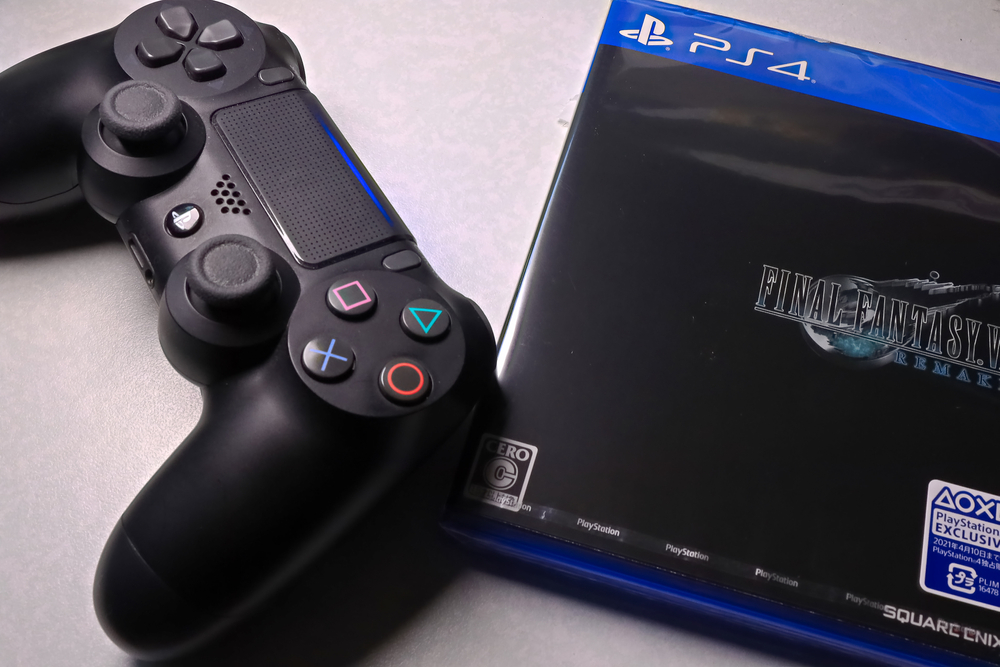
Since Final Fantasy debuted in 1987, it has become one of the most influential RPG franchises of all time. Each installment has introduced players to new worlds, characters, and epic stories, making Final Fantasy a staple in the RPG genre. What makes this series stand out is its willingness to innovate, from turn-based combat in Final Fantasy VI to the action-oriented systems in Final Fantasy XV. The franchise’s ability to evolve its gameplay while keeping complex narratives and strong character development at its core has made it appealing to both long-time fans and new players.
The music, composed by Nobuo Uematsu, is another standout feature, with themes from the series becoming iconic in the gaming community. The breathtaking visuals, whether the pixel art of the early games or the cinematic cutscenes in later entries, further cement Final Fantasy as a series that never fails to captivate players. Despite some entries being more divisive than others, the core elements of storytelling, immersive worlds, and unforgettable characters ensure that Final Fantasy remains an enduring classic.
Minecraft

When Minecraft launched in 2009, it quickly became a cultural phenomenon. The game’s unique mix of exploration, crafting, and building allows players to create almost anything they can imagine in a procedurally generated world. Minecraft’s sandbox nature is what keeps players coming back for years. While the game itself hasn’t changed dramatically, the community’s creativity continues to expand the boundaries of what’s possible within the game. This has led to countless mods, custom servers, and user-generated content, keeping the game fresh long after its initial release.
Additionally, Minecraft’s appeal is further enhanced by its simplicity and accessibility, making it easy for new players to jump in while providing enough depth for more experienced users to experiment with advanced building techniques and redstone mechanisms. The franchise’s longevity can also be attributed to its constant updates, including new features, blocks, mobs, and mechanics, ensuring the game never feels stale.
Halo
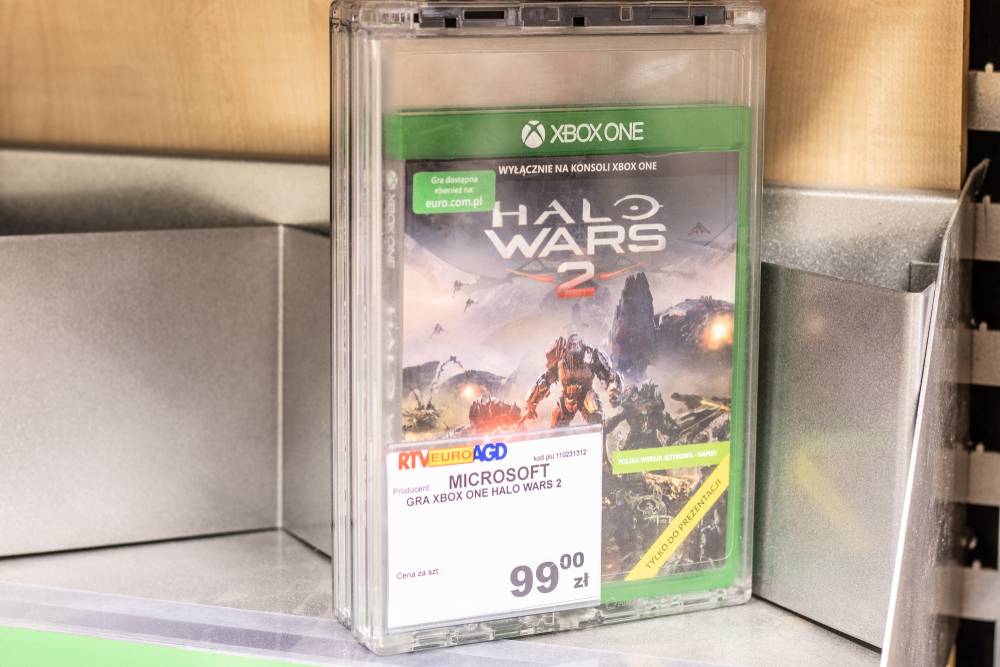
Halo revolutionized first-person shooters when it launched on the original Xbox in 2001. The game’s compelling single-player campaign, multiplayer modes, and intricate lore helped define a new era of console gaming. With Halo 2 and subsequent titles, the franchise continued to innovate with improvements in gameplay, graphics, and storytelling. The combination of thrilling combat, memorable characters, and a rich, expansive universe has kept Halo a fan favorite, even with the release of new gaming consoles.
The Halo series remains relevant because of its constant evolution, whether through the introduction of new game modes, refined mechanics, or multiplayer experiences. The franchise’s ability to adapt to the changing gaming landscape while maintaining the elements fans love ensures its place as one of the most enduring franchises in gaming history. Titles like Halo: Reach and Halo Infinite have further solidified its relevance, keeping both old fans and newcomers invested.
The Elder Scrolls
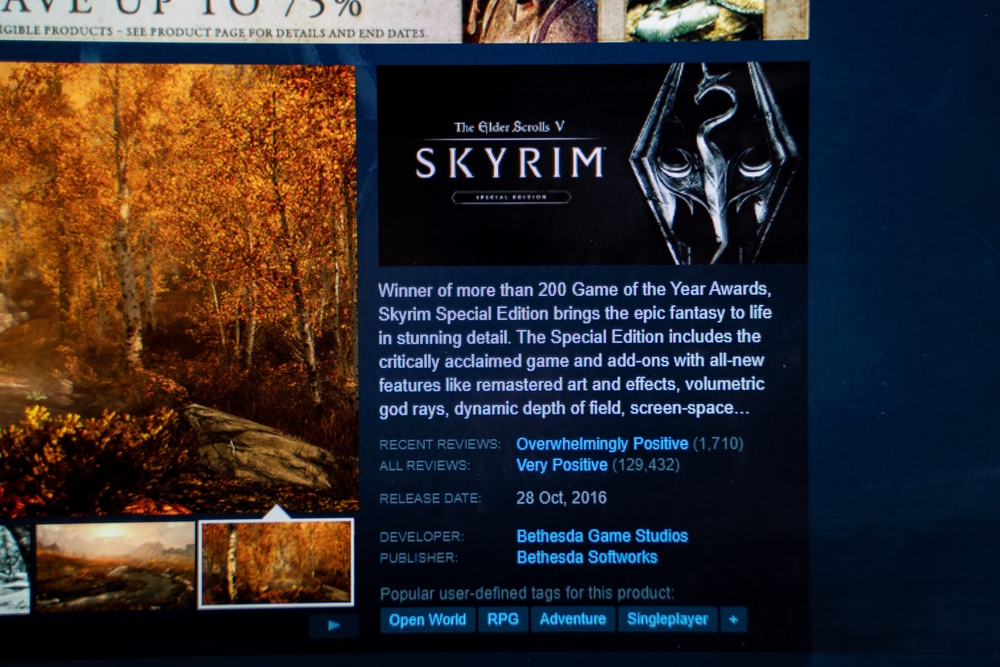
Since The Elder Scrolls IV: Oblivion hit shelves in 2006, the series has cemented itself as one of the most influential RPG franchises of all time. Known for its expansive open-world gameplay, rich lore, and player freedom, The Elder Scrolls allows players to lose themselves in vast fantasy worlds. The series’s use of non-linear quest structures and its focus on exploration make it feel like a living, breathing world. Fans continue to revisit Skyrim, despite its age, thanks to the game’s extensive modding community and frequent re-releases.
The world-building in The Elder Scrolls is one of the franchise’s standout qualities. Each game introduces a new region with its own unique cultures, politics, and history. The consistent quality of writing, combined with the deep role-playing elements, ensures that The Elder Scrolls will continue to appeal to fans for years to come.
Grand Theft Auto
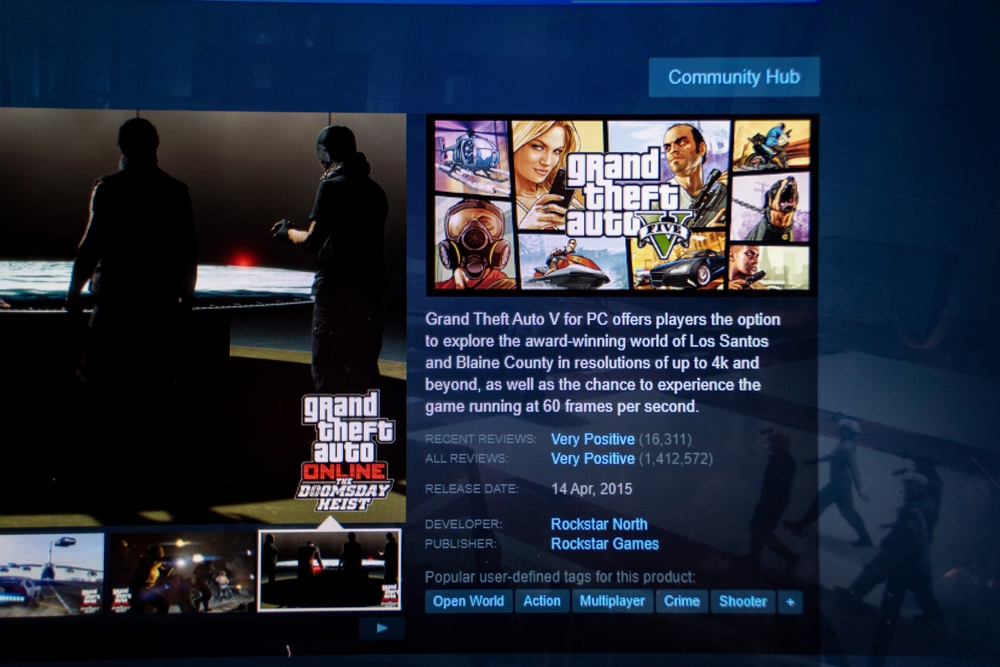
Grand Theft Auto (GTA) has been pushing the boundaries of open-world gaming since its debut in 1997. The franchise is known for its gritty, satirical take on modern society and its chaotic, immersive worlds. Each installment, from GTA III to GTA V, has expanded on the open-world formula, offering players the freedom to explore vast cities, engage in criminal activities, and follow gripping narratives. The evolution of gameplay, with the introduction of more detailed environments, vehicle handling, and online multiplayer modes, keeps the series feeling fresh while maintaining its core identity.
The lasting appeal of GTA lies in its ability to provide both chaotic fun and compelling storytelling. Whether it’s the criminal escapades in GTA V or the dark humor of GTA: San Andreas, players keep returning to the series for its unforgettable characters, immersive environments, and freedom of choice. The release of GTA Online has also kept the franchise relevant, offering an ever-evolving multiplayer experience that continues to engage players long after its initial release.
Call of Duty
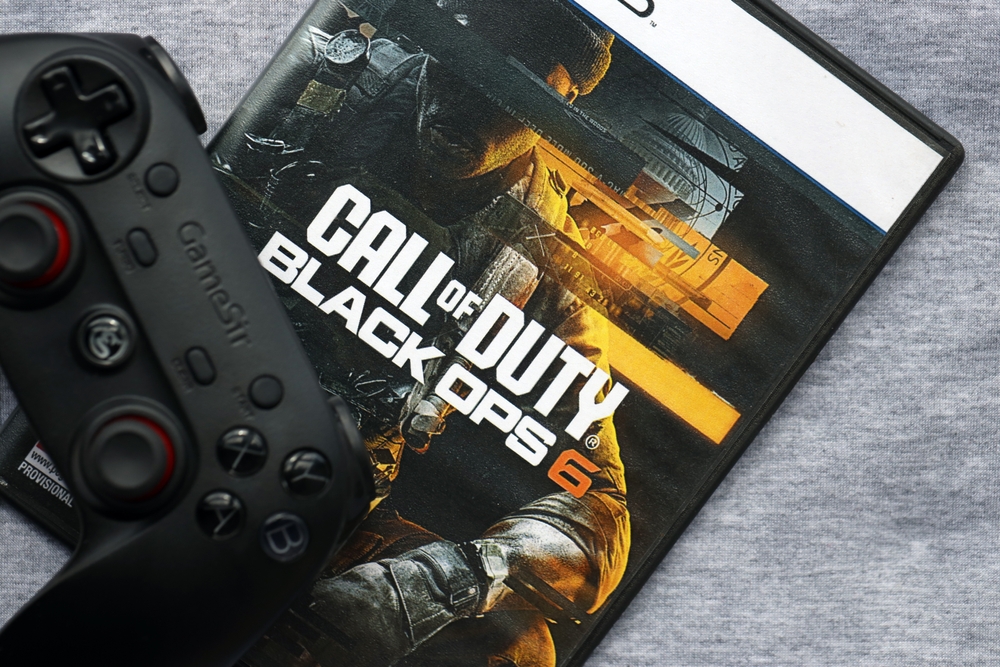
Since its inception in 2003, Call of Duty has become one of the most successful first-person shooter franchises in history. The series has evolved from its World War II roots to explore modern warfare and futuristic combat, keeping the gameplay dynamic and fresh. Each new entry in the franchise continues to set the standard for multiplayer modes, offering players intense, fast-paced action in a variety of settings. Call of Duty’s ability to provide a compelling single-player campaign alongside an expansive multiplayer experience has made it a go-to choice for FPS fans.
With the ongoing release of new installments like Warzone, the Call of Duty franchise has proven to be one of the most enduring in gaming. Regular updates, new content, and improved mechanics ensure that players are always engaged, and the franchise’s high replay value keeps it relevant year after year.
Street Fighter

Street Fighter is one of the longest-running and most influential fighting game franchises in history. Since the release of the original Street Fighter in 1987, the series has been the benchmark for competitive fighting games. What makes Street Fighter endure is its mix of tight, responsive controls, diverse characters, and a competitive community that has grown over the years. The series continually updates its roster, ensuring there is always something new for both casual and competitive players to enjoy.
With each new installment, from Street Fighter II to Street Fighter V, the series has continued to refine its mechanics and visuals while retaining the essence of what made it a hit. The competitive scene, which includes major tournaments like EVO, keeps the franchise alive and thriving. Street Fighter has earned its place as a staple in the fighting game genre due to its combination of legacy and innovation.
Resident Evil

The Resident Evil franchise, which debuted in 1996, is a cornerstone of the survival horror genre. With its mix of intense action, tense atmosphere, and compelling narratives, the series has built a dedicated fanbase. The combination of innovative gameplay and terrifying monsters has kept players engaged through each of its numerous iterations, from the early fixed camera perspective to the more recent over-the-shoulder viewpoint in Resident Evil 4 and beyond.
The franchise remains beloved because it evolves with each new installment, adapting to the latest technology while preserving its core elements. The series’ knack for reinvention, especially through major releases like Resident Evil 7: Biohazard and the upcoming Resident Evil Village, ensures it stays fresh and exciting for long-time fans and newcomers alike.
This article originally appeared on Avocadu.