
15 Vegetables to Plant in Early Spring Before the Heat Arrives
A spring garden often does best when it gets an early start. Many vegetables grow more happily before the hottest part of the year takes over. That is why this part of the season is such a good time to plant with purpose. Let this list point you toward vegetables that are ready for a strong start.
This post may contain affiliate links, which helps keep this content free. Please read our disclosure for more info.
Lettuce
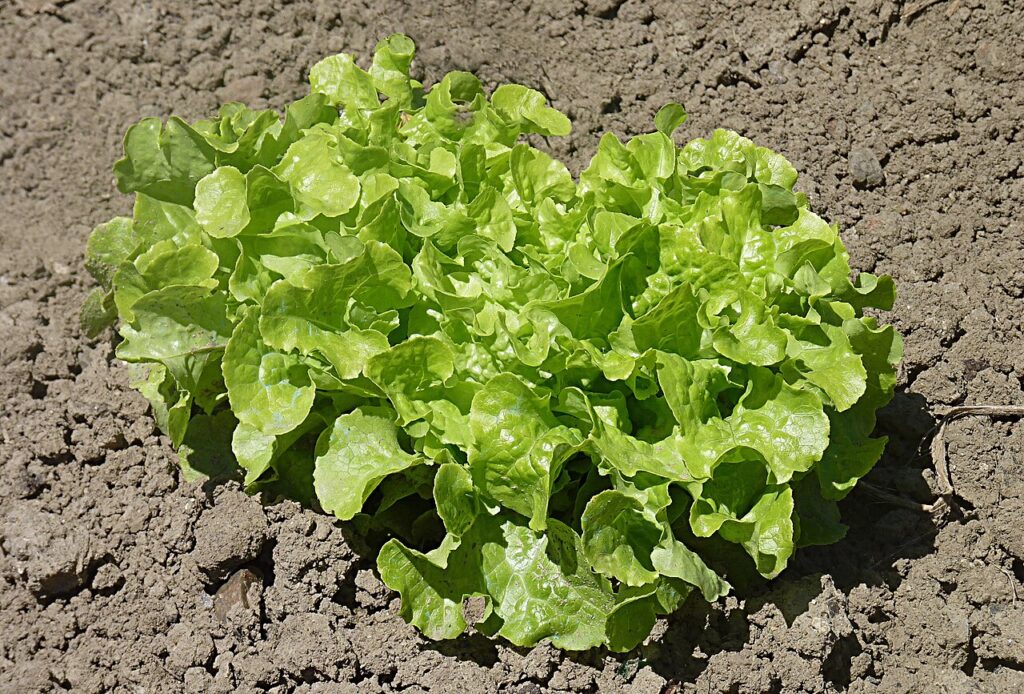
Few spring vegetables are as easy to start as lettuce. It likes cool days and mild soil, which helps the leaves stay soft and pleasant to eat. Once the weather turns hot, lettuce can become bitter and go to seed too quickly. That is why early spring is such a good time to get it growing.
For best results, plant lettuce in loose soil that holds moisture without staying soggy. A spot with gentle morning sun works well, especially in places where afternoons warm up fast. Water it often enough to keep the leaves from turning dry or rough. You can harvest outer leaves as they grow, or wait and cut the whole plant at once.
Spinach
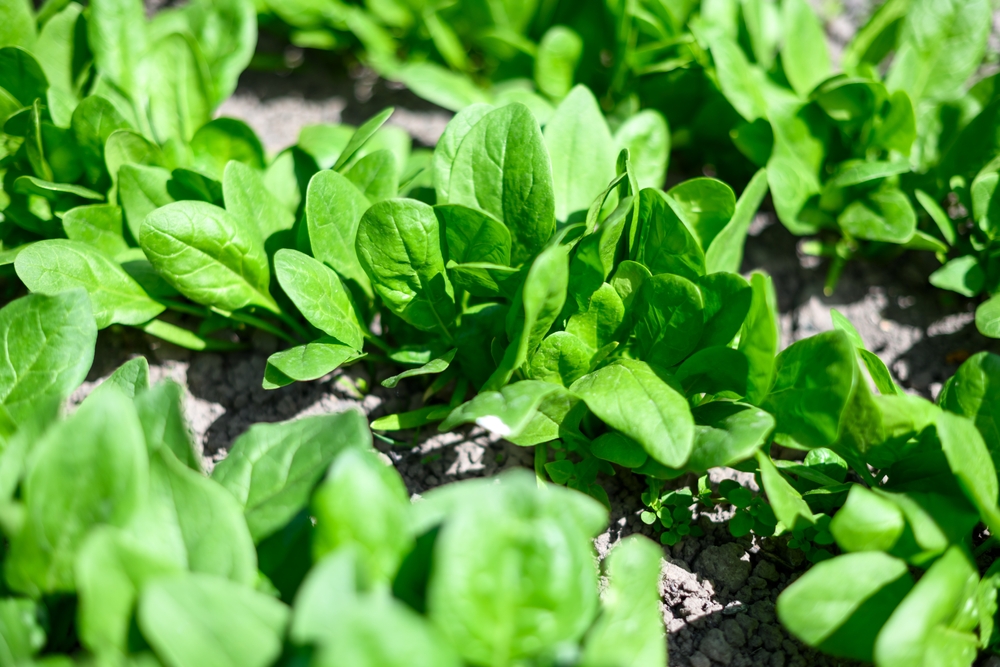
Cool weather gives spinach the kind of start it really likes. The leaves grow best when spring still feels fresh, and the plant often struggles once real heat sets in. If planted too late, it may bolt before you get much to harvest. Getting it into the ground early gives you a better chance at a full crop.
In the garden, spinach grows well in rich soil with regular moisture. It is best to sow the seeds right where you want them, since moving young plants can be a little tricky. A thin layer of mulch can help keep the soil from drying out too fast. Pick the outer leaves first so the center can keep growing.
Peas
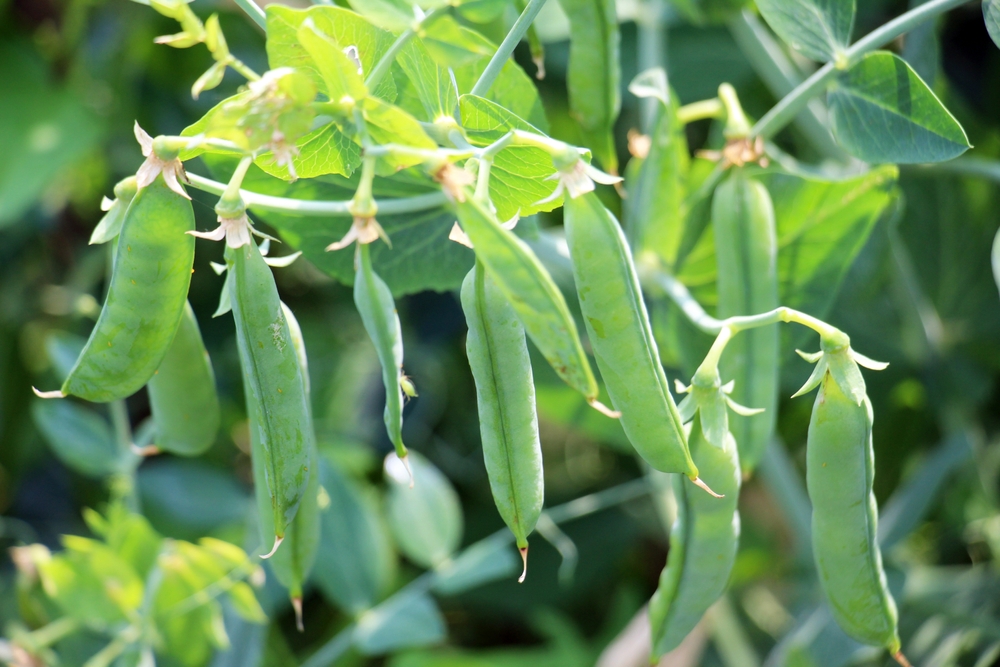
When early spring arrives, peas are one of the best vegetables to plant. They enjoy cool air and can handle a light chill far better than summer crops. Warm weather often cuts their season short, so an early start really helps. With mild conditions on their side, the vines can settle in and grow steadily.
To keep peas happy, plant them in a sunny place with soil that drains well. Most types need a fence, net, or small trellis for support as they climb. Give them regular water, especially once flowers and pods begin to form. Frequent picking can keep the plants producing for longer.
Radishes
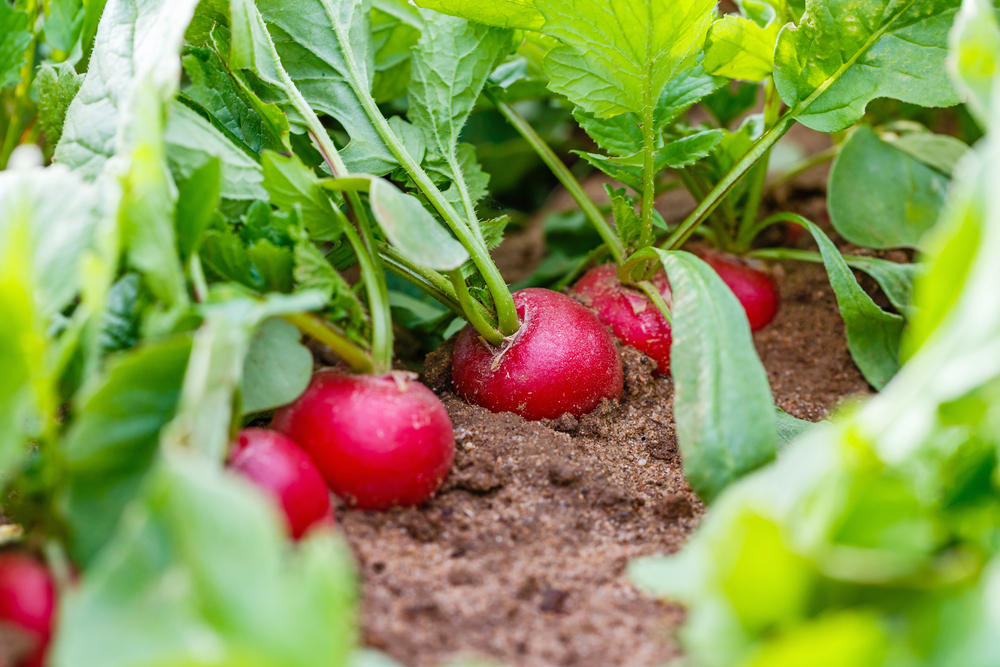
Radishes are a great choice for gardeners who want quick results in early spring. They grow fast in cool soil and are often ready before many other vegetables even get going. Hot weather can make them woody or overly strong in flavor. Planting them early helps keep the roots crisp and mild.
For good growth, sow radish seeds in loose soil and cover them lightly. Once the seedlings come up, thin them so the roots have enough room to grow well. Keep the soil evenly moist, since uneven watering can affect the texture. You can plant small batches every week or two for a longer harvest.
Carrots
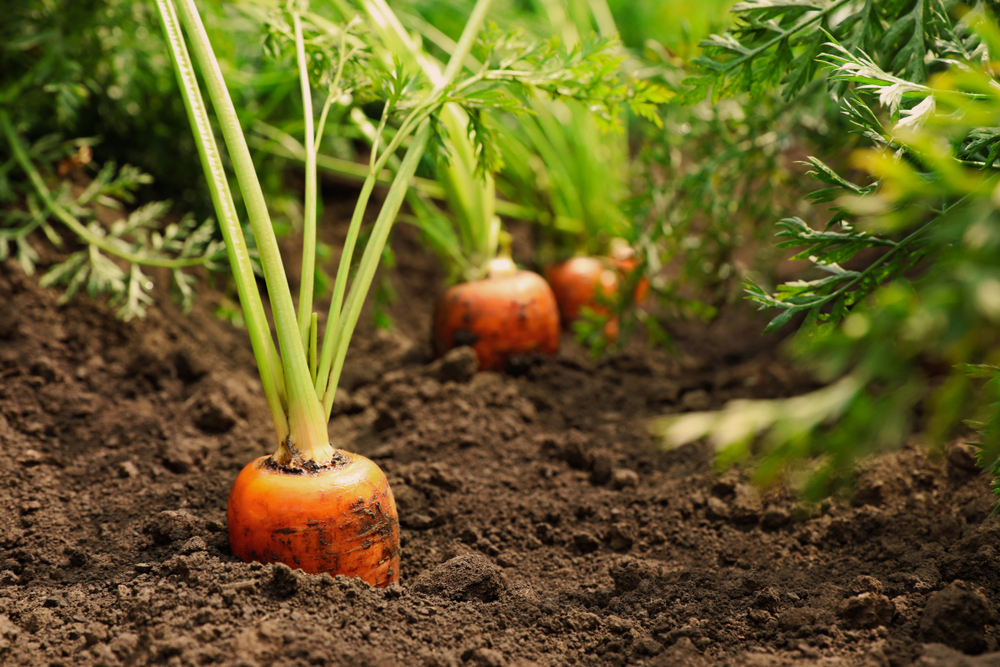
Among spring vegetables, carrots do especially well when planted before the heat arrives. Cool soil helps the roots form at a steady pace, and the flavor is often sweeter during this part of the season. Summer heat can make growth harder on young carrots, especially in dry soil. An early planting gives them more time to settle in and size up.
Soft, stone-free soil is one of the best things you can give carrots. Sow the seeds shallowly, then keep the top layer of soil damp until the seedlings appear. Thin them once they are tall enough to handle, since crowding can lead to small or misshapen roots. A little patience helps, because carrots usually need more time than faster spring crops.
Beets
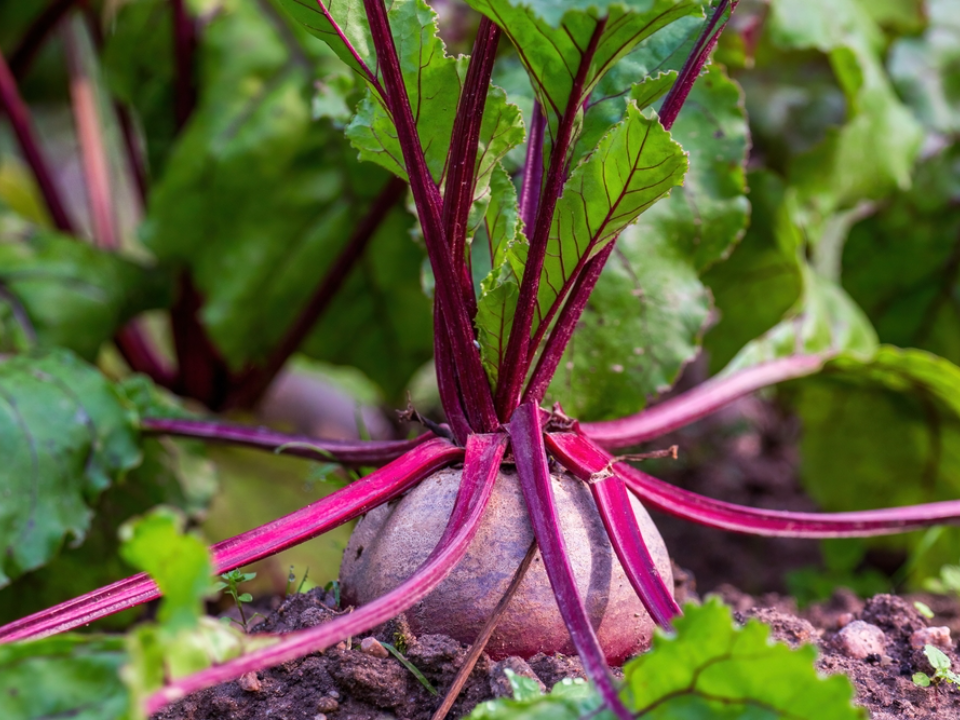
Early spring is a very good time to plant beets. They grow well in cool weather, and both the roots and leafy tops can be used in the kitchen. If planted before hot days arrive, they often have better texture and a sweeter taste. That makes them a useful and rewarding vegetable to grow.
Give beets a sunny space with loose soil so the roots can form properly. Regular watering helps keep them from turning dry or tough as they grow. Once the seedlings appear, thin them so each plant has enough room. Pull them when they are still tender, or let them grow a bit larger if you like a fuller root.
Swiss Chard
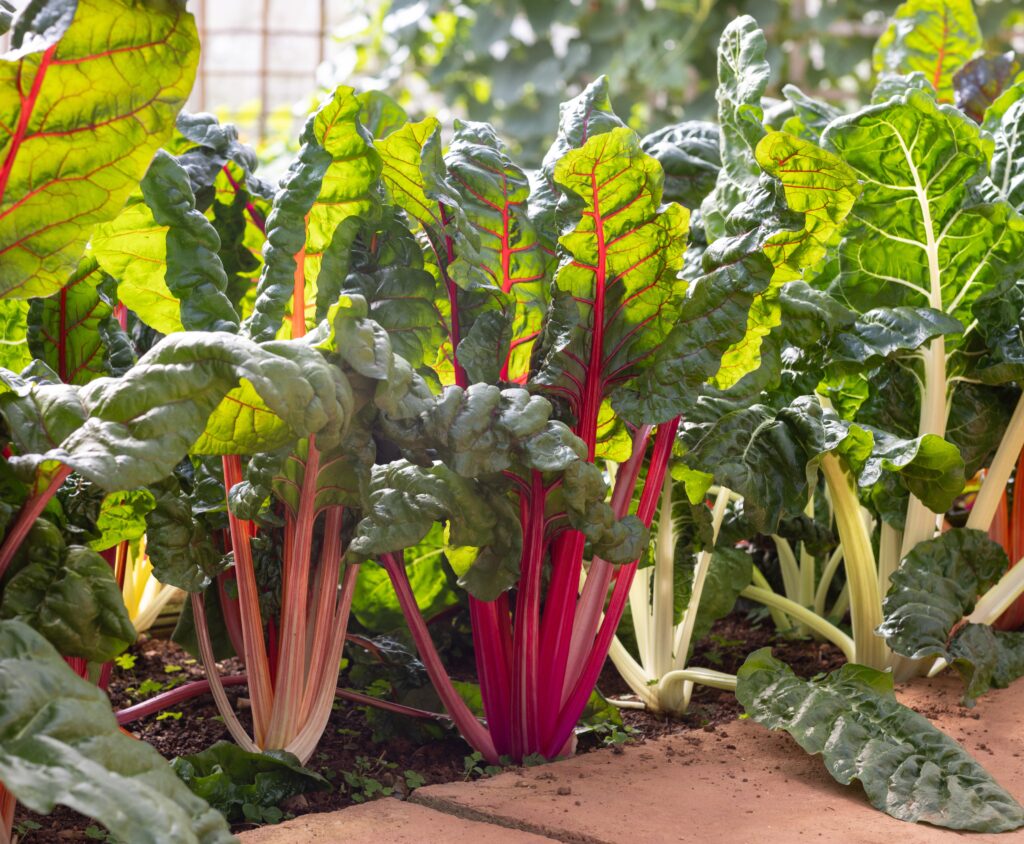
Swiss chard is one of those vegetables that settles in nicely during early spring. It handles cool weather well and gives you leafy greens that can be picked over a long stretch of time. Unlike some spring greens, it often keeps growing even after the season warms up. That makes it a helpful choice for a garden that needs lasting color and steady harvests.
Rich soil and regular water help Swiss chard stay full and healthy. Plant it in a spot that gets good light, then keep the soil from drying out too much. Harvest the outer stalks first and leave the center in place so the plant can keep producing. A little feeding during the season can help it continue growing well.
Kale
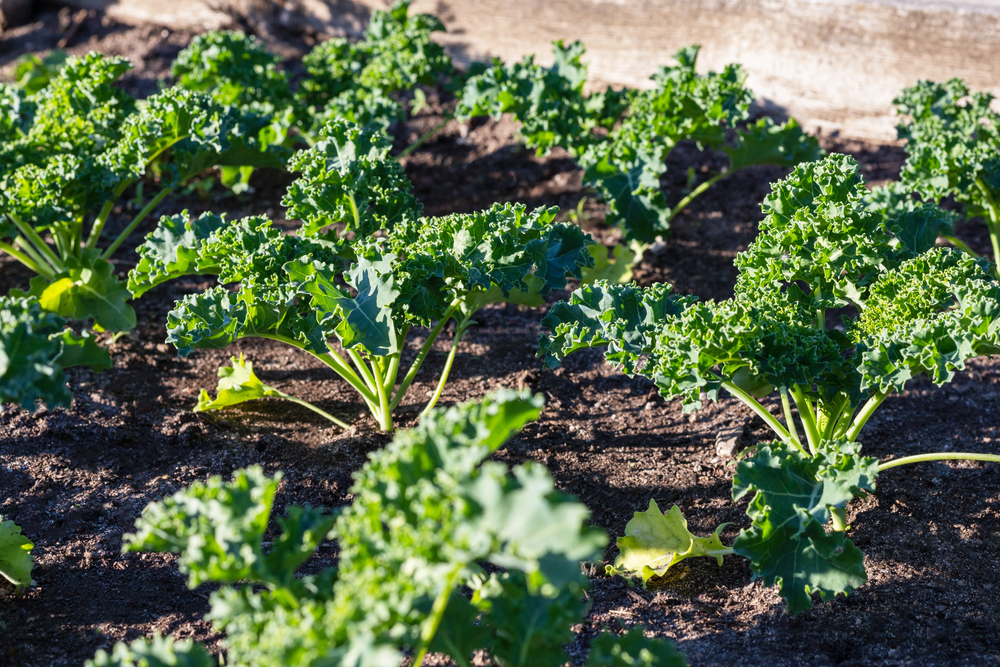
Many gardeners like to start kale in early spring because cool weather suits it so well. The leaves tend to taste better when they grow in mild conditions rather than strong heat. A touch of chill can even make the flavor a bit nicer. That makes kale a solid pick for the start of the season.
To grow it well, plant kale in soil that drains properly and has added compost mixed in. Keep the ground moist while the plants are getting settled and growing larger. As the leaves mature, remove the lower ones first and leave the top center in place. Check the plants now and then for insects that may chew the leaves.
Broccoli
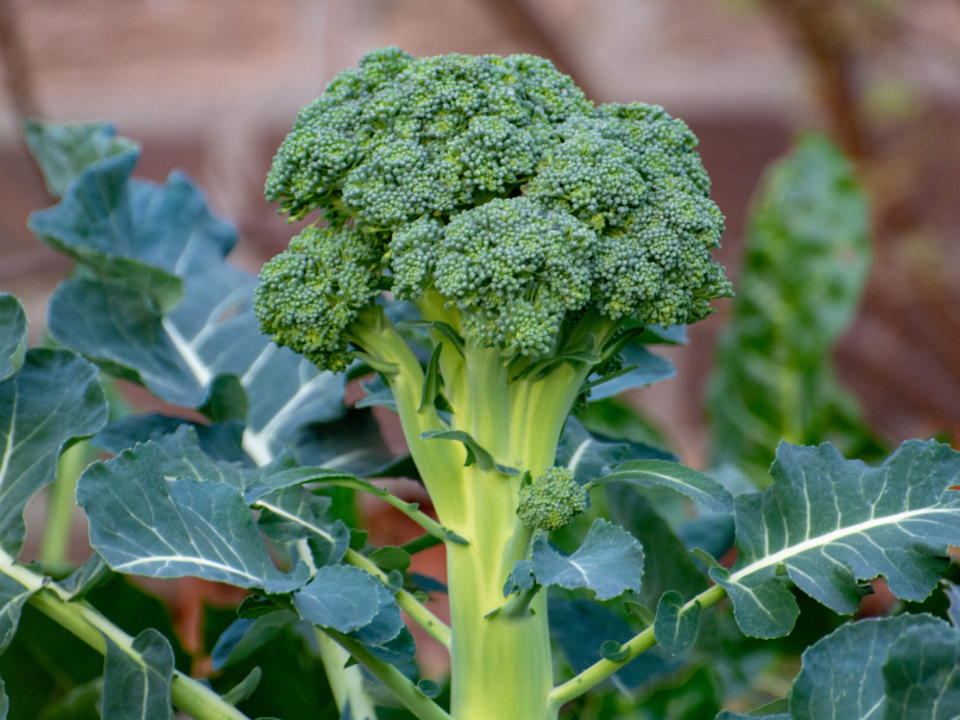
Broccoli grows best when it has time to form before summer temperatures rise too much. Early spring gives it the cooler stretch it needs for good head growth. If planted late, it may flower too soon and give you smaller heads. Starting early usually leads to a better harvest.
A sunny bed with rich soil gives broccoli a strong start. Water it deeply and regularly so the plant can grow without stress. Mulch around the base if needed to help the soil stay cool and hold moisture. Once the main head is ready, cut it while it is still firm, and smaller side shoots may follow.
Cauliflower
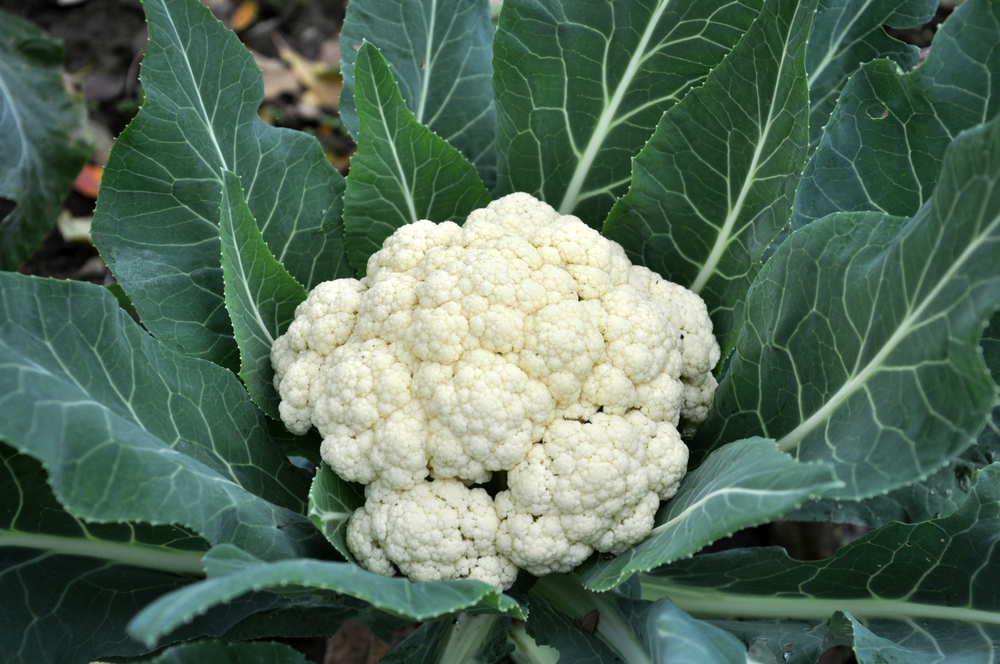
For cauliflower, timing matters a lot, which is why early spring works so well. This vegetable likes mild weather and tends to struggle when the season turns hot too soon. Cooler days help the heads form more evenly and stay in good shape. Planting it early gives you a better chance at a nice crop.
Keep cauliflower in fertile soil and water it on a regular schedule. Sudden dry spells or uneven care can affect how the heads develop. Some gardeners fold the outer leaves over the head to protect it from too much sun, depending on the type. Harvest it while the head still looks tight and solid.
Cabbage
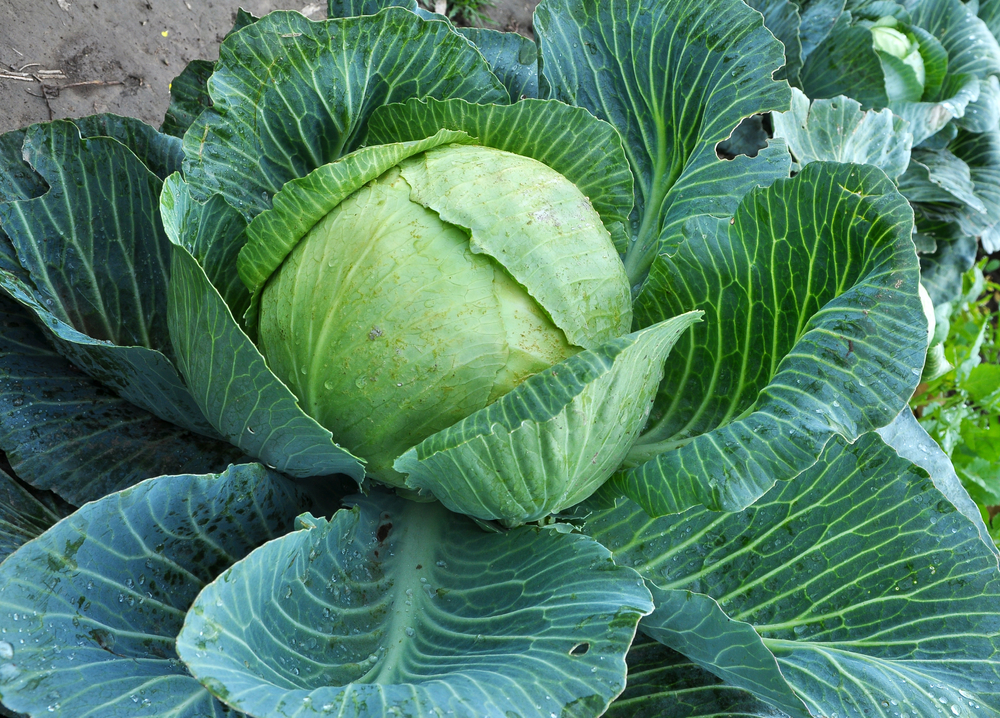
Cabbage is a natural fit for early spring gardens. It enjoys cool weather and grows best when it has time to build firm heads before the hottest part of the year. If the season warms too quickly, growth can slow or the heads may split later on. An early start gives it better growing conditions from the beginning.
Plant cabbage in full sun with rich soil and enough space between each plant. Deep watering helps the roots grow well and supports steady head formation. It is also a good idea to watch for worms that may damage the leaves. Once the head feels firm, cut it at the base and bring it in.
Arugula
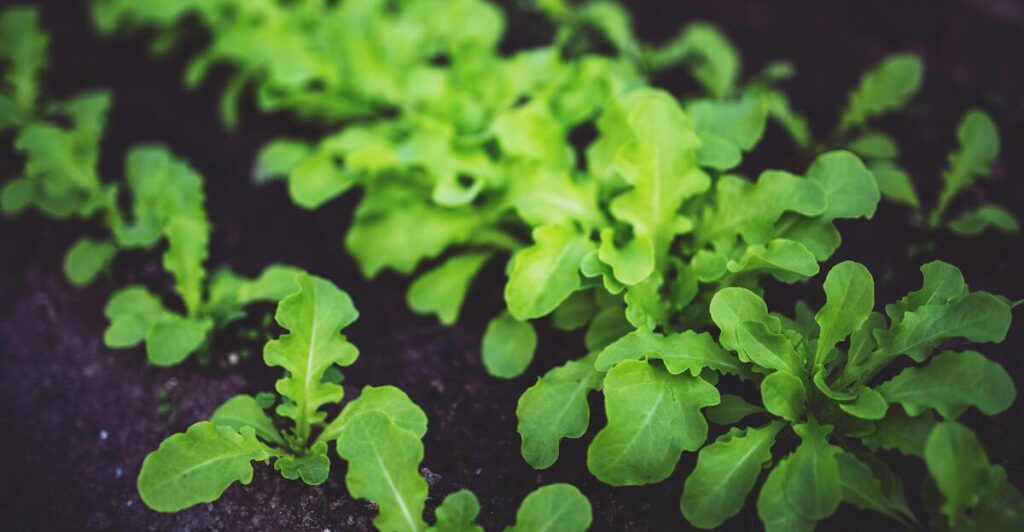
Arugula is one of the fastest vegetables you can grow in early spring. It likes cool weather, and the leaves stay fresher and more balanced in flavor before the heat takes over. Once temperatures rise, the plant can bolt quickly and turn too strong for some tastes. That is why spring is the best time to enjoy it.
Scatter the seeds in a bed with sun or light shade, then keep the soil evenly moist. Because it grows quickly, you can often start picking leaves while the plants are still fairly small. Cut often if you want to keep the plants producing. Sowing a new patch every week or two can give you a longer harvest window.
Turnips
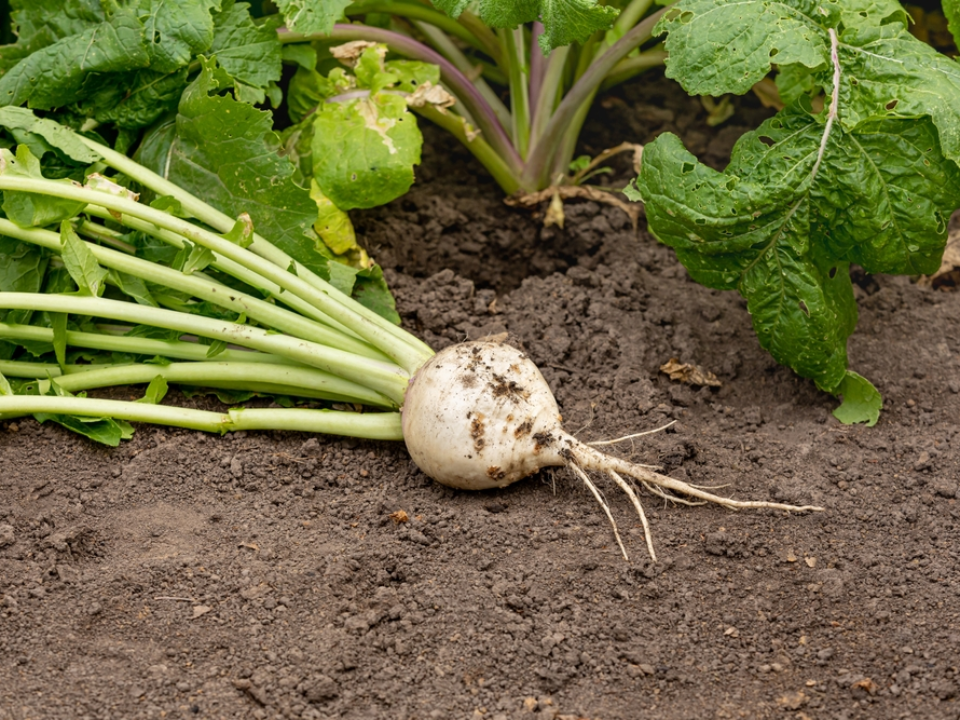
Turnips are a smart early spring crop because both the greens and roots are useful. Cool weather helps the roots stay tender and keeps the leaves in better shape for cooking. If planted in heat, the roots can turn rougher and stronger in taste. Spring gives them a much better start.
Loose soil makes a big difference when growing turnips. Sow the seeds directly where you want them, then thin the young plants once they come up. Water them regularly so growth stays even and the roots do not turn tough. Pull them while they are still on the smaller side for the best texture.
Mustard Greens
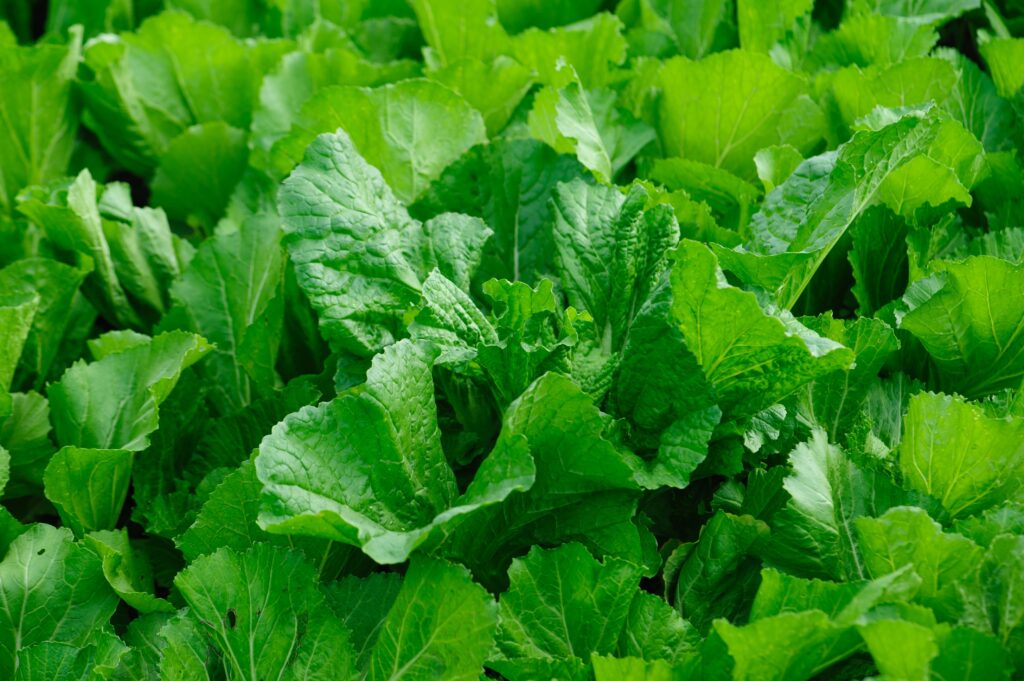
Mustard greens are well-suited to early spring because they like cool days and grow quickly. The leaves have a lively taste that is usually better when grown in mild weather. Heat can make them much stronger and less pleasant for some people. Planting them early helps keep the leaves softer and easier to enjoy.
For healthy plants, use loose soil and give them steady water. A sunny spot works well, though a little shade can help in warmer areas. Pick the younger leaves if you want a milder taste, or leave them a bit longer for a larger harvest. Frequent cutting can help keep the plants useful for more than one picking.
Pak Choi
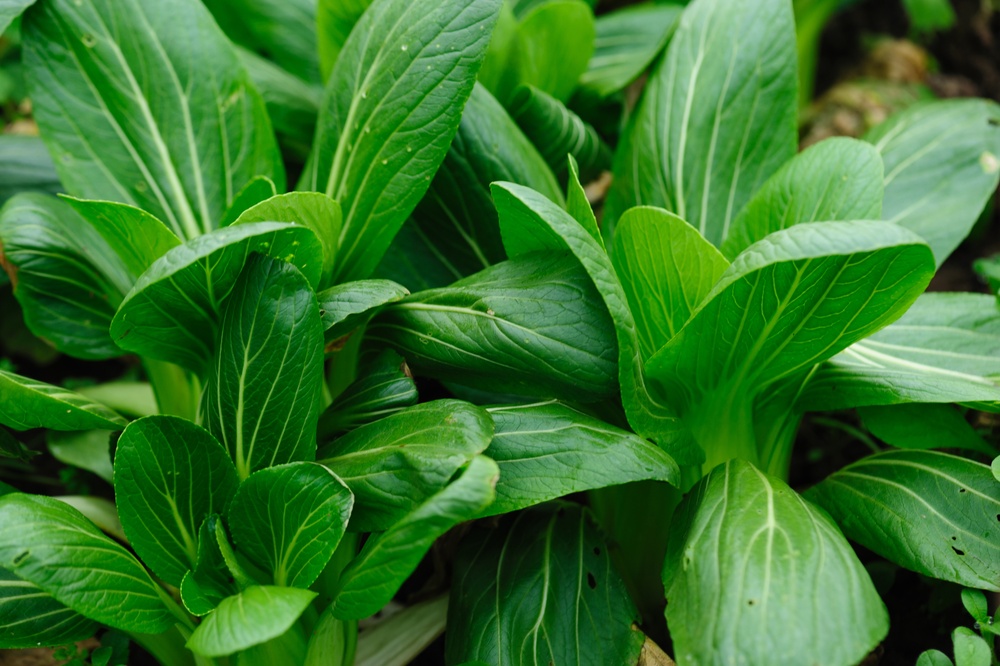
Pak choi is a very good vegetable to plant before the heat arrives. It grows best in cool weather and often forms crisp stems and tender leaves during early spring. Hot conditions can make it bolt too fast, which shortens the harvest. An early planting helps you get the best from it.
Rich soil, regular moisture, and good light all help pak choi grow well. Space the plants properly so air can move between them as they fill out. Smaller heads are good for a softer texture, while larger ones give you more to cook with. Since it grows at a fair pace, check it often so you can harvest it at the right time.
This article originally appeared on Avocadu.