
14 Variegated Houseplants That Look Like Living Art
Variegated houseplants bring color and pattern to a room in a way that feels almost painted. Some have creamy stripes, others show speckles, marbling, or split tones that make every leaf look a little different. This list shares standout variegated plants that look like living art, plus a few quick notes on what makes each one special.
This post may contain affiliate links, which helps keep this content free. Please read our disclosure for more info.
Variegated Monstera Deliciosa
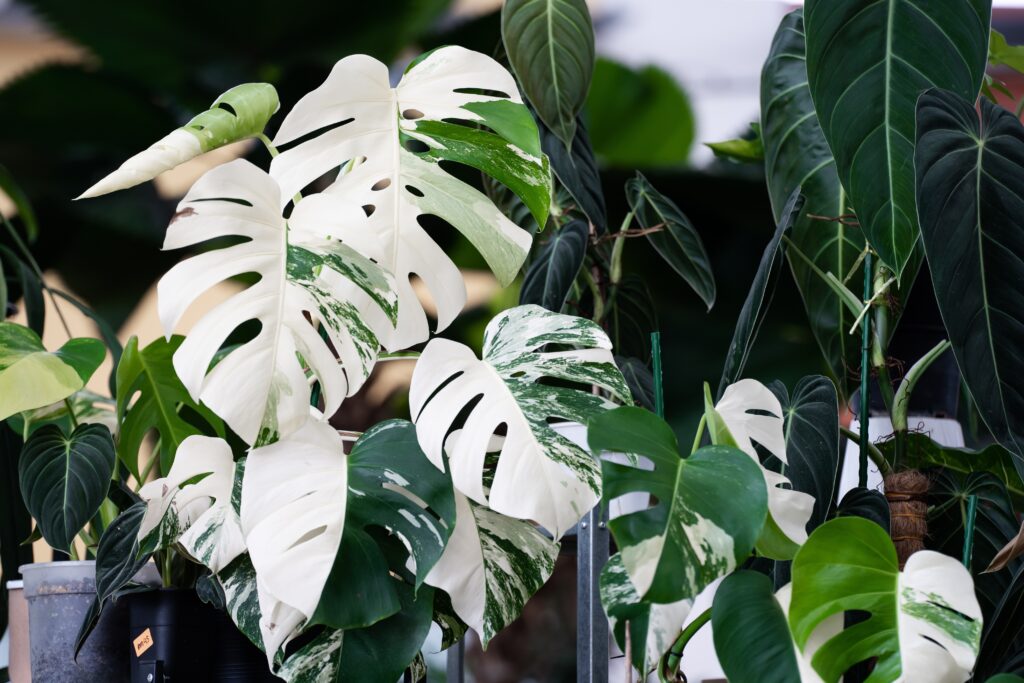
Variegated monstera deliciosa has big, split leaves with creamy white or pale yellow patches that can show up in wide blocks or thin streaks. Each new leaf opens like a surprise, and the pattern can look completely different from the one before it. Give it bright, indirect light so the lighter sections can hold their color. A moss pole or sturdy stake helps it climb and keeps the leaves larger and more dramatic.
Water when the top 1 to 2 inches of soil feel dry, then let extra water drain away. Use a chunky mix with potting soil, orchid bark, and perlite so the roots get air and do not sit in soggy soil. Wipe the leaves now and then so dust does not dull the shine. Because variegated leaves have less green, this plant usually grows slower than an all green monstera.
Monstera Adansonii Variegata
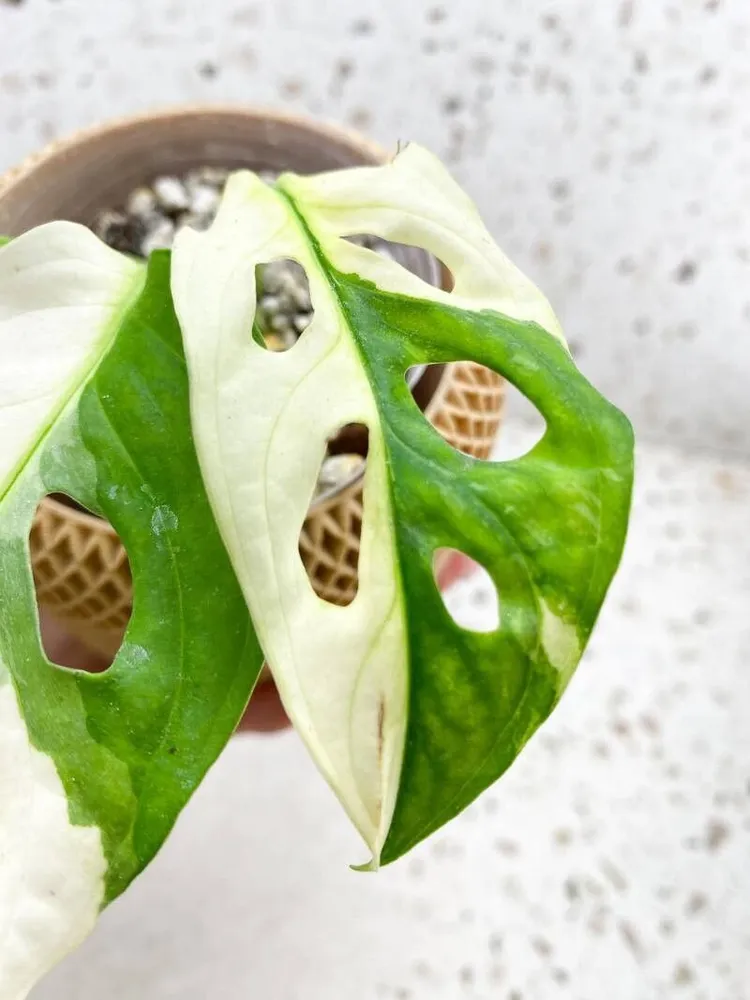
Variegated monstera adansonii has smaller leaves with oval holes and splashes of cream that look like brushstrokes. It can trail from a shelf or climb up a pole, and both styles show off the leaf pattern well. The leaves stay lighter and more defined in bright, indirect light near a window. When it is happy, it can push out new leaves quickly during warm months.
Keep the soil lightly moist, but do not let it stay wet for days. A pot with drainage holes matters because the roots can rot if water collects at the bottom. If the vine gets long and sparse, trim it back and root the cuttings in water or damp moss. Higher humidity helps the leaves open smoothly and keeps the edges from looking dry.
Philodendron Birkin
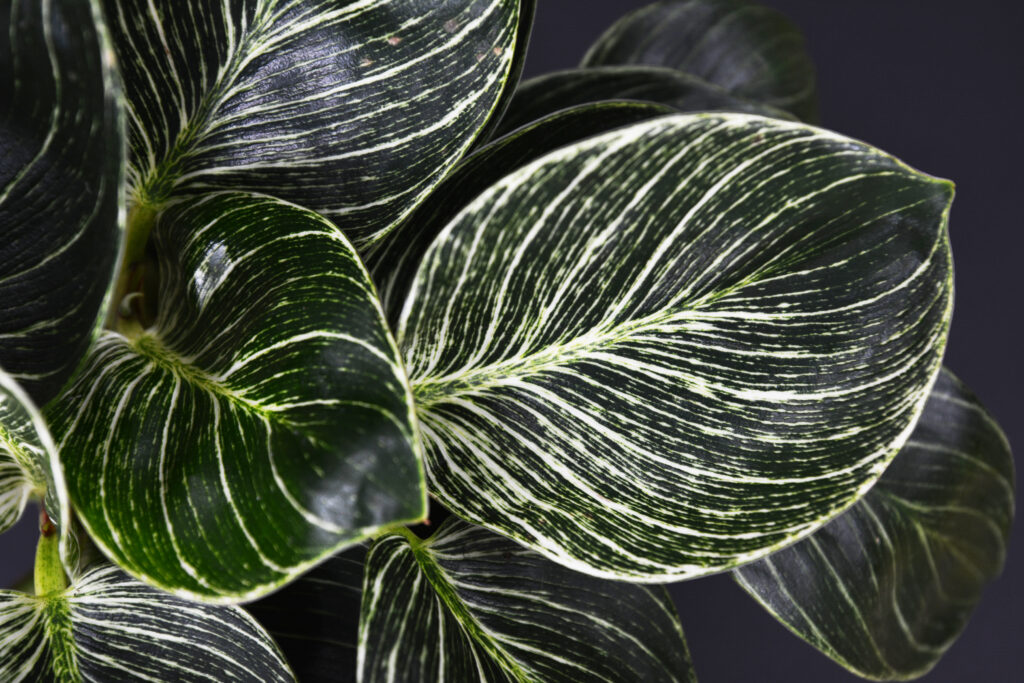
Philodendron Birkin looks polished and tidy, with dark green leaves marked by thin, creamy pinstripes. The stripes often get sharper as new leaves harden, which makes the plant feel like it changes in slow motion. It stays fairly compact, so it works well on a desk or side table. Bright, indirect light keeps the striping clear without stressing the leaves.
Let the top 1 to 2 inches of soil dry before you water again. A light, airy mix with perlite helps prevent soggy roots, especially if the pot is on the larger side. Turn the pot every week or two so the plant grows evenly instead of leaning. If you ever see a leaf that turns mostly green, you can leave it, but it may signal the plant wants a bit more light.
Philodendron White Knight
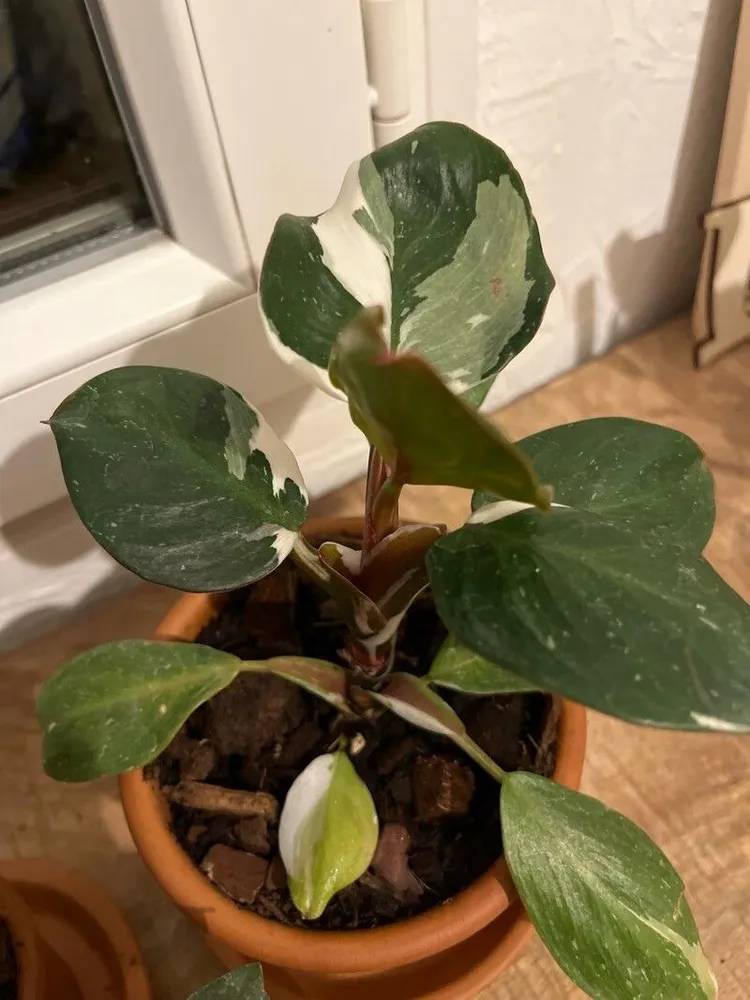
Philodendron White Knight has deep green leaves with clean white patches, plus stems that can show burgundy tones. The contrast is strong, and a single leaf can look like it has been dipped in paint. It grows as a climber, so a moss pole helps it stay upright and look fuller. Give it bright, indirect light so the white sections stay crisp.
Water once the top layer of soil dries, and always empty the saucer if water collects. A chunky mix with bark and perlite keeps the roots healthy and helps prevent fungus gnats. You can prune long stems to shape the plant and encourage new growth points. Warm rooms and steady humidity usually mean larger leaves and fewer small blemishes.
Philodendron White Princess
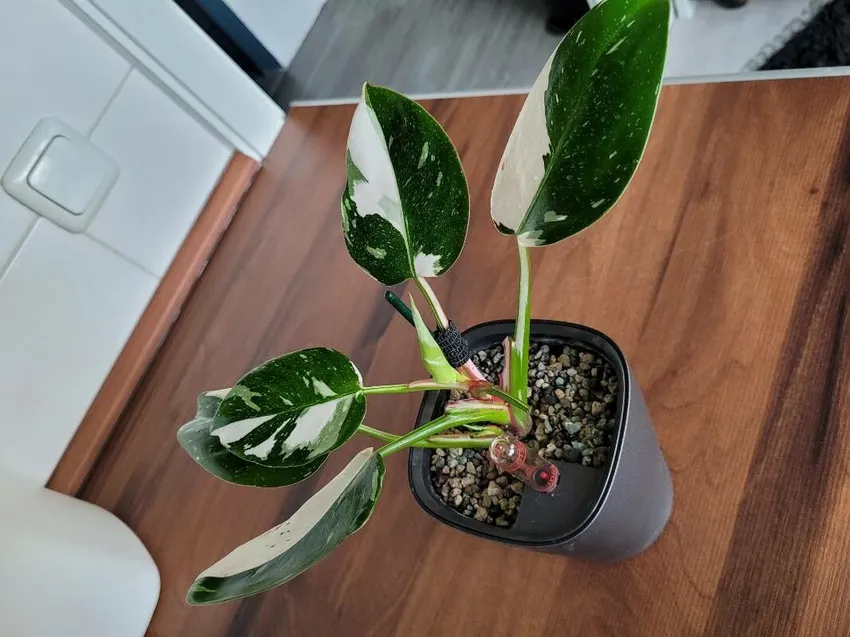
Philodendron White Princess is known for glossy green leaves with white patches, and some plants also show soft pink tones on the stems or leaf edges. The variegation can be speckled, half moon, or streaky, so it rarely looks repetitive. It grows upward over time, especially when supported. Bright, indirect light helps the plant keep its pattern without scorching the pale areas.
Allow the soil to dry slightly between waterings, then soak it well and let it drain. If growth slows, a small feeding during spring and summer can help, as long as you do not overdo it. Check new leaves as they unfurl, since very dry air can cause sticking and tearing. A gentle wipe with a damp cloth keeps the shine and makes the color contrast pop.
Philodendron White Wizard
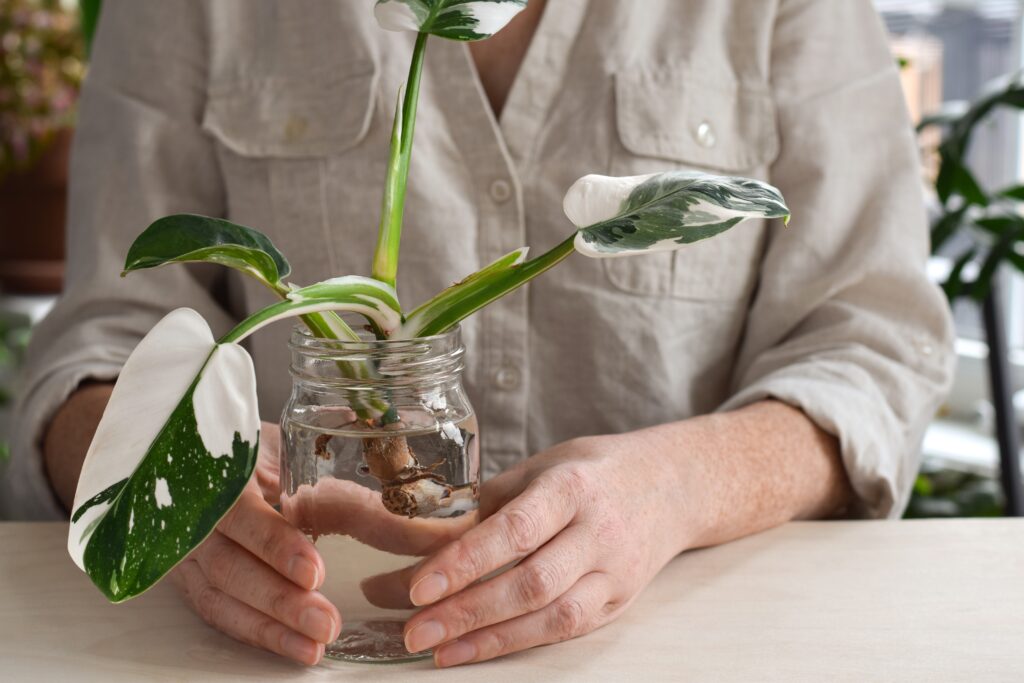
Philodendron White Wizard has thick, smooth leaves with strong white blocks that can look almost like cut paper laid over green. The stems are usually green, which makes the leaf pattern stand out even more. It can grow into a tall, elegant plant with the right support. Place it in bright, indirect light and rotate it so the growth stays balanced.
Water when the top couple inches of soil feel dry, then let the pot drain fully. A mix with bark, perlite, and a bit of coco coir works well because it holds moisture without feeling heavy. Trim any weak or damaged leaves so the plant can focus on fresh growth. If the plant starts leaning, tie it gently to a pole to protect the stems.
Pothos Marble Queen
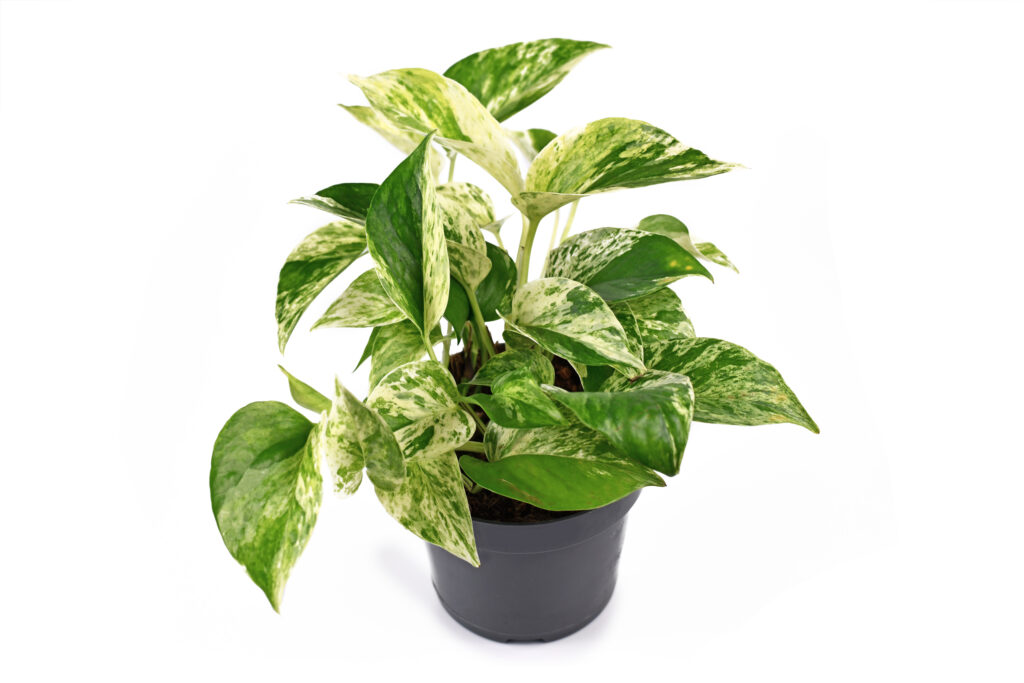
Marble Queen pothos has creamy marbling spread across each leaf, sometimes so much that the green looks like background color. The leaves are slightly larger and thicker than some other pothos types, and they look great spilling from a hanging basket. Bright, indirect light keeps the marbling visible and helps the plant stay full. In lower light, the leaves often turn greener and the pattern can fade.
Let the soil dry about halfway down before watering, since pothos handles a little dryness better than soggy roots. If the vines get long, you can trim them and propagate cuttings in a jar of water. Wipe the leaves occasionally so the pale areas stay clean and do not look dusty. This plant is easygoing, which makes it a good choice if you want a dramatic look without a lot of fuss.
Pothos N Joy
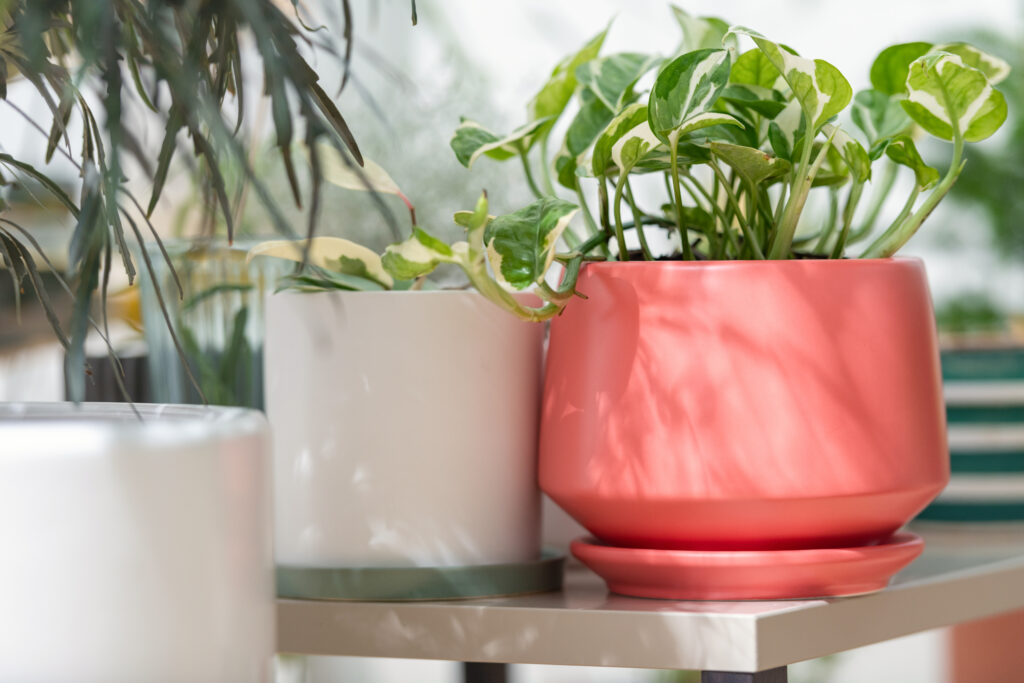
N Joy pothos has smaller leaves with crisp white and green patches that look clean and bright. The pattern often has sharp edges, almost like torn paper shapes. It stays compact compared to some other pothos, so it is great for shelves, windowsills, and small plant stands. Give it bright, indirect light to keep the white areas clear and not washed out.
Water when the top 2 inches of soil feel dry, then let the pot drain well. A lighter potting mix helps, since this variety does not like heavy, wet soil. Pinch back the tips to encourage branching and a fuller look. If it starts looking leggy, move it a little closer to the light and trim the longest vines.
Pothos Pearls and Jade
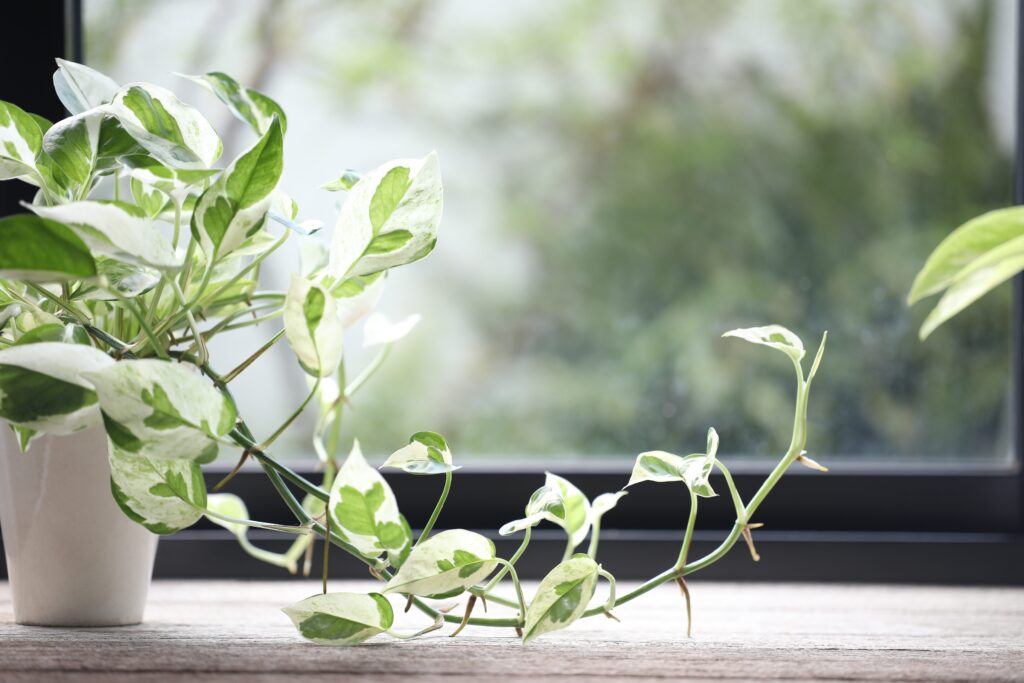
Pearls and Jade pothos has green leaves with white variegation plus little gray green speckles, which gives it a textured, painted look. The leaves are usually smaller, and the plant tends to grow in a tidy way rather than racing across a room. It looks great in a pot where you can see the details up close. Bright, indirect light helps keep the contrast strong.
Let the top part of the soil dry between waterings, especially in cooler months. If you want a fuller pot, take a few cuttings and plant them back into the same container once they root. This variety can be slower than basic golden pothos, so patience helps. A quick rinse in the sink now and then can freshen the leaves and remove dust from the pale sections.
Scindapsus Pictus Exotica
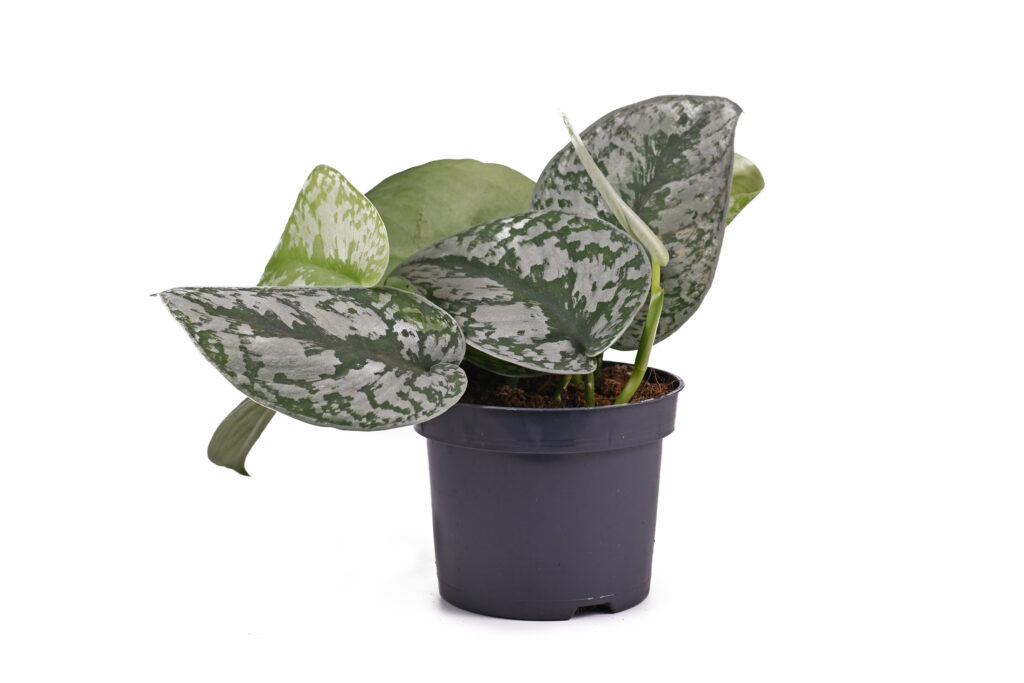
Scindapsus pictus exotica has velvety leaves with silvery splashes that can look like brushed metal. The silver can cover big areas, and the texture catches light in a soft, smooth way. It can trail or climb, and climbing often leads to larger leaves. Place it in bright, indirect light so the pattern stays dramatic without stressing the plant.
Water when the top half of the soil feels dry, since this plant prefers to dry out more than pothos. A chunky mix with bark and perlite helps keep roots healthy and prevents the pot from staying wet too long. This plant likes humidity, and the leaves often look smoother when the air is not too dry. If you see curling or crispy tips, check both watering habits and the dryness of the room.
Hoya Carnosa Krimson Queen
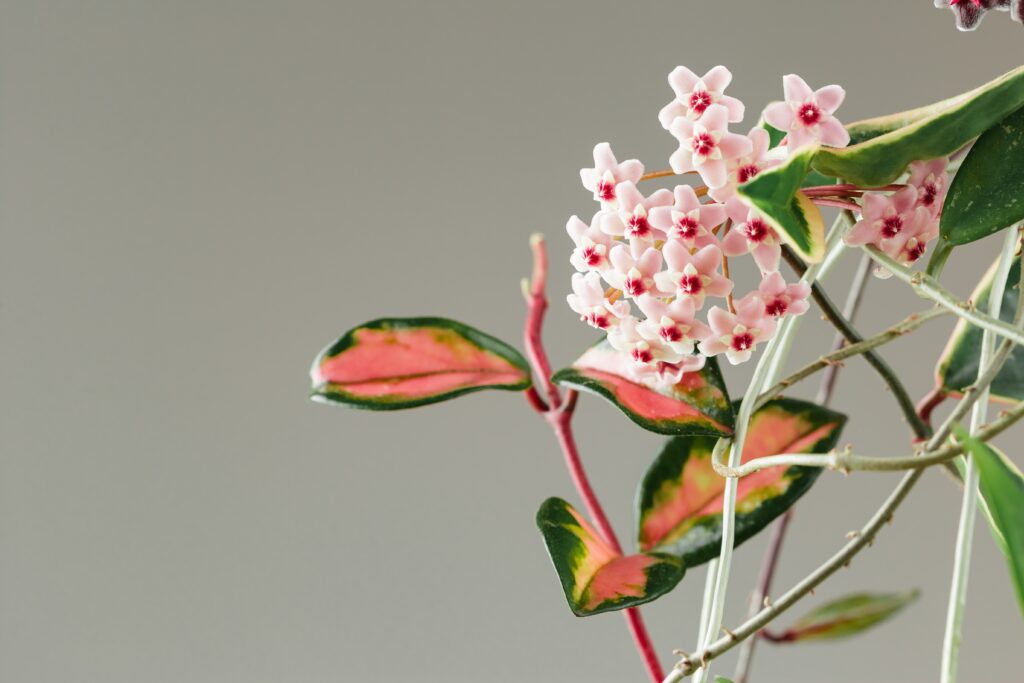
Krimson Queen hoya has thick, waxy leaves with creamy edges and green centers, and new growth can blush pink. The leaves grow along long vines that look great in a hanging pot or trained around a hoop. Because the foliage is sturdy, it holds up well in a busy room. Bright, indirect light helps keep the cream borders strong and supports blooming when the plant is mature.
Let the soil dry out well between waterings, since hoyas store water in their leaves. Use a very airy mix, such as potting soil with orchid bark and perlite, so water does not linger around the roots. If it blooms, you may see clusters of star shaped flowers with a sweet scent, and those blooms often return from the same spot. Do not remove the little flower spurs after blooming, since they can bloom again later.
Calathea White Fusion
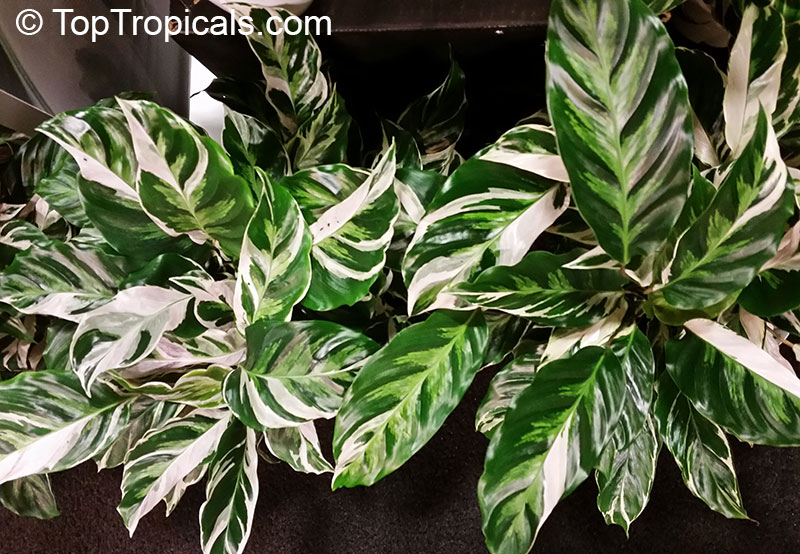
Calathea White Fusion has leaves that look hand painted, with white, green, and sometimes purple tones on the undersides. The pattern can look like swirls and watercolor patches, and the leaves move slightly through the day as light changes. It brings a soft, artistic look, but it can be picky about water and air. Keep it in bright, indirect light so the white does not fade, while avoiding harsh sun.
Use filtered or distilled water if possible, since calatheas can react to minerals with brown edges. Keep the soil lightly moist, not soaked, and do not let it dry out completely. Higher humidity helps a lot, so a humidifier or a pebble tray can make the leaves look smoother. If you see crispy tips, check humidity first, then look at watering timing and the quality of the water.
Ficus Elastica Tineke
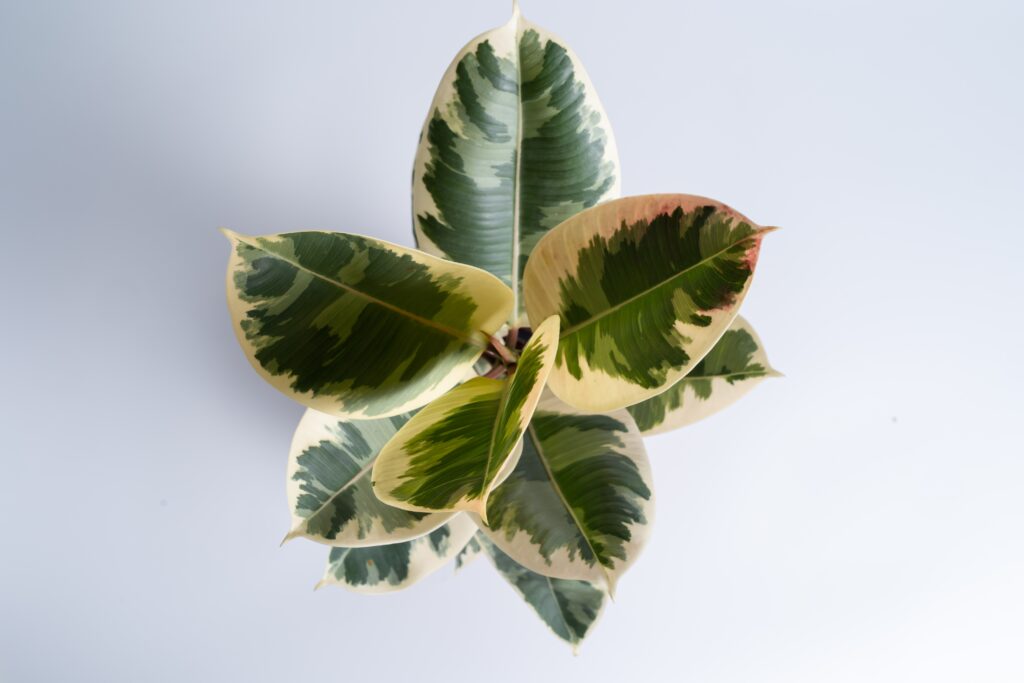
Ficus elastica Tineke has thick rubbery leaves with soft bands of cream, green, and sometimes a faint pink tone on new growth. The leaves are large, glossy, and structured, so the plant can look like living decor even when it is still young. It grows upright and can become a statement plant near a bright window. Give it bright, indirect light for the best color, and avoid letting strong sun hit the leaves for long periods.
Water when the top 2 inches of soil feel dry, then water thoroughly and let it drain. Rubber plants do not like cold drafts, so keep it away from doors that open often in winter. Wipe the leaves gently to keep them shiny and help the plant take in light. If it gets tall and bare at the bottom, you can prune the top to encourage branching.
Tradescantia Zebrina
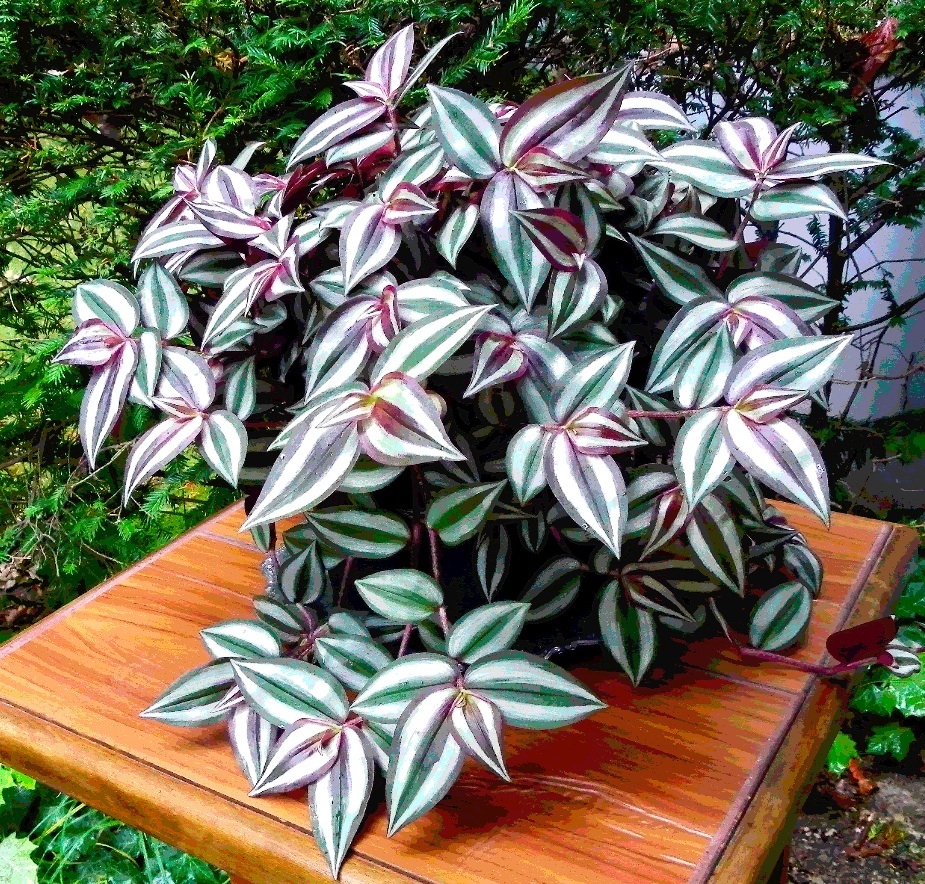
Tradescantia zebrina has trailing stems covered in purple and green stripes with a silver sheen that catches the light. The leaves are small, but the color is loud in the best way, especially when it spills over the edge of a pot. In bright light, the purple tones get richer and the stripes look sharper. It grows quickly, so it can fill a container fast.
Water when the top inch of soil is dry, and do not let the pot sit in water. Pinch the tips often because that makes the plant branch and look fuller instead of stringy. If stems get long, cut them and root them easily in water, then plant them back in the pot. This plant can handle a lot, but it looks best when it gets steady light and regular trimming.
This article originally appeared on Avocadu.