
12 U.S. Towns With Wildflower Seasons That Draw Visitors Every Year
If you love the beauty of wildflowers, some U.S. towns offer spectacular seasonal displays that you do not want to miss. These places attract visitors from all over to witness nature’s vibrant show. Each year, locals and travelers gather to enjoy the stunning blooms. From coast to coast, there are countless spots where wildflowers take center stage.
This post may contain affiliate links, which helps keep this content free. Please read our disclosure for more info.
Ennis, Texas
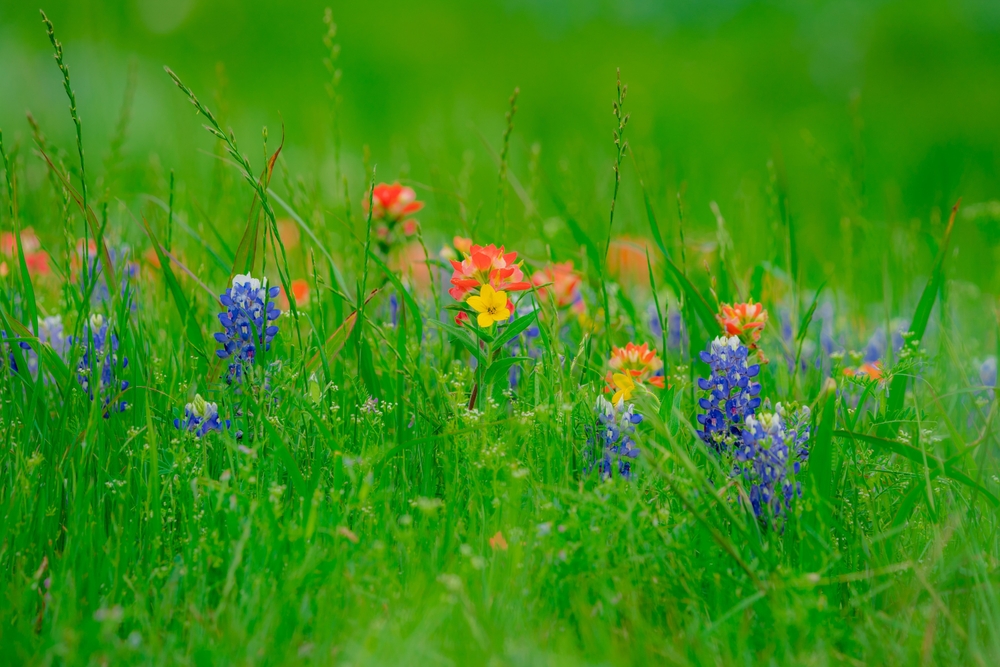
Ennis is known as a hotspot for bluebonnet viewing when the state flower blooms along scenic trails and open fields in spring. The town’s bluebonnet season typically peaks in April, drawing crowds who come to walk the designated Bluebonnet Trails and take photos among the cheerful blooms. Ennis also hosts a lively community celebration with music, local food, and vendors during the peak days. The experience of colorful wildflowers against the gently rolling Texas countryside makes this a favorite stop for floral lovers and photographers.
Beyond the flowers, Ennis has historic downtown streets full of small shops and Texan charm that visitors enjoy before or after chasing blooms. Local guides and welcome centers offer maps and tips for where the flowers are thriving and safe spots to pull over. The town encourages visitors to stay on public land and follow seasonal updates from locals for the best times to see the flowers.
Fredericksburg, Texas
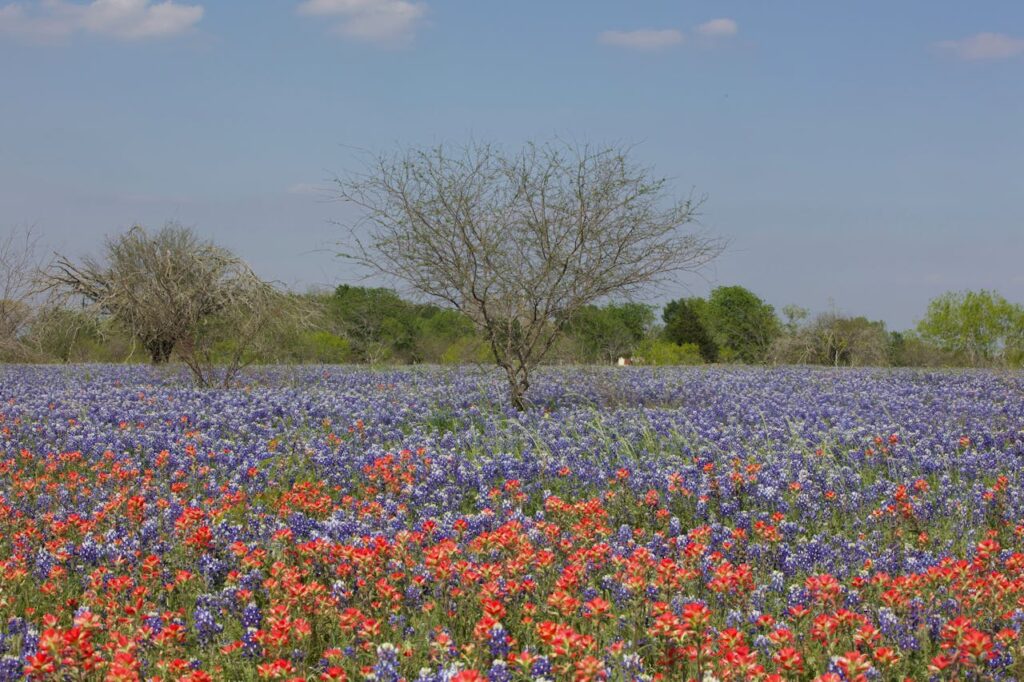
Fredericksburg in the Texas Hill Country is a popular stop for wildflower fans, especially during the spring months when fields around town brighten with bluebonnets and other native blooms. The area is home to Wildseed Farms, a large flower seed farm with walking paths through fields of colorful wildflowers that attract visitors from across the region. This town blends floral attractions with wine country charm, offering plenty of places to taste local vintages after a day of viewing blooms.
Visitors can explore nearby parks and trails, take scenic drives, or browse the shops along Main Street once the flowers fade. Fredericksburg’s mix of natural beauty and small‑town hospitality makes it a standout destination for a spring journey. Garden enthusiasts often book stays early to enjoy both the floral displays and the cultural events that occur during this lively season. The surrounding countryside is dotted with lavender fields, vineyards, and peaceful vistas that extend the sense of seasonal renewal.
Skagit Valley, Washington
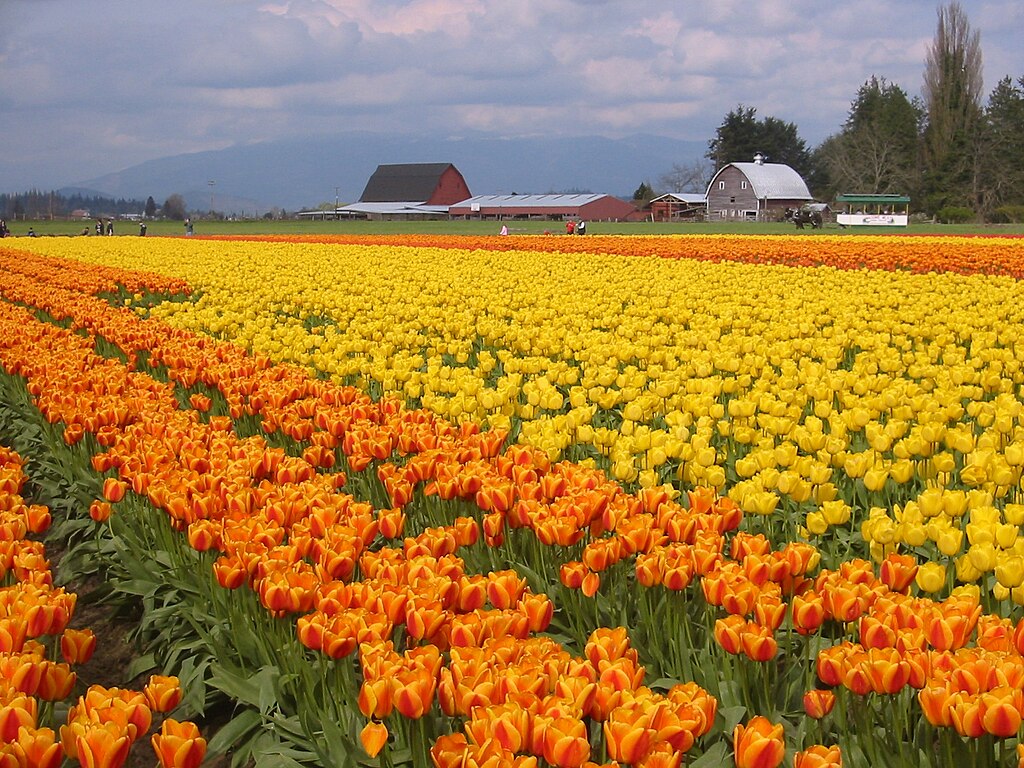
Skagit Valley bursts to life each spring with fields of tulips and daffodils that stretch across farmland and draw visitors to one of the most famous floral celebrations in the Pacific Northwest. The annual Skagit Valley Tulip Festival encourages travelers to take in rows of bright blooms from late March through early April. Visitors can walk among the fields, buy bouquets from local growers, and learn about bulb farming traditions that have shaped this region over many decades. The patchwork of color set against distant mountain views creates a striking scene that delights many first‑time visitors.
Local towns like La Conner offer galleries, cafés, and small shops that pair well with a floral visit, making the area a comfortable place to spend several days. Lodging options range from cozy inns to lodges with views of the surrounding fields and waterways. Seasonal tours often include viewpoints where photographers can capture the sweeping patterns of blooms at different times of day. The festival atmosphere brings a mix of families, flower photographers, and nature lovers together each spring.
Carlsbad, California
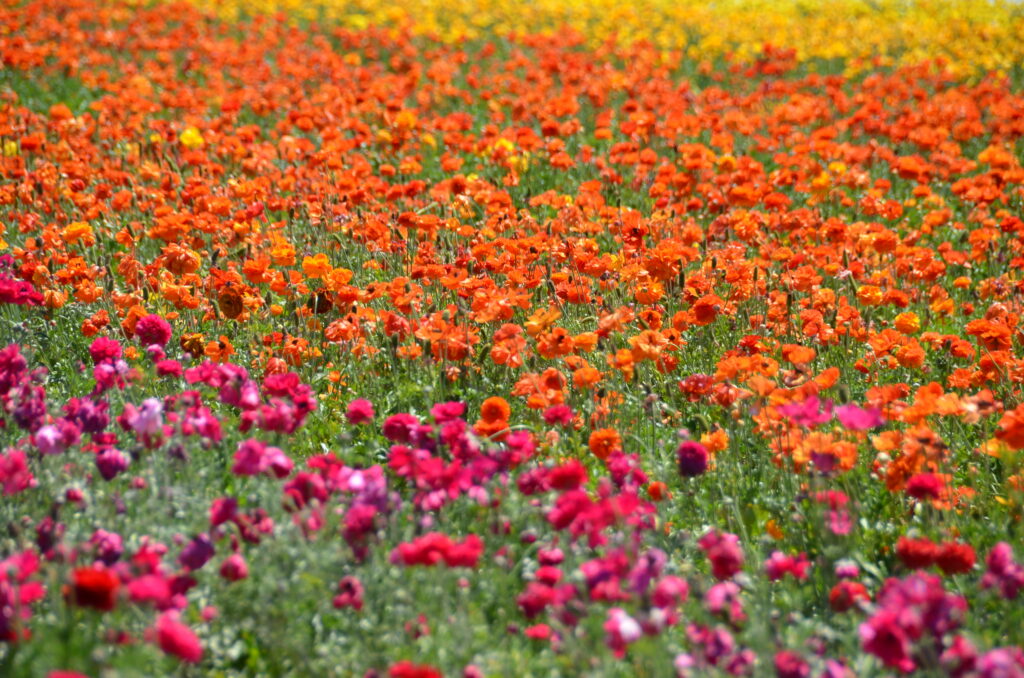
In Carlsbad, southern California’s mild spring weather supports a floral attraction known as The Flower Fields, where giant ranunculus flowers bloom in waves of vibrant colors each year. From early March through early May, visitors can stroll along well‑marked paths and admire acres of blossoms that feel almost like a living painting. This site has become a popular outing for families, couples, and photographers hoping to enjoy bright floral displays without venturing into remote parks. Volunteers and guides provide educational tours, giving insight into how these blooms are grown and maintained.
The town of Carlsbad itself offers relaxed beach town vibes, local restaurants, and craft breweries where visitors can unwind after a day among the flowers. Nearby parks and coastal trails provide options for those who want a mix of aquatic scenery and floral beauty. Many people plan overnight stays to enjoy both the floral displays in the morning light and the scenic Pacific coastline at sunset. Springtime here brings a gentle shift in the season that is easy to enjoy for travelers of all ages.
Sugar Hill, New Hampshire
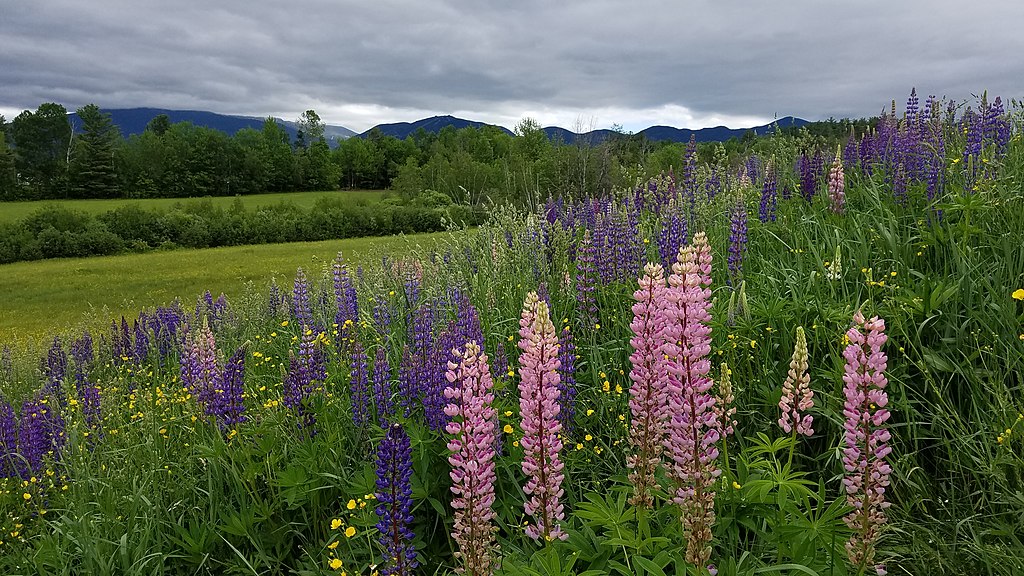
Sugar Hill is a quiet town that draws attention in early summer when fields of lupines bloom with tall stalks in shades of blue, purple, and pink. The lupine season usually runs through June, and the town celebrates with events like the Celebration of Lupines, which brings locals and visitors together for a weekend of floral appreciation. Trails around the town offer scenic views of these towering wildflowers against the backdrop of the White Mountains. Photographers frequently arrive early in the season to capture these blooms at their peak.
Sugar Hill’s small community atmosphere means that many visitors enjoy a slower pace while exploring local cafés, artisan shops, and scenic overlooks. Nearby Franconia Notch State Park adds to the appeal with additional trails, waterfalls, and quiet picnic spots that enhance a floral getaway. Families often combine flower viewing with gentle hikes that showcase the region’s natural beauty. Summer in Sugar Hill feels like a pastoral retreat framed by waves of tall blossoms.
Great Smoky Mountains National Park, Tennessee and North Carolina
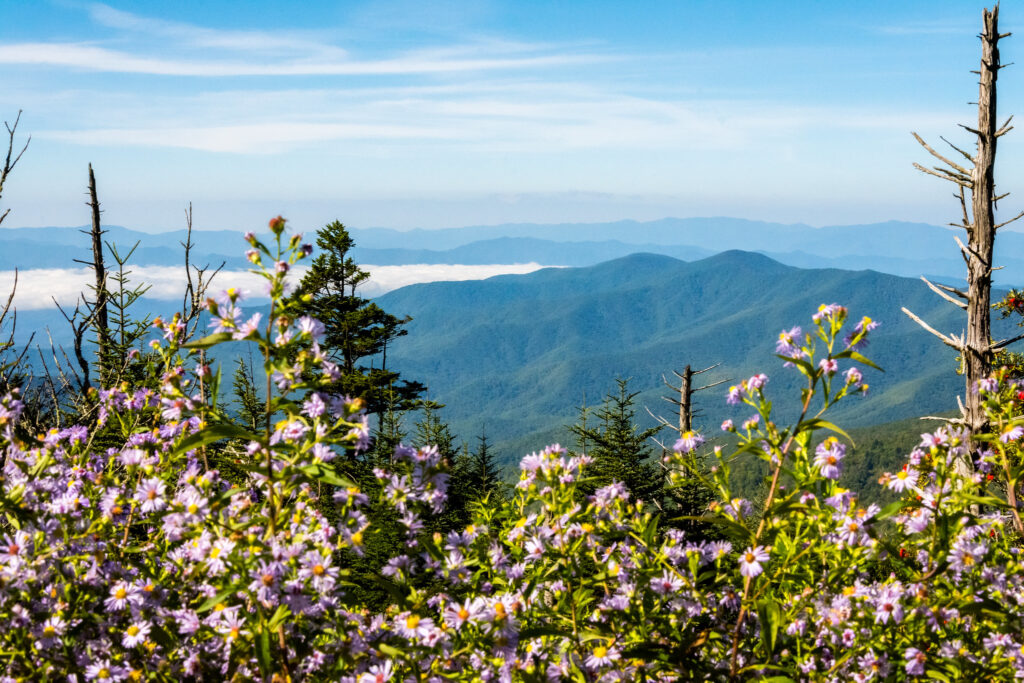
Great Smoky Mountains National Park is legendary for its incredible wildflower diversity, with thousands of species emerging each spring. Each year during the spring months, the park welcomes guests eager to see azaleas, trilliums, violets, and other blooms that fill forests and open meadows. The annual wildflower pilgrimage draws hikers and naturalists who want guided walks among these plants and occasional expert talks. The mixture of floral displays and mountain views makes this a rewarding place for both seasoned adventurers and families.
Trails in the park vary from easy boardwalks to more challenging ridge hikes, giving visitors options when setting out to see the seasonal colors. Early morning light along creekside paths often brings the flowers to life, and shaded forest floors reveal blooms that thrive in cooler conditions. Lodging and historic cabins near the park entrances offer comfortable places to rest after a day spent outdoors. Each spring visit feels unique as the blooms shift with elevation and temperature.
Death Valley, California
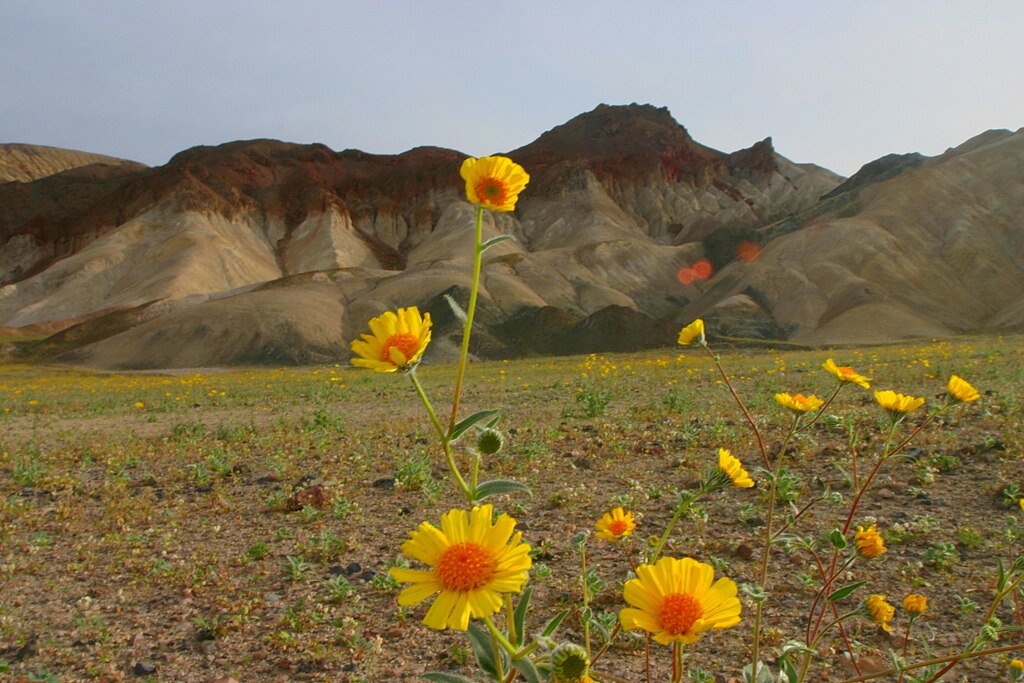
Death Valley National Park may seem like an unlikely place for wildflowers, but its desert blooms have become a seasonal attraction that draws curious travelers during the spring. Wildflowers in the park can appear in stages across different elevations, with some blooms visible as early as February and others lasting into summer at higher altitudes. Roads through the park provide chances to stop and view fields of desert gold, sand verbena, and other native plants that emerge after winter rains.
The stark desert backdrop makes the contrast of color even more striking, offering landscape photographers and outdoor enthusiasts compelling scenes that differ from more familiar meadow settings. Visitors should bring water and sun protection when exploring during spring, as temperatures can rise quickly in open areas. While not as crowded as some floral destinations, Death Valley’s bloom season produces memorable sightlines for those who plan ahead. Roads that wind through the valley allow easy access to multiple bloom spots without long hikes.
Wichita Mountains Wildlife Refuge, Oklahoma

The Wichita Mountains Wildlife Refuge in Oklahoma showcases broad prairie scenes where spring wildflowers scatter across grasslands and granite outcrops. This refuge, near the town of Meers, supports hundreds of native plant species that appear each spring as part of the local ecosystem. Visitors can drive scenic routes or hike short trails to see bursts of color that complement the rugged terrain. Birdwatchers and nature lovers often combine flower viewing with wildlife observation in this expansive protected area.
Camping and picnic areas within the refuge make it easy to spend a full day outdoors, enjoying the mix of plant life and peaceful prairie atmosphere. Spring is an especially pleasant time to visit before summer heat arrives, and the changing weather brings different blooms at different elevations. Local guides sometimes offer tips for spotting particular species, and morning light enhances the texture of both flowers and scenic vistas. The refuge’s mix of open spaces and rocky hills gives each outing a sense of discovery.
Antelope Valley, California
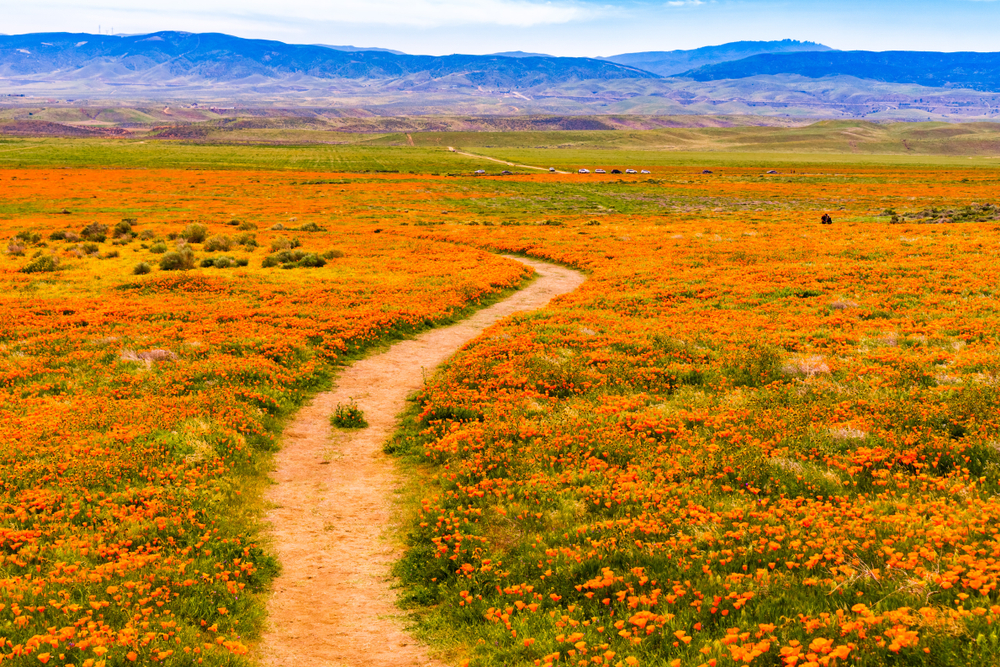
Antelope Valley, located in Southern California, is famous for its annual poppy bloom, where vibrant orange flowers blanket the valley floor each spring. The Antelope Valley California Poppy Reserve provides visitors with walking trails that wind through fields filled with golden poppies, the California state flower. The season typically peaks in late March to early April, attracting visitors from across the state.
In addition to the poppies, the valley hosts other wildflower species such as lupines, primroses, and goldfields, adding more colors to the landscape. The reserve offers an educational visitor center where experts discuss the region’s flora and fauna. The nearby town of Lancaster also celebrates the bloom with local events, making it a great base for travelers. The combination of desert and wildflower beauty creates a truly unique destination for those looking to experience California’s natural wonders.
Crested Butte, Colorado
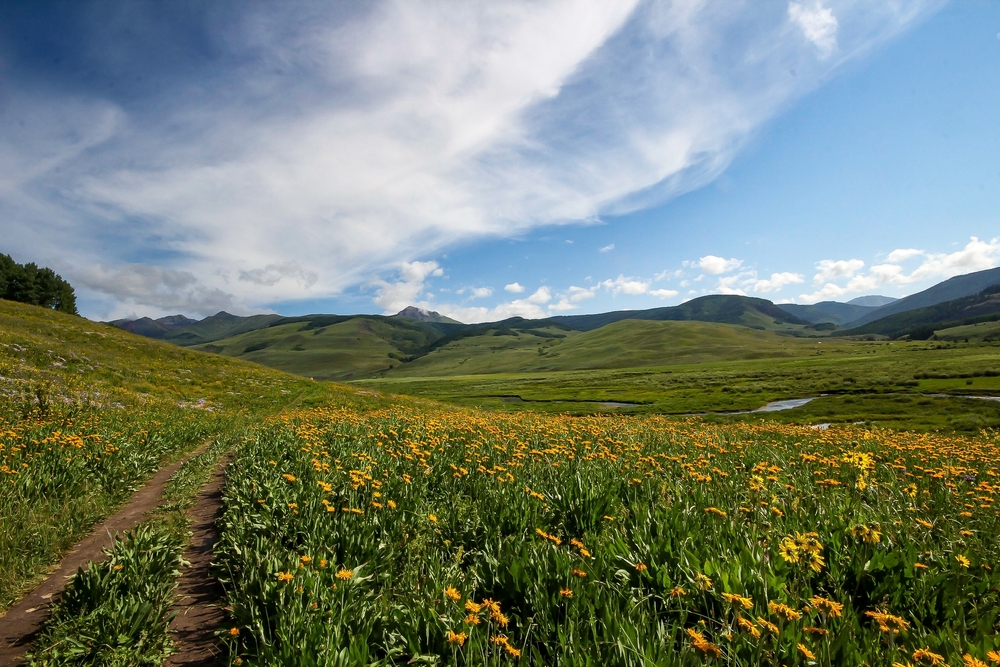
Crested Butte, often referred to as the wildflower capital of Colorado, is famous for its vibrant fields of alpine wildflowers that bloom during the summer months. The town, nestled in the heart of the Rocky Mountains, becomes a floral paradise each July and August. Wildflower enthusiasts flock to the area for the annual Crested Butte Wildflower Festival, which features guided tours, wildflower walks, and photography workshops. Species such as columbines, lupines, and Indian paintbrushes create a colorful display across the valley.
Crested Butte is surrounded by pristine wilderness, offering plenty of hiking trails that lead visitors through fields of flowers at higher elevations. The combination of mountain views and wildflower meadows provides a picturesque experience. Visitors also enjoy the charming town of Crested Butte, which offers local shops and restaurants that complement the natural beauty. The wildflower season is a major draw, but the town’s relaxed mountain vibe makes it a great place to visit year-round.
Shenandoah National Park, Virginia
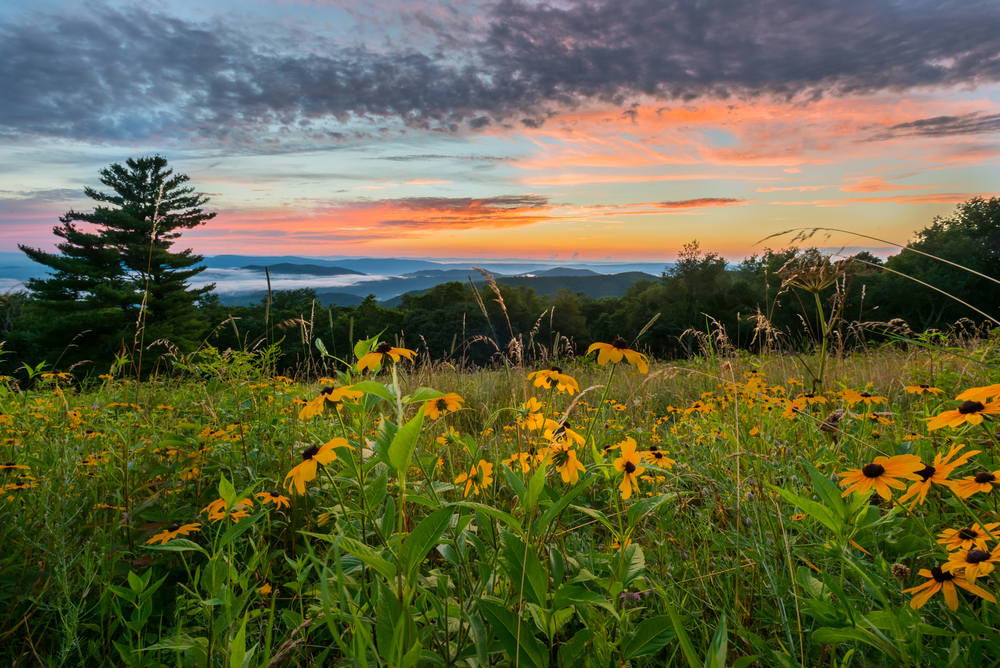
Shenandoah National Park in Virginia offers one of the most scenic wildflower displays in the Eastern U.S. The park’s trails, which wind through the Blue Ridge Mountains, are covered with a variety of wildflowers, such as mountain laurel, trillium, and columbine. Springtime brings a colorful burst to the park, with flowers appearing as early as April. The Blue Ridge Parkway, which runs along the park’s edge, provides incredible views of the valleys and ridges dotted with blooming wildflowers.
Visitors can enjoy hiking, birdwatching, and scenic drives, all while surrounded by the park’s floral beauty. The park’s diverse habitats, ranging from lowland forests to mountain meadows, create an ideal environment for a wide variety of plants. Local guides often lead tours during the peak bloom season, giving visitors insight into the park’s unique ecosystems. Shenandoah National Park is a prime spot for wildflower lovers looking for a peaceful escape in nature.
Point Reyes National Seashore, California
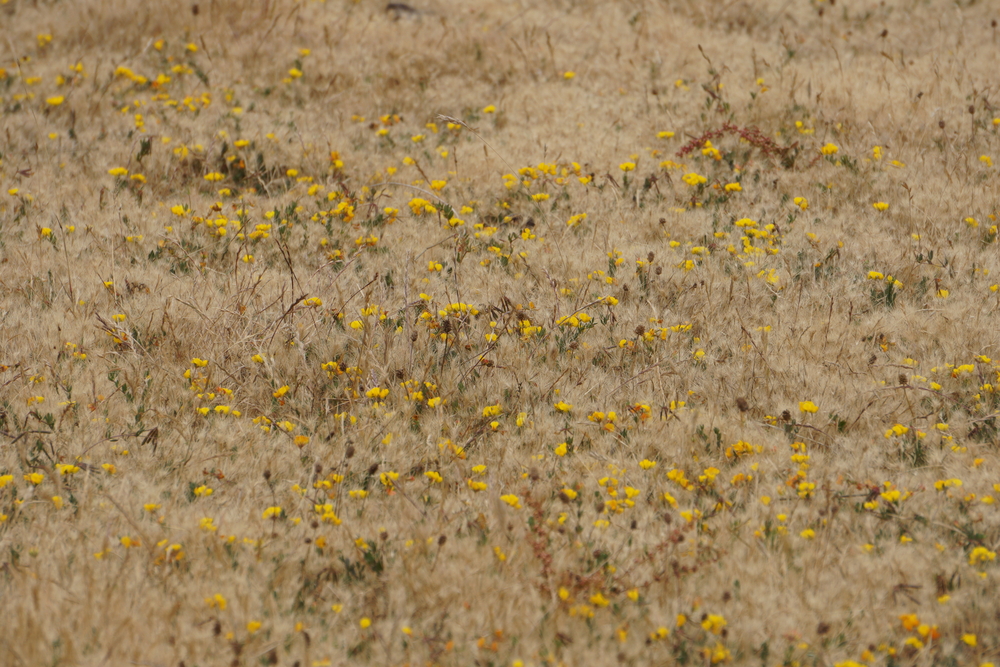
Point Reyes National Seashore, located on California’s Marin County coastline, is a stunning destination for wildflower viewing in the spring. The coastal meadows and hillsides bloom with an impressive array of species, including California poppies, lupines, and fuchsia-colored California lilac. Wildflower season peaks in late spring, typically from April to June, when the park’s diverse ecosystems support a wide range of plant life.
In addition to wildflowers, Point Reyes offers a chance to see unique coastal wildlife, including migrating whales and bird species. The area’s mix of marine, grassland, and forest environments makes it an ideal spot for both plant and animal enthusiasts. The park’s rich history and proximity to San Francisco make it a perfect day trip or weekend getaway for those looking to experience nature’s beauty. The combination of flowers, wildlife, and coastal vistas makes Point Reyes a memorable destination.
This article originally appeared on Avocadu.