
12 U.S. Locations Known for Legendary Film and Media Festivals
Film and media festivals have a way of turning certain places into yearly meeting points for stories, ideas, and creative voices. Some towns and cities in the United States are closely tied to these events and feel different when festival season arrives. This list highlights locations that are widely known for hosting iconic film and media gatherings that draw audiences from near and far.
This post may contain affiliate links, which helps keep this content free. Please read our disclosure for more info.
Park City, Utah
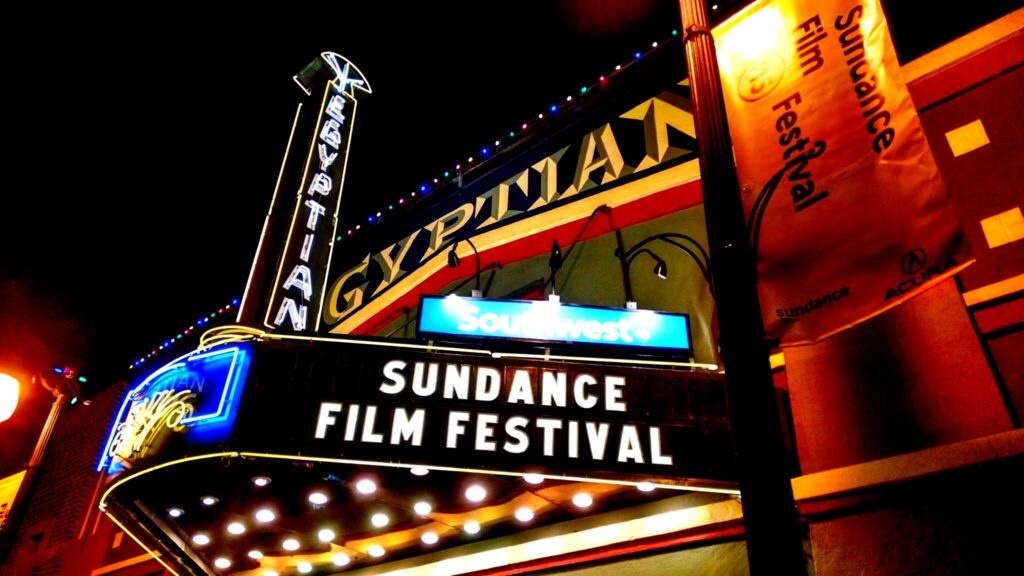
Park City becomes closely tied to film culture each winter when its quiet mountain streets fill with screenings, panels, and late night conversations. The town itself is compact, which makes it easy for visitors to move between theaters, cafes, and historic Main Street on foot. Snowy views and restored buildings give the setting a distinct feel that stays with first time visitors. The atmosphere often feels focused and personal rather than flashy.
Outside of screenings, Park City offers a calm pace that balances the busy festival schedule. Many guests spend downtime walking the rail trail or stepping into small galleries and bookstores. Restaurants tend to stay lively deep into the evening during festival weeks. The mix of winter scenery and film culture gives the town a reputation that extends far beyond Utah.
Austin, Texas
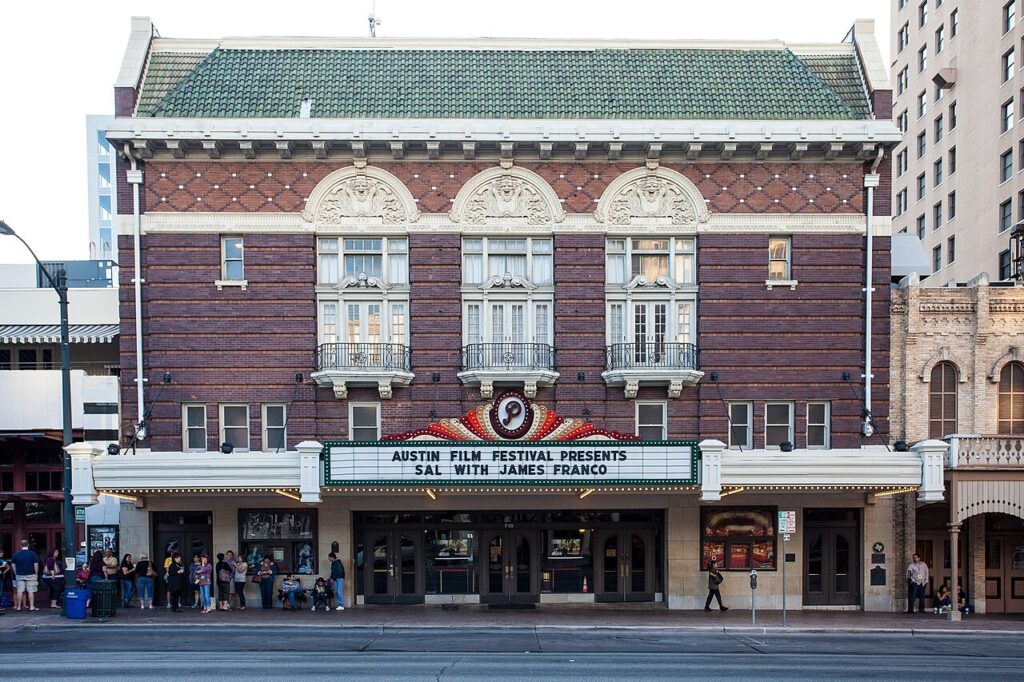
Austin is widely known for blending film, music, and media into one shared experience. During festival season, movie screenings happen alongside live performances and talks across downtown venues. The city’s creative energy feels constant, even between major events. Visitors often notice how easily different art forms overlap here.
Between screenings, Austin offers casual spaces to relax and connect with others. Food trucks, record shops, and coffee spots become informal meeting places for filmmakers and fans alike. The city’s layout encourages walking short distances rather than staying in one area. That sense of movement adds to the lively rhythm of festival days.
New York City, New York
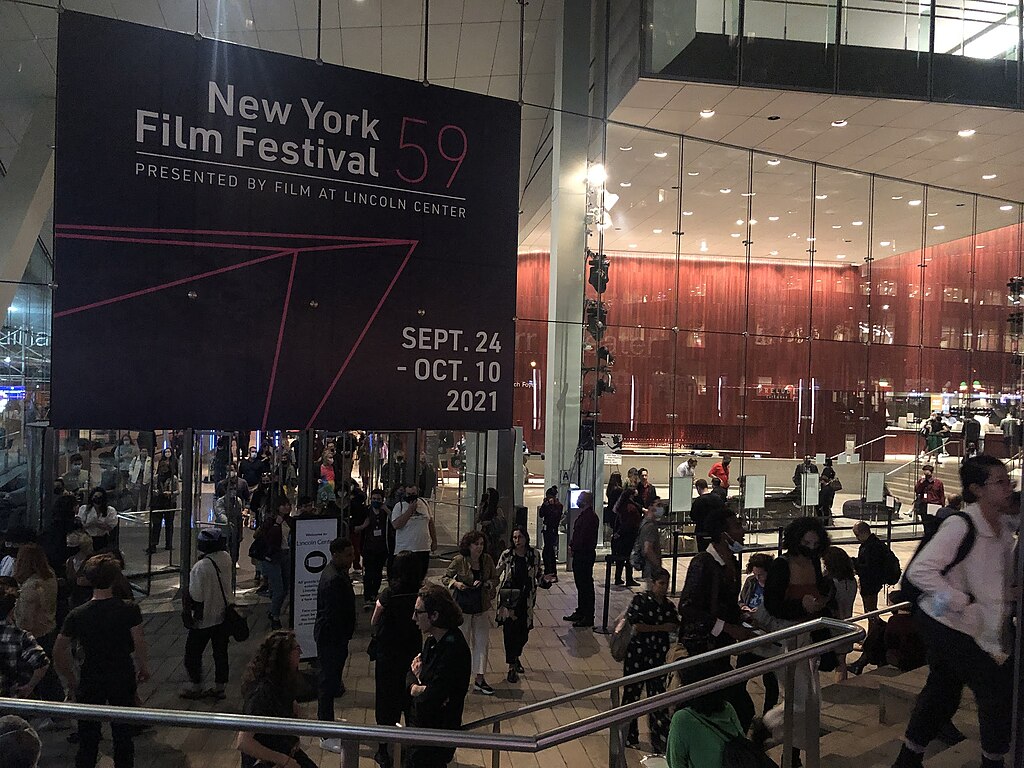
New York City has long played a central role in film and media culture in the United States. Festivals here make use of historic theaters, modern venues, and neighborhood cinemas across several boroughs. The scale of the city allows many styles of film to be shown at once. Each event feels woven into everyday city life.
Visitors often mix screenings with museums, street walks, and late meals. Public transportation makes it easy to attend events in different neighborhoods on the same day. The audience tends to be engaged and vocal during discussions. That constant exchange of ideas is part of what defines the festival experience here.
Telluride, Colorado
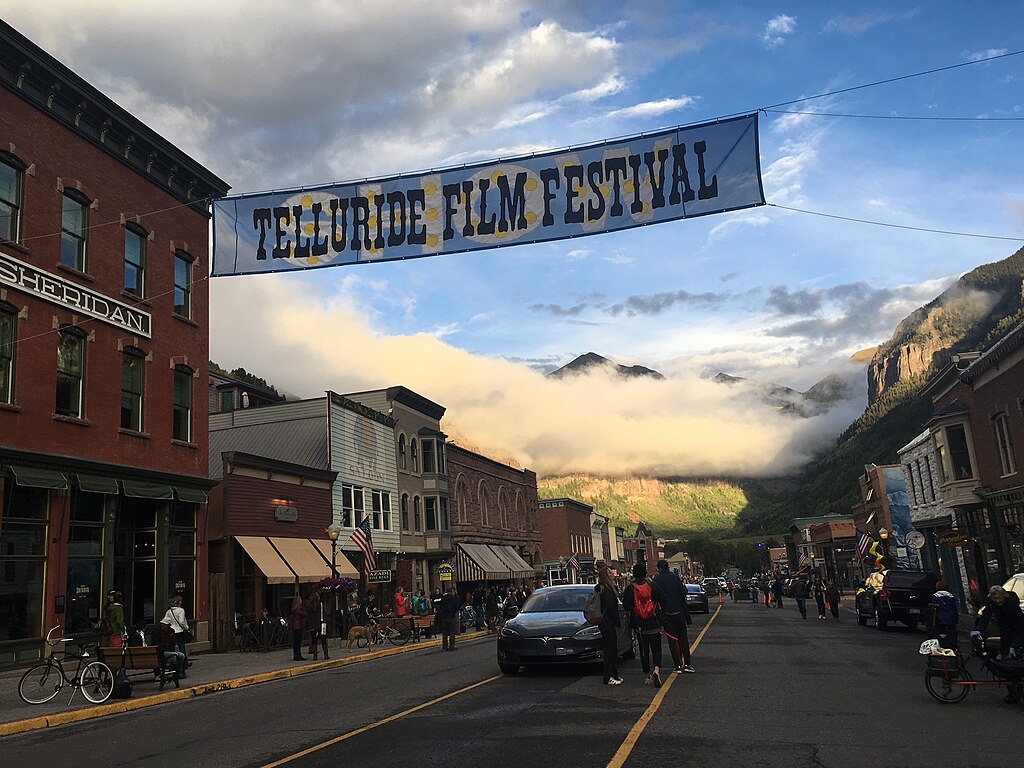
Telluride is known for pairing serious film programming with dramatic mountain scenery. The town sits in a narrow box canyon, which creates a sense of separation from the outside world. During festival days, nearly everyone in town seems connected to the event. That shared focus gives the gathering a close knit feel.
Between films, visitors often step outside to take in the views or walk quiet residential streets. The small size of the town keeps everything within easy reach. Conversations often continue long after screenings end. The setting encourages reflection as much as discussion.
Los Angeles, California
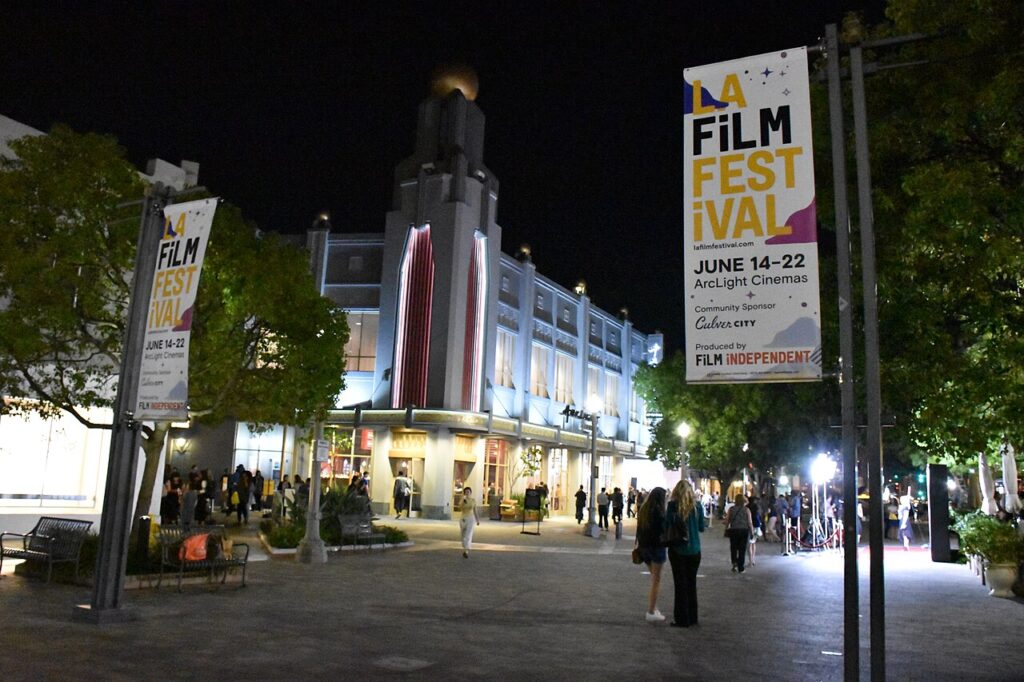
Los Angeles is deeply linked to film history, which shapes how its festivals are experienced. Screenings take place in iconic theaters as well as modern screening rooms. Industry professionals and general audiences often attend the same events. That mix adds variety to discussions and panels.
Outside the venues, the city offers endless ways to fill the day. Visitors might drive between neighborhoods, stop at studios, or visit well known landmarks. Traffic can slow things down, yet it also becomes part of the shared experience. The city’s long relationship with film gives each festival a sense of continuity.
Palm Springs, California
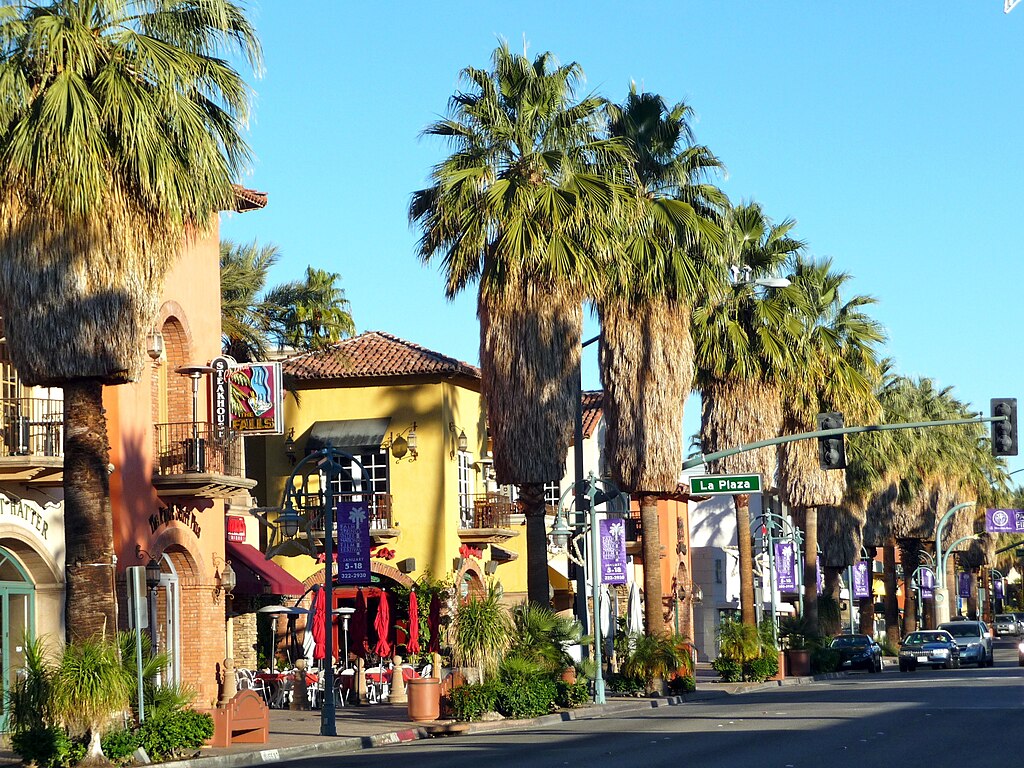
Palm Springs brings a relaxed desert setting to the film festival scene. Mid century architecture and palm lined streets shape the mood of events held here. Screenings often feel unhurried compared to larger cities. The climate encourages outdoor gatherings between films.
Many visitors plan downtime by hotel pools or along quiet walking paths. The town center keeps theaters, shops, and dining close together. That layout makes it easy to balance events with rest. The overall pace helps guests stay engaged without feeling rushed.
Santa Barbara, California
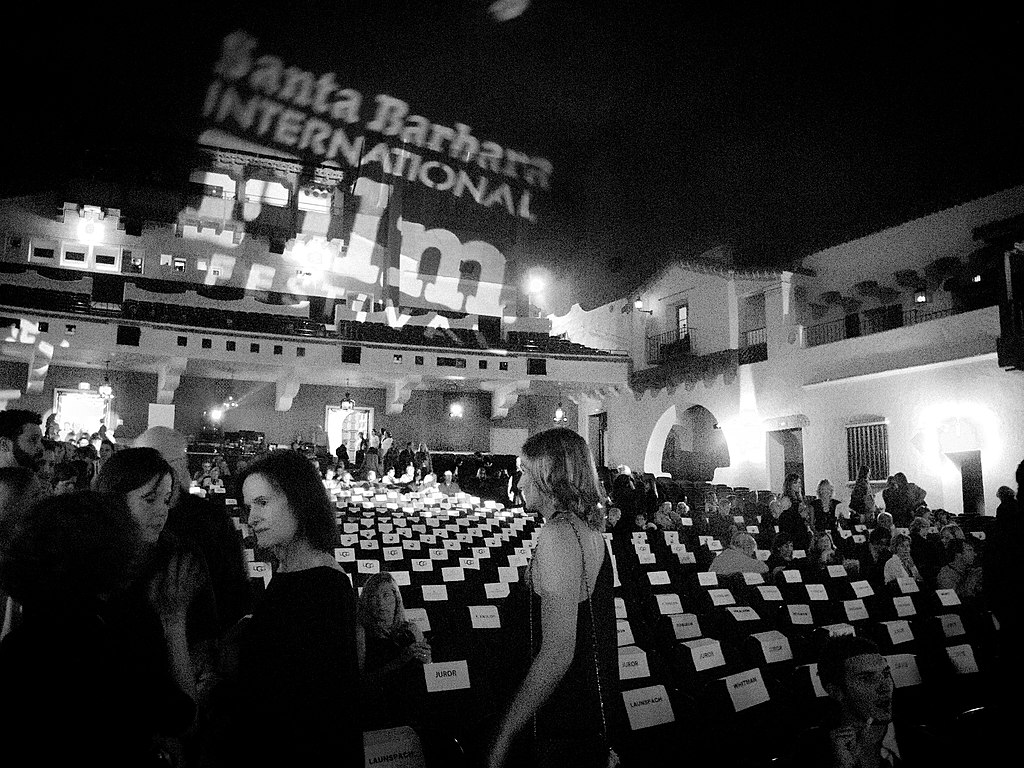
Santa Barbara offers a coastal backdrop that feels calm and refined during festival season. Spanish style buildings and ocean views frame many of the venues. The setting often adds a reflective tone to screenings and talks. Events here tend to highlight thoughtful programming.
Between films, visitors walk along the waterfront or through compact shopping areas. The city’s size allows for easy movement without long travel times. Dining spots near theaters stay busy but relaxed. That balance makes the experience comfortable for returning guests.
Mill Valley, California
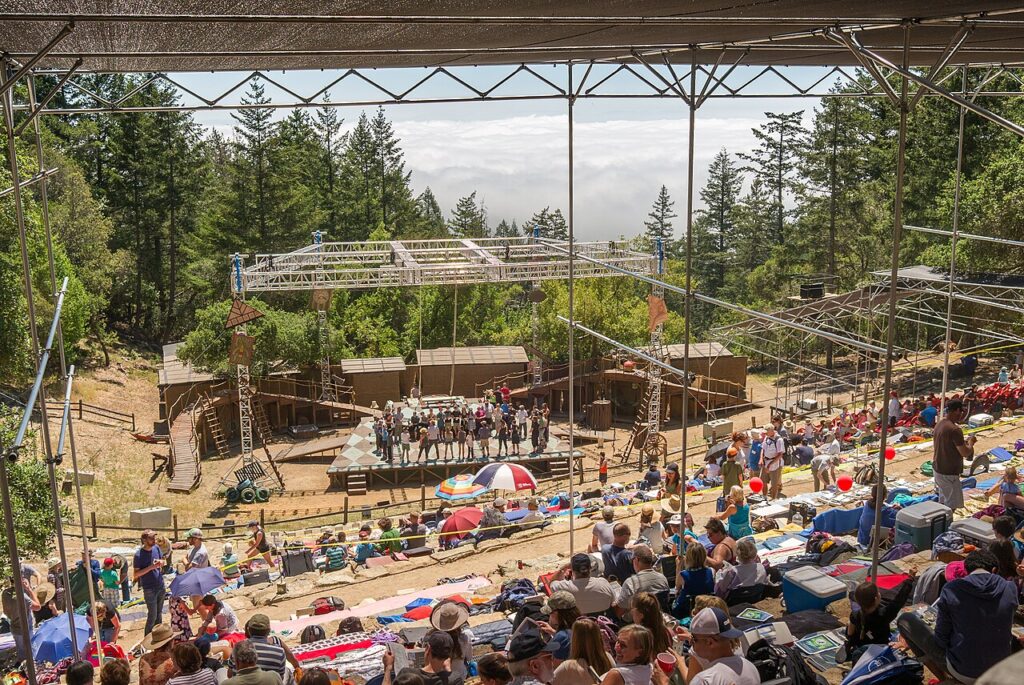
Mill Valley is known for its strong connection to documentary and independent film. The town sits near forested hills, which gives it a quiet and grounded feel. Screenings often take place in familiar community spaces. That setting supports open and honest conversations.
Visitors often notice how approachable the events feel. Cafes and small restaurants become gathering spots after films. The slower pace encourages thoughtful discussion rather than hurried schedules. Nature and storytelling blend naturally here.
Ann Arbor, Michigan
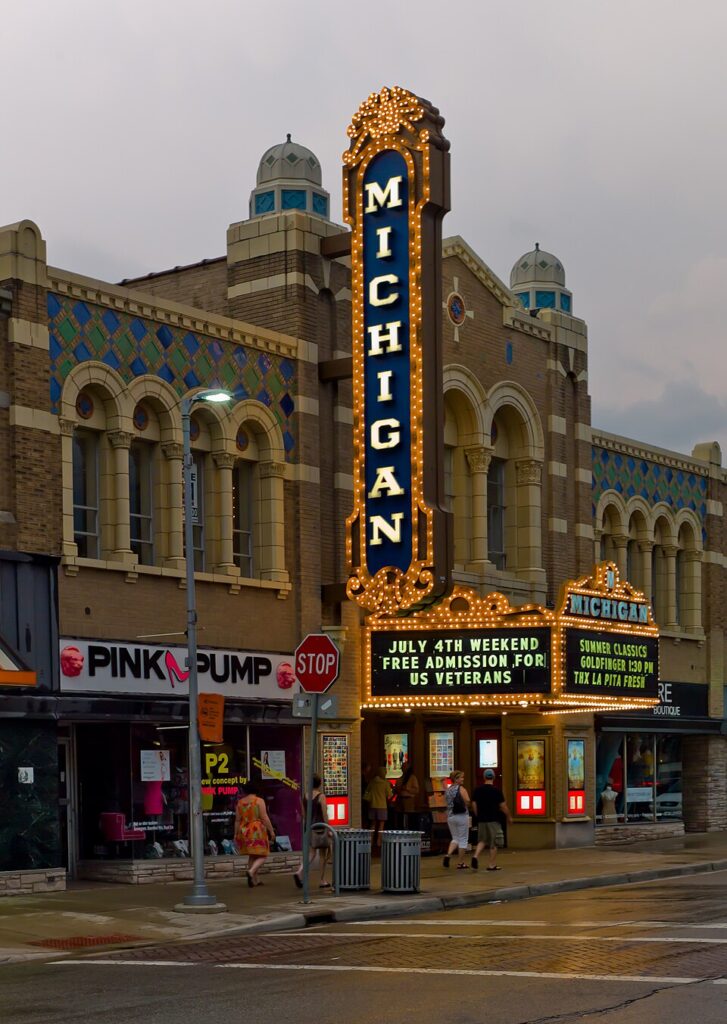
Ann Arbor has built a strong reputation for film festivals connected to education and community. University venues and downtown theaters are commonly used for screenings. Audiences tend to be curious and engaged. The town’s academic roots shape the tone of many events.
Between screenings, visitors explore bookstores, campus paths, and local eateries. The downtown area is walkable and welcoming. Conversations often continue in informal settings late into the evening. That sense of shared interest gives the festivals lasting appeal.
Savannah, Georgia
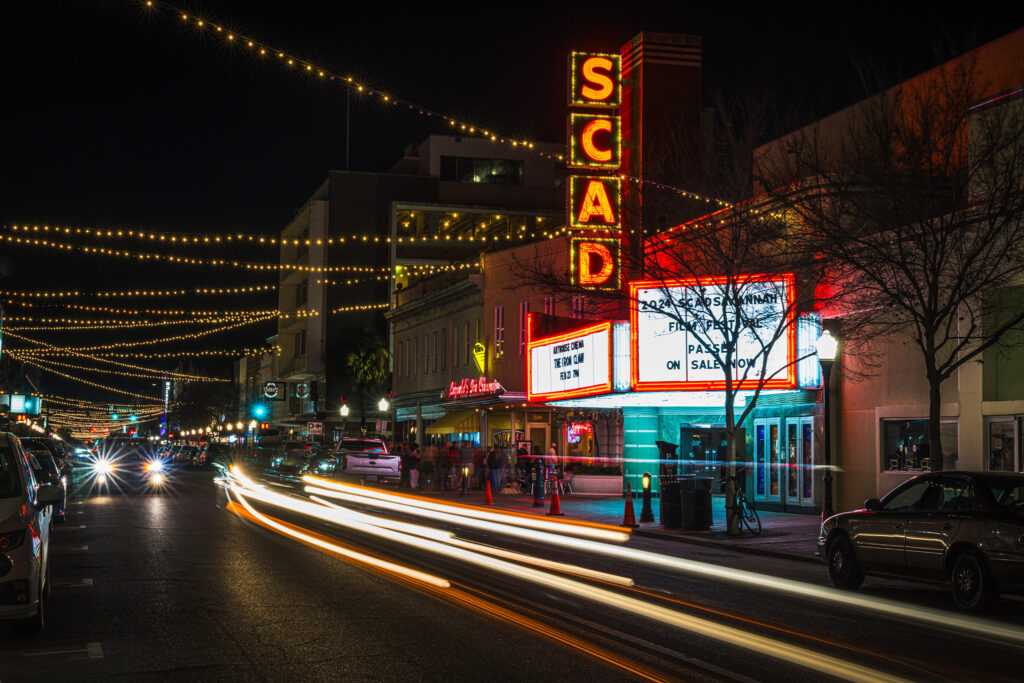
Savannah combines film events with a setting rich in history and visual character. Cobblestone streets and historic squares often surround festival venues. The city’s look adds atmosphere to screenings and outdoor events. Many visitors find the setting memorable even after the films end.
During breaks, guests wander through shaded parks or along the riverfront. Dining and lodging are usually close to event spaces. The pace feels social rather than rushed. That relaxed environment supports longer stays and repeat visits.
Aspen, Colorado
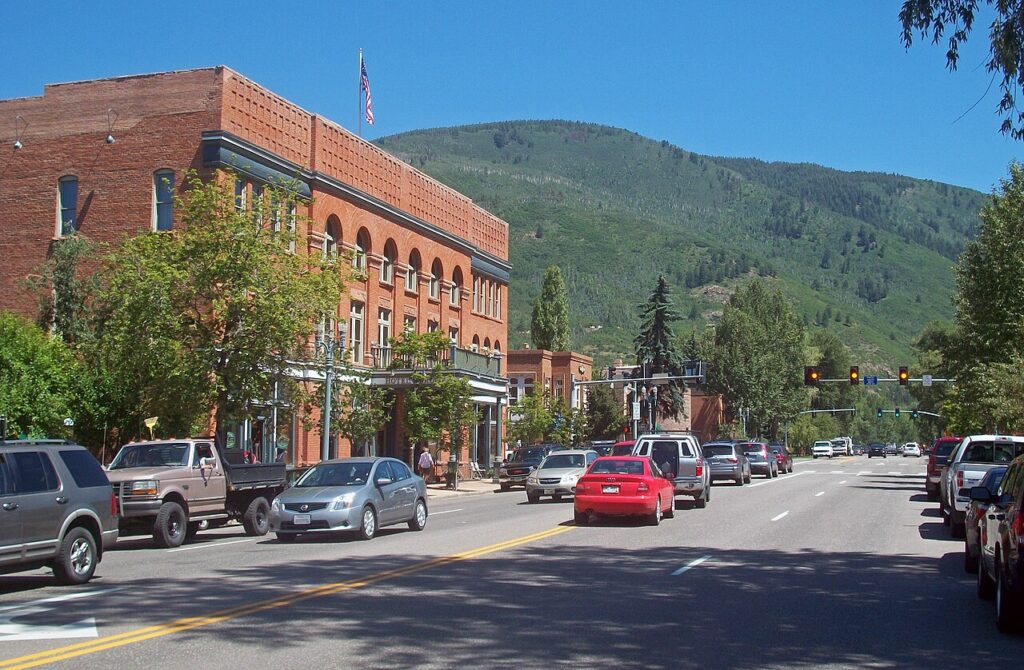
Aspen brings a mountain resort setting to the film festival calendar. Winter events often coincide with snow covered slopes and busy lodges. The town draws a mix of film fans, artists, and visitors on holiday. That blend creates a varied audience.
Between screenings, many guests spend time outdoors or in cozy indoor spaces. The town center keeps venues within walking distance. Conversations often carry over from theaters to cafes. The seasonal setting shapes how the festival is experienced.
New Orleans, Louisiana
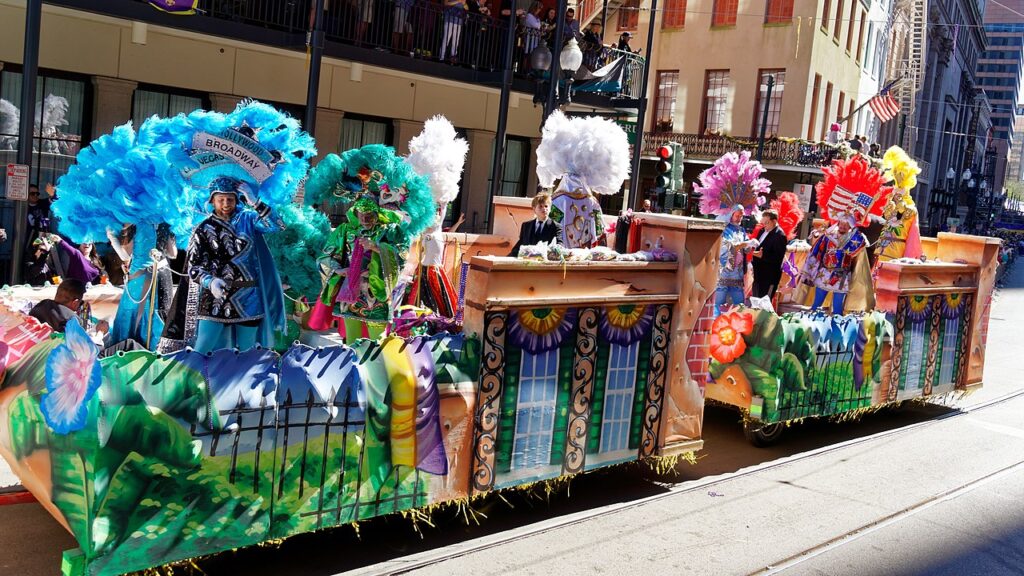
New Orleans blends film festivals with a strong cultural identity. Screenings often sit alongside music, food, and street activity. The city’s neighborhoods give each venue a slightly different feel. That variety keeps festival days interesting.
Between films, visitors explore historic streets or listen to live music. Late evenings are common and often social. The city’s energy carries into festival events. That connection between film and local culture leaves a lasting impression.
This article originally appeared on Avocadu.