
12 Unusual Trees With Bark Patterns That Look Like Natural Art
Nature is full of surprises, and one of its most unique treasures lies in the bark of certain trees. Imagine walking through a forest and seeing tree trunks that look like natural artwork, each one different from the next. These patterns range from smooth, delicate lines to bold, abstract shapes that tell a story of their own. Whether you’re an artist, a nature lover, or someone who enjoys discovering the hidden wonders around you, these trees are worth a second glance.
This post may contain affiliate links, which helps keep this content free. Please read our disclosure for more info.
Rainbow Eucalyptus (Eucalyptus deglupta)
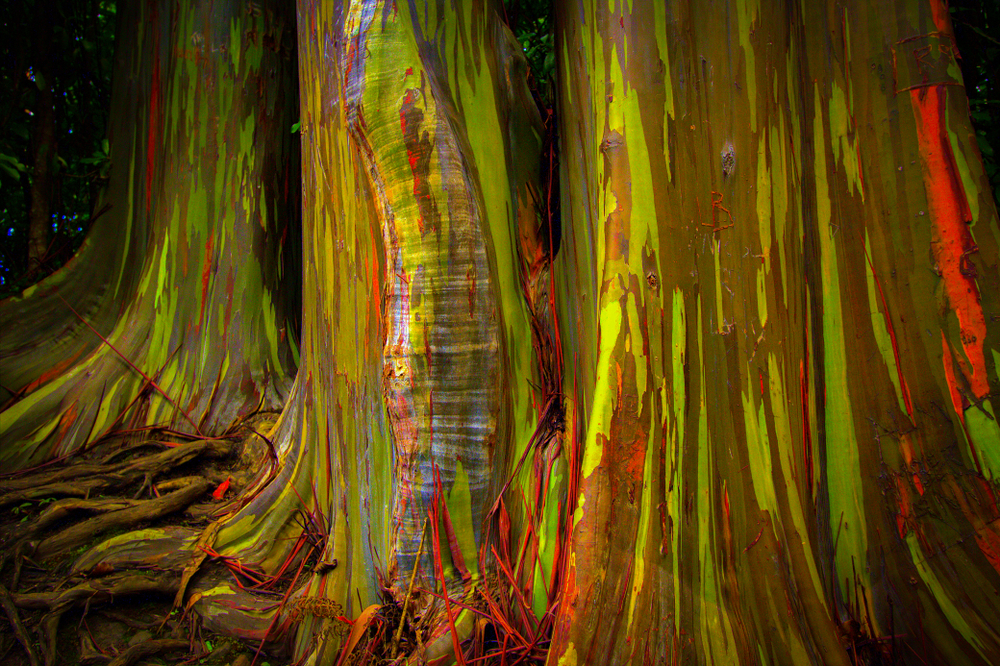
The Rainbow Eucalyptus is known for its stunning multicolored bark, which peels away in strips to reveal vibrant green, blue, purple, and orange hues. This tree is native to the Philippines, Indonesia, and Papua New Guinea, thriving in tropical climates with frequent rainfall. The bark changes color as it ages, adding to its striking appearance. It grows best in warm, humid conditions and can reach up to 200 feet tall in ideal environments. Its unique bark makes it a favorite among photographers and nature enthusiasts.
These trees require plenty of sunlight and moisture to grow, and they are often found along riverbanks or in rainforests. The bark pattern develops as the tree matures, creating a patchwork of colors that can make the tree look like a living canvas. Rainbow Eucalyptus trees are often planted for ornamental purposes and can also serve as a source of essential oils.
Silver Birch (Betula pendula)
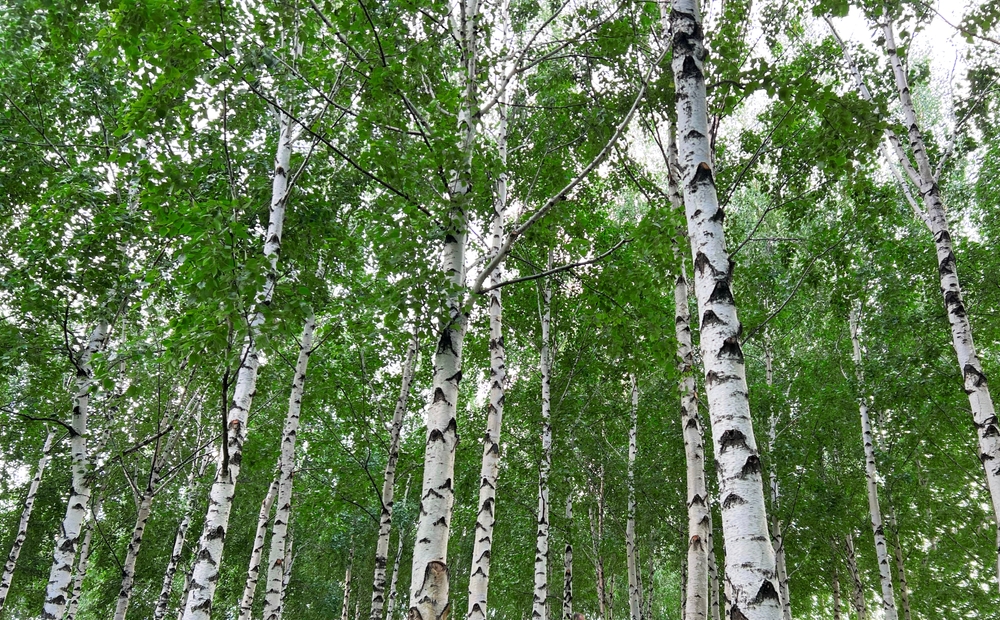
The Silver Birch is easily recognizable by its smooth, white bark, which is often adorned with horizontal lines or dark, diamond-shaped markings. This tree typically grows in cold climates, particularly in Europe and parts of Asia. The bark is paper-thin and peels off in strips, giving the tree its signature look. As it matures, the bark may develop black patches that add contrast to the otherwise pale trunk. Its delicate appearance stands out in forested areas, especially against the backdrop of snowy winters.
Silver Birch trees prefer well-drained soil and are commonly found in temperate forests. They are hardy and can withstand frost, making them ideal for colder climates. The bark’s light color helps the tree reflect sunlight, keeping it cooler during warmer months. These trees are also known for their medicinal uses, with birch bark having been utilized for centuries.
Sycamore (Platanus occidentalis)
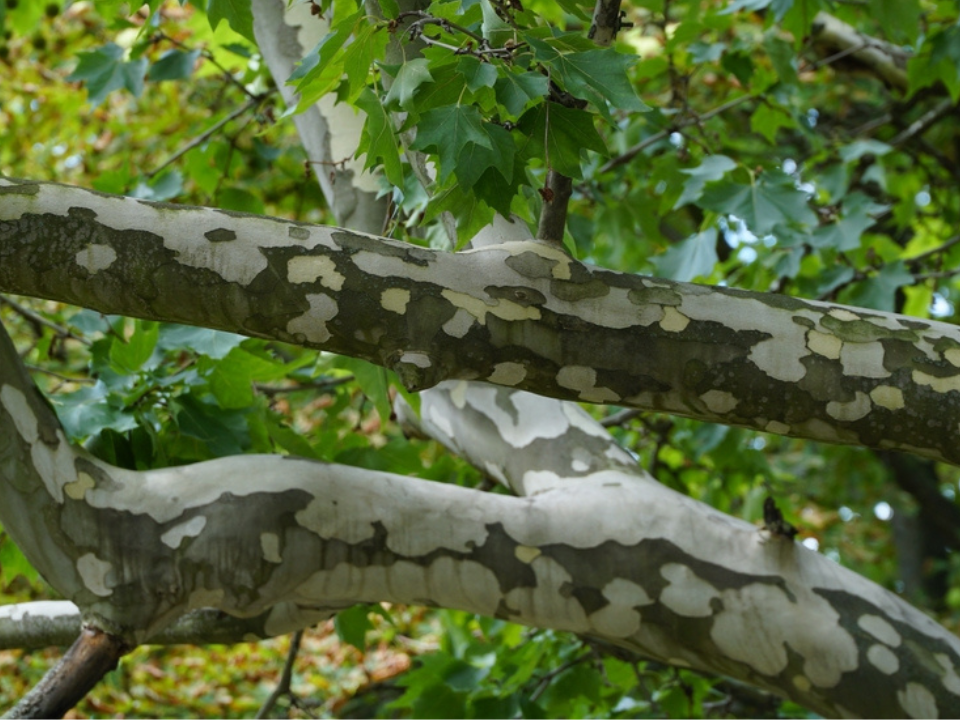
The Sycamore tree features large, patchy bark that peels in large chunks, revealing a lighter, creamy interior. This tree is native to North America and is often found along riverbanks or in moist, fertile soil. The bark’s natural exfoliation creates a textured, almost camouflaged appearance, with areas of dark brown and light tan. As the tree matures, it develops a characteristic mottled look, making it stand out among other trees. The Sycamore is one of the largest deciduous trees in the U.S., capable of reaching 100 feet tall.
These trees thrive in temperate zones and prefer areas with consistent moisture. They are commonly found in the eastern and central United States, where they grow in riparian habitats. Sycamores are known for their wide, spreading canopies and are often planted in parks and streets for shade. The bark’s unique texture gives the tree an almost artistic quality, enhancing its presence in any landscape.
Chinese Paperbark Maple (Acer griseum)
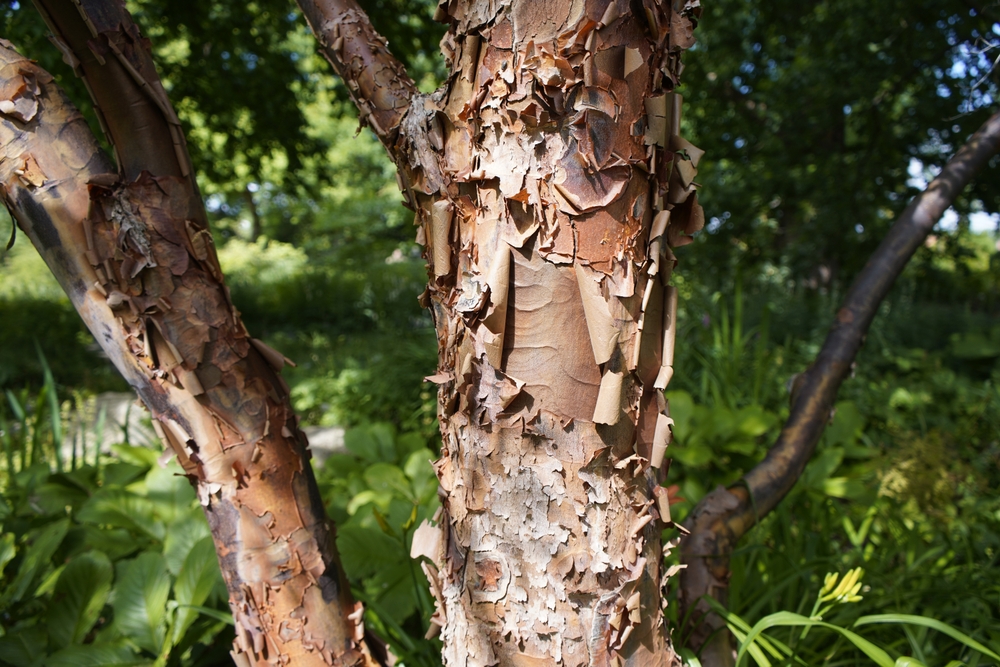
The Chinese Paperbark Maple is a small to medium-sized tree known for its distinctive, exfoliating bark. The bark peels away in thin, curling layers, revealing rich cinnamon-brown and orange tones beneath. Native to China, this tree thrives in temperate climates and prefers well-drained soil and moderate rainfall. Its bark pattern resembles delicate, curling sheets of paper, making it stand out in both winter and summer landscapes. The smooth texture of the bark enhances its appeal.
This tree grows best in USDA hardiness zones 4 to 8, where it experiences cold winters and mild summers. Its beautiful bark provides year-round interest, especially during the colder months when the leaves have fallen. The Chinese Paperbark Maple is commonly planted in parks and gardens for its ornamental value. It is a relatively low-maintenance tree that provides excellent shade and visual interest in any landscape.
Crape Myrtle (Lagerstroemia indica)
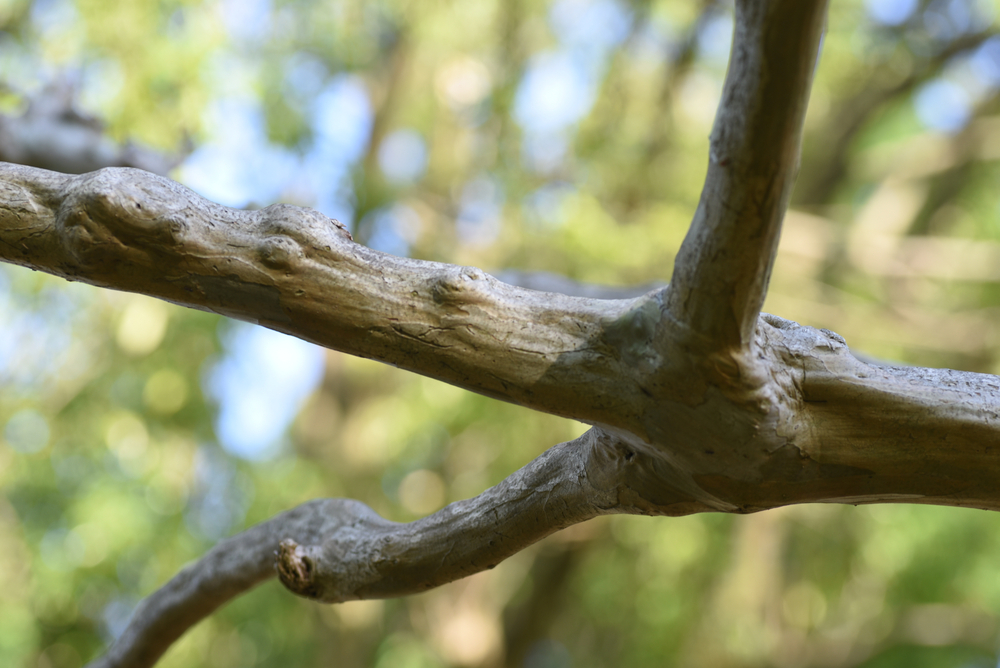
Crape Myrtle is a well-known ornamental tree with smooth, multi-colored bark that peels off in thin, paper-like layers. This tree’s bark transitions from shades of gray and brown to light cream and cinnamon hues, creating a soft, artistic effect. Originally native to Asia, Crape Myrtle flourishes in warm, humid climates and is often seen in gardens and public spaces. As the tree matures, the bark continues to reveal a patchwork of colors, making it an attractive feature year-round.
Crape Myrtle trees thrive in temperate to tropical climates, with full sunlight and well-drained soil being essential for growth. These trees are prized for their long-lasting flowers, which bloom in summer and attract butterflies. The peeling bark and bright flowers create a visually stunning combination, making Crape Myrtle a favorite among gardeners. Its ability to adapt to various soil types adds to its appeal as a low-maintenance tree.
Paper Birch (Betula papyrifera)
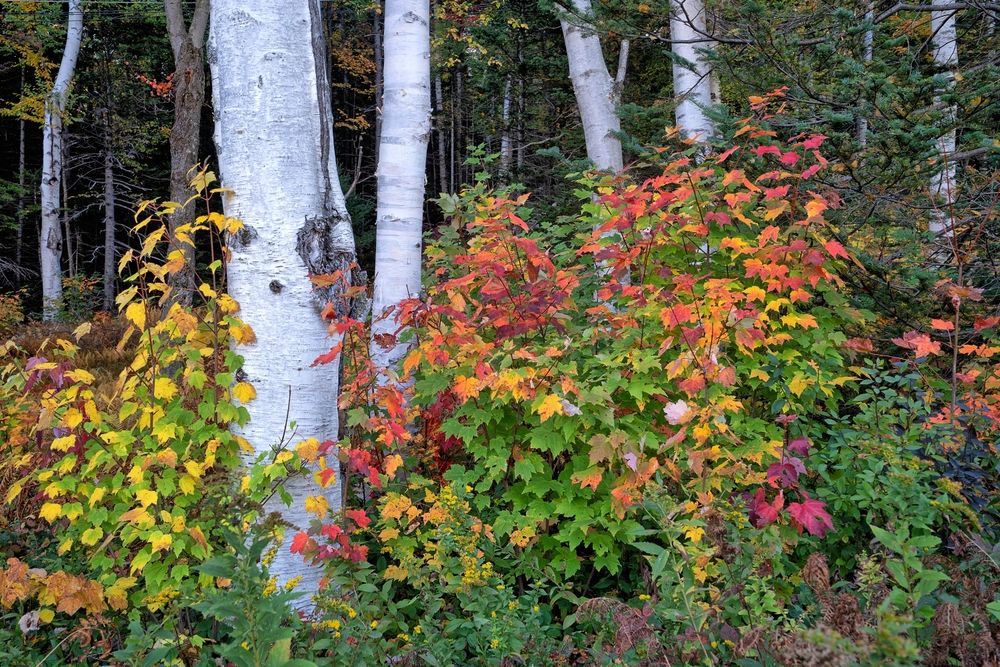
The Paper Birch is well known for its striking white bark that peels off in thin, papery strips. This tree is native to North America, particularly in the northern regions of the U.S. and Canada. As the bark ages, it often becomes thinner and more delicate, creating a unique texture that adds visual interest. The bark is bright white in color, sometimes with dark horizontal lines or knots. Its appearance is especially eye-catching in winter when the tree is bare of leaves.
Paper Birches grow in cooler climates, preferring well-drained, moist soils. They are commonly found in temperate forests and often grow in clusters, making them an attractive addition to woodland settings. The smooth white bark is often used in crafts and for medicinal purposes. Their ability to thrive in harsh, cold conditions makes them resilient in colder climates. Paper Birch is a perfect example of how natural art can be found in the simplest of tree forms.
Alaska Yellow Cedar (Chamaecyparis nootkatensis)
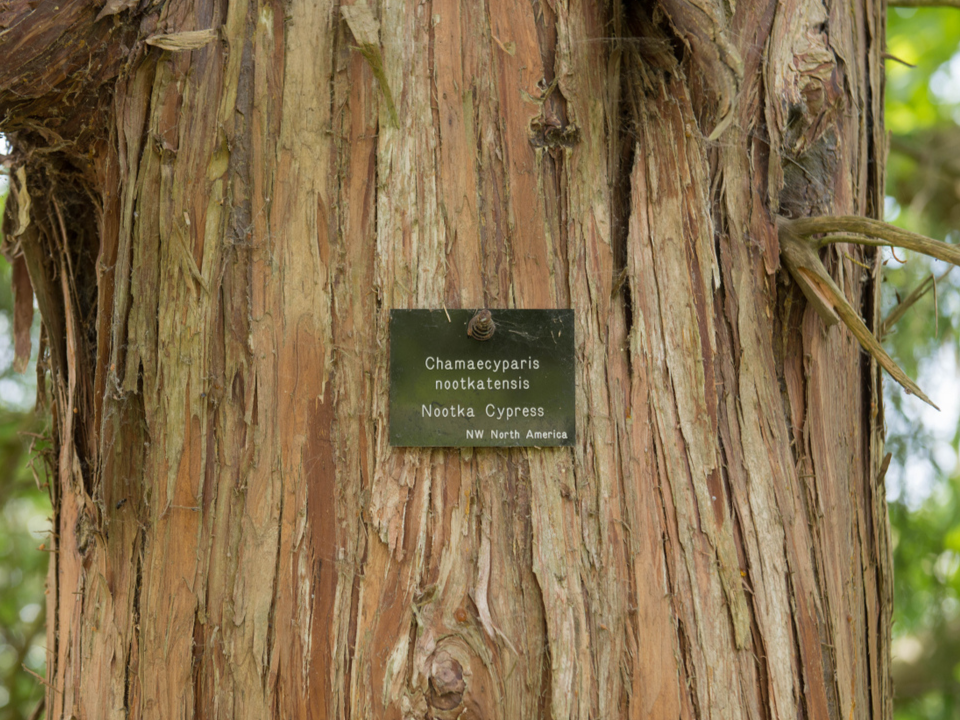
The Alaska Yellow Cedar is known for its unique bark that resembles long, thin strips of papery peeling skin. Native to the coastal areas of Alaska and British Columbia, it grows in cooler, temperate climates and often in wet environments. The bark has a yellowish-brown hue, which gives the tree its name. Its peeling strips create a textured and layered appearance, giving it an almost weathered, ancient look.
These trees thrive in moist, well-drained soils and can tolerate some shade. Alaska Yellow Cedars are known for their strong wood, which is prized for its durability. They often grow in dense forests near coastal regions, making them important to local ecosystems. Their unusual bark, combined with their towering presence, makes them stand out in any forest landscape.
Gum Tree (Eucalyptus globulus)
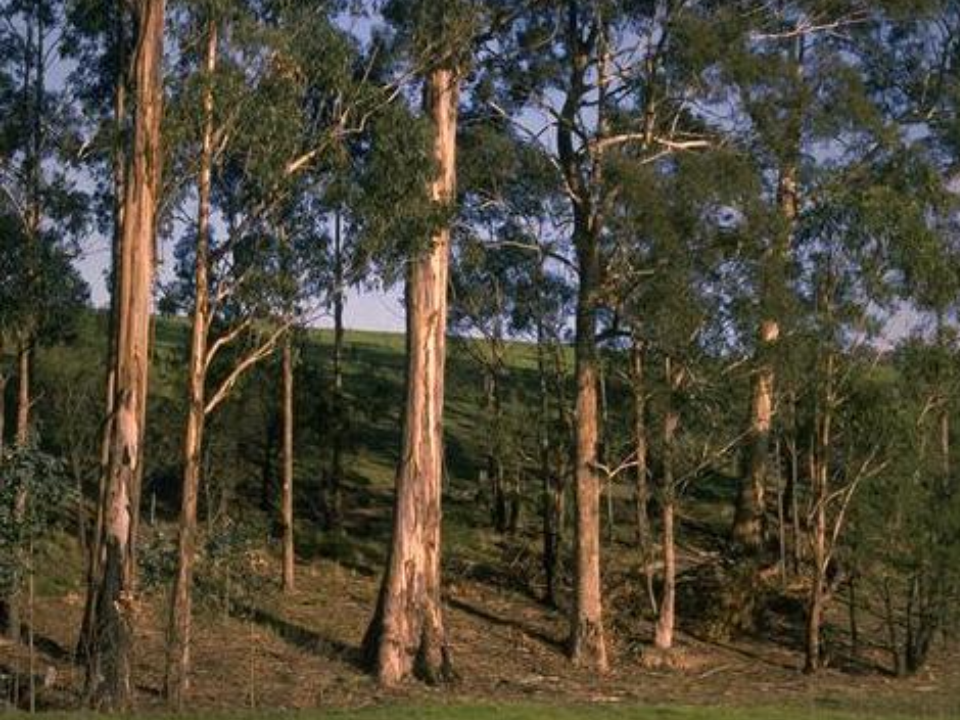
The Gum Tree, also known as the Blue Gum, features smooth bark that peels off in long, thin strips, revealing a striking contrast of colors. This tree is native to Australia but is widely planted in other temperate regions. The bark’s colors range from grayish-white to smooth shades of brown and green, creating a lovely patchwork effect. The striking appearance of the bark makes it look like a natural piece of art.
Gum trees prefer mild, Mediterranean-type climates with moderate rainfall and full sunlight. Their unique bark changes throughout the seasons as the tree matures, adding to its appeal. The tree is well known for its tall, straight trunk and aromatic leaves, which are often used for essential oils. The peeling bark is a natural defense mechanism that helps the tree survive in its native environments.
Japanese Maple (Acer palmatum)
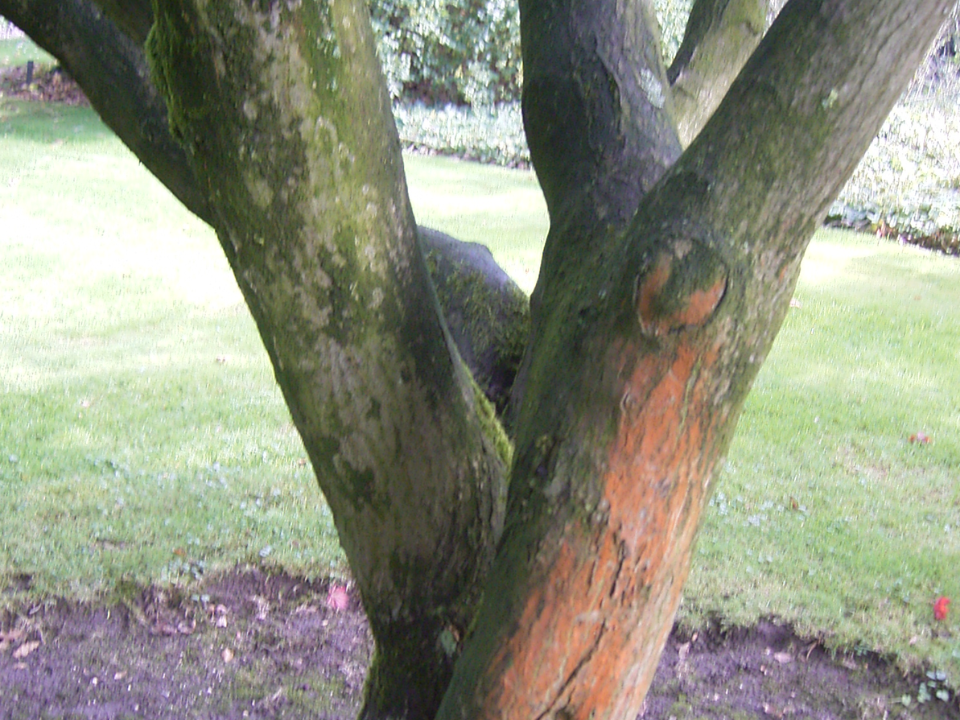
The Japanese Maple tree is famous for its intricate and colorful bark, which ranges from reddish to deep brown hues. It is native to Japan and prefers the cooler, temperate climates of East Asia. The bark is often smooth and glossy, but as it matures, it develops subtle fissures and patterns. The overall effect of the bark, combined with its beautiful leaves, creates an artistic quality that many collectors and gardeners admire.
Japanese Maples thrive in shaded areas with well-drained, slightly acidic soil. They are commonly grown in gardens for their ornamental value and their ability to bring vibrant color to any landscape. These trees are relatively small but grow slowly, making them ideal for smaller gardens or container planting. The striking combination of bark texture and leaf shape gives these trees a sophisticated, natural look that is highly sought after.
Red Maple (Acer rubrum)
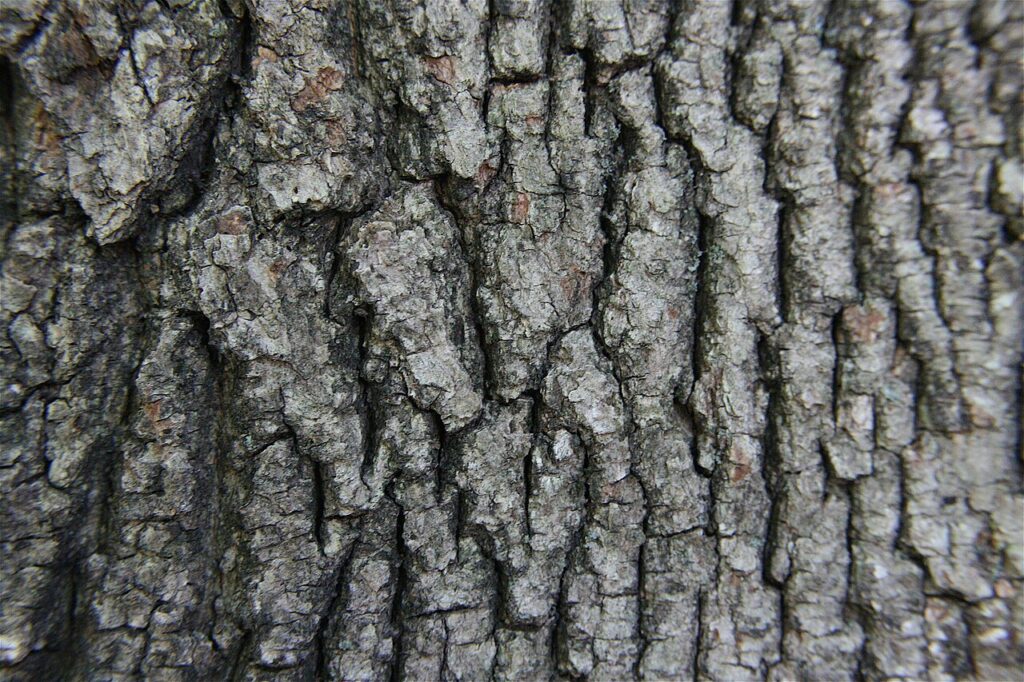
The Red Maple is a native North American tree known for its vibrant red bark in younger specimens. As the tree matures, the bark darkens and develops deep vertical fissures, creating an interesting texture. It typically grows in wetland areas but can also be found in a variety of other environments, from forests to urban parks. The bark of the Red Maple is often a mix of dark gray and reddish tones, which stand out in the winter months when the tree has shed its leaves.
Red Maples are adaptable to a wide range of soil types and moisture levels, though they thrive in areas with ample rainfall. Their striking bark and bright red foliage in the fall make them a popular choice for landscaping. They can grow to be tall, reaching up to 100 feet, and are known for their rapid growth. The Red Maple’s ability to thrive in various conditions makes it a versatile and attractive tree.
Tulip Tree (Liriodendron tulipifera)
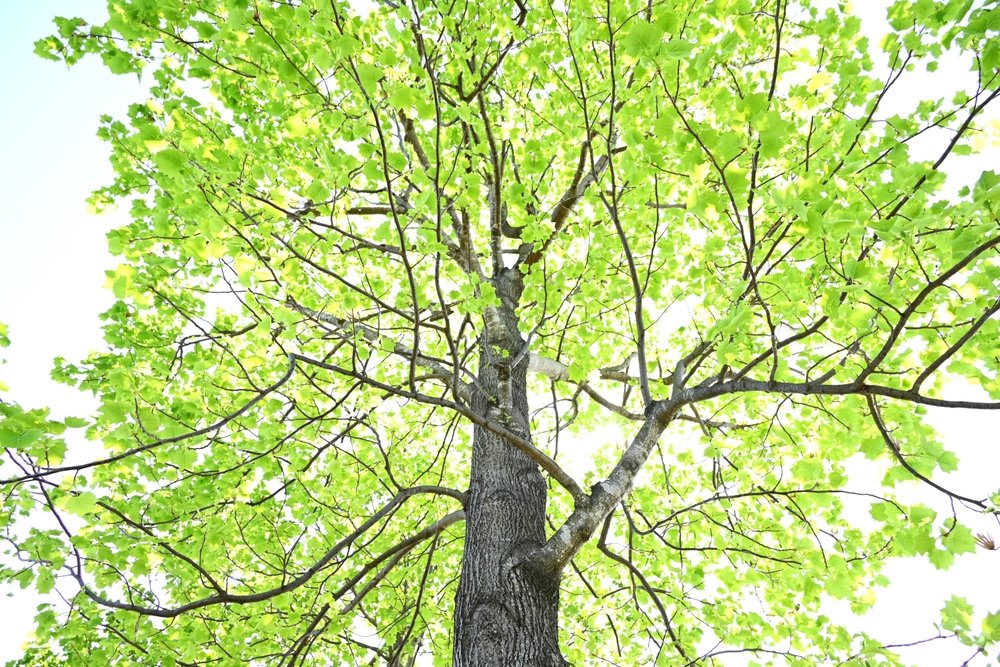
The Tulip Tree, known for its tall, straight trunk, is often recognized by its unique bark pattern. The bark of this tree is grayish-green and furrowed, developing deep ridges as it ages. Native to North America, this tree thrives in well-drained, moist soil and is commonly found in forests and woodlands. Its bark helps protect the tree while its large leaves and tulip-like flowers provide visual interest.
Tulip Trees are known for their impressive height and ability to grow in various soil types, from acidic to neutral. The tree’s bark provides an essential layer of protection as it grows in the wild, and as it matures, it creates a striking contrast with the vibrant green foliage. The Tulip Tree is popular in both urban parks and wooded areas, thanks to its resilience and distinctive appearance.
Lacebark Pine (Pinus bungeana)
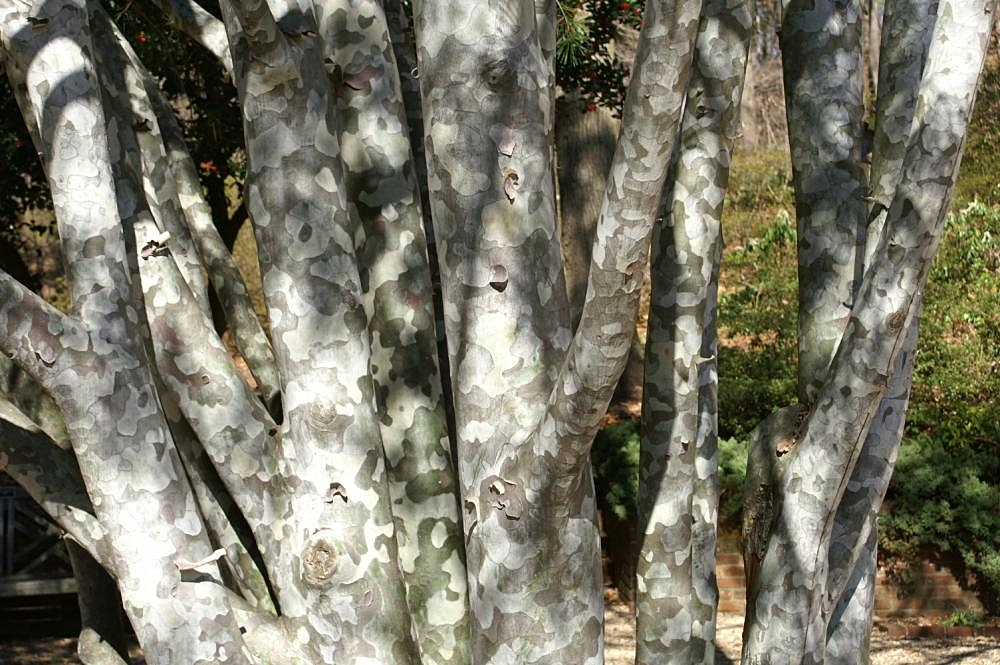
The Lacebark Pine is a unique tree native to China, Korea, and Japan, known for its bark, which peels off in patches to reveal pale green and white inner bark. The tree’s bark is exfoliating and features intricate, lace-like patterns that make it visually striking. It thrives in temperate climates and can tolerate a variety of soil conditions. This pine is a slow-growing tree, but its attractive bark makes it stand out in any landscape.
Lacebark Pines are often planted as ornamental trees due to their unique bark and elegant structure. They are particularly well-suited for urban gardens and parks, where their beauty can be fully appreciated. The tree’s bark changes with age, creating ever-evolving patterns and textures that add interest throughout the seasons. This pine is ideal for anyone looking to add a touch of natural art to their landscape.
This article originally appeared on Avocadu.