
14 Unusual Amphibians That Breed in Spring Rain Pools
Each spring, rain-filled pools create the right setting for a surprising group of amphibians to return and reproduce. Some arrive quietly in the dark, while others fill the air with sound as they gather in the water. As the season moves forward, these brief moments reveal an important part of the natural world.
This post may contain affiliate links, which helps keep this content free. Please read our disclosure for more info.
Spotted Salamander
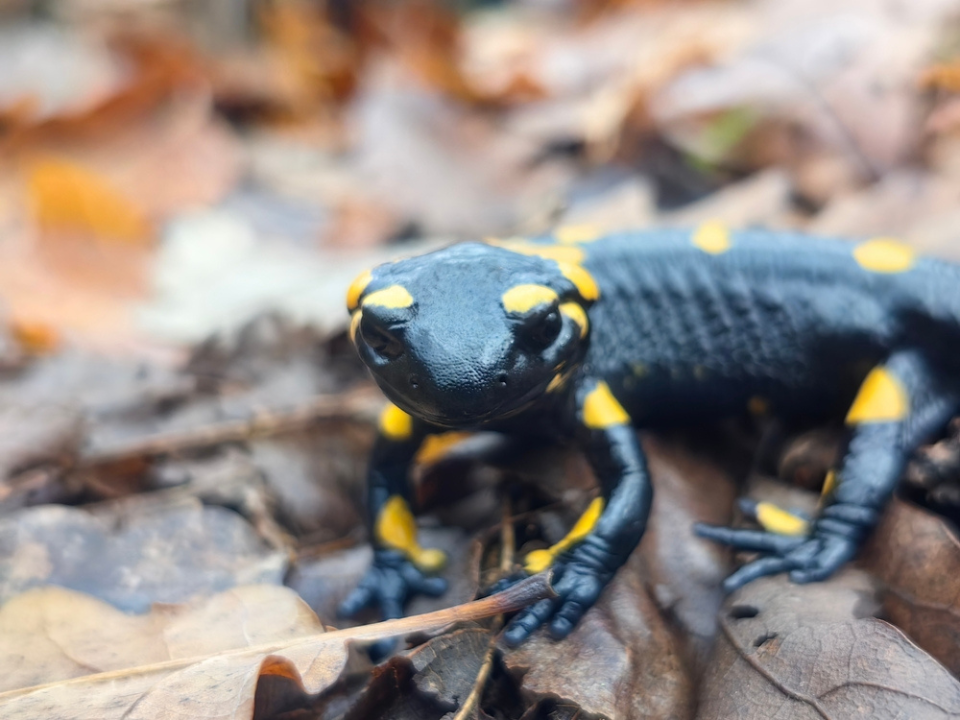
Bright yellow spots on a dark body give the spotted salamander a look that is hard to miss. This species is native to the United States and Canada, though adults spend much of the year hidden underground in moist forest soil. During rainy spring nights, they travel to vernal pools and other temporary wetlands to breed. These brief nighttime movements are a major part of what makes them so fascinating.
At the pool, males court females underwater, and the females attach jelly-like egg masses to sticks or plants. The eggs develop in fishless water, which gives the larvae a better chance to survive. Green algae sometimes grow inside the egg mass, giving it an unusual color. After breeding, the adults leave the water and return to land.
Jefferson Salamander
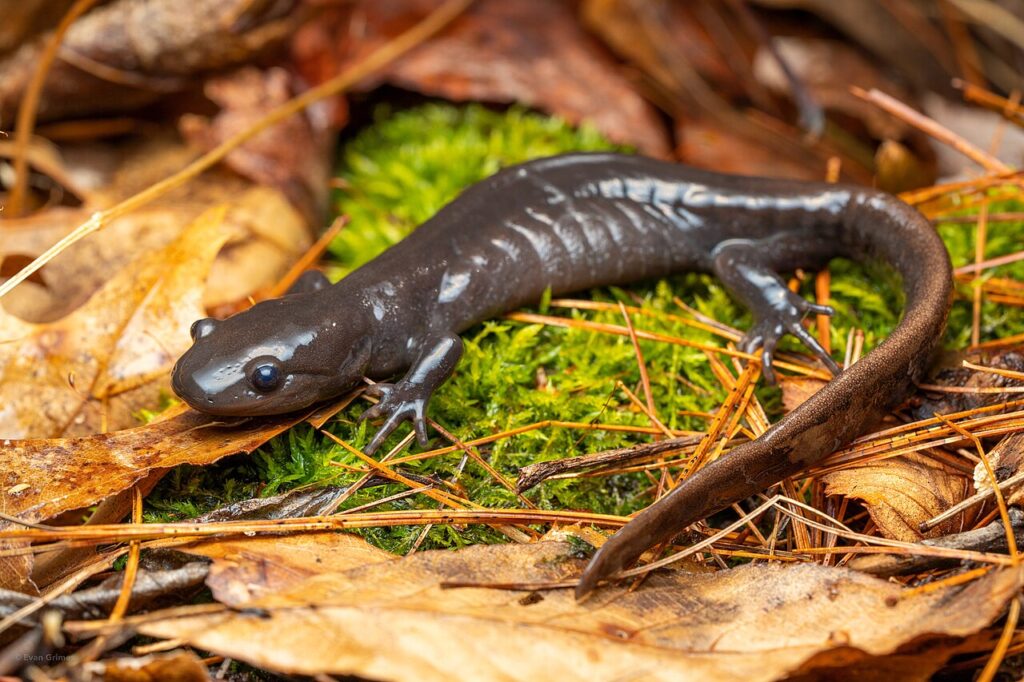
Few amphibians arrive at breeding pools as early as the Jefferson salamander. It is native to the United States and Canada and often reaches temporary spring pools while patches of ice still remain nearby. Rainy nights with soft ground help trigger its movement from hidden forest shelters. This early timing allows it to breed before some other pool dwellers appear.
Males deposit spermatophores in the water, and females take them up to fertilize the eggs internally. The eggs are placed in small masses in shallow woodland pools that usually dry later in the year. Larvae grow in these short-term wetlands, where fish are usually absent. The species depends heavily on the yearly return of spring rain and woodland flooding.
Blue Spotted Salamander
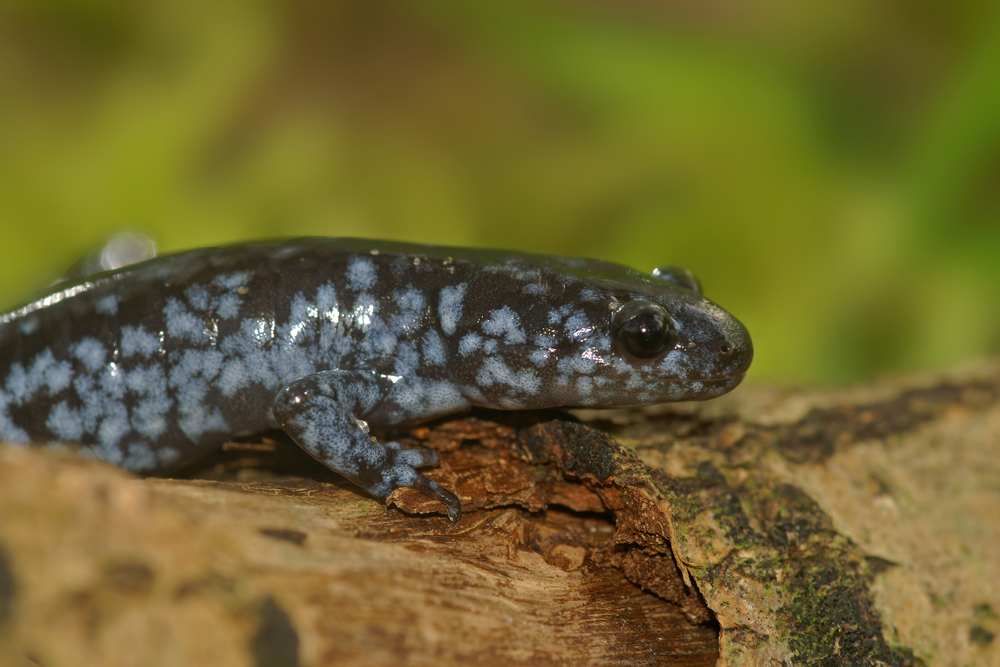
Tiny blue flecks scattered across its dark body give the blue spotted salamander a softer and more delicate look than many other salamanders. This animal is native to the United States and Canada and is usually found in damp forests near seasonal wetlands. Spring rain draws adults to temporary pools where breeding takes place in shallow water. That sudden movement from hidden land life to pool breeding makes it stand out.
Instead of laying one large cluster, females often place eggs one by one or in small groups on leaves and twigs. The larvae grow in the pool until they are ready for life on land. Because adults spend so much time out of sight, many people never know they are nearby. Its quiet way of life adds to its appeal.
Wood Frog
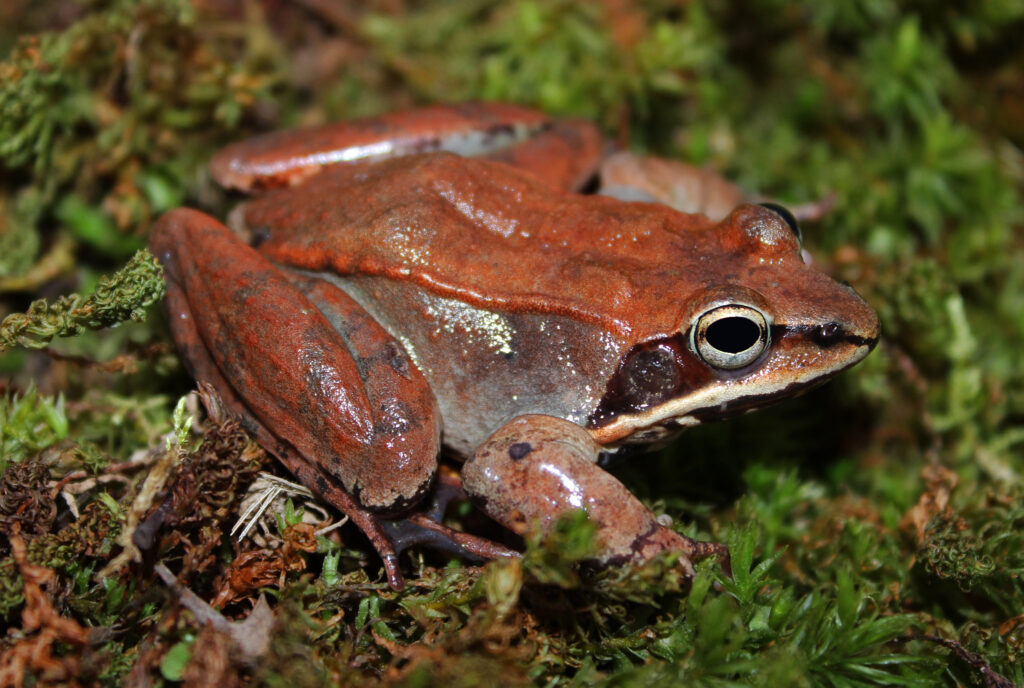
One of the strangest things about the wood frog is its ability to survive freezing winter conditions. It is native to the United States and Canada, where it lives in forests and returns to shallow spring rain pools as soon as the weather begins to warm. Males gather in these temporary pools and call for mates while the water is still cold. This early breeding pattern helps the species use fish-free water before many predators arrive.
In spring, females lay egg masses in clusters that float or rest in the shallow water. The tadpoles grow in these short-lived pools until they are ready to leave for the forest floor. A dark mask across the face gives this frog a very recognizable look. Its close tie to cold weather and temporary woodland pools makes it a very interesting amphibian.
Four-Toed Salamander
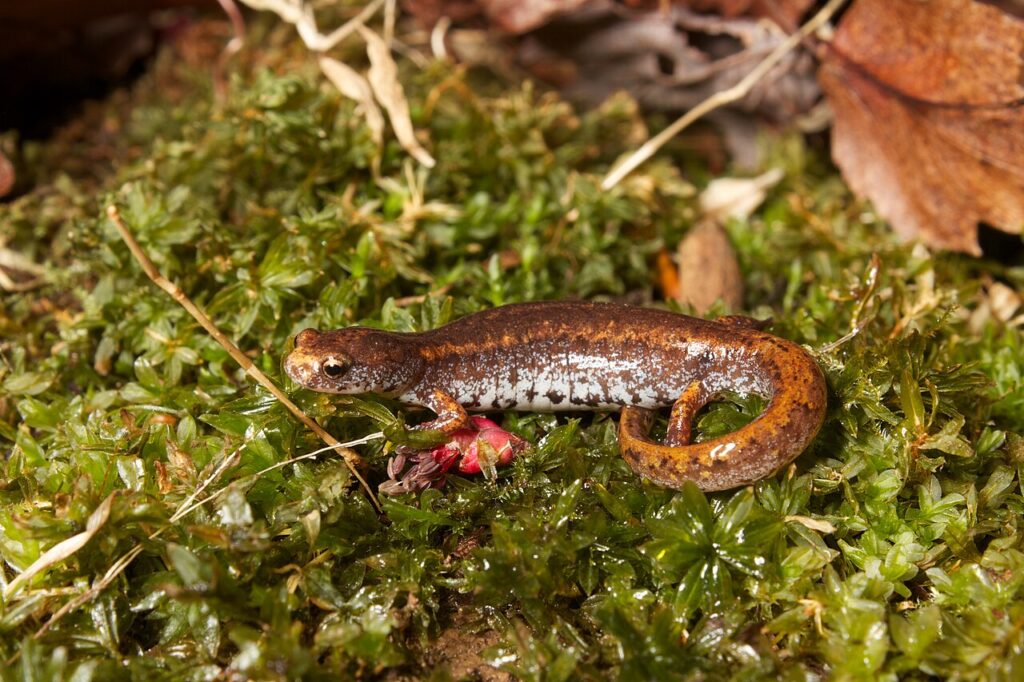
A slim body and just four toes on each hind foot make the four-toed salamander easy to tell apart from most others. It is native to Canada and the United States and is often linked to bogs, mossy woods, and wet areas near spring pools. Breeding usually happens close to temporary water, though the eggs are often placed in damp moss above the water line. That nesting style is one of its most unusual traits.
Once the eggs hatch, the larvae drop into the pool below and continue their growth there. Fish-free pools are important because they offer safer conditions for the young. Adults are secretive and are often found under logs or in wet moss when not breeding. This species shows how closely some amphibians depend on both land and temporary water at the same time.
Eastern Tiger Salamander
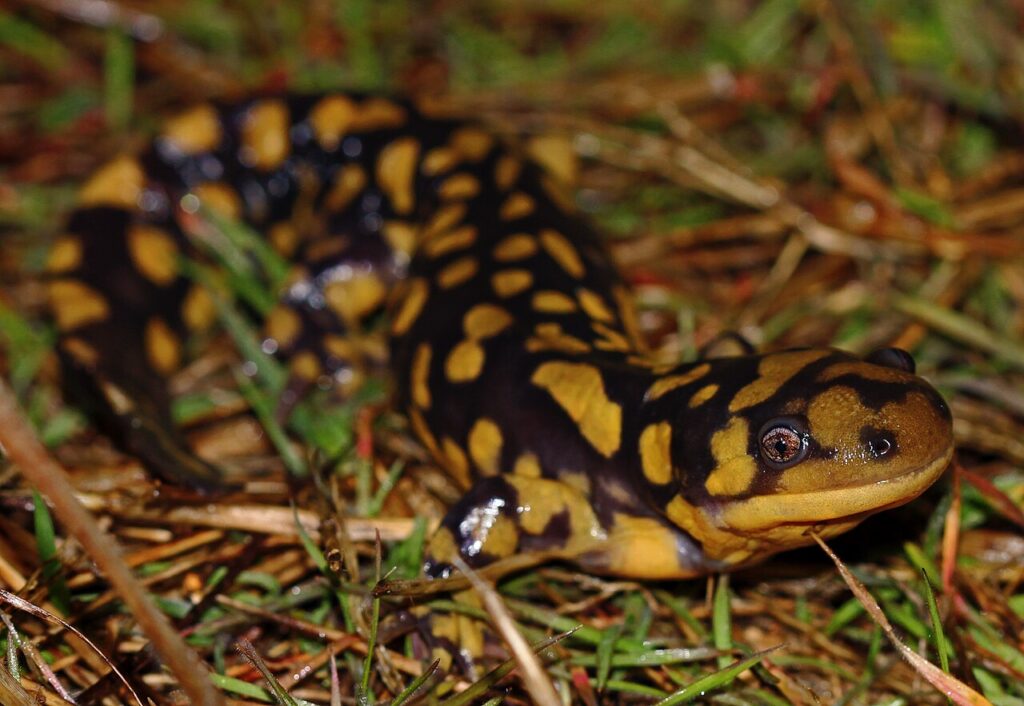
Large size and striking yellow markings help the eastern tiger salamander stand out right away. It is native to the United States and Canada and spends much of its life in burrows underground. When spring rain fills temporary pools, adults move out to breed in shallow, fishless water. These short breeding visits contrast sharply with their hidden life on land.
Females attach eggs to underwater plants, sticks, or other objects near the bottom. The larvae remain in the pool while they grow, feeding on small aquatic animals until they can move onto land. Strong bodies and broad heads give this salamander a powerful look. Many people find it unusual because such a large amphibian can remain unseen for much of the year.
California Tiger Salamander
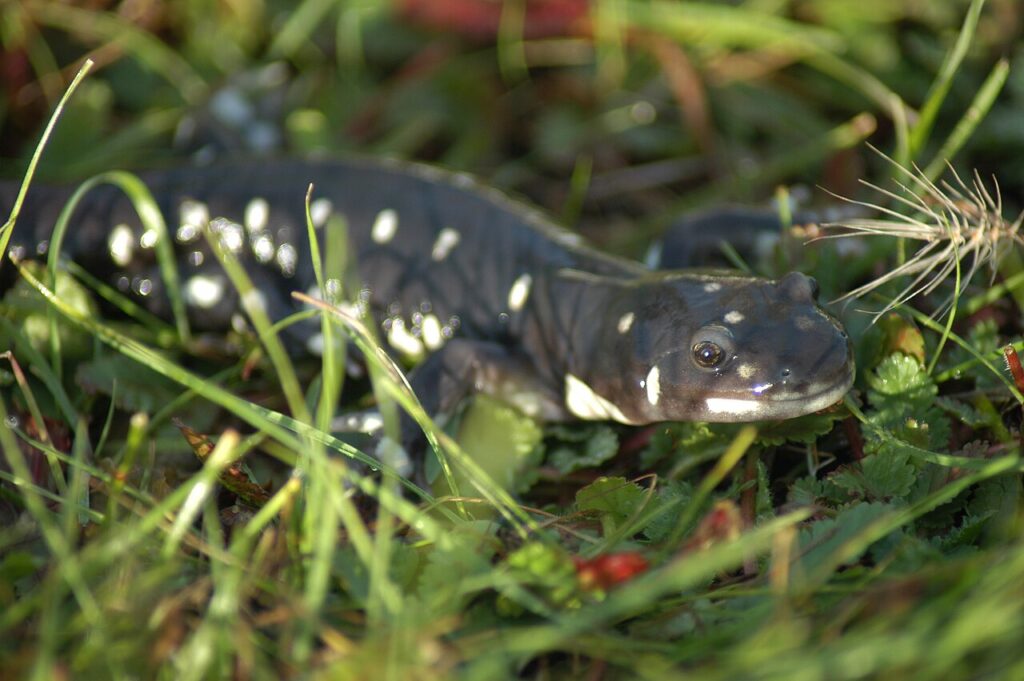
The California tiger salamander is unusual because it depends heavily on seasonal wetlands in a region where water can be very limited. It is native to the United States, mainly in California, where grasslands and vernal pool systems shape much of its breeding life. Winter and spring rains fill shallow pools, and adults move in to mate and lay eggs. These pools must last long enough for larvae to finish growing.
Eggs are attached to submerged plants or debris in calm water. The larvae stay in the pool through spring and early summer, feeding until they are ready for land. A thick body and pale blotches give this salamander a strong appearance. Its close link to temporary rain-filled habitat makes it a notable species in western North America.
Eastern Spadefoot
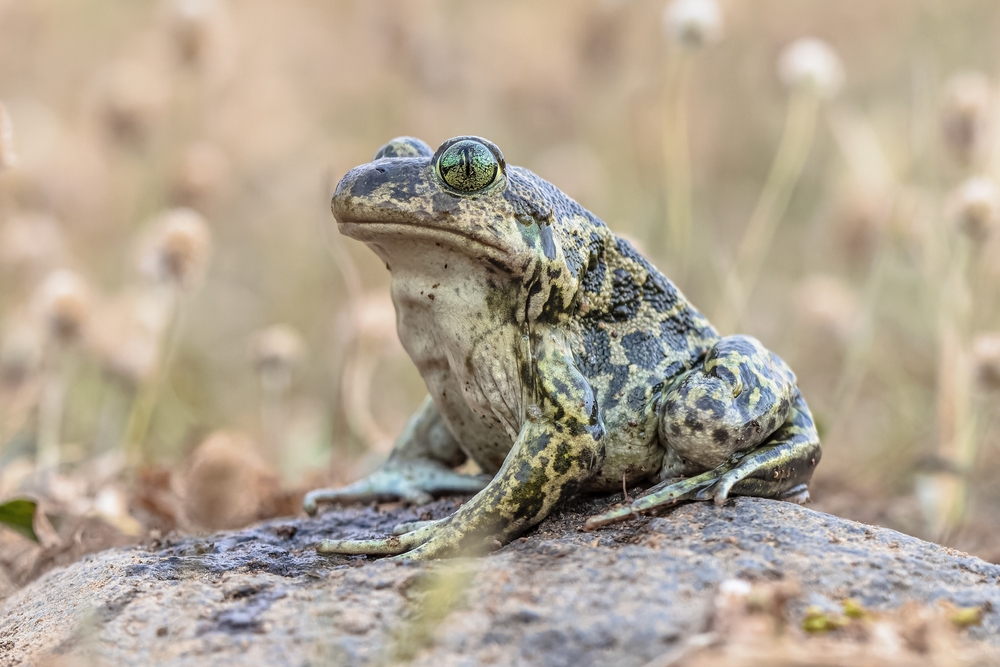
Cat-like eyes and a shovel-shaped structure on the hind feet make the eastern spadefoot look very different from common toads. This species is native to the United States and parts of Canada, where it spends much of its time buried in loose soil. Heavy spring rain can bring many adults to temporary pools, roadside puddles, and flooded low spots for breeding. These sudden appearances after storms are one of its most memorable traits.
Males call loudly at night, and females lay eggs in short-lived water that may disappear quickly. Tadpoles grow fast, which helps them leave the pool before it dries. Adults return to the ground once breeding is over. Its life pattern fits places where wet and dry conditions shift quickly.
Western Spadefoot
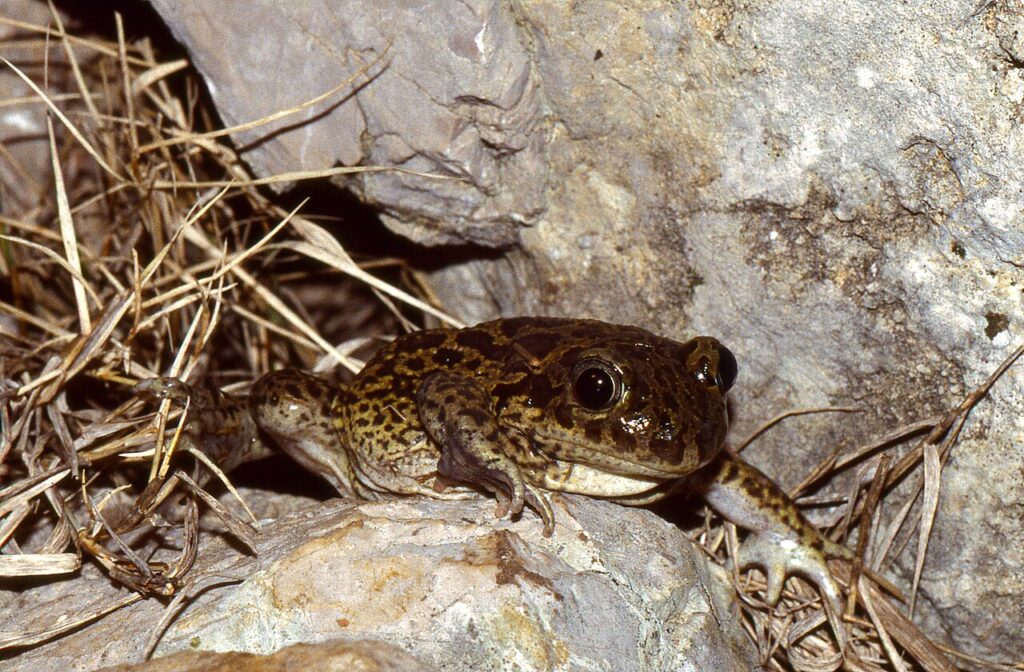
Dry country frogs can still depend on temporary spring water, and the western spadefoot is a good example. It is native to the United States and Mexico, especially in areas with grasslands, open flats, and vernal pool habitat. After seasonal rain, adults move into shallow pools to breed and lay eggs in water with few predators. This link between dry land living and temporary wetland breeding makes it very interesting.
For much of the year, adults stay underground and avoid the heat at the surface. Once the right pool forms, breeding can happen quickly, and females place eggs on plants or other objects in the water. Tadpoles must grow before the pool disappears. Rainfall has a strong effect on how successful a breeding season will be.
Couch’s Spadefoot
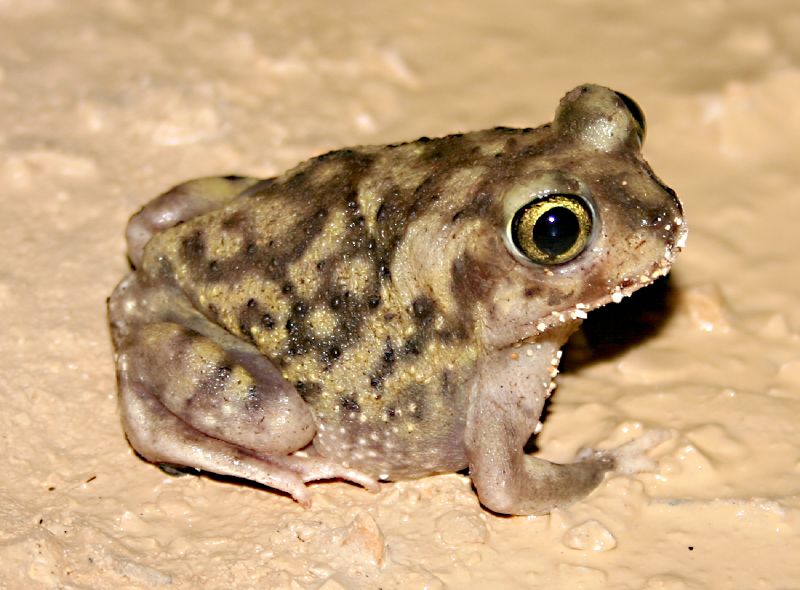
Sudden breeding bursts after heavy rain make Couch’s spadefoot one of the most dramatic pool breeders around. It is native to the United States and Mexico, where it lives in dry regions and spends long periods hidden underground. When rain fills low spots, adults rush to temporary pools and begin calling and mating very quickly. This fast response helps them use water that may last only a short while.
Females can lay large numbers of eggs, and the young develop at a quick pace. In places where spring rain is strong enough, these pools become short-term nurseries full of tadpoles. Adults leave once the breeding event is over and the land begins to dry. The species is unusual because it can move from silence to noisy activity in a single wet night.
Illinois Chorus Frog
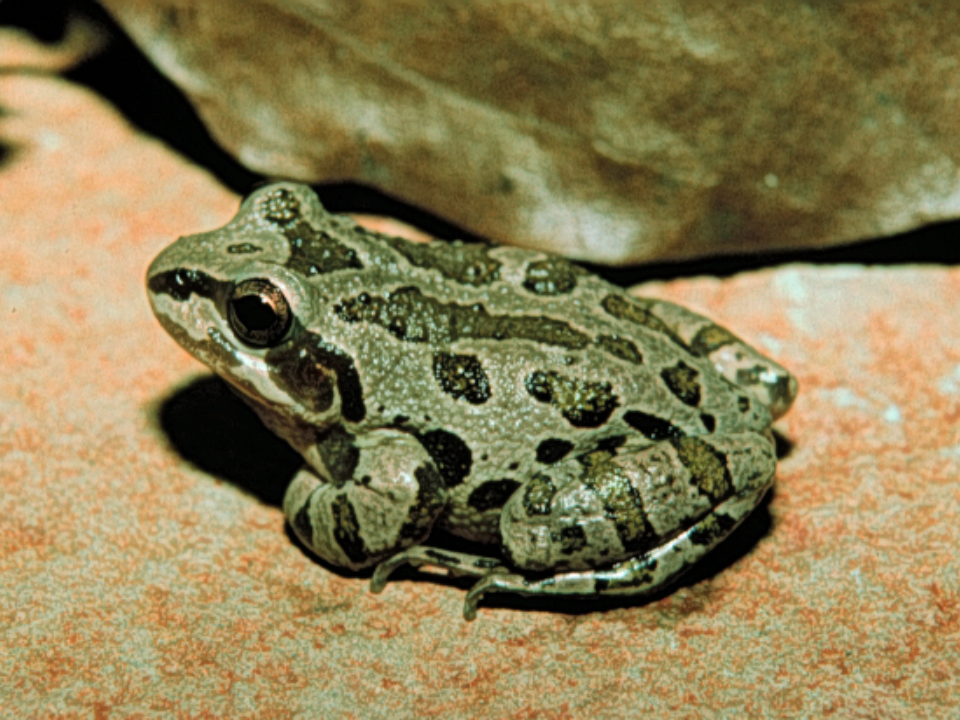
A pointed snout and a secretive burrowing habit give the Illinois chorus frog a very different feel from many familiar frogs. It is native to the United States and is often linked to sandy prairie regions with seasonal wetlands. Spring rain creates the shallow breeding pools this frog needs for egg laying and calling. Such a narrow link to a specific kind of habitat makes it especially noteworthy.
Adults spend much of the year hidden in loose soil, which means many people never see one. During the breeding season, males call from temporary pools while females lay eggs in the shallow water. Tadpoles stay in the pool until they are ready for the next stage of life. Both sandy ground and spring rain pools are important for the species to continue.
Western Chorus Frog
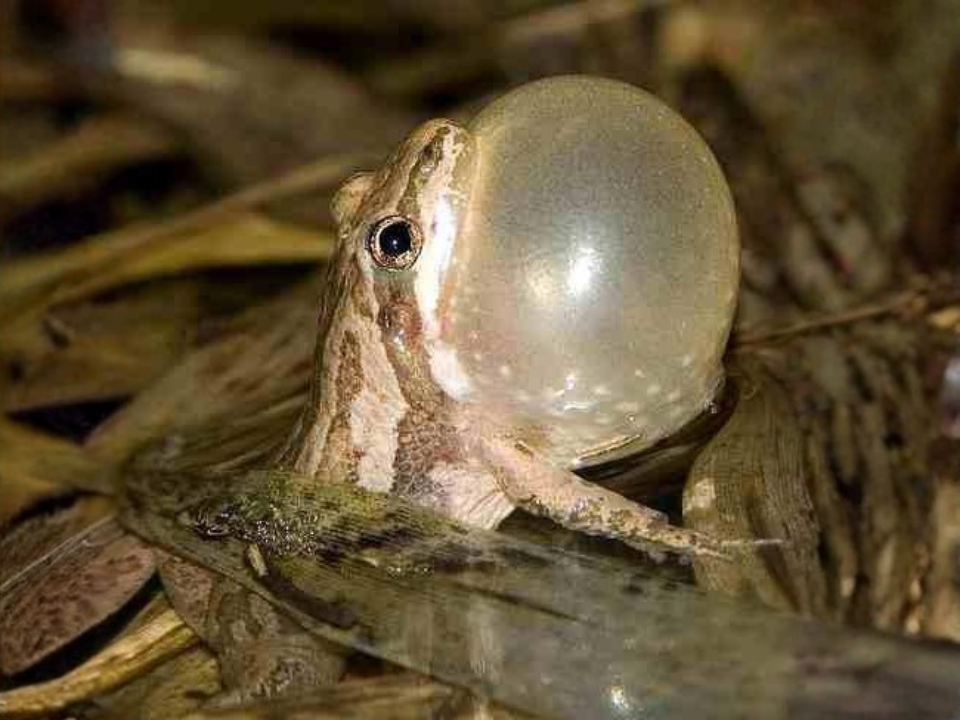
Tiny size does not stop the western chorus frog from making a very strong impression. It is native to Canada and the United States and often breeds in shallow grassy pools, wet ditches, and other temporary spring wetlands. Males gather and call in large numbers once rain and warming temperatures create the right conditions. Their loud voices can fill an area that seems quiet at first glance.
Females lay eggs in fish-free water, where tadpoles can grow with fewer threats. These spring pools may be small, though they play a big part in the frog’s yearly cycle. A dark stripe through the eye gives this species a neat and easy-to-recognize pattern. Its loud call and use of very shallow water help make it memorable.
Ornate Chorus Frog
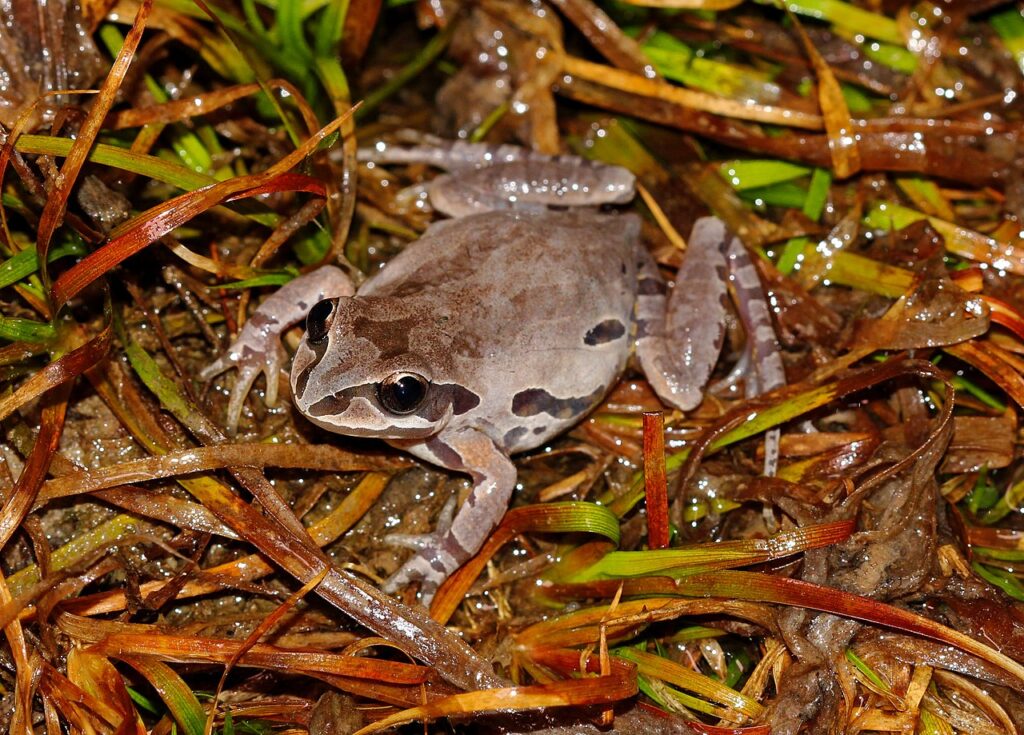
Patterned skin and a close tie to seasonal wetlands give the ornate chorus frog a special place among spring breeders. It is native to the United States, especially in the southeastern part of the country, where sandy soils and temporary pools are common. Rain-filled wetlands provide the shallow breeding sites where males call, and females lay eggs. These sites often hold water for only part of the year.
Grassy edges and fish-free pools are important because they give the eggs and tadpoles a safer start. Young frogs must develop before the water level drops too much. Adults spend time on land outside the breeding period and are usually less visible then. The species shows how much life can depend on a pool that appears for only a short time.
Spring Peeper
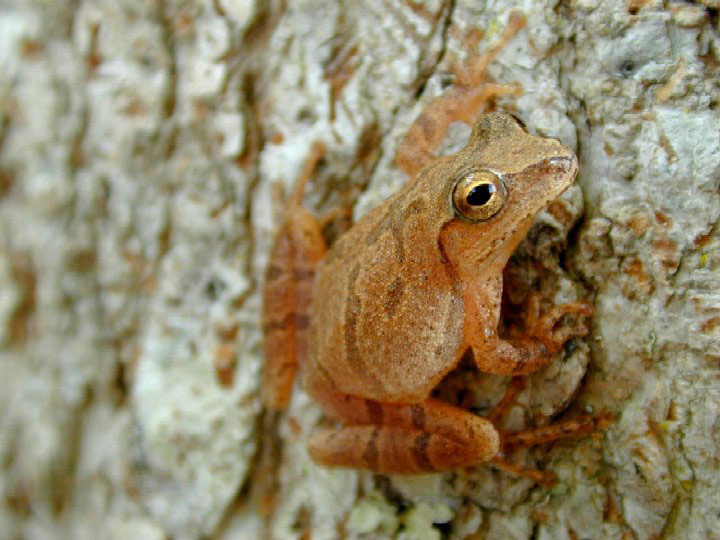
Small body size and an amazingly strong voice make the spring peeper a favorite among many nature watchers. This frog is native to Canada and the United States and often breeds in vernal pools, woodland puddles, and other temporary wetlands in spring. As soon as rain and warmer nights arrive, males begin calling from the water. Their voices can carry far across forests and wet fields.
Females place eggs in shallow water where tadpoles can grow during the warmer months. Adults live mostly on land outside the breeding season and often hide among leaves, bark, or low plants. An X-shaped mark on the back is one of its best-known features. The contrast between its tiny size and very strong call makes it stand out.
This article originally appeared on Avocadu.