
9 Uncommon Coffee Processing Styles That Change the Flavor a Lot
The way coffee is processed has a huge impact on its flavor profile, yet some methods remain hidden gems in the world of coffee. While traditional methods dominate, a few unconventional styles are gaining attention for their distinct tastes. These processing styles can bring out surprising notes and add depth to your coffee experience. Join us as we dive into how these lesser-known techniques change the flavor in unexpected ways.
This post may contain affiliate links, which helps keep this content free. Please read our disclosure for more info.
Honey Process
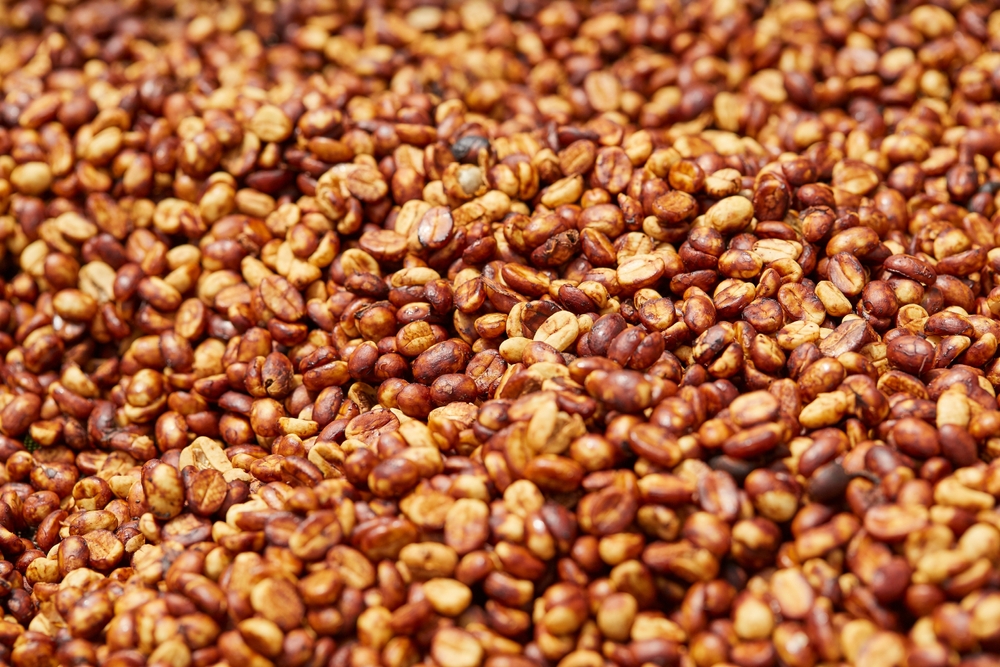
The honey process is an uncommon method where the coffee cherry’s skin is removed, but some of the sticky fruit pulp remains on the beans during drying. This technique allows the beans to absorb sugars from the pulp, which gives the coffee a sweeter, more complex flavor. The beans are then laid out in the sun to dry, and the sugars in the pulp slowly infuse the beans with their sweetness. The result is a coffee with balanced sweetness and a smooth, fruity finish, with lower acidity than other methods.
The drying process requires careful attention to humidity and temperature control to avoid over-fermentation. Beans are often rotated on raised beds to ensure even drying and prevent mold. This method is slower than traditional processes, allowing the pulp’s sugars to thoroughly penetrate the beans. The final cup offers a rich body with mild acidity and a pleasant, juicy sweetness.
Wet-Hulling
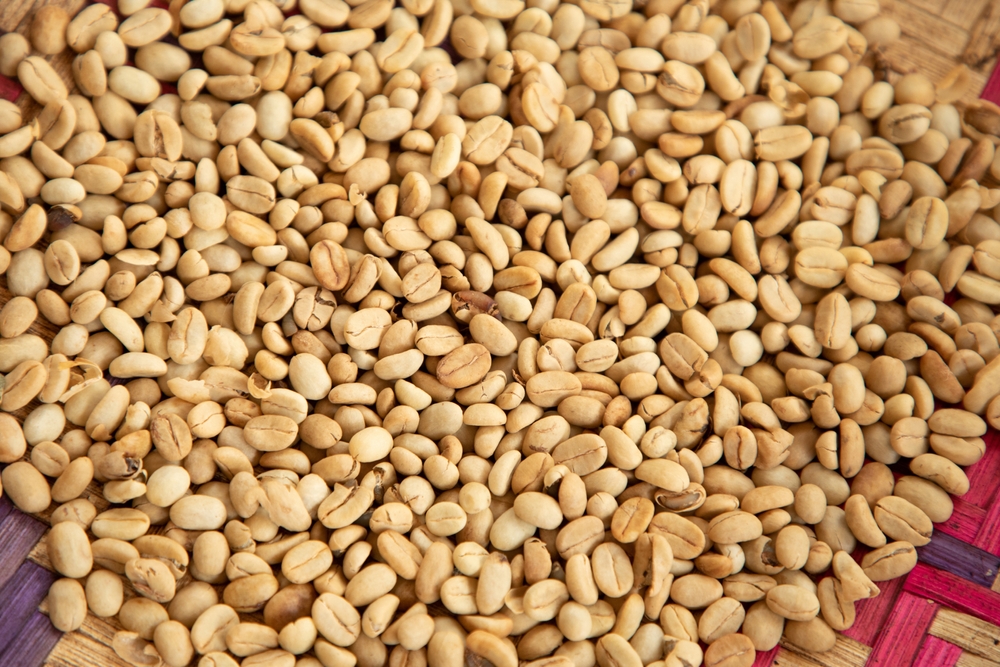
Wet-hulling is a unique method commonly used in Indonesia, where the coffee beans are hulled while still wet. This process results in a coffee with earthy and full-bodied flavors, often with lower acidity. After the outer fruit is removed, the beans are left to ferment in water, then hulled and dried. This method creates a distinctive coffee profile with a creamy mouthfeel and a rich, smooth taste.
During the wet-hulling process, the beans are carefully monitored for fermentation to avoid any off-flavors. After being hulled, the beans are dried until they reach the desired moisture content. The high humidity and temperature during fermentation also help develop the beans’ deep, earthy flavors. The final coffee has a low-acid profile and a smooth, full-bodied cup.
Carbonic Maceration
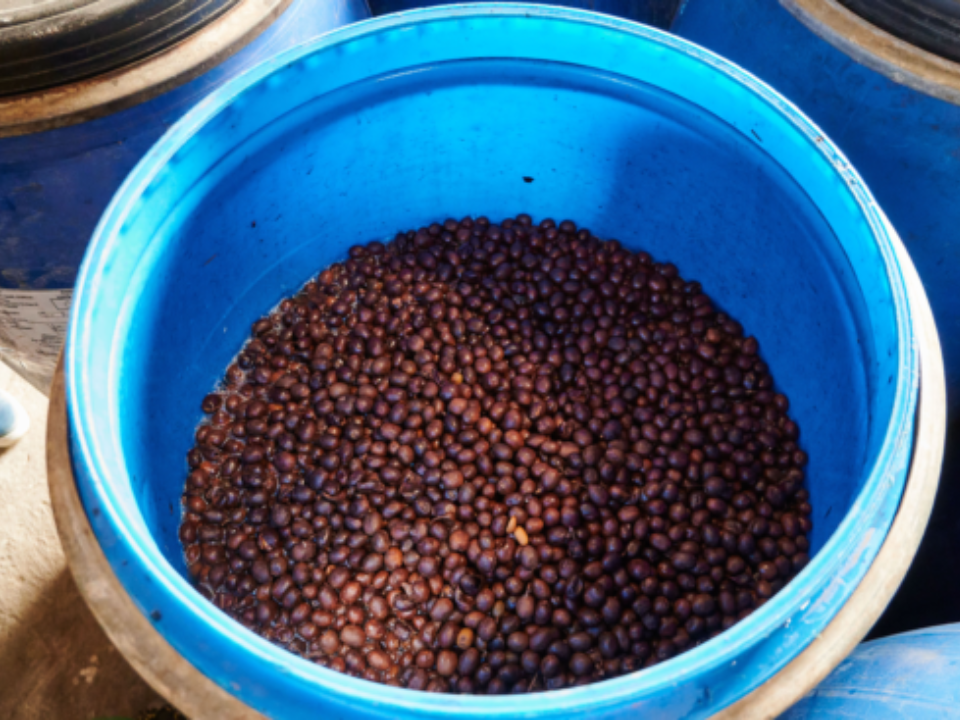
Carbonic maceration is a modern fermentation method that involves sealing coffee cherries in a carbon dioxide-rich environment. This technique enhances the fruity flavors and creates a cup with wine-like qualities, featuring bright and juicy notes. The cherries are fermented in an anaerobic (oxygen-free) tank, allowing the flavors to develop more intensely. The result is a coffee that resembles a fine wine, with complex and vibrant fruit flavors.
This method allows for more control over the fermentation process, which minimizes the risk of harsh or undesirable flavors. By fermenting in an oxygen-free environment, the cherries undergo a slower fermentation, which enhances their natural sweetness. After fermentation, the beans are dried and processed. The final coffee has a smooth, clean finish with vivid fruitiness and a vibrant, refreshing taste.
Fermentation in Barrels
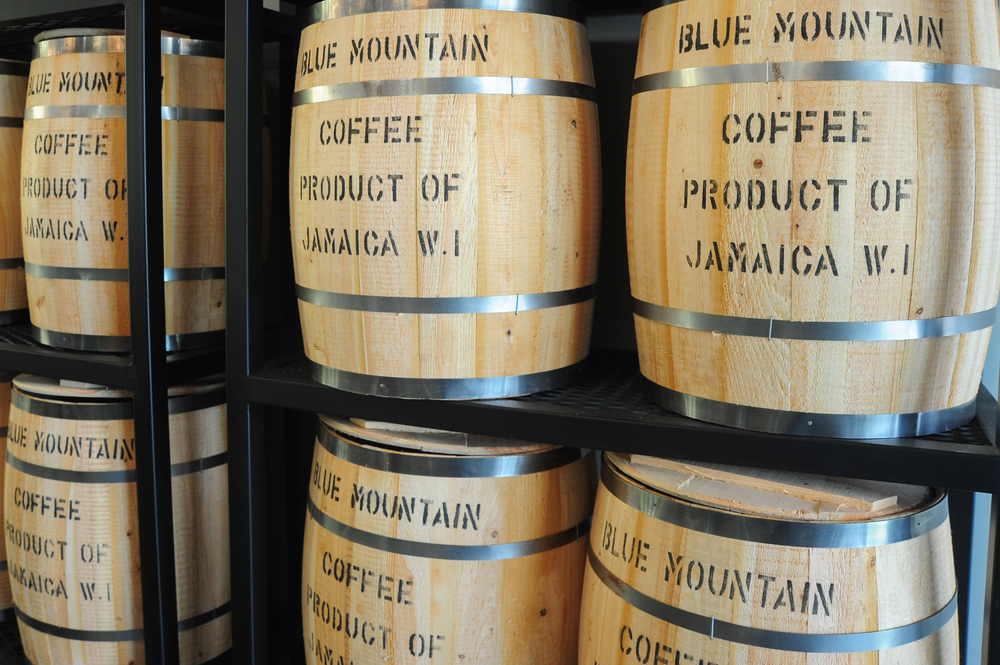
Fermentation in barrels is an uncommon method where coffee beans are fermented inside wooden barrels, imparting unique flavors to the beans. The wood infuses the beans with subtle aromas of vanilla, oak, and spice, creating a complex and flavorful coffee. The fermentation process can last several days, during which the beans absorb the flavors of the wood. The result is a coffee with a smooth body and an intriguing depth of flavor.
Using wooden barrels for fermentation also adds a layer of complexity to the coffee by introducing flavors from the wood’s natural oils. The beans are left in the barrel for a controlled period to ensure they absorb the right amount of wood flavor. After fermentation, the beans are dried and prepared for roasting. This method produces a coffee with earthy, sweet, and woody flavors, offering a rich, full-bodied cup.
Honey Anaerobic Fermentation
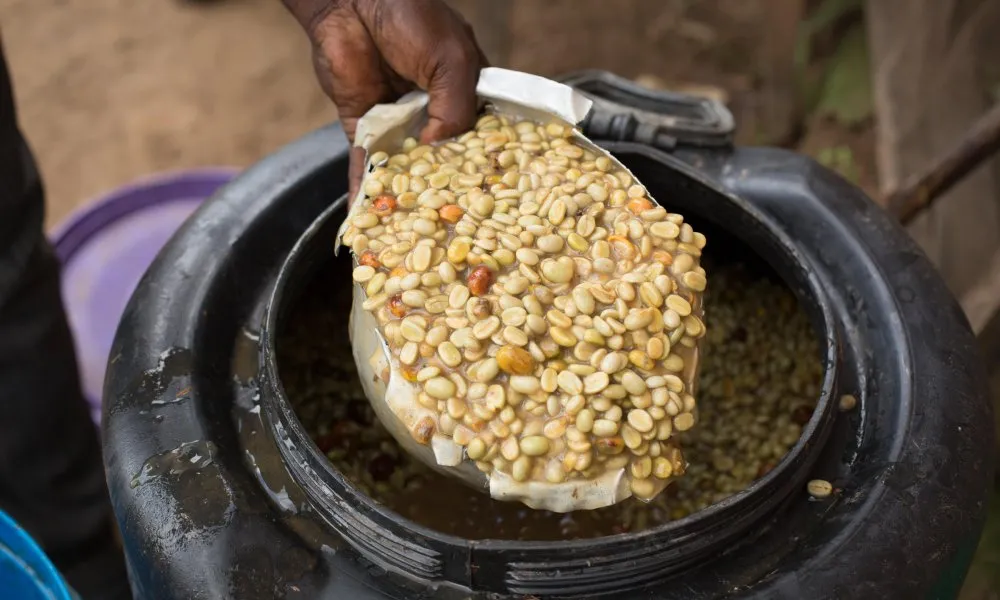
Honey anaerobic fermentation is a hybrid method that combines honey processing with anaerobic fermentation. The cherries are left with some pulp intact, and fermentation takes place in sealed tanks without oxygen, which creates a more controlled process. The fermentation helps develop unique fruity and complex flavors, and the remaining pulp adds a natural sweetness to the beans. The result is a coffee that is rich, with bright fruit flavors and a well-rounded body.
The absence of oxygen during fermentation allows the process to proceed more slowly, enhancing the complexity of the coffee. By leaving the pulp on the beans, the sugars infuse them, adding sweetness and depth. The beans are then dried as usual to preserve the flavors. The final coffee has a vibrant, fruity profile with a smooth, clean finish.
Shaded Drying Process
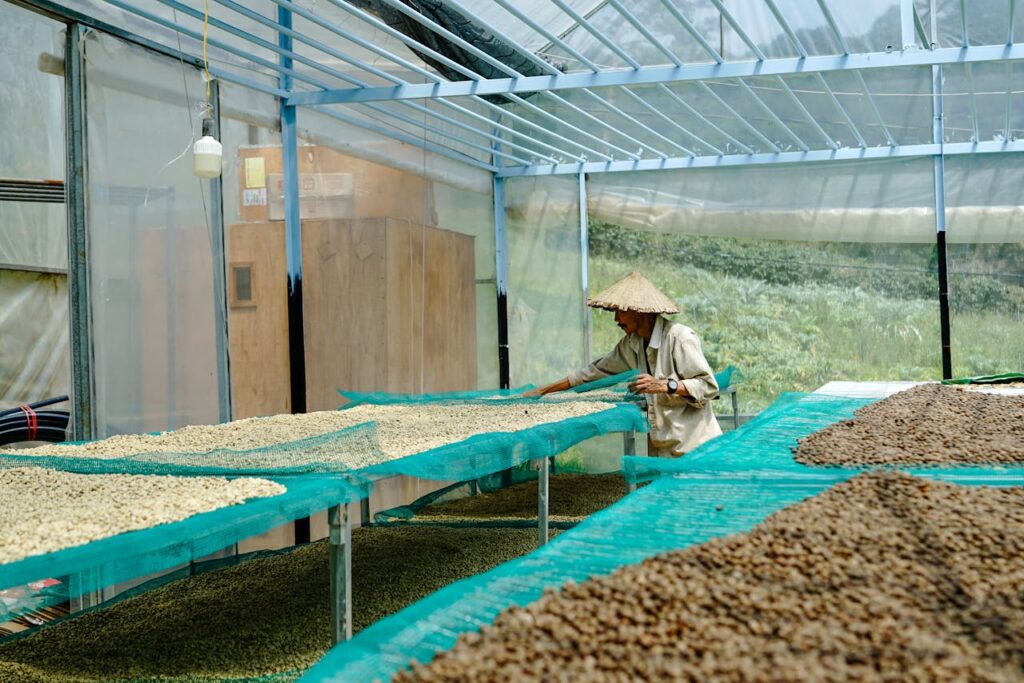
Shaded drying involves drying coffee beans under partial cover, allowing for a slower drying process compared to direct sunlight. This method helps preserve the delicate flavors in the beans, resulting in a smoother, more balanced coffee. The slower drying process reduces the risk of over-fermentation and helps maintain the natural sugars. The outcome is a coffee with mild acidity and a rich, full-bodied flavor.
Beans dried under shade are less exposed to the harsh rays of the sun, which can cause rapid drying and lead to uneven flavors. The shaded environment provides more control over the drying process, allowing the beans to develop a more balanced taste. After drying, the beans are processed as usual. The result is a coffee with mellow flavors and a smooth, well-rounded finish.
Dry Fermentation
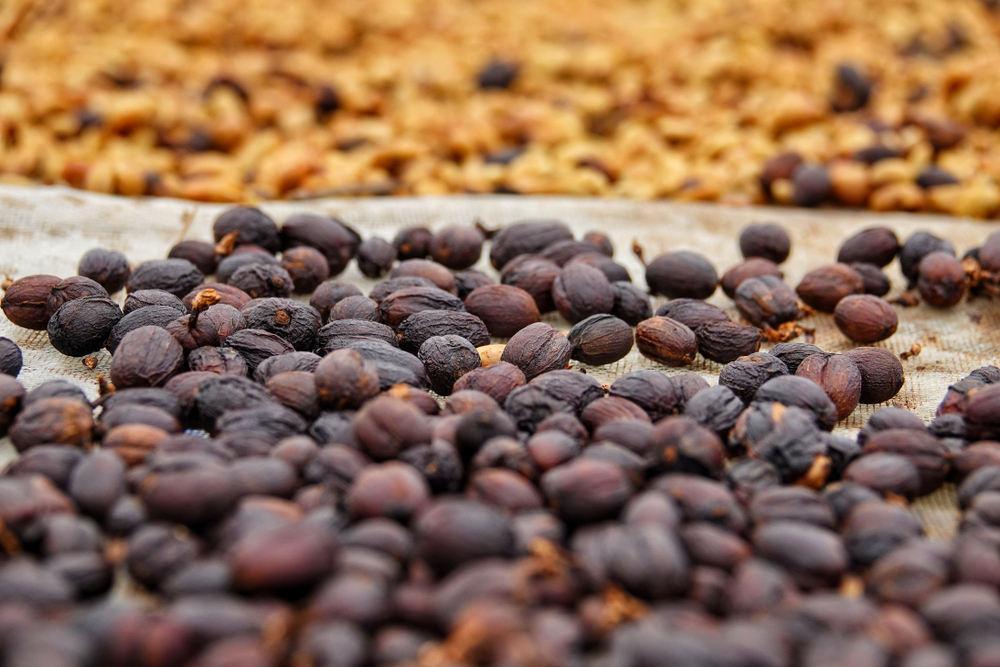
Dry fermentation is a unique method where coffee beans are fermented without water, allowing the beans to ferment naturally in sealed containers. This method produces a fuller-bodied coffee with deeper, earthier flavors and a smooth, rounded taste. Without the use of water, the beans absorb more complex flavors from the environment. The result is a coffee with rich, earthy tones and a smooth finish.
During dry fermentation, the beans are sealed in containers and allowed to ferment at their own pace. This slow fermentation enhances the complexity of the coffee, allowing the flavors to develop more fully. After fermentation, the beans are dried to the desired moisture level. The final coffee has deep, earthy flavors and a smooth mouthfeel.
Pulped Natural Process
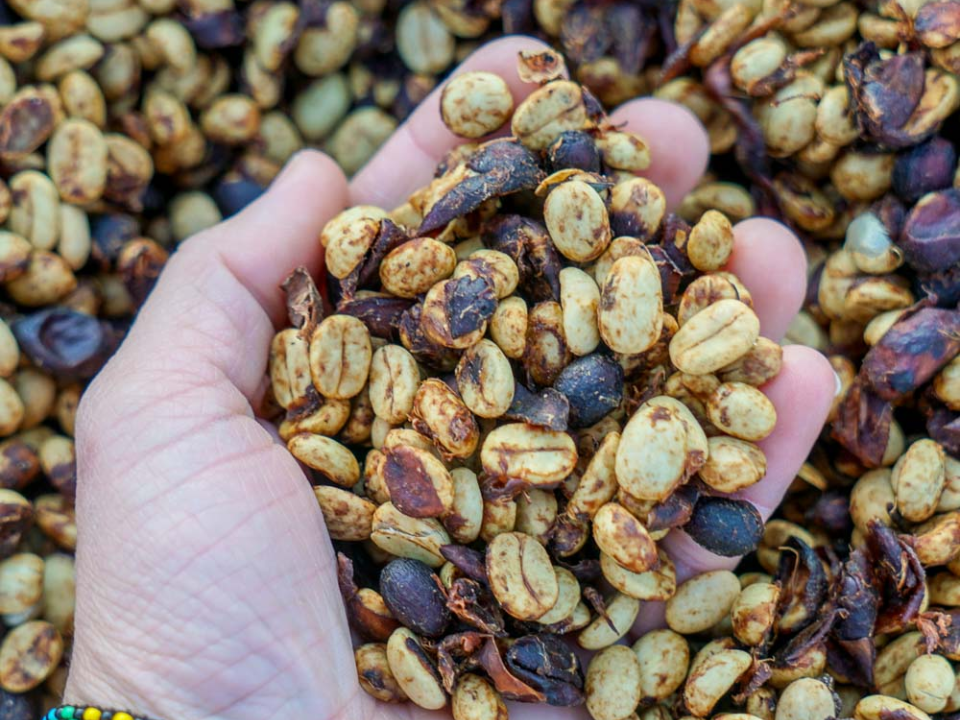
The pulped natural process is a combination of wet and dry methods, where the cherry’s skin is removed but some pulp remains on the beans as they dry. This method allows for a balance of sweetness and body while still maintaining some of the flavors from the fruit. The beans are dried with the pulp still attached, which imparts additional sweetness and a more rounded body. The result is a coffee with a full body, mild acidity, and a fruity profile.
By leaving some of the pulp on the beans during drying, this process produces a coffee that has more depth and sweetness compared to fully washed beans. The beans are spread on drying beds and rotated regularly to ensure even drying. Once the beans reach the desired moisture level, they are hulled and prepared for roasting. The outcome is a coffee with a smooth, rich flavor and a subtle sweetness.
Fermentation in Coffee Pulp
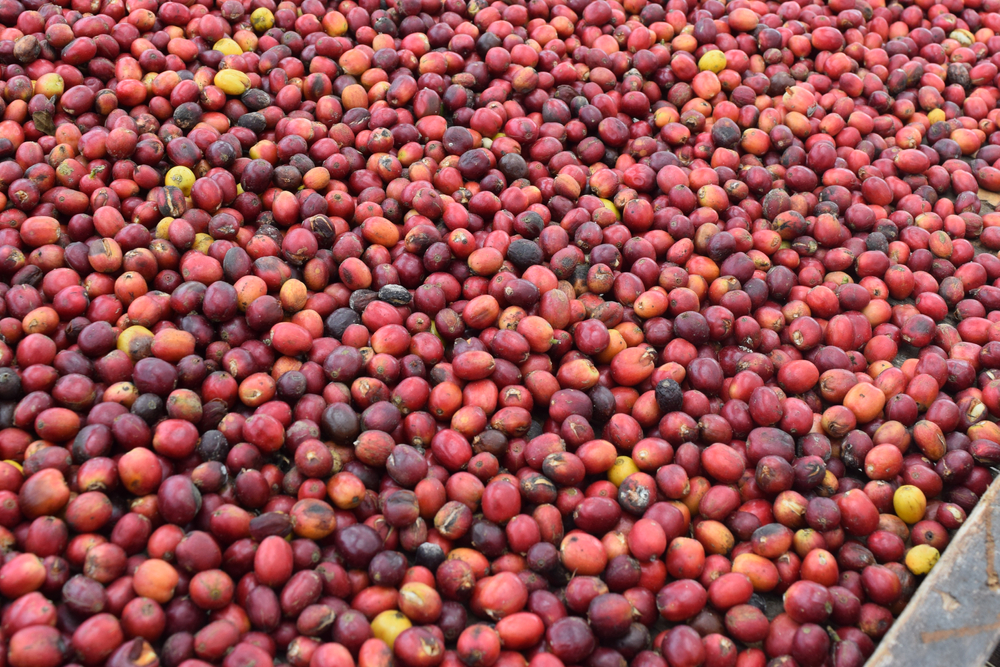
Fermenting coffee in pulp is a rare method where the beans are left inside the fruit’s pulp to ferment naturally. This process enhances the coffee’s body and depth, giving it a richer, more complex flavor. The pulp’s sugars and organic compounds are absorbed by the beans, which infuses them with unique flavors. The resulting coffee is often sweet, earthy, and full-bodied.
After removing the cherry’s outer skin, the beans are left in the pulp for fermentation, which lasts several days. This process allows the beans to absorb more flavors from the surrounding fruit. After fermentation, the beans are dried until they reach the desired moisture level. The final product is a coffee with deep, rich flavors and a smooth finish..
This article originally appeared on Avocadu.