
15 U.S. Destinations Where Food Festivals Bring Travelers Together
Some trips are planned around scenery, while others revolve around what is on the plate. Food festivals offer a reason to gather, share stories, and enjoy regional cooking. They create a setting where strangers quickly feel connected. Each destination adds its own traditions and flavors to the celebration. Read on to see which spots are known for bringing people together this way.
This post may contain affiliate links, which helps keep this content free. Please read our disclosure for more info.
New Orleans, Louisiana
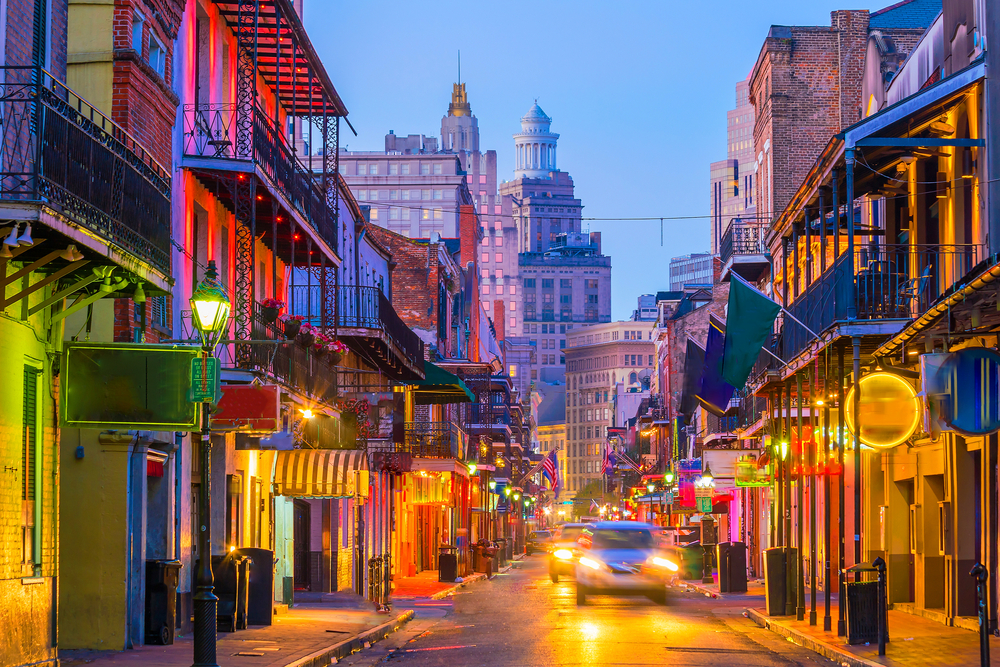
New Orleans is known for food that reflects its deep cultural roots and shared history. Events like the New Orleans Wine and Food Experience bring chefs, locals, and visitors together around Creole and Cajun dishes. Tastings often take place in walkable areas near music venues and historic neighborhoods. The city atmosphere makes it easy for strangers to connect over plates of gumbo and beignets.
Many festivals here include cooking demos and group dinners that feel welcoming rather than formal. Visitors often plan trips around these gatherings because they offer more than meals alone. Local chefs are present and open to conversation. This creates a setting where food feels personal and social.
Austin, Texas
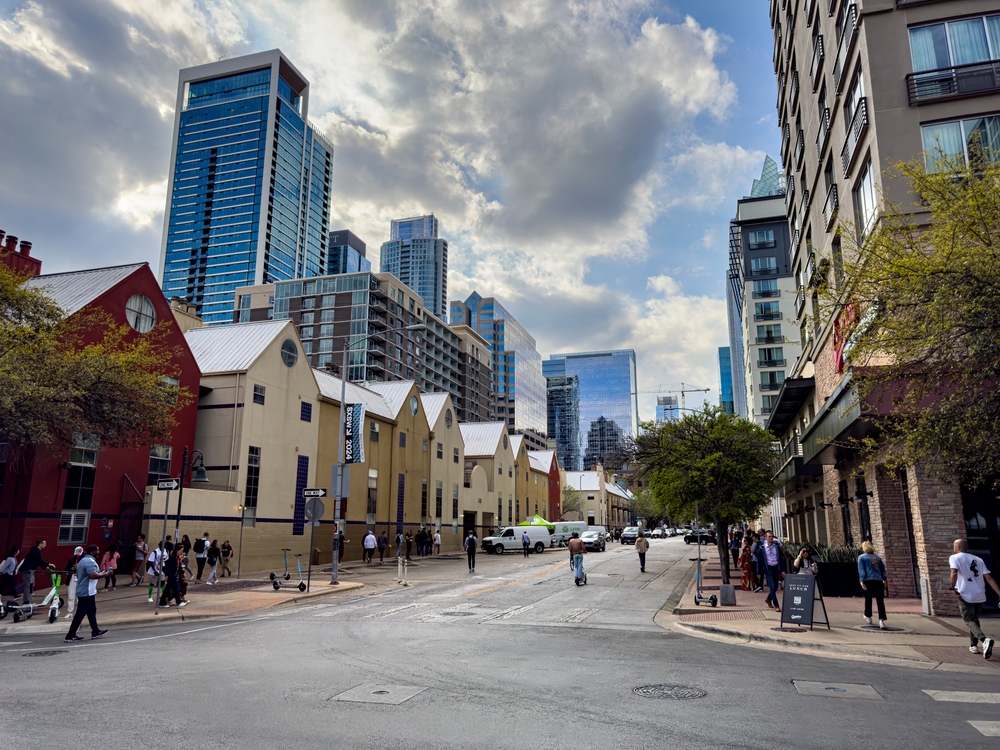
Austin hosts food festivals that reflect its relaxed and social culture. Events focused on barbecue, tacos, and local vendors draw crowds from across the state. Many festivals are held outdoors, which encourages movement and conversation. Live music often plays nearby, adding to the shared experience.
The city layout makes it easy to walk between tasting stations. Visitors often eat alongside residents who enjoy explaining their favorite spots. The mood stays casual and friendly throughout the day. Food becomes a natural way to start conversations.
Santa Fe, New Mexico
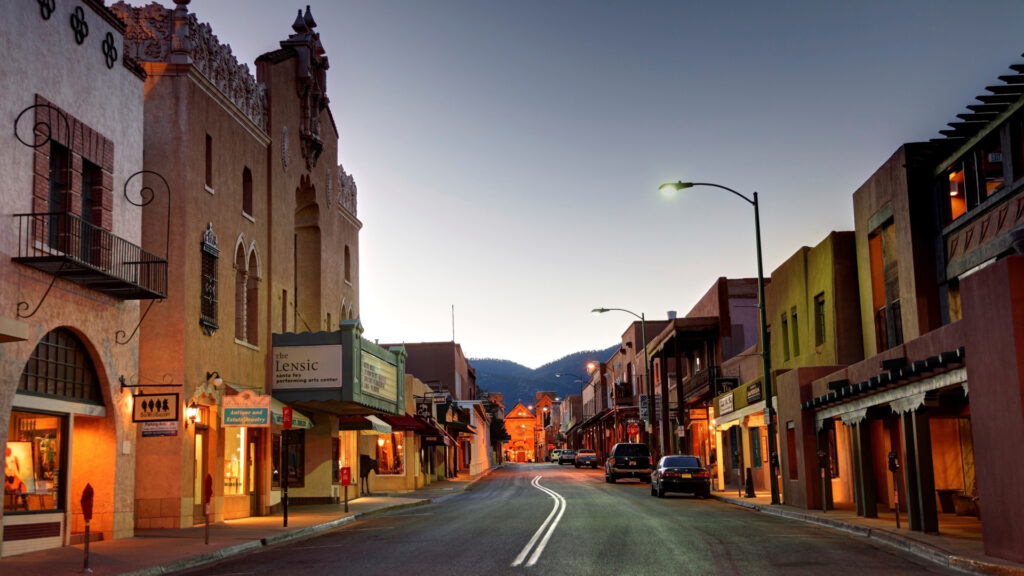
Santa Fe food festivals often center on regional flavors and long-standing traditions. The Santa Fe Wine and Chile Fiesta highlights local chile dishes and regional wines. Events take place in historic plazas and courtyards. This setting gives visitors a clear sense of place.
Meals are often served family-style, which helps people interact naturally. Many chefs talk openly about ingredients and preparation methods. The slower pace allows time for conversation. Travelers often leave with both recipes and new connections.
Portland, Oregon
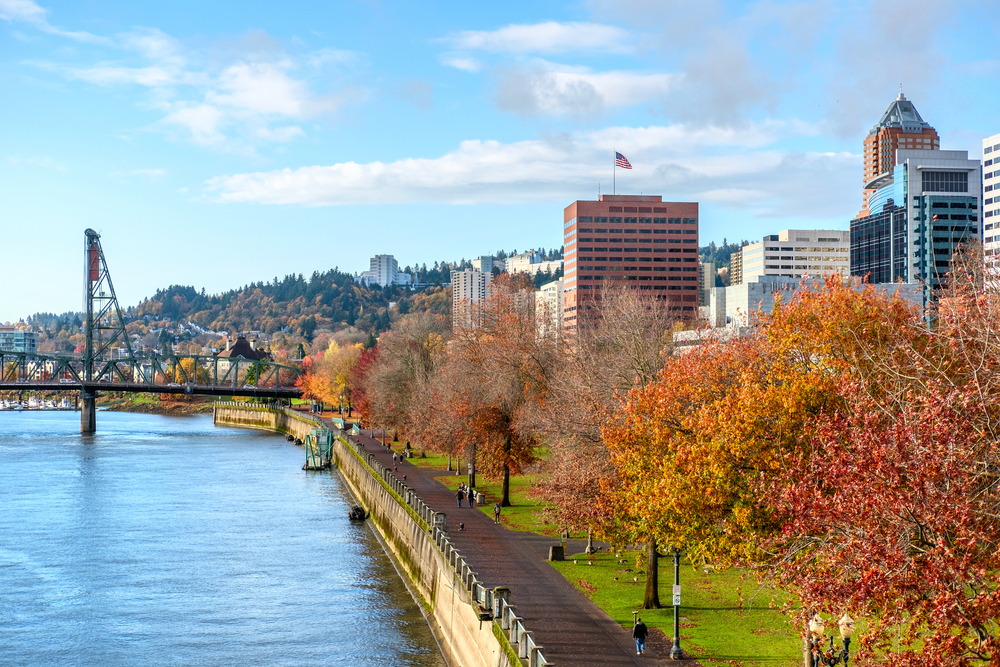
Portland is known for festivals that focus on local producers and seasonal food. Events like Feast Portland bring together chefs, farmers, and visitors in shared spaces. Tastings are designed to encourage movement and discussion. The crowd often includes people who care deeply about food origins.
Many gatherings include long tables where guests sit together. Conversations often start with what is on the plate and expand from there. The city culture supports open interaction. Food becomes the common ground.
Charleston, South Carolina
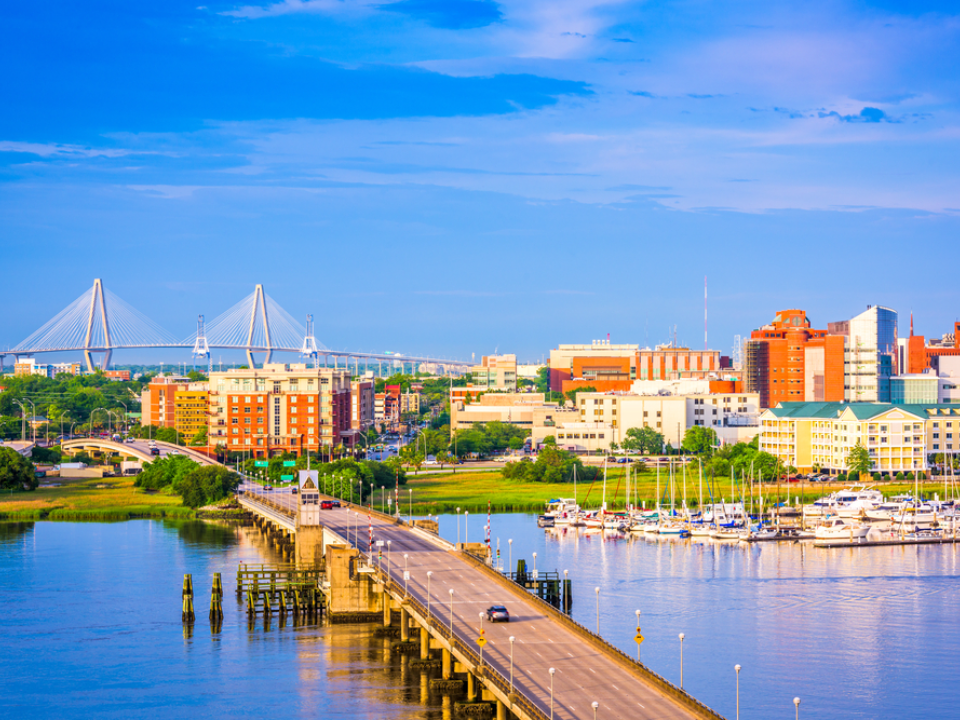
Charleston food festivals celebrate Lowcountry cooking and coastal ingredients. Events such as the Charleston Wine and Food Festival highlight seafood, rice dishes, and regional flavors. Activities are spread across historic streets and waterfront areas. This encourages visitors to explore together.
Shared tastings often lead to group discussions about food history. Local chefs are visible and approachable. Visitors often meet others while waiting in line or sharing tables. The experience feels social and rooted in tradition.
San Antonio, Texas
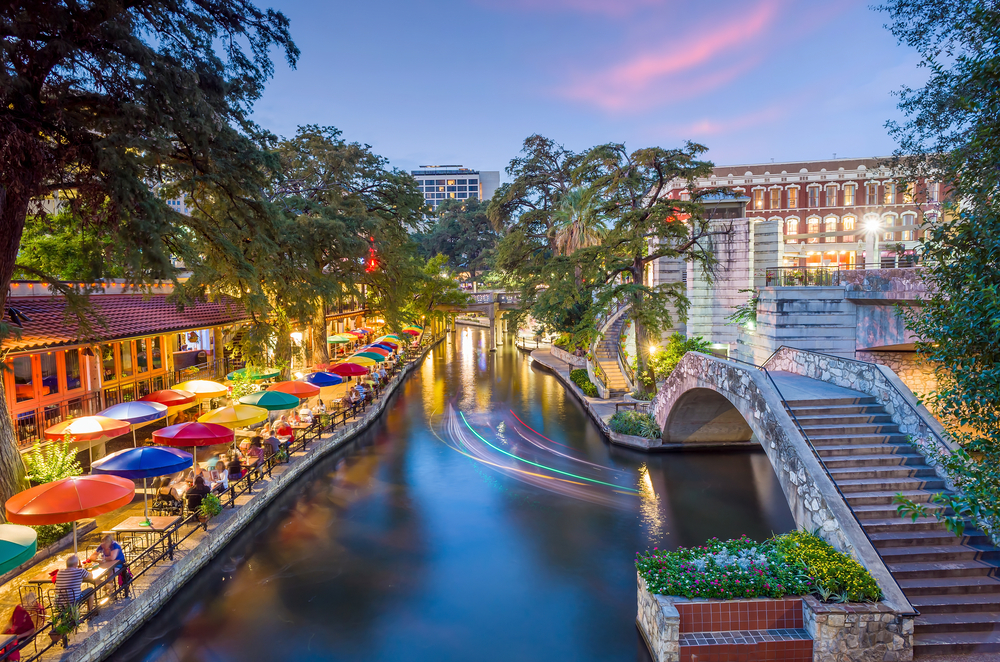
San Antonio food festivals reflect the city’s blend of cultures. Fiesta events often include food stalls, shared seating, and public spaces near the River Walk. Visitors can sample regional dishes while walking between events. The layout keeps people moving together.
Many meals are eaten outdoors, which invites conversation. Locals often explain the background of certain dishes. Visitors feel welcomed into the celebration. Food becomes a way to understand the city and its people.
Napa Valley, California
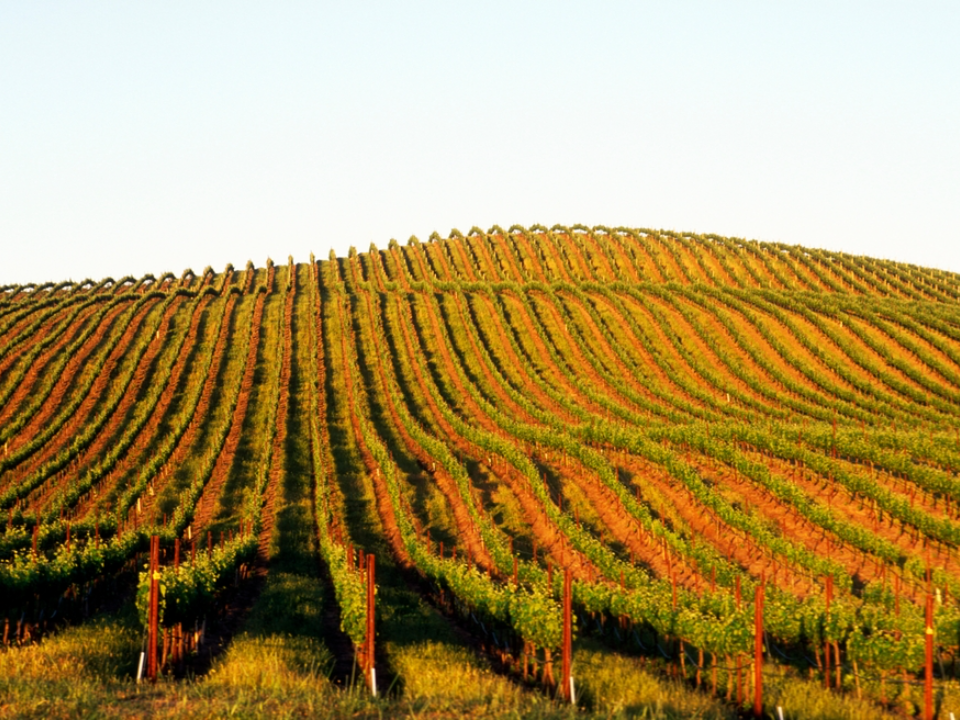
Napa Valley hosts food events that focus on shared meals and local wines. Festivals often include tastings, group dinners, and guided food walks. Visitors gather in vineyards and town centers. The setting encourages relaxed conversation.
Many events seat guests together at long tables. Chefs and winemakers often speak directly with attendees. This creates a sense of shared experience rather than separation. Food and drink bring people into the same space.
Asheville, North Carolina
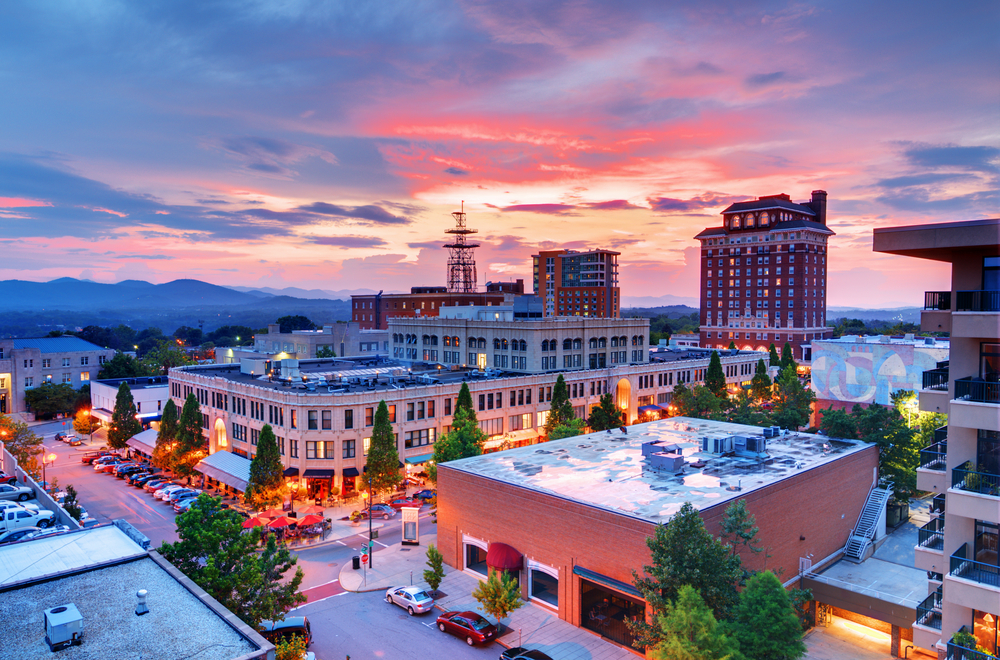
Asheville food festivals often highlight local farms and regional cooking. Events take place in downtown streets and open venues. Visitors move between tastings at an easy pace. The atmosphere feels friendly and informal.
Many festivals include community tables and shared seating. Locals enjoy talking about nearby farms and food traditions. Visitors often meet others with similar interests. The experience feels grounded and welcoming.
Chicago, Illinois
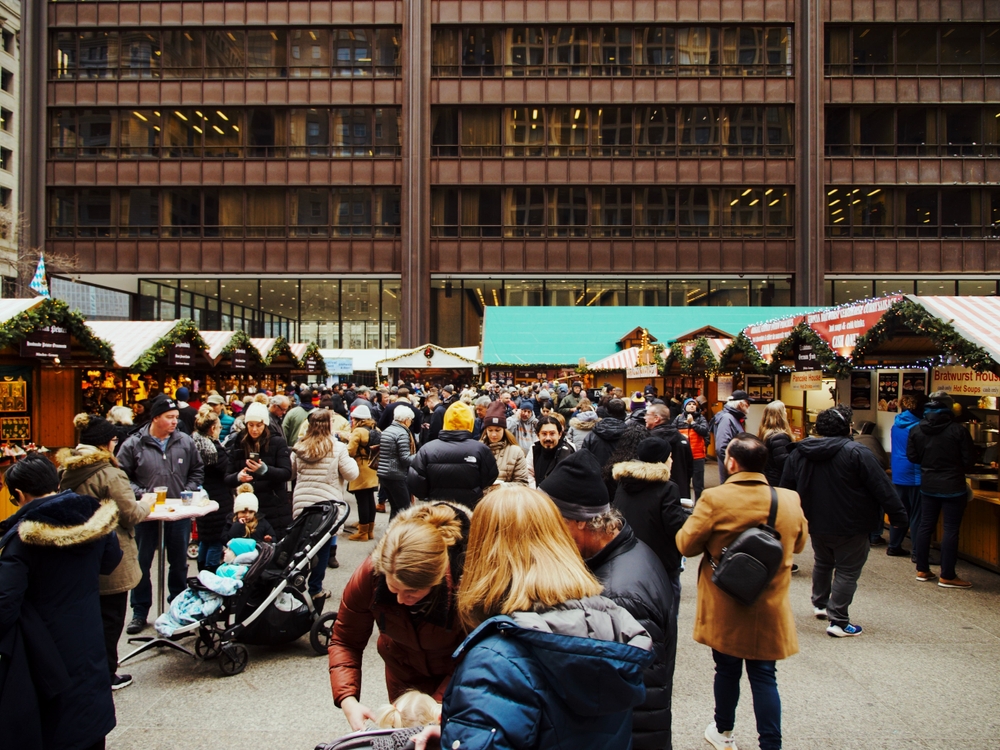
Chicago hosts large food festivals that attract diverse crowds. Events like Taste of Chicago bring together foods from many neighborhoods. Shared tables and open seating are common. Visitors often eat alongside residents.
The size of the festival encourages interaction across groups. Conversations often begin while waiting for food. The variety of dishes keeps people curious and engaged. Food becomes a shared point of interest.
New York City, New York
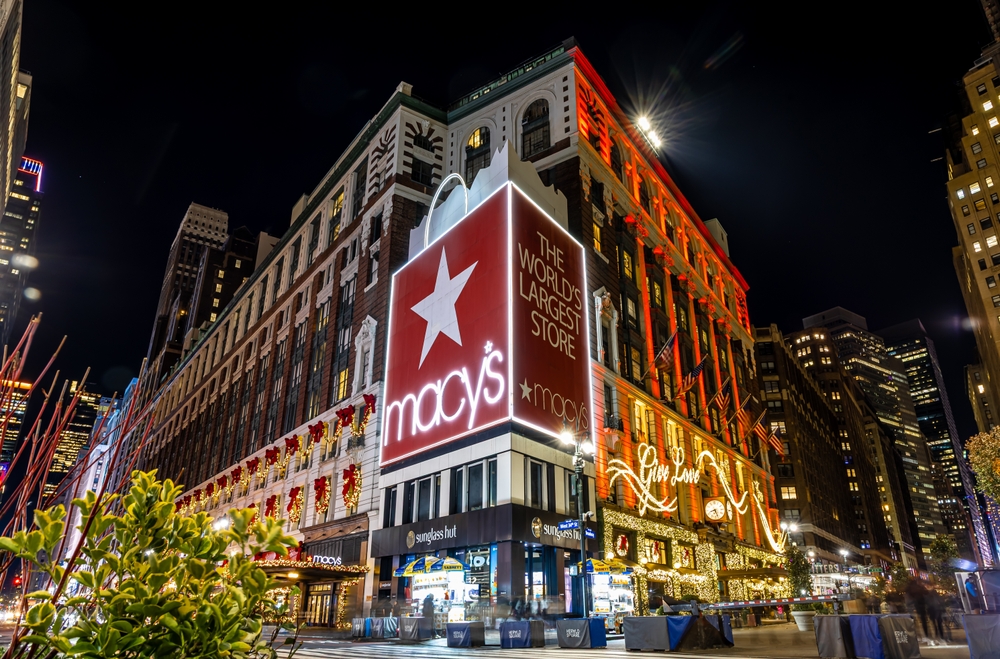
New York City food festivals reflect its wide range of cultures. Street food events and seasonal festivals bring people together in parks and public spaces. Visitors can sample dishes from many backgrounds in one place. The setting feels lively and social.
Many events encourage standing tastings and shared areas. People often exchange recommendations while eating. The mix of locals and travelers adds energy. Food becomes a reason to pause and connect.
Santa Barbara, California
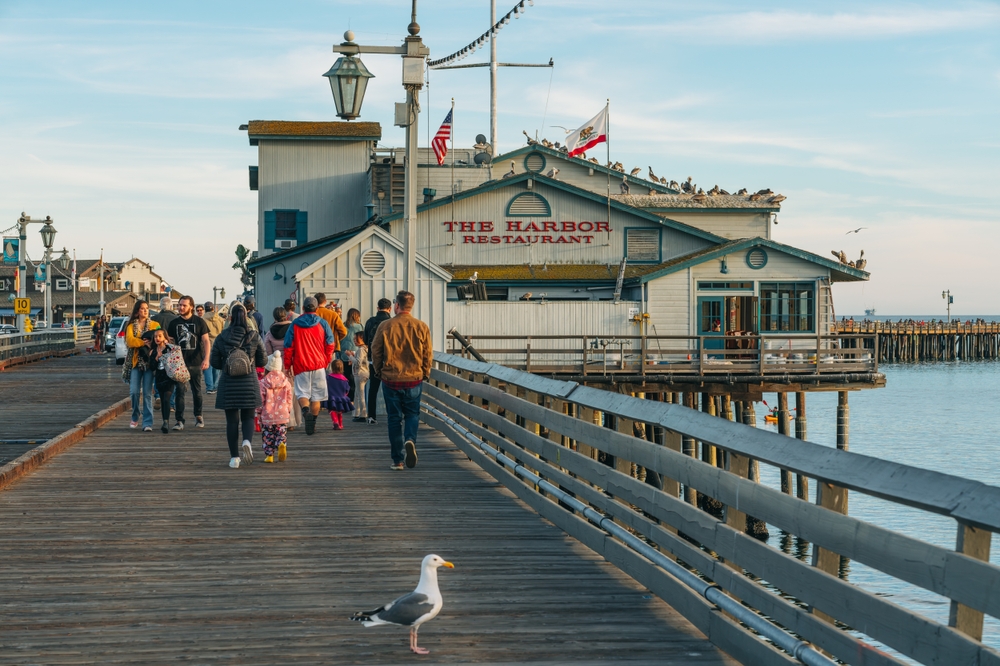
Santa Barbara food festivals often focus on coastal flavors and local produce. Events take place near beaches and downtown areas. Visitors enjoy tastings in open-air settings. The relaxed environment supports conversation.
Shared seating is common at many events. Local vendors often talk about sourcing and preparation. Visitors feel included in the community. Meals become a shared experience rather than a quick stop.
Milwaukee, Wisconsin
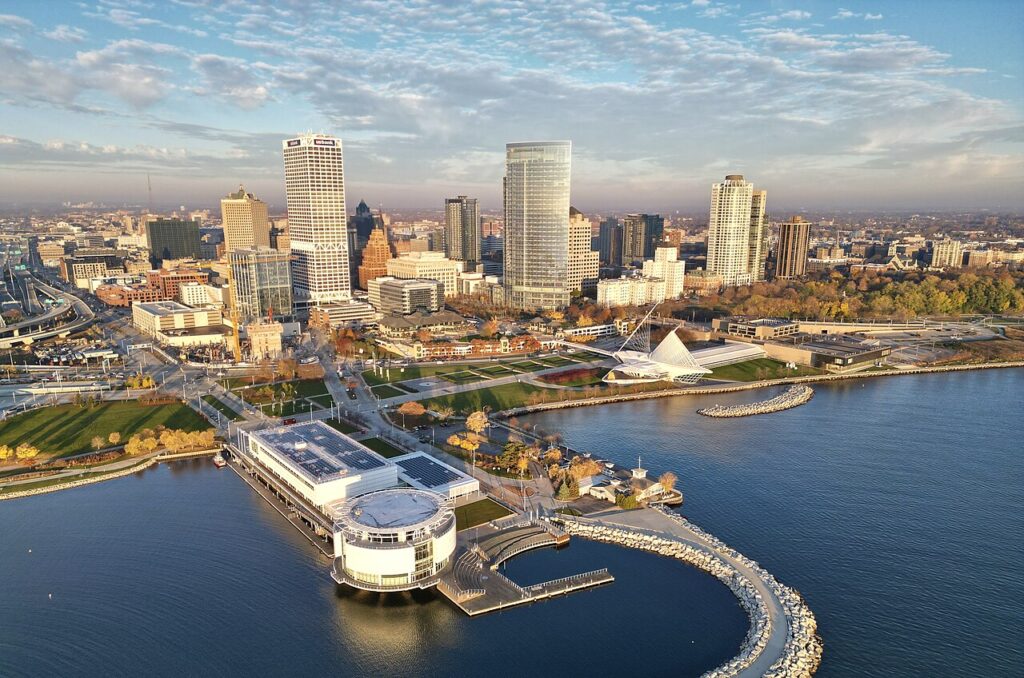
Milwaukee hosts food festivals that reflect its strong community ties. Events often include shared tables, live music, and local dishes. Visitors gather in central parks and waterfront spaces. The layout keeps people close together.
Many festivals encourage group dining. Locals are often eager to talk about food traditions. Visitors feel comfortable joining conversations. Food helps break the ice.
San Francisco, California
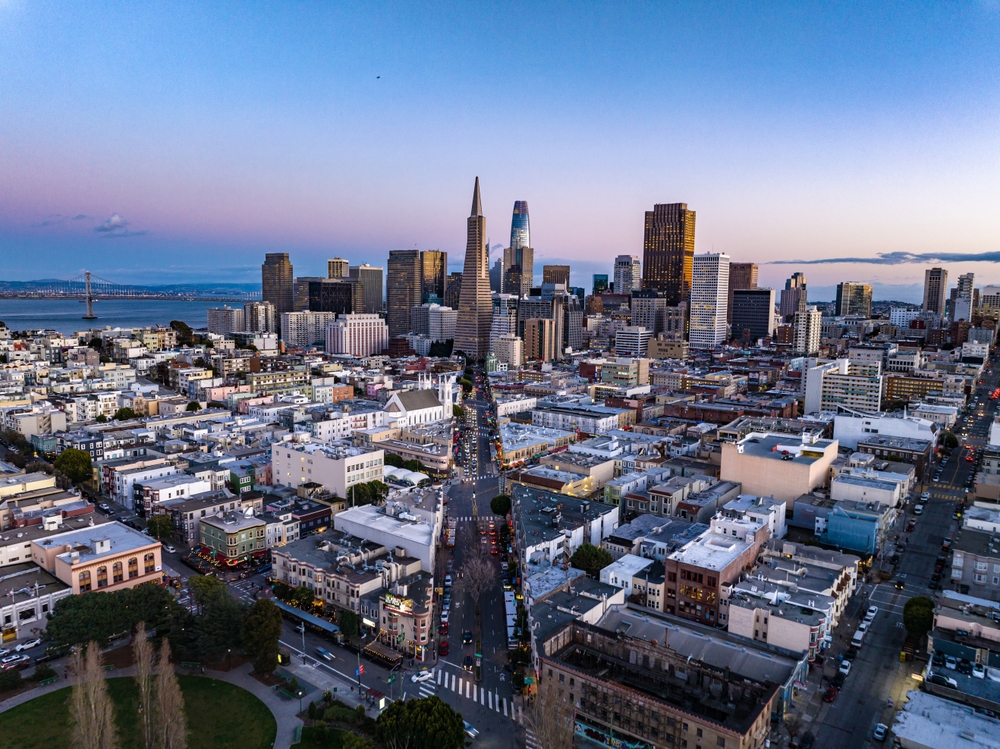
San Francisco food festivals often highlight neighborhood cooking and seasonal ingredients. Events take place in public markets and open streets. Visitors move through tasting areas together. The design supports interaction.
Many events include chef talks and shared tables. People often discuss what they have tried. Locals enjoy giving suggestions. Food becomes a shared topic that brings people together.
Louisville, Kentucky
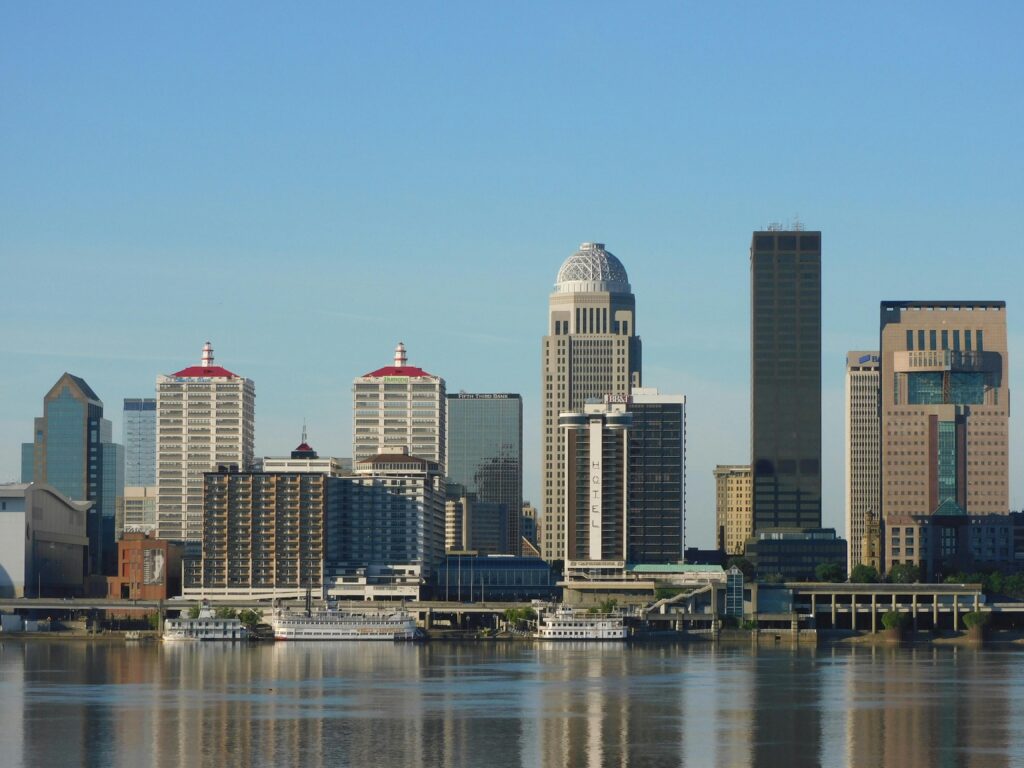
Louisville food festivals often celebrate regional dishes and local producers. Events are held in walkable downtown areas. Visitors can sample food while exploring nearby streets. The pace allows time for conversation.
Shared seating areas are common at these festivals. Locals often explain the background of certain foods. Visitors feel welcomed into the scene. Food helps create a sense of belonging.
Tucson, Arizona
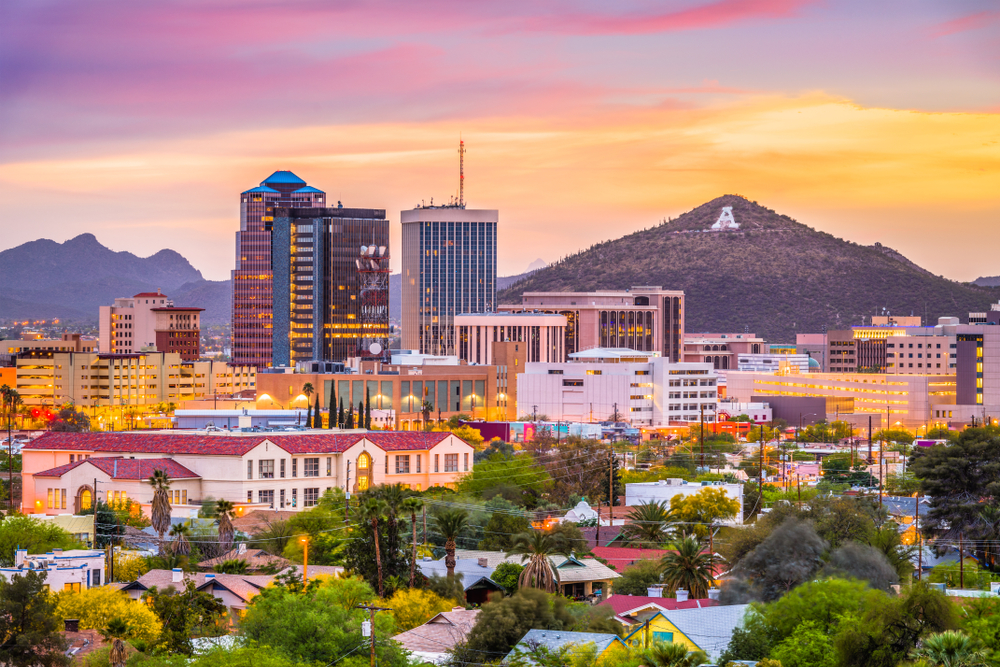
Tucson food festivals focus on regional ingredients and long-standing traditions. Events highlight local dishes tied to the area’s history. Visitors gather in public plazas and outdoor venues. The setting encourages people to linger.
Meals are often eaten together at communal tables. Chefs and vendors share stories behind their food. Visitors often meet others while waiting or sitting nearby. The experience feels social and rooted in place.
This article originally appeared on Avocadu.