
13 Tropical Plants That Adjust Well to Winter Indoors
Winter does not have to mean saying goodbye to your beloved tropical plants. Many of these plants thrive indoors, even during the cold months. With a few simple steps, you can keep them healthy and vibrant all season long. The right indoor environment makes all the difference for these tropical beauties.
This post may contain affiliate links, which helps keep this content free. Please read our disclosure for more info.
ZZ Plant
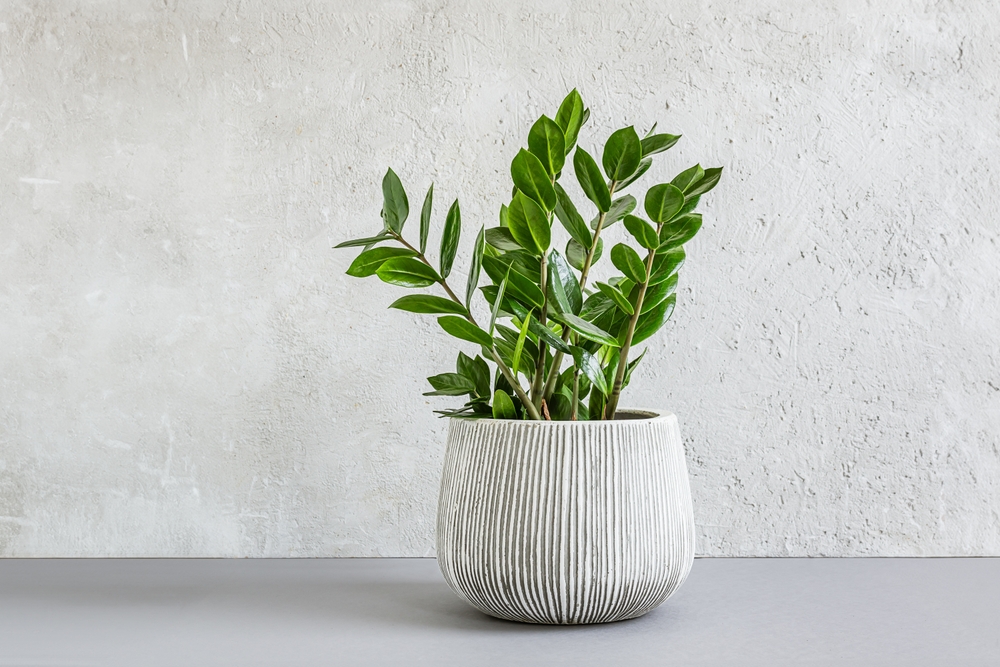
The ZZ plant is known for its ability to tolerate a range of lighting conditions, from low to moderate light, which makes it ideal for indoor spaces during winter. It thrives with minimal care and is resistant to drought, as it stores water in its thick stems and roots. This plant does best when watered only when the soil has completely dried out, preventing overwatering issues. Its glossy green leaves and upright growth make it a striking addition to any indoor setting.
While it can handle neglect, providing it with bright, indirect light will help it maintain its vibrant color. ZZ plants do not require frequent fertilization, but a light feeding during the growing season will encourage healthier growth. It also appreciates air circulation, so it should be placed in a spot with a gentle flow of air to avoid stagnation. If the plant’s leaves begin to yellow, it may be a sign of overwatering, and adjusting watering habits will restore its health.
Peace Lily
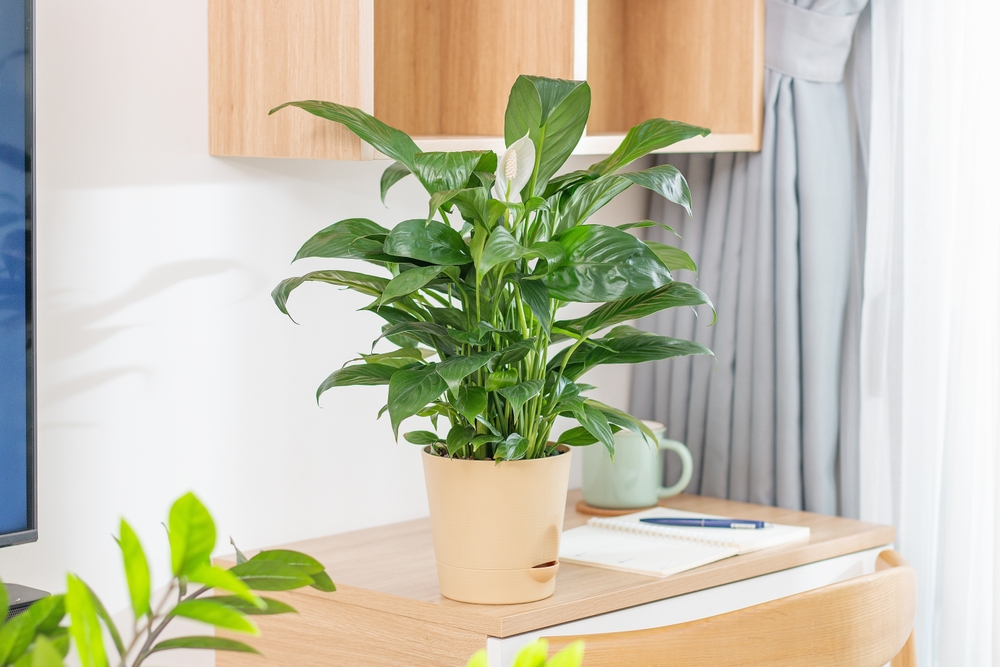
Peace lilies are known for their beautiful white blooms and their ability to thrive in low to medium light, making them perfect for indoor winter conditions. They can adapt to less light and still bloom, though they may flower less frequently in the darker months. These plants prefer consistently moist soil, but be sure to allow the top inch of the soil to dry between waterings to avoid root rot. Peace lilies also purify the air, making them an excellent choice for indoor environments.
During winter, the peace lily’s growth may slow, but it can still maintain its glossy leaves with proper care. It thrives in moderate humidity, so occasional misting or placing it near other plants will help maintain the right moisture levels. The plant should be kept away from cold drafts or heating vents, as extreme temperature changes can cause damage. With proper attention to moisture and light, the peace lily will continue to add elegance to your indoor garden through the colder months.
Heart‑Leaf Philodendron

Heart‑leaf philodendron is a tropical vine that grows well in moderate to low light, making it a great choice for winter months indoors. Its heart-shaped leaves and trailing vines create a lush, green atmosphere in any room. It prefers well-draining soil, and watering it only when the top inch of soil is dry will prevent overwatering. The heart‑leaf philodendron is a resilient plant that can handle a range of indoor conditions.
This plant is ideal for hanging baskets or for trailing along shelves where its vines can spread. If the plant’s growth seems slow during winter, it may just be adjusting to the lower light and colder temperatures. Regular trimming encourages fuller growth and helps maintain its bushy appearance. Be mindful of pests, as heart‑leaf philodendron can attract aphids or mites, particularly in dry indoor air, so regular cleaning and inspection can prevent these issues.
Areca Palm
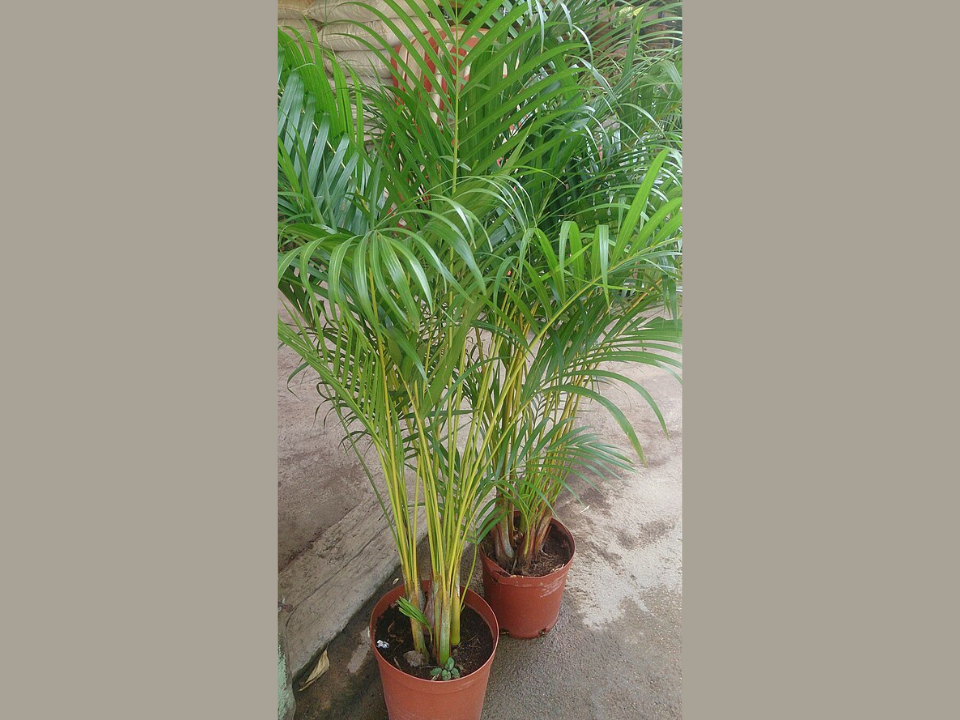
The areca palm is a tropical plant known for its feathery, arching fronds that add a touch of tropical elegance to indoor spaces. It prefers bright, indirect light but can adapt to lower light conditions, though its growth may slow during the winter months. To keep the plant healthy, it requires regular watering when the soil feels dry to the touch, but it should not sit in standing water. This palm also thrives in higher humidity, so misting the leaves or placing a humidifier nearby can be beneficial.
While it can tolerate moderate temperatures, it is best to keep the areca palm away from cold drafts or areas with fluctuating temperatures. The plant’s feathery leaves make it an eye-catching addition to any room, and with proper care, it can grow several feet tall indoors. During winter, you may notice less new growth, but as spring approaches and the days get longer, the areca palm will start to thrive again. Ensuring that it gets enough light, warmth, and moisture will keep it looking lush throughout the season.
Parlor Palm
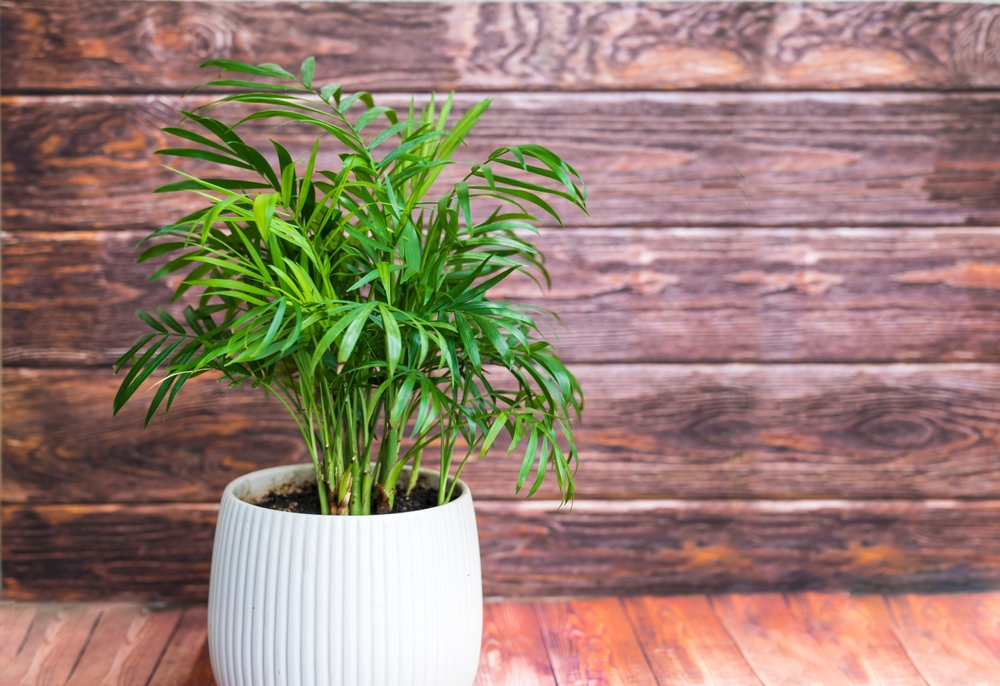
The parlor palm is a compact, low-maintenance tropical plant that adapts well to indoor conditions, making it a great choice for winter. It thrives in medium to low light, which is often a challenge for many indoor plants during the darker months. The parlor palm prefers evenly moist soil, and it should be watered when the top inch feels dry to the touch, but be careful not to overwater. It also does well in the humidity levels typically found in most homes, so no extra humidity is necessary for this resilient plant.
Its slow-growing nature and manageable size make the parlor palm an excellent choice for smaller spaces. During the winter, it will benefit from a consistent temperature, avoiding cold drafts near windows or doors. Regular dusting of the leaves ensures that it can photosynthesize efficiently and helps keep the plant looking healthy. If any leaves turn yellow, it is often due to either overwatering or low humidity, which can be corrected by adjusting care routines.
Pothos
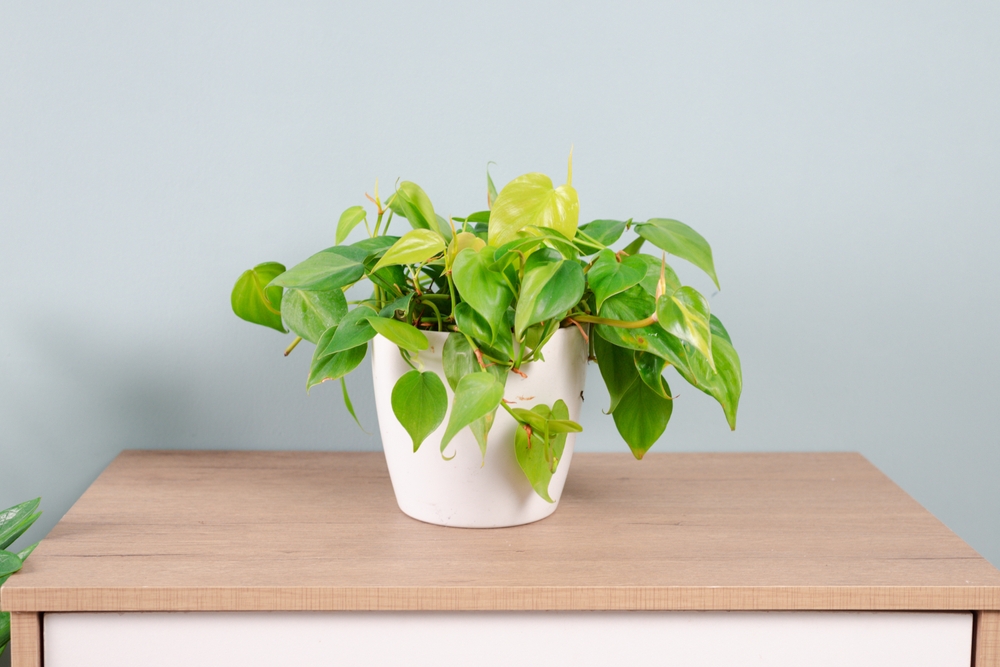
Pothos is a versatile and low-maintenance plant that adjusts easily to various indoor lighting conditions, including low to medium light. It is known for its trailing vines and heart-shaped leaves that can add a touch of greenery to any room. This plant prefers to dry out slightly between waterings, so it is essential to check the soil before adding water to avoid root rot. Pothos is an excellent choice for winter, as it tolerates reduced light and can thrive with minimal care.
The plant’s ability to adapt to different light conditions and its hardiness make it a favorite for many indoor gardeners. It grows quickly when placed in brighter, indirect light, but it can also tolerate darker spots. While pothos does not need high humidity, occasional misting can help keep the leaves shiny and healthy. If the leaves start turning yellow, it’s a sign that it needs attention, either with more light or better drainage in its pot.
Snake Plant
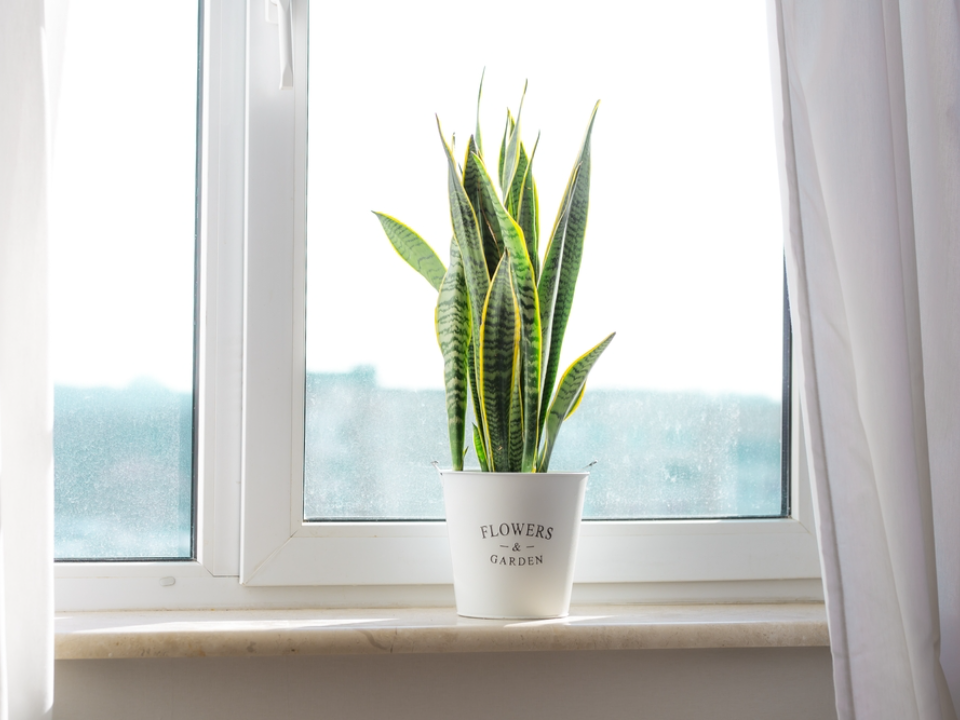
Snake plants, also known as mother-in-law’s tongue, are ideal for indoor winter conditions due to their ability to tolerate low light and dry air. These plants have stiff, upright leaves that store water, which makes them resilient to periods of neglect and overwatering. Snake plants prefer to be watered only when the soil is dry, which helps prevent root rot, making them easy to care for in the winter months when water needs are reduced. They thrive in temperatures that range from mild to warm and should be kept away from drafts.
This plant is one of the best for improving indoor air quality, and it adds a sculptural element to home décor. Despite its low water needs, snake plants still need bright, indirect light to maintain their green coloration, though they can tolerate low light as well. If the tips of the leaves start to turn brown, it may be a sign of underwatering or too much direct sunlight. Snake plants are a great addition to any home, offering both beauty and functionality throughout the winter.
Bromeliad
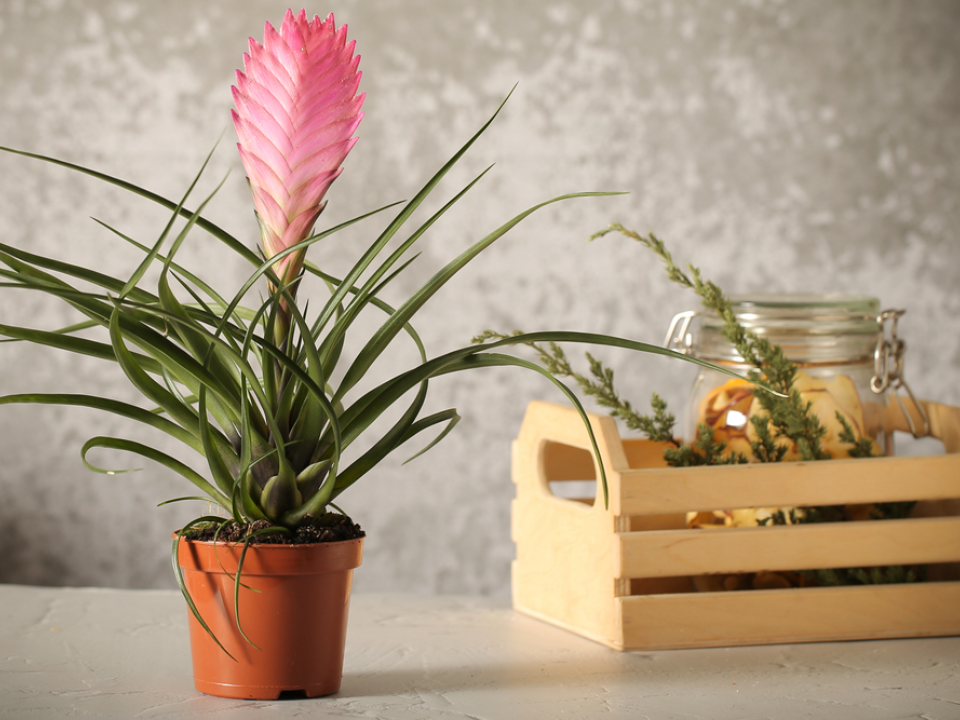
Bromeliads are known for their colorful flowers and vibrant foliage, making them a favorite among indoor gardeners. They adapt well to indoor conditions, especially when placed in bright, indirect light. These plants have a unique structure that allows them to collect water in the central cup, which should be kept filled to ensure their health. Bromeliads do not require much maintenance, as their roots do not need to be watered frequently.
While bromeliads prefer a warm environment, they can tolerate average indoor temperatures. They thrive in moderate humidity levels, so they are ideal for indoor settings with a higher moisture content in the air. During the winter, the plant may slow its blooming, but with proper light and temperature, it will continue to stay healthy. The plant’s ability to survive in low-maintenance conditions makes it a perfect addition to any indoor space during the colder months.
Calathea
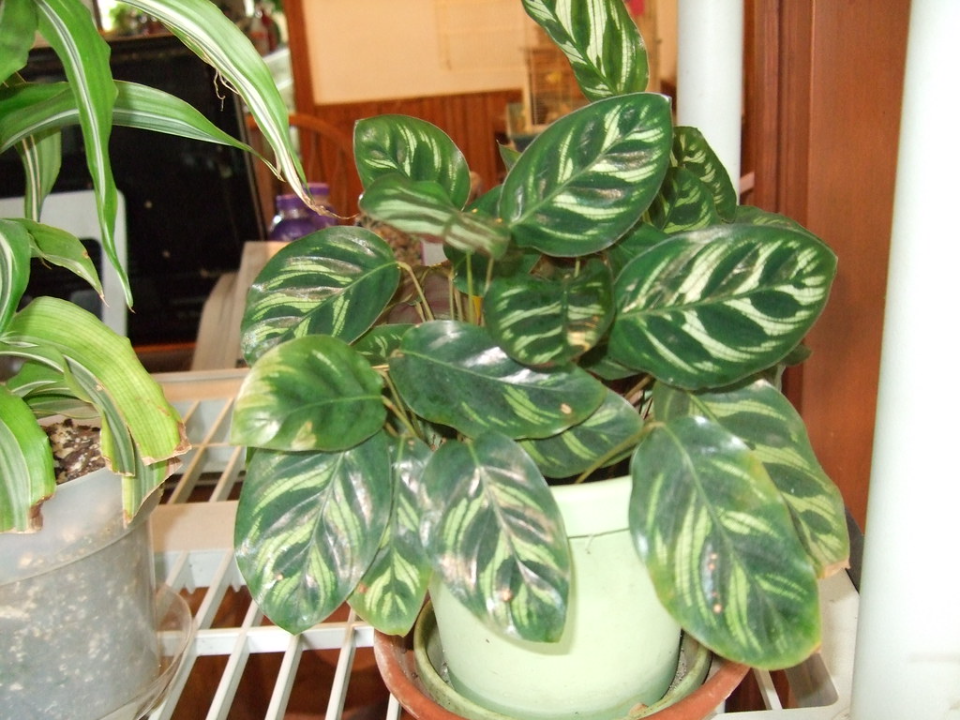
Calathea plants are known for their beautifully patterned leaves and striking visual appeal. They thrive in bright, indirect light but can adapt to lower light conditions, making them ideal for winter indoors. This plant enjoys consistently moist soil, so it is essential to keep the soil damp but not soggy, especially during the colder months. Calatheas are also sensitive to low humidity, so misting or placing them near a humidifier can help maintain healthy leaves.
Although it may not bloom as frequently in the winter, the calathea’s patterned foliage remains vibrant and striking. It is best to avoid placing this plant in direct sunlight, as it can scorch the leaves. Regular cleaning of the leaves helps the plant absorb light and keeps pests at bay. If the leaves curl or develop brown edges, increasing humidity or adjusting watering routines can help restore the plant to health.
Anthurium
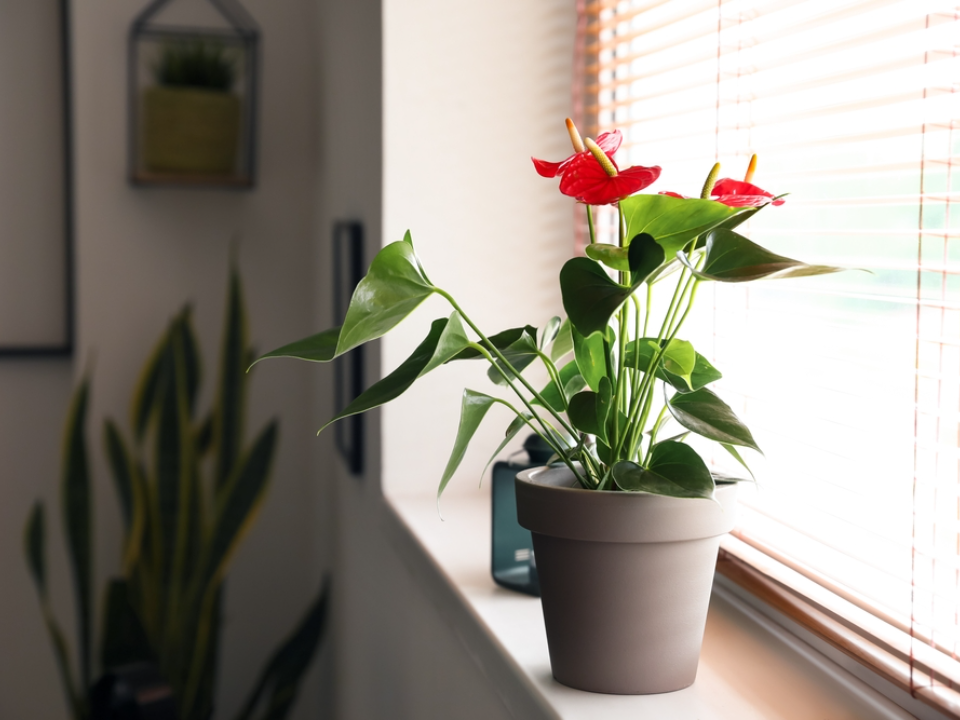
Anthurium plants are appreciated for their glossy green leaves and their stunning, long-lasting flowers, which can bring vibrant color to winter interiors. These plants do well in bright, indirect light, and they prefer consistently moist soil with good drainage. They also thrive in moderate humidity, so a humidifier or occasional misting can help maintain their health. Anthuriums should be watered when the soil feels dry on top, but the water should not sit in the pot for long periods.
With regular care, the anthurium will continue to bloom indoors, even during winter when light is limited. It is sensitive to changes in temperature, so keeping it in a stable environment away from drafts is essential. The glossy foliage and colorful flowers of the anthurium make it a perfect plant for adding brightness to winter spaces. If leaves or blooms start wilting, it may be a sign that the plant needs more water or humidity.
Schefflera
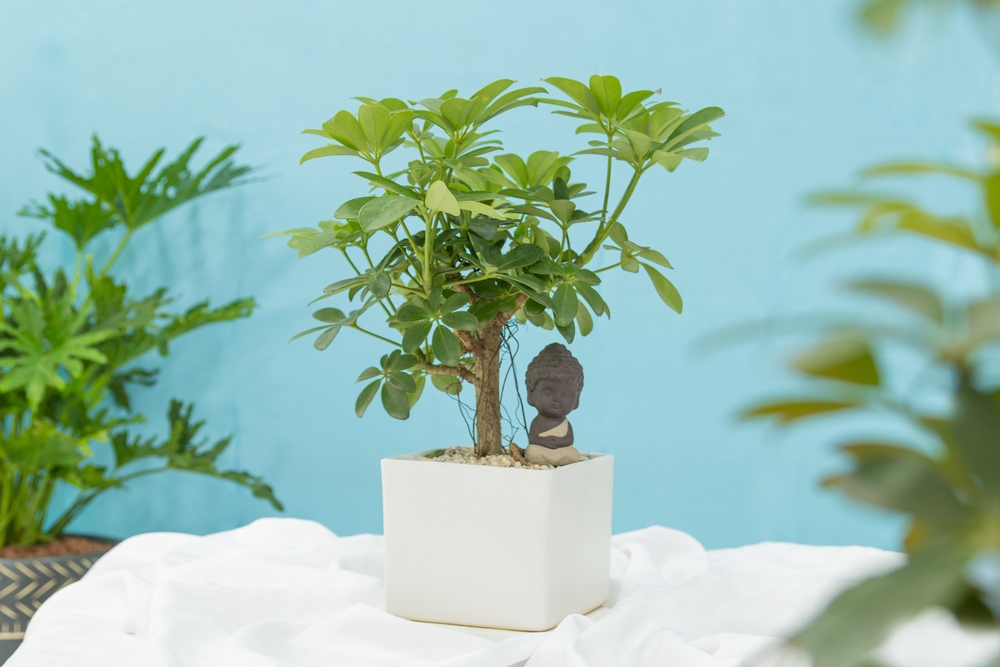
Schefflera, also known as the umbrella tree, is an indoor plant with glossy, large leaves that radiate from a central stem, adding a bold statement to any room. It prefers bright, indirect light but will tolerate lower light conditions during winter months. Schefflera plants need well-drained soil, and they should be watered when the top layer is dry to the touch. Overwatering can lead to yellowing leaves and root rot, so be mindful of watering habits.
This plant does well in typical indoor temperatures and humidity levels, making it a great choice for winter indoor gardening. With its slow-growing nature, schefflera does not require frequent repotting or trimming, though regular leaf cleaning helps maintain its health. Keep it away from cold drafts, as the plant does not tolerate temperature fluctuations. During winter, it will remain an attractive addition to any room with its vibrant foliage.
Fiddle Leaf Fig
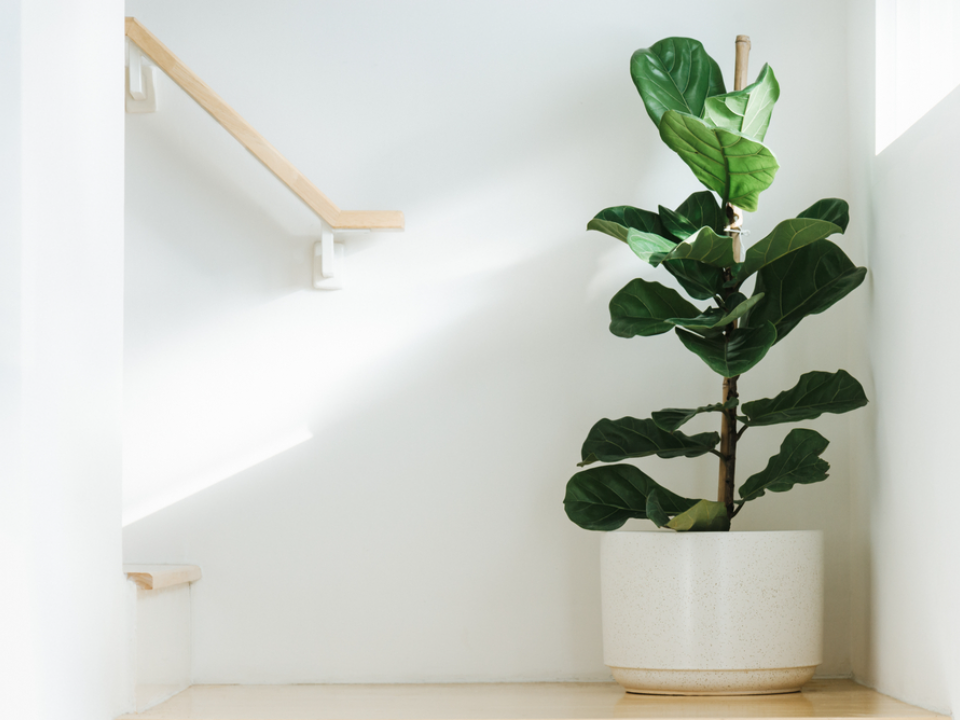
Fiddle leaf fig is a popular indoor plant known for its large, dramatic leaves that can transform a room into a tropical oasis. It prefers bright, indirect light, but can adapt to lower light conditions during the winter months, though its growth may slow. This plant requires regular watering, but it is crucial to allow the soil to dry out slightly between waterings to avoid root rot. Fiddle leaf figs also benefit from humidity, so placing them in a more humid area or using a humidifier can keep their leaves looking healthy.
During the winter, the plant may lose a few leaves, but this is normal as it adapts to indoor conditions. It is important to keep the fiddle leaf fig away from cold drafts or areas with extreme temperature fluctuations. Regular cleaning of the large leaves will help improve photosynthesis and prevent dust buildup. Although this plant grows slowly indoors, with proper care, it can continue to add beauty and style to your indoor garden throughout the colder months.
Rubber Plant
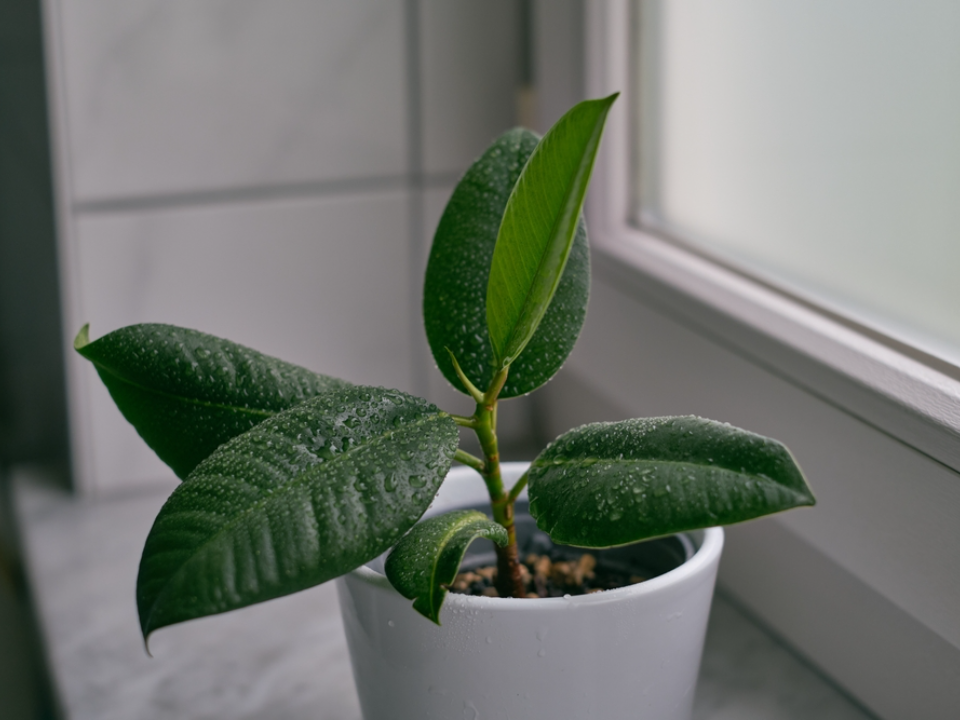
The rubber plant is known for its thick, glossy leaves and its ability to tolerate a variety of indoor conditions. It thrives in bright, indirect light but can also adapt to medium light, making it a great choice for winter indoors. Rubber plants need to be watered when the top of the soil feels dry, but it is important to avoid overwatering as it can cause root rot. This plant prefers warm indoor temperatures and should be placed in a stable environment with consistent light and warmth.
Although it may slow down during the winter months, the rubber plant can continue to grow and maintain its attractive, upright form. If the leaves start to yellow or drop, it may be a sign of overwatering or that the plant is not getting enough light. Keeping the rubber plant away from cold drafts or heaters will help it stay healthy and prevent leaf drop. With minimal care, this hardy plant will continue to thrive indoors, adding a sleek, green touch to your space.
This article originally appeared on Avocadu.