
13 Trees With Late Winter Flowers That Make Yards Look Alive
Winter can feel long and dull, but some trees bring color and life to your yard when you need it most. Late winter flowers add a touch of beauty and warmth, helping to break up the dreary days. These trees bloom when you least expect it, offering a welcome sight in the cold months. If you are looking for a way to brighten your yard, consider planting one of these varieties.
This post may contain affiliate links, which helps keep this content free. Please read our disclosure for more info.
Cornelian Cherry Dogwood (Cornus mas)
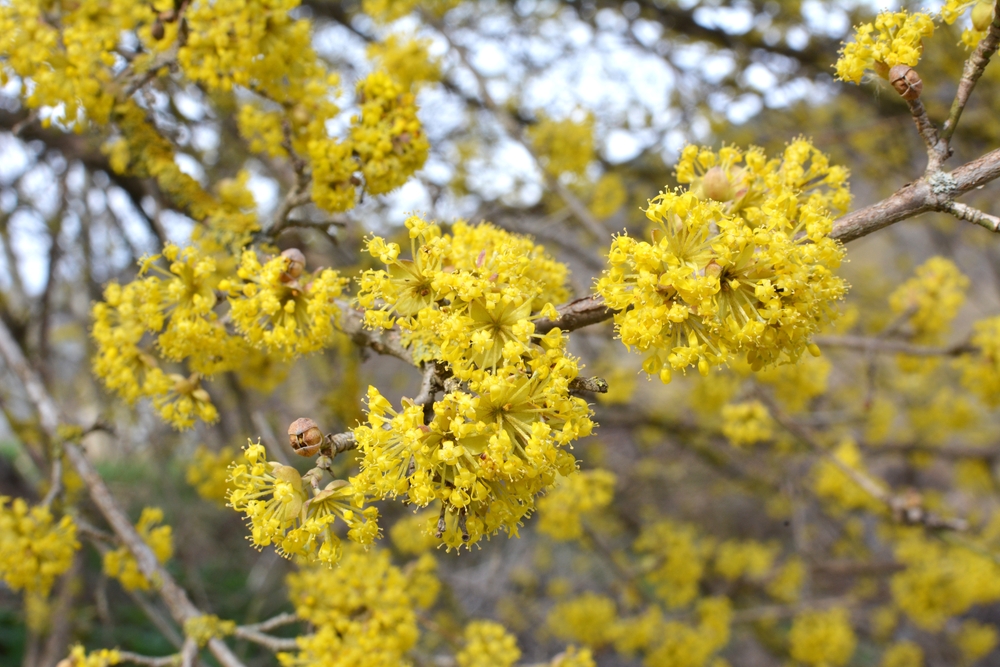
The Cornelian Cherry Dogwood is known for its vibrant yellow flowers that appear early in late winter. These small, bright blossoms stand out against the bare branches, signaling the coming of spring. This tree grows as a multi-stemmed shrub or small tree, making it an excellent choice for both large and smaller yards. The dogwood thrives in a variety of soils and offers beautiful foliage and berries in the fall, adding year-round interest to your garden.
Along with its stunning flowers, the Cornelian Cherry Dogwood provides a touch of history, as it has been cultivated for centuries. Its fruit, a small red drupe, is edible, though it has a tart flavor. This tree is a great addition to your yard, as it blooms at a time when few other plants are flowering. Its early blossoms provide an uplifting sight in the cold winter months.
Winter Jasmine (Jasminum nudiflorum)
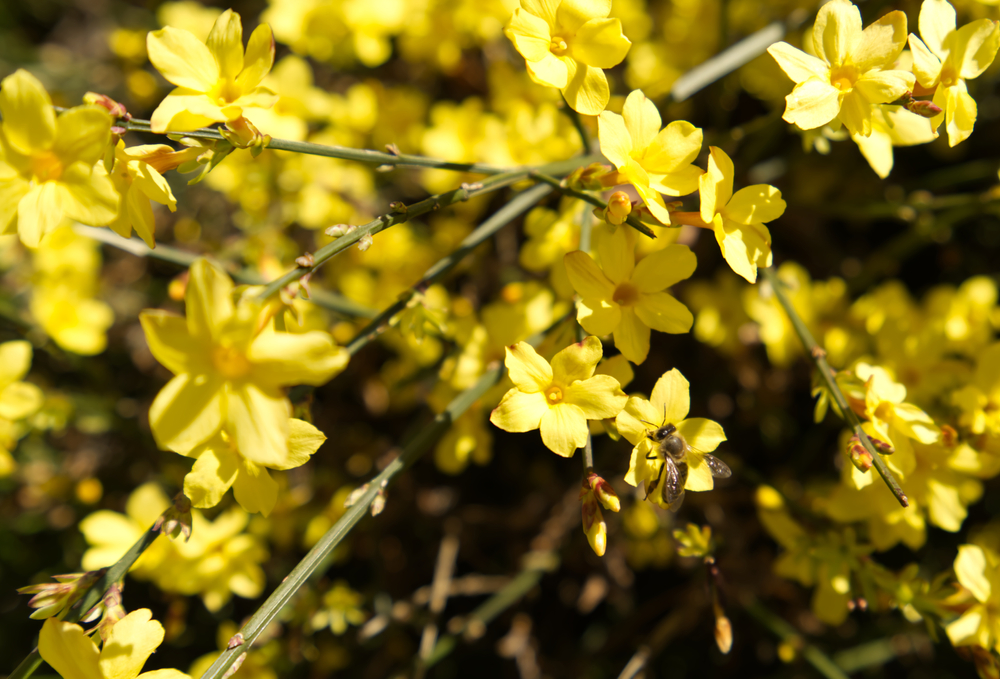
Winter Jasmine is a deciduous shrub that blooms bright yellow flowers even during the coldest months of winter. Its branches begin to bloom in late winter, offering a cheerful contrast to the gray sky and frosty landscape. This vine-like shrub grows best in full sun to partial shade, thriving in well-drained soil. Its cascading branches can be trained to grow along trellises, fences, or even left to spread naturally.
The flowers of Winter Jasmine are small but numerous, creating a striking display. While the tree itself may not be large, its long-lasting blossoms make it an important addition to any winter garden. It thrives in various soil types and conditions, making it an easy-to-care-for choice. Its low maintenance and early blooms are key reasons why gardeners love this shrub for late winter beauty.
Flowering Quince (Chaenomeles speciosa)
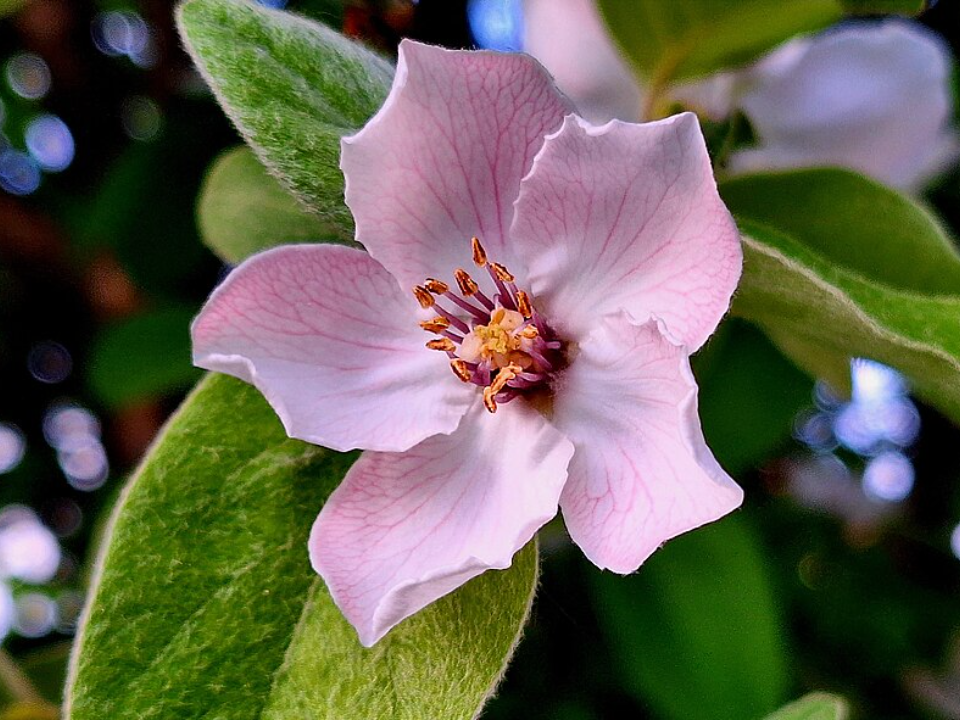
Flowering Quince is a hardy shrub that blooms in early spring but starts to show its colorful flowers in late winter. This tree produces beautiful red, orange, or pink flowers that are perfect for brightening up your garden in the colder months. It can grow as a shrub or small tree, with thorny branches that add a bit of texture to your yard. The bright blossoms are followed by fruit that ripens in the fall, which can be used for making jams and jellies.
In addition to its winter flowers, Flowering Quince adds a unique charm with its glossy leaves and intricate branches. The tree thrives in well-drained soil and can be planted in full sun or partial shade. It is highly drought-tolerant once established, making it a great choice for low-maintenance gardeners. Flowering Quince’s bold blooms will be the first to catch your eye after a long winter.
Witch Hazel (Hamamelis virginiana)
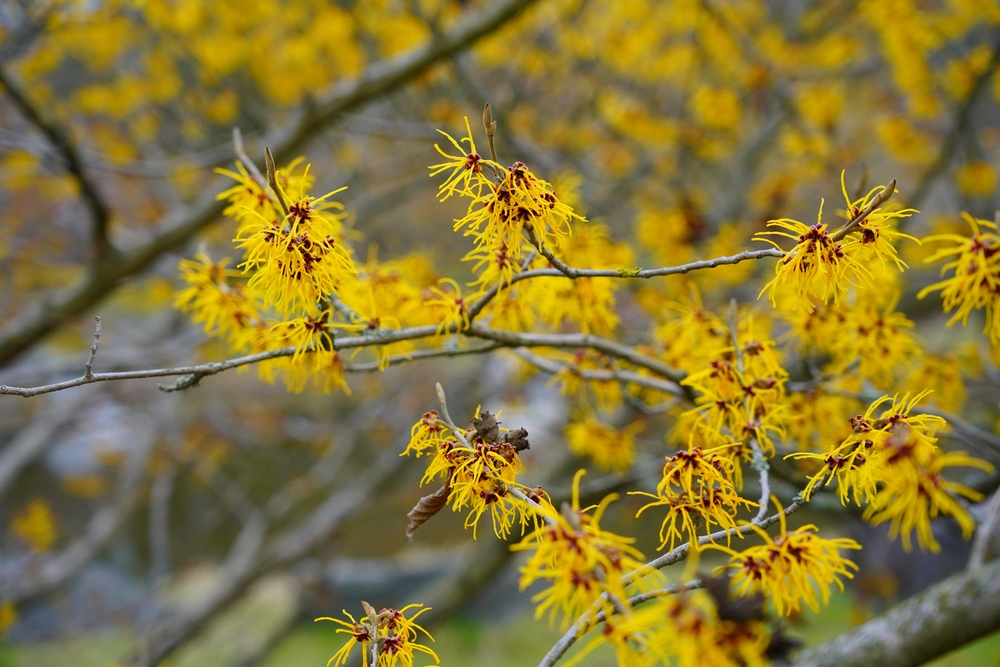
Witch Hazel is a unique deciduous tree that bursts into bloom with bright yellow or orange flowers in late winter. Its flowers are unusual, with long, ribbon-like petals that resemble thin threads. This tree is prized not only for its beauty but also for its medicinal properties, as extracts from its bark and leaves are used in skincare products. Witch Hazel can grow into a large shrub or a small tree, providing ample shade and structure for your garden.
The tree thrives in moist, well-drained soils and is especially effective in woodland gardens. Its flowers appear before the leaves, giving it an ethereal, almost magical quality in the winter garden. Witch Hazel is also known for its aromatic fragrance, which adds another layer of sensory delight. This tree is a perfect choice for gardeners seeking both beauty and practicality in their late winter yard.
Saucer Magnolia (Magnolia x soulangiana)
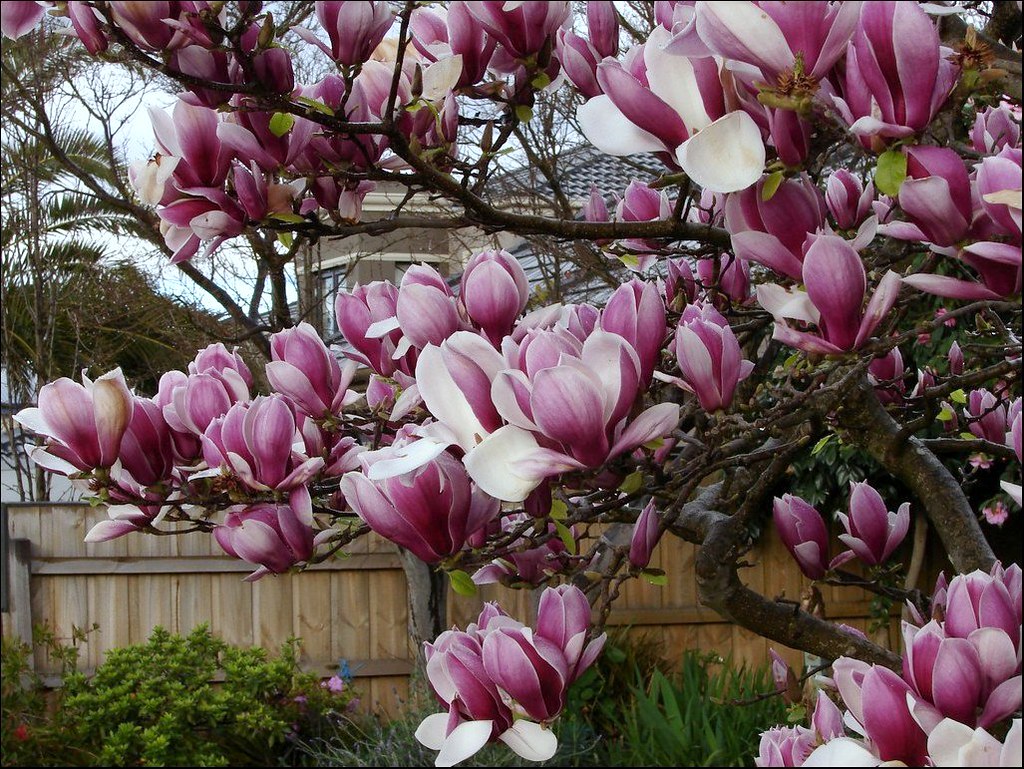
Saucer Magnolia is a hybrid tree that offers large, showy flowers in shades of pink and white in late winter or early spring. The flowers appear before the leaves, creating a striking contrast against the bare branches. This tree is known for its classic magnolia scent and vibrant blossoms, making it a favorite in gardens looking for early spring color. The Saucer Magnolia grows best in well-drained, slightly acidic soils and requires full sun for optimal flowering.
While this tree can be a bit sensitive to frost, the early blooms make it worth the effort. Its flowers can range from pale pink to deep magenta, depending on the variety, providing options for different garden aesthetics. The large leaves that follow the flowers offer a lush green canopy in the summer, making the tree attractive throughout the year. Planting Saucer Magnolia adds instant elegance and beauty to any yard, especially in the late winter months when color is much needed.
Camellia (Camellia japonica)
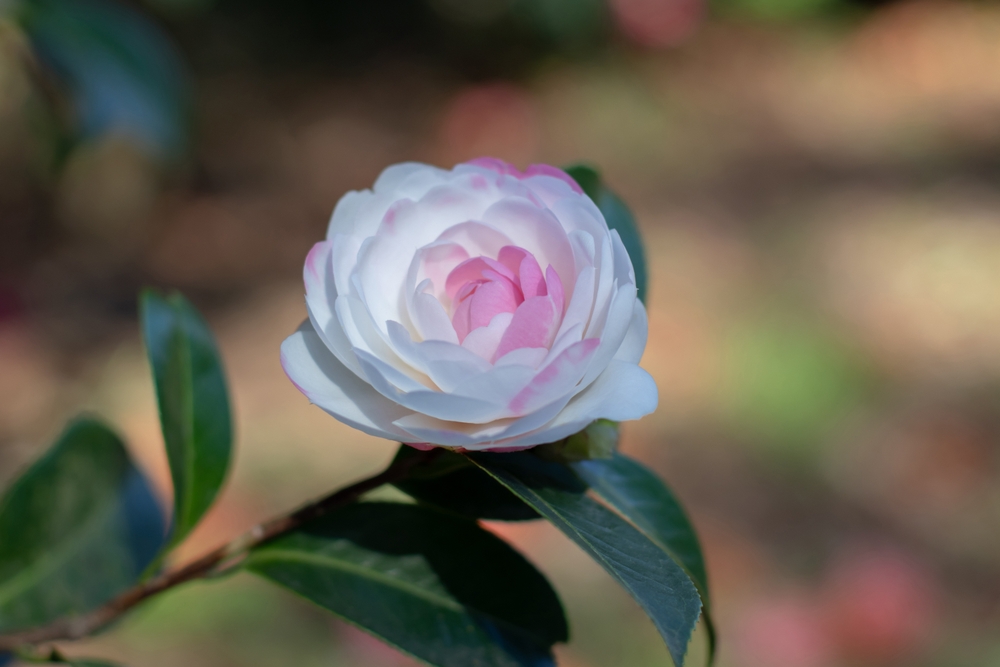
The Camellia is a classic evergreen shrub that bursts into bloom with beautiful flowers in shades of pink, red, or white, beginning in late winter. Known for its lush, dark green foliage, the Camellia’s flowers appear in a range of sizes, from delicate to large and bold. The tree thrives in acidic, well-drained soils and does well in partial shade, making it perfect for planting under trees or near buildings. The rich, colorful blossoms bring much-needed life to the garden in the chilly months.
Camellias are relatively slow-growing but can live for decades, making them a valuable long-term addition to your garden. The flowers can last for several weeks, providing a long-lasting splash of color. Their ability to bloom in the winter months makes them a favorite for creating year-round interest in a garden. With proper care, Camellias will thrive and bring joy with every bloom, especially when other plants are dormant.
Red Maple (Acer rubrum)
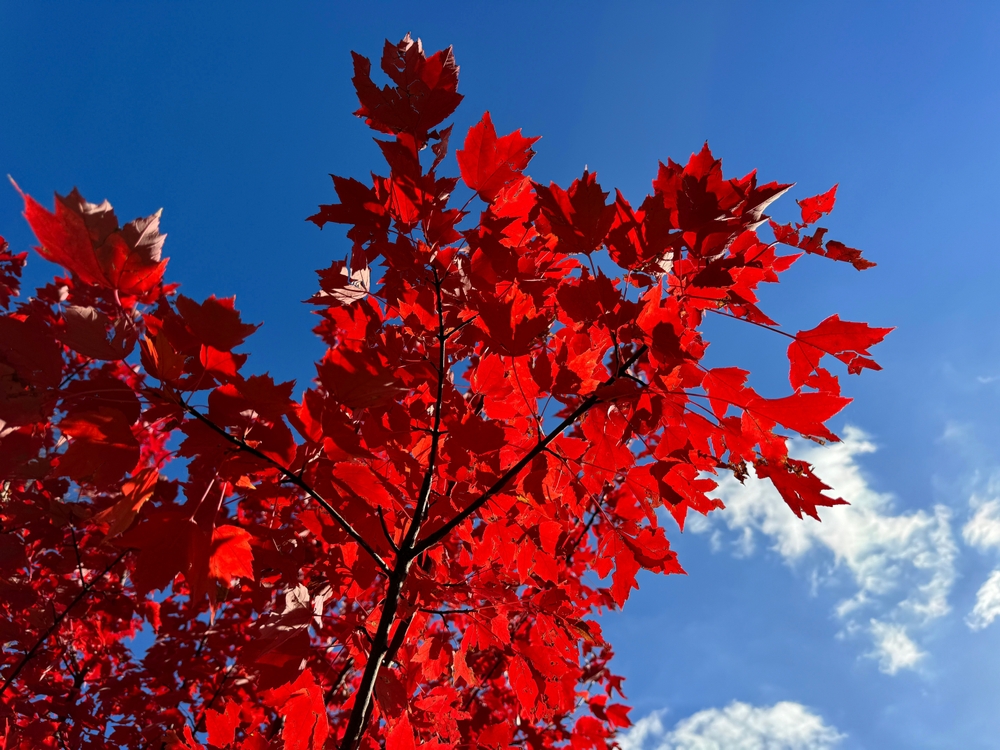
The Red Maple tree is a popular native tree known for its bright red flowers in early spring, which often bloom as early as late winter. While the flowers may be small, they create a striking contrast against the bare branches and add a pop of color to the landscape. The Red Maple is a hardy tree that grows well in various soils and can tolerate both wet and dry conditions. Its red flowers are a precursor to the beautiful red foliage that this tree displays in the fall.
This tree grows quickly and offers both beauty and shade, making it a great choice for a larger yard. The flowers attract pollinators like bees, which help to support local ecosystems. Red Maples are also known for their ease of care, requiring little maintenance once established. Their early spring flowers are a wonderful way to welcome the end of winter and the start of a new season.
Almond Tree (Prunus dulcis)
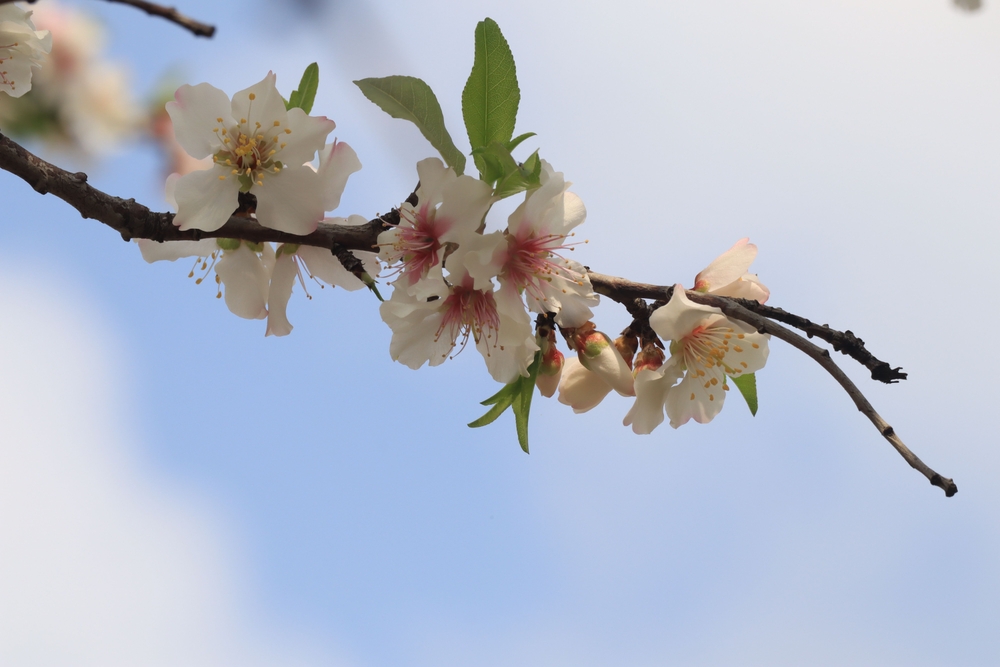
The Almond Tree is a favorite for early winter blooms, with delicate white or pink flowers appearing as early as February. These trees are known for their sweet-smelling flowers and are often one of the first trees to bloom in the new year. Almond trees prefer well-drained soil and require full sun to thrive, which is essential for healthy flower production. Their early blooms are followed by green leaves and, eventually, edible almonds.
Almond trees grow best in temperate climates and can be planted in small spaces or larger yards. While the flowers may be short-lived, their early appearance marks the transition from winter to spring. After blooming, the tree will offer the promise of tasty almonds in the warmer months. For gardeners who enjoy both beauty and utility, the Almond Tree is a perfect choice for late winter color.
Purple-Leafed Sand Cherry (Prunus x cistena)
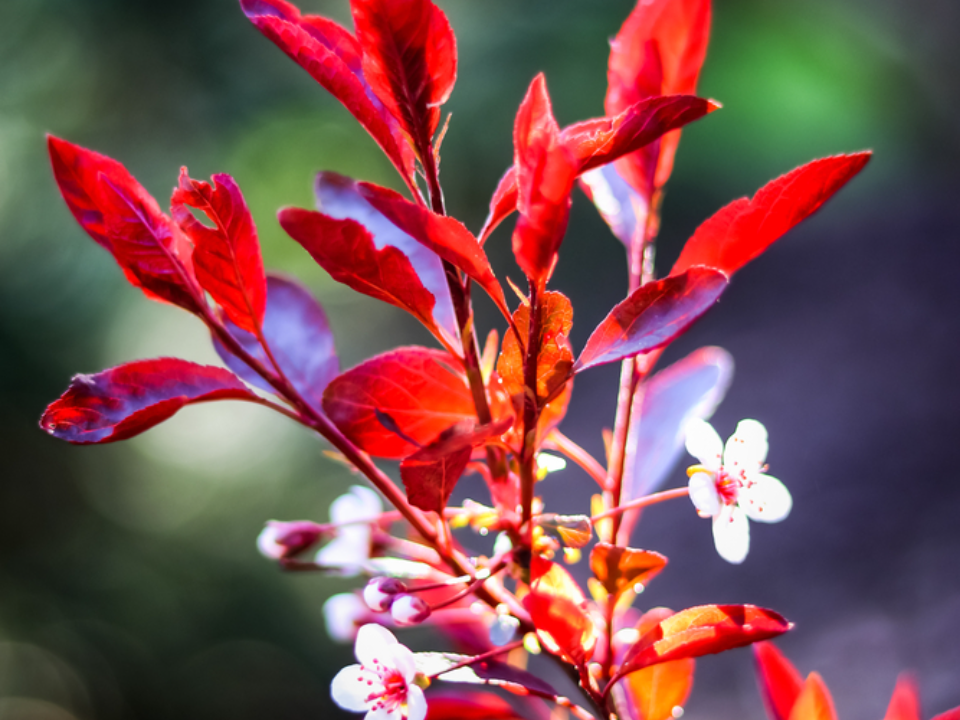
Purple-Leafed Sand Cherry is a deciduous shrub or small tree that produces pink or white flowers in early spring, often blooming in late winter. The tree’s dark purple leaves provide a striking backdrop to the delicate flowers, creating a dramatic contrast that is both bold and beautiful. This tree is perfect for smaller gardens or as a border plant, adding color and texture to your landscape. It thrives in well-drained soil and full sun, making it easy to care for and maintain.
In addition to its striking flowers, the Purple-Leafed Sand Cherry is prized for its dark foliage, which maintains its color throughout the growing season. The tree is relatively low-maintenance and can be pruned to maintain its shape and size. It is especially popular in ornamental gardens for its compact size and long-lasting beauty. The early blooms of this tree are a great way to bring your yard to life during the late winter months.
Serviceberry (Amelanchier alnifolia)
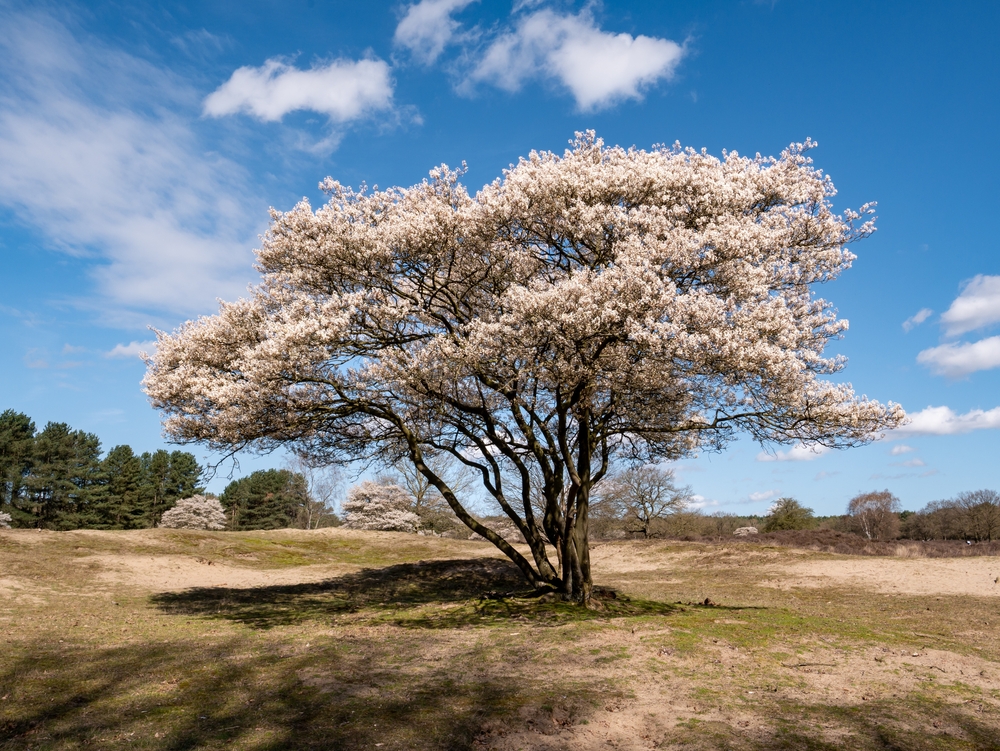
Serviceberry is a small tree that produces white flowers in clusters in late winter, often blooming just before the leaves emerge. The tree is well-known for its stunning early flowers, which attract pollinators and bring life to the yard after a long winter. Serviceberries prefer well-drained soil and full sun but can tolerate partial shade, making them adaptable to a variety of garden spaces. In addition to their beautiful flowers, these trees also produce edible berries in the summer.
Serviceberries grow quickly, providing both ornamental and functional value. The tree’s flowers are a sign that the end of winter is near, and they add a refreshing brightness to the garden. The berries that follow the flowers can be enjoyed fresh or used in pies and jams. This tree is ideal for those looking for early winter flowers with the bonus of tasty fruit later in the season.
Snowdrop Tree (Halesia carolina)
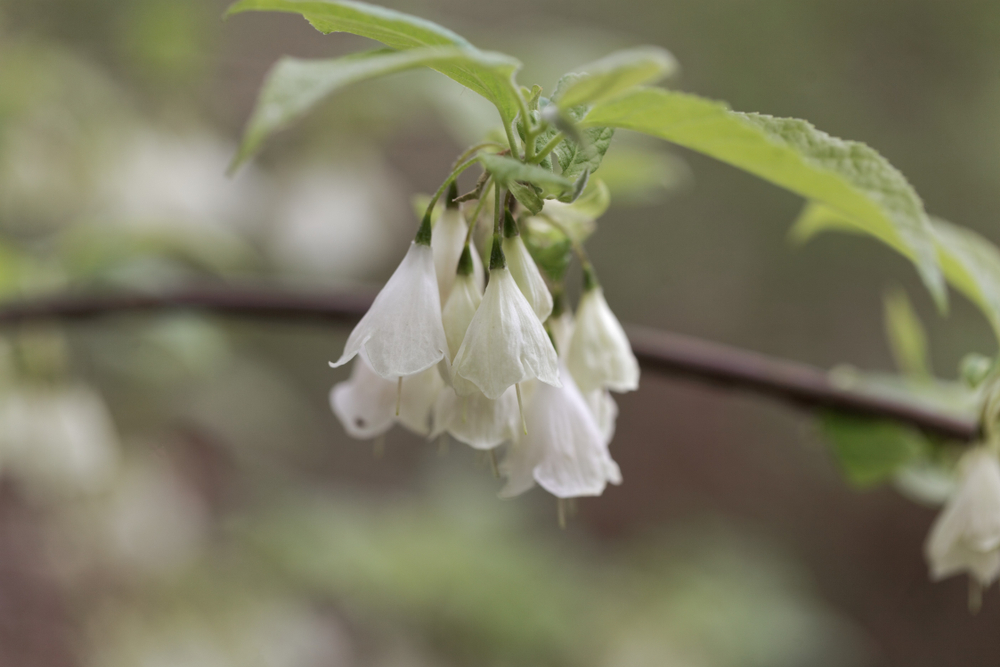
The Snowdrop Tree is a small deciduous tree that blooms with elegant white flowers in late winter to early spring. Its delicate, pendulous flowers resemble snowdrops, giving it its name. This tree prefers moist, well-drained soil and full sun but can tolerate some shade. Snowdrop trees are excellent for smaller gardens or as an ornamental feature in larger landscapes.
The Snowdrop Tree is known for its graceful beauty and its early blooms, which help to bring color and life to the landscape after a long winter. Its white flowers are a beautiful sight against the still-bare branches and provide an uplifting view as the days begin to lengthen. The tree grows slowly but can live for many years, offering beauty year-round. Snowdrop trees are an excellent choice for those looking to add an early burst of color to their garden.
Cherry Blossom Tree (Prunus spp.)
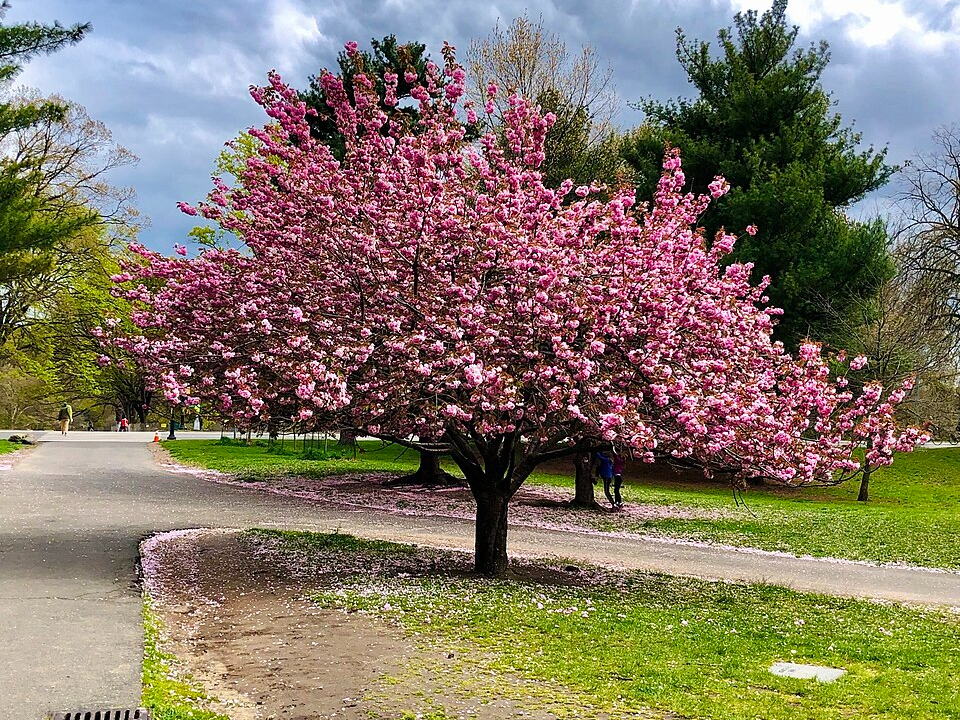
Cherry Blossom trees are famous for their stunning pink and white flowers, which bloom in late winter to early spring. These trees are widely celebrated for their beauty, and they are often the centerpiece of spring gardens. Cherry Blossoms grow best in full sun and well-drained soil, making them ideal for a variety of climates. Their flowers appear before the leaves, creating a striking visual display that announces the arrival of warmer weather.
In addition to their breathtaking flowers, Cherry Blossom trees offer a sense of renewal and hope. These trees often grow quickly and become a beloved feature in any landscape. Their flowers can last for a few weeks, bringing a burst of color to your yard when few other trees are in bloom. Cherry Blossoms are a perfect way to celebrate the change of seasons and add beauty to the late winter months.
Red-Flowering Currant (Ribes sanguineum)
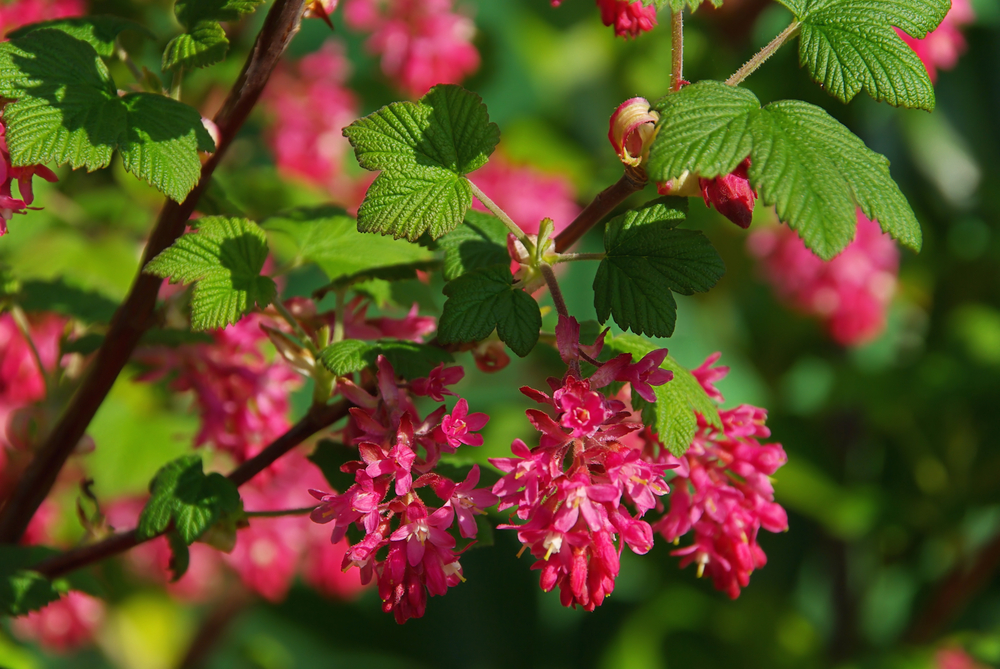
The Red-Flowering Currant is a deciduous shrub that blooms with vibrant pink or red flowers in early spring, often starting in late winter. This tree adds an immediate burst of color to the landscape, and its flowers attract hummingbirds and bees. It grows best in well-drained soil and can thrive in both sun and partial shade. The Red-Flowering Currant’s flowers are followed by small berries in the summer, which are enjoyed by birds and wildlife.
In addition to its colorful flowers, the Red-Flowering Currant has attractive, deeply lobed leaves that provide texture to your garden. The tree is low-maintenance and easy to care for, making it ideal for gardeners looking for a reliable, colorful addition to their yard. Its early blooms and fragrant flowers make it a favorite in the late winter months. This tree is a perfect choice for anyone looking to bring color and life to their garden during the colder season.
This article originally appeared on Avocadu.